-
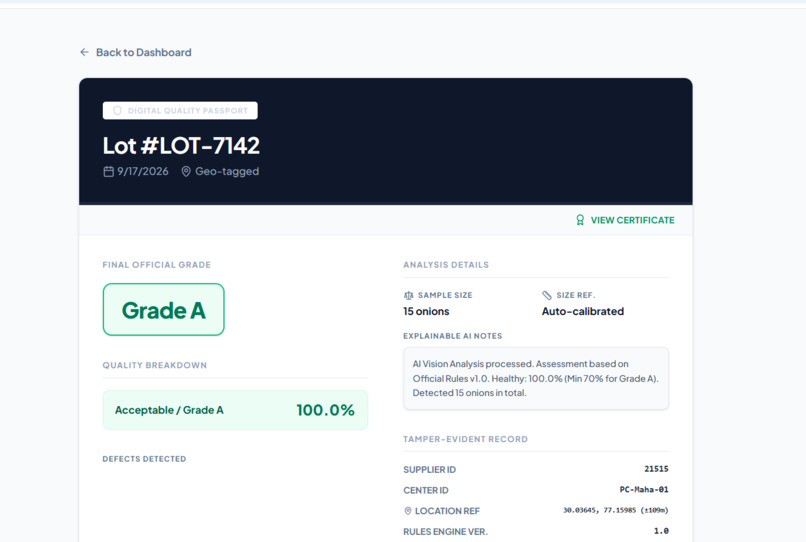
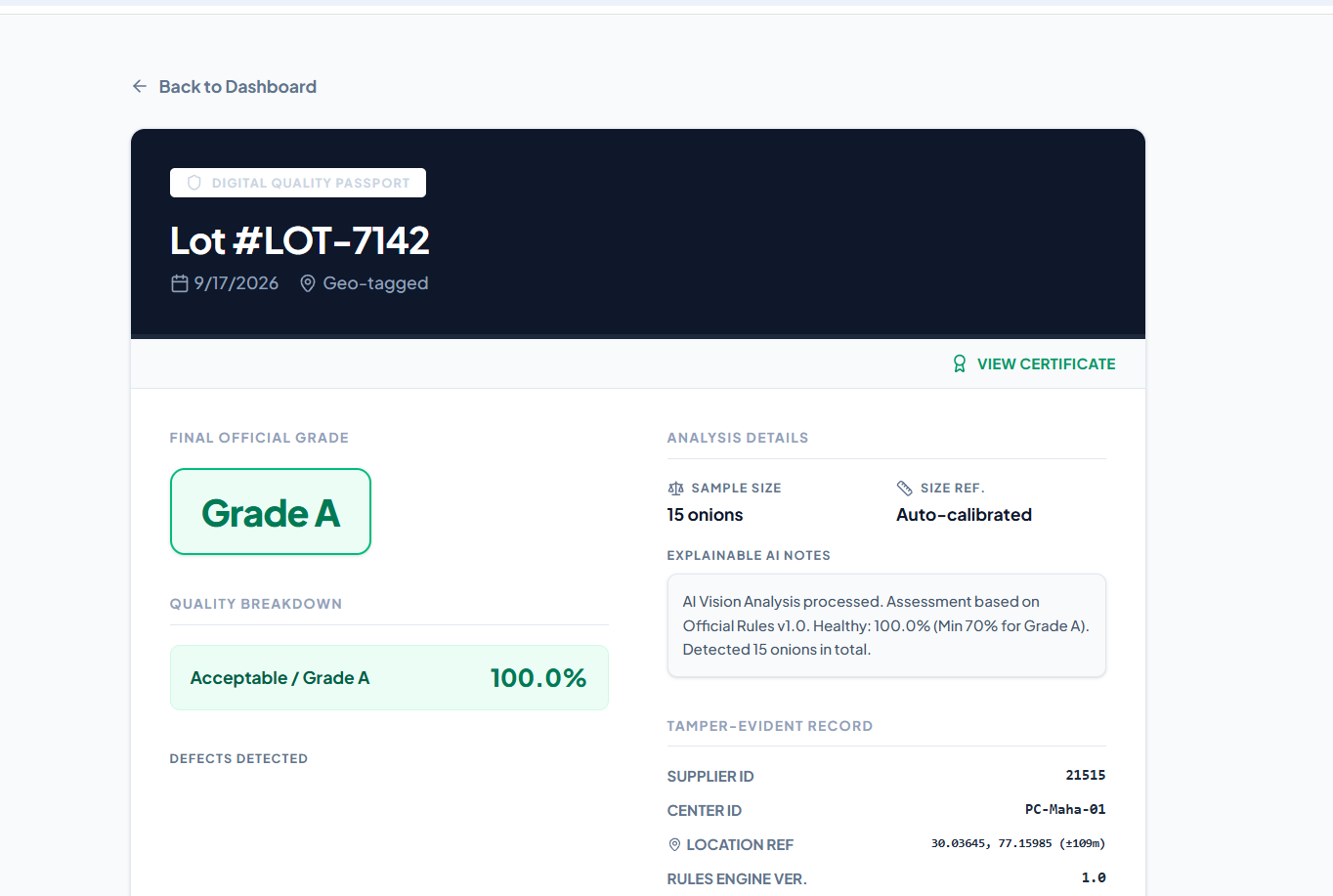
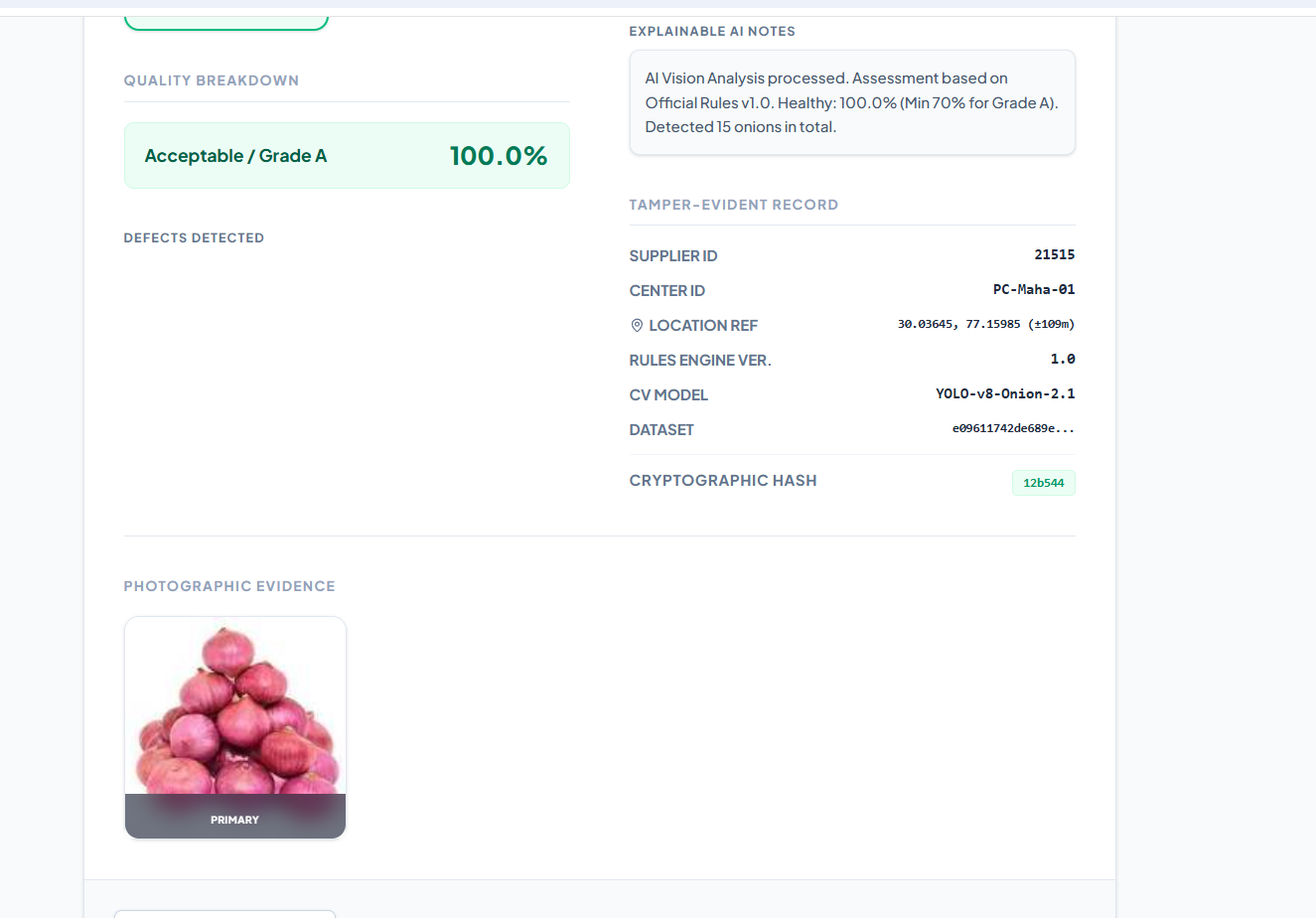
certificate
-
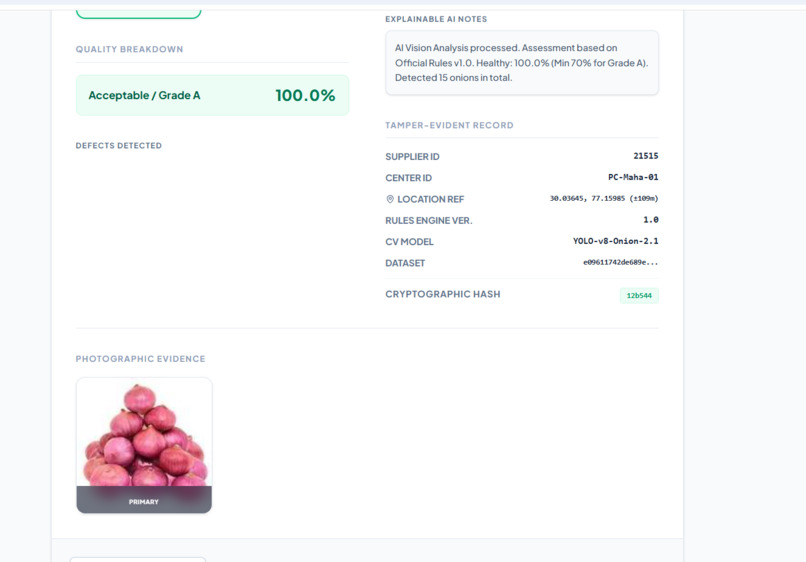
report
-
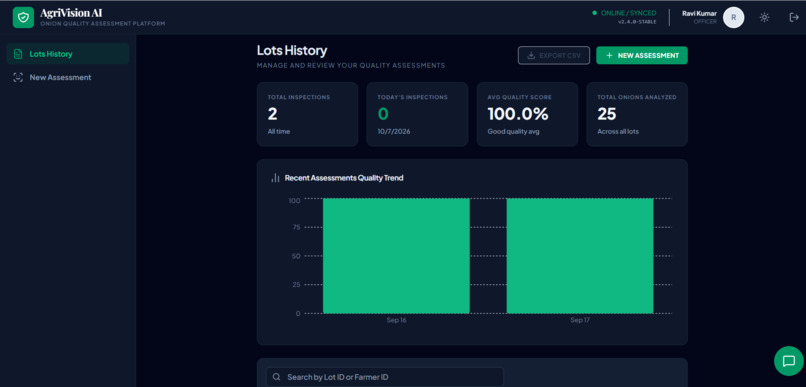
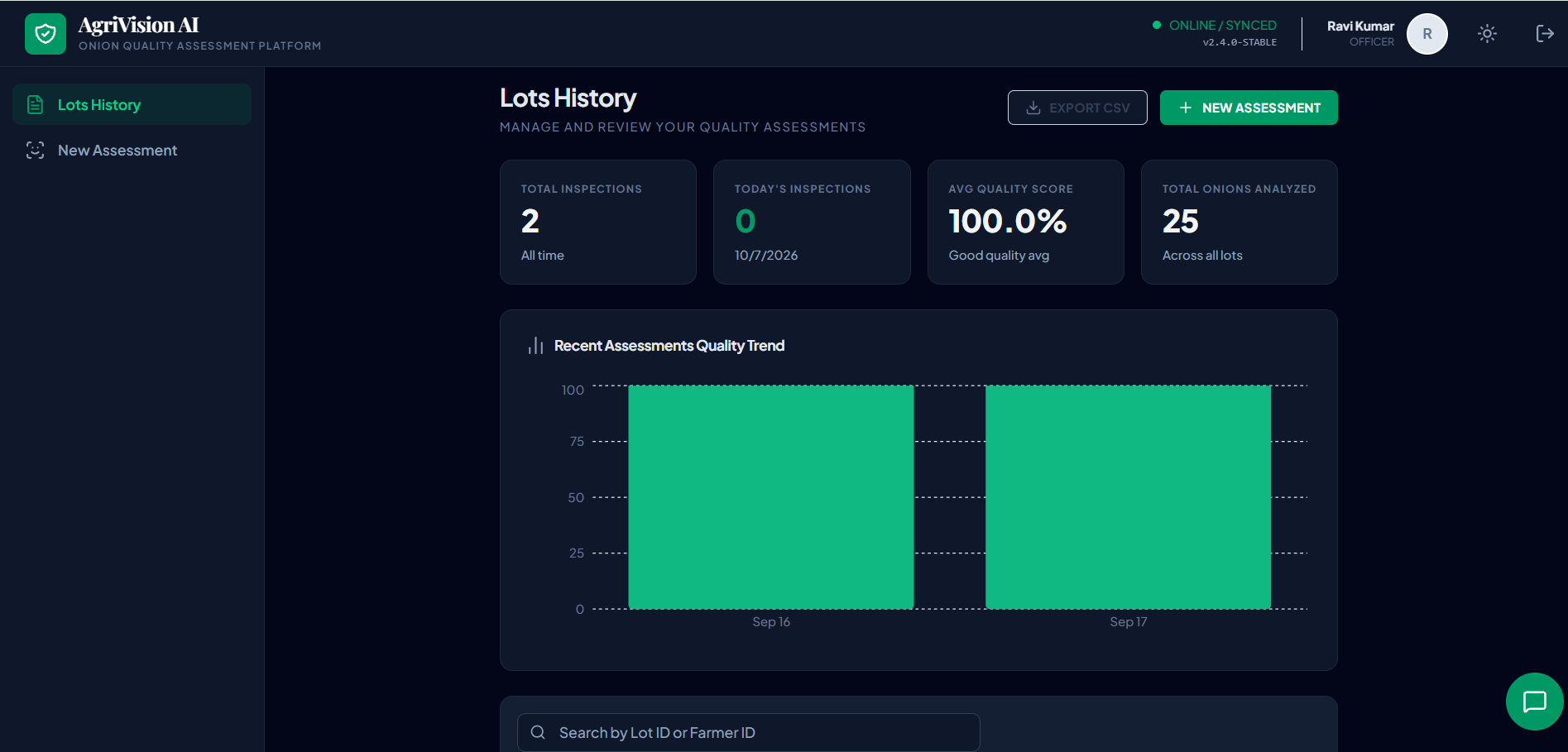
dashboard
-
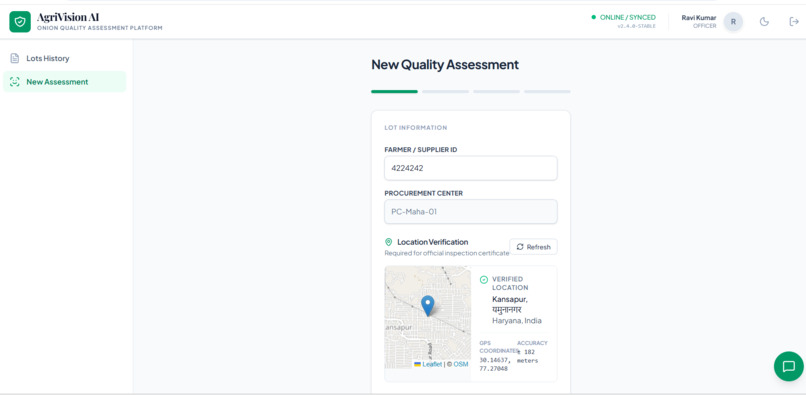
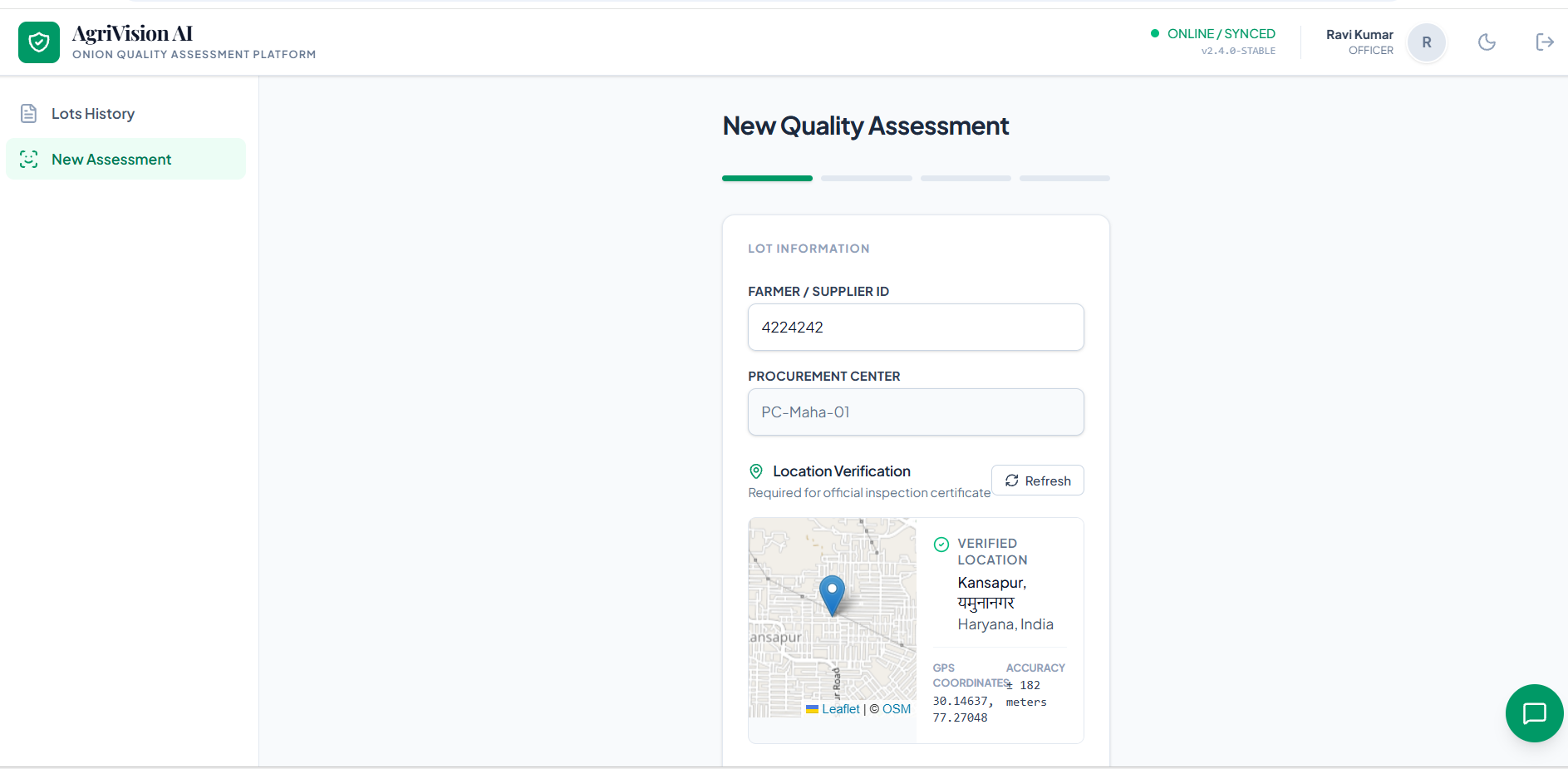
location
Inspiration
Agriculture plays an important role in our lives, but farmers often face difficulties identifying crop diseases and plant health problems at an early stage. We wanted to build a simple tool that could use AI to help farmers understand what might be wrong with their crops and what actions they can take.
This idea inspired us to create AgriVision AI, an AI-powered crop health assistant that turns a simple crop image into useful insights.
What We Built
AgriVision AI allows users to upload an image of a crop or plant. Our AI analyzes the image and provides information about the crop's condition, possible disease or issue, severity, and recommended actions.
We also designed the platform to be more than just an image classifier. Users can explore previous analyses and interact with an AI agriculture assistant to ask questions about crop health and prevention.
Key Features
- 🌱 AI-powered crop health analysis
- 📸 Image-based disease detection
- 🔍 Identification of possible crop problems
- 📊 Health and severity assessment
- 💡 Treatment and prevention suggestions
- 🤖 AI-powered agriculture assistant
- 📋 Scan history
- 📱 Responsive and farmer-friendly interface
How We Built It
We developed the frontend using React, TypeScript, and Tailwind CSS and connected it with a backend/API layer for processing requests. For image understanding and AI-generated agricultural insights, we integrated a vision-capable Gemini model.
We focused on keeping the interface simple so that a user can upload an image and understand the result without needing technical knowledge.
What We Learned
During development, we learned how to integrate multimodal AI into a real-world application and how to structure AI responses so they are useful instead of simply returning a prediction.
We also learned the importance of designing AI applications around the actual user's needs. A disease name alone is not enough; users also need understandable explanations, severity information, and actionable recommendations.
Challenges We Faced
One of the biggest challenges was making the AI output consistent and useful for different crop images. Image quality, lighting, camera angles, and unclear symptoms can affect analysis.
We also had to design the application so that AI-generated information was presented clearly and responsibly. We focused on providing the results as guidance rather than presenting them as a guaranteed agricultural diagnosis.
Future Plans
In the future, we want to add support for more crops and diseases, regional-language assistance, weather-based crop risk analysis, offline/low-connectivity support, and better location-based recommendations.
Our goal is to make AgriVision AI a practical digital assistant that helps farmers detect problems earlier and make more informed decisions.
AgriVision AI — See the Problem. Grow Better.


Log in or sign up for Devpost to join the conversation.