-
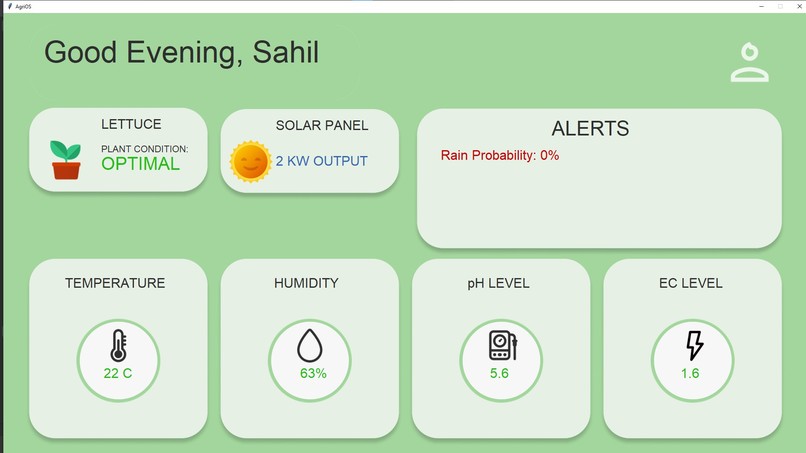
Dashboard
-
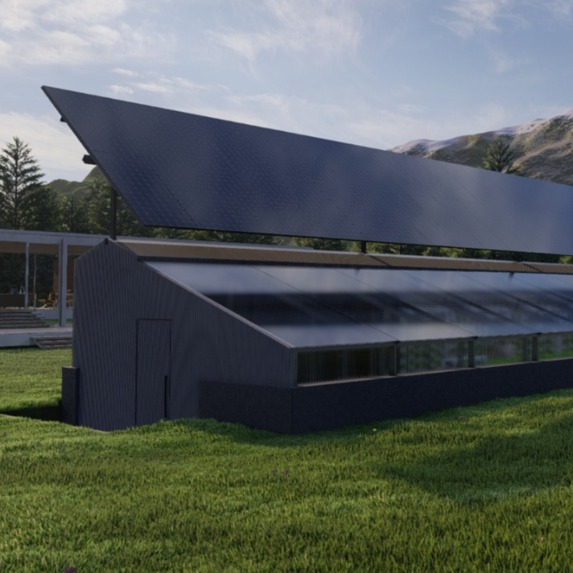
3D model of AgriGen building
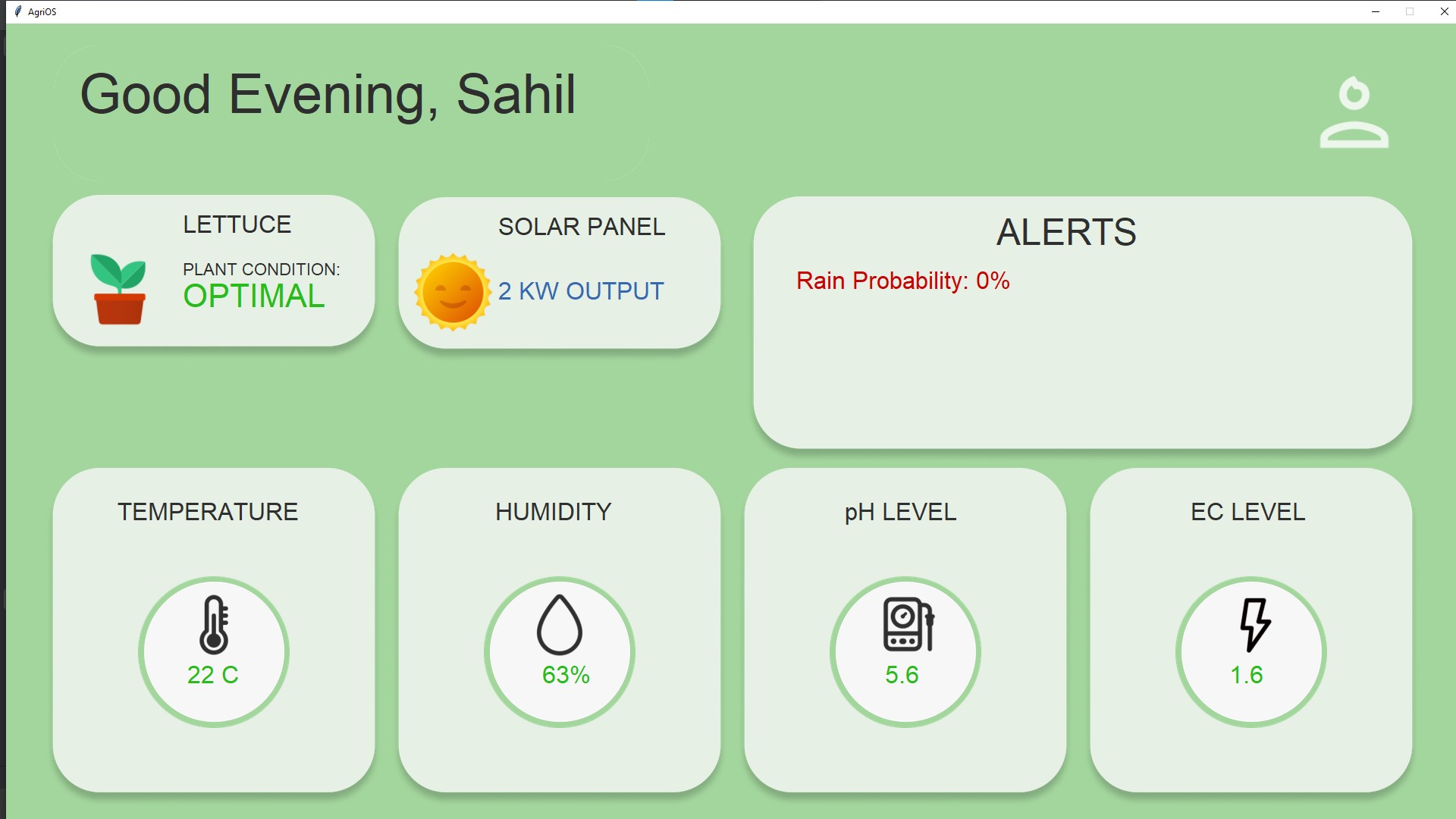
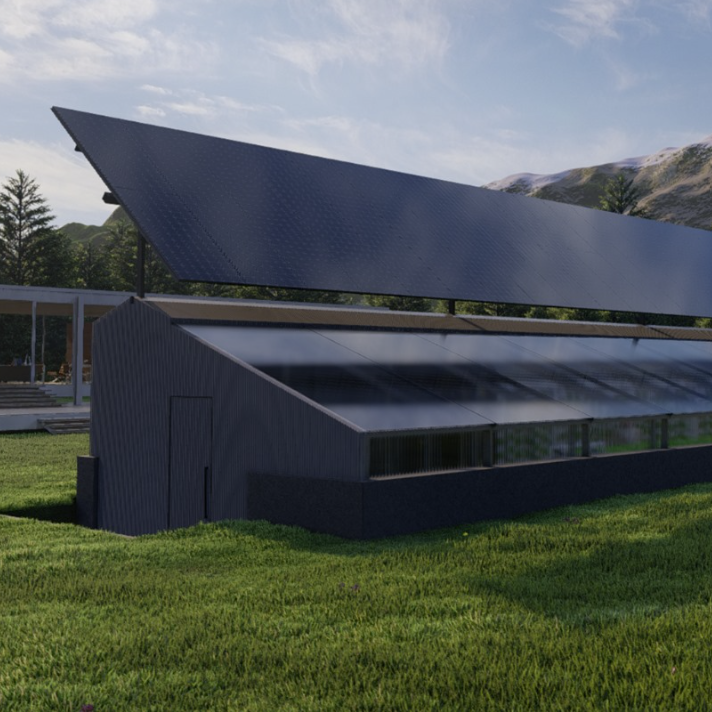
Inspiration
- High Energy Consumption: o Issue: Controlled environment agriculture systems, especially vertical farms, consume significantly more energy compared to traditional greenhouses. According to the 2021 Global CEA Census Report, vertical farms have an average energy use of 38.8 kWh/kg of produce, whereas traditional greenhouses average 5.4 kWh/kg. o Impact: Elevated energy costs reduce profitability and increase the environmental footprint of CEA operations. Source: 2021 Global CEA Census Report
- High Labor Costs Due to Skilled Workforce Requirement: o Issue: CEA systems often require highly skilled labor for operations, maintenance, and optimization. The complexity of managing advanced technologies like hydroponics and climate control systems necessitates specialized training. o Impact: Elevated labor costs can impede scalability and increase overall operational expenses. Source: Labor Costs In Vertical Farming
- Lack of Deployable Farming Operating Systems in Agrivoltaic Solutions: o Issue: Current FOS platforms are not tailored to the unique requirements of agrivoltaic systems, which integrate energy generation with agriculture. This gap results in inefficiencies and missed opportunities for optimization. o Impact: Without specialized FOS, agrivoltaic greenhouse systems like AgriGen cannot fully realize their potential in energy and agricultural productivity. Source: Interview with Startup
What it does
The primary objective of the Farming Operating System (FOS) is to efficiently manage (mainly energy resources) and automate various agricultural processes within the agrivoltaic greenhouse environment. By integrating advanced control algorithms and real-time data analytics, the FOS optimizes resource usage, enhances crop yields, and reduces operational costs.
How we built it
- Brainstorming to find the problem
- Ideation to define problem
- Formalization with topic from all sides
- Divide and conquer between sub teams.
- Decided on the technologies to use and boiled down to Python, SQL, Tkinter and API calls.
- One person developed back end in python, another used Python and SQL for DBs, third developed front end, and the last integrated the needed APIs.
- Integrating the code between the four developers was the key in completing the project.
Challenges we ran into
- Integrating various software coding styles distinct to each team member
- Developing a DB that accommodate both inputs and outputs.
- Integrating the APIs in to the existing code and the UI
- Finding the right UI for the technologies and languages we chose.
Accomplishments that we're proud of
- Developing an easily integrable software
- Developing a strong front-end
- Using a text book to create the biological needs of plants
What's next for AgriOS
The next phase of AgriOS is:
- Connect the hardware sensors to the OS
- Further train the AI model to recognize specific uncommon crops
- Integrate Model Predictive Control

Log in or sign up for Devpost to join the conversation.