-
-

-
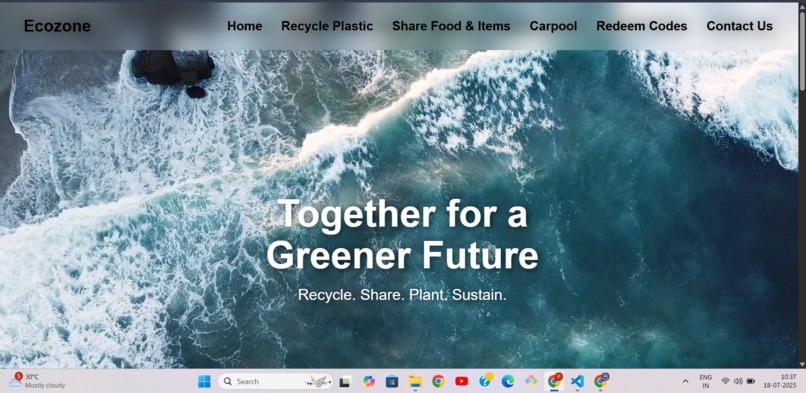
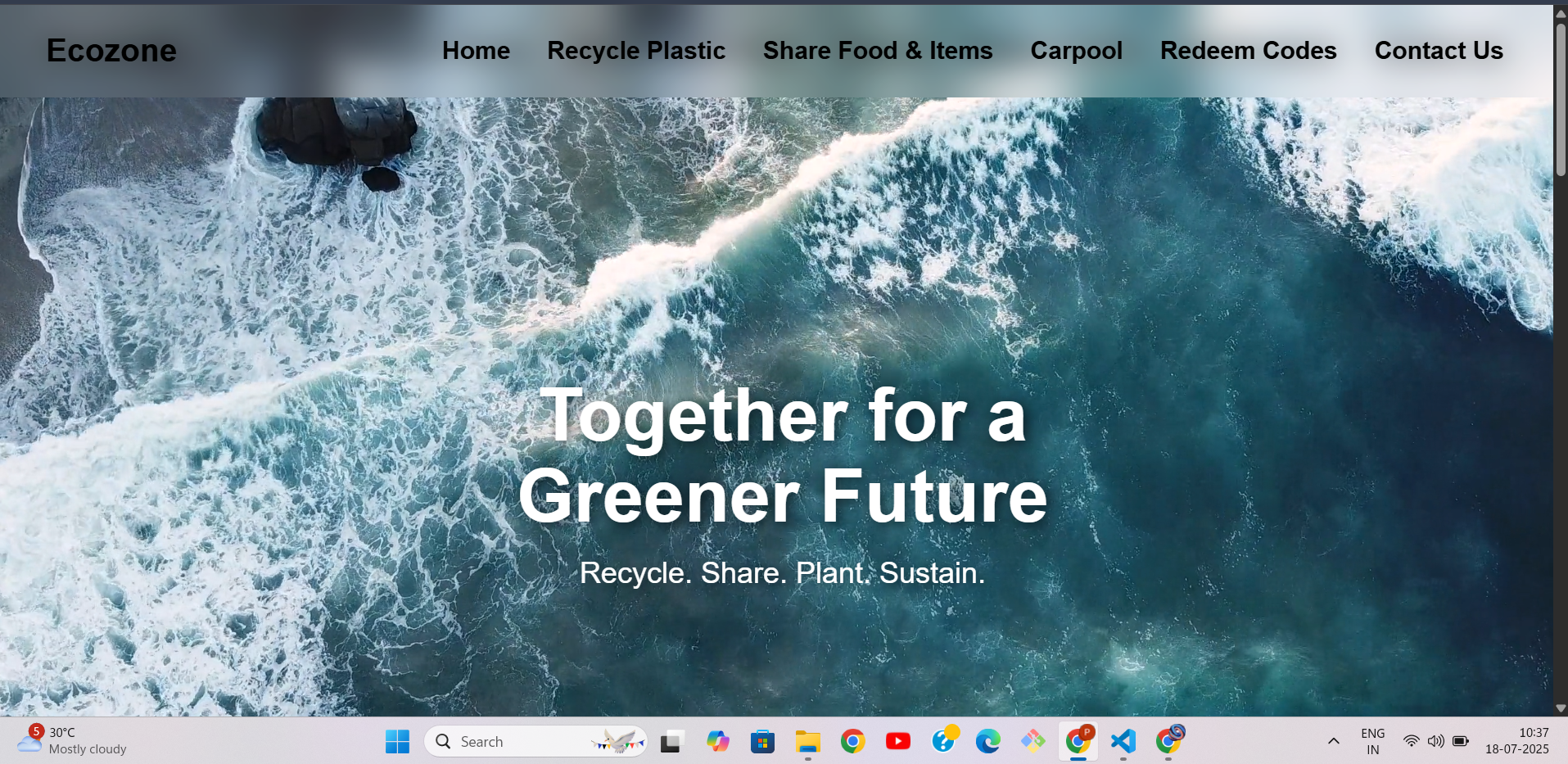
HomePage
-
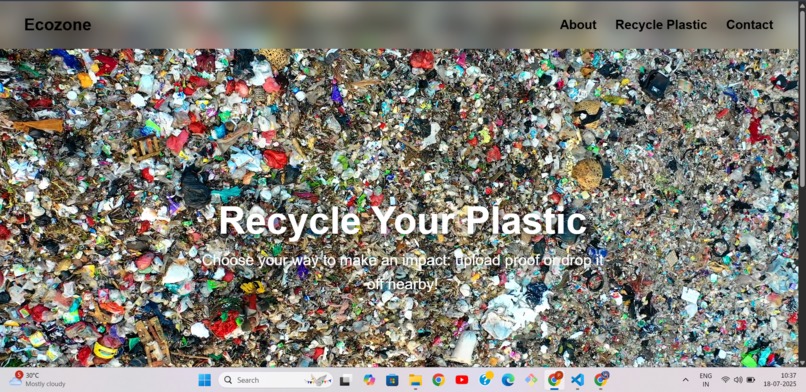
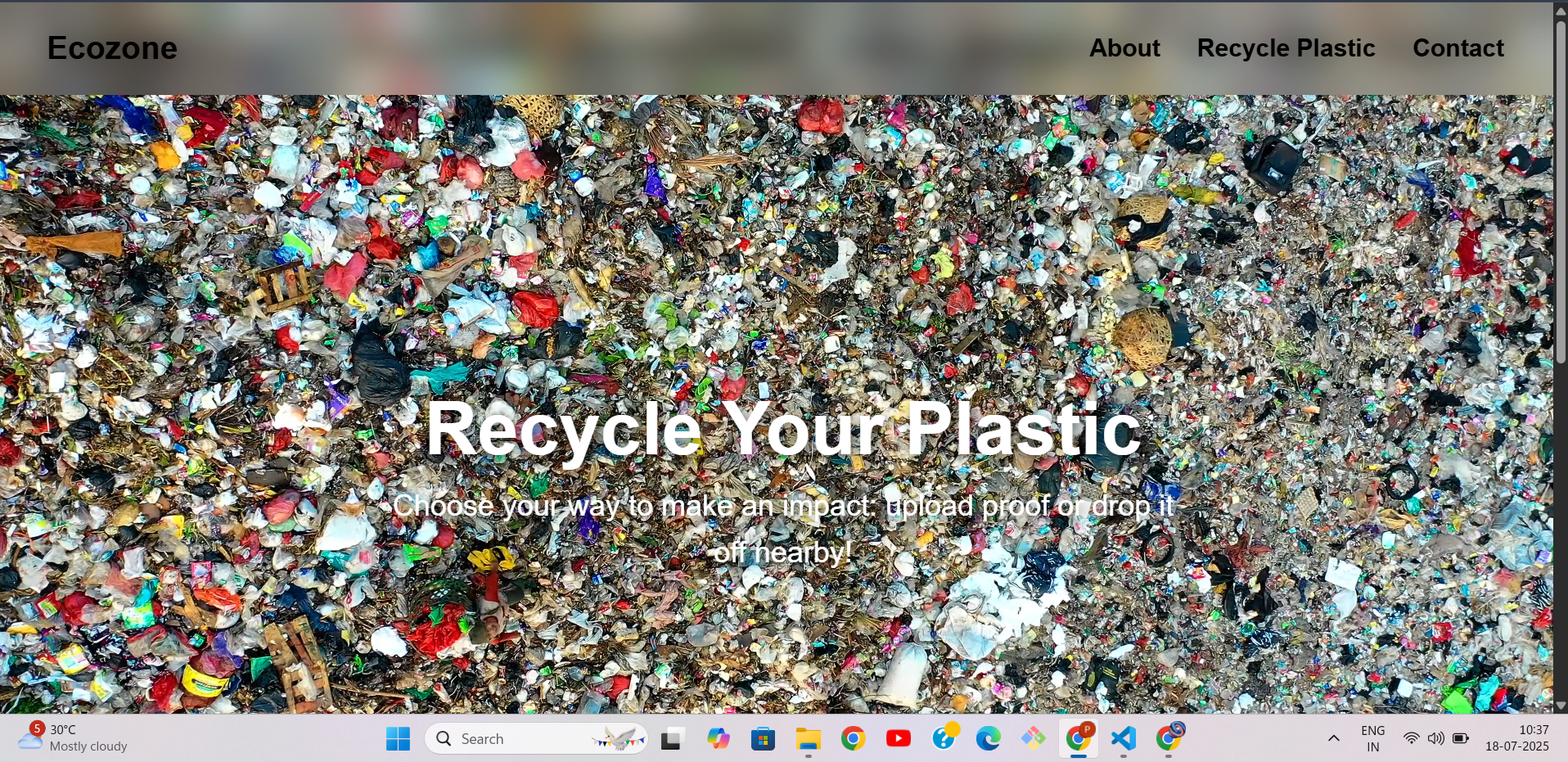
Recycle page where plastic can be recycled and redeemed points
-
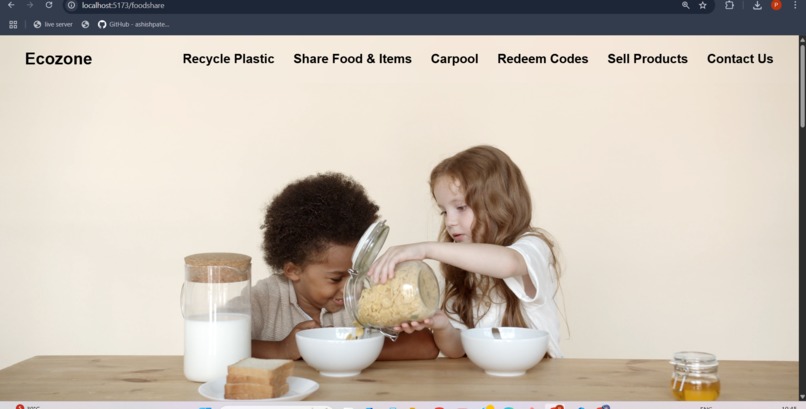
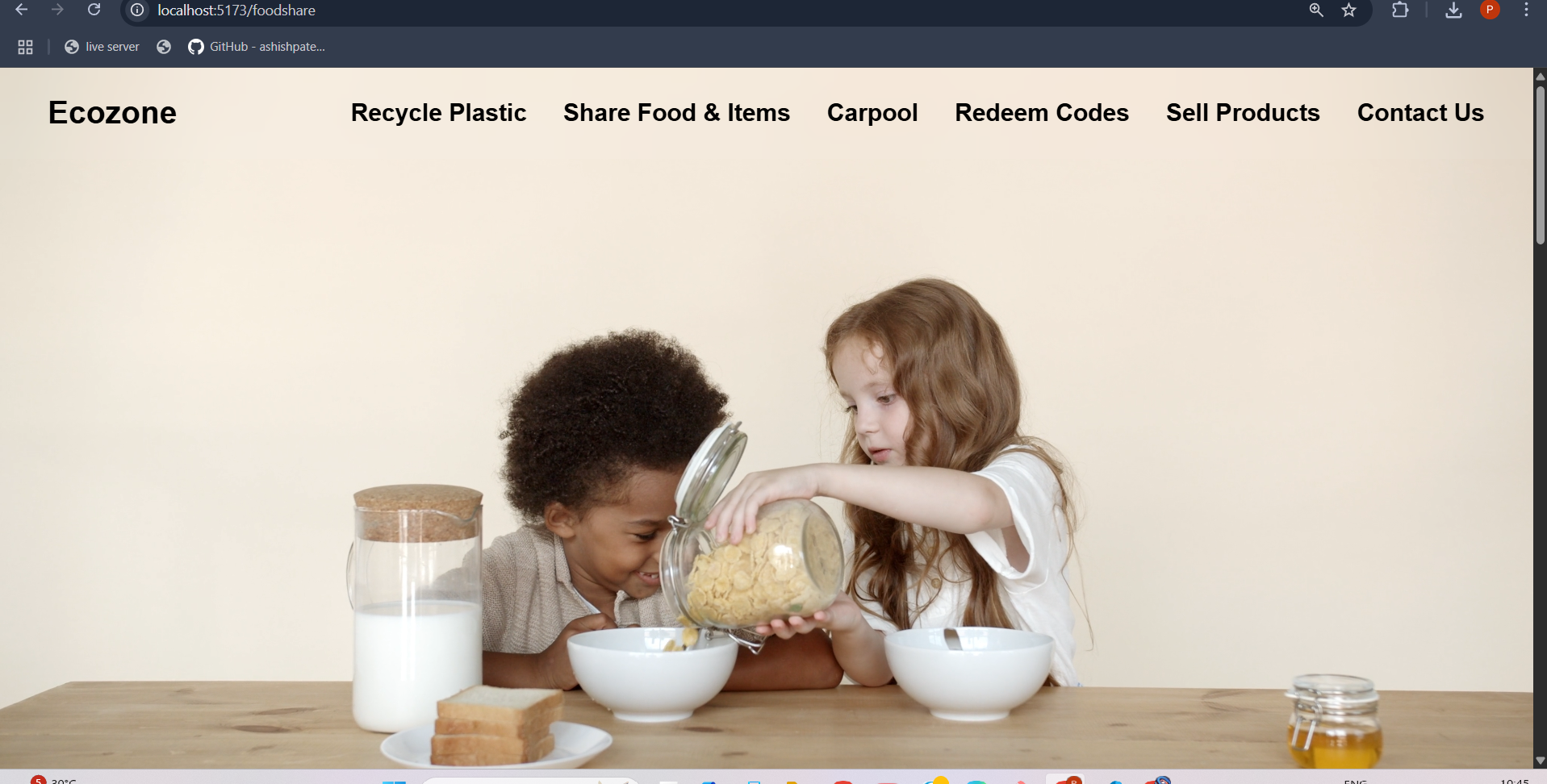
FoodSharing page where surplus food can be shared or received
-
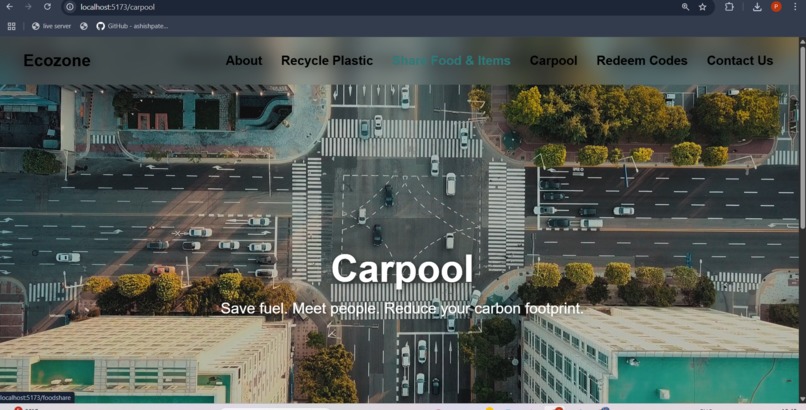
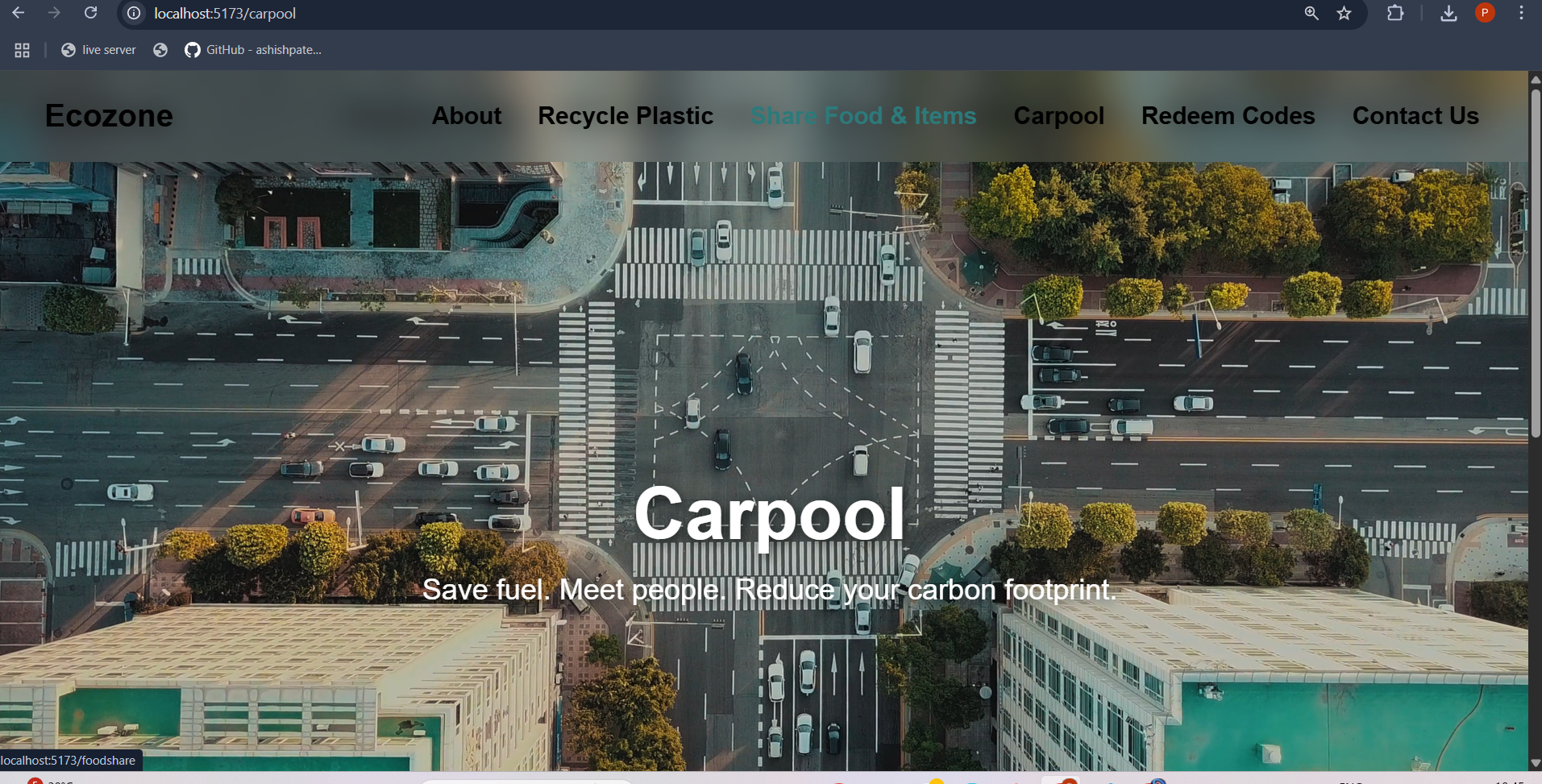
Carpool page-people can choose to be a passenger or driver carpool to reduce carbon emission
-
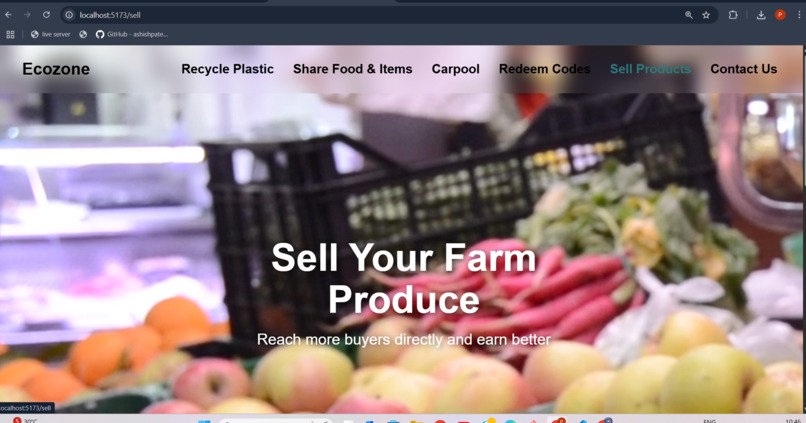
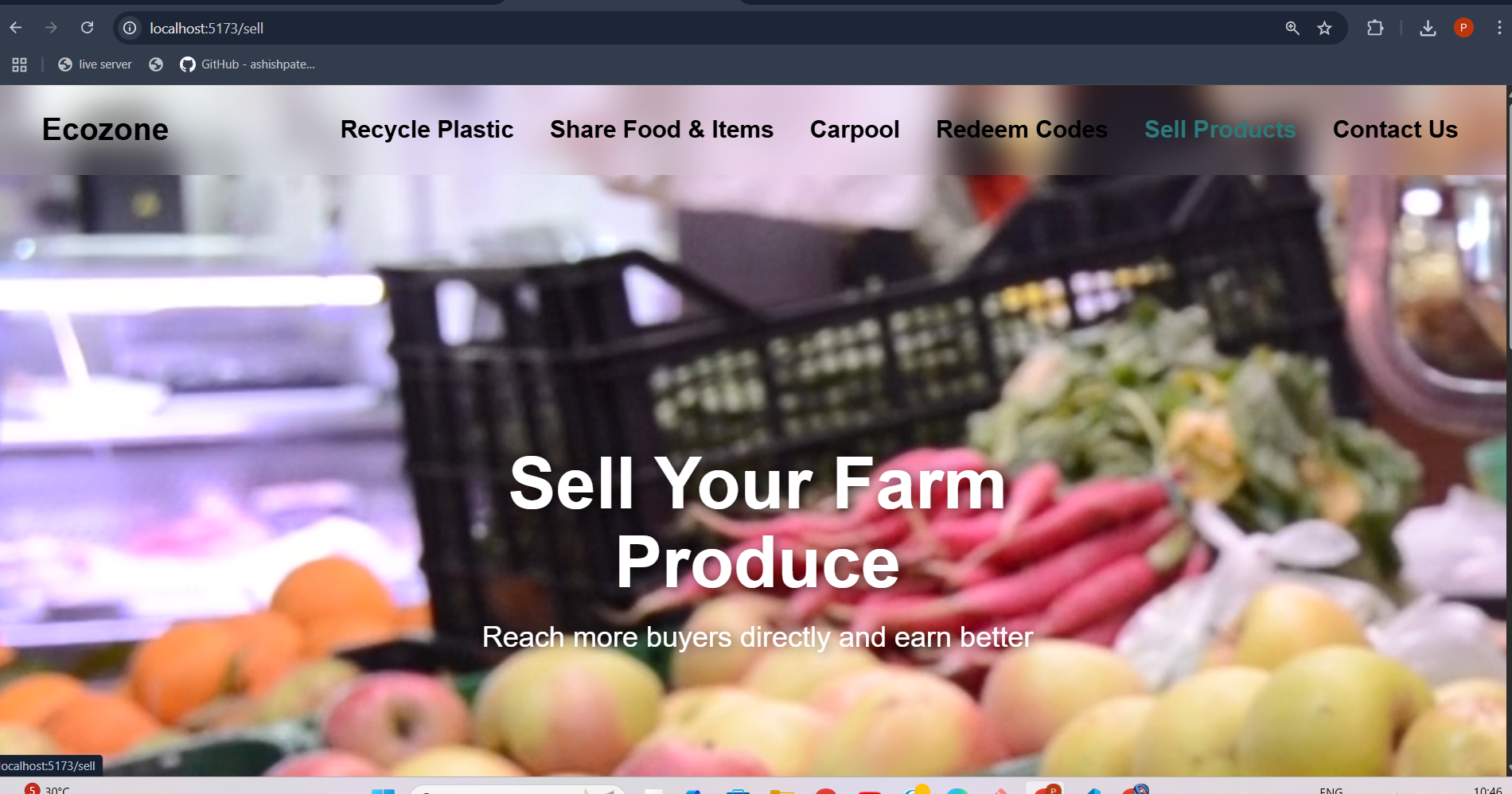
SellProducts-where farmers can directly sell their products to customers with no fee of middleman
-
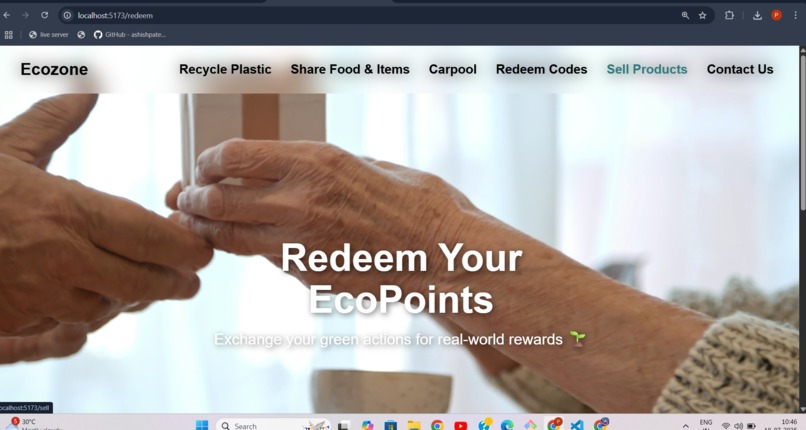
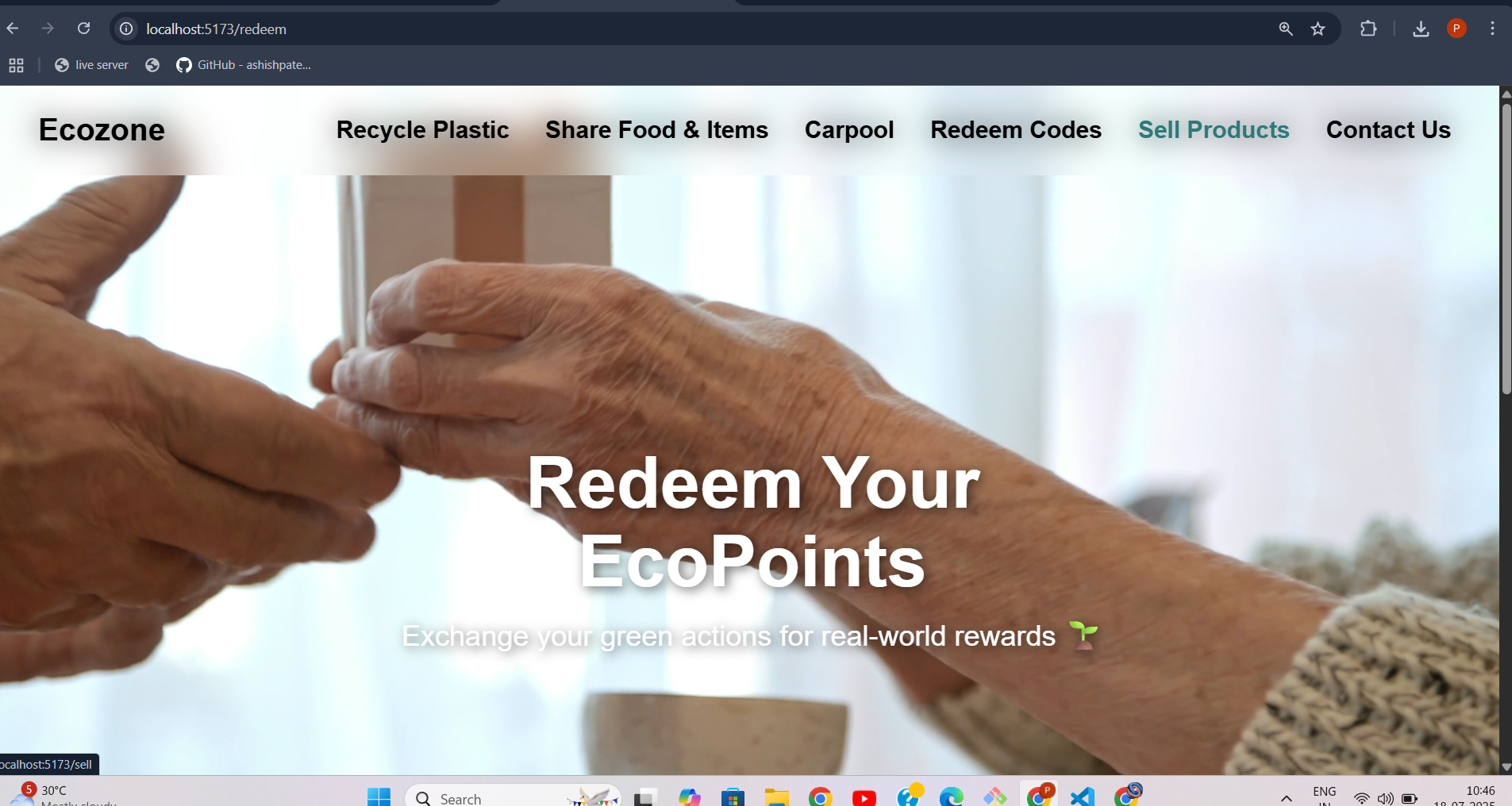
Redeem page-where people can see their points can redeem coupons
-
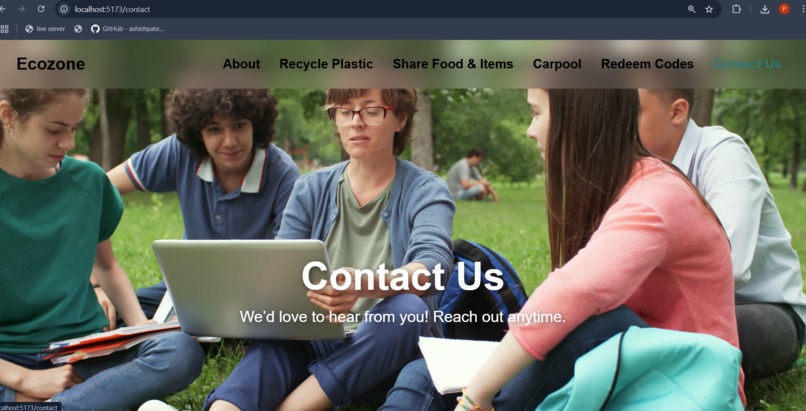
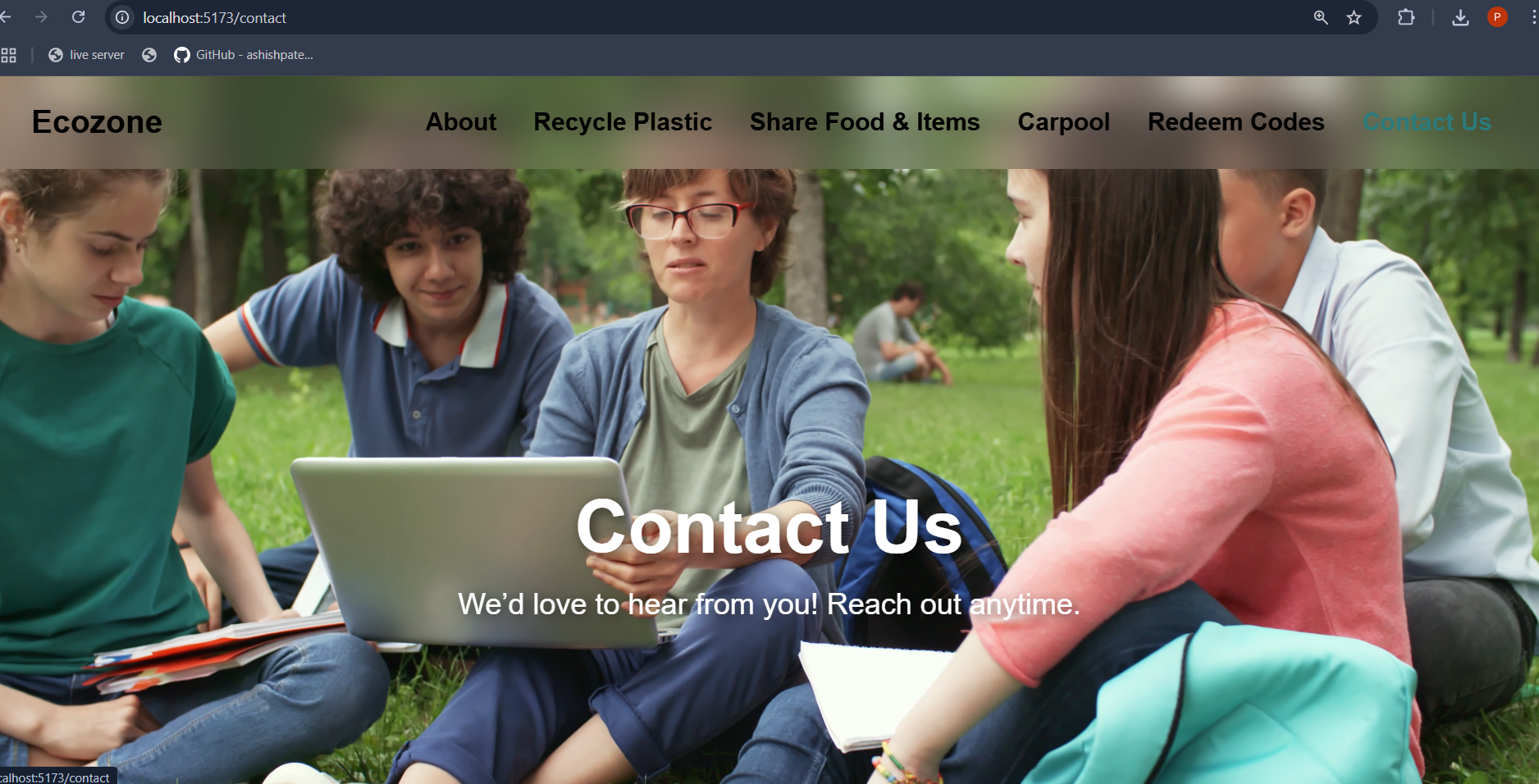
Lastly the contact Us page

Inspiration
The inspiration behind EcoZone stems from a simple yet powerful belief: sustainability should be accessible to everyone. In our daily lives, we noticed a pattern—farmers struggling to sell their produce, surplus food going to waste, plastics piling up in our surroundings, and vehicles crowding the roads while contributing to pollution.
We asked ourselves: What if one platform could address all these problems at once?
EcoZone was born from the idea of community-powered sustainability—a digital ecosystem where every user, whether a farmer, student, commuter, or citizen, can contribute to a cleaner, greener future. Whether it's selling homegrown products, sharing excess food, recycling plastic for rewards, or reducing emissions through carpooling—EcoZone empowers individuals to become part of the solution.
In a world facing urgent environmental challenges, we believe real change starts with small actions—and EcoZone brings those actions together, under one roof.
What it does
EcoZone is an all-in-one sustainability platform that connects people, communities, and causes to build a greener future. It empowers users to take eco-conscious actions through four key features:
AgriConnect – Farmers can list and sell their fresh produce directly to local buyers, eliminating middlemen and reducing food miles.
FoodShare – Households and restaurants can share surplus food with people in need, reducing waste and fighting hunger in real time.
Recycle & Earn – Students and individuals can upload photos of recycled plastic items, track their impact, and earn reward points redeemable with eco-conscious brands.
EcoRide – A built-in carpooling feature that encourages shared rides, cutting down traffic congestion and CO₂ emissions.
Together, these features transform EcoZone into a digital sustainability ecosystem—where every action counts, every user matters, and climate responsibility becomes a shared mission.
With EcoZone, sustainability is no longer a buzzword—it’s a lifestyle.
How we built it
EcoZone was built as a feature-rich, frontend-only web platform using HTML, CSS, JavaScript, and React.js—proving that impactful solutions don’t need complex infrastructure to inspire real-world change.
We focused on creating a seamless, interactive experience that simulates real-world sustainability actions through:
🔧 HTML5 for clean structure and accessibility
🎨 CSS3 for responsive, mobile-first design and smooth user experience
⚙️ Vanilla JavaScript (ES6) for core logic, interactivity, and real-time DOM updates
⚛️ React.js to build reusable, scalable components with efficient state management
🔍 Key Functionalities Simulated: Farmer Marketplace: Farmers can list and display produce for sale, with intuitive form inputs and dynamic UI rendering
Food Sharing Hub: Users can add, browse, and claim surplus food listings—modeled with mock data and localStorage persistence
Plastic Recycling Rewards: Users upload plastic recycling images, receive simulated points, and view reward partners
Carpool Matchmaking: Users can browse carpool options based on selected routes, promoting reduced carbon emissions
We used localStorage and JSON mock APIs to simulate real backend behavior, enabling full feature demonstrations without a server. The entire project is optimized for future integration with backend services like Firebase, MongoDB, or REST APIs.
🚀 The Impact Even as a frontend-only build, EcoZone showcases the power of innovation and user-centered design. It serves as a functional prototype ready to scale—with the core experience already in place to educate, empower, and engage users in sustainable living.
Challenges we ran into
Building EcoZone with a frontend-only stack brought both exciting opportunities and unique challenges. Some of the key hurdles we faced included:
🔄 Simulating Real-World Features Without a Backend Creating features like user submissions, carpool listings, and recycling reward tracking—all without a backend—required creative solutions using localStorage and mock JSON. Managing data persistence, simulating authentication, and mimicking server interactions demanded careful planning.
📸 Image Upload & Validation Allowing users to upload images for plastic recycling was tricky without a server to store or process files. We used the browser’s File API to preview and manage images, simulating the experience while preparing the UI for future backend integration.
📱 Responsive Design Across Devices Ensuring a consistent, intuitive experience across desktop and mobile screens required fine-tuning our CSS layout, flex/grid systems, and media queries—especially as multiple features needed to coexist on one interface.
🧠 Feature Prioritization With limited time, deciding what features to build and how deeply to implement them was a challenge. We focused on showcasing core sustainability actions while leaving room for future scalability.
⚛️ Managing State in React Handling multiple interactive features—such as listings, filters, and uploads—made state management more complex. We leveraged React’s state hooks and props drilling efficiently, even in the absence of Redux or Context API.
Accomplishments that we're proud of
✅ Bringing Multiple Eco-Initiatives Together in One Platform We successfully integrated diverse features—farm produce sales, food sharing, recycling rewards, and carpooling—into a unified, seamless experience that reflects the true spirit of community-driven sustainability.
✅ Simulating Full-Stack Functionality Using Only Frontend Tools With no backend, we creatively used localStorage, dummy APIs, and simulated user interactions to mimic real-time functionality—proving that even with limited resources, big ideas can come to life.
✅ Building a Clean, Responsive, and Accessible UI We crafted a user interface that is not only mobile-friendly and responsive, but also intuitive for people from all walks of life—including farmers, students, and everyday users.
✅ Reward System for Environmental Action Our plastic recycling reward feature gamifies sustainability. Users can upload images, track points, and stay motivated—making green actions fun and engaging.
✅ Impact-First Thinking Above all, we’re proud that EcoZone solves real-world problems—from reducing waste and food insecurity to lowering carbon emissions—by empowering everyday people to take meaningful action.
What we learned
Building EcoZone was not just a technical challenge—it was a journey of learning, growth, and discovery. Here’s what we took away:
🌱 The Power of Simplicity in Solving Real Problems We learned that impactful solutions don’t always need complex tech. Even with just frontend tools, we were able to build a platform that tackles real-world issues like food waste, pollution, and rural access.
⚛️ Deepening Our React Skills Working extensively with React.js helped us master component-based architecture, state management, and conditional rendering. We also learned how to design scalable components for future integration.
🧠 Creative Problem-Solving Without a Backend Simulating features like image uploads, user submissions, and reward tracking without a database or server pushed us to think creatively and make the most of browser tools like localStorage and File APIs.
📱 Designing for Accessibility & Responsiveness We realized the importance of building a UI that’s inclusive and works across devices—especially when building for users like farmers and students with different digital access levels.
🔄 Prioritizing Features Under Time Pressure The hackathon taught us how to plan, prioritize, and pivot—focusing on building a solid MVP that delivers real value, rather than trying to do everything.


Log in or sign up for Devpost to join the conversation.