Inspiration
Our inspiration came close to home. Growing up, one of us had grandparents who were farmers in India. We saw firsthand how incredibly difficult it was for them to secure agricultural loans. Traditional lenders often require formal credit histories that many smallholder farmers simply don't have. We realized there was a massive gap between the hard work these farmers put in and their ability to access the financial resources they need to thrive. This deeply personal connection motivated us to build AgriCredit: a platform that bridges this gap and gives farmers a fair chance to grow their livelihoods.
What it does
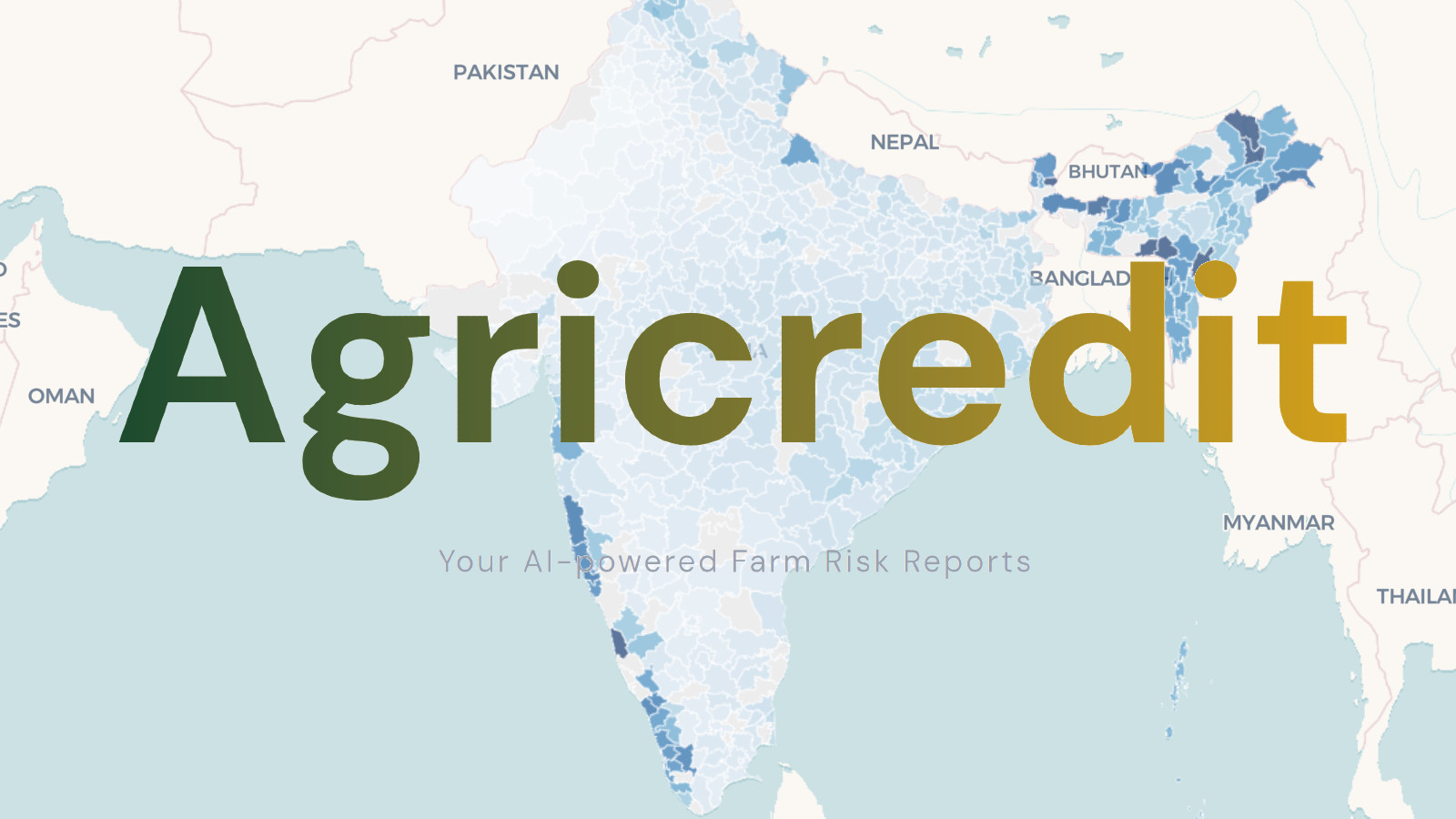
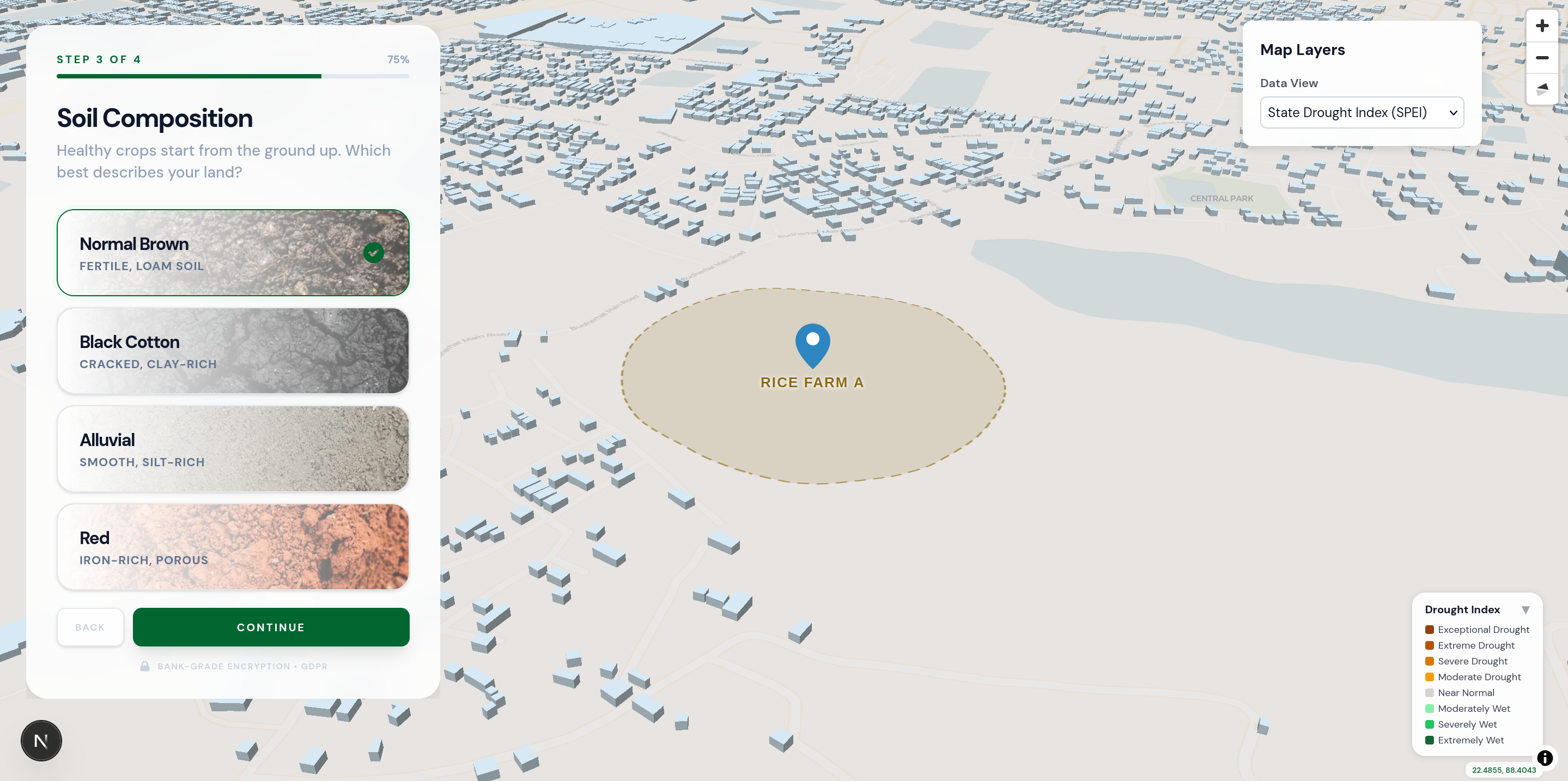
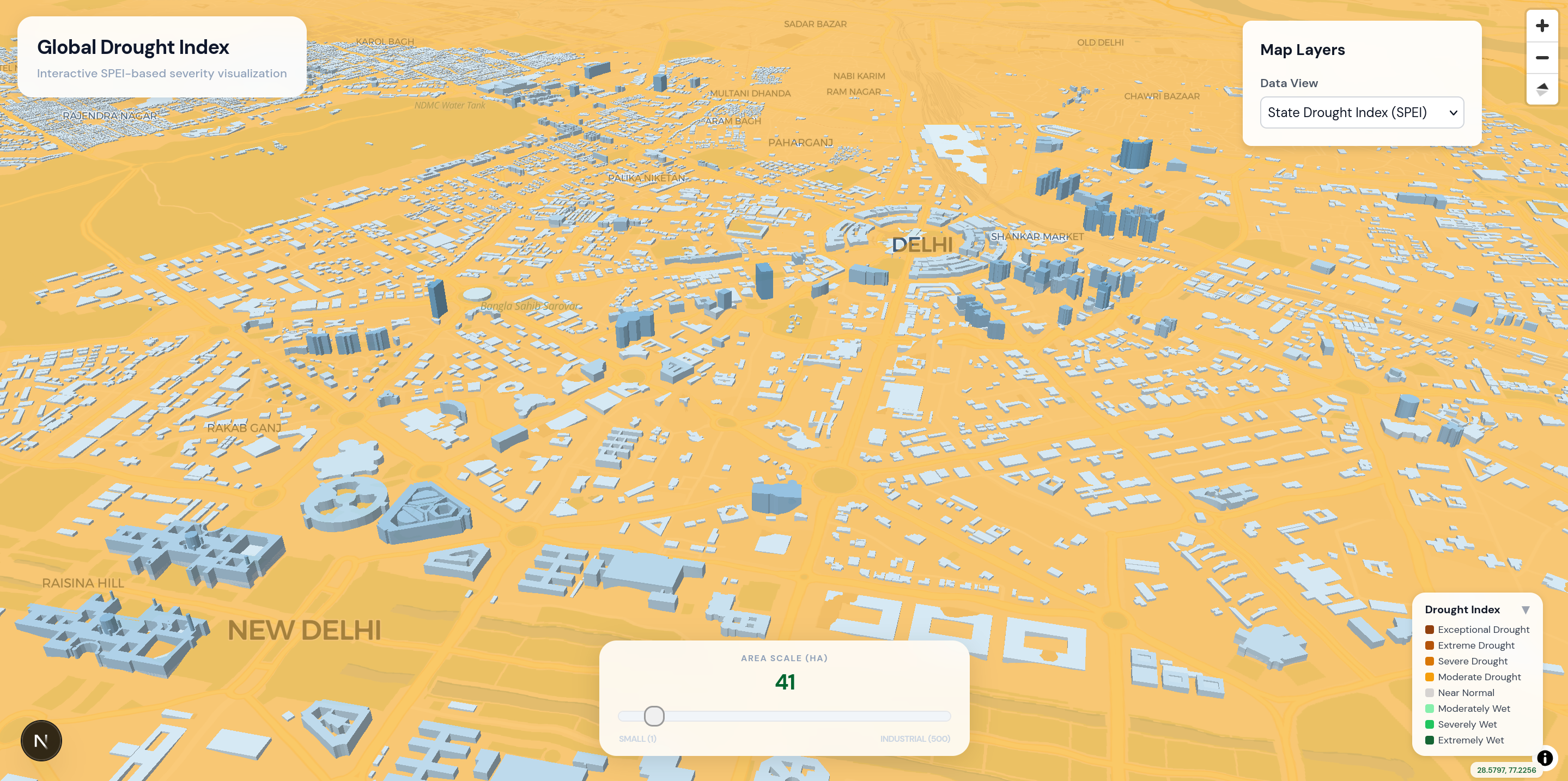
AgriCredit is an AI-powered platform designed to help farmers assess their agricultural risk and secure fairer loans without needing a traditional credit history. By creating a farm profile, users can input their location, crop details, and seasonal plans. The platform then generates a comprehensive risk report.
Understanding that reading dense financial or technical documents can be challenging for some farmers, we designed the platform to be as accessible as possible. The interface relies heavily on picture-based navigation and intuitive visual design. The ultimate output is a clear, actionable PDF report that farmers can send directly to lenders as a powerful alternative to a standard credit report, proving their farm's viability through data rather than past borrowing history.
How we built it
We built the backend using FastAPI and MongoDB to manage user profiles and risk metrics, while the frontend is powered by Next.js and Tailwind CSS for a highly responsive user experience.
A significant part of our development process involved using Antigravity. Antigravity played a crucial role in our workflow, helping us rapidly build the application and, specifically, generating the custom images we included throughout the site to ensure the interface remained highly visual and picture-based for our users.
Challenges we ran into
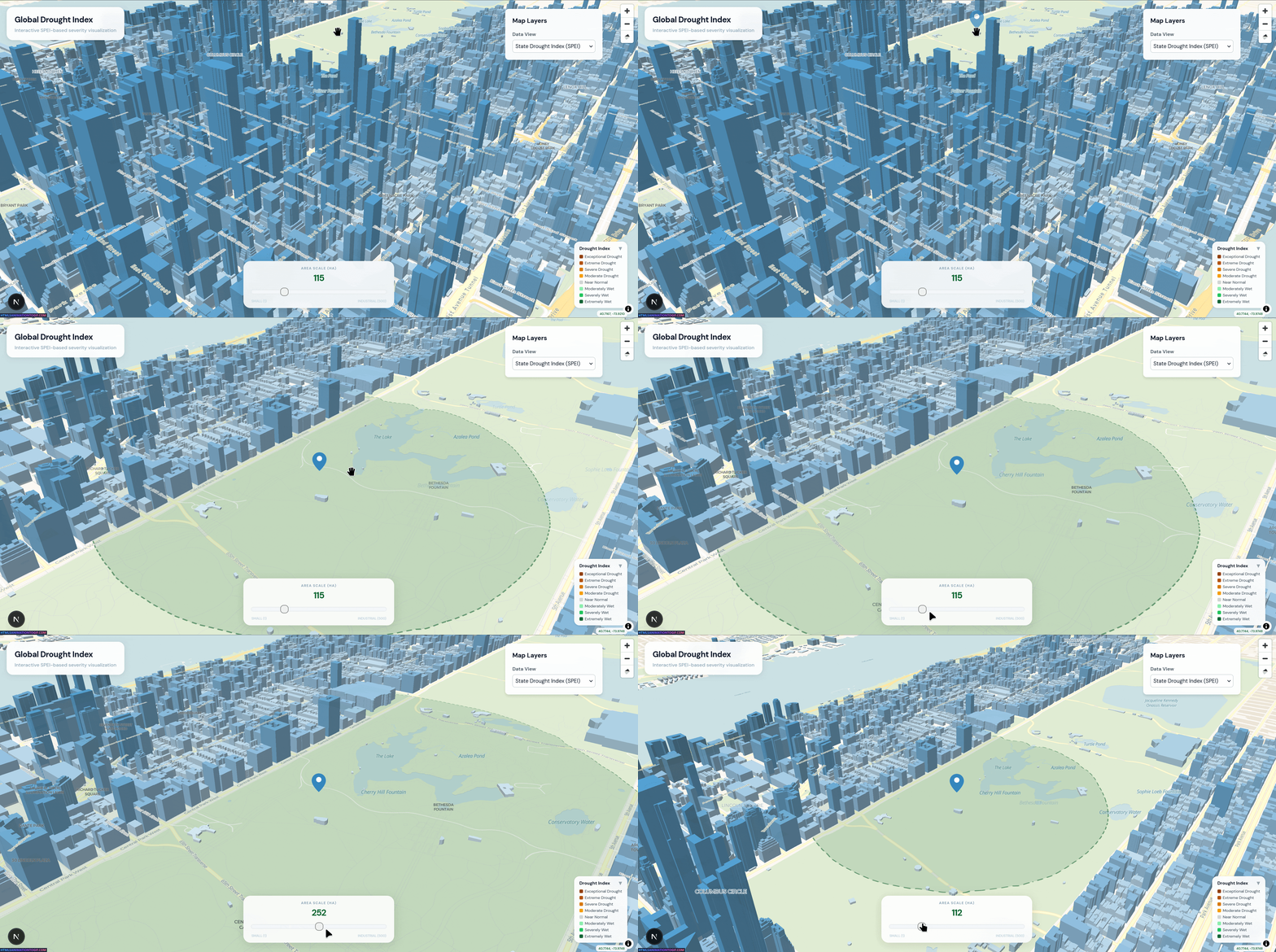
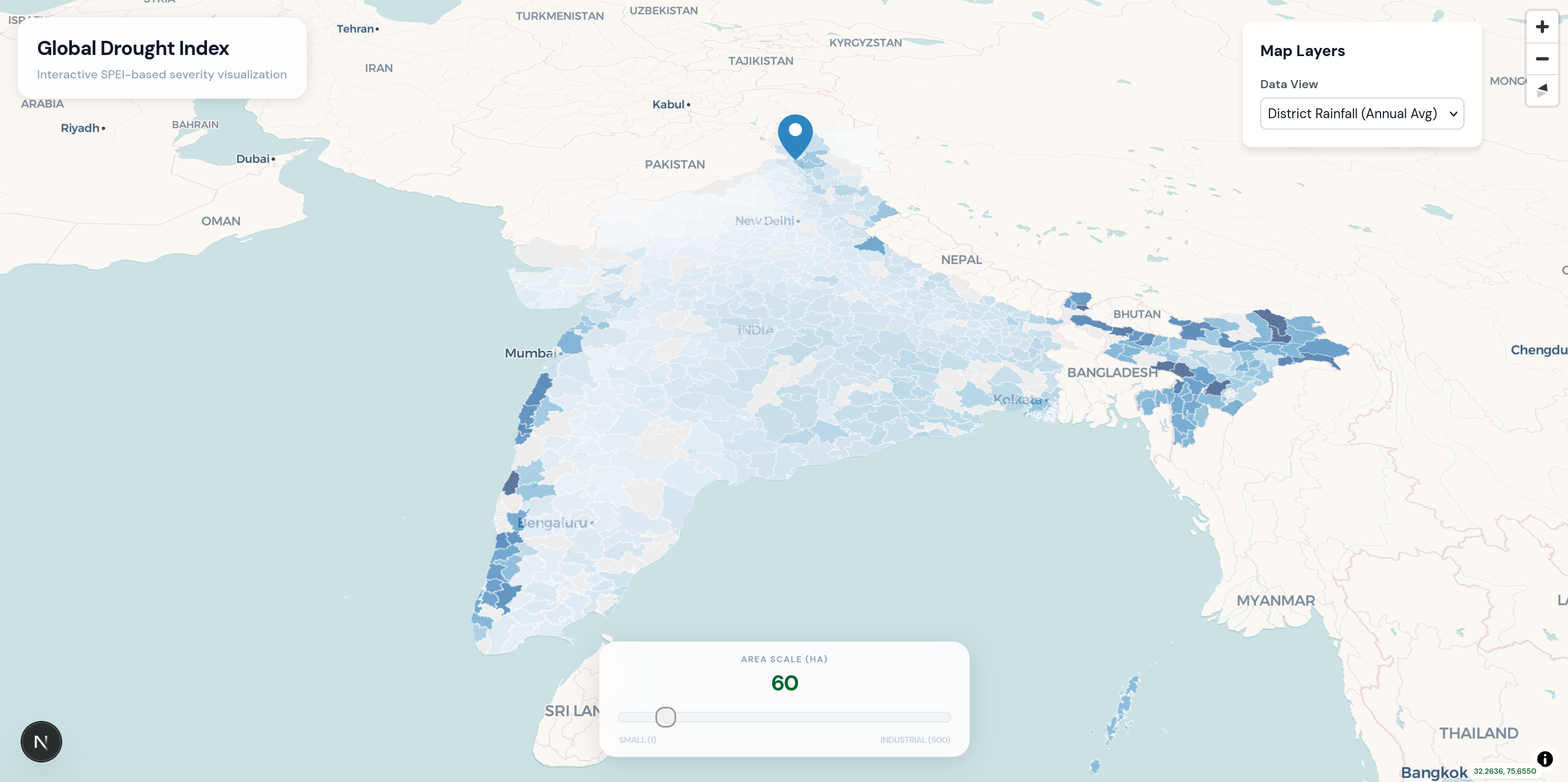
One of our main challenges was figuring out how to present complex agricultural risk data like rainfall anomalies, price volatility, and yield stability in a way that is immediately understandable to someone without a financial or technical background. Balancing the rigorous data needs of lenders with the highly accessible, visual UX required for farmers took careful planning, blueprinting, and multiple iterations.
Accomplishments that we're proud of
We are proud of making the platform as accessible as possible for our target users. We successfully implemented translation and text-to-speech (TTS) capabilities using ElevenLabs, allowing the platform to speak directly to farmers in languages they understand. We are also exceptionally proud of our integration with the Gemini API to dynamically generate the comprehensive report PDFs, giving farmers a tangible, high-quality asset they can take directly to the bank.
What we learned
We learned a lot about the systemic barriers in agricultural finance and how alternative data (like environmental conditions and crop yields) can effectively replace traditional credit scores. Technically, we leveled up our skills in integrating AI tools seamlessly into a full-stack application, learning how to leverage Antigravity for development speed and asset generation, and using Gemini for complex, structured document generation.
What's next for Agricredit
Next, we want to integrate real-time satellite imagery and live weather APIs to make the AI risk models even more accurate. Ultimately, our goal is to partner directly with local cooperatives and NBFCs (Non-Banking Financial Companies) so they can seamlessly accept AgriCredit reports directly into their loan origination workflows.
Built With
- clerk
- fastapi
- mongodb
- next.js
- python
- scikit-learn
- tailwind


Log in or sign up for Devpost to join the conversation.