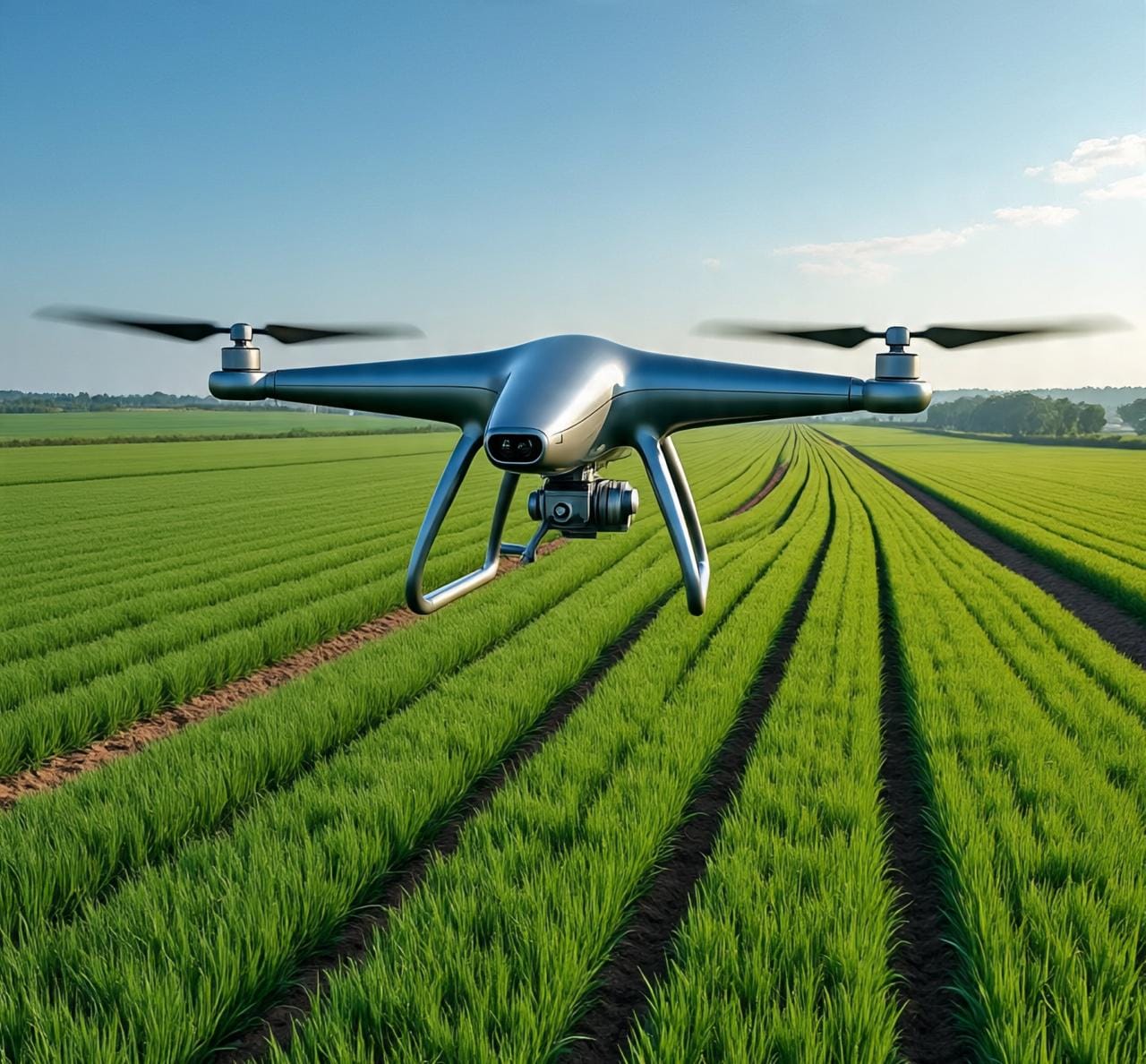
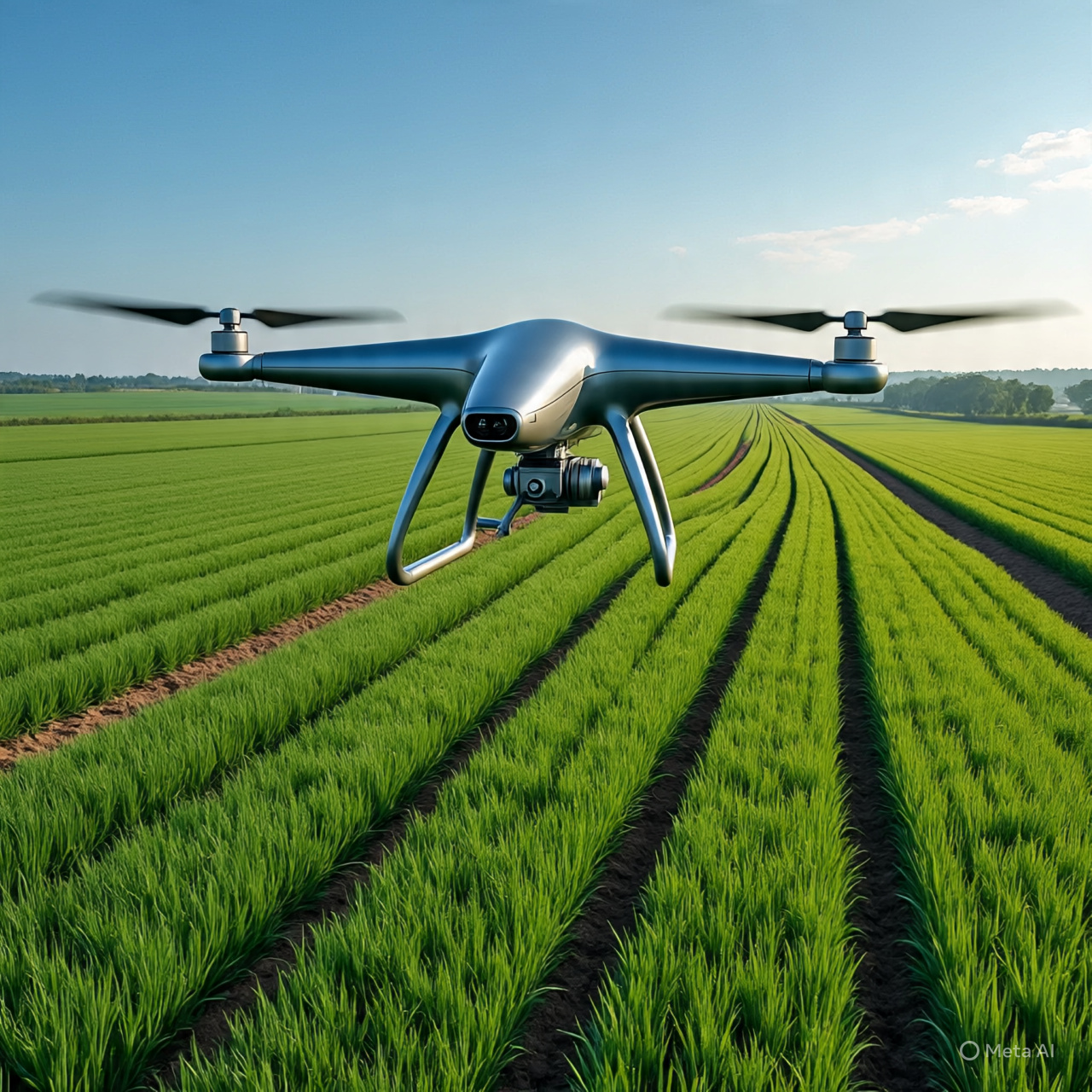
AgriBot: AI-Enhanced Drones for Proactive Crop Care and Management
Inspiration
The idea for AgriBot originated from the growing need to address the challenges faced in modern agriculture. With the increasing global population, traditional farming methods are no longer sufficient to meet food demands. The adoption of technology in agriculture, particularly drones and AI, can revolutionize the way we monitor, manage, and optimize crop health. The potential of AI-driven drones to provide real-time data, identify crop diseases early, and automate farming processes motivated me to build this project.
What I Learned
Throughout this project, I learned a great deal, both technically and personally. I gained hands-on experience in Several areas:
AI & Machine Learning: I learned how AI can be integrated with drones to provide real-time insights into crop health. By using machine learning models, we can detect patterns and make predictions based on data gathered from the field.
Drone Technology: I delved into the mechanics of drones and how they can be used in agricultural applications, such as aerial surveillance, pesticide spraying, and soil analysis.
Data Processing: Gathering and processing aerial data (images, temperature, humidity, etc.) was crucial. I explored how to use computer vision techniques to analyze crops and detect issues like nutrient deficiency or disease.
Challenges in Agriculture: Understanding the specific agricultural challenges, such as the need for efficient resource management, pest control, and optimizing crop yields, was vital for shaping the project.
Project Building Process
1. Research & Conceptualization
I started by studying the current trends in agricultural technology, focusing on AI and drone applications. I examined how drones are currently used in precision farming and explored potential improvements.
2. Designing the Drone System
The next step was designing the drone's hardware and software systems:
- Hardware: I selected drones equipped with high-resolution cameras and sensors for temperature, humidity, and soil moisture.
- Software: I developed a custom AI model using Python for crop health analysis. I trained the model on large datasets of crop images to identify diseases, pests, and nutrient deficiencies.
3. Integration of AI
I implemented deep learning algorithms to detect crop abnormalities. I used Convolutional Neural Networks (CNNs) for image classification tasks, such as identifying the type of disease affecting the crops. The model was then trained with labeled datasets from various agricultural sources.
4. Real-time Data Analysis
I integrated the drone’s data with a cloud-based server for real-time analysis. The data is processed using AI models to generate insights that are displayed in a user-friendly interface for farmers to make decisions on irrigation, pesticide application, or crop treatment.
5. Testing & Optimization
Extensive field tests were conducted to validate the system's efficiency in different crop environments. The system was refined by collecting more data from the field and adjusting the machine learning models for better accuracy.
Challenges Faced
While AgriBot was an exciting project, several challenges arose during development:
1. Data Collection & Labeling
A major challenge was obtaining enough high-quality data to train the AI models. Many crop diseases and pests are region-specific, and datasets were sparse. Manual labeling of images to train the AI was time-consuming and required domain expertise.
2. Drone Limitations
Drones have limited flight time, which can restrict the area they can cover. I had to optimize the flight paths and use multiple drones to cover larger areas efficiently. Battery life and stability in challenging weather conditions were also a concern.
3. Weather & Environmental Factors
The AI models struggled with varying environmental conditions. The same crops look different depending on the time of day, lighting, and weather. I had to adjust the model's training data to account for these changes.
4. AI Model Accuracy
Achieving a high level of accuracy in detecting crop diseases was a significant hurdle. Fine-tuning the model to distinguish between similar-looking symptoms took several iterations.
Conclusion
Building AgriBot was a challenging but rewarding experience. I learned a great deal about integrating AI with drone technology, and I saw firsthand the transformative potential of these tools in agriculture. The project has not only equipped me with technical knowledge but also inspired me to continue exploring how technology can improve global food security and sustainability.
Built With
- amazon-web-services
- ci/cd-pipelines
- django
- dji
- docker
- flask
- git
- google-vision-api
- javascript
- leaflet.js
- matplotlib
- mongodb
- mysql
- numpy
- opencv
- px4
- python
- tensorflow
- weatherapi

Log in or sign up for Devpost to join the conversation.