-
-
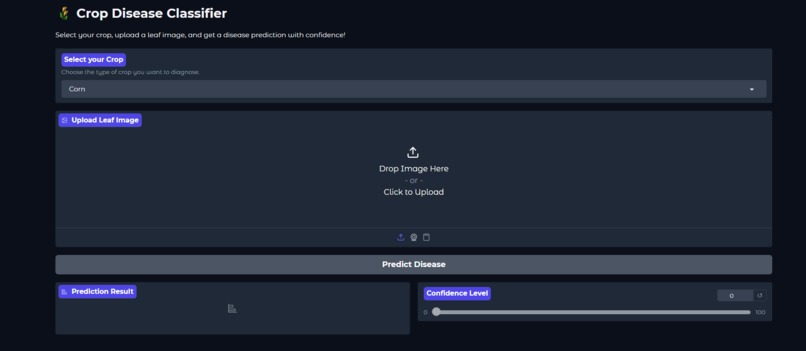
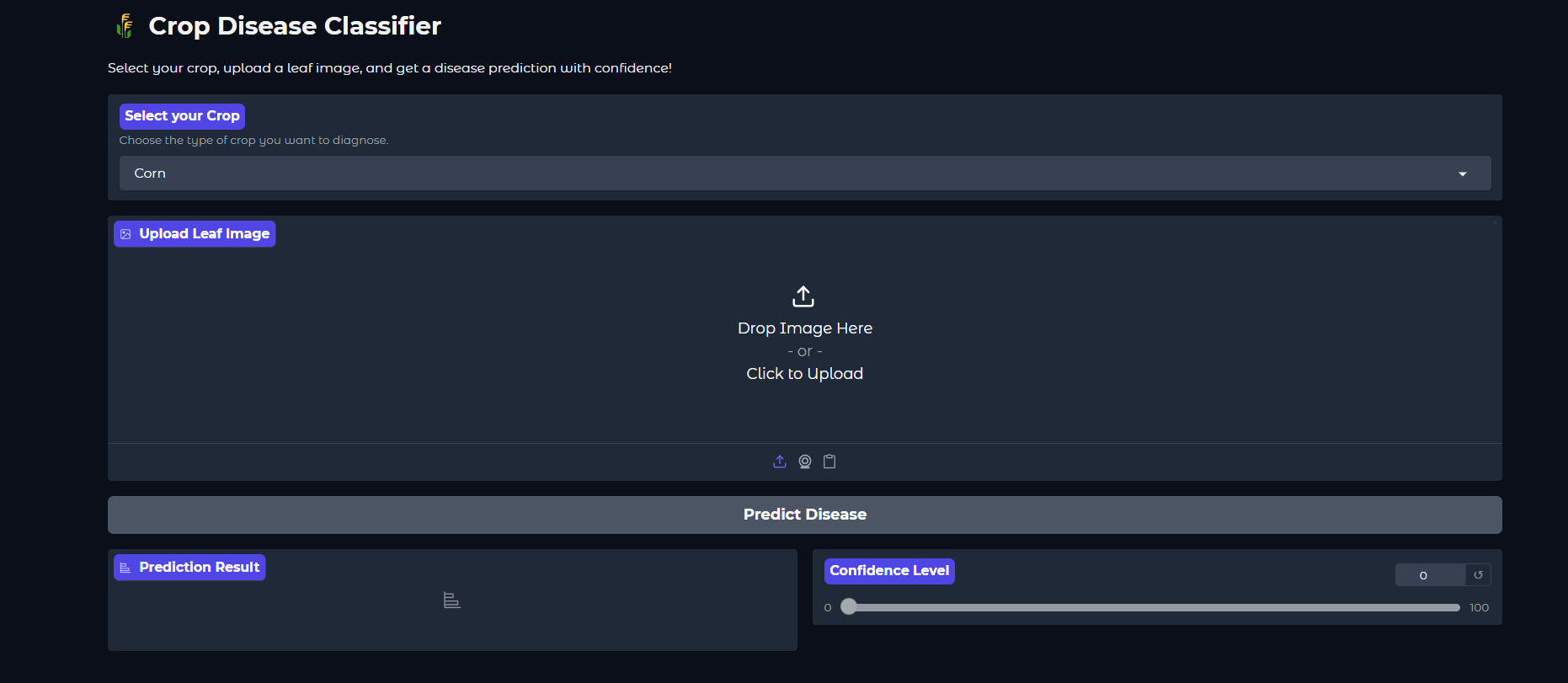
WebApp UI
-
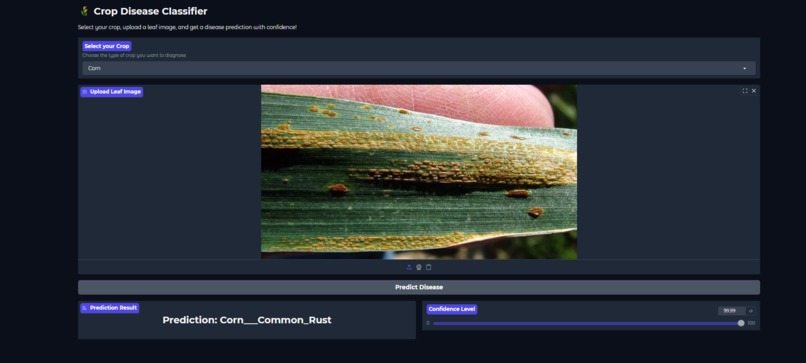
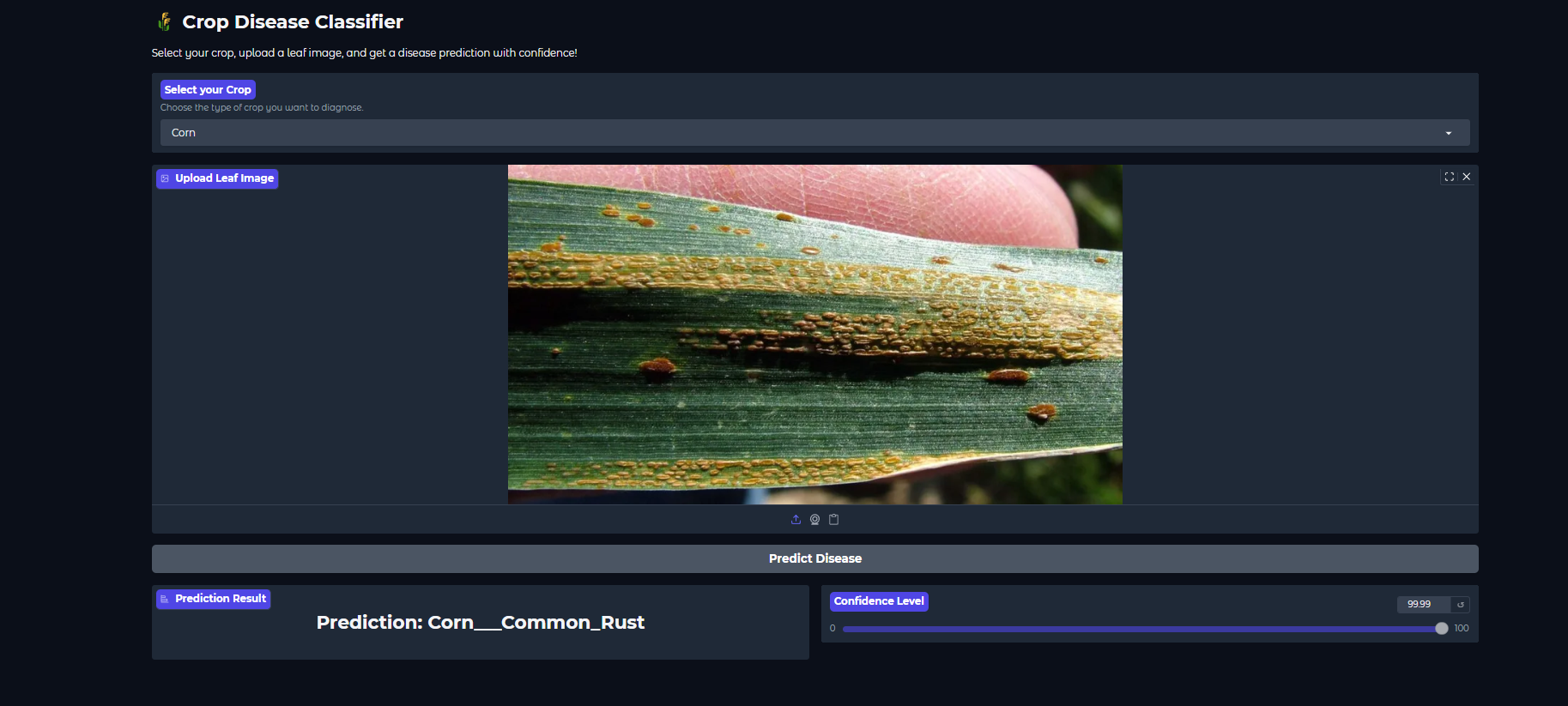
App predicting Disease
-
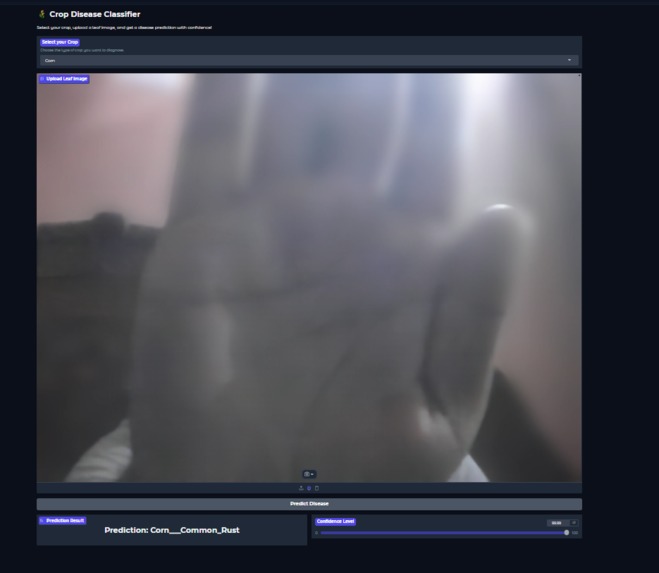
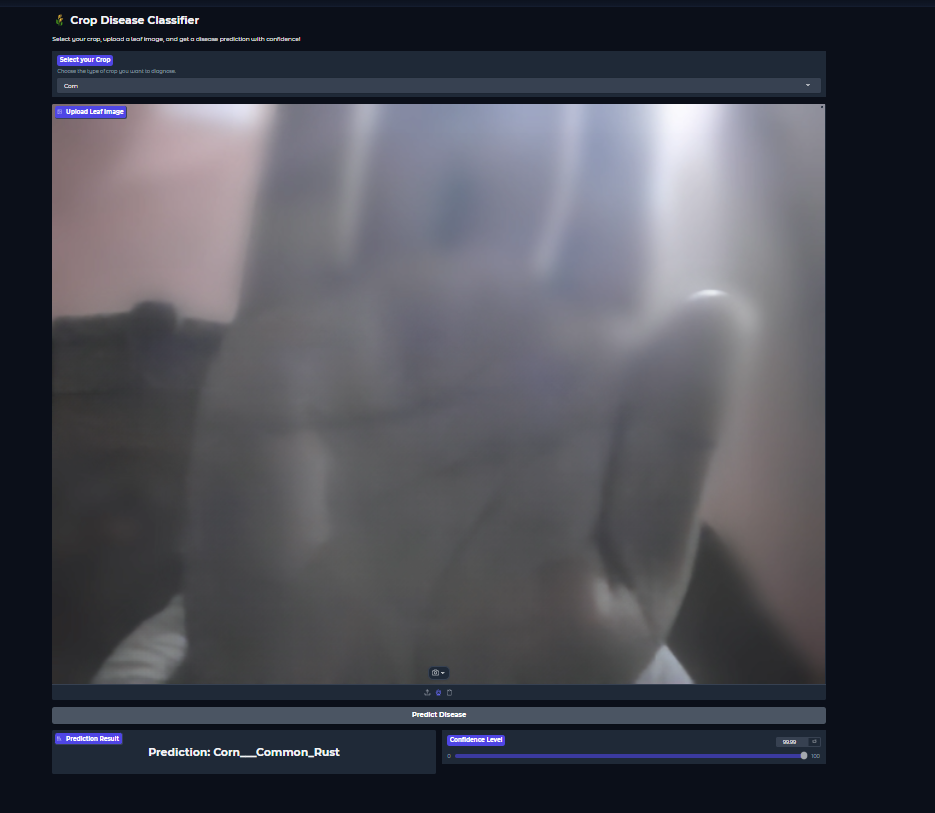
App with webcam access
-
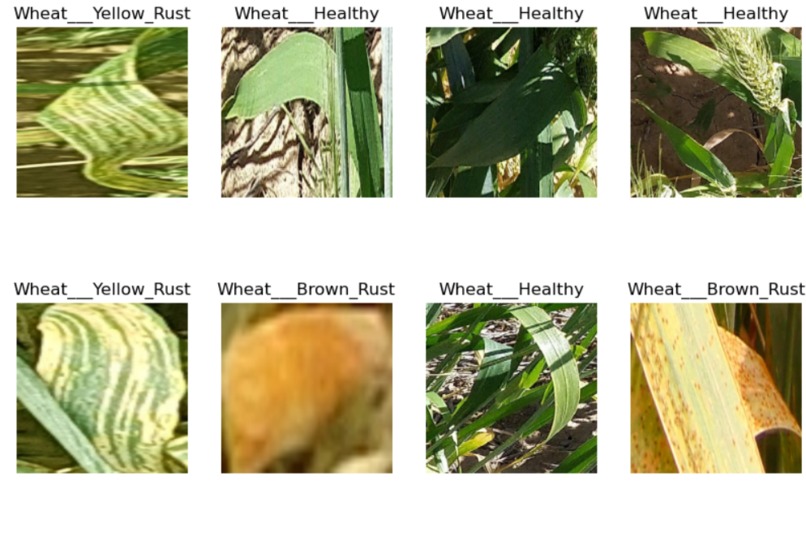
One of our dataset examples
-
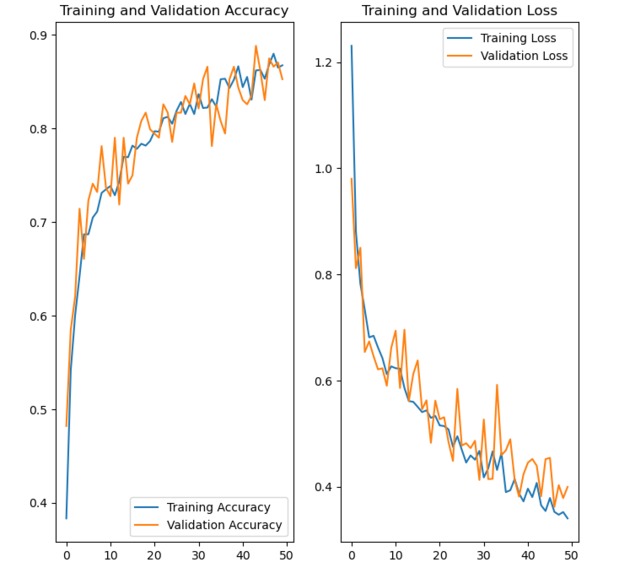
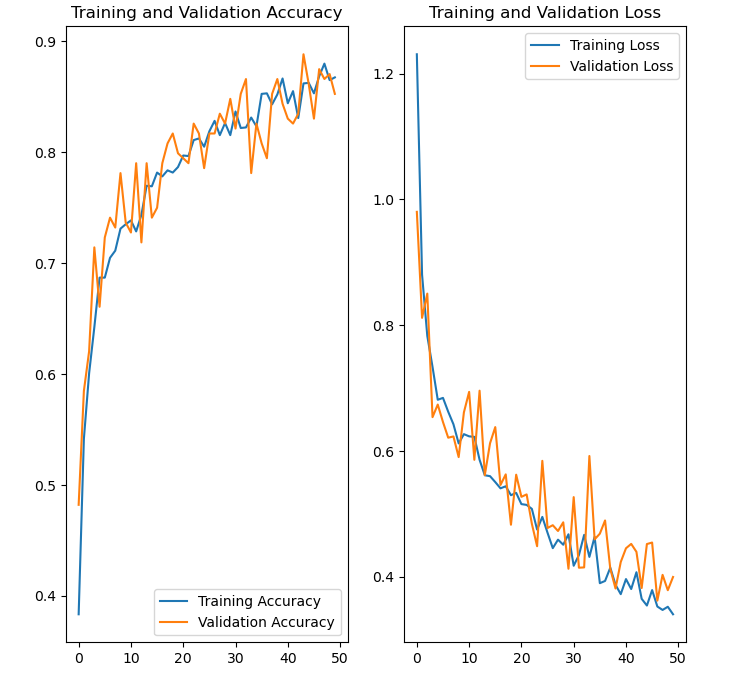
One of our model accuracy and loss graph

Inspiration
Agriculture is the backbone of many economies, especially in developing nations like India. Yet, farmers often face critical challenges when it comes to identifying crop diseases early. The lack of timely diagnosis leads to reduced yield, financial strain, and food insecurity. As students passionate about AI and its potential to drive impact, we wanted to build a tool that empowers farmers by bridging this gap. That’s how AgriAid was born — a smart, accessible, and reliable disease prediction tool for four major crops: wheat, rice, corn, and potato.
What it does
AgriAid leverages machine learning to detect plant diseases from leaf images with remarkable accuracy. By simply uploading an image of an infected leaf, farmers or agricultural experts can instantly receive a prediction of the disease, allowing for faster and more effective treatment. The model currently supports wheat, rice, corn, and potato, and achieves over 90% accuracy — reaching up to 98% in some cases.
How we built it
We started by collecting and curating high-quality datasets of diseased and healthy plant leaves from trusted open-source platforms such as PlantVillage and Kaggle. We preprocessed the images using data augmentation and normalization techniques to improve model generalization. For the architecture, we implemented a Convolutional Neural Network (CNN) and Artificial Neural Network (ANN). We evaluated the models across multiple metrics (accuracy, precision, recall) and optimized for performance across each crop category. The web app is built using Python library Gradio, with a simple web interface for usability. On web app we can upload images, and even use camera to click and upload pics.
Challenges we ran into
Class imbalance in datasets was a major hurdle, especially for crops with fewer disease categories.
Achieving consistently high accuracy across all crops while keeping the model lightweight was technically demanding.
Ensuring the system was user-friendly for non-technical users, such as farmers with limited access to technology, required extra design considerations.
Accomplishments that we're proud of
Achieved over 90% accuracy across all four crops, with certain categories reaching up to 98%.
Successfully integrated multi-crop disease prediction into a single platform.
Developed an intuitive, clean interface to ensure AgriAid can be easily used by farmers, agriculture students, and researchers alike.
What we learned
This project deepened our understanding of real-world ML deployment — from data preprocessing and model optimization to creating an accessible interface. We also learned how to handle domain-specific challenges like class imbalance and variability in field data.
What's next for AgriAid
Expand crop and disease coverage to include fruits, vegetables, and region-specific crops.
Develop a mobile version of AgriAid to improve field accessibility.
Integrate voice support in local languages to make the tool even more inclusive.
Collaborate with agricultural NGOs and research institutions to pilot test AgriAid in rural communities.
Built With
- artificialintelligence
- computervision
- deeplearning
- gradio
- jupyter
- kaggle
- python
- tensorflow


Log in or sign up for Devpost to join the conversation.