-
-
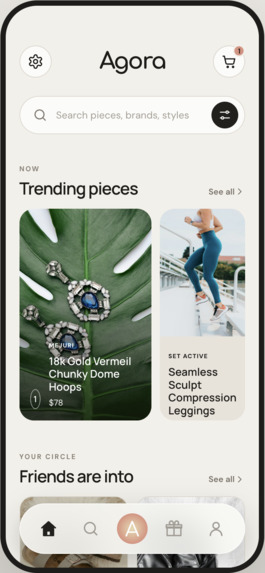
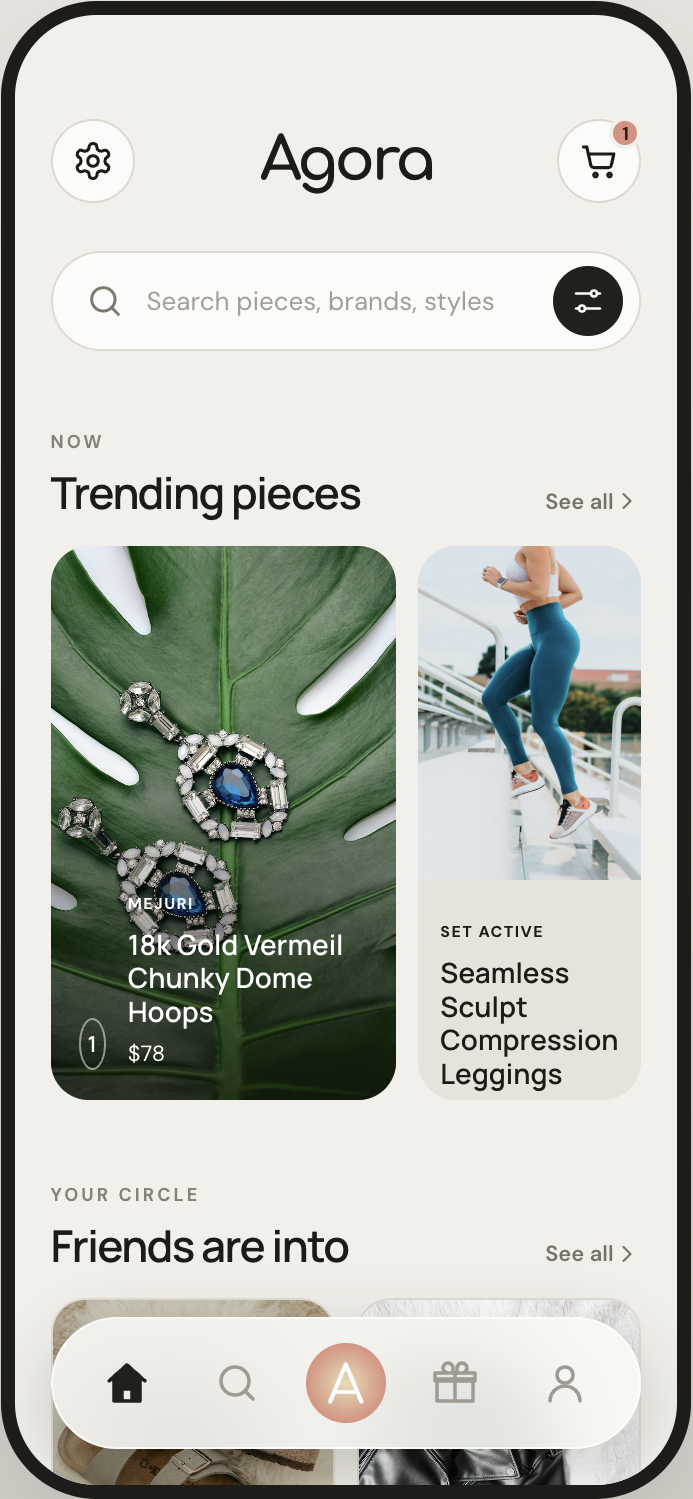
Home page
-
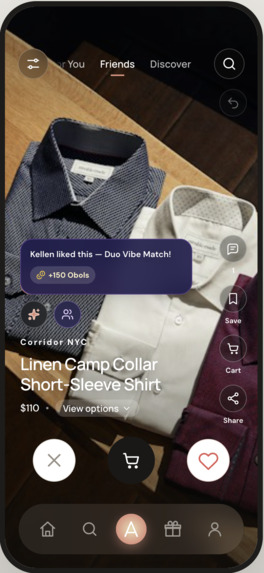
Promotion
-
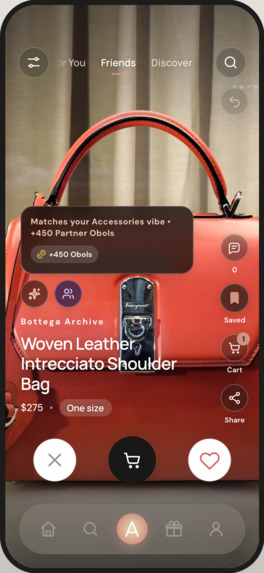
AI reccomendation
-
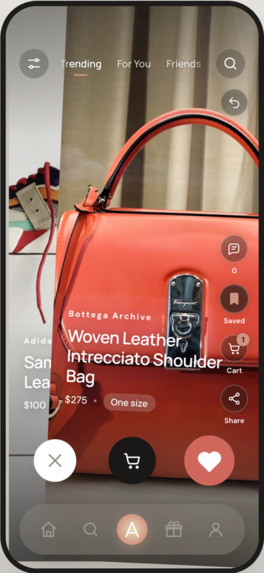
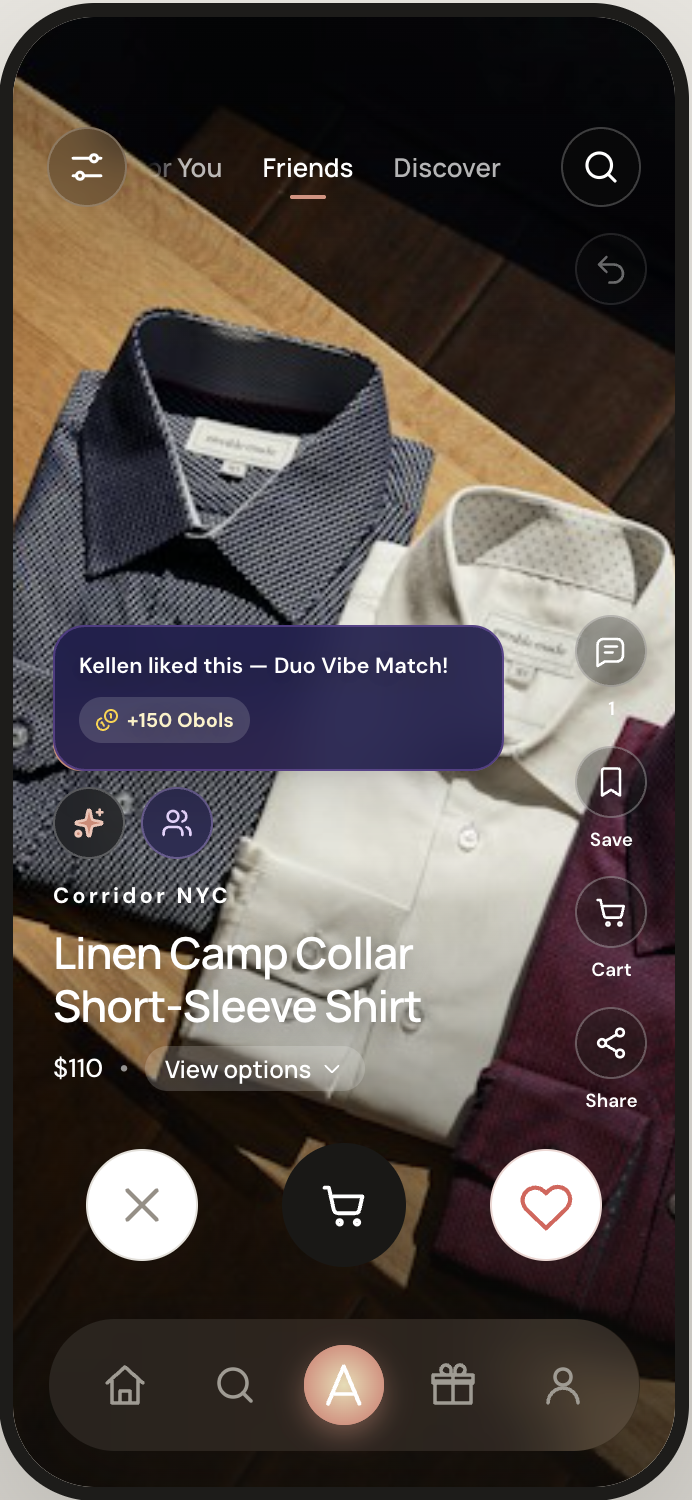
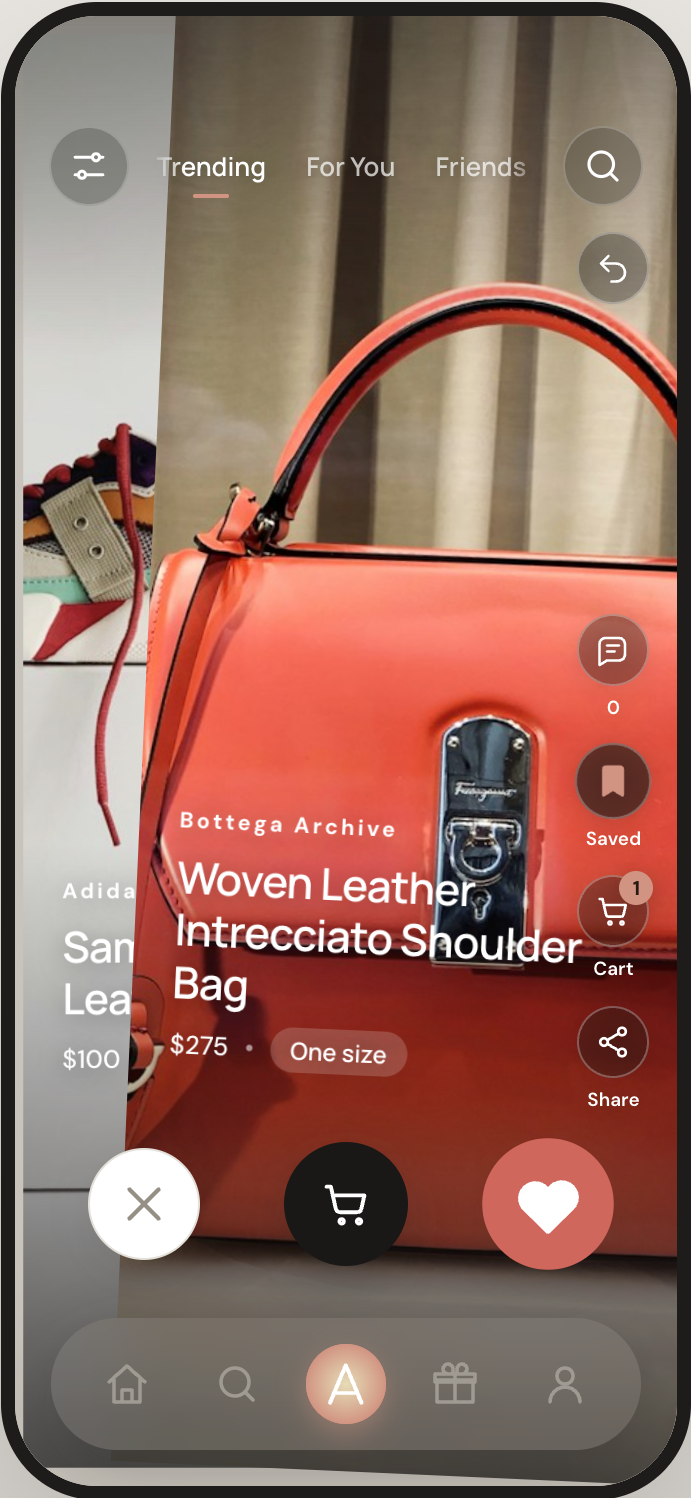
Add to liked by swiping right
-
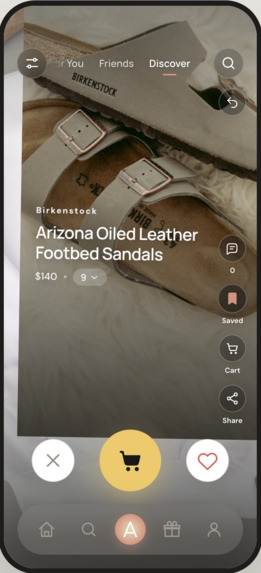
Add to shopping cart
-
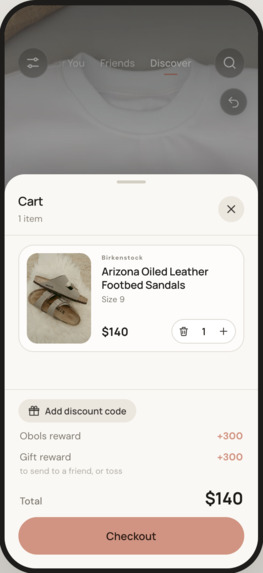
Checking out
-
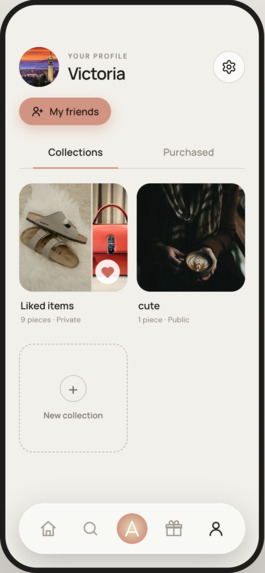
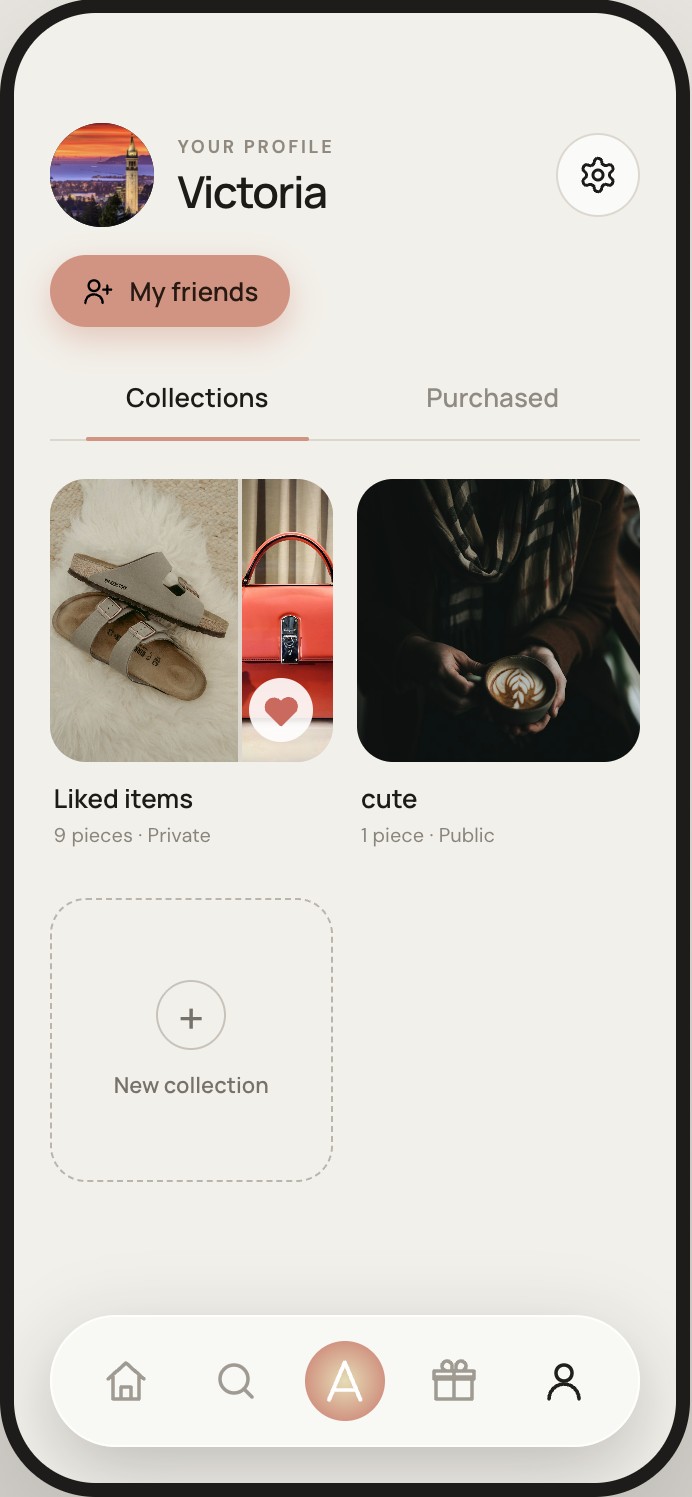
My Profile and collections
-
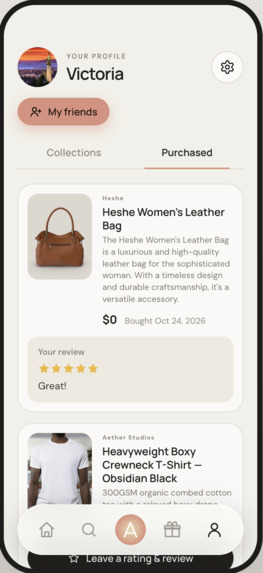
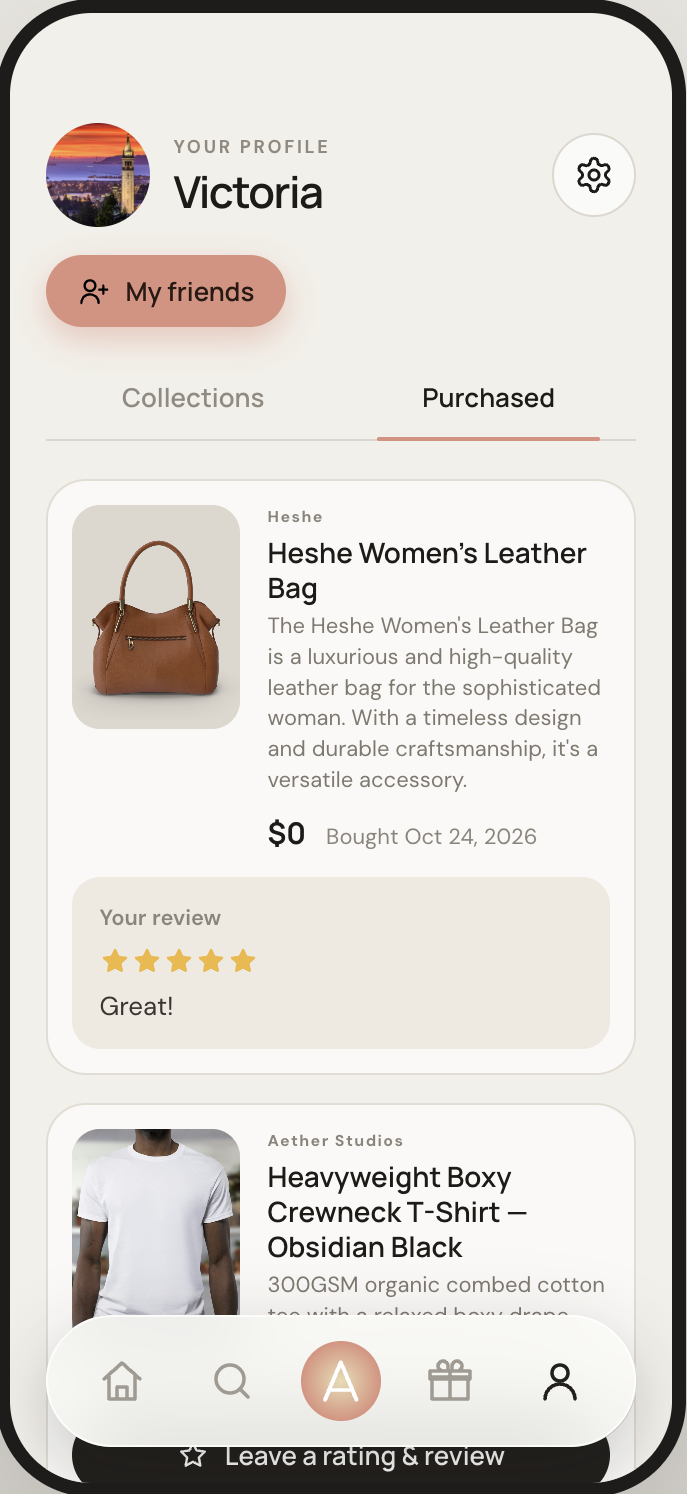
Your reviews
-
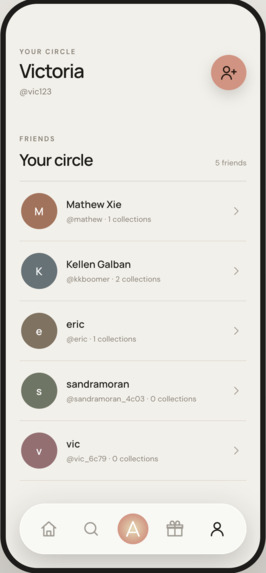
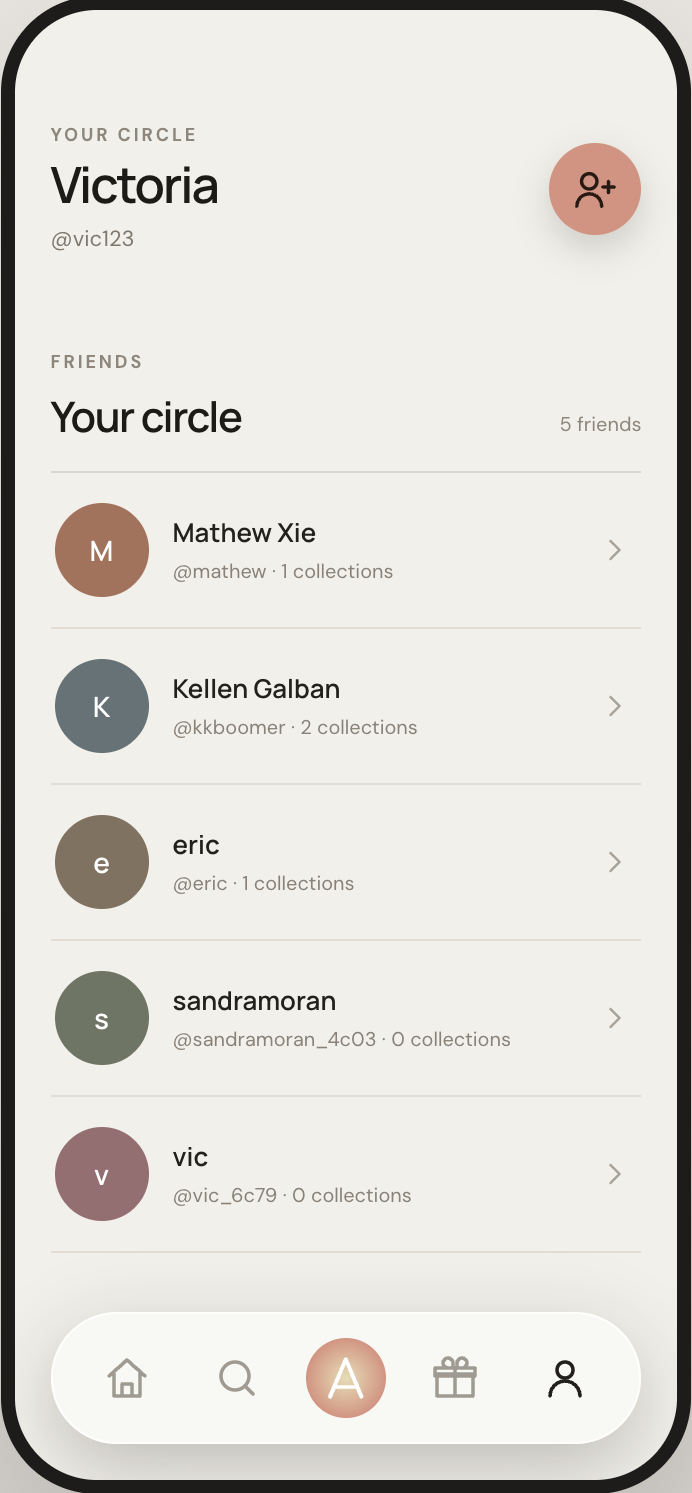
Friends page
-
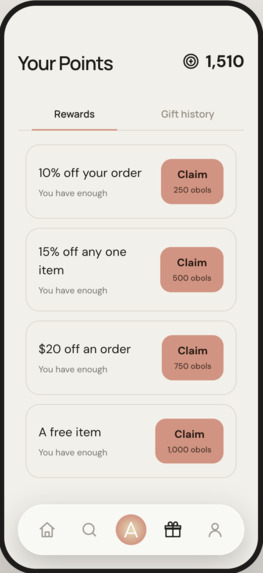
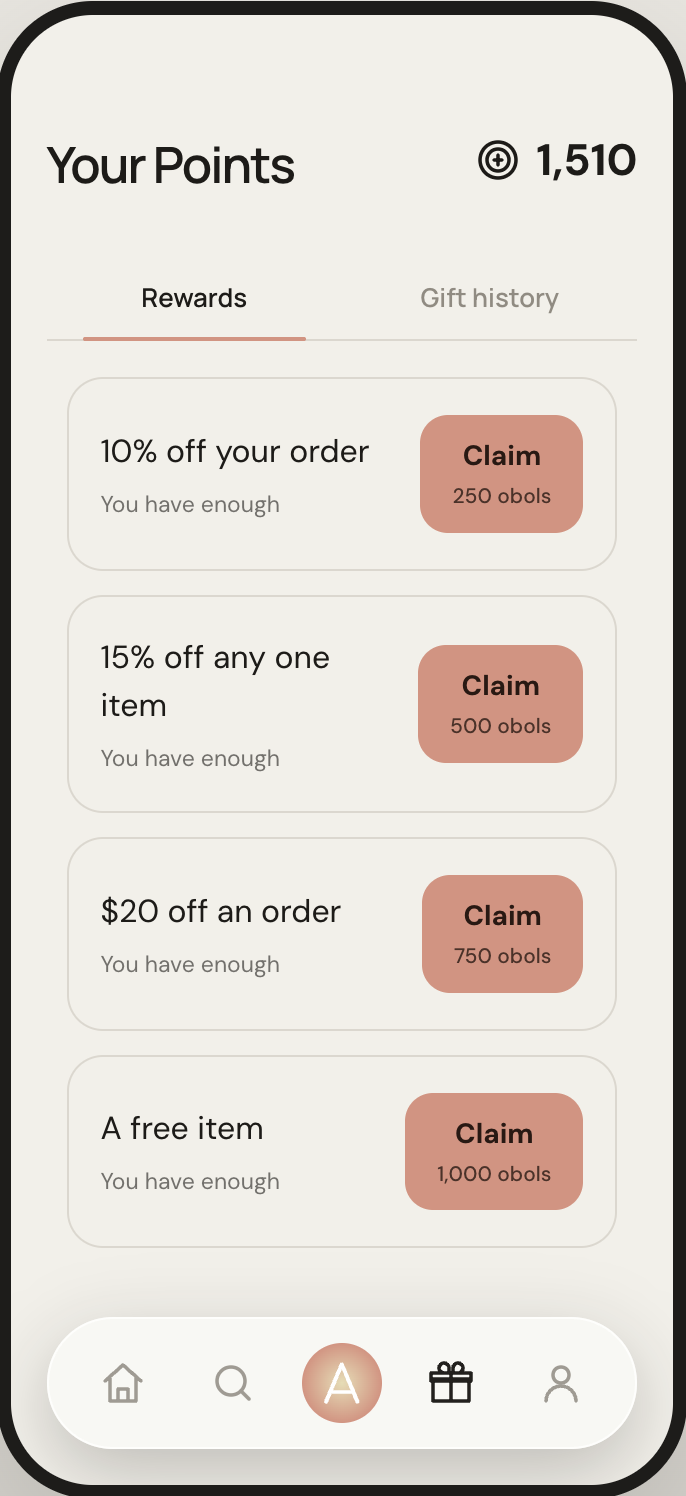
Rewards page
Inspiration
When we thought about online shopping, we noticed how cluttered and antisocial it can be, with people navigating information-dense, complex store pages. We wondered what it would be like if shopping was simpler and more social. We drew inspiration from dating apps and how they simplified decisions down to a gesture (like swiping).
What it does
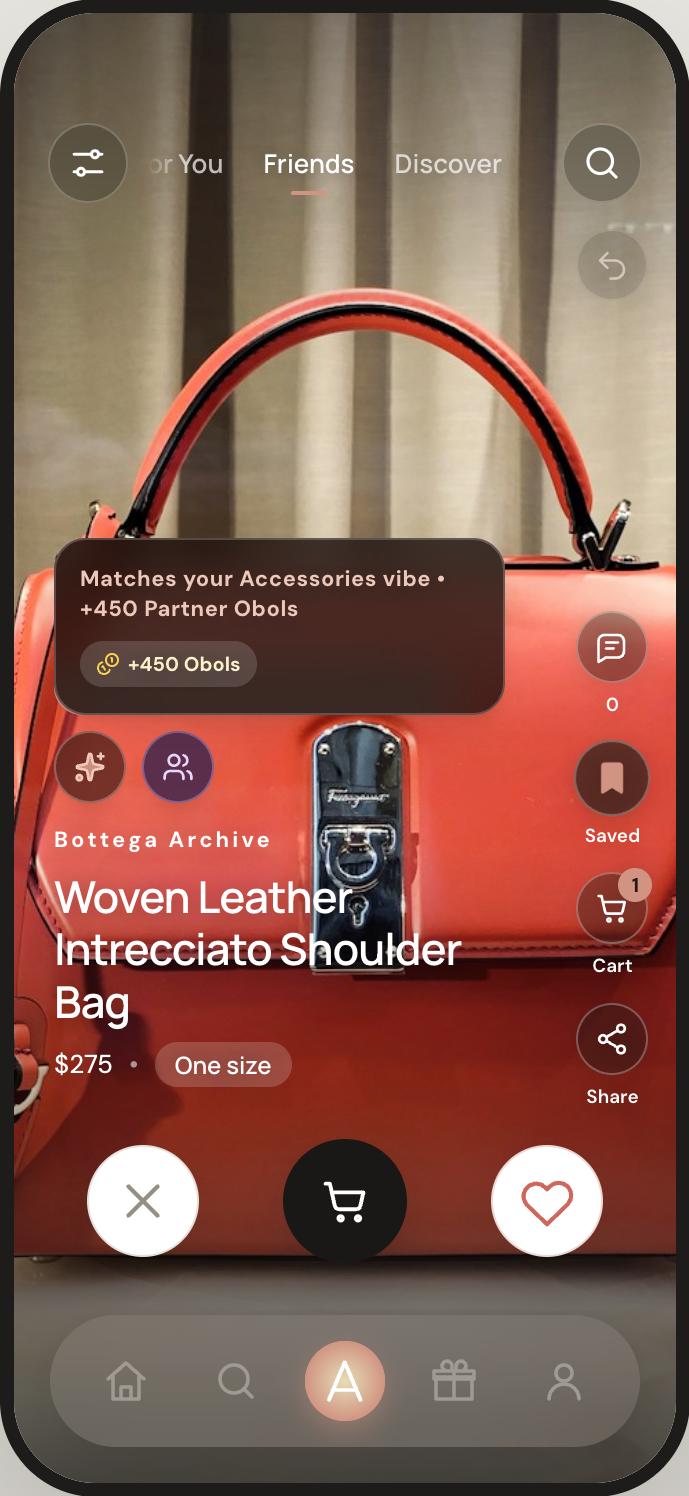
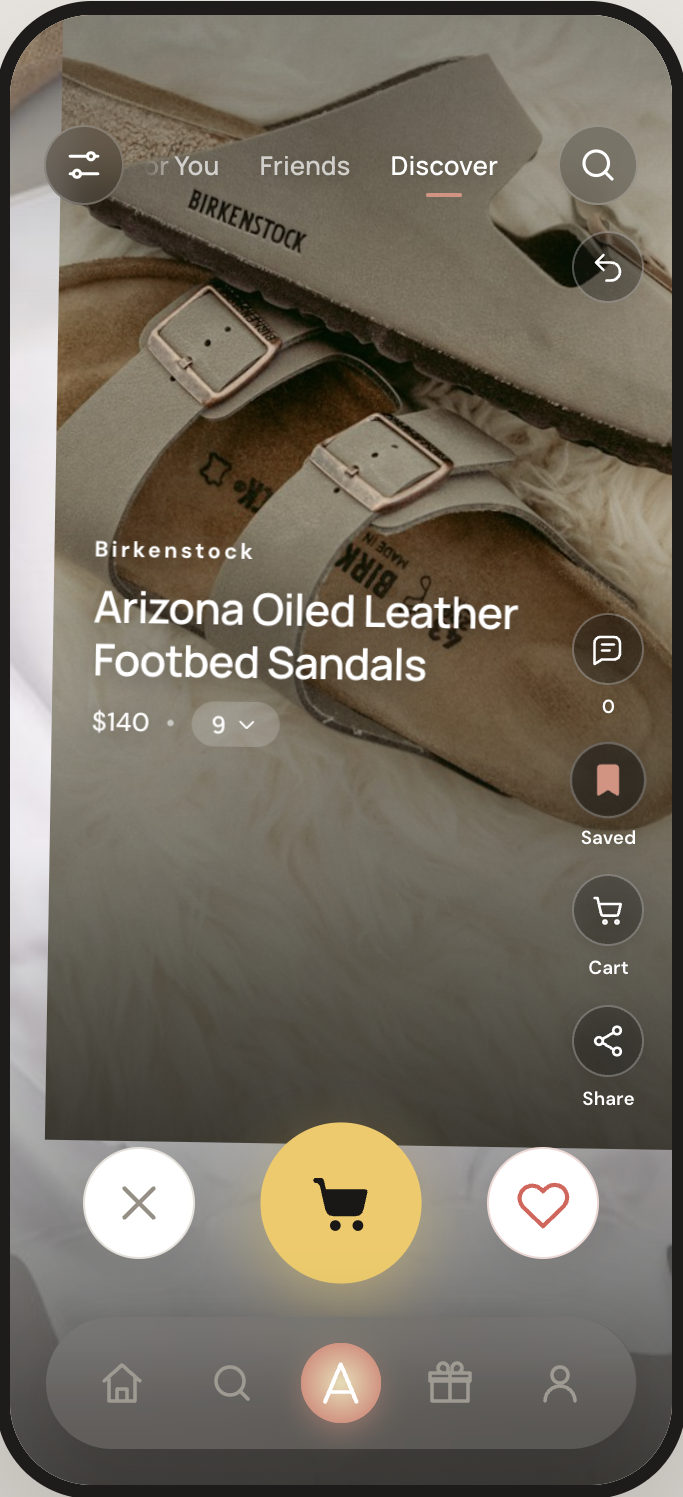
Agora is a mobile-first, gamified social shopping platform that translates micro-gestures into intelligent commerce. Instead of searching through product grids, users swipe through an AI-curated feed of items.
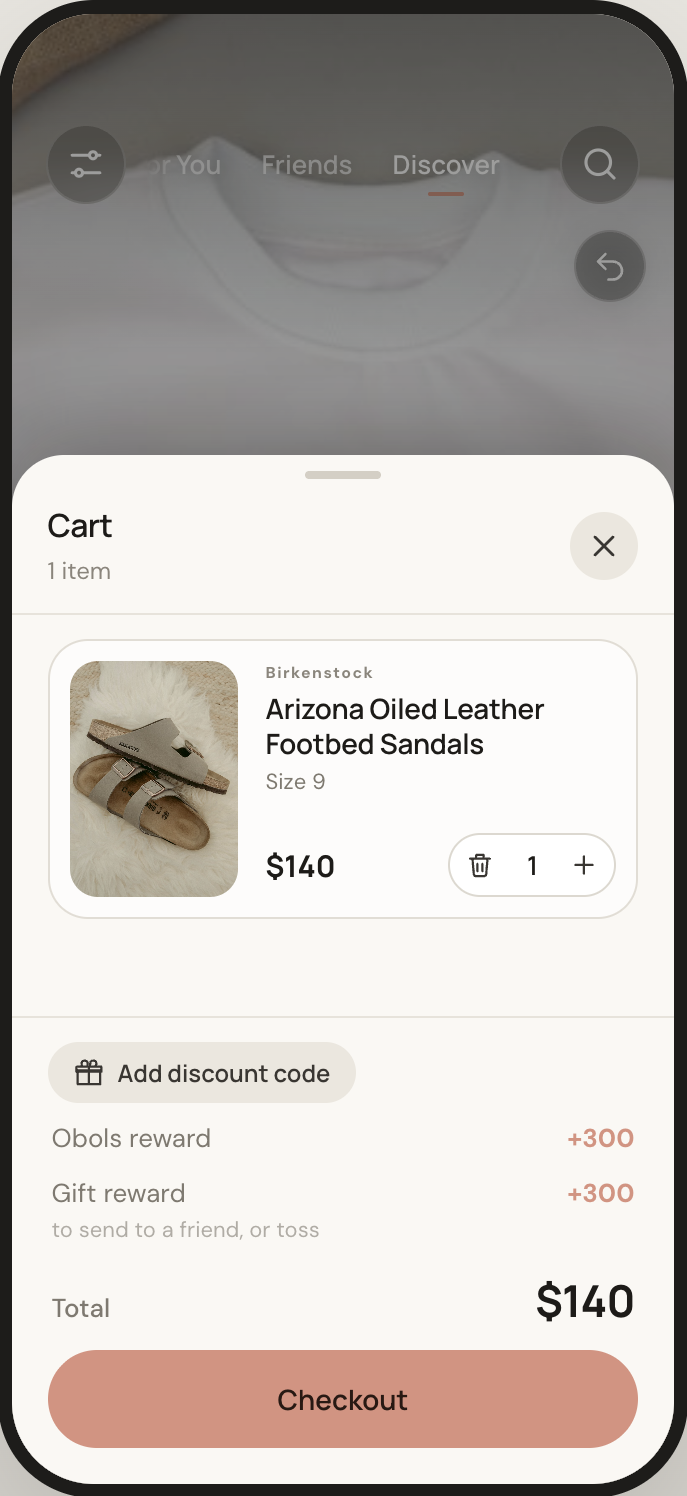
The Obol Loyalty Economy: We replaced boring cash-back with "Obols," a gamified marketplace currency. Users earn Obols on standard purchases and boosted multipliers on Partner Promoted items, visible in the smart cart checkout, and can gift them to other users.
Explainable AI Discovery: The feed learns from your right-swipes and saved pins to rank products in real-time, displaying a transparent "AI Style Match" badge that tells you exactly why an item was recommended.
Social Group Vibe Match: The app cross-references your tastes with your friends' recent purchases, flagging items that fit your friend group's aesthetic to encourage collaborative shopping.
How we built it
We built the frontend with Next.js (App Router), React, and Tailwind CSS to create a dating-app feel.
For the backend, we used Supabase (PostgreSQL) to handle user authentication, product catalogs, and the relational data mapping between friends, swipes, pins, and purchases. We handled the core loyalty engine and cart checkout logic securely using Supabase SQL RPC (Remote Procedure Call) functions.
The recommendation engine is powered by Generative AI (OpenAI). We feed non-PII taste signals (liked brands, pinned categories) into the LLM to generate explainable, transparent reasoning for every product card displayed to the user.
Challenges we ran into
Handling real-time state across a swipe deck is difficult, but combining it with live AI re-ranking was our biggest hurdle. We had to ensure the feed adapted instantly without UI lag or API rate limits. We also ran into tricky environment variable issues with our Supabase JWT authentication keys when moving between local development and our live Vercel deployment, which required careful debugging of our auth flow. Finally, we ran a sweeping database migration mid-hackathon to rebrand our entire loyalty schema to "Obols," which tested our backend coordination.
Accomplishments that we're proud of
We are incredibly proud of building an AI recommendation engine that is actually explainable. It doesn't just act as a black box; it gives users transparent reasons for its picks, completely aligning with Visa's Responsible AI and Trust criteria. We're also proud of how polished the UI feels—the translucent styling, the smooth swipe mechanics, and the gamified cart drawer make it feel like a consumer-ready product built in just 24 hours.
What we learned
We learned how to translate implicit user actions (like swipe velocity and direction) into structured prompts that an LLM can use to generate personalized, conversational commerce insights. We also leveled up our Supabase backend skills by writing custom SQL triggers and functions to securely handle complex transactional logic for our Obol economy.
What's next for Agora
Currently, Agora has no payment system, so integrating one would require much more backend work. We could also flesh out the differences between the 4 pages more and default to the home page when creating a new account. Finally, while we envisioned this as a mobile app, we were more comfortable developing a web app that feels like a mobile app, so the most important next step would be to translate it into a framework like React Native.
Built With
- css3
- html5
- javascript
- next.js
- react
- supabase
- typescript
- vercel


Log in or sign up for Devpost to join the conversation.