-
-
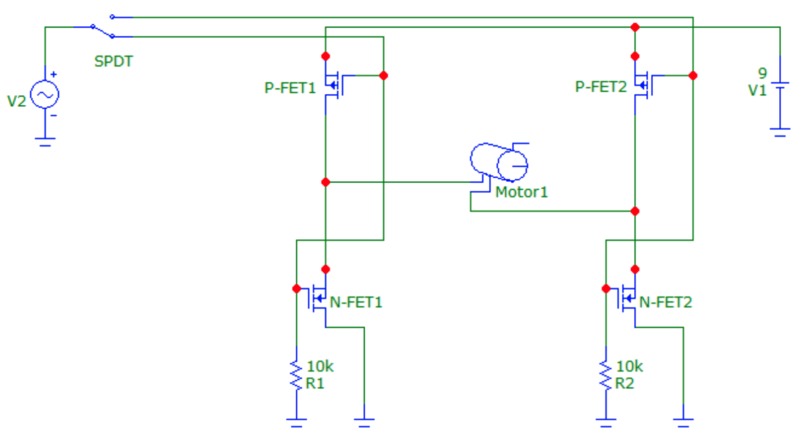
H-Bridge Motor Driver circuit diagram
-
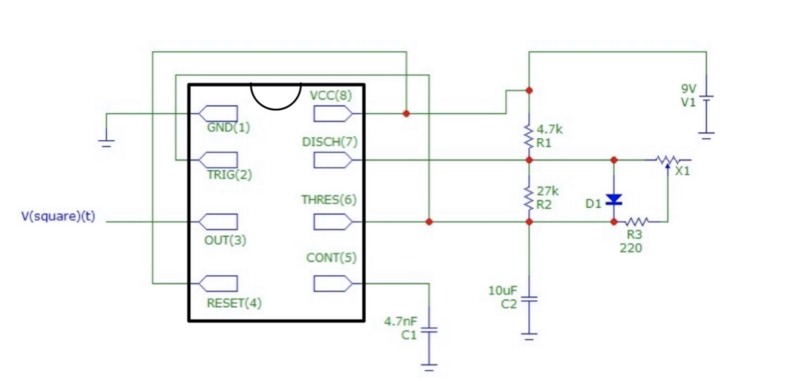
555-timer for PWM circuit diagram
-
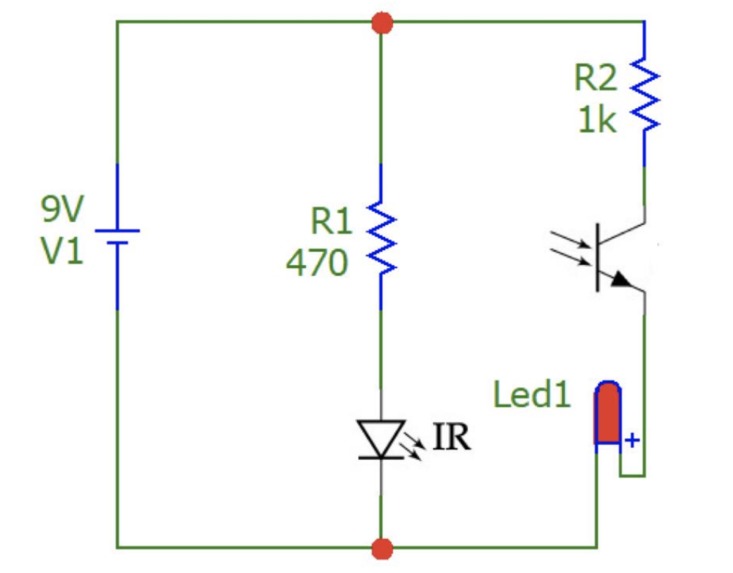
Optical Encoder circuit diagram
-
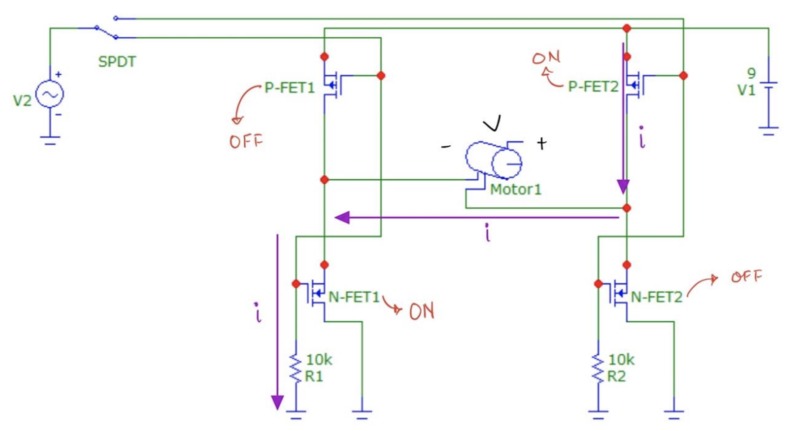
H-Bridge current flow explanation
-
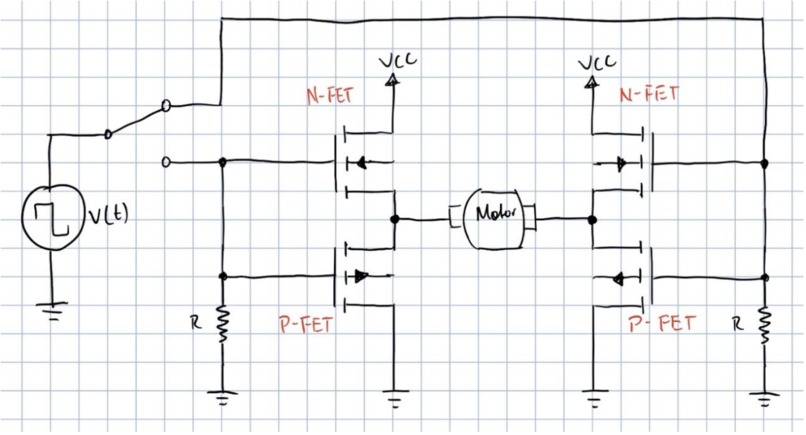
H-Bridge sample circuit schematic
-
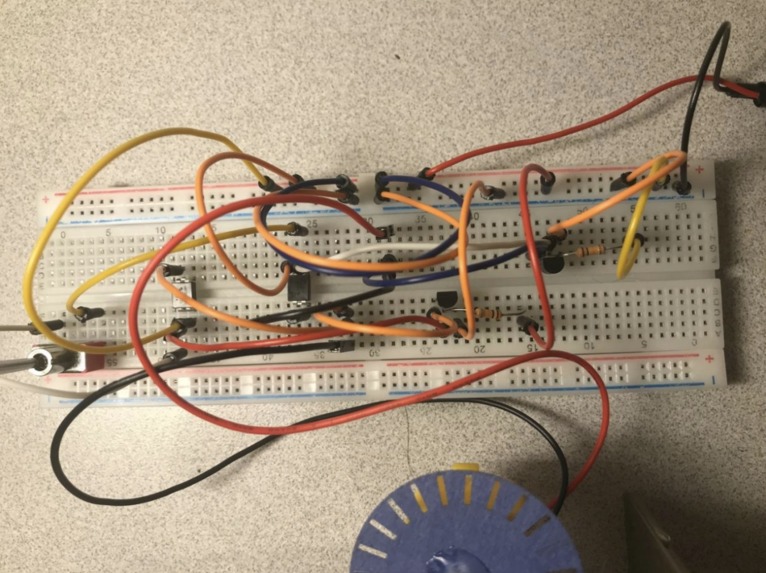
H-Bridge built on breadboard
-
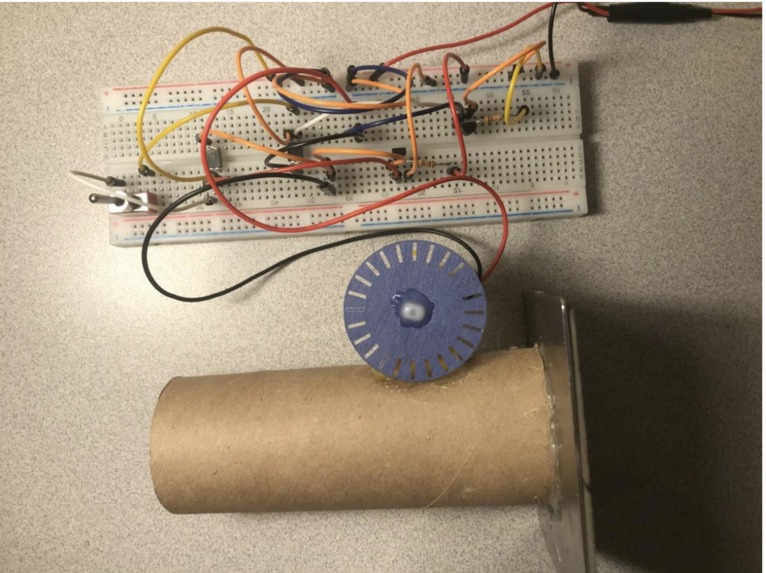
H-Bridge circuit built on breadboard (different view)
-
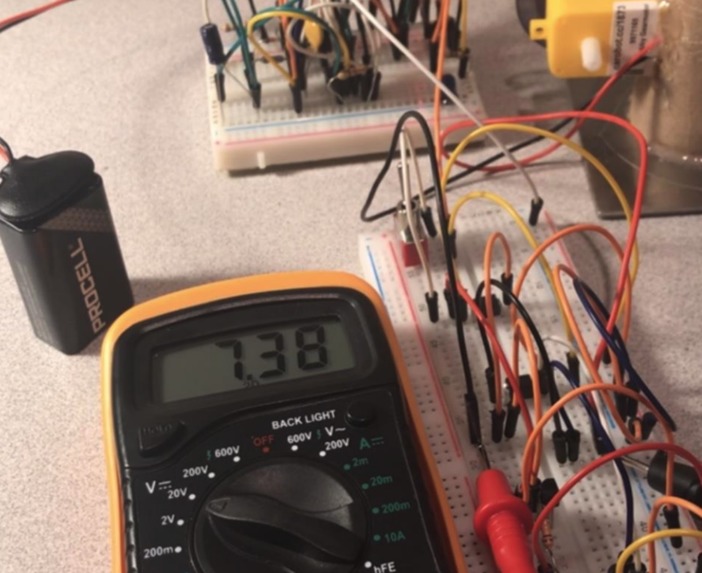
H-Bridge, voltage drop across motor shown to be positive (going forward)
-
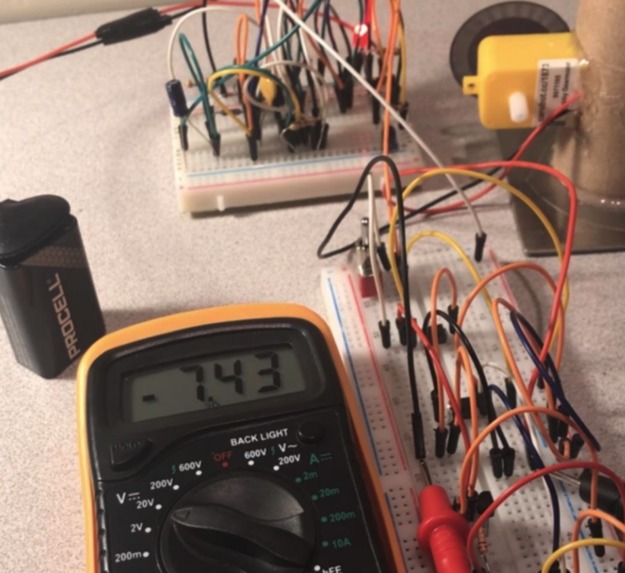
H-Bridge, voltage drop across motor is shown to be negative (going in reverse)
-
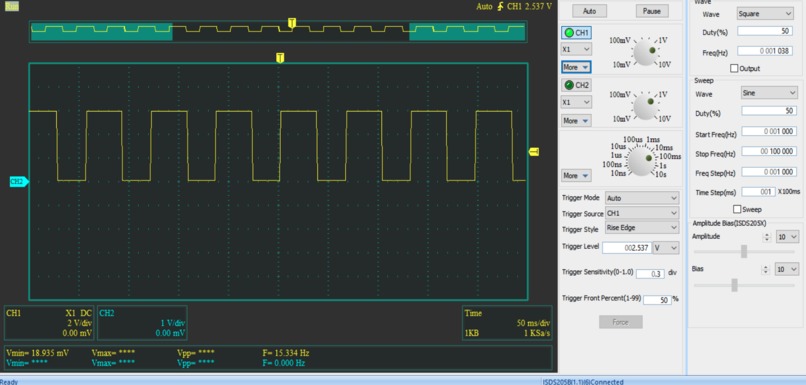
Oscilloscope of PWM generator minimum frequency
-
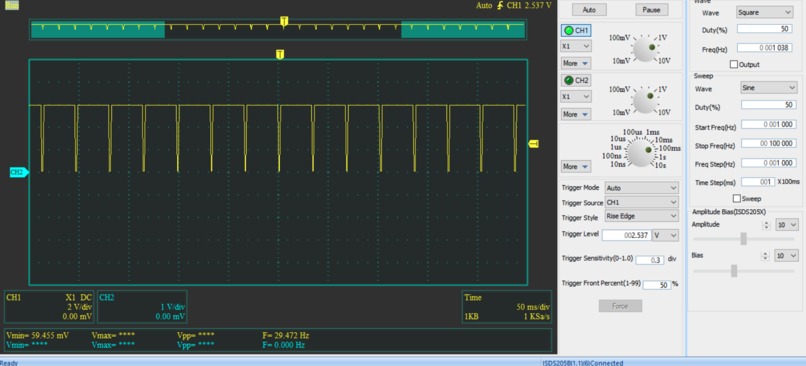
Oscilloscope of PWM generator maximum frequency
-
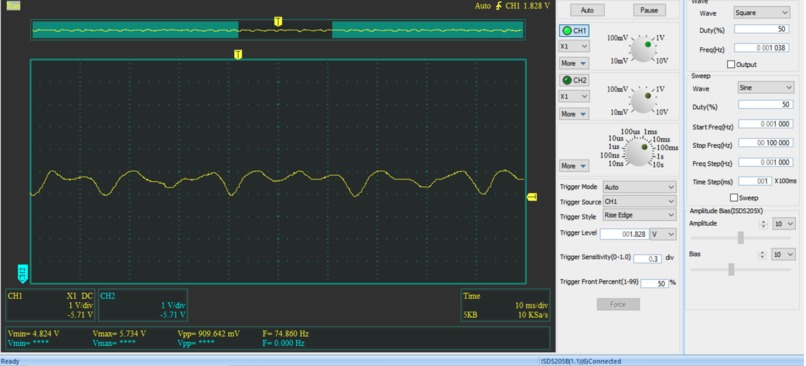
Oscilloscope of Optical Encoder during arbitrary duty cycle and frequency
-
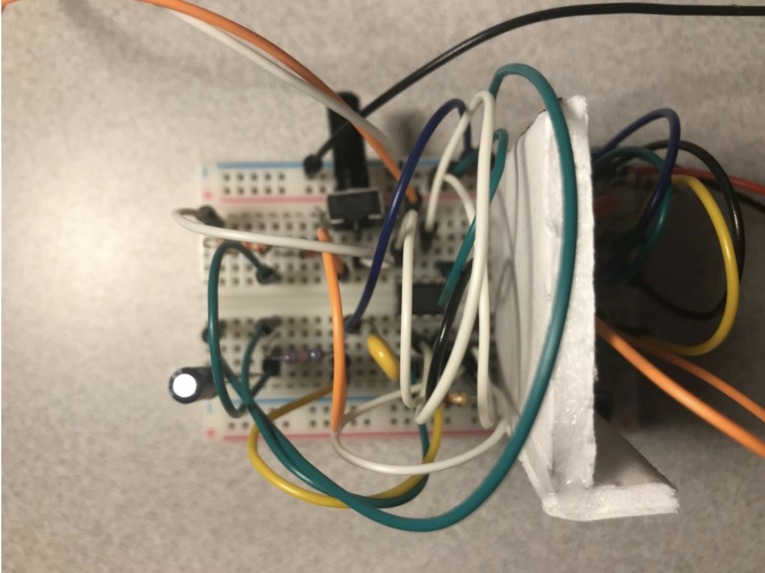
555-timer circuit built on breadboard (top view)
-
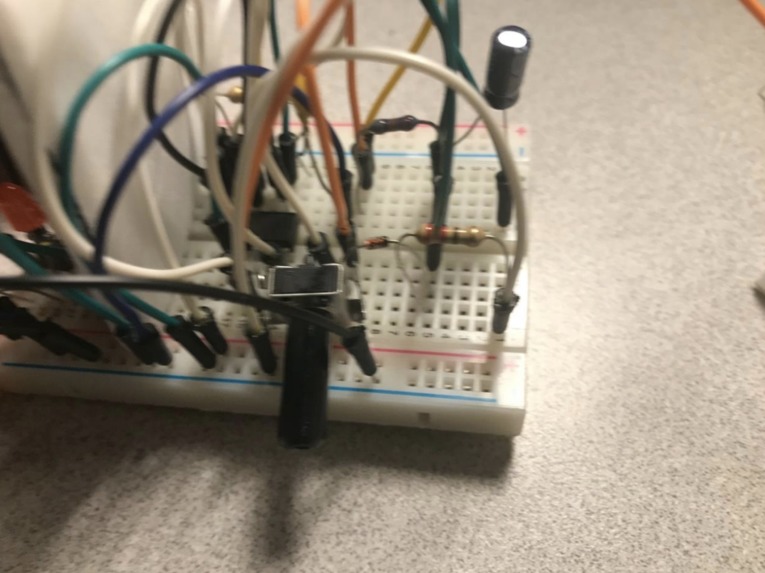
555-timer circuit built on breadboard (side view)
-
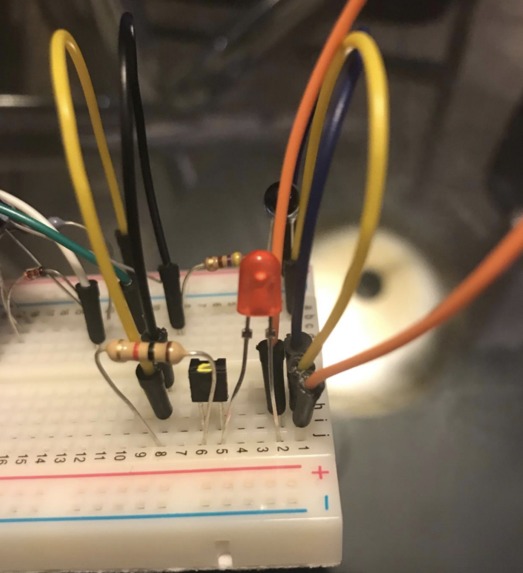
Optical Encoder circuit built on breadboard
-
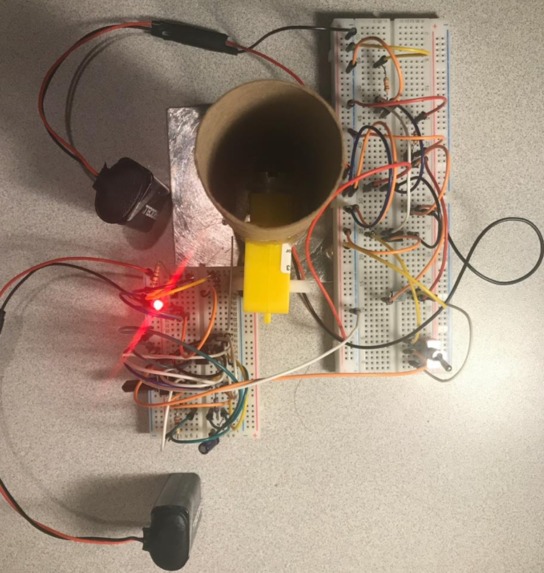
Final complete circuit (top view)
-
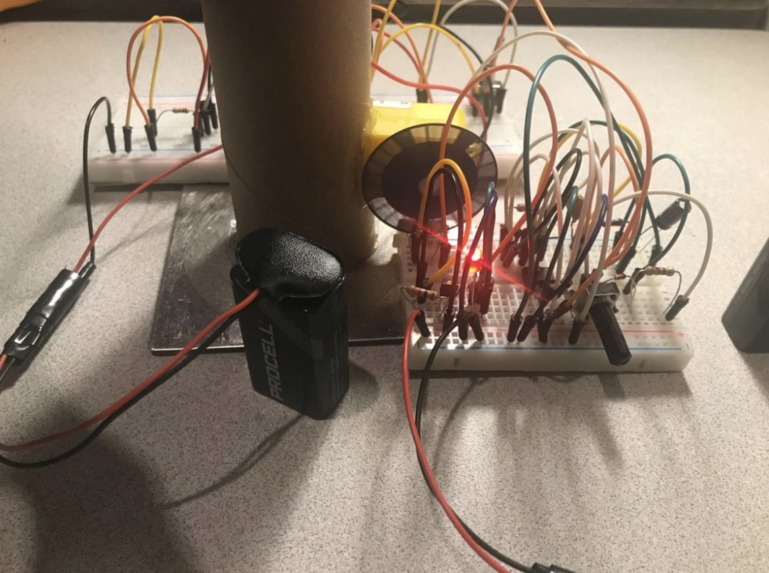
Final complete circuit (side view)


Inspiration
My passion for robotics and automation inspired me to enroll in the Mechatronics Engineering program. This journey led me to MSE 2201, where I gained a deeper understanding of various electrical components. For the final project, I aimed to create a solution that provides precise control over DC motors. I envisioned a versatile circuit that not only adjusts speed but also reverses direction seamlessly, enhancing the functionality of future projects.
What it does
The Agile DC Motor Driver enables fine-tuned control of DC motors, allowing for smooth adjustments in both speed and direction. With its H-Bridge design, the circuit drives various applications, from robotic arms to automated systems, ensuring reliability and responsiveness.
How I built it
To build the Agile DC Motor Driver, I started by designing the H-Bridge circuit, carefully selecting N-FETs and P-FETs to control the motor's direction. I followed the correct configuration to ensure effective voltage polarity switching, which was crucial for enabling reverse operation (see figures attached above).
Next, I integrated a 555-timer circuit to generate PWM signals, allowing for precise adjustments to motor speed. By adjusting the duty cycle with a potentiometer, I achieved the desired range of speed control. I tested different resistor and capacitor values to optimize the frequency and ensure smooth operation.
To monitor the motor's speed, I incorporated an optical encoder, using a phototransistor and a spinning disk to provide real-time feedback. This required additional wiring and calibration, but it ultimately enhanced the circuit's performance by allowing for responsive adjustments based on actual speed.
Throughout the construction process, I utilized a breadboard for prototyping, which enabled me to make iterative changes easily. Each component was carefully tested to confirm functionality before final assembly, resulting in a robust and reliable motor driver circuit (see figures attached above).
Challenges I ran into
Troubleshooting was a significant part of the process. Initially, the wiring of the H-Bridge caused voltage issues, leading to a frustrating lack of response. After lots of research and redesign, I discovered the correct transistor configuration, which was a turning point for the project.
Accomplishments that I'm proud of
I successfully implemented a fully functioning DC Motor Driver that not only controls speed and direction but also incorporates real-time feedback through the optical encoder. This integration enhances performance and reliability, making it a proud addition to my portfolio.
What I learned
This project taught me the importance of patience and persistence in troubleshooting complex circuits. I gained hands-on experience with H-Bridge configurations, PWM signal generation, and the critical role of feedback mechanisms in motor control systems.
What's next for Agile DC Motor Driver: Precision Speed and Direction Control
Looking ahead, I plan to refine the circuit further by exploring advanced control algorithms and expanding the project’s capabilities, such as integrating wireless control options. This will enhance its application in more complex robotic systems and automation projects.
Built With
- microcap

Log in or sign up for Devpost to join the conversation.