-
-
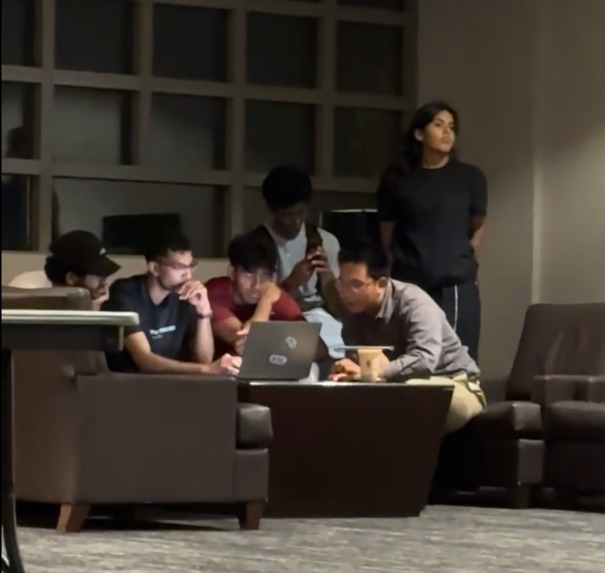
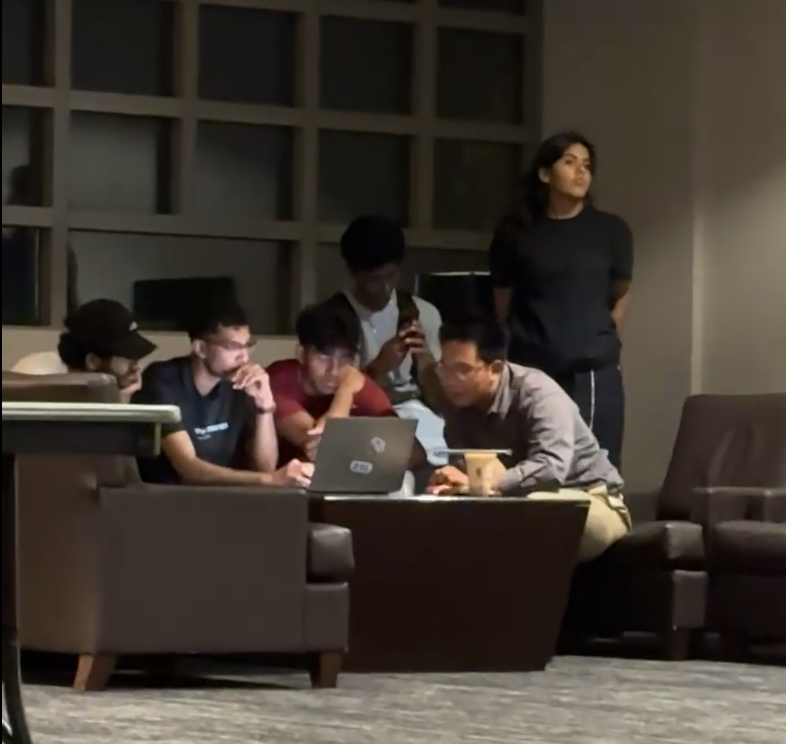
Mentor Help!
-
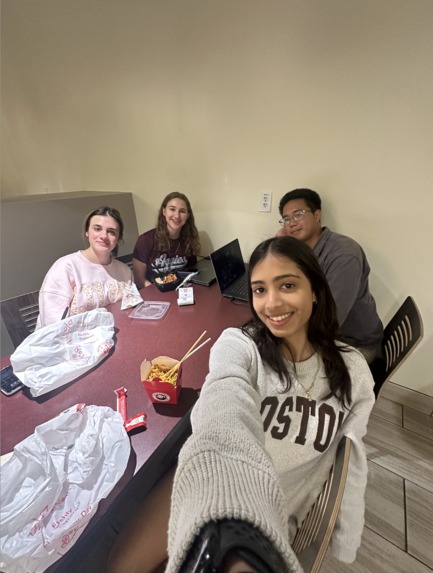
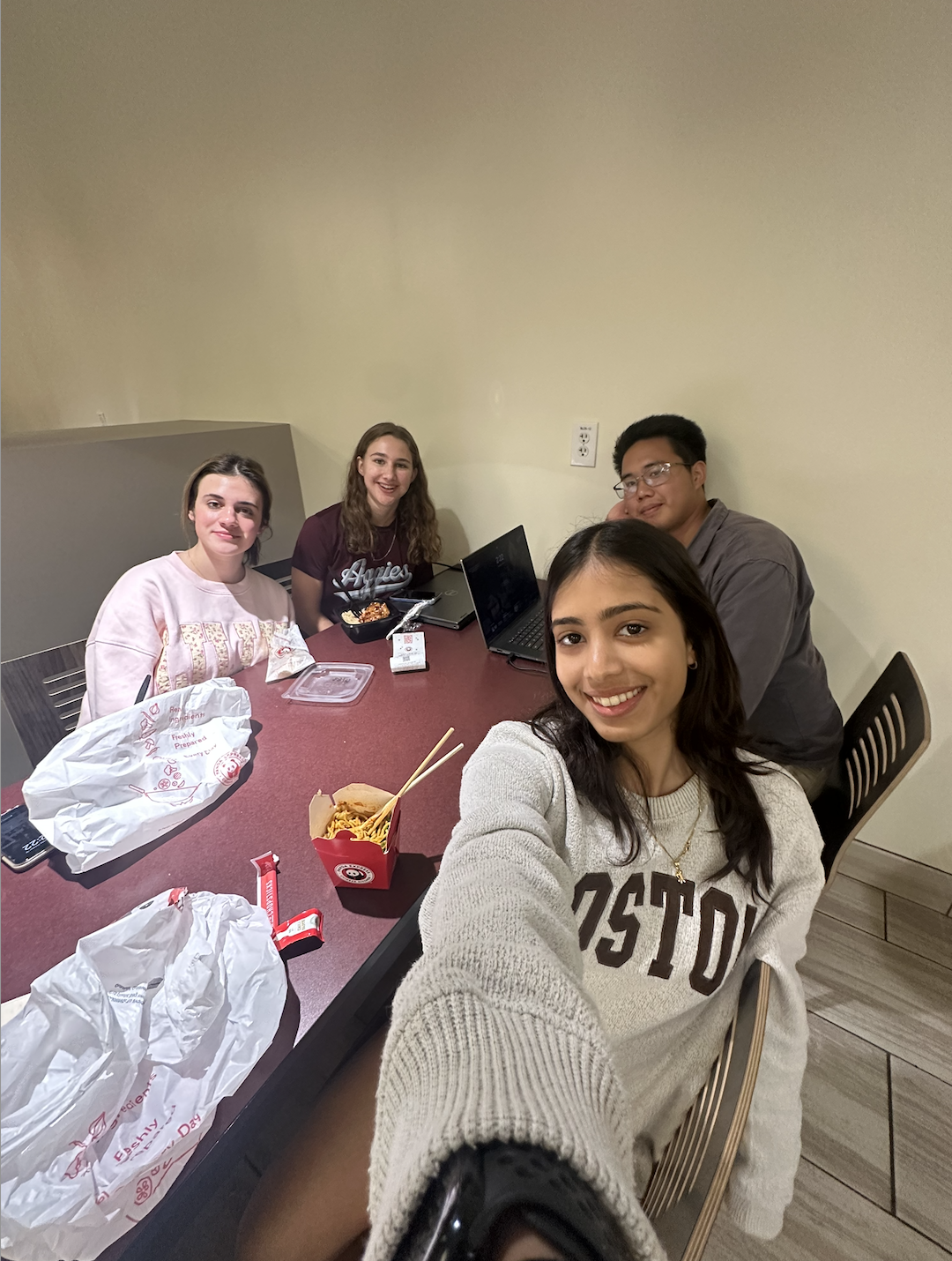
Food!
-
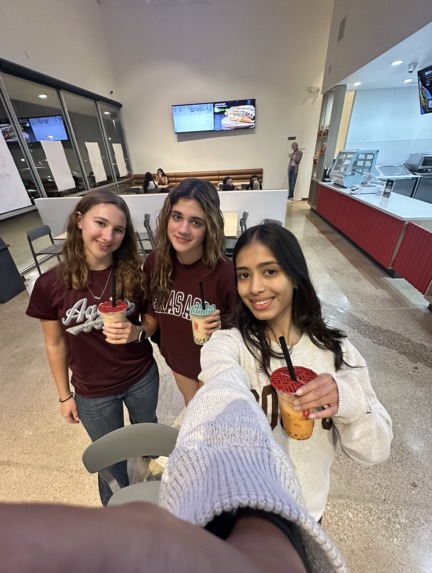
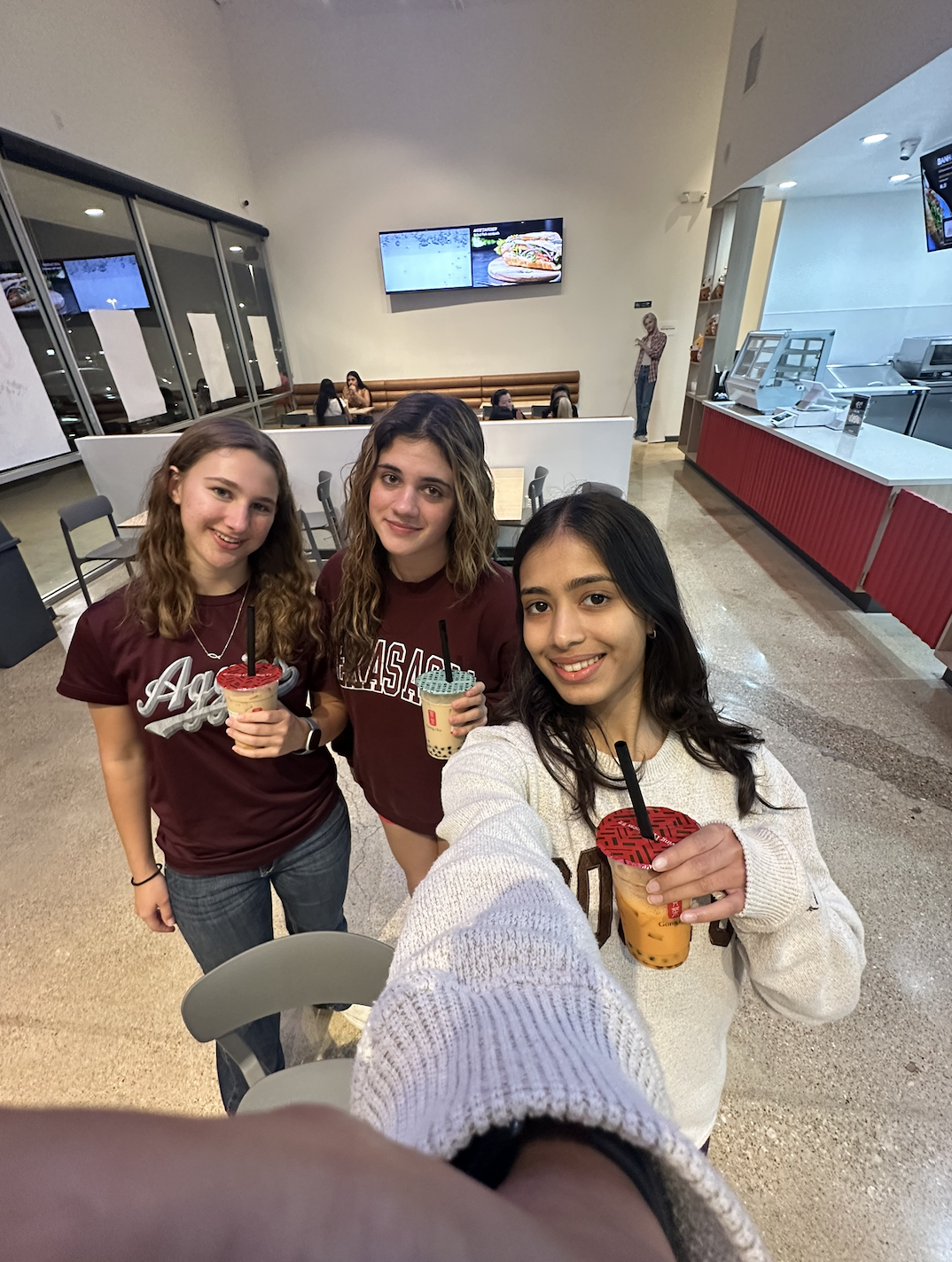
Boba!
-
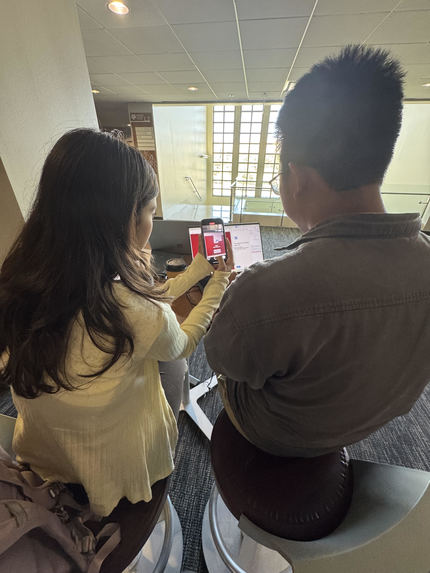
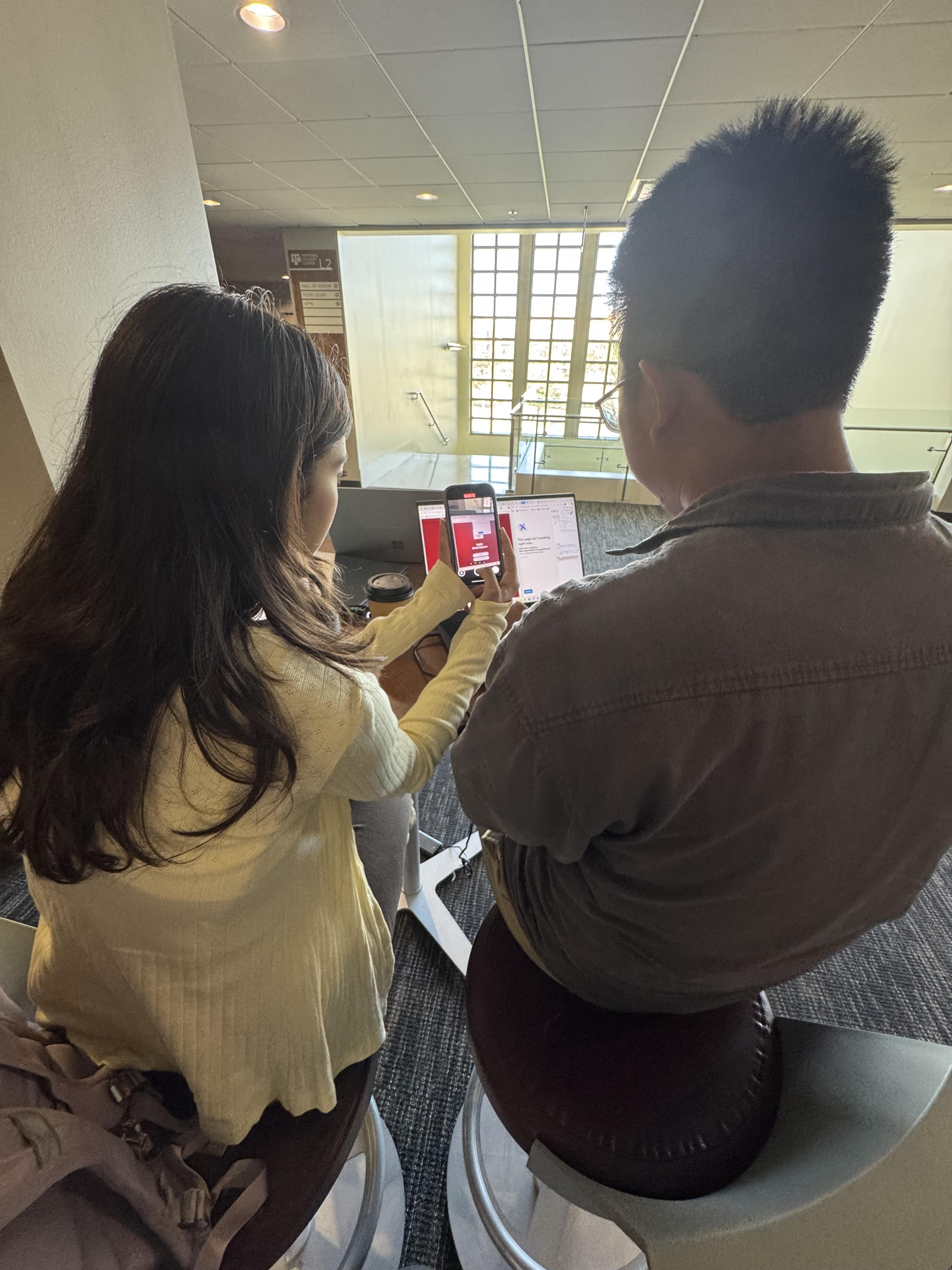
Video Demo!
Inspiration
We were inspired by Facebook Marketplace but recognized the safety risks and frustration that can come with open platforms. Our goal was to create a secure, student-only space where Texas A&M students can securely buy and sell items — especially during transitions like moving into college or graduating. Aggie Marketplace provides a trusted environment for Texas A&M students to connect, sell, or resell items with peace of mind.
What it does
Aggie Marketplace connects buyers and sellers within the Aggie community. Users can post listings, browse available items, and securely chat with one another. Users will create an account and are able to delete at any time of their choosing. They can also manage and edit their listings. Since it’s by Aggies, for Aggies, only Texas A&M students can join using their university credentials. Buyers can also use the filtration system to search for specific items quickly and efficiently.
How we built it
We started by designing a clean and intuitive web interface using Figma, ensuring an easy and accessible user experience. We then developed the platform using Node.js and React, integrating navigation, interactive elements, and secure communication features to connect each page seamlessly.
To enhance version control and collaborate effectively across our individual machines, we used GitHub, creating separate branches for new features and merging them into the main branch once tested. One of our primary challenges was authorization. We securely collect and store all user data, including encrypted passwords, to allow users to log in and access their accounts safely. We also implemented secure API keys and authorization protocols to protect user information during account creation and login processes.
Challenges we ran into
One of the primary challenges we encountered during this project was implementing the email verification system. After several hours of debugging, we determined that the issue did not stem from our code. Ultimately, we concluded that coordination with Texas A&M would be necessary to enable email verification. Additional challenges included working with the API, designing and modifying the user interface, and integrating user data into our database.
Accomplishments that we're proud of
We are proud of our overall process and our ability to come together as a team to build a project that can truly be scaled to a larger level. Since our team was formed at the start of this competition — nearly 24 hours ago — we have grown tremendously and learned to use platforms we had never worked with before, such as Node.js and Figma. Overall, this has been an incredible and fast-paced learning experience that pushed us to collaborate, adapt, and create something meaningful within a short timeframe.
What we learned
This entire process was a huge learning curve for us, as we were all first-time hackers who had never worked on personal projects before. From the initial ideation of our concept to the final product, we learned how to collaborate effectively, support one another, and seek help from the TAMUhack team when needed.
Although Aggie Marketplace was built in a short timeframe, it was a tremendously valuable experience. By using new platforms like GitHub, Node.js, and React, we developed both technical and teamwork skills, creating something we are truly proud of.
What's next for Aggie Marketplace
The next steps for Aggie Marketplace include officially implementing an email verification system to enhance login security, improving the user interface for a more polished and intuitive experience, integrating an AI-powered chat assistant to provide real time support, and adding a feature that allows users to rate sellers and buyers. We would also like to develop a mobile version, so users can sell or buy on the go!


Log in or sign up for Devpost to join the conversation.