-
-
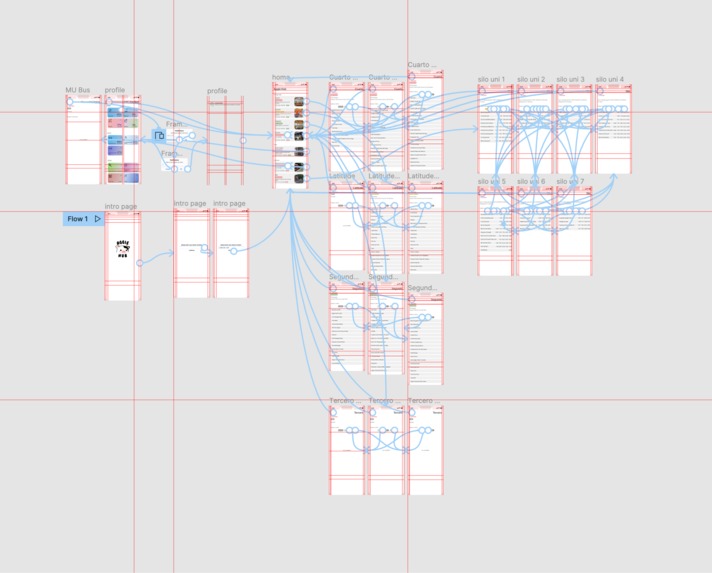
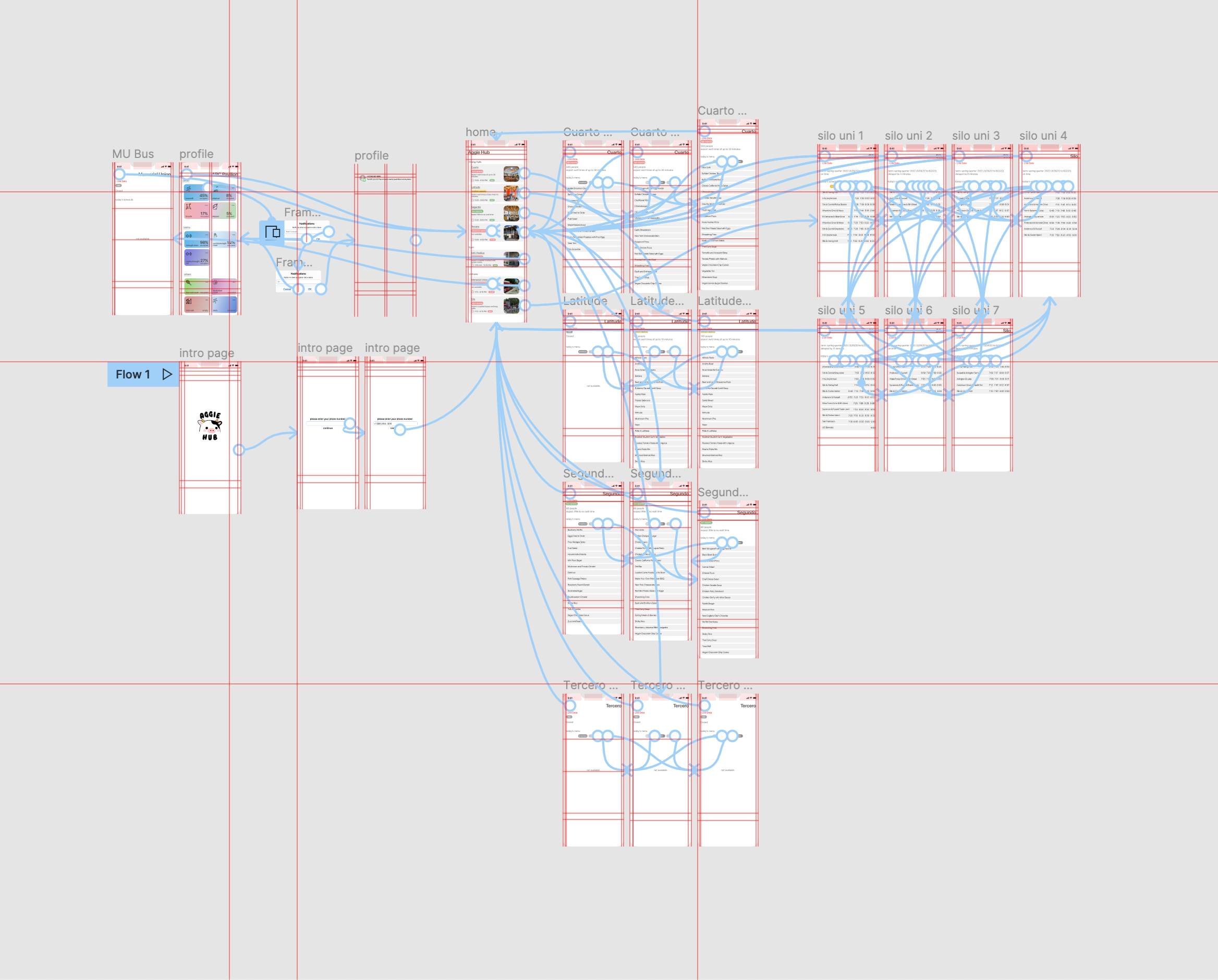
Connections used to build app functionality
-
App Logo
-
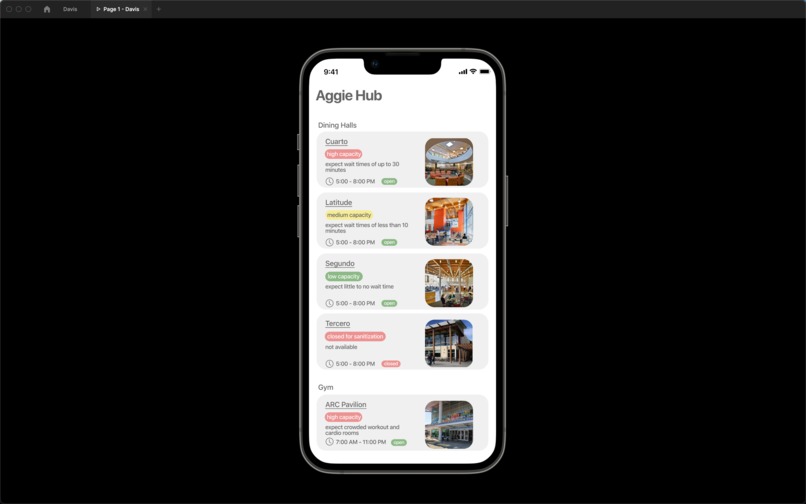
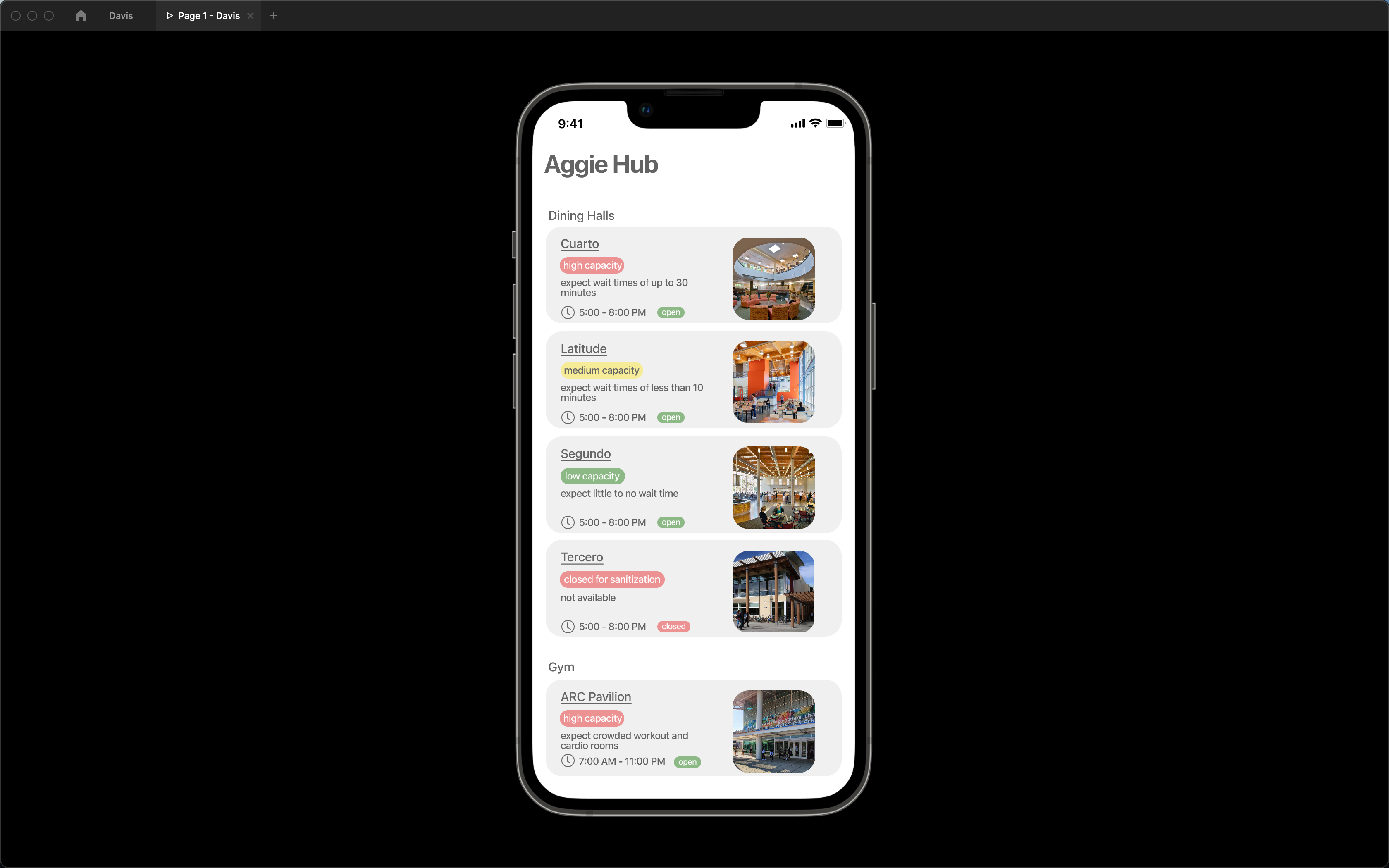
App Home
-
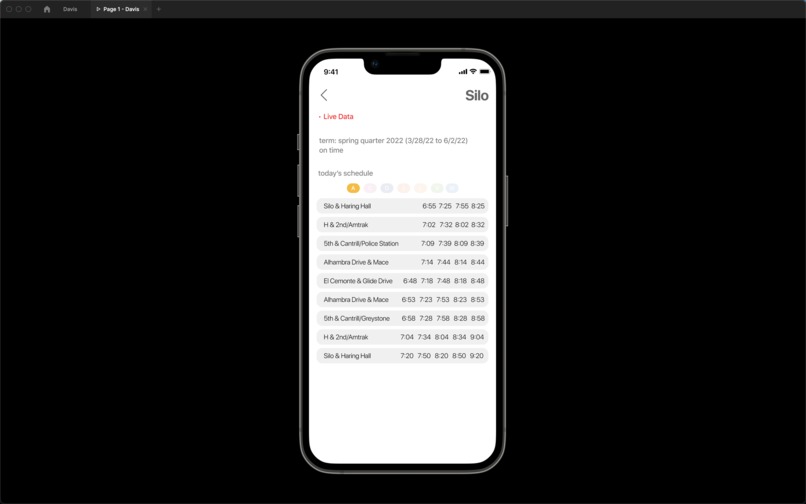
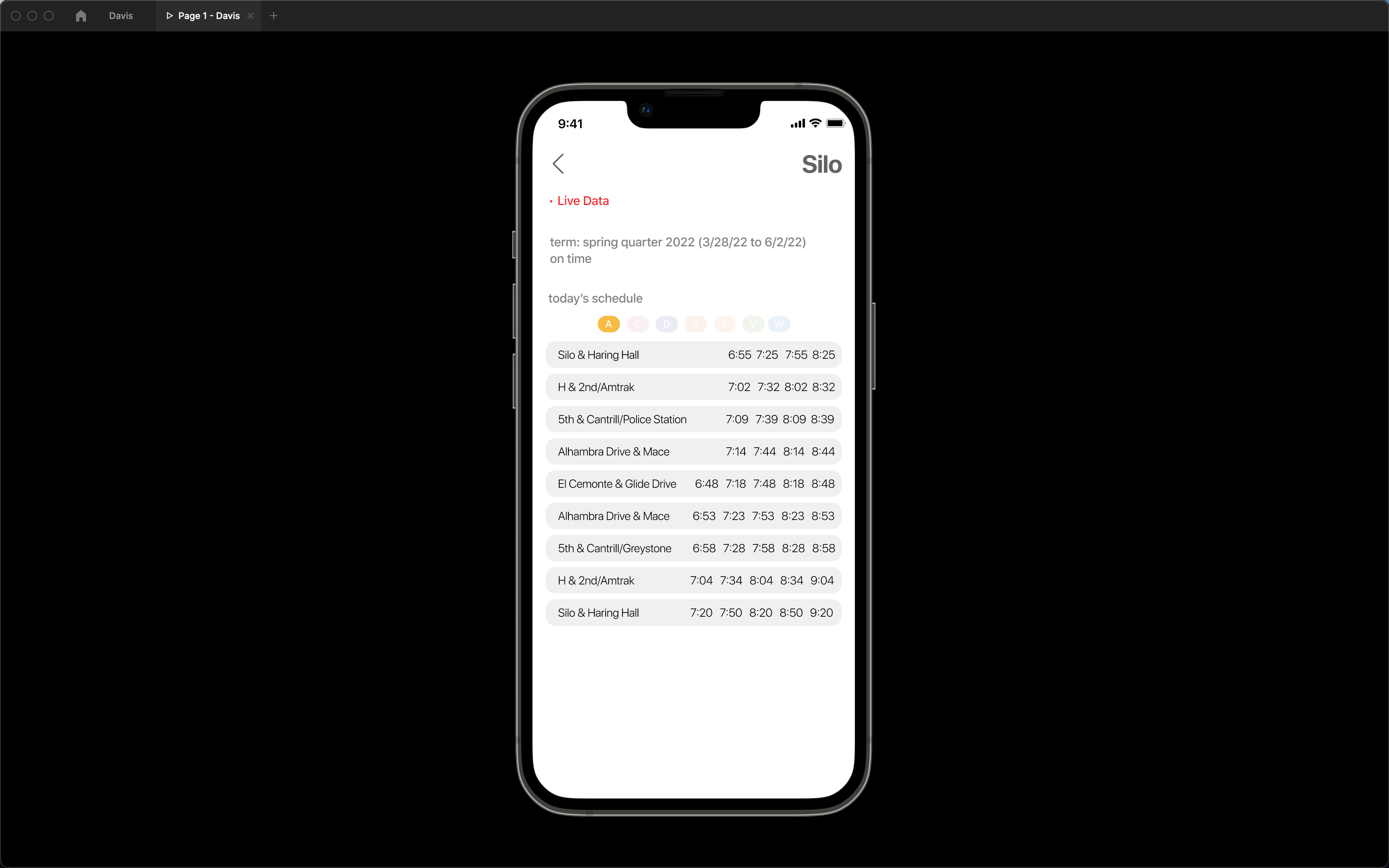
Interactive layout for Silo bus system
-
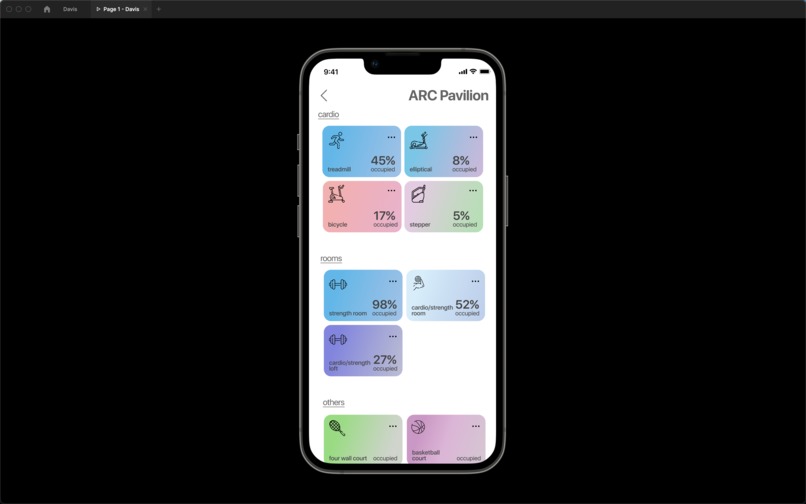
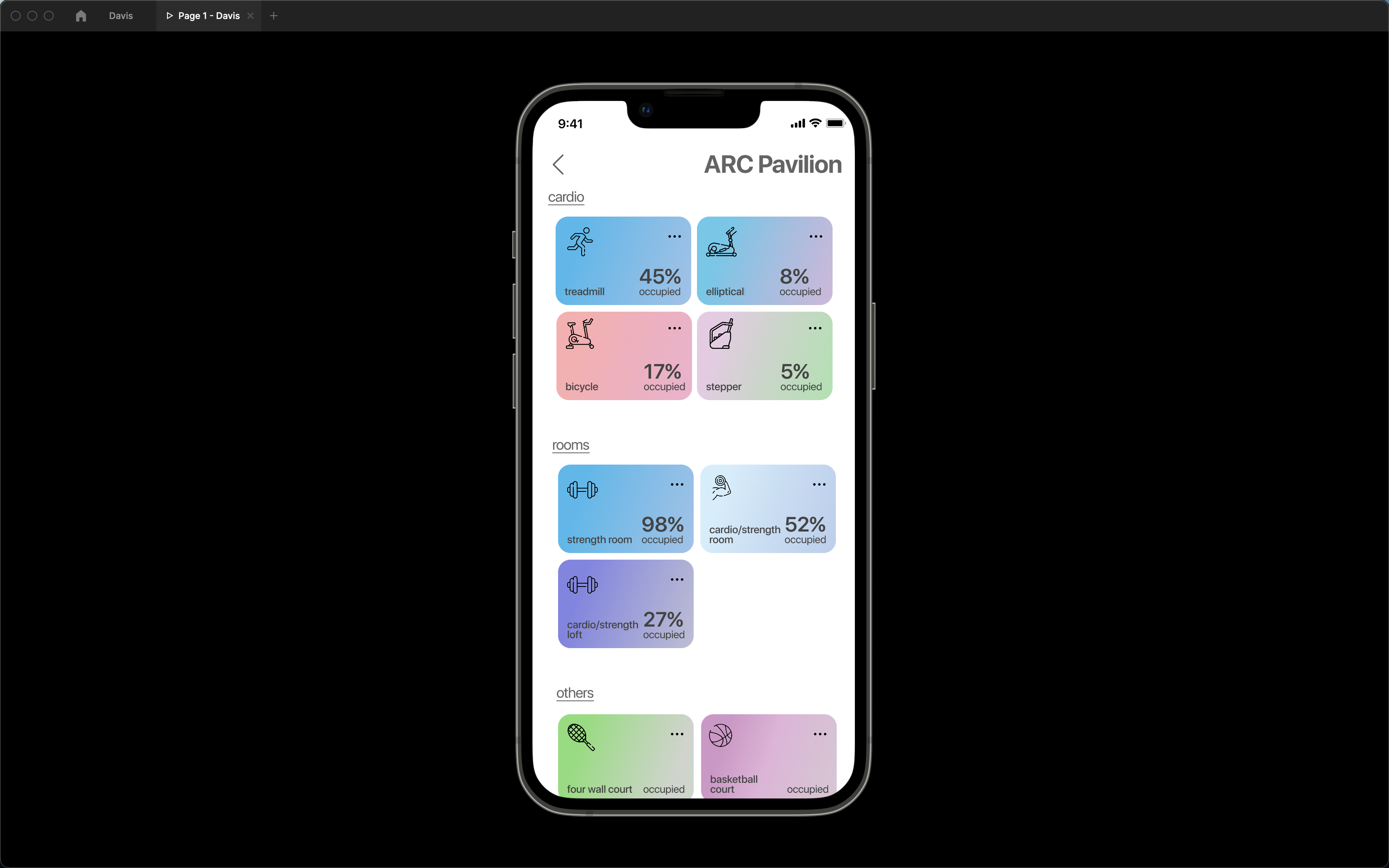
Interactive layout for ARC Pavilion
Inspiration and what it does:
Running to the dining commons for a quick bite between classes is common in college, but when students come face to face with a long line, most would turn away. Extensive wait times and crowded spaces are never a delight for people, whether it is standing in a jam-packed Unitrans bus or having no available equipment at the Activities and Recreation Center Pavilion (ARC). With these issues in mind, we aim to save time for students and relieve some of the stress put onto the staff and other workers by creating an app that tracks the activity of people at UC Davis hotspots.
What we learned:
HackDavis was our first experience participating in a hackathon, and we entered without much prior knowledge of Computer Science. However, we arrived with an open mind and a desire to learn about new concepts. Our initial step was to explore React Native as a suitable platform for our ambitious project, but after hours of experimentation, we realized the monumental difficulty in implementing the features of our project into a new tool within the period. Given these conditions, we pivoted to Figma to design the app prototype and learned new concepts, such as creating simple frames to optimize the entire user experience and interface.
How we built our project:
The entire front-end of the prototype was built using Figma, which is a UI/UX designing app that specializes in functionality and presentation. While we did not implement the back end in time, we have thought about how the back end would function. It will be making API calls to the various dining common and ARC servers to grab data about the current occupation capacity of each area. Additionally, we have also thought about how Twilio’s API can be implemented in our design through notifications with text.
The challenges we faced:
Since this was our first time using Figma, we had to experiment with the different types of tools offered within the app. Initially, the wide variety of options on Figma confused us, but we gradually familiarized ourselves with the interface after some practice on the app.
During our trial and error stage using React Native, we also realized that Twilio would serve as a great tool to notify users about wait times at UC Davis hotspots and equipment available at the ARC Pavilion. While we were unable to implement Twilio into our code, we were able to give a preview of what Twilio would look like in our app through the implementation of notification in our Figma prototype.
Accomplishments that we’re proud of:
We believe that our user interface is relatively clean, and we are surprised at the fact that we were able to learn and implement tools in Figma for our first hackathon. We were also able to split our workload evenly and support each other when we meet obstacles while working within the time constraint.
What’s next for Aggie Hub?:
We plan to learn and fully develop this app together throughout the next few months as we realize how impactful this app may be to the student body. To do so, we may need to work with the UC Davis dining and ARC staff for accurate data collection for our live functions.
Built With
- figma


Log in or sign up for Devpost to join the conversation.