-
-
Devops made easy
Inspiration
What it does
How we built it
Inspiration
The inspiration for Agentic SDLC came from recognizing that traditional software development is slow and expensive. We wanted to bridge the gap between having a great software idea and actually building it.
Key inspirations:
- Democratizing software development - Making professional-grade development accessible to everyone
- AI revolution in coding - Leveraging the power of large language models to automate complex processes
- Educational gap - Many developers and students struggle to understand the complete SDLC process
- Time-to-market pressure - Businesses need to validate ideas quickly without months of development
What it does
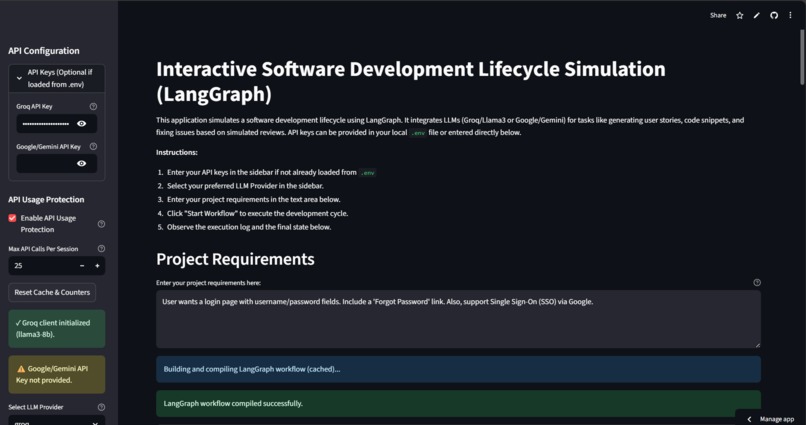
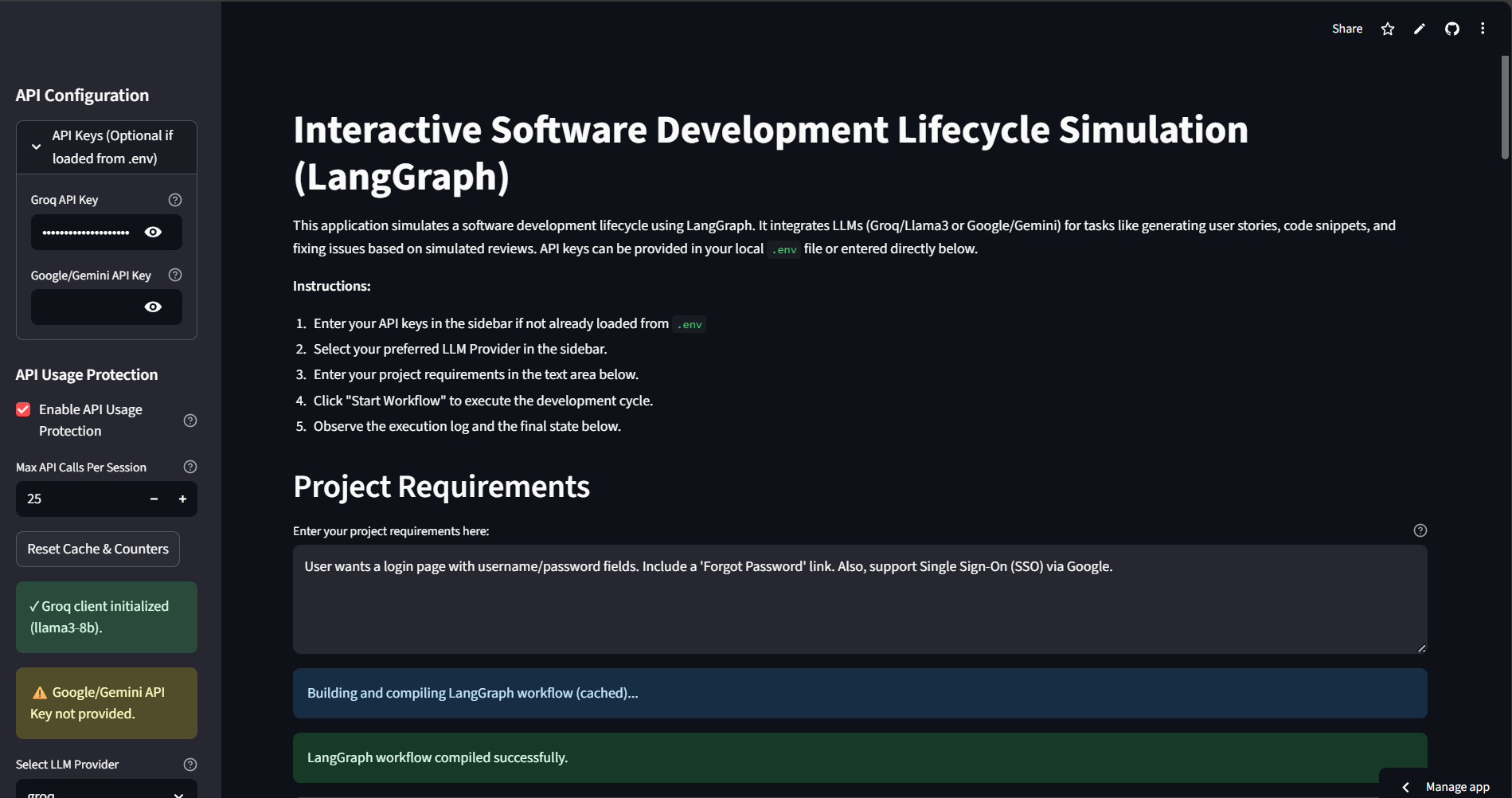
Agentic SDLC is an AI-powered Software Development Life Cycle simulator that transforms natural language requirements into complete software projects.
Core capabilities:
- Requirements Processing: Converts user ideas into structured requirements and user stories
- Design Generation: Automatically creates system architecture, database schemas, and API specifications
- Code Generation: Produces production-ready code with best practices and security considerations
- Testing Automation: Generates comprehensive test cases, security reviews, and QA processes
- Documentation: Creates professional project documentation, deployment guides, and maintenance plans
- Export System: Provides downloadable artifacts including source code, documentation, and complete project packages
Example workflow:
- User inputs: "I want a login system with SSO via Google"
- System generates: User stories, design docs, Python code, test cases, security reviews
- User receives: Complete project package ready for deployment
How we built it
Technology Stack:
- Frontend: Streamlit for the web interface
- AI Engine: LangChain + LangGraph for workflow orchestration
- LLM Integration: Groq, Google Gemini, and OpenAI APIs
- Workflow Management: LangGraph for complex process orchestration
- Visualization: NetworkX + Matplotlib for workflow graphs
- Data Processing: Pandas for state management
Architecture - Key Components:
- Workflow Engine: Orchestrates the entire SDLC simulation
- LLM Manager: Handles multiple AI provider integrations
- State Management: Tracks progress through development phases
- Visualization: Shows real-time workflow progress
- Export System: Generates downloadable project packages
Challenges we ran into
Technical Challenges:
- Pydantic Compatibility: Major issues with LangChain packages and Pydantic v2 compatibility
- Dependency Management: Complex dependency conflicts between different LangChain versions
- Workflow Orchestration: Designing a robust workflow that handles all SDLC phases
- State Management: Maintaining consistent state across complex workflow transitions
- Error Handling: Graceful failure handling in AI-powered processes
AI Integration Challenges:
- API Rate Limits: Managing multiple LLM providers with different rate limits
- Response Consistency: Ensuring AI outputs follow consistent formats
- Quality Control: Maintaining code quality and best practices in generated output
- Context Management: Preserving context across multiple workflow steps
User Experience Challenges:
- Progress Visualization: Making complex workflows understandable to users
- Download Management: Creating intuitive file export systems
- Error Communication: Clearly explaining what went wrong and how to fix it
Accomplishments that we're proud of
Technical Achievements:
- Complete SDLC Simulation: Successfully automated the entire software development process
- Multi-LLM Support: Integrated three major AI providers with seamless switching
- Workflow Orchestration: Built a robust LangGraph-based workflow system
- Real-time Progress Tracking: Created intuitive visual progress indicators
- Comprehensive Export System: Built a complete file generation and download system
User Experience Achievements:
- Intuitive Interface: Created a Streamlit app that makes complex AI workflows accessible
- Professional Output: Generated artifacts that meet industry standards
- Educational Value: Built a tool that teaches users about professional development processes
- Time Savings: Reduced project development time from months to minutes
Innovation Achievements:
- AI-First Development: Pioneered AI-powered software development simulation
- Process Automation: Automated complex development workflows that traditionally require human expertise
- Accessibility: Made professional software development accessible to non-developers
What we learned
Technical Insights:
- AI Integration Complexity: Managing multiple LLM providers requires careful abstraction and error handling
- Workflow Design: LangGraph workflows need careful state management and error recovery
- Dependency Management: Modern Python packaging requires careful version compatibility planning
- Streamlit Limitations: While great for prototyping, Streamlit has limitations for complex applications
AI Development Insights:
- Prompt Engineering: The quality of AI outputs heavily depends on well-designed prompts
- Context Preservation: Maintaining context across multiple AI interactions is crucial
- Quality Assurance: AI-generated code needs careful validation and review processes
- User Feedback Loops: Continuous improvement requires user feedback on AI outputs
Process Insights:
- SDLC Complexity: Even with AI, software development involves many interconnected steps
- Documentation Importance: Good documentation is crucial for AI systems to work effectively
- User Experience: Complex AI systems need intuitive interfaces to be truly useful
- Iterative Development: AI-powered tools benefit from continuous refinement based on usage patterns
What's next for Agentic SDLC
Short-term Goals (3-6 months):
- Enhanced Code Quality: Implement better code review and validation systems
- More Languages: Support for JavaScript, Java, C#, and other popular languages
- Template Library: Pre-built templates for common application types
- User Authentication: Multi-user support with project history
- API Access: REST API for integration with other development tools
Medium-term Goals (6-12 months):
- Cloud Deployment: Hosted version with cloud-based processing
- Team Collaboration: Multi-user project collaboration features
- CI/CD Integration: Direct integration with GitHub, GitLab, and CI/CD pipelines
- Advanced AI Models: Integration with more specialized AI models for specific domains
- Mobile Support: Mobile-optimized interface for on-the-go development
Long-term Vision (1+ years):
- Enterprise Features: Role-based access control, audit trails, and compliance features
- Domain Specialization: Industry-specific SDLC workflows (healthcare, finance, etc.)
- AI Training: Custom AI models trained on specific development patterns
- Marketplace: Community-contributed templates and workflows
- Global Scale: Multi-language support and international deployment
Research Directions:
- Code Generation Quality: Research into improving AI-generated code quality
- Workflow Optimization: AI-powered workflow optimization and customization
- Security Integration: Advanced security analysis and vulnerability detection
- Performance Analysis: AI-powered performance optimization recommendations
The future of Agentic SDLC is about democratizing software development and making professional-grade development processes accessible to everyone, everywhere.
Challenges we ran into
Accomplishments that we're proud of
What we learned
What's next for Agentic SDLC
Built With
- chatgemini
- chatgroq
- langgraph
- python
- streamlit

Log in or sign up for Devpost to join the conversation.