Inspiration: Our inspiration stems from the limitations of traditional AI, which often fails to adapt to dynamic, real-world scenarios without constant human supervision. We wanted to build a system that could not only understand complex goals but also independently pursue them, much like a human would, by planning, acting, and reflecting. This project is a direct response to the need for AI that can function as a truly autonomous agent.
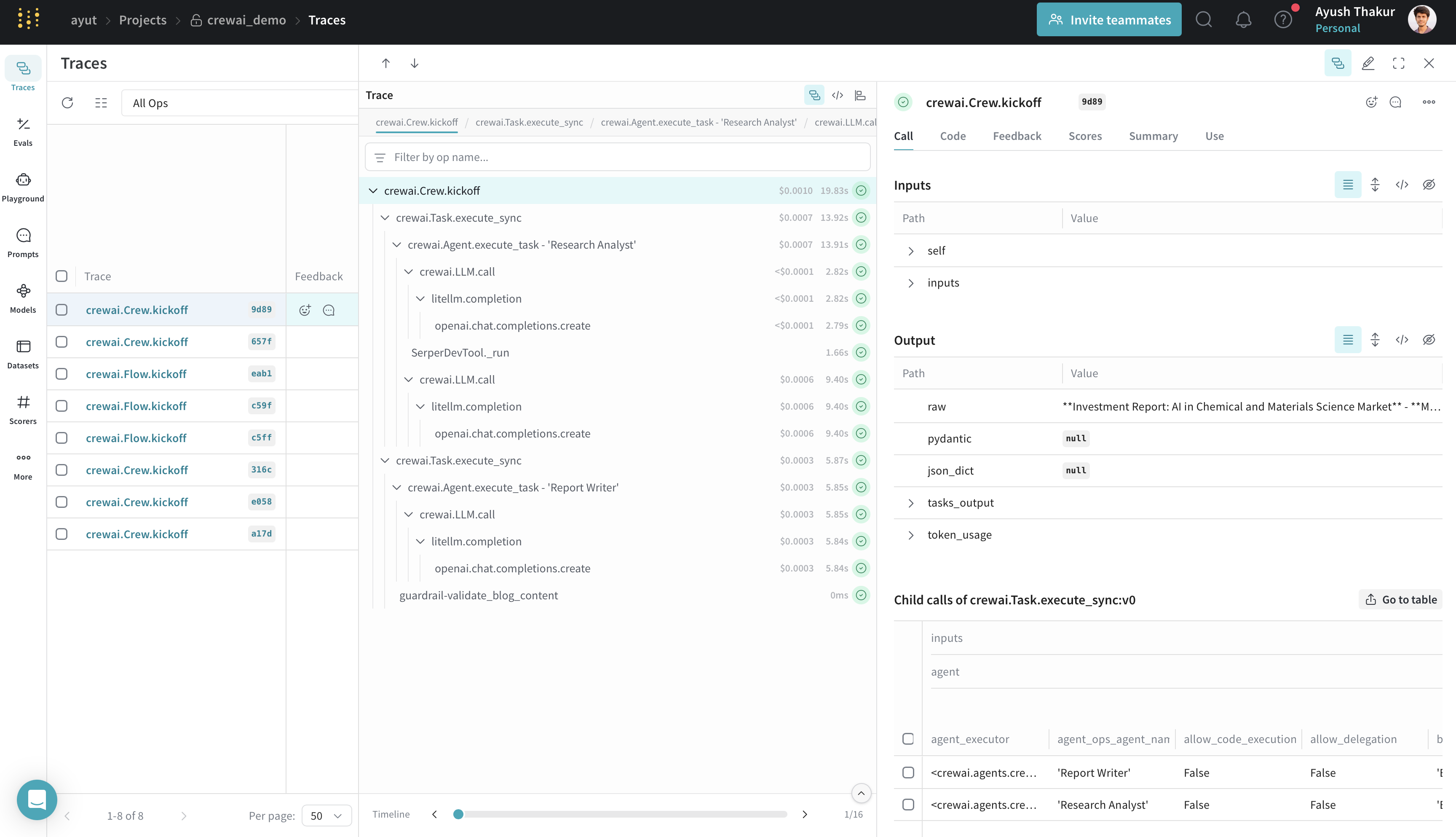
What it does: This project is an exploration of agentic AI, demonstrating its core capabilities and potential applications. It showcases how a single agentic system, powered by a large language model, can orchestrate a series of tasks to achieve a complex goal. The system can perceive its environment through data inputs, reason about the best course of action, and execute that action using external tools, all while continuously learning and adapting.
How we built it: We built this by integrating several key components. At its heart is a large language model that acts as the agent's "brain." We developed a custom framework that enables the LLM to access a suite of tools (e.g., APIs, databases) to gather information and perform actions in the external world. The agent is built with a memory buffer to retain context from past interactions and a reflection mechanism that allows it to self-correct and improve its performance over time.
Challenges we ran into: The primary challenges we faced were ensuring the agent's reliability and safety. Since the agent is autonomous, we had to implement robust guardrails to prevent unintended actions. We also ran into difficulties with hallucinations and maintaining the agent's focus on the long-term goal during multi-step processes.
Accomplishments that we're proud of: We are most proud of successfully creating an agent that can handle complex, multi-step tasks that would be impossible for a traditional, rule-based AI. We were able to demonstrate its ability to adapt to new information and unexpected challenges, showcasing its potential for real-world application.
What we learned: We learned that building autonomous agents requires a deep focus on tool integration and goal-oriented planning. The agent's ability to reason and adapt is only as good as the tools it has access to. We also learned the critical importance of a robust feedback loop for continuous improvement and maintaining long-term performance.
What's next for Agentic AI for Real-World Problem Solving: Our next steps include expanding the agent's toolset to allow it to interact with an even wider range of external systems. We also plan to explore multi-agent collaboration, where multiple specialized agents work together to solve a single, highly complex problem, mirroring how human teams function. We will continue to prioritize research into safety and ethical frameworks to ensure responsible deployment.
Built With
- ai
- api
- core
- custom
- framework
- machine-learning
- memory
- model
- tools

Log in or sign up for Devpost to join the conversation.