About AgentValue
The idea behind AgentValue came from a question I had while exploring AI agents: what happens when an AI agent needs to use a real business service and pay for it on its own?
AI agents are becoming more capable, but connecting them to real-world services is still a challenge. An agent might find a service, make a payment, and receive a response, but how do we know that the service was actually delivered properly? A successful payment doesn't necessarily mean a successful result.
That was the main problem I wanted to work on, and it led me to build AgentValue.
What I Built
AgentValue is an AI-powered service marketplace where businesses can publish their services and AI agents can discover, compare, purchase, and use them.
The part I wanted to focus on most is service outcome verification. Instead of considering a task successful just because the payment went through, AgentValue aims to check whether the service was actually delivered, whether the result is complete, and whether it meets the original requirements.
The project is designed around three main users:
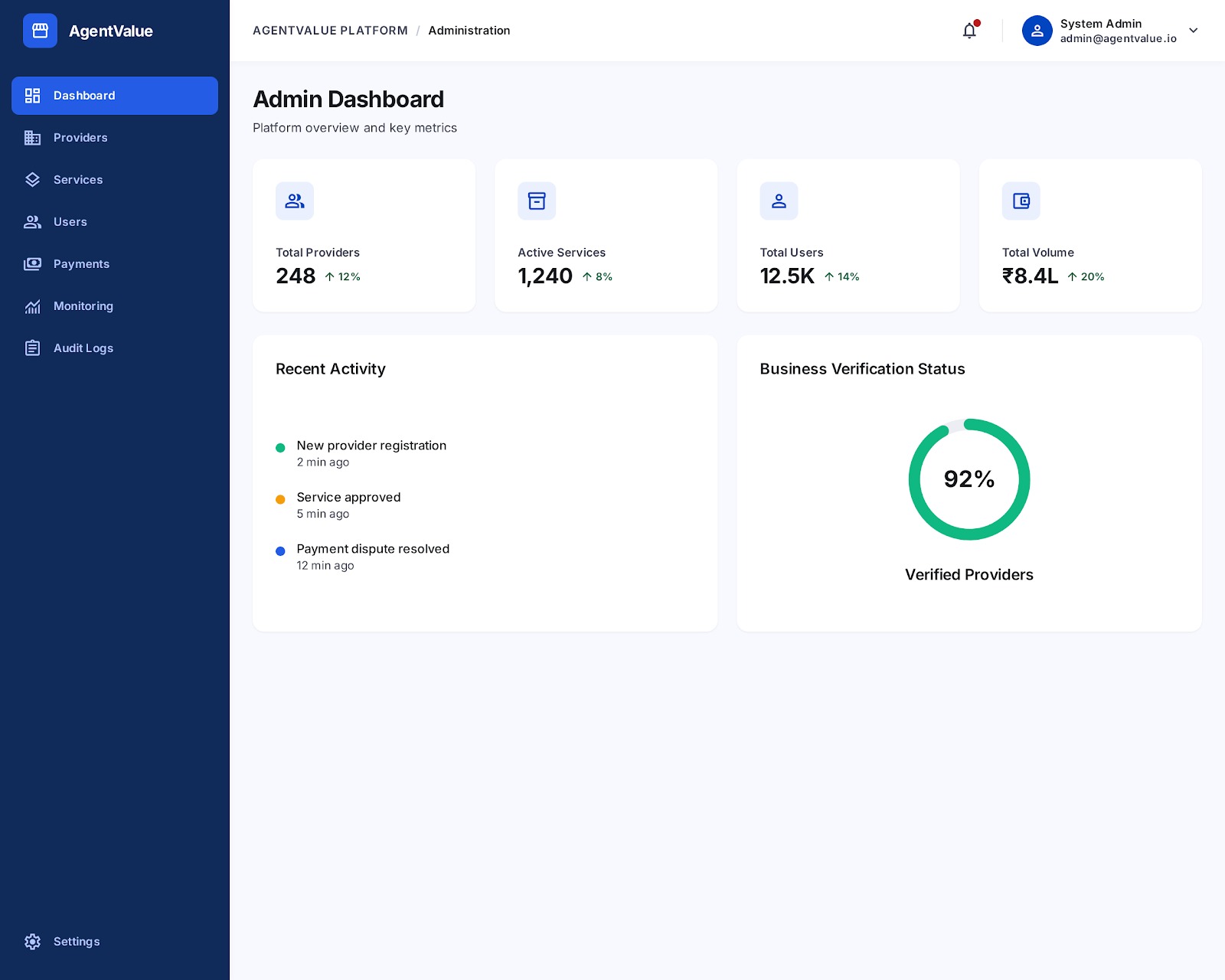
- Platform Admin: Manages providers, service approvals, platform activity, and trust and safety.
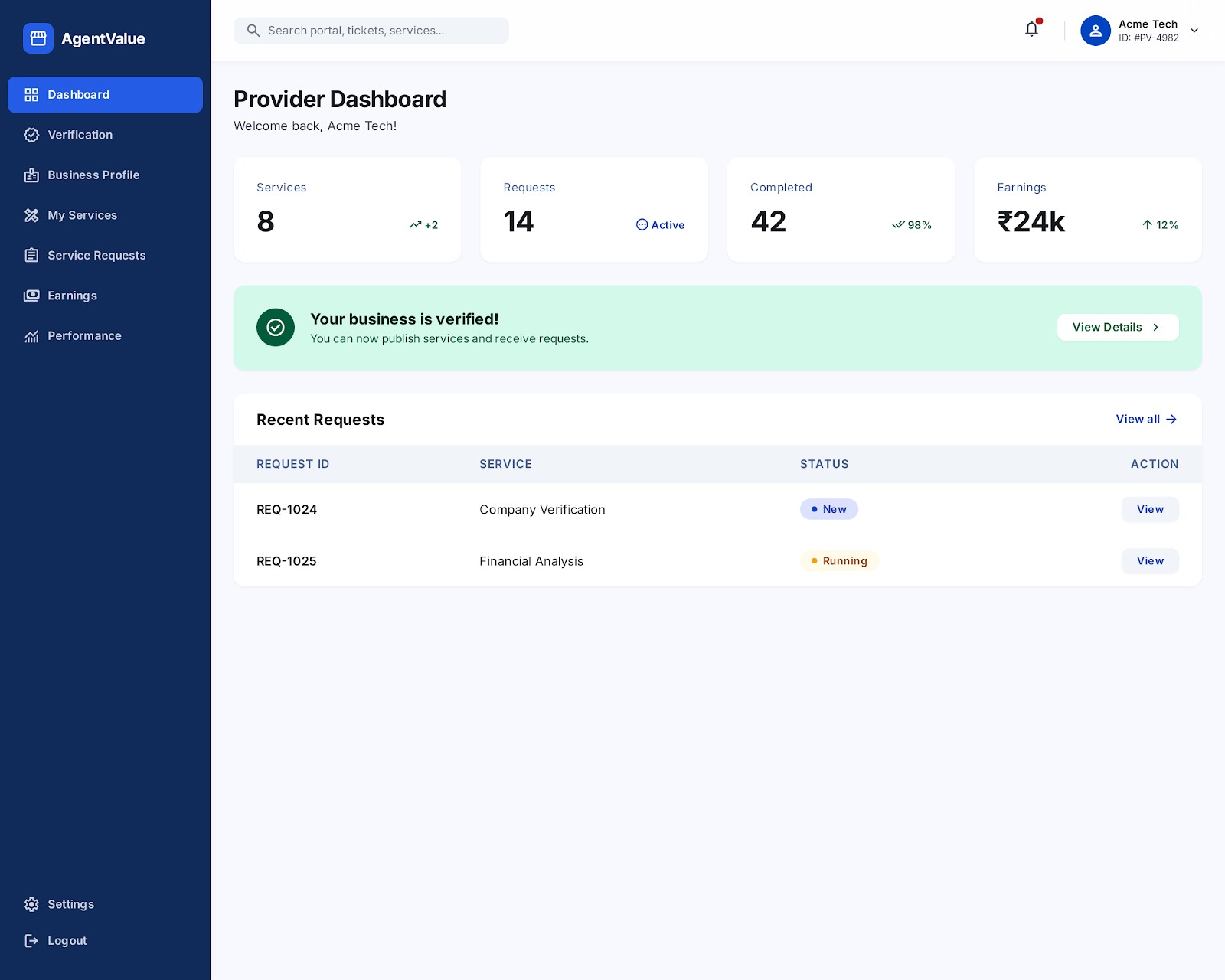
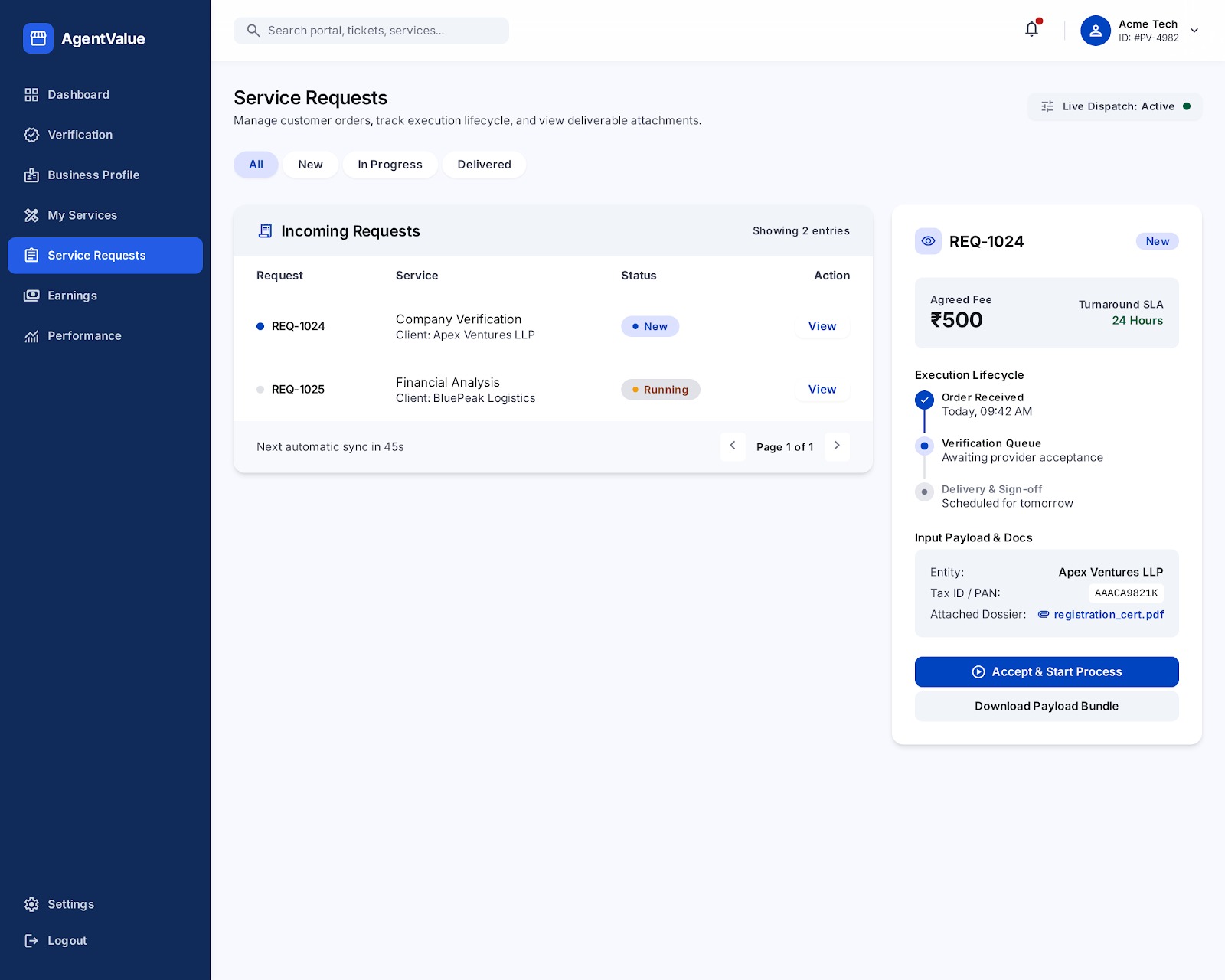
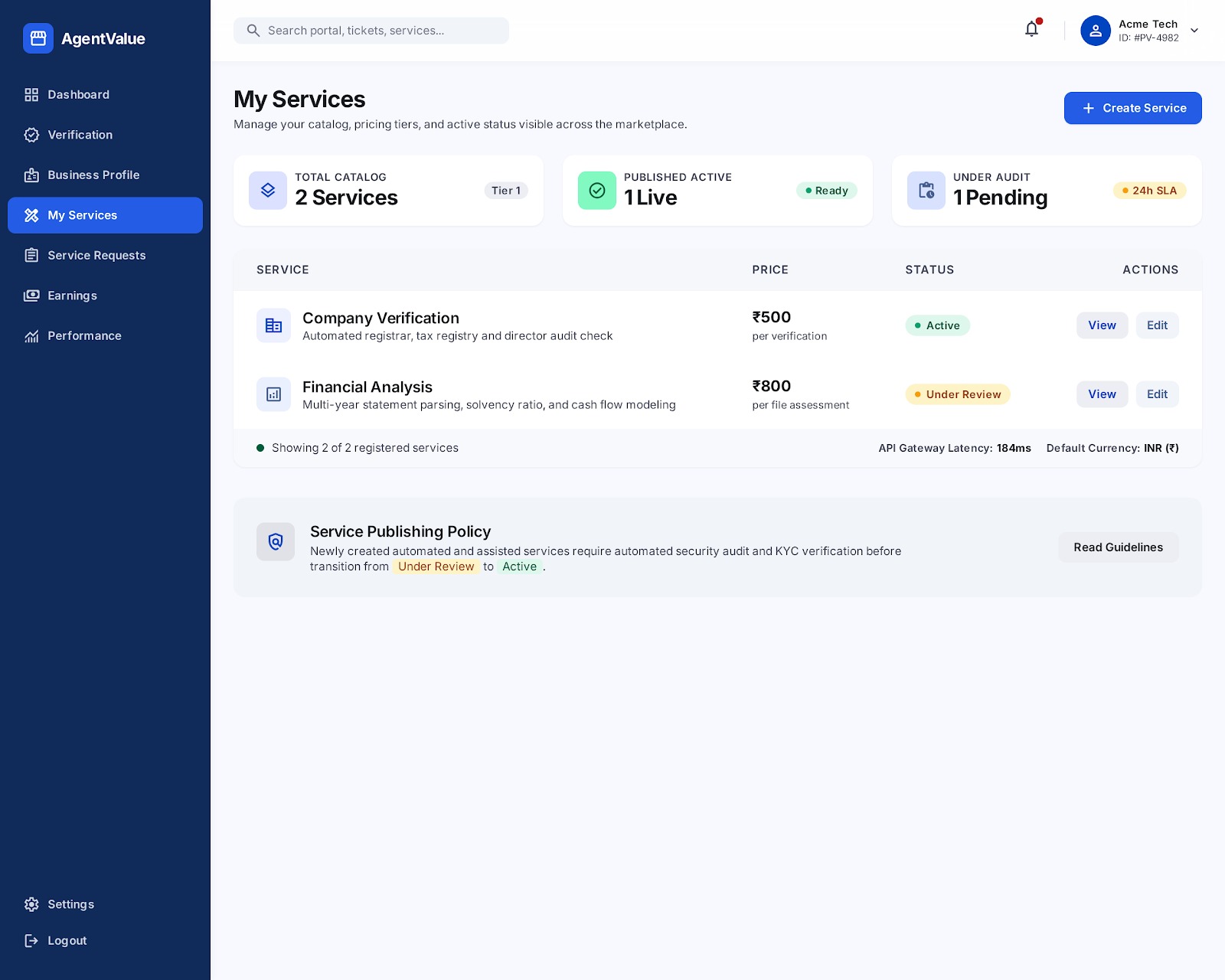
- Service Providers: Register their businesses, publish services, handle requests, and track their earnings.
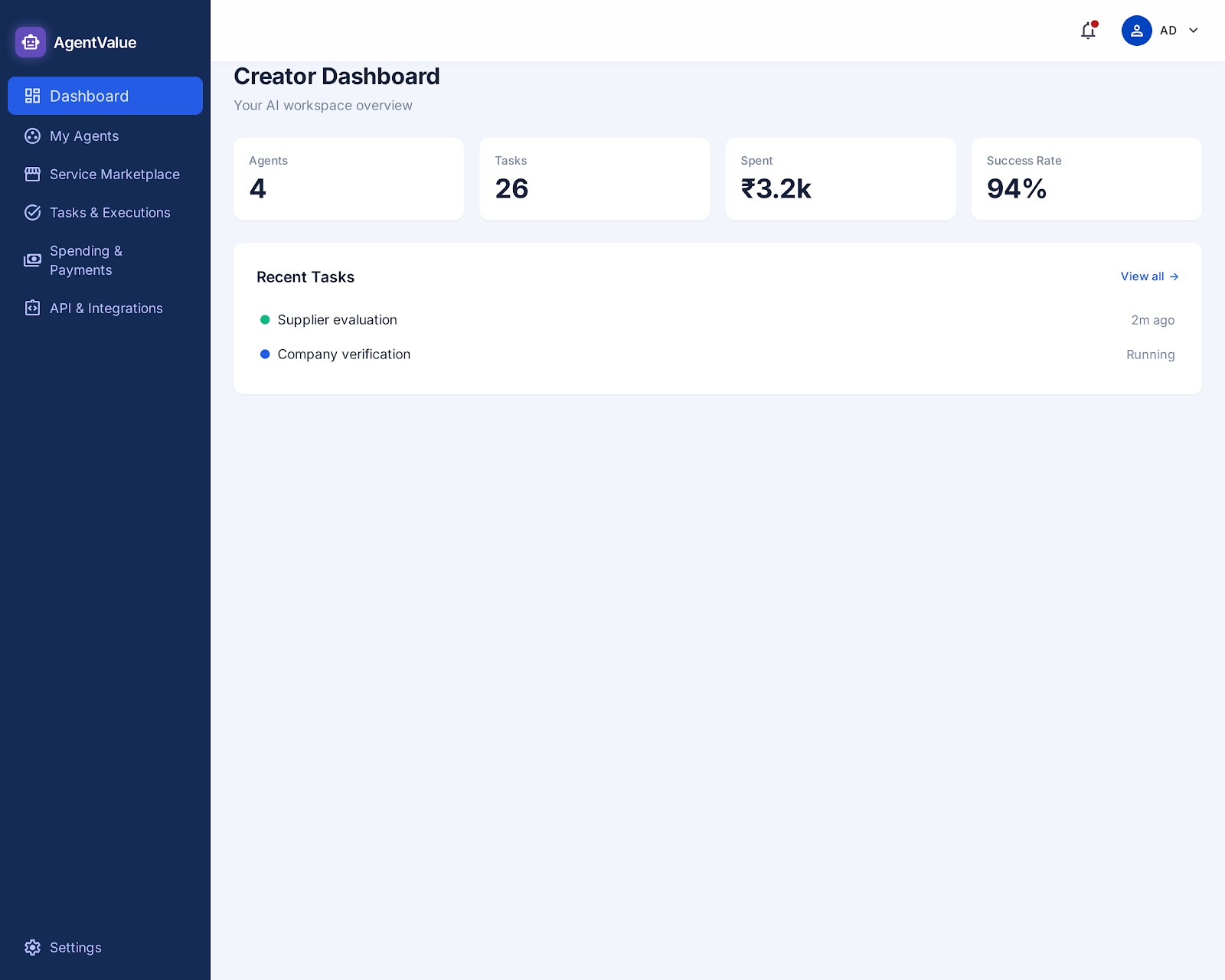
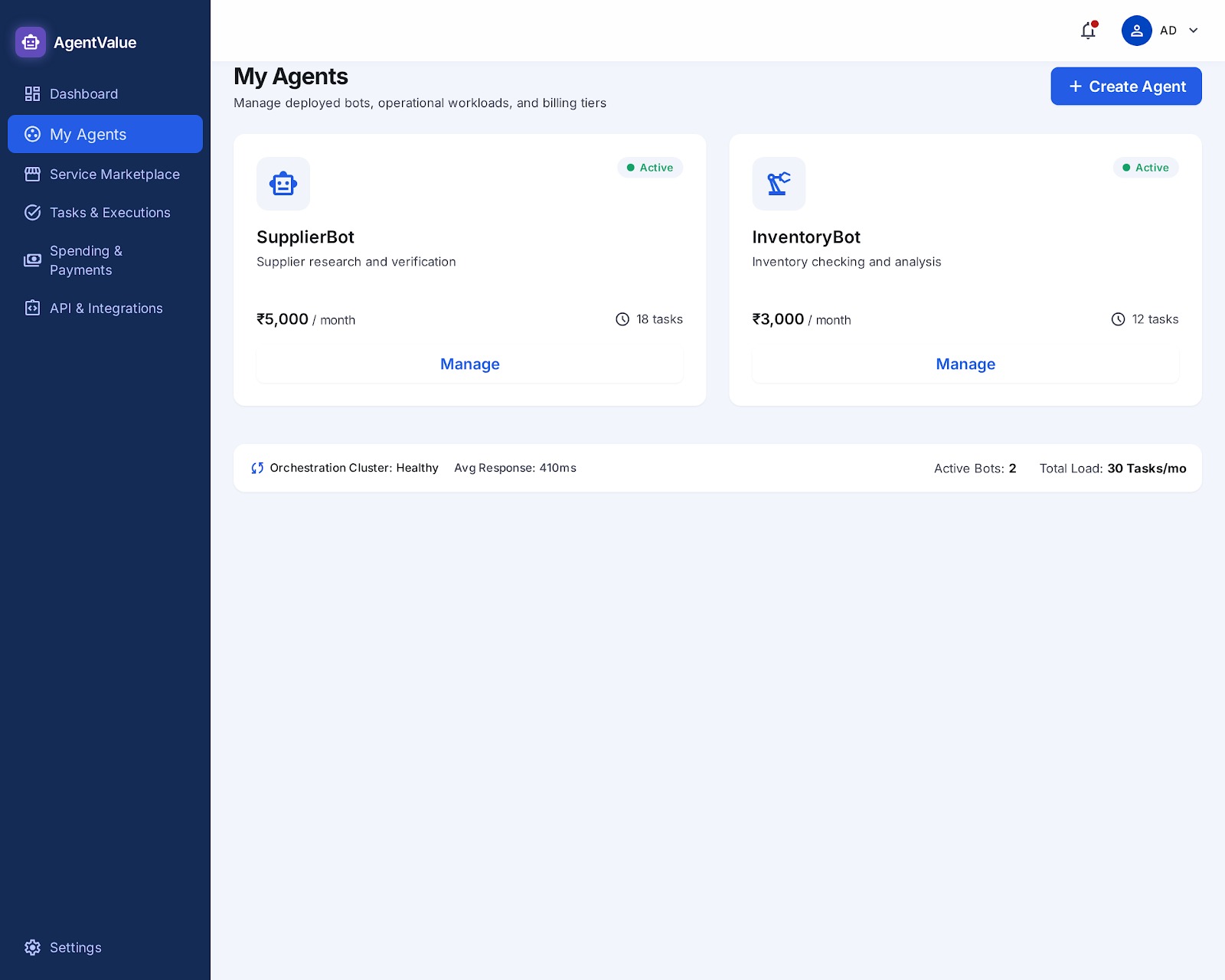
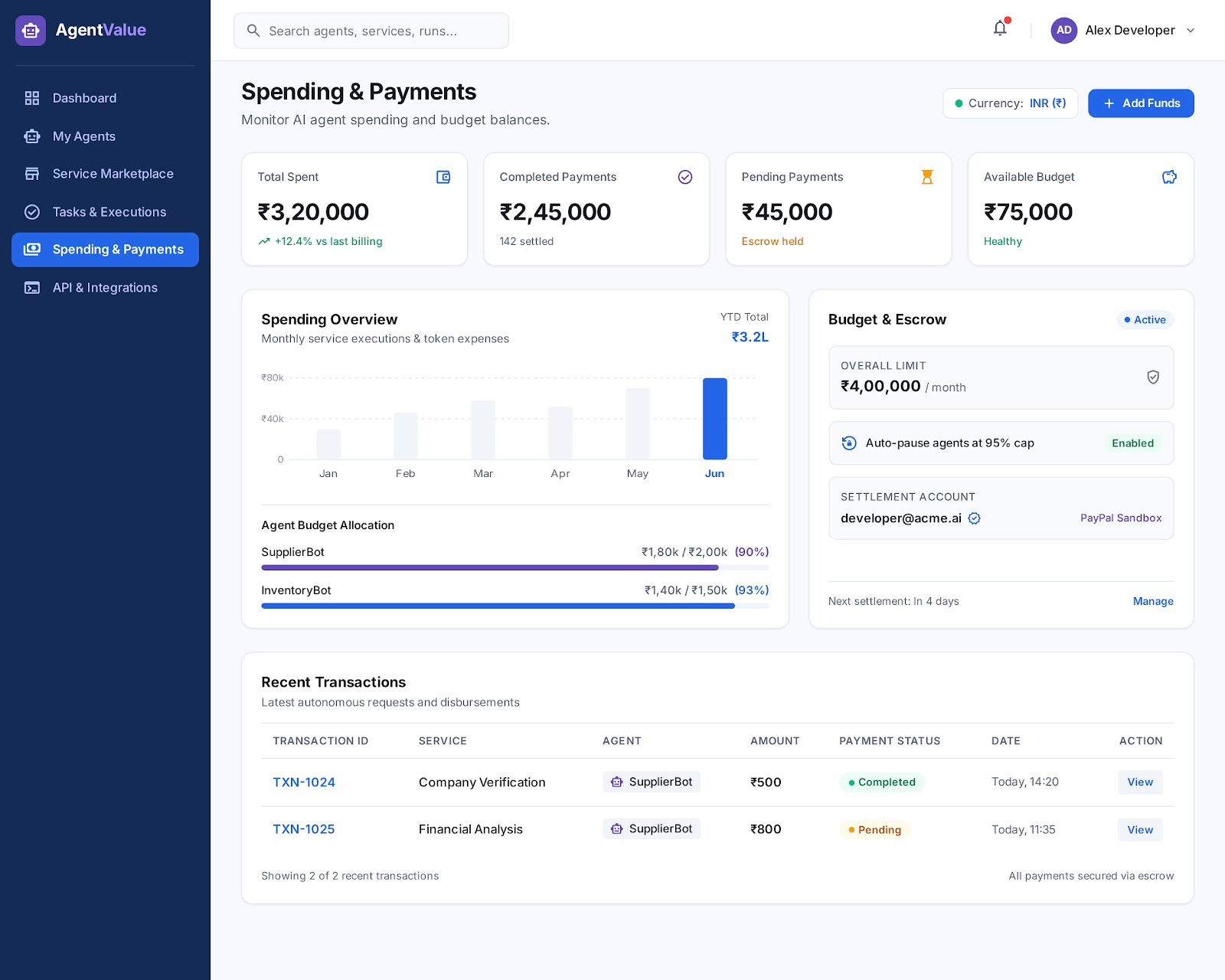
- AI Consumers / Developers: Create AI agents, configure permissions and budgets, discover services, and monitor task results.
I also planned five AI capabilities for the platform: task decomposition, provider intelligence, result verification, spending optimisation, and recovery and dispute handling.
How I Built It
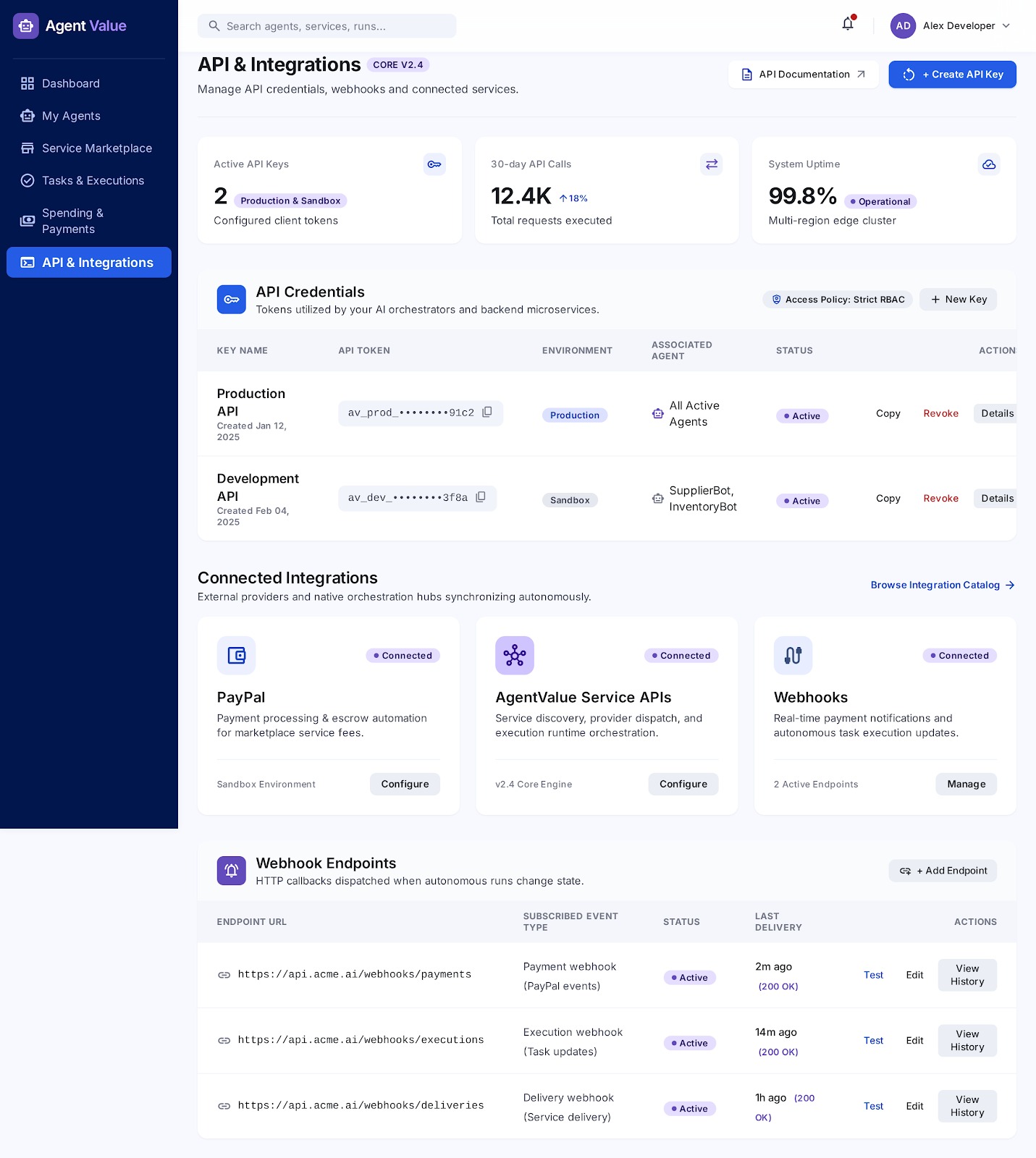
I started with the existing AgentPay GitHub project as my base instead of building everything from scratch. I am developing the backend using Node.js, Express, and TypeScript, while integrating PayPal Sandbox for payments.
I worked on the PayPal order flow, including creating orders, handling approval, and capturing payments. I also explored PayPal webhooks so that payment updates can be verified by the backend instead of simply trusting what the frontend displays.
For the platform architecture, I focused on keeping payment status and service execution status separate. This is important because a payment can be completed while the actual service is still running, pending verification, or even failing.
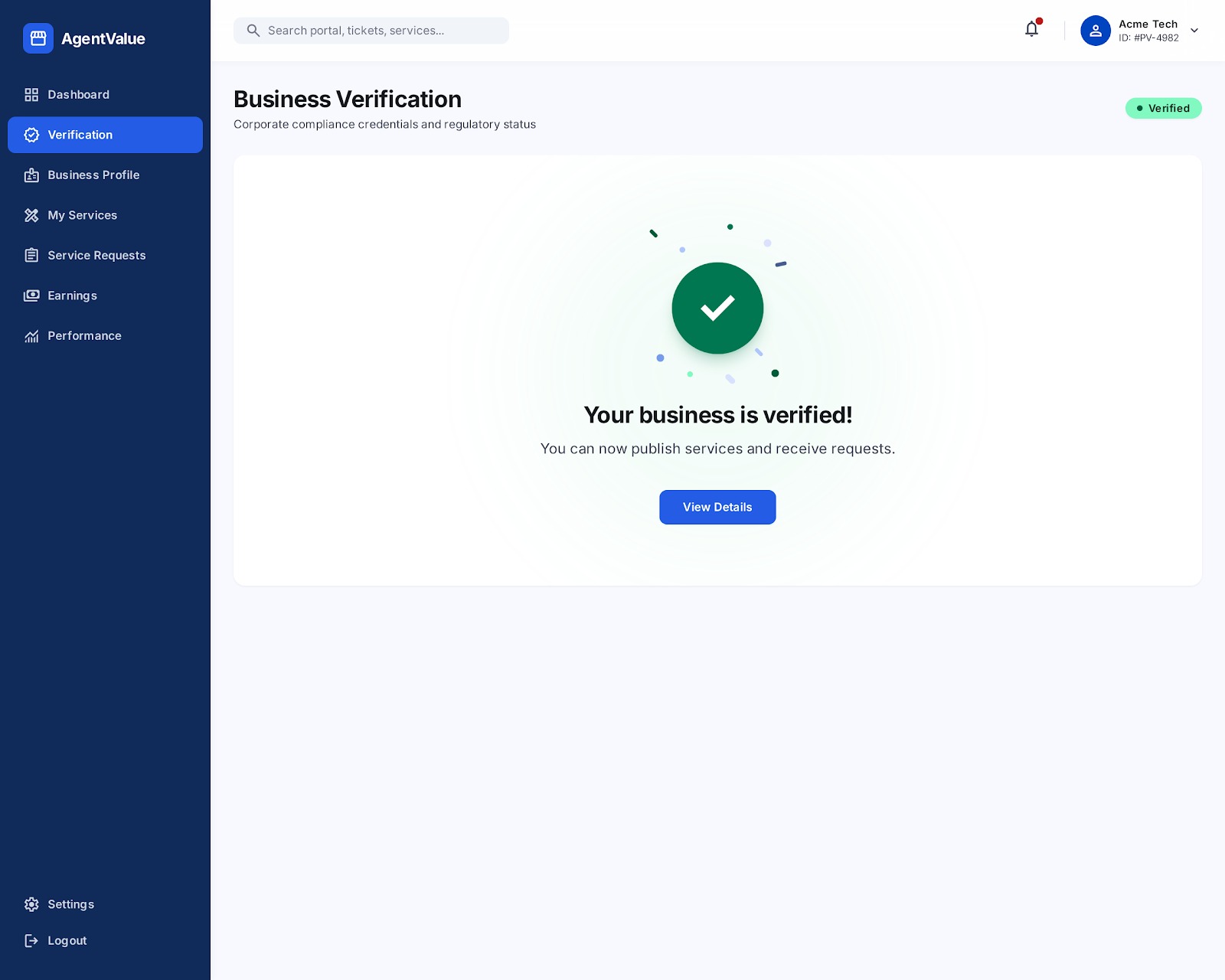
I also worked on the structure of the three user portals, keeping their responsibilities separate while maintaining a common design system.
Challenges I Faced
One of the biggest challenges was understanding that payment completion and service completion are two different things. During PayPal Sandbox testing, I noticed that an order could show as COMPLETED while its capture was still PENDING. This made me realise why the platform needs to check the actual capture status instead of assuming that the money has been settled.
Another challenge is provider trust. A business registering on a platform does not automatically mean that its services are reliable. I had to think about business verification, document checks, service testing, and continuous monitoring.
Security was another important concern. Since AI agents can initiate purchases, they should never have unlimited access to money or be allowed to make every decision on their own. This is why I am designing permission controls, spending limits, human approval requirements, and backend-side transaction authorization.
I also realised that verifying AI-generated or externally provided results is not as simple as checking whether an API returned a response. The result needs to be checked against the original task requirements.
What I Learned
This project taught me a lot beyond just writing backend code. I learned more about PayPal payment flows, webhooks, API integration, backend architecture, and the importance of handling asynchronous operations.
More importantly, I started looking at AI agents from a real-world product perspective. Giving an agent the ability to perform a task is one thing; making sure it performs that task safely, correctly, and within a budget is a much bigger challenge.
I also learned that trust, verification, and failure recovery should be part of the system from the beginning rather than features added at the end.
What's Next
I want to continue developing AgentValue into a working platform where businesses can offer real services and AI agents can use them with proper payment authorization and outcome verification.
My goal is to make AI agents more useful in real business environments, where completing a payment is not enough — the actual value delivered matters.
Built With
- ai
- aiagents
- antigravity
- express.js
- github
- googletoolpitch
- node.js
- openai
- paypal
- restapi
- sandbox
- typescript
- webhook
