-
-
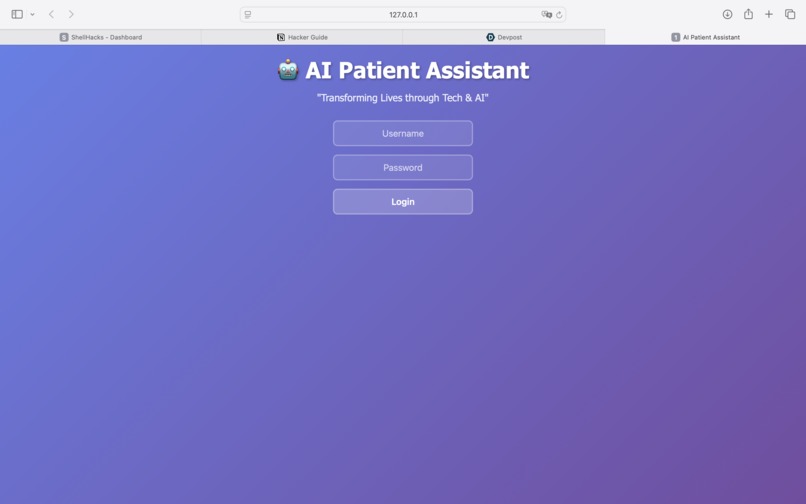
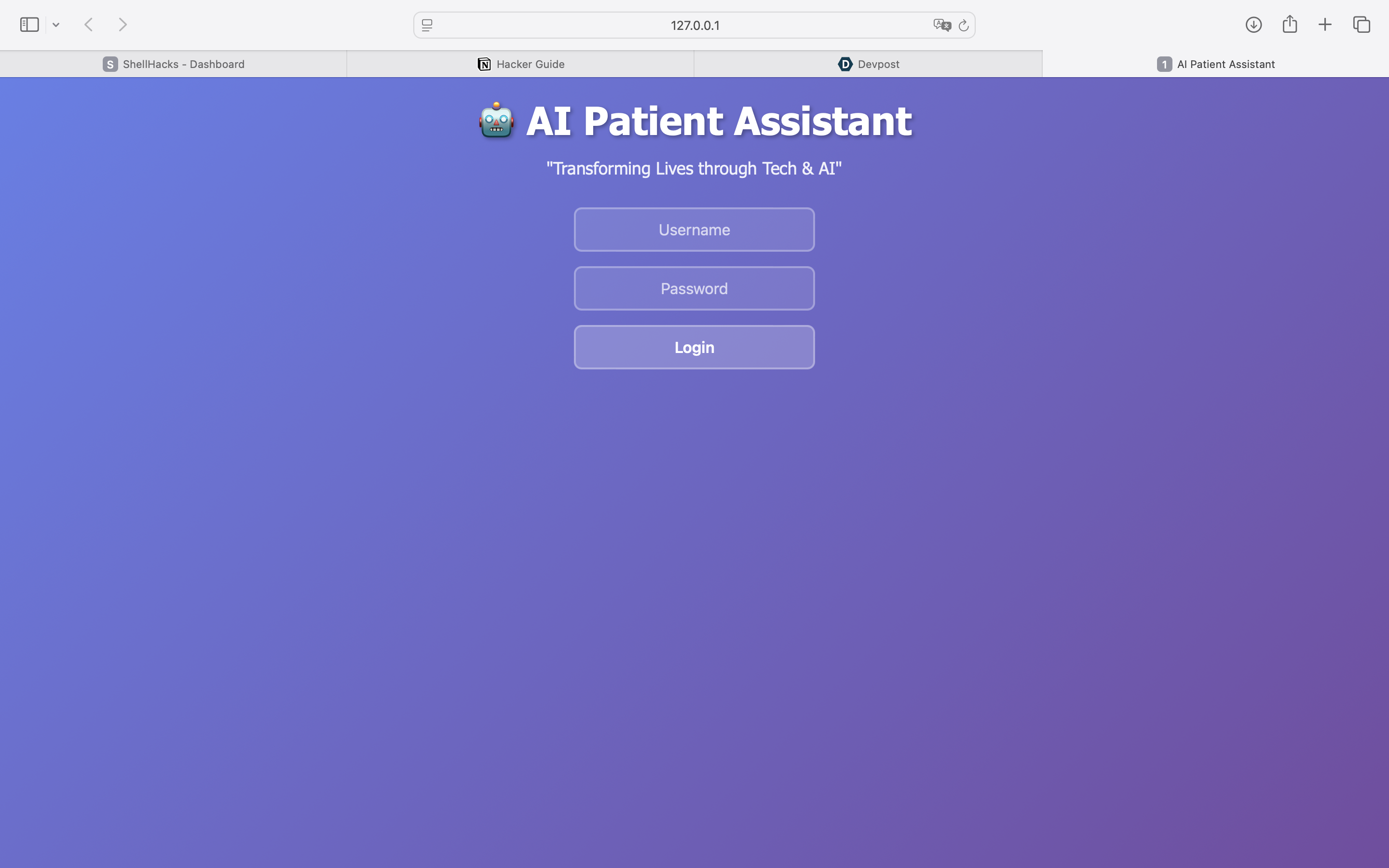
This the first UI that the user sees. The user will be prompted to login with valid credentials.
-
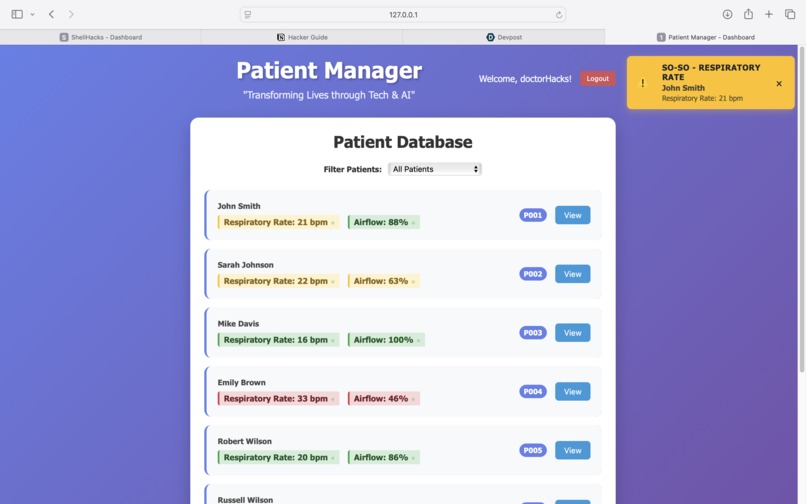
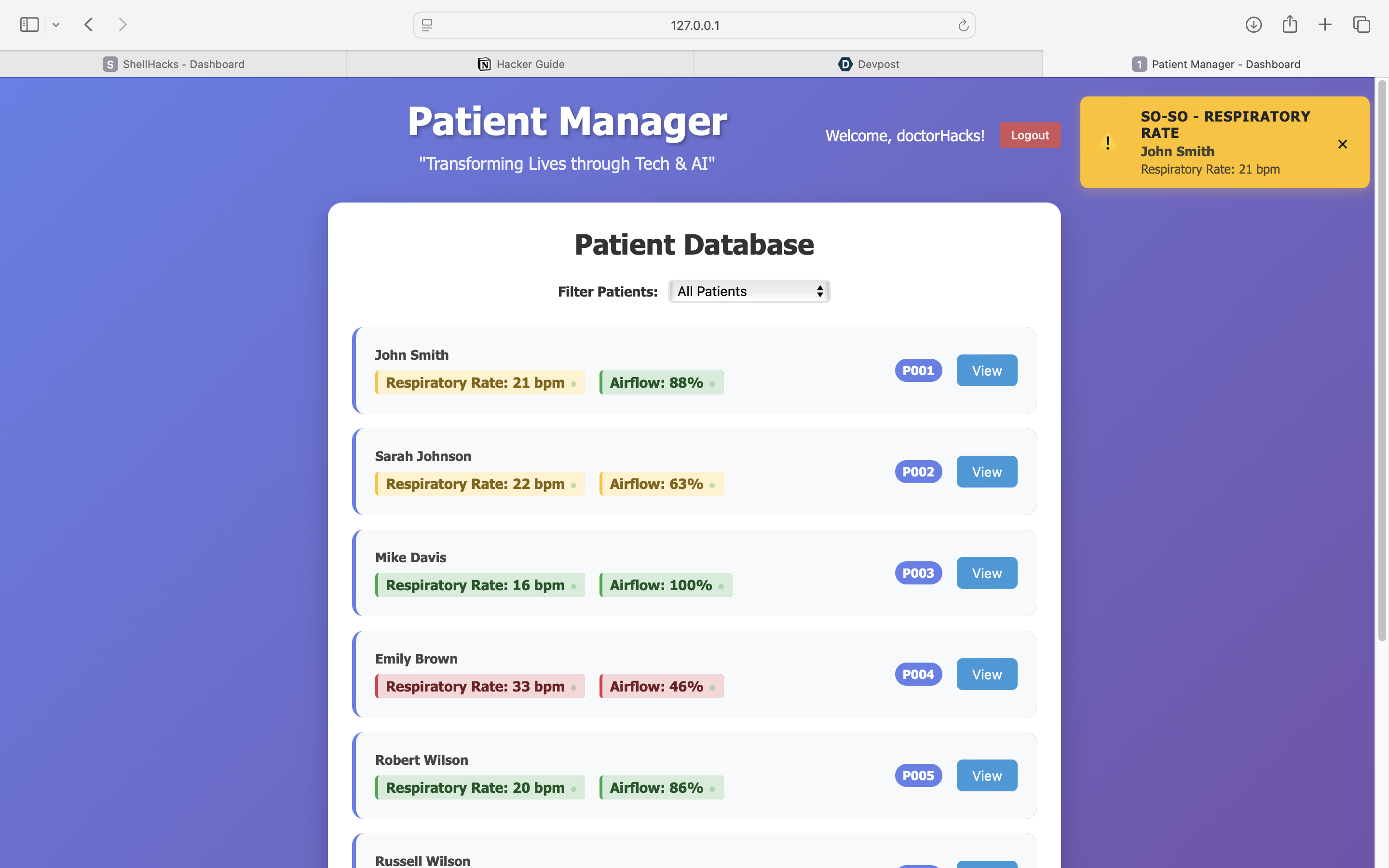
Once the user logs in they are redirected to the patient list that contains all patients in the hospital and can filter out by category
-
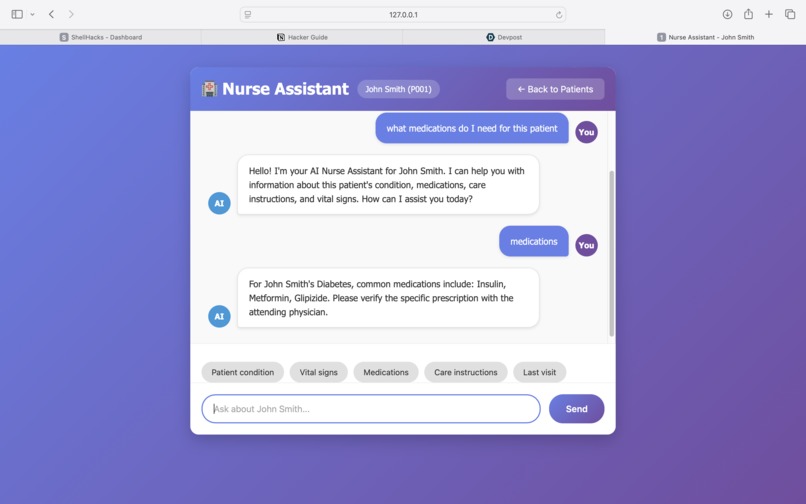
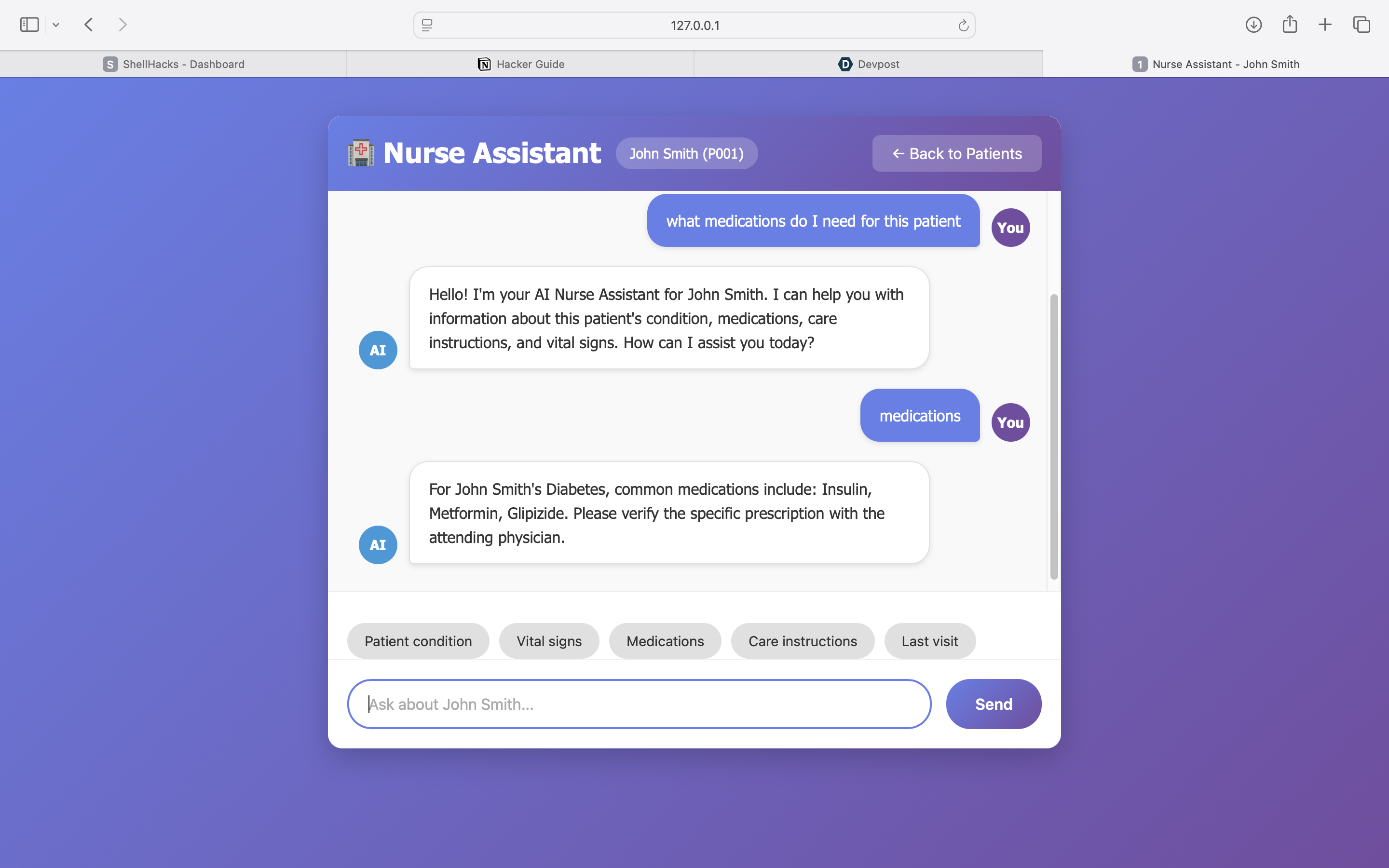
This UI allows the user to chat with an AI Agent about patient information based on which patient the user chose to view more details on.
Inspiration
What inspired us to create the app is the common problem of understaffed hospitals, healthcare workers being mentally and physically drained, and the lack of technology in the healthcare field. We personally have family members who work in the healthcare field and relate to the issue closely, and cannot attend to multiple patients all at once. Traditional monitoring systems lack decision-making capabilities or require human supervision. We decided that integrating Google's AI Agent would reduce response time, boost efficiency, and digitally track patients across all levels of the healthcare facilities
What it does
Our Agent-powered Patient Monitor is a smart AI-assisted platform that intertwines real-time vitals from patients, automated alerting, and a chat-based agent that allows healthcare workers to be more efficient and reduce the strain of trying to monitor multiple patients. Our agent chat interface is able to answer a variety of questions regarding patient info to alerts, and the floor occupancy. Healthcare workers can ask questions relating to the general health of patients and get a valid response. The AI monitors multiple patients and provides urgent notifications that detect conditions that need urgent care. The AI also provided personalized care based on the patient's condition.
How we built it
For the Front End of the program or UI, we decided to use HTML5 to build the structure of our webpage. We used CSS3 for styling the transitions, font, and theme of our webpage. We wanted to make sure that our webpage ran smoothly and the info was easy to read for the user. Last but not least, we used JavaScript to build the real-time patient monitoring, UI updates, API communication, and local storage management. For the back end of our webpage, we chose to use Flask to make it more compatible with our AI agent. We also chose to use SQLite to create a database for all the patients and their information. Lastly, we chose to use the Google Cloud Agent development kit to create a nurse bot that would chat to the user and return patient information from the database we created.
Challenges we ran into
One of the most time-consuming challenges that our group faced was trying to figure out where we were going to implement the AI Agent in our Patient Monitor. We had many ideas of using the AI to do multiple different tasks, but ultimately we decided to use the AI Agent to work closely with the patient information in the database. Another challenge that we faced when creating our ideas was learning how to use different coding languages and different coding environments that we were not used to.
Accomplishments that we're proud of
Accomplishments that our group is proud of are creating a project that collaborates with AI. We were able to adapt to a new environment of code and create with new technology. Another accomplishment that our group is proud of is being able to combine all of our work together to make one big project. Our communication and networking with others helped us work more efficiently and quickly.
What we learned
During this process of building our project, we learned that Google's AI Agent Development tool is very powerful and has so many uses in solving many real problems. Our group learned from our project how to adapt better to changing coding environments, collaborate with others, and use new development tools to bring new ideas to life.
What's next for Agent Powered Patient Monitor
The next plans for Agent Powered Patient Monitor are to make it larger scale so that the program can run in an actual scenario at a hospital with a high volume of patients. We would want to add an update that will include role-based access for specific healthcare workers, such as doctors, nurses, and admins. Last, we would also want to introduce predictive analytics to catch issues earlier


Log in or sign up for Devpost to join the conversation.