-
-
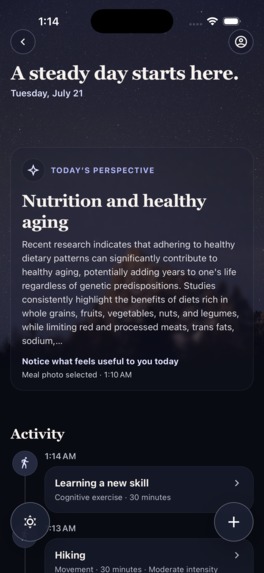
Today - Real AI Analysis
-
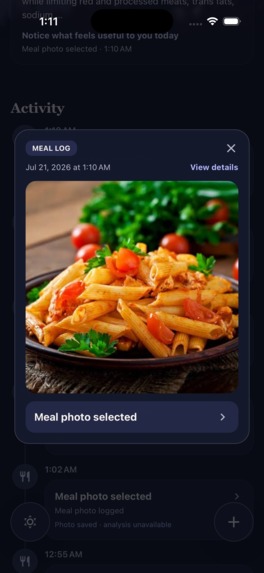
Meal - Real AI Analysis
-
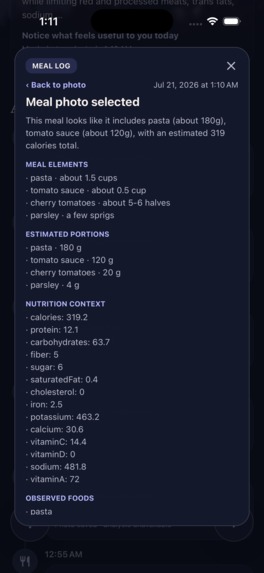
Meal - Real AI Analysis
-
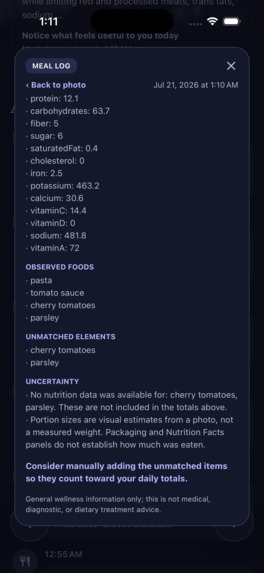
Meal - Real AI Analysis
-
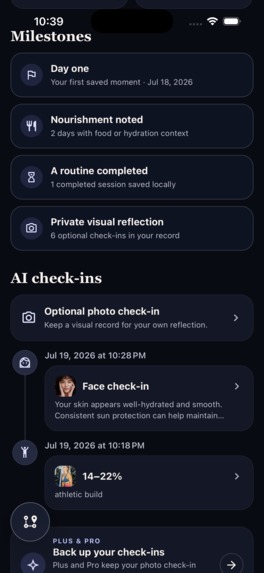
Journey - Real AI Analysis
-
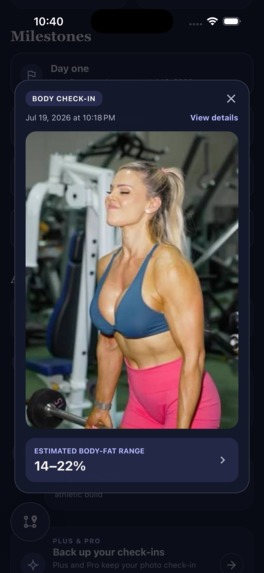
Body - Real AI Analysis
-
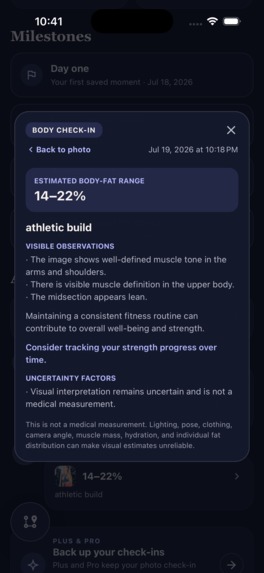
Body - Real AI Analysis
-
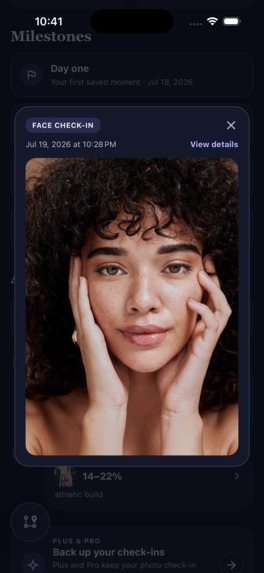
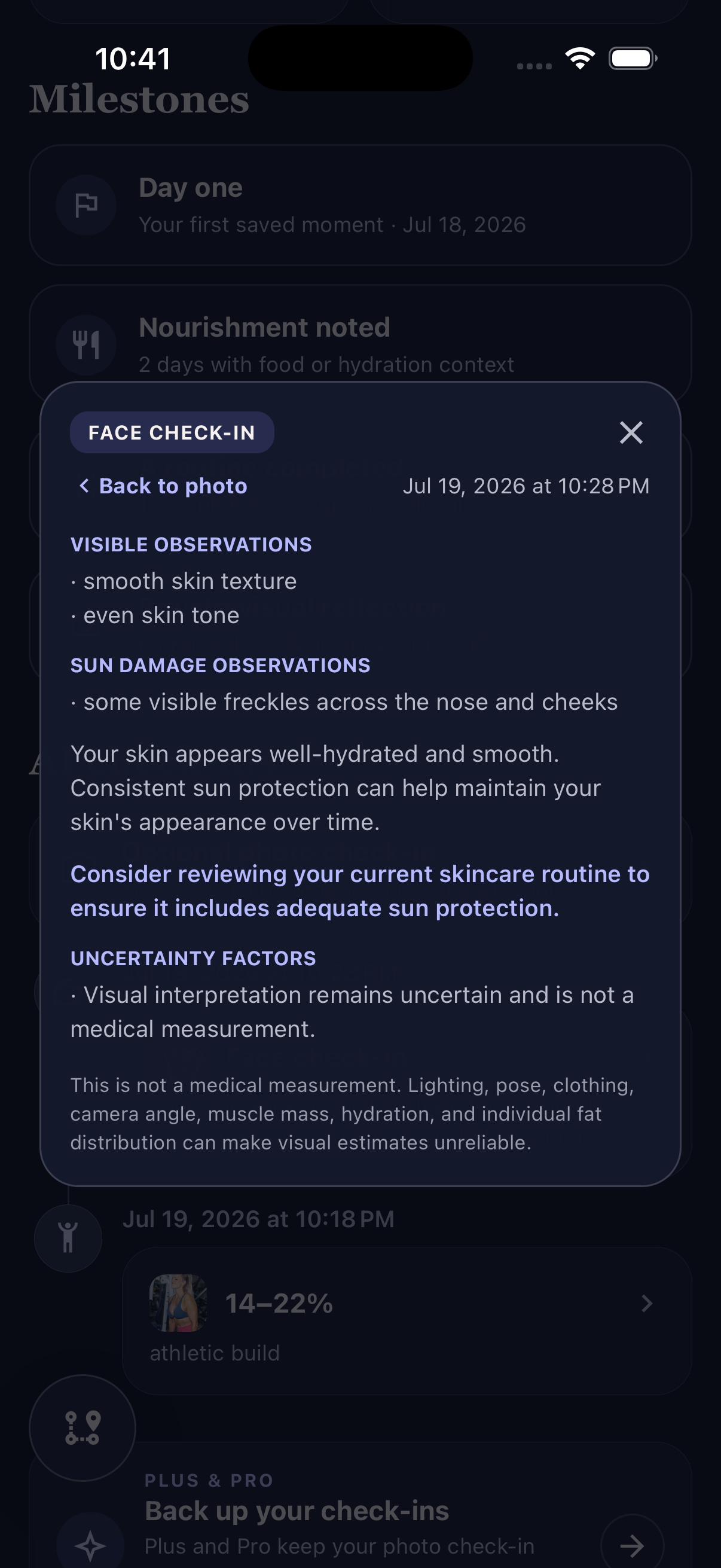
Face - Real AI Analysis
-
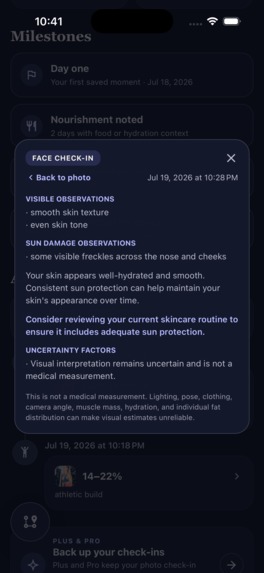
Face - Real AI Analysis
-
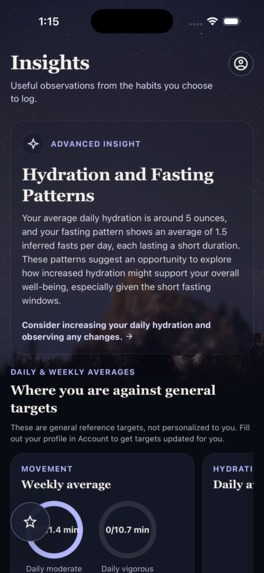
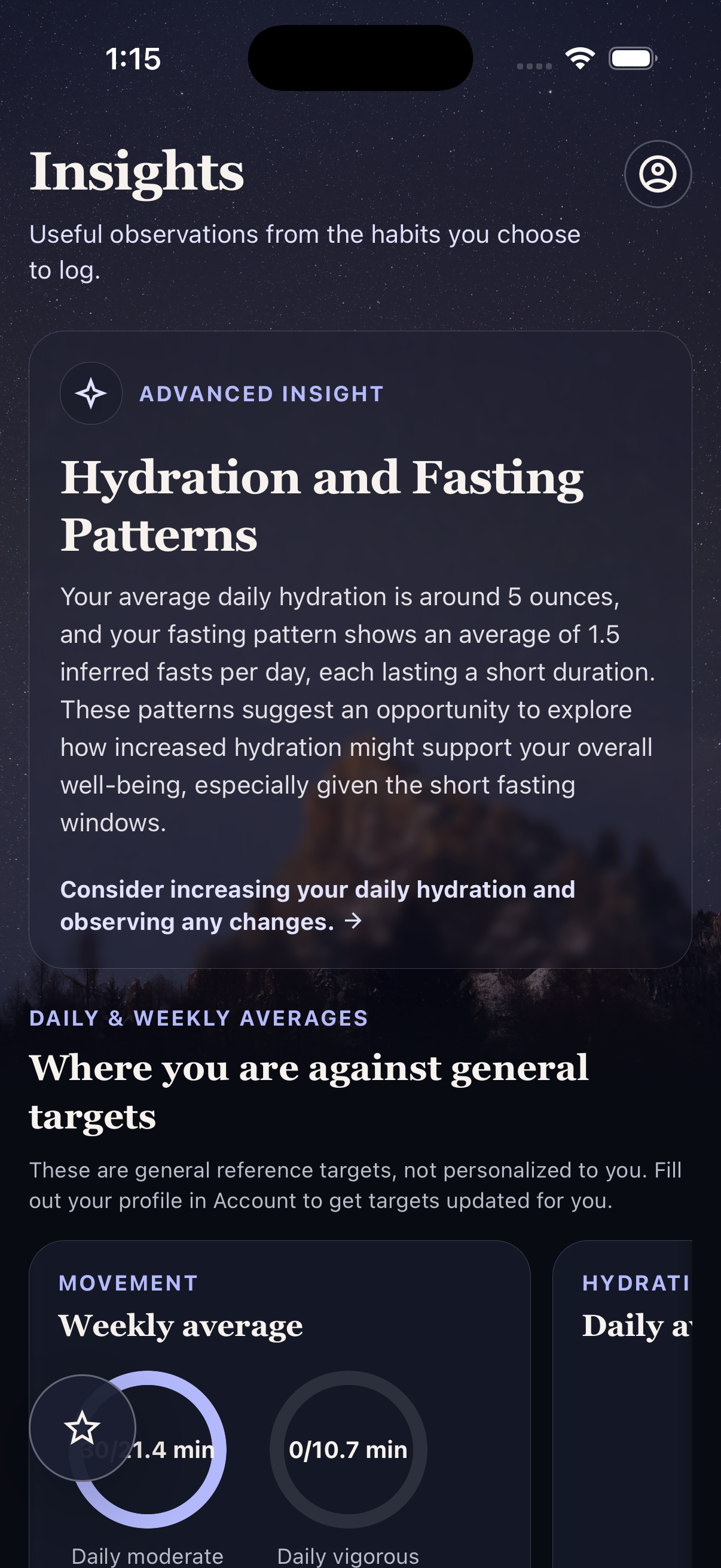
Advanced Insights - Real AI Analysis
-
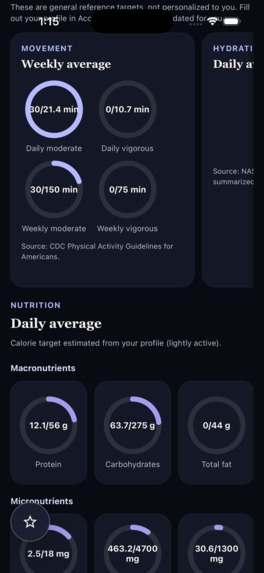
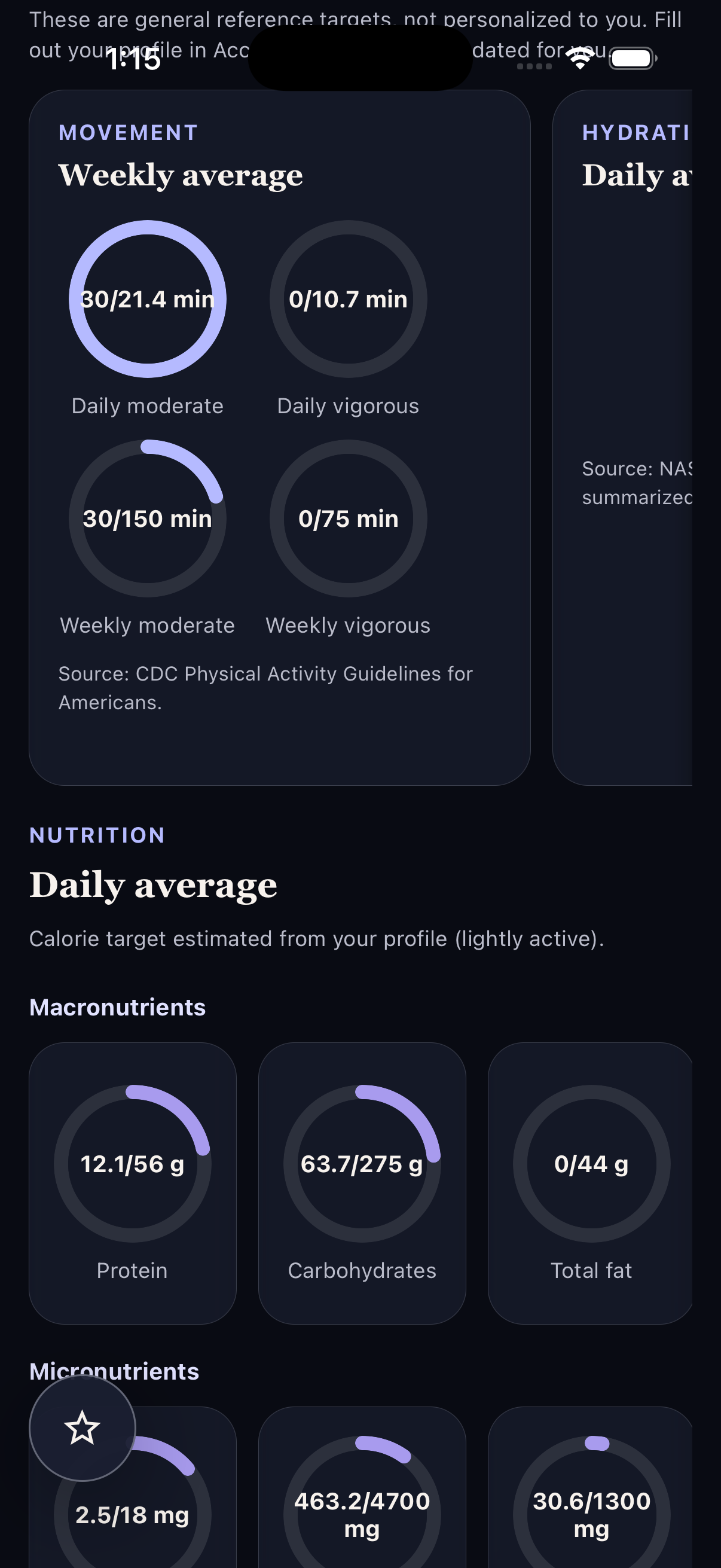
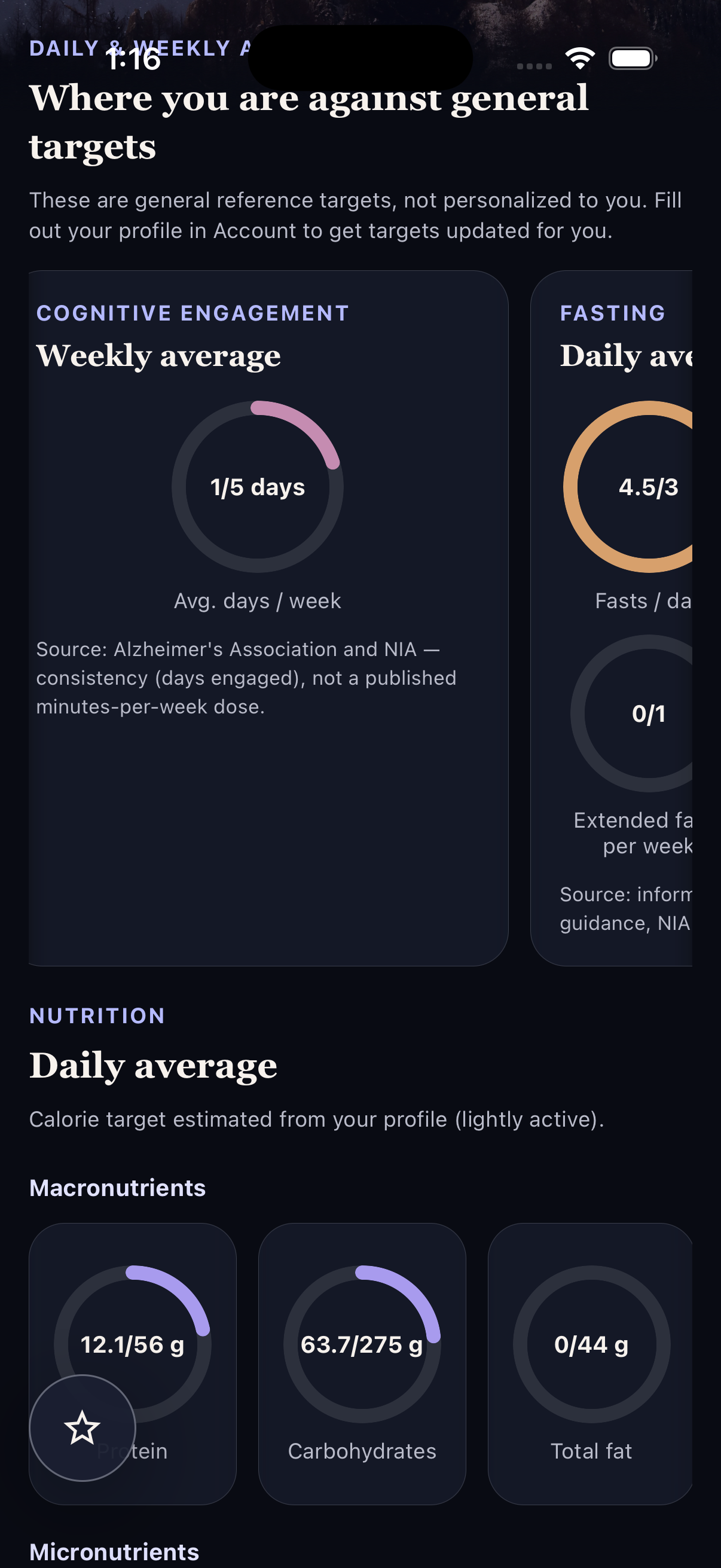
Advanced Insights - Real Metrics
-
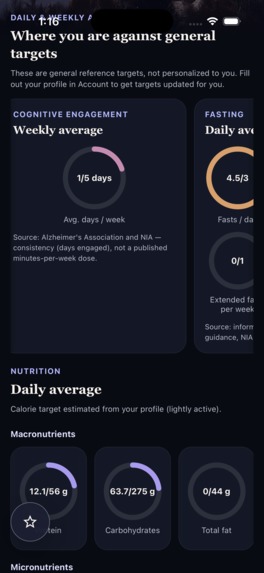
Advanced Insights - Real Metrics
About the project
Category: Education & Human Potential
Inspiration
Ageless is built around a simple education problem: people collect health signals every day, but most apps do not help them understand how those signals fit together. A dashboard gives people numbers to interpret on their own. A chatbot makes them formulate the perfect question before it can help. Neither reliably teaches a person what their own habits are showing them.
The pitch deck research showed a fragmented market. Oura owns recovery and readiness. WHOOP owns strain and training load. Levels focuses on glucose insight. Zoe focuses on microbiome nutrition. MyFitnessPal owns calorie logging. Each is useful, but learning is split across inputs.
WHOOP Journal comes closest to automatic interpretation: it looks across sleep, recovery, strain, and journal entries. Its limitation is that a person must first declare a hypothesis and log the question at least five times in ninety days. It cannot notice a connection the person did not know to ask about, and its input universe does not include nutrition, body composition, or photos.
Ageless helps people learn from the signals they already generate. The goal is not to prescribe a perfect lifestyle, but to make patterns easier to notice so people can make more informed choices about sustainable habits.
What it does
Ageless is a private, local-first healthy-aging learning companion for iOS and Android. It turns low-friction check-ins into a personal feedback loop:
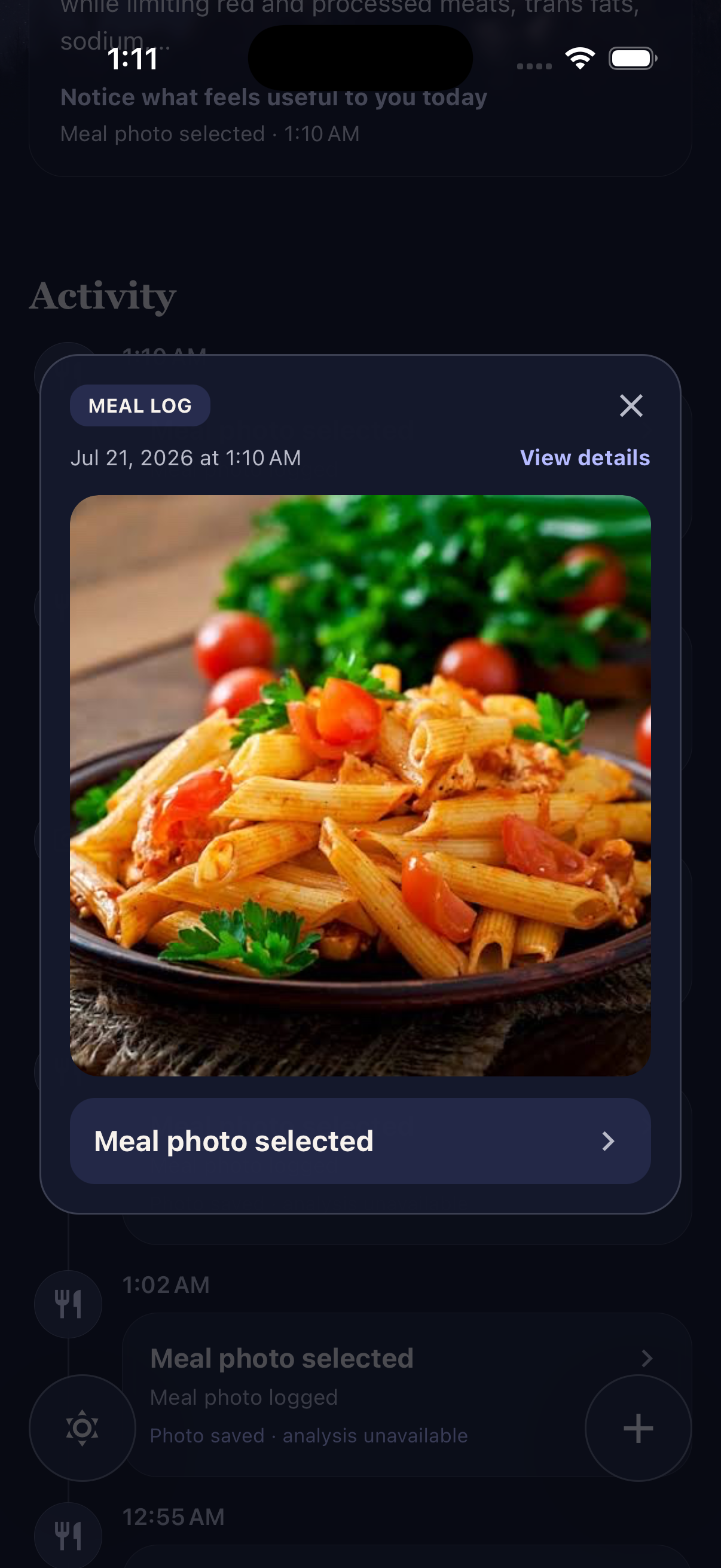
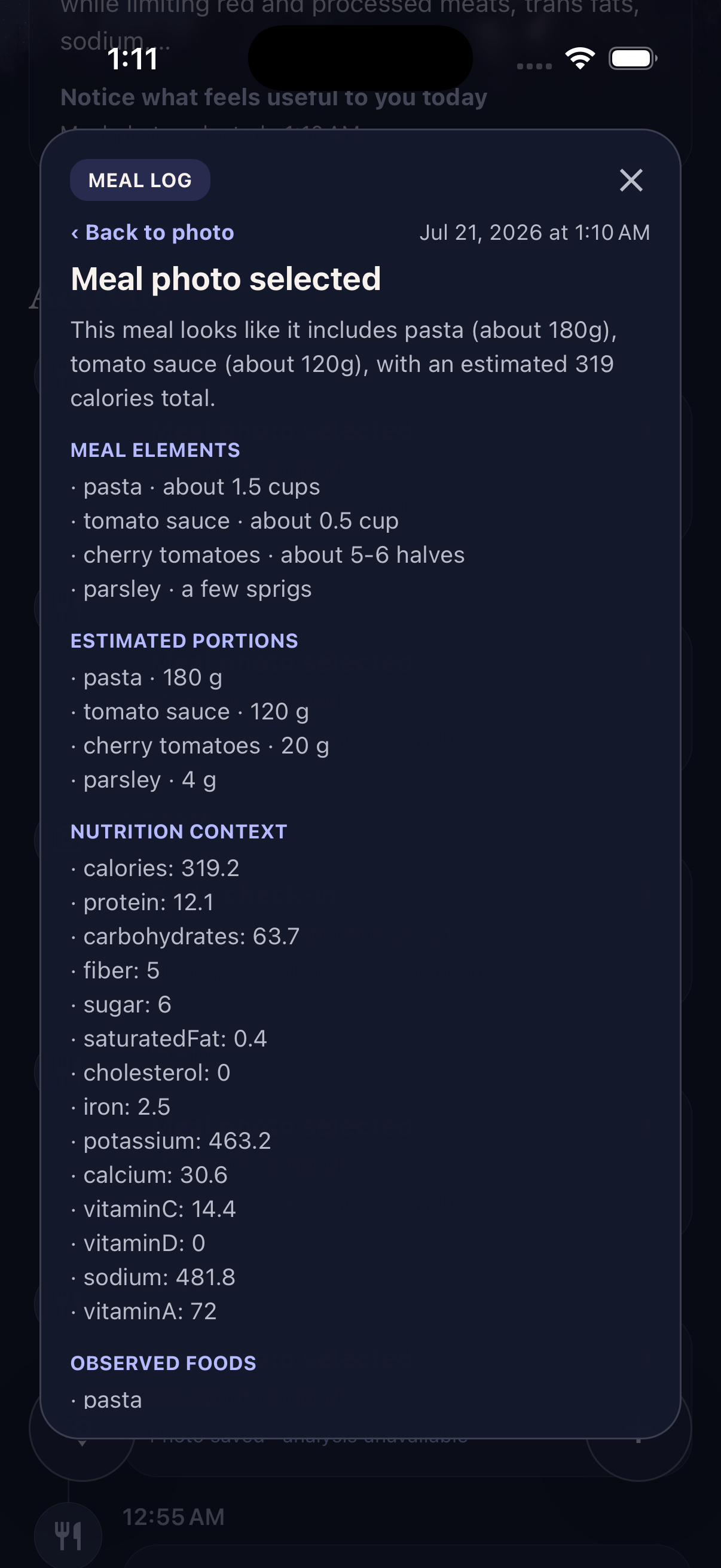
- Meal and habit photo check-ins: a photo is an easier starting point than typing every ingredient or detail. The planned Gemini flow converts a consented image into structured, uncertainty-aware feedback.
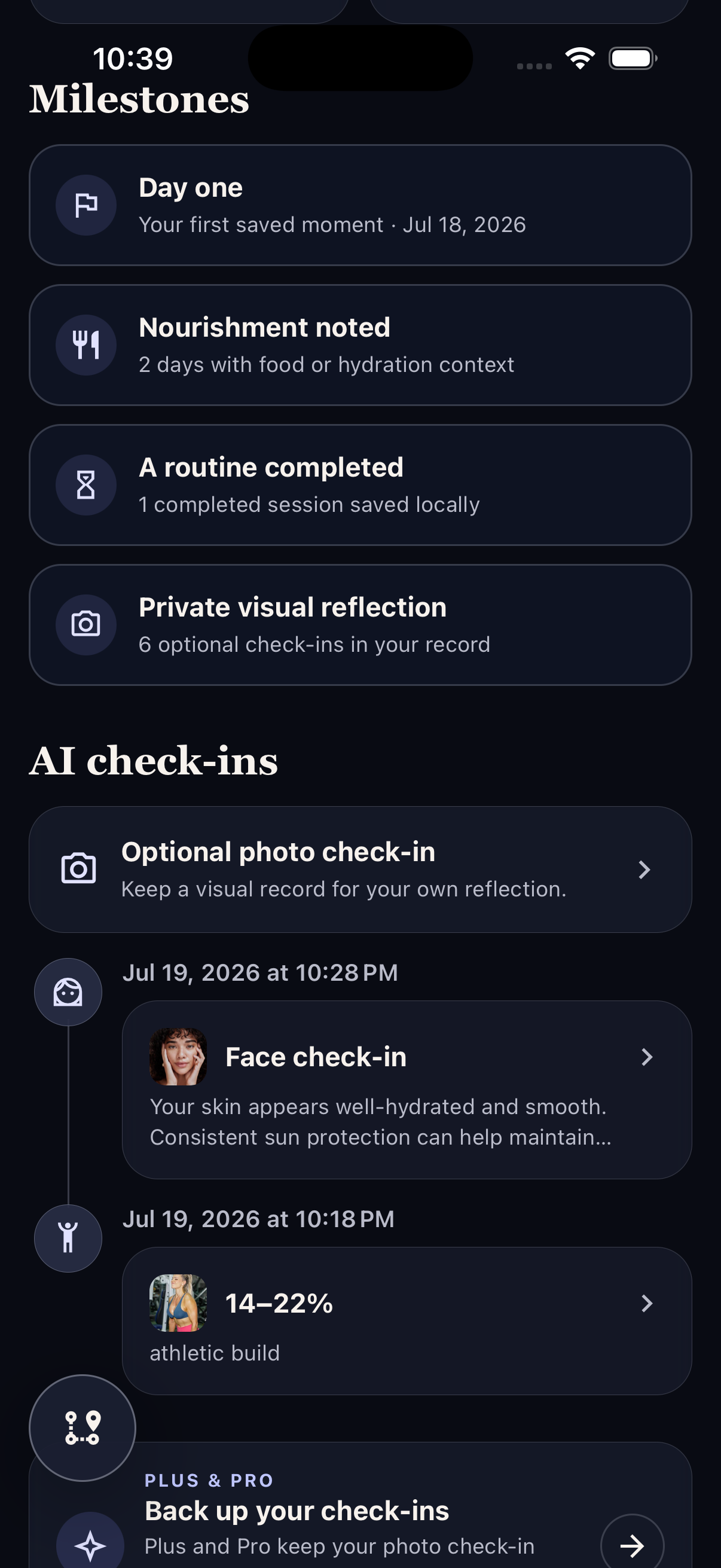
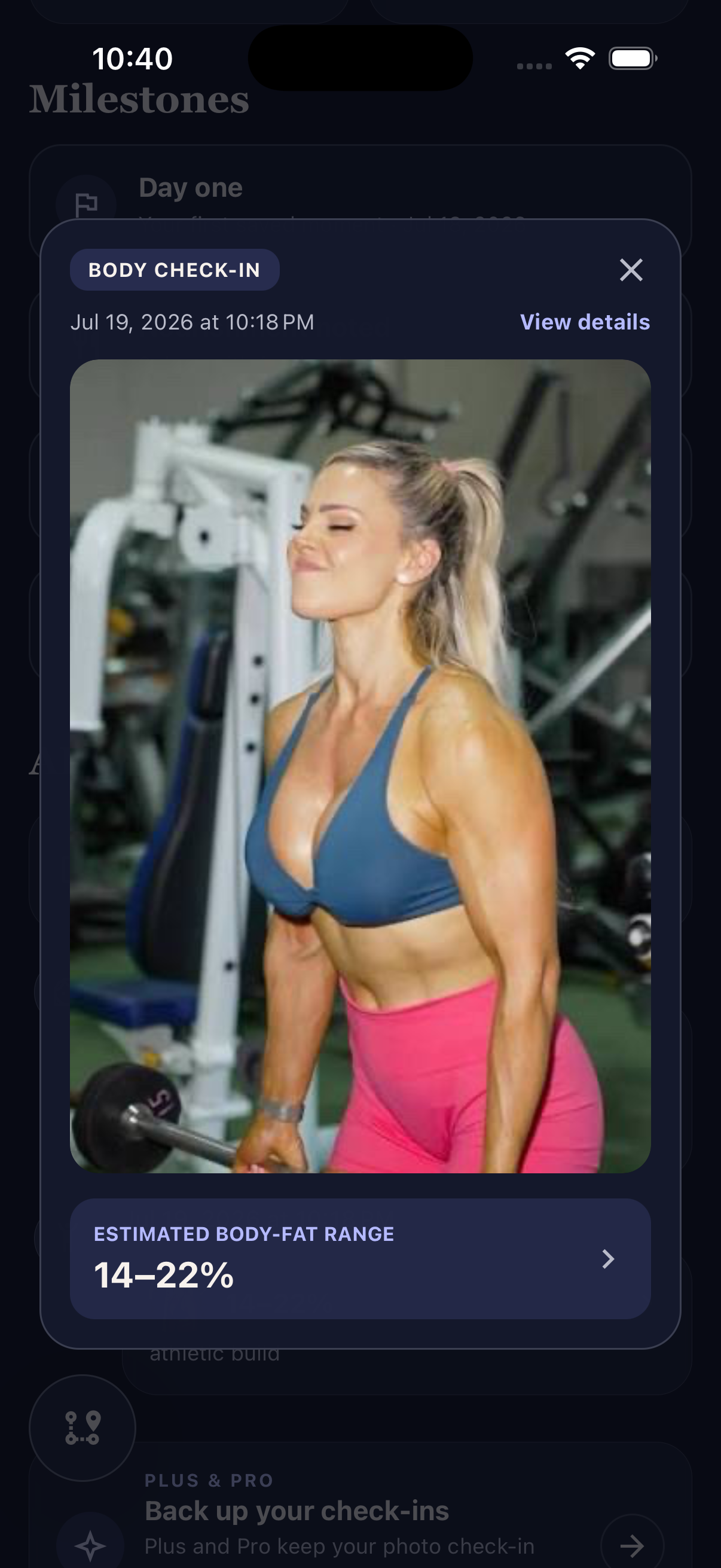
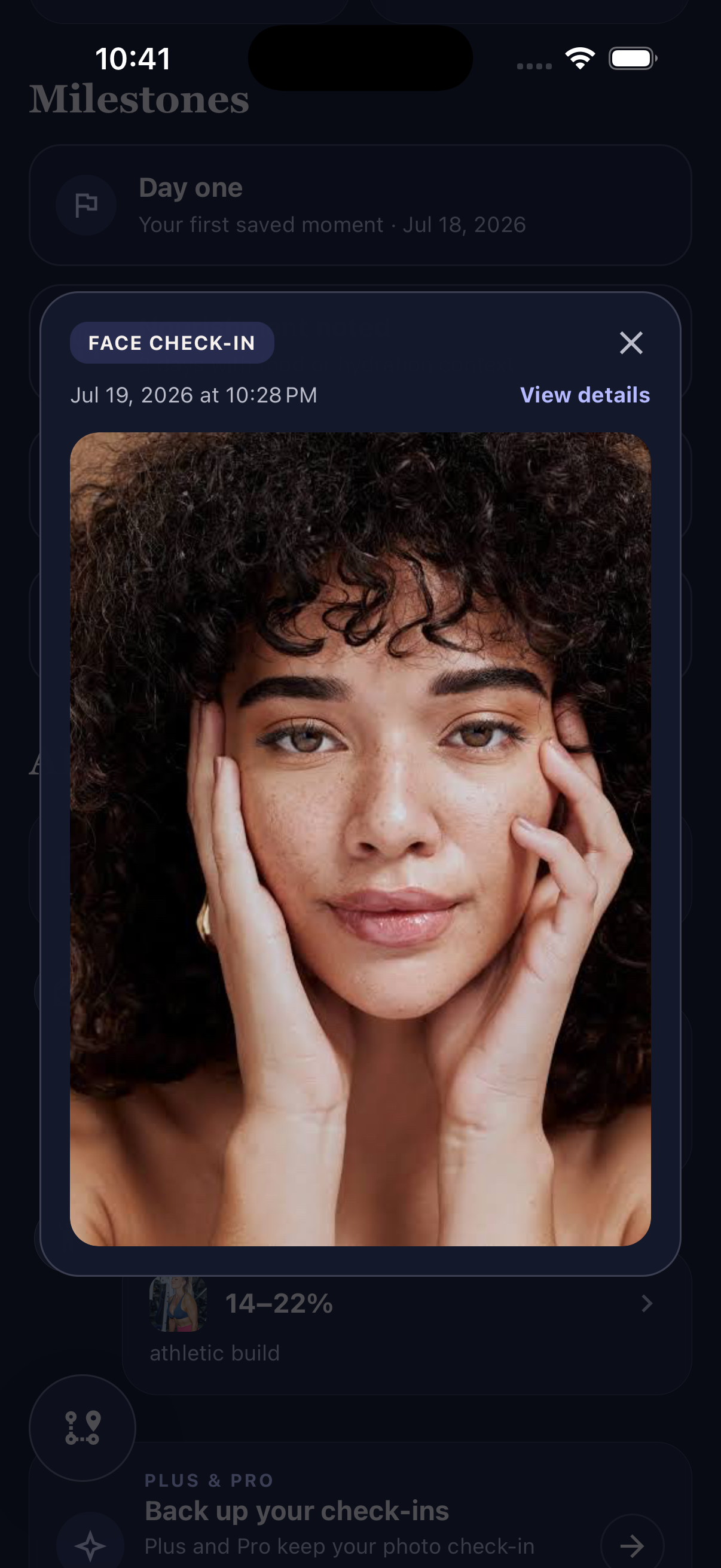
- Private progress check-ins: a person can optionally save body, face, or hair photos to a private local baseline. The experience is designed for self-reflection, not comparison with other people.
- Fasting and dietary learning: fasting stages, food, supplements, drinks, and nutrient summaries help people see what they are actually doing rather than relying on memory.
- Hydration learning: the app records hydration status while correctly treating caffeinated and alcoholic drinks as reducing hydration rather than counting them as water.
- Movement and cognitive exercise: activity and cognitive practice remain visible as part of the whole-person picture.
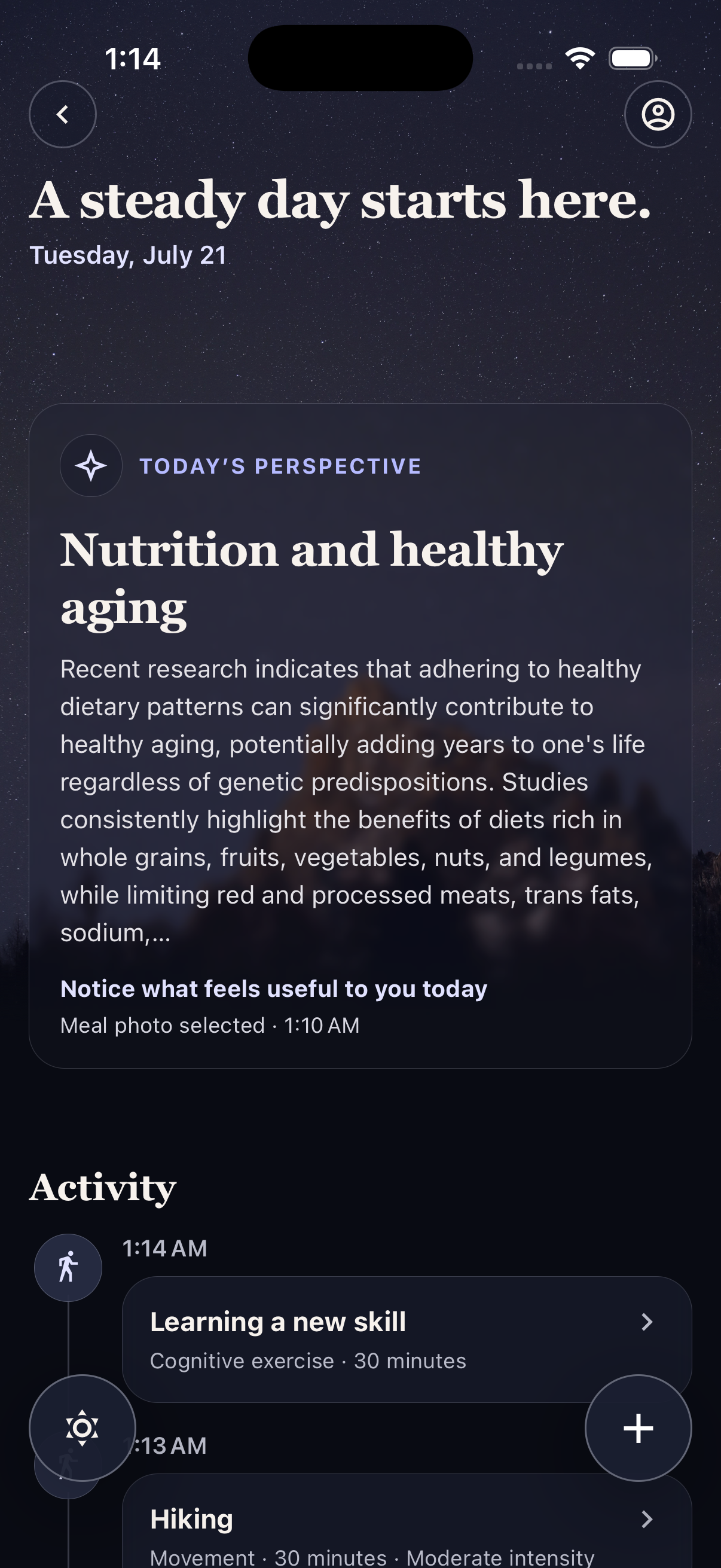
- Today / Journey / Insights: one understandable insight can surface first, while the complete chronological record remains available for review.
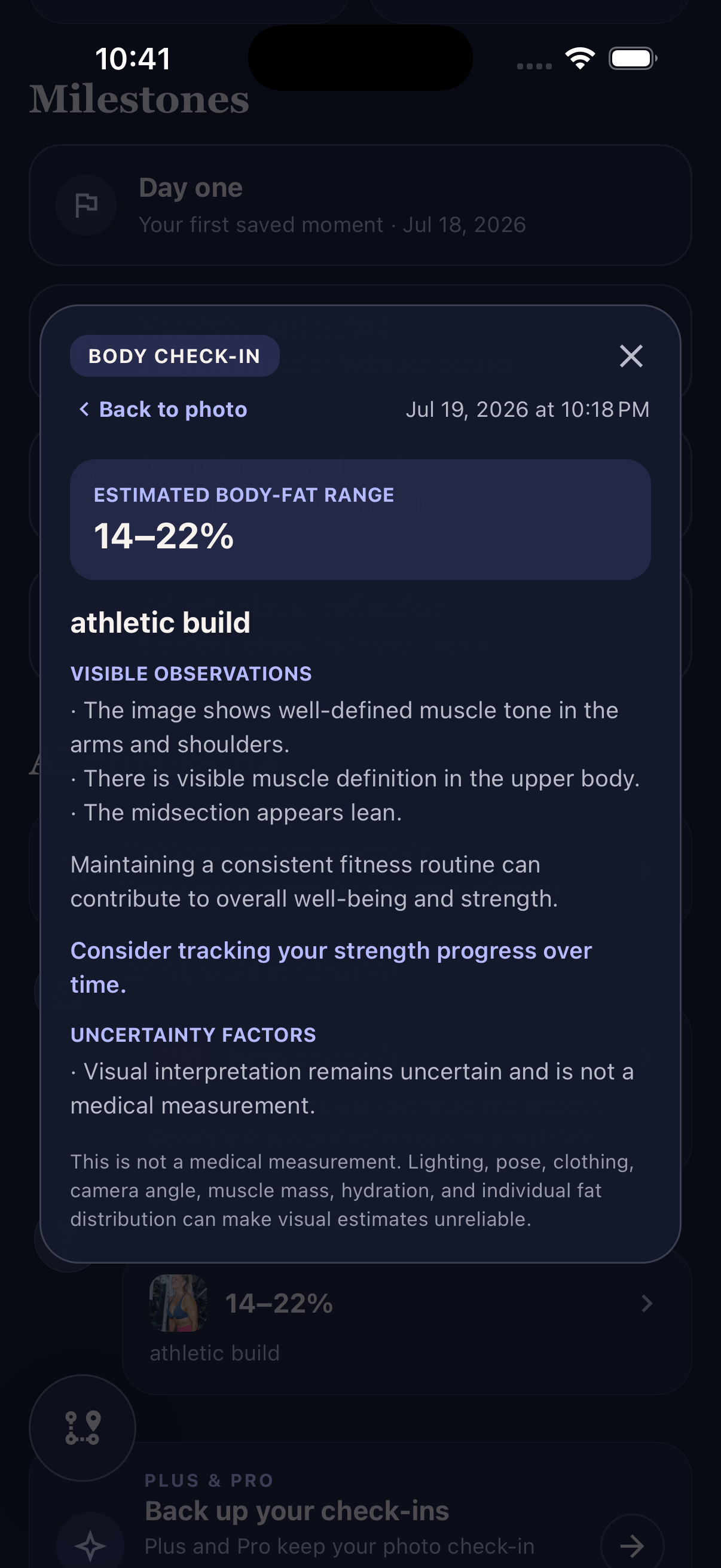
The product teaches through reflection rather than judgment. It does not rank bodies, promote extreme weight loss, make diagnoses, identify faces, or present image-derived estimates as medical facts. No account is required, and local storage keeps the loop available without cloud synchronization.
How AI creates the learning loop
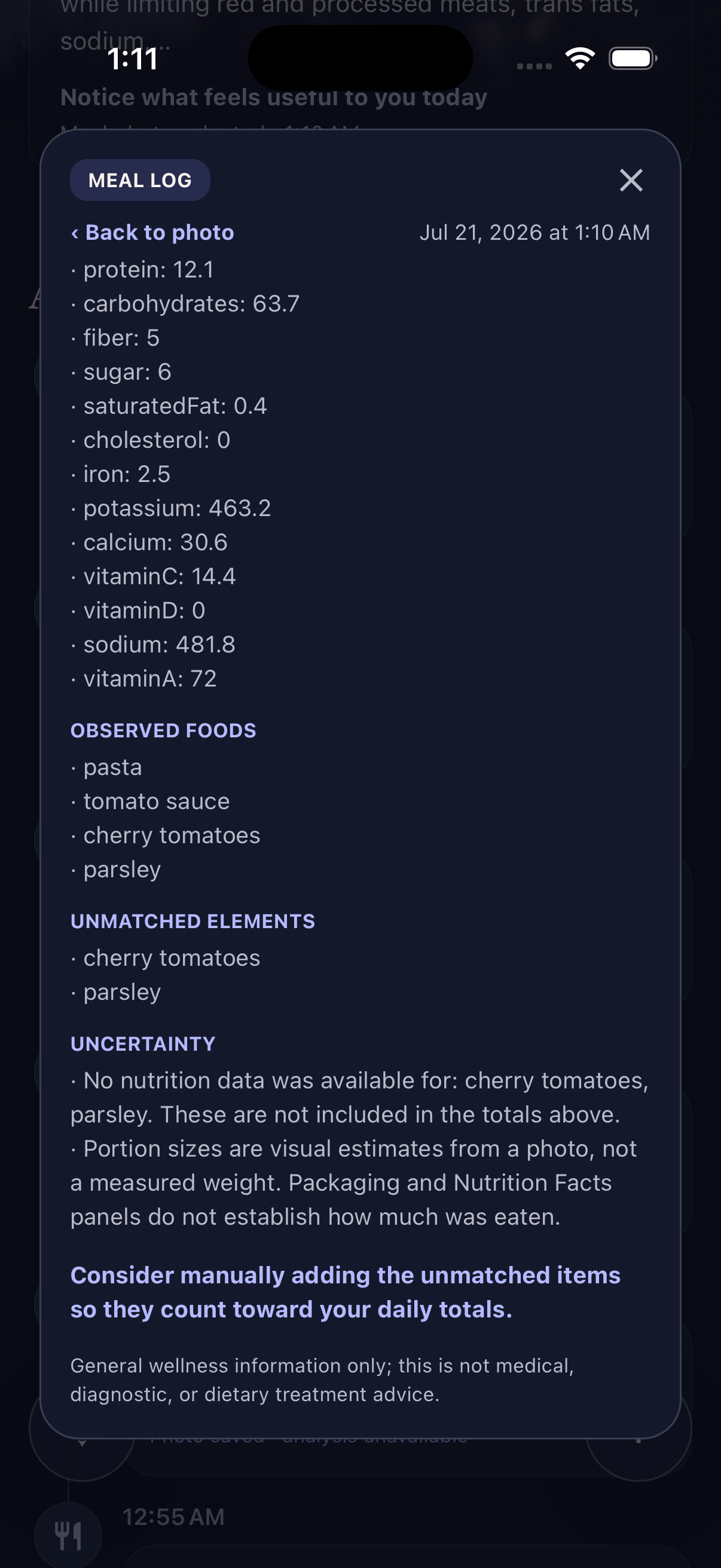
Gemini, accessed through Google Cloud Vertex AI and a Firebase second-generation Functions boundary, is intended to interpret consented meal or progress-check-in images and return structured, non-diagnostic feedback. The response includes uncertainty rather than pretending that a photograph contains perfect nutritional or health information.
The architecture is fail-closed. Explicit consent is required, App Check is enforced for production requests, Firestore and Storage rules are deny-by-default, and a safety review must pass before server-backed analysis is enabled generally. The pitch deck accurately labels this path architected, not yet live. The current app remains useful as a local tracker and photo journal while that review is completed.
AI does not replace the user’s judgment. It reduces the effort required to turn a meal photo or habit check-in into a useful learning prompt. The human decides what to log, whether to accept or delete a check-in, and what action to take. The model supplies structured interpretation; the product supplies context, uncertainty, consent, and reversibility.
How we built it
Ageless began with an Expo and React Native codebase containing an offline foundation for fasting, dietary logging, hydration, movement, and cognitive-exercise tracking. During the hackathon, we reorganized it around Today, Journey, and Insights, added a universal Add/Log action, built consent-gated private check-ins, and designed the Gemini/Vertex AI slice.
We used ChatGPT for product and safety brainstorming, Codex for codebase analysis and implementation, and Gemini as the product model for multimodal interpretation. Humans retained responsibility for product judgment, privacy decisions, refusal conditions, and the distinction between an educational observation and a medical claim.
Challenges
The central challenge was making the product educational without making it prescriptive or unsafe. We wrote refusal conditions before model prompts and preserved every existing tracker while replacing the old navigation. We also resisted presenting unsupported hardware integrations as working features; where a device cannot be validated, Ageless gives an honest manual fallback.
Accomplishments
We built a cross-platform foundation that makes healthy-aging information easier to capture and understand. It combines nutrition, hydration, fasting, movement, cognitive exercise, and private photo check-ins in one learning-oriented experience. We also built a safety-first Gemini architecture that turns a consented image into structured feedback without exposing client credentials or making diagnostic claims.
What we learned
The most important lesson was that AI education works best when it starts with real behavior, not an abstract questionnaire. A photo can be easier than a long form, but the interpretation must remain humble about uncertainty. We also learned that frictionless capture is part of the educational product: if logging takes too many steps, there is not enough personal data for insight.
The implementation reinforced a second lesson: trustworthy AI is defined as much by when it refuses to answer as by the answers it produces. Consent, privacy, deletion, uncertainty, and non-diagnostic language had to be product requirements before they became implementation details.
What is next
The next steps are to complete privacy, legal, and clinical review; enable the server-backed analysis path only after that review; extend cross-signal learning across nutrition, hydration, fasting, movement, and photos; validate the first device set of iRestore, Medicube, upLift5, Fitbit, Oura, and NuFACE; and launch consent-based paid cloud sync. The long-term goal is an always-available personal learning layer that helps more people understand and improve their habits without turning health into a scorecard.
Built With
- android
- apple-sign-in
- async-storage
- cloud-firestore
- codex
- expo-router
- expo.io
- firebase
- firebase-auth
- firebase-functions
- gemini
- google-cloud
- google-sign-in
- ios
- javascript
- openai
- react-native
- react-navigation
- stripe
- typescript
- vertex-ai

Log in or sign up for Devpost to join the conversation.