-
-
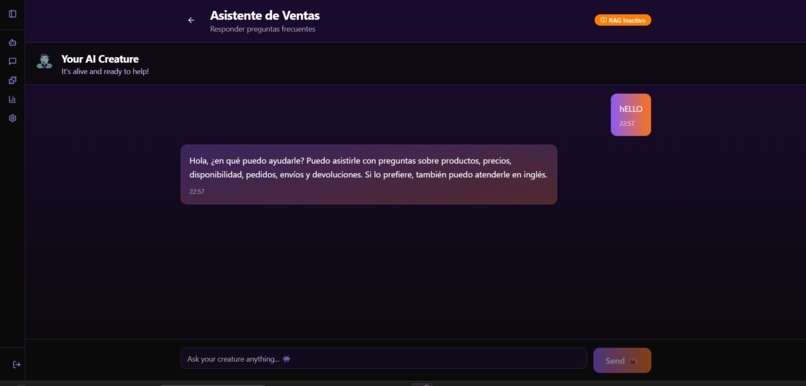
ASSINTANT
-
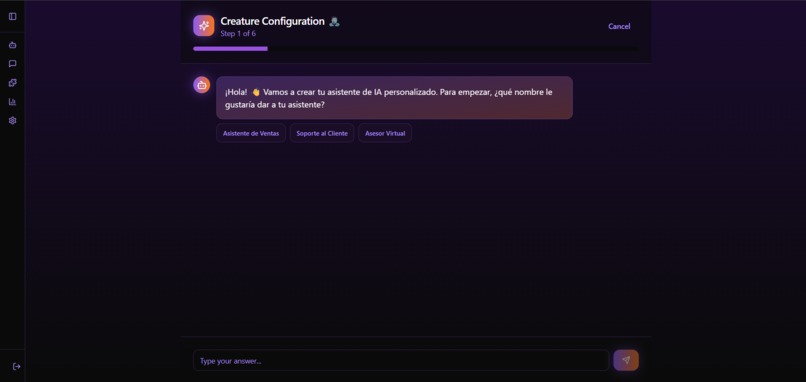
PLATFORM
-
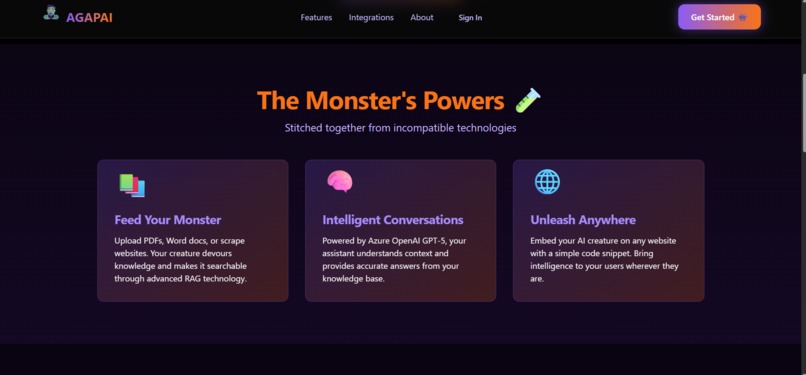
LANDING
-

AGAPAI
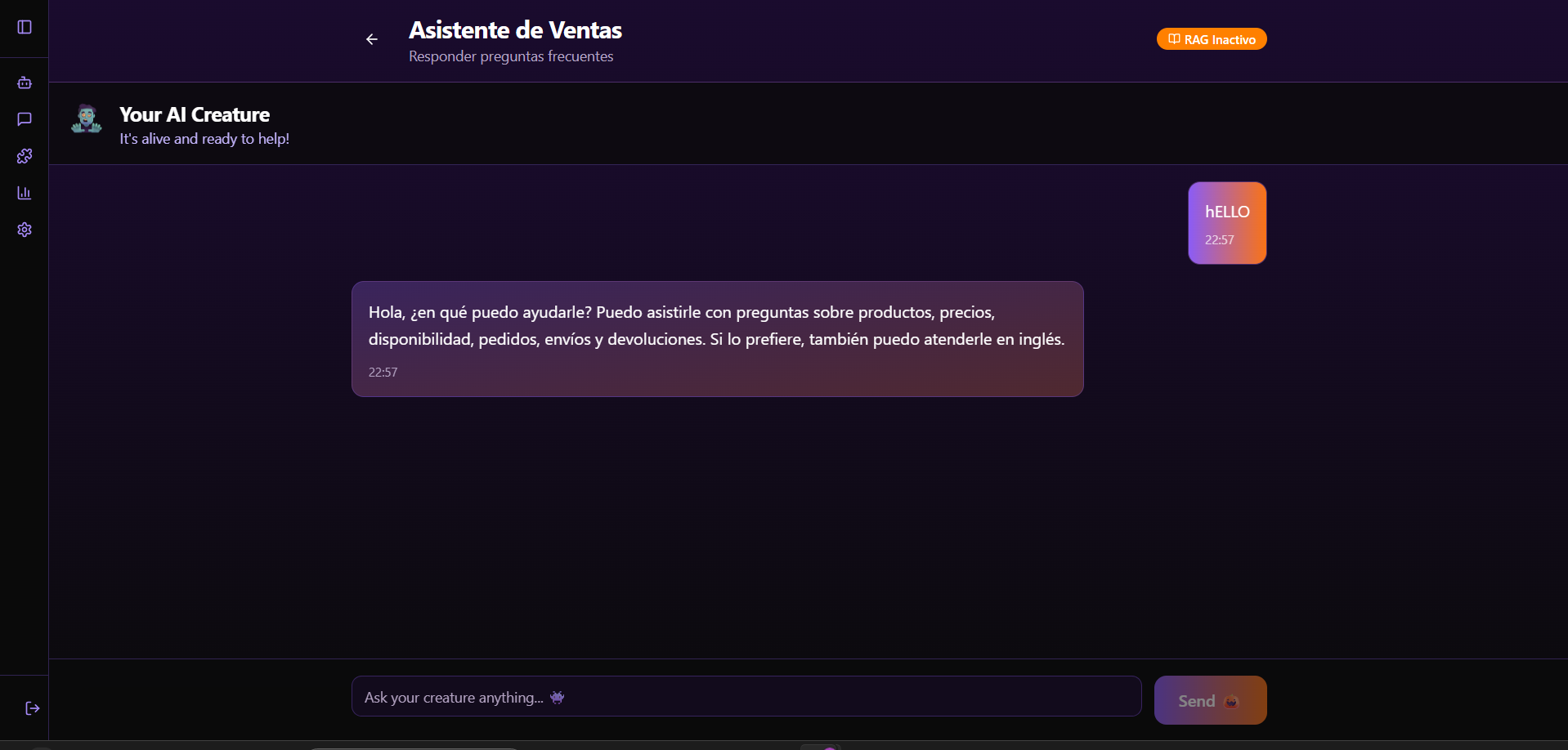

🧠 About the Project — AGAPAI MVP
🚀 Inspiration
I’m a young Latin American entrepreneur passionate about making artificial intelligence more human, useful, and accessible. Earlier this year, I was invited to the First Latin American Summit on Artificial Intelligence, where my vision for AGAPAI received an honorable mention in the official congress magazine.
That recognition inspired me to turn the idea into something real — a living product. But it wasn’t easy. I faced many challenges: lack of funding, limited resources, and the complexity of building an MVP alone.
When I started working with Kiro, it felt like having a full team — one system architect and three developers all in one. That collaboration allowed me to finally bring AGAPAI to life.
💡 What is AGAPAI
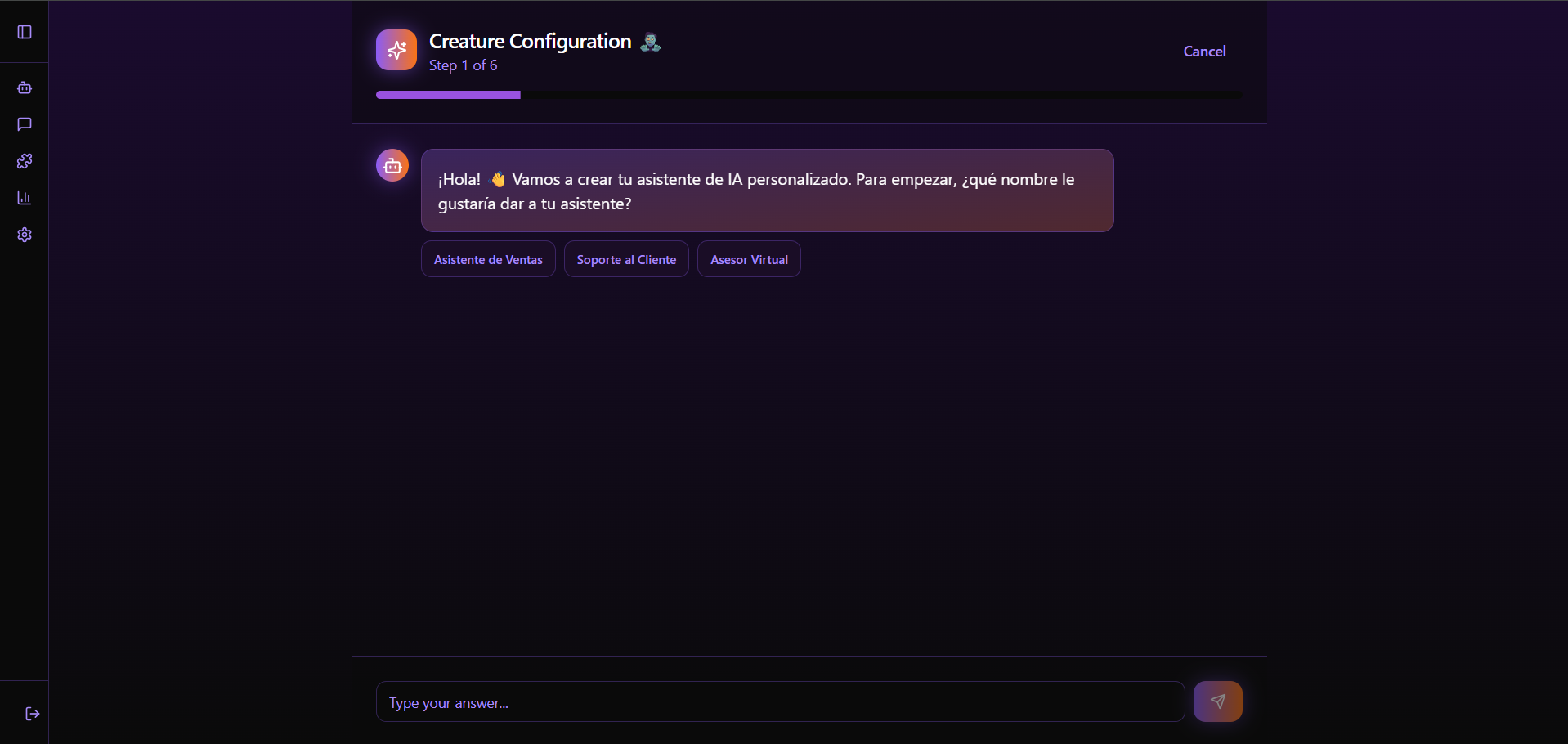
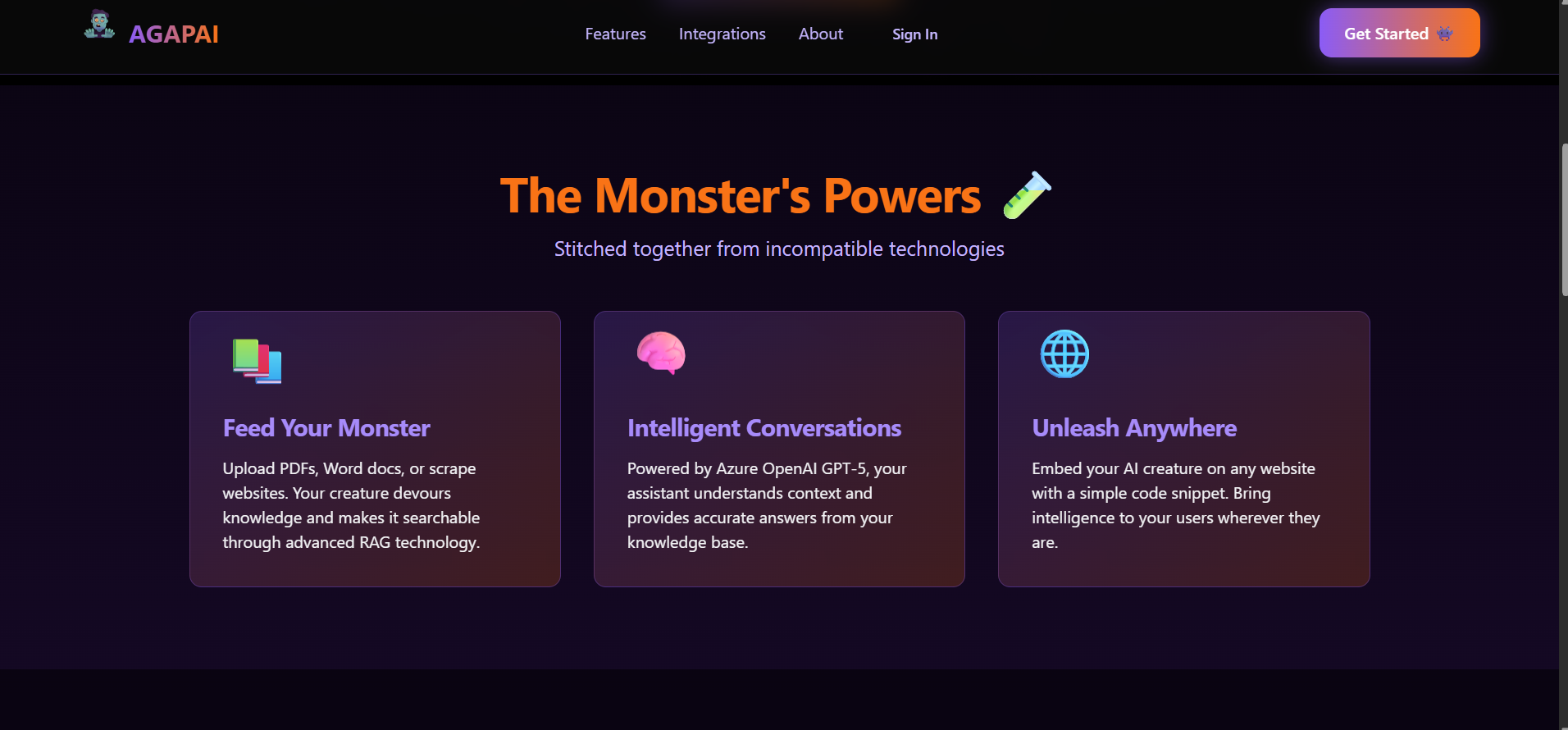
AGAPAI is a web platform that lets anyone create personalized AI assistants that understand context, process documents, and automate digital tasks. It’s designed to help small and medium businesses integrate AI without technical barriers — assistants that speak their brand’s voice and connect with their data.
🏗️ How It Was Built
The MVP was developed using React + TypeScript for the frontend and Supabase as the backend (PostgreSQL + pgvector + Edge Functions). It integrates secure authentication, real-time dashboards, and full CRUD functionality for AI assistants.
Core Components
- User Auth with Supabase
- Dynamic Dashboard showing assistants and analytics
- Custom Hooks for live data sync
- RLS Security to isolate user data
- CRUD Interface for assistant creation and configuration
Users can sign up, build assistants, set personalities, integrate platforms (WhatsApp, Instagram, Website), and manage all from one interface.
🧠 What I Learned
Through this project, I learned that innovation in Latin America is as much about creativity and persistence as it is about code. Building AGAPAI taught me to focus on scalability, security, and user experience — proving that even with limited resources, it’s possible to create something robust when you have vision and resilience.
⚙️ Challenges
- Developing with minimal resources and no funding.
- Balancing architecture with MVP speed.
- Implementing multi-tenant RLS policies in Supabase.
- Building scalable hooks and UI flows without external teams.
🧭 Next Steps
- Integrate WhatsApp and Instagram APIs.
- Add RAG-based document ingestion (knowledge base).
- Launch a public chat widget.
- Build a visual analytics system for assistants.
✨ Conclusion
Despite every limitation, I managed to deliver a fully functional, secure, and scalable MVP: ✅ Authentication ✅ Assistant creation and management ✅ Real-time analytics ✅ Secure data with RLS ✅ Seamless Supabase integration
AGAPAI is not just a prototype — it’s the foundation of my vision for the first Latin American AI assistant platform designed to empower people and businesses through intelligent, personalized automation. 👤 Built by: Armando Blanquicet — Young Latin American Entrepreneur 🏆 Recognition: Honorable Mention at the First Latin American AI Summit 📅 Date: November 6, 2025 **⚙️ Website: https://agapai.com.co/
Built With
- azure
- gpt-5
- kiro
- openai
- react
- supabase
- typescript


Log in or sign up for Devpost to join the conversation.