Inspiration
We got this idea during an internship at the Bukavu General Reference Hospital.
In emergency situations, especially with war-injured patients, many people arrive unconscious. Doctors often lose precious time trying to find essential medical information such as blood type, allergies, or medical history. And in critical cases, that delay can lead to death.
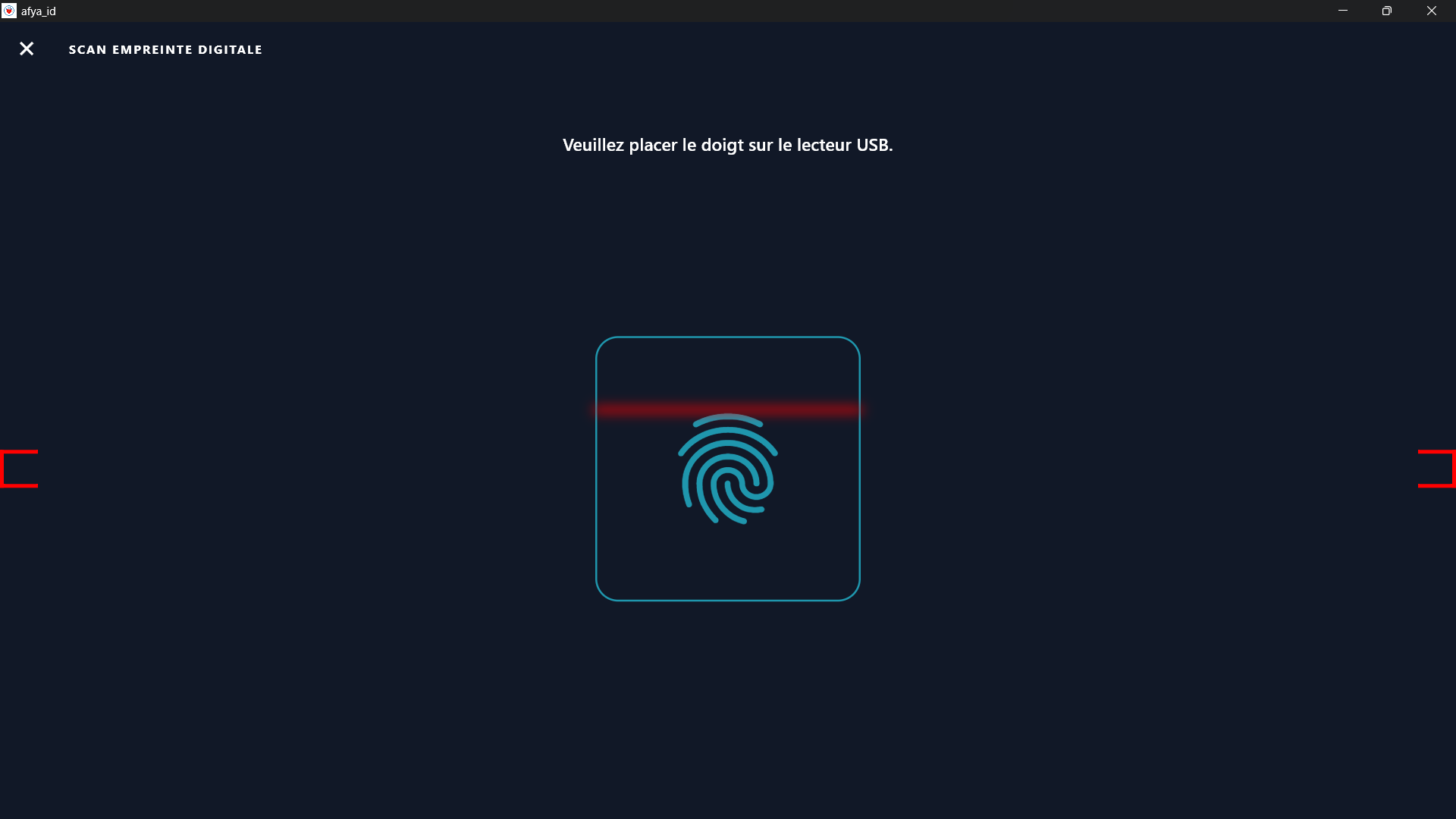
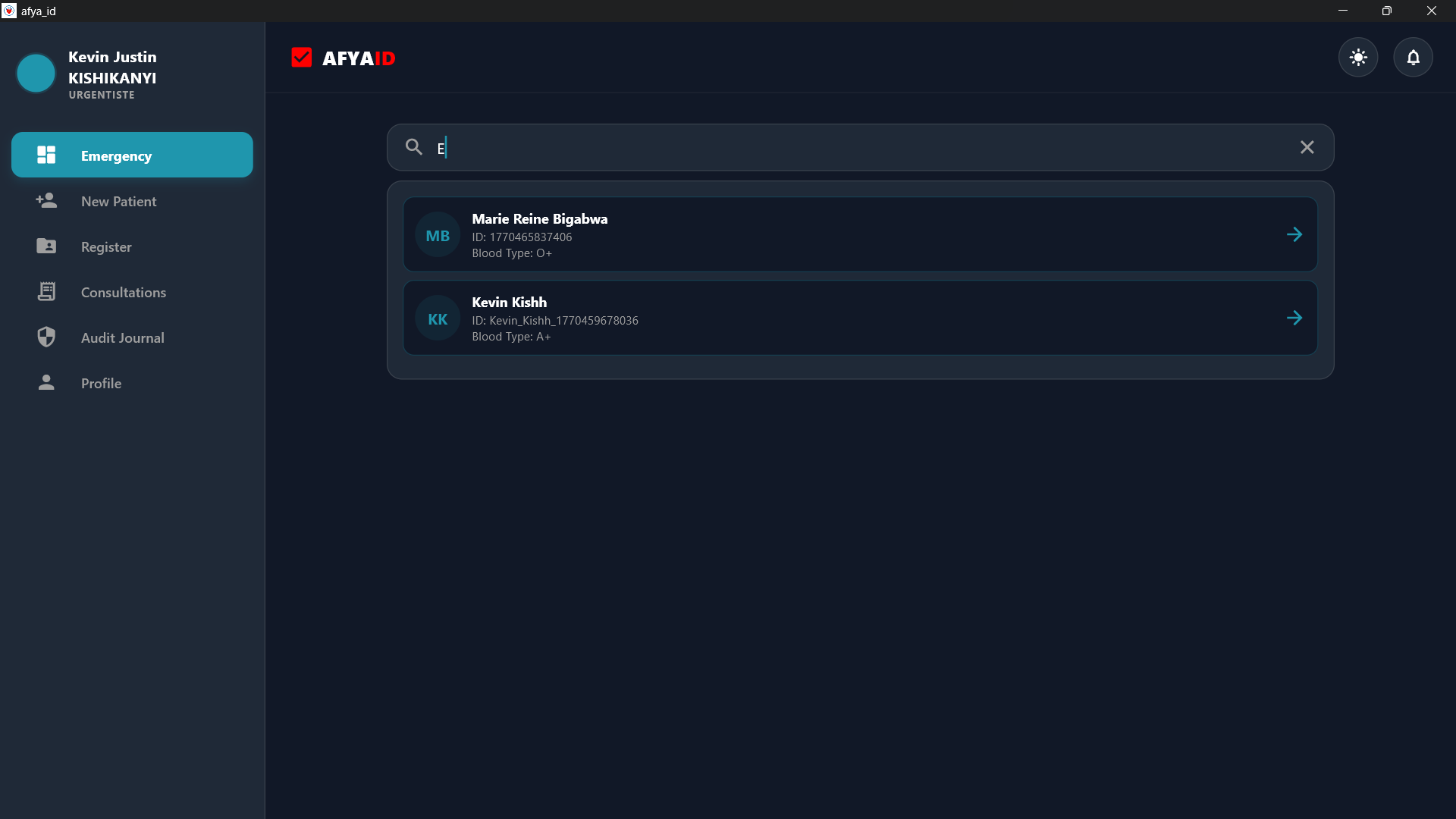
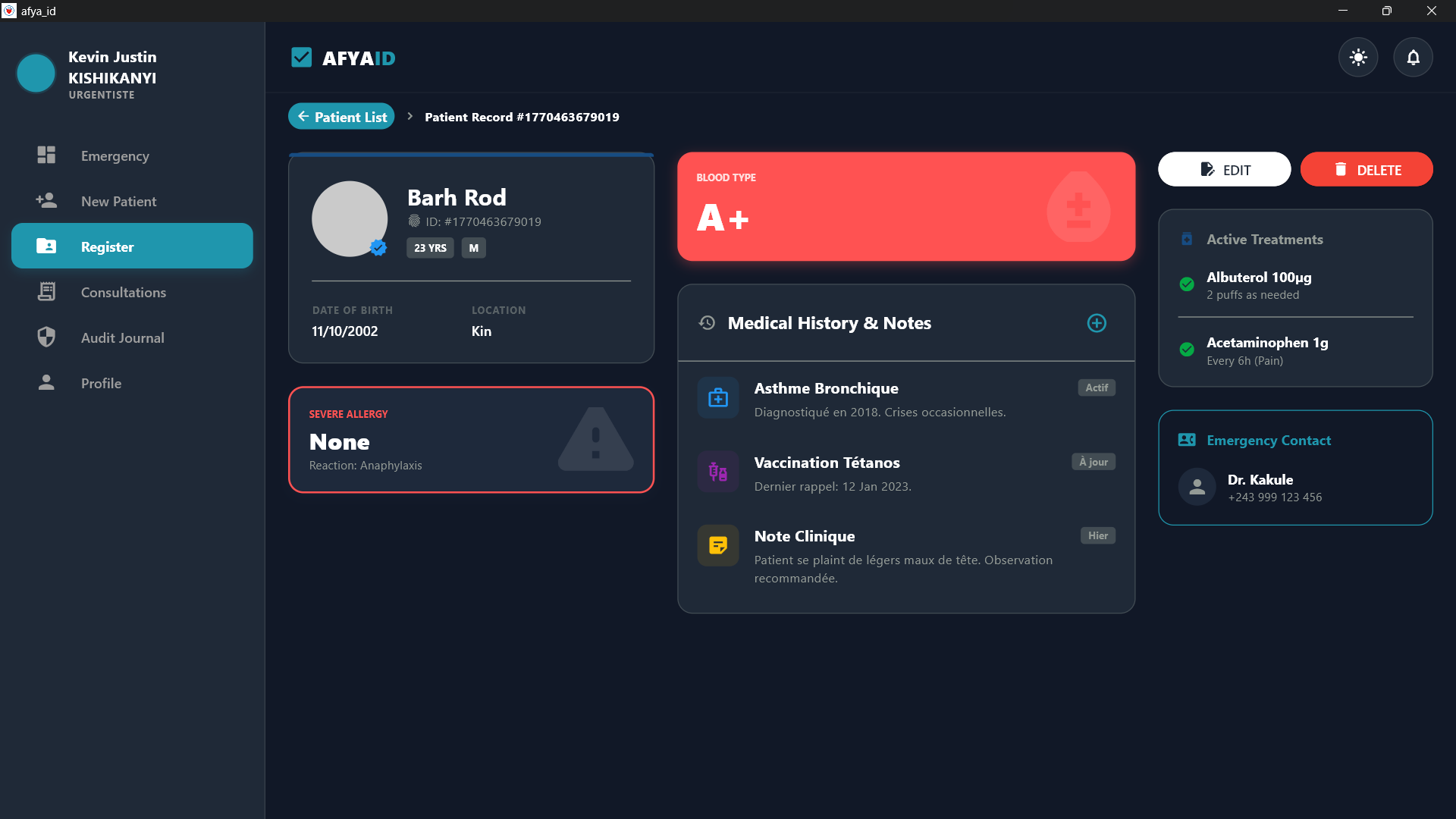
This application allows healthcare workers to identify a patient using facial recognition, fingerprint scanning or just typing his name if he has his ID and instantly display vital medical data, even offline.
The goal is simple: reduce response time and prevent life-threatening medical errors.
What it does
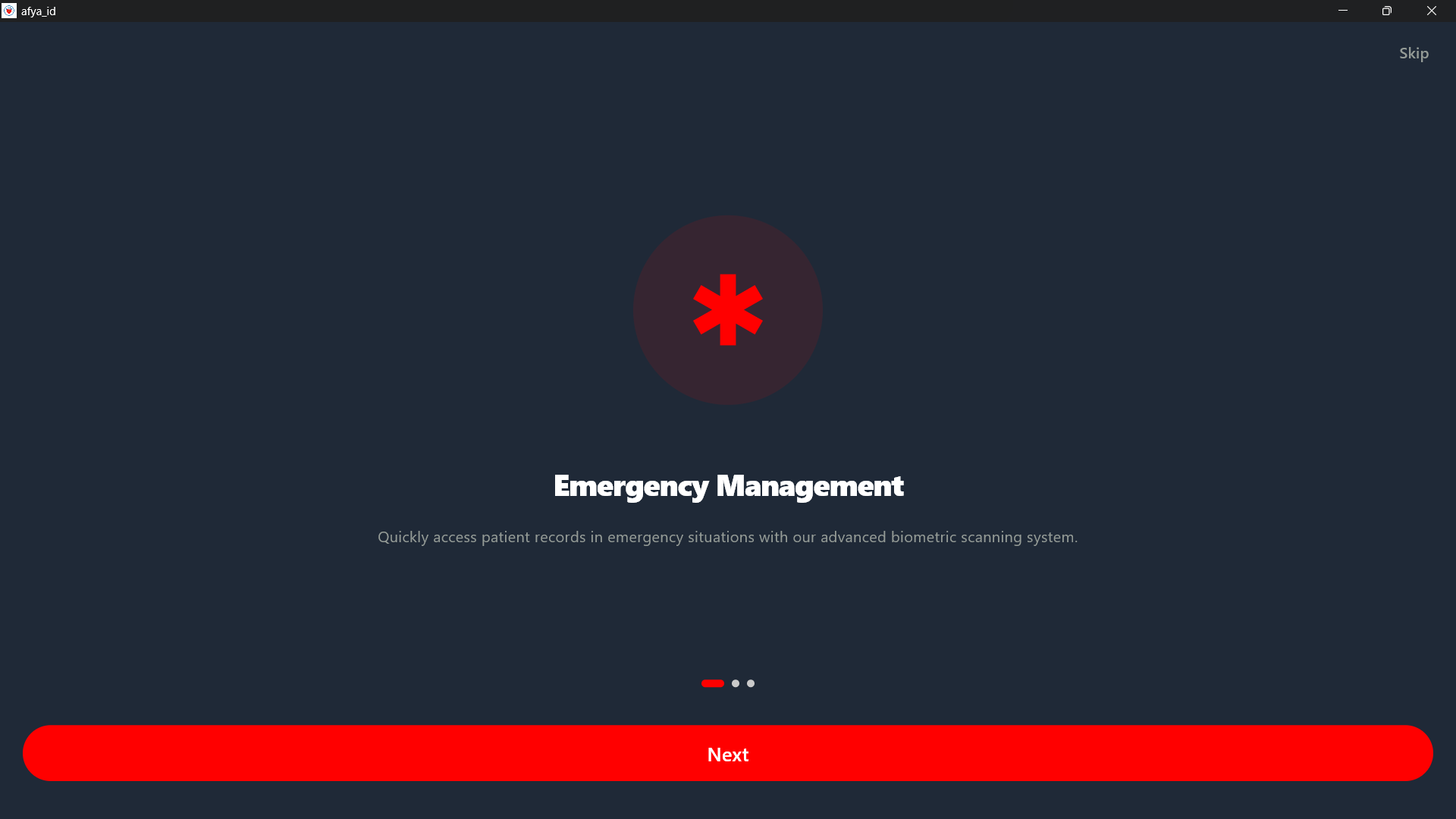
AfyaID is a digital emergency medical identity system that allows healthcare workers and first responders to instantly access a patient’s essential medical information using biometric identification.
With AfyaID, a patient can be identified through: • Facial recognition • Fingerprint authentication • Name research (from his ID)
Once identified, the app immediately displays key emergency data such as: • Full name + photo • Blood type • Drug allergies • Chronic diseases • Major medical history • Emergency contact (name + phone)
AfyaID is designed to work even in low-connectivity environments through offline storage and low-data requirements.
How we built it
We designed AfyaID as a multi-plateform solution with a light and fast storage. • Mobile App: Flutter • Backend : Firebase • Database: Firestore database + Firestore local data storage and cache • Biometrics: Device biometric APIs for fingerprint and camera-based face scan • Security: Role-based access
The system includes different user roles: • Admin • Doctor • Emergency doctor / First responder
Each role has controlled access depending on responsibilities.
Challenges we ran into
One of the biggest challenges was designing an identification system that works in real emergency conditions: • Poor or no internet connectivity • Speed requirements (seconds matter) • Facial recognition limitations (injuries, blood, low light) • Ensuring privacy and data protection while still enabling quick access
We also faced technical limitations: • While trying to capture fingerprints with a phone local fingerprint scanner • With the use of camera to capture a patient face
Accomplishments that we’re proud of
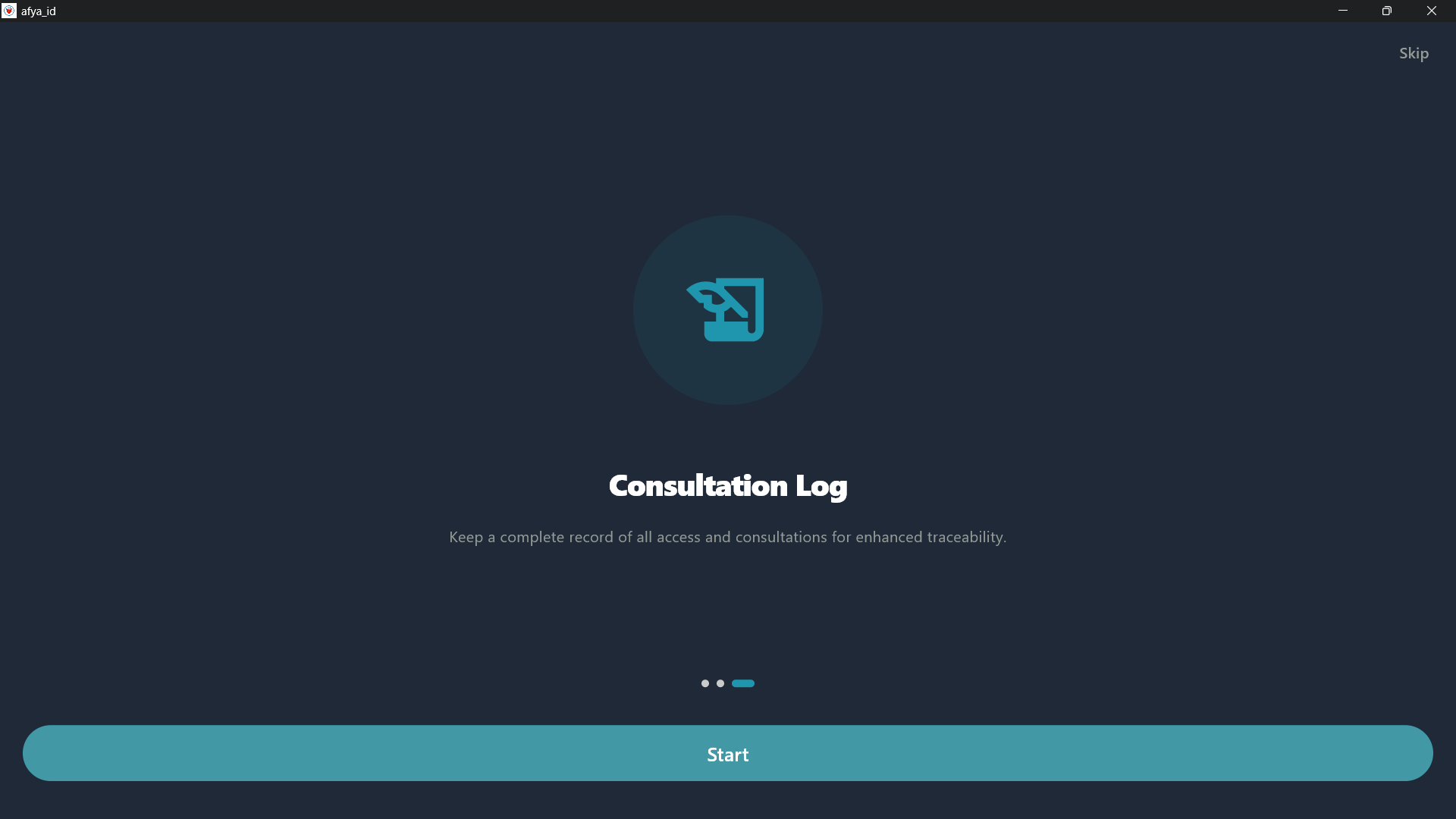
We are proud that AfyaID: • Solves a real-life healthcare problem in our community • Focuses on emergency response and saving lives • Supports offline mode, which is critical in many regions • Includes biometric identification to avoid searching manually everytime • Uses role-based access and access logs to ensure accountability
Most importantly, AfyaID is designed as a practical MVP that can be deployed and tested in real hospitals and emergency response teams.
What we learned
Through this project, we learned: • How to design for high-stress emergency environments • The importance of offline-first architecture in African healthcare contexts • How to structure medical data in a minimal but life-saving format • The balance between privacy, security, and fast accessibility • How biometric tools can improve healthcare workflows when used responsibly
We also learned that building healthcare solutions requires strong ethics, trust, and collaboration with medical professionals.
What’s next for AfyaID
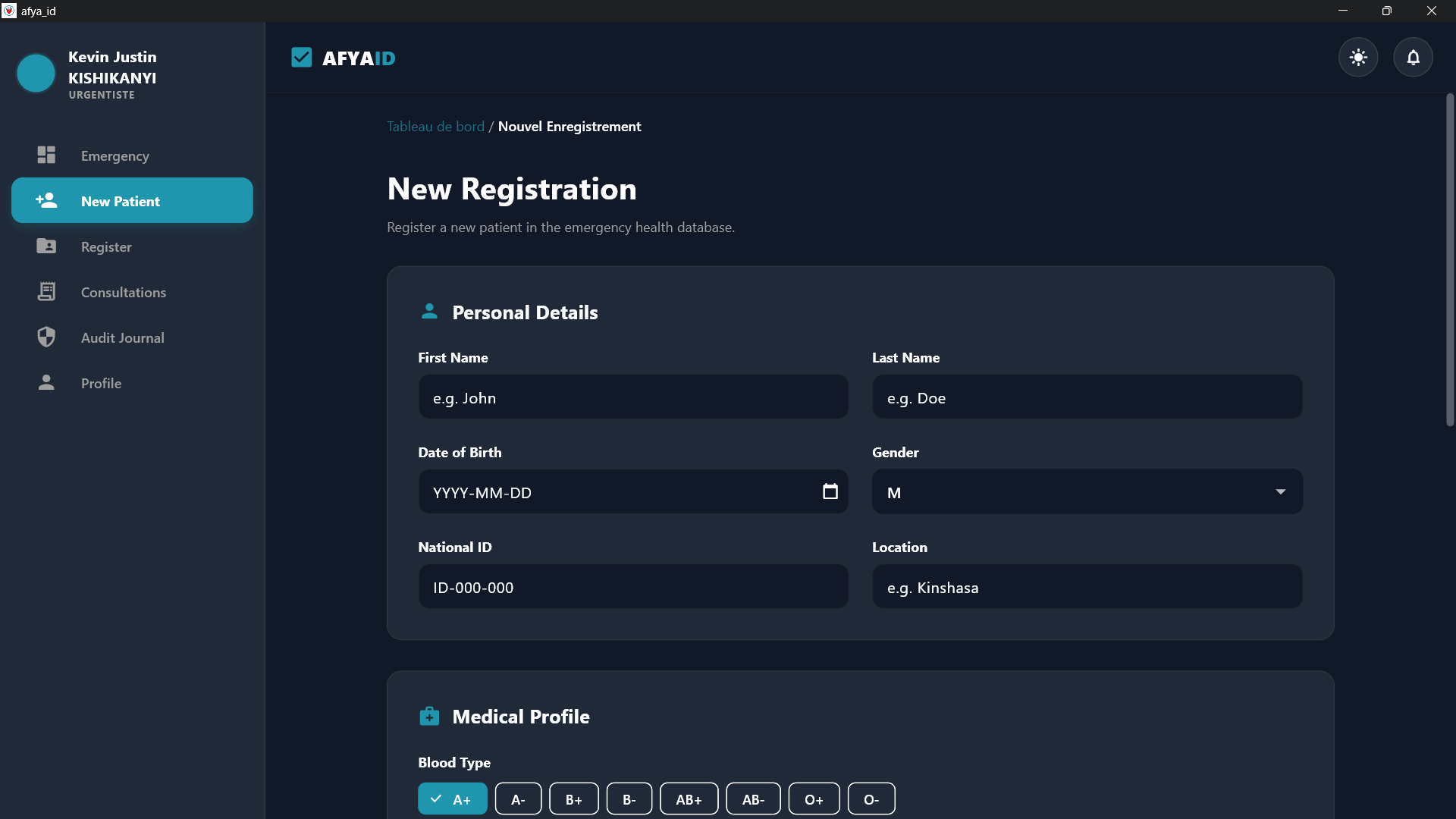
In the next phase, we plan to: • Improve face recognition accuracy using optimized models • Add more medical information (vaccination, treatments, disabilities) • Integrate QR emergency backup (if biometrics fails) • Expand to multiple hospitals and emergency teams in Bukavu • Add a patient self-registration feature with medical validation • Perform the project's backend for more security
Long-term, AfyaID could become a standardized emergency medical identity system that supports hospitals, humanitarian teams, and national health programs.


Log in or sign up for Devpost to join the conversation.