-
-
-
-
-
-
-
-
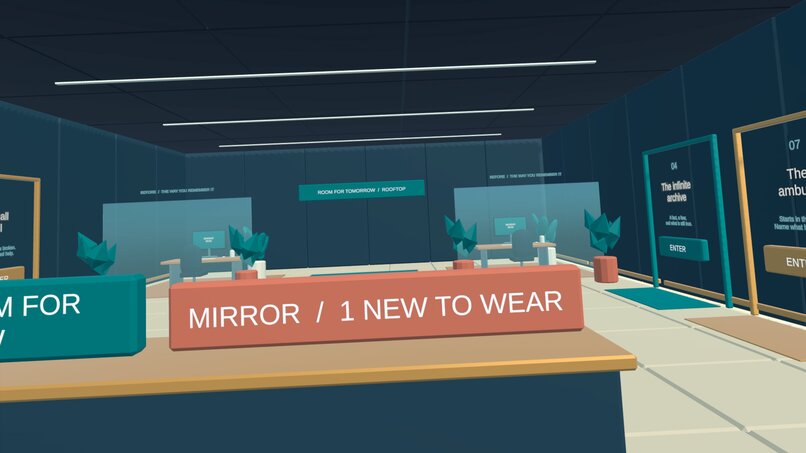
Screenshot
Inspiration
I've been laid off a few times in my life. It's been a rough and challenging experience, but through therapy I've found some closure. What if I could help other people find closure too? That's what drove me to create this app. I also wanted to learn how to make a VR game since I've been a fan of VR since the Virtual Boy days as a kid.
What it does
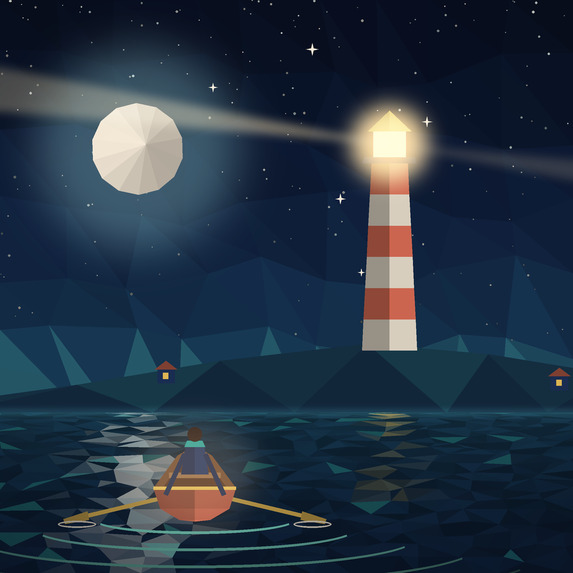
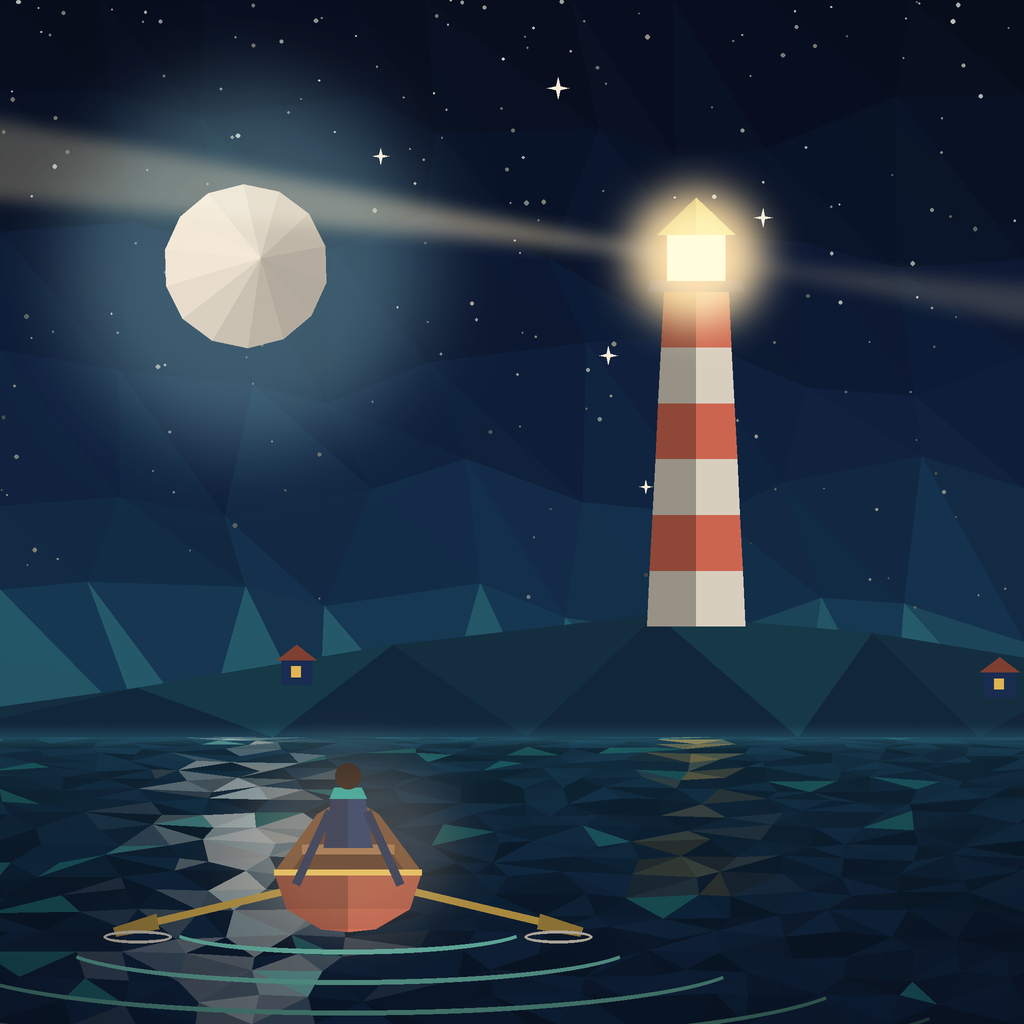
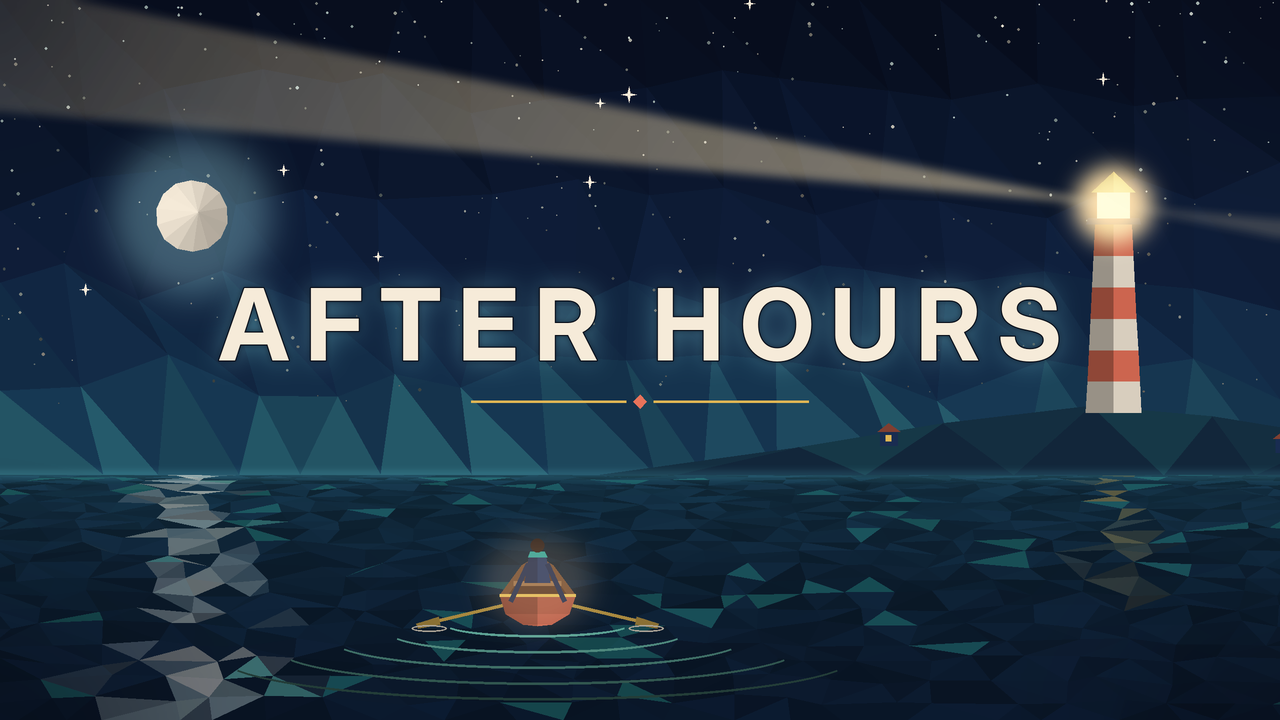
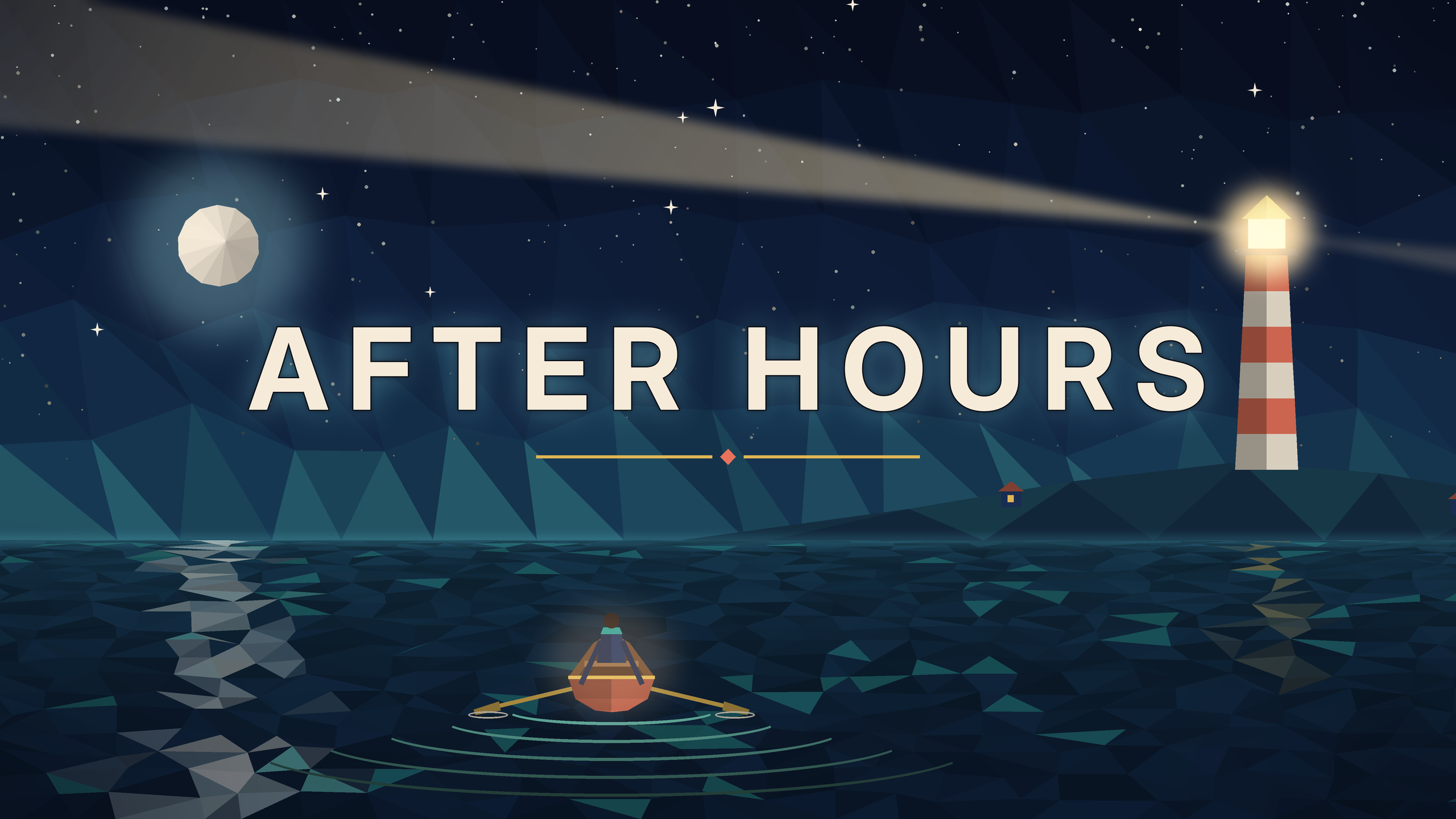
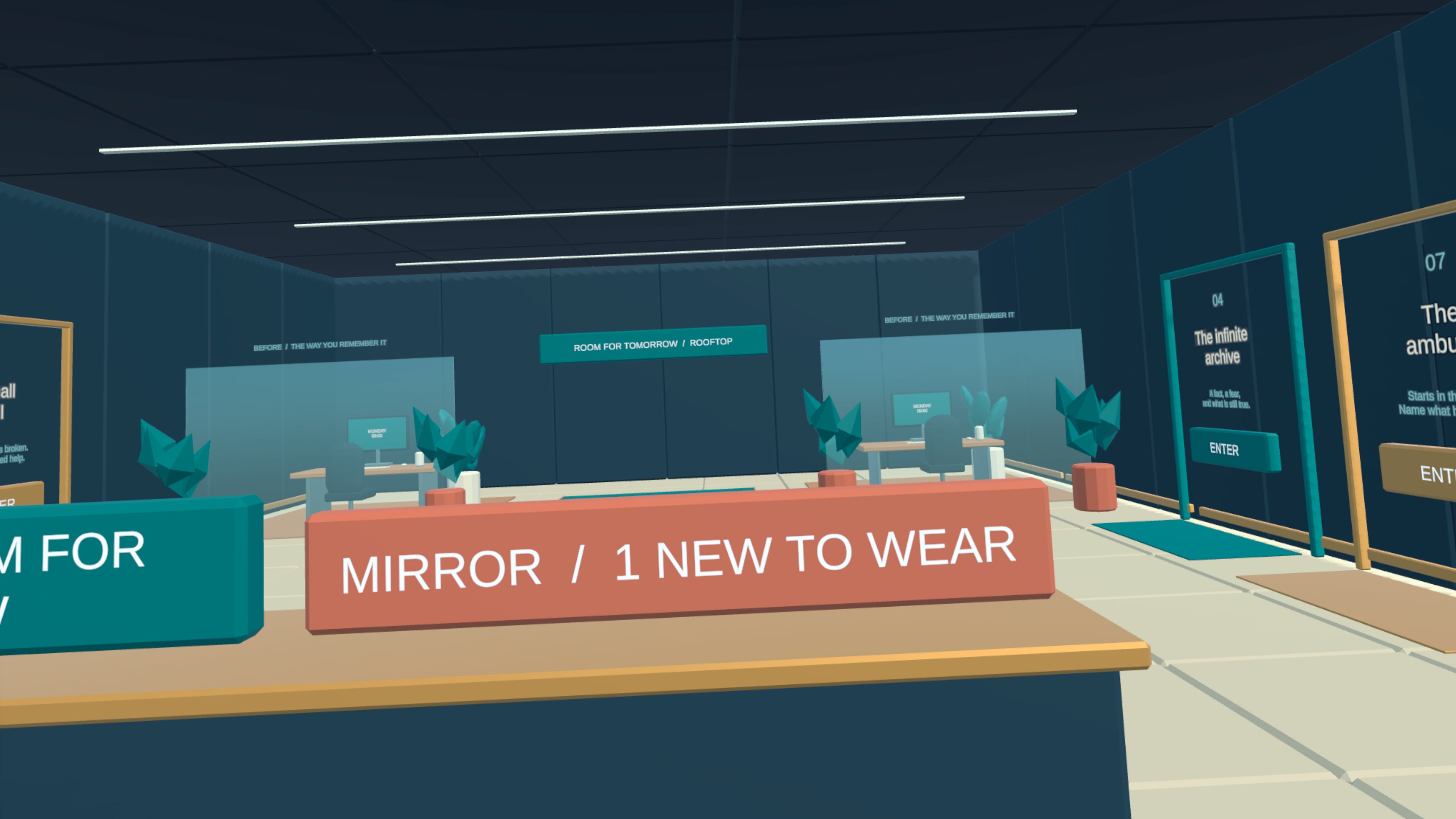
After Hours is a gentle VR game that helps you process your feelings around layoffs and job loss. You move through seven short chapters in any order: row a boat toward a lighthouse, send heavy feelings off in boxes, ask for help when a coffee machine leaks and a crowd gathers, sort worries into FACT, FEAR and STILL TRUE, shred an old résumé and keep one line that is still true, take a bat to your old work computer, and name how you feel until two giant clowns in a sudden meeting shrink down to size. Then you rest on a sunrise rooftop. Nothing is timed, nothing can be failed, and every chapter can be finished from a seat. It's free to play, with optional outfit add-ons for the mirror in the lobby.
How we built it
I used vibe coding tools with Unity to create, build, and enhance it. The game runs on Meta Quest 2, Quest Pro, Quest 3 and Quest 3S, with hand tracking first and controllers whenever you pick them up. The art is low-poly and all the music and sound is synthesised by scripts written for the project, so nothing is borrowed.
Challenges we ran into
~Making a Unity game for the first time. I've never used Unity before, so this was a LOT of learning by doing with a ton of trial and error involved. I did this all by myself (and a couple agents) so I did a bunch of online research during the creation too. ~Making a game about something painful feel safe. That meant no failing, no timers, a content note, gentler options for the crowd and the ambush, and a clean mode that hides all text. Trying to balance text instructions with being intutive was challenging ~Comfort in VR. Everything had to work seated and within arm's reach, with snap turns, teleport and a vignette, and a boat that never rocks the player. ~Getting a build onto the Meta Horizon Store: matching the store's supported-device rules, version codes, release signing and the ownership check. ~Testing. Most of the work was done without a headset in front of me, so I leaned on automated checks of every room and then checked the feel on a real Quest 2 and 3.
Accomplishments that we're proud of
~Seven complete chapters and a rooftop, all playable seated. ~A game that can be finished in short visits, because every small step saves. ~Original calm music and sound in every room. ~Fun easter eggs to find. ~A wardrobe and mirror where you can earn pieces just by playing, and a free-to-play model where nothing needed to finish the game is ever sold.
What we learned
That a few small, gentle interactions can carry a lot: throwing a box, shredding a page, or choosing one line that is still true. I also learned how much of making a VR game is comfort, access and clear text, not just art and code. It's not easy to create my first game in Unity for VR but it was really worth it for me (and hopefully for others).
What's next for After Hours VR App
More testing with real players before publishing V1 on the Meta store, more rooms potentially (a lost-and-found of identity, an interview mirror, a greenhouse of small beginnings) for V2, publishing to Steam as well in early access, and maybe even Vision OS!
