Inspiration
Many African urban youths and diaspora communities are growing disconnect from their native languages; risking the loss of rich oral African heritage when older generations pass away. According to UNESCO's Atlas of the World's Languages in Danger, there are approximately 2,500 endangered languages worldwide, the majority concentrated on the African continent. Up to 10% of African languages are at risk of disappearing within a century. This urgency is compounded by the fact that mainstream, gamified language platforms largely neglect African languages, or offer them only minimal coverage
What it does
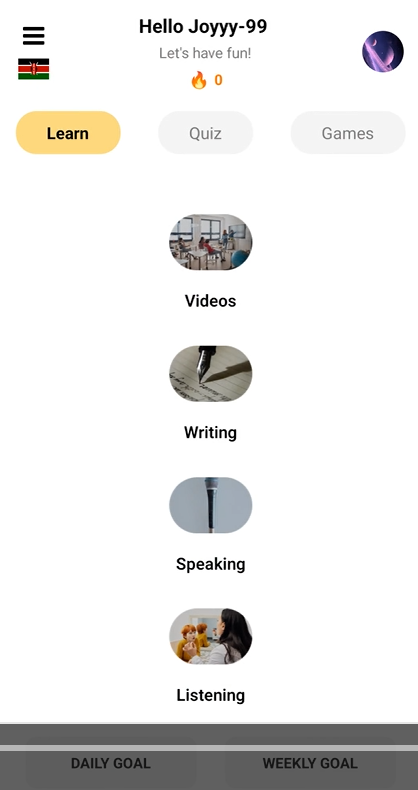
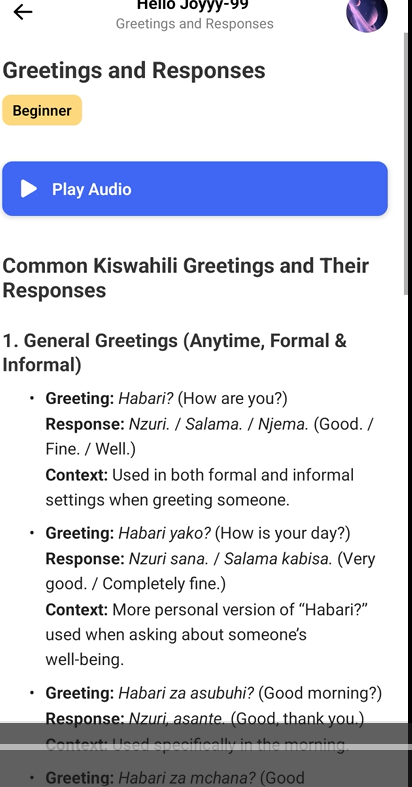
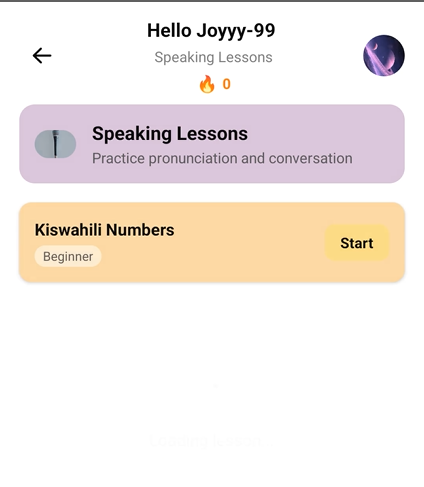
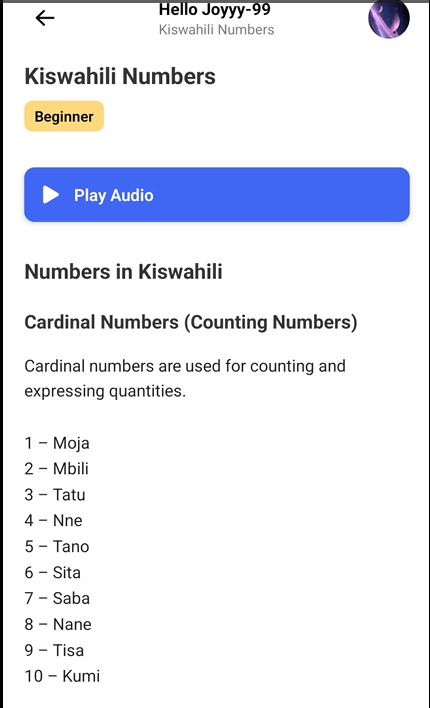
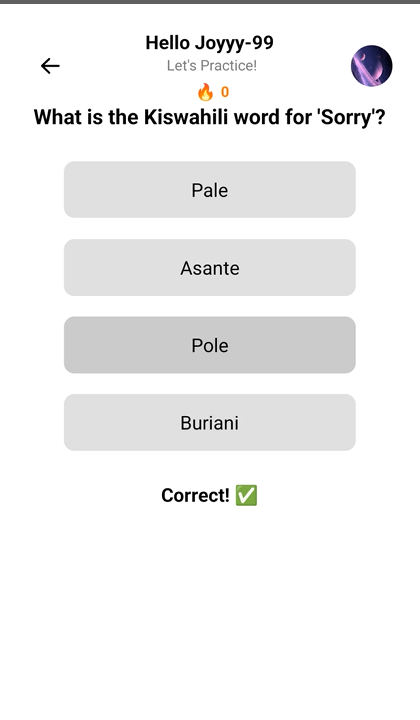
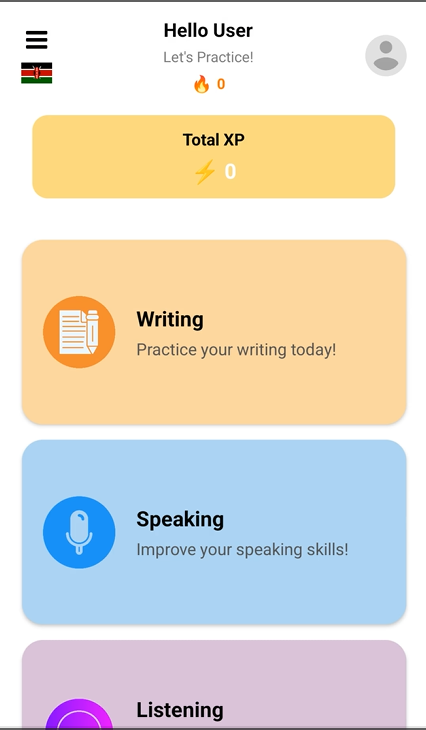
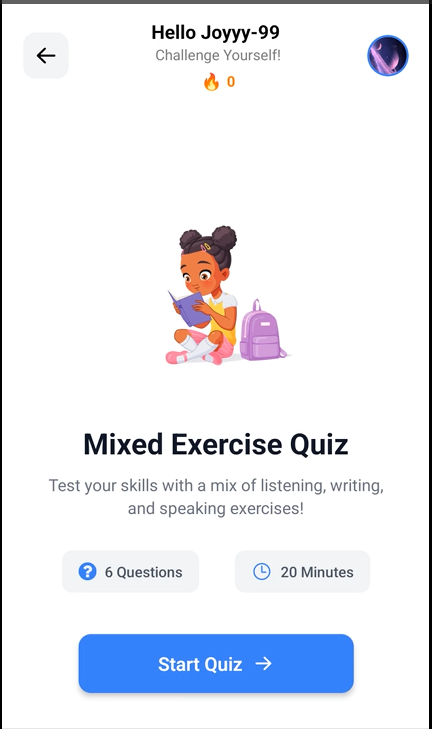
AfroNative is a mobile language learning app that makes African languages accessible and engaging for everyone. Built like Duolingo but designed specifically for African languages, it guides users through structured lessons covering speaking, listening, writing, and pronunciation. Users can track their progress, compete with others on a leaderboard, and practice at their own pace all within a clean, native mobile experience on both iOS and Android.
How we built it
We built AfroNative using React Native with Expo Router for cross-platform mobile navigation, and TypeScript for type-safe, maintainable code. The backend runs entirely on Firebase. Firebase Authentication handles sign-in and sign-up, Firestore stores user profiles, lesson content, and progress data, and Firebase Storage hosts lesson assets like audio and video files. We used Contentful as a headless CMS to manage lesson content, and structured the codebase with custom React hooks, shared components, and a clear separation of concerns across auth, lessons, practice, profile, and leaderboard features.
Challenges we ran into
Structuring a scalable lesson system that could support multiple African languages with different writing systems and phonetics was our biggest challenge. Handling real-time progress tracking across Firestore while keeping the app performant required careful data modelling. We also faced challenges syncing audio-based speaking and pronunciation features reliably across different devices using Expo, and managing Firebase security rules to protect user data while keeping reads fast.
Accomplishments that we're proud of
We're proud of building a fully functional, multi-screen mobile app with real authentication, live data, and a working lesson flow from onboarding all the way through to lesson completion. Creating a leaderboard system that updates in real time and a practice mode with speaking, writing, and pronunciation modules are features we're especially proud of. Most importantly, we built something that addresses a real gap: the lack of high-quality, gamified tools for learning African languages.
What we learned
We learned how to architect a large-scale React Native project cleanly using Expo Router's file-based navigation system. Working with Firebase at this scale taught us a lot about structuring Firestore collections for efficiency, managing authentication state globally with custom hooks, and handling async data safely in TypeScript. We also deepened our understanding of building accessible, multilingual UX for audiences across Africa.
What's next for AfroNative
We plan to launch with support for Swahili, Yoruba, Zulu, and Amharic as our first four languages, then expand based on community demand. Upcoming features include AI-powered pronunciation feedback using speech recognition, offline lesson support so users in low-connectivity areas aren't left out, a social layer for learning with friends, and partnerships with African language educators to ensure content accuracy and cultural authenticity. Long term, we want AfroNative to be the go-to platform for anyone who wants to connect with their African roots through language.
Built With
- exporouter
- firebase
- reactnative
- typescript

Log in or sign up for Devpost to join the conversation.