-
-
-
-
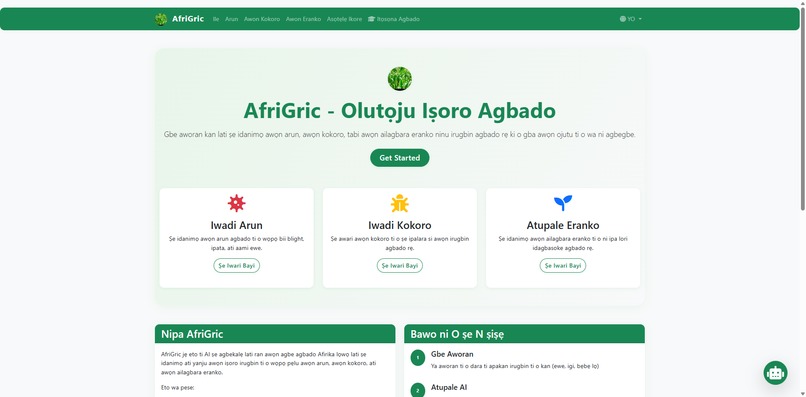
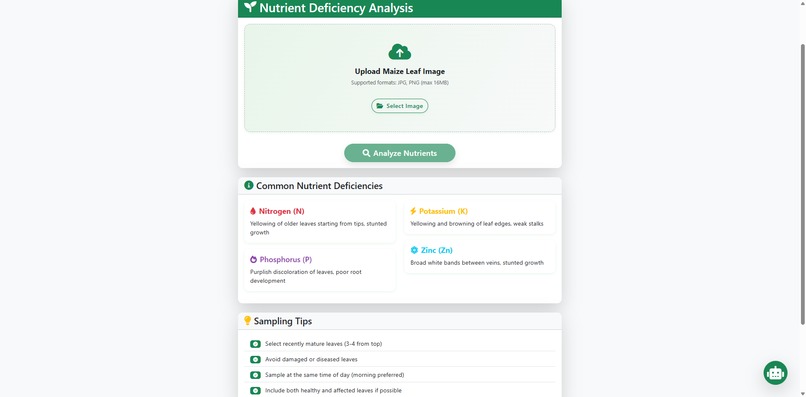
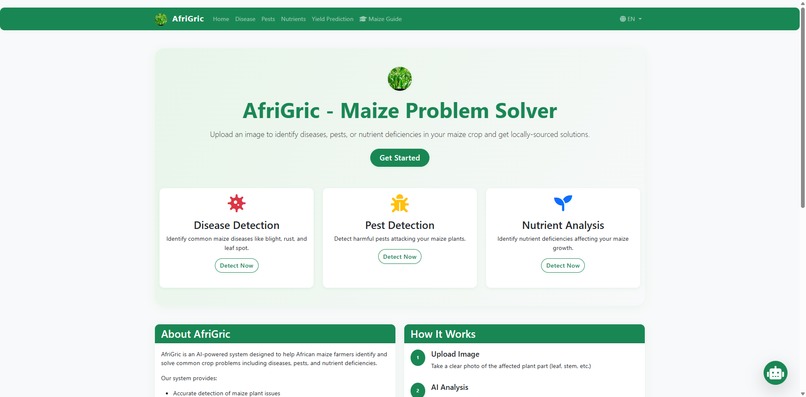
screenshots
-
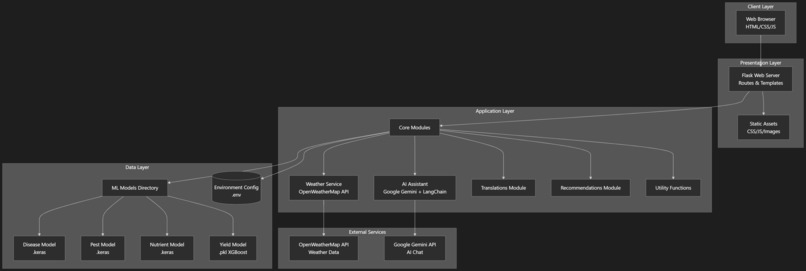
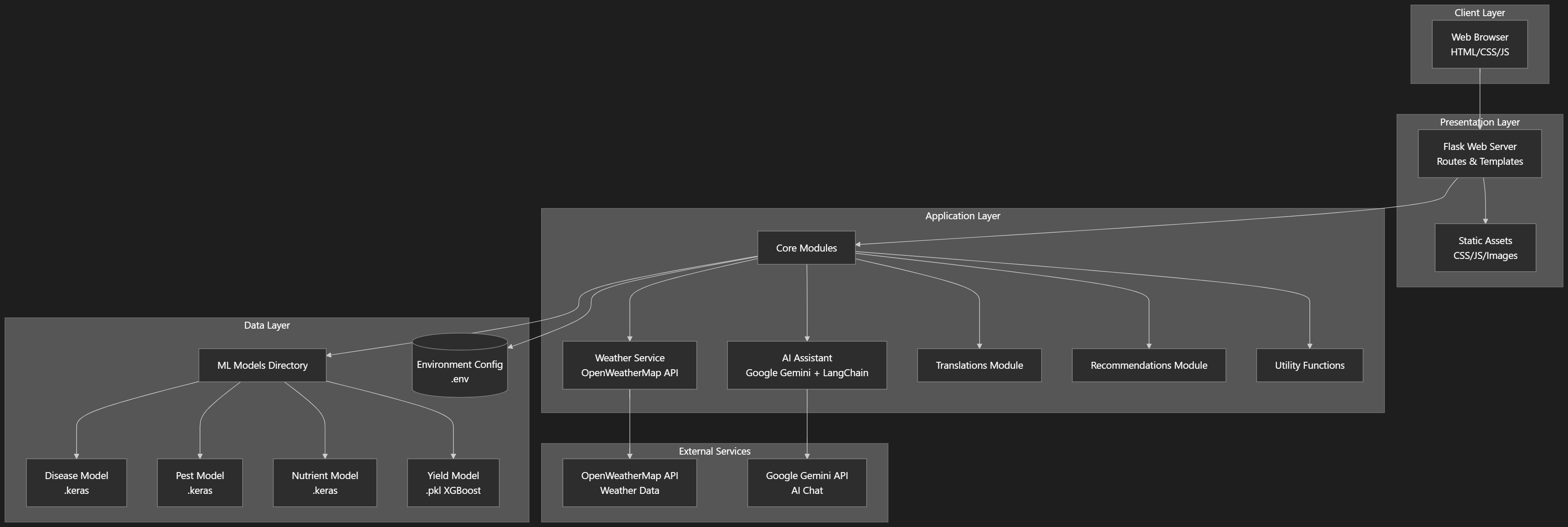
system architecture
-
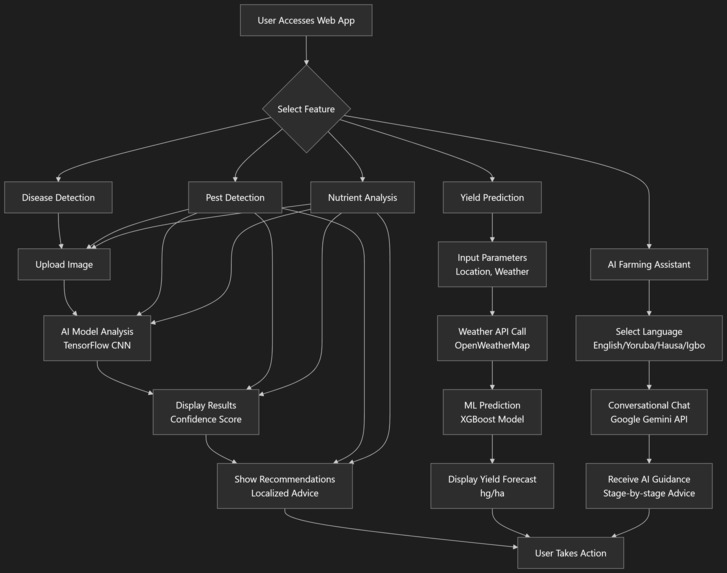
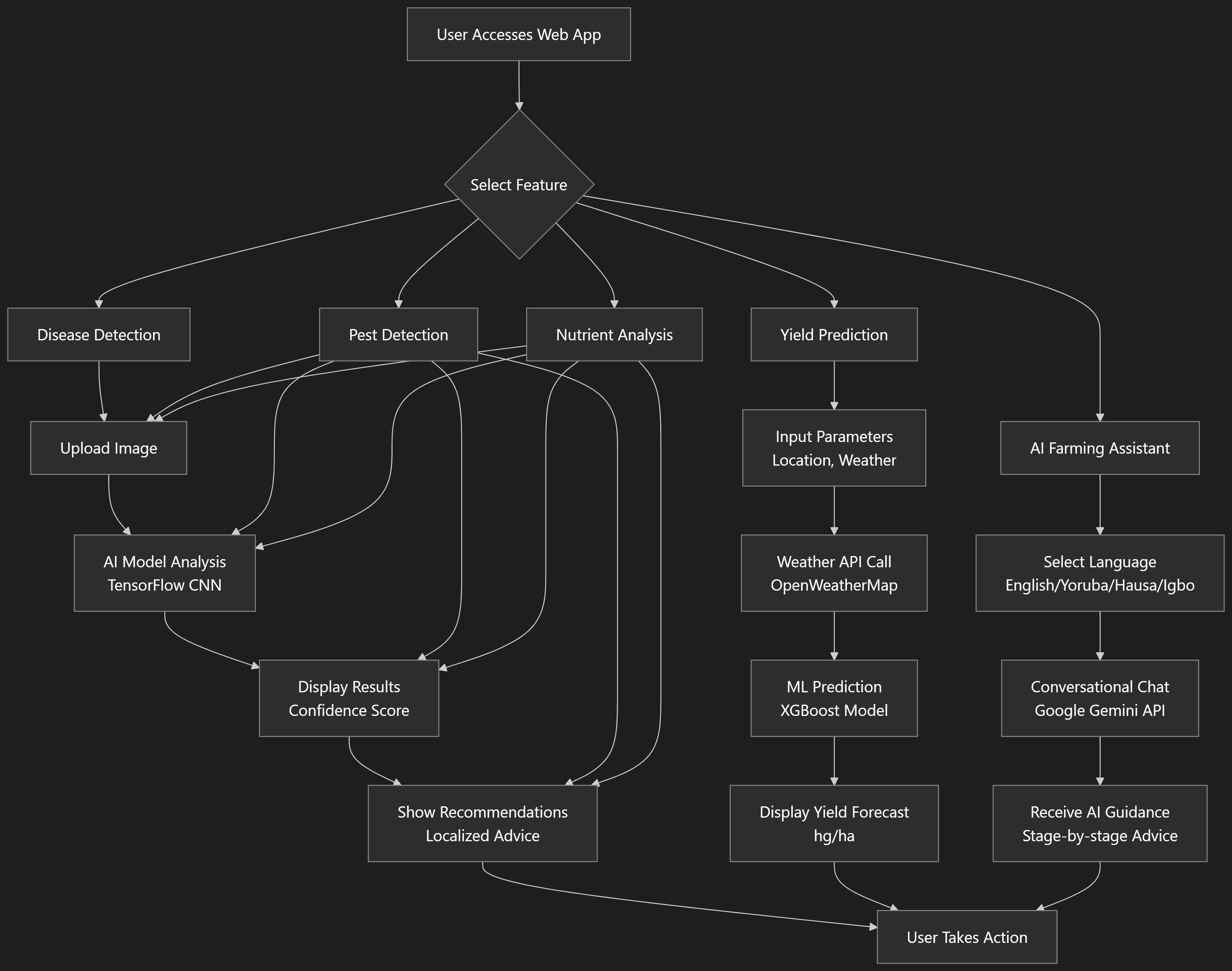
flowchart
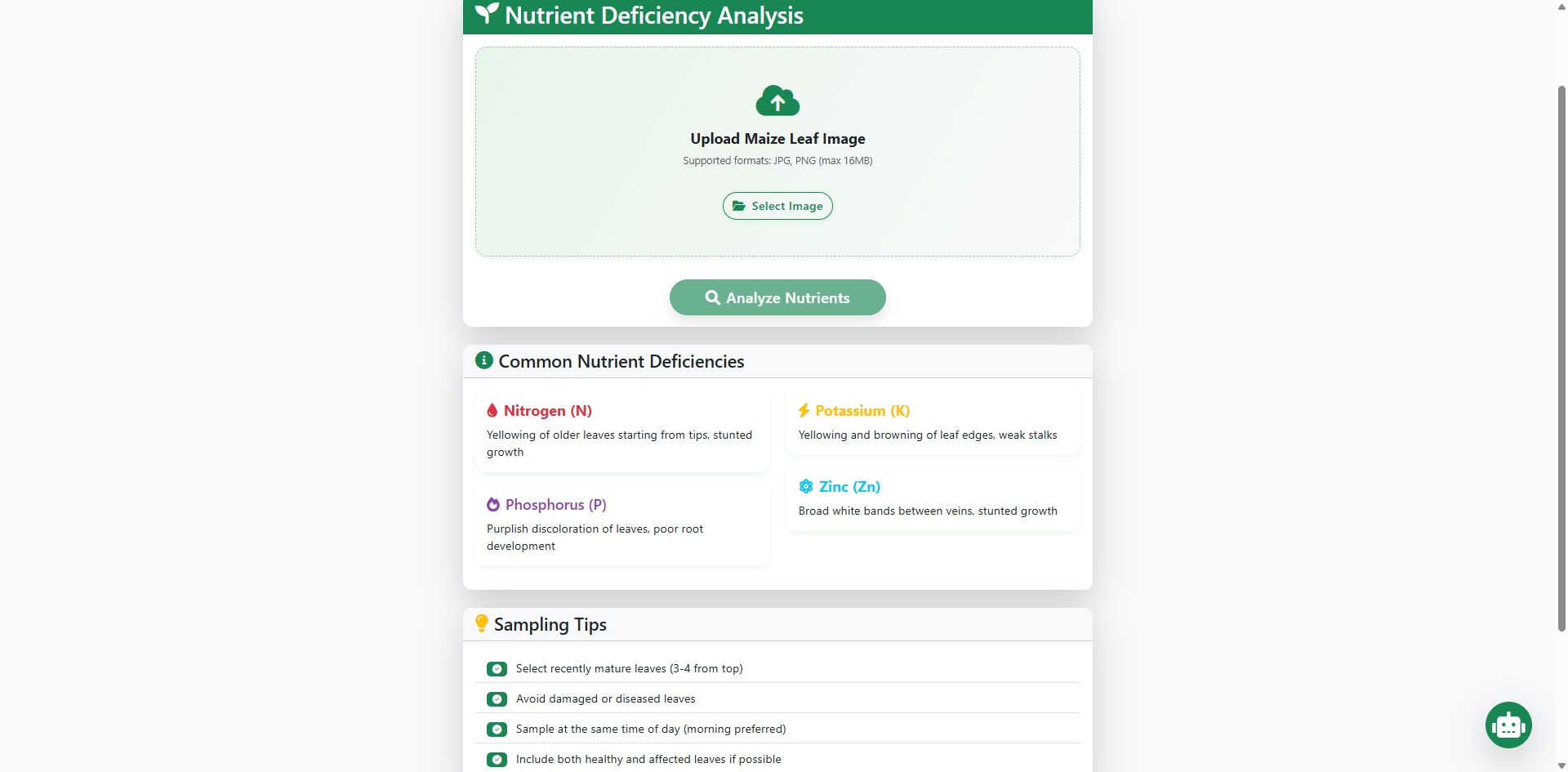
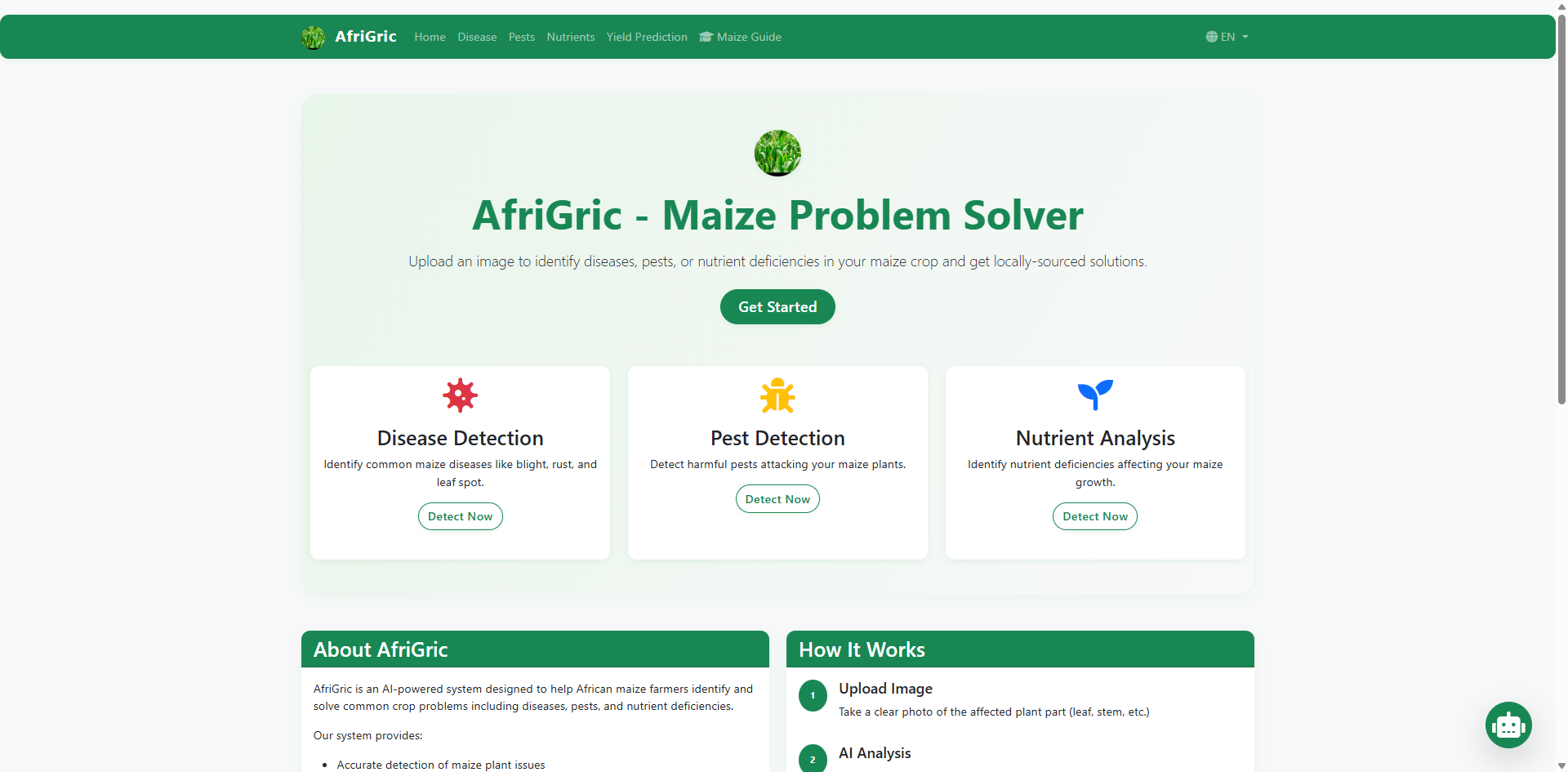
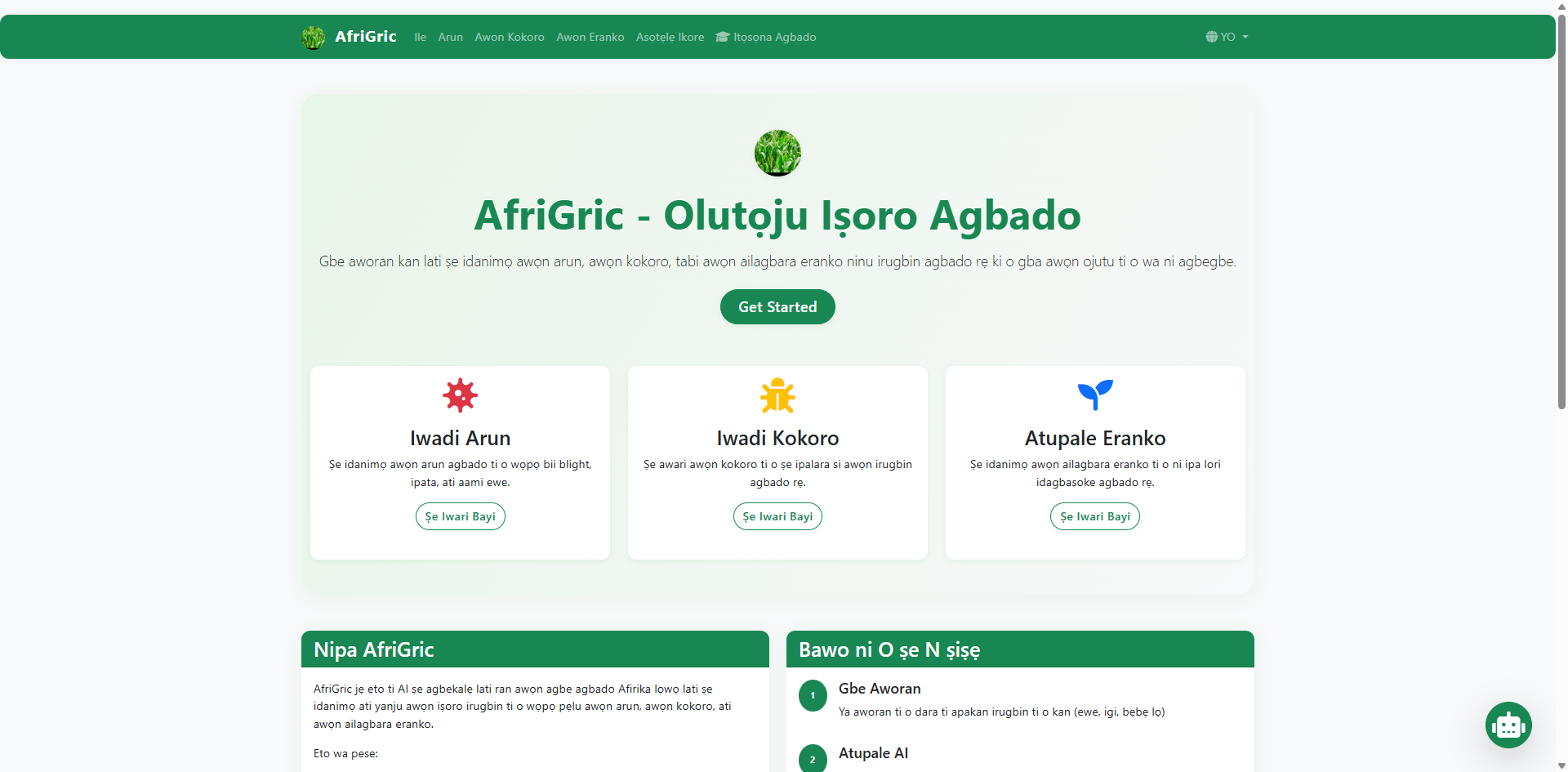
Inspiration
Inspired by the 33 million smallholder farmers in Africa who lose 30-40% of their crops to preventable issues. We saw a critical gap in access to affordable, localized, and multilingual expert advice, forcing farmers to rely on guesswork. Our inspiration was to build a "plant doctor in your pocket" to close this information gap and improve food security.
What it does
Afrigric is an AI-powered farming assistant that allows maize farmers to upload a photo of a sick plant and instantly receive a diagnosis for diseases (Blight, Rust), pests (Fall Armyworm), or nutrient deficiencies (Nitrogen, Potassium). It provides actionable, locally-adapted treatment and prevention plans in native languages (Yoruba, Hausa, Igbo). It also features an XGBoost model for crop yield prediction (enhanced by real-time weather data) and a Gemini-powered AI chatbot for on-demand farming advice.
How we built it
We built Afrigric on a lightweight Python/Flask backend. The core diagnostics are powered by three separate TensorFlow/Keras computer vision models. Crop yield prediction uses an XGBoost model fed by the OpenWeatherMap API. The multilingual AI assistant integrates Google's Gemini API via LangChain. The frontend is a responsive, mobile-first HTML/Bootstrap interface designed for low-bandwidth environments.
Challenges we ran into
Our greatest challenge was data sourcing; finding high-quality, labeled datasets for African-specific maize pests and nutrient deficiencies was difficult. Training and optimizing three separate, lightweight computer vision models within the hackathon timeline was also computationally intensive. Finally, translating complex agronomic advice into simple, actionable steps in multiple local languages required significant research.
Accomplishments that we're proud of
We are incredibly proud of building a functional, end-to-end application that integrates five distinct AI/ML technologies. Our key accomplishment is not just one diagnostic model, but three separate models for diseases, pests, and nutrients. We are also proud of the multilingual AI assistant (powered by Gemini) and our focus on providing localized, affordable solutions, not just generic advice.
What we learned
We learned that for complex diagnostic problems, a suite of specialized models (disease, pest, nutrient) performs far better than a single, monolithic model. We also gained deep insight into the power of new LLM-integration frameworks like LangChain for rapidly building useful, conversational tools. Most importantly, this project reinforced that for social impact, technical features must be secondary to user accessibility (low-bandwidth, local languages).
What's next for Afrigric
Our next step is to partner with agricultural extension services to gather more proprietary field data to expand and fine-tune our models. We plan to launch a pilot program with smallholder farmer groups in Nigeria to get real-world feedback. Future features include expanding to other staple crops (cassava, yams), adding an offline-first capability using PWA, and integrating a community forum for farmer-to-farmer advice.
Link to Afrigric Documents
https://drive.google.com/drive/folders/1iLP5YhOZwe9_0e5oi2KTmEYzXd8STGVE?usp=sharing


Log in or sign up for Devpost to join the conversation.