-
-
Inspiration
-
Inspiration
-
Setting up
-
Evidence #1
-
Evidence #2
-
Evidence #3
-
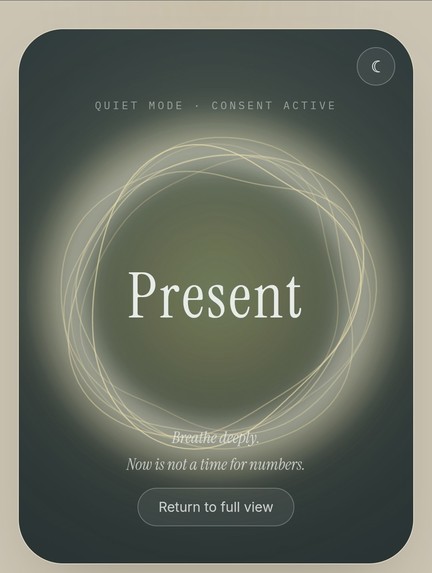
Quiet mode
-
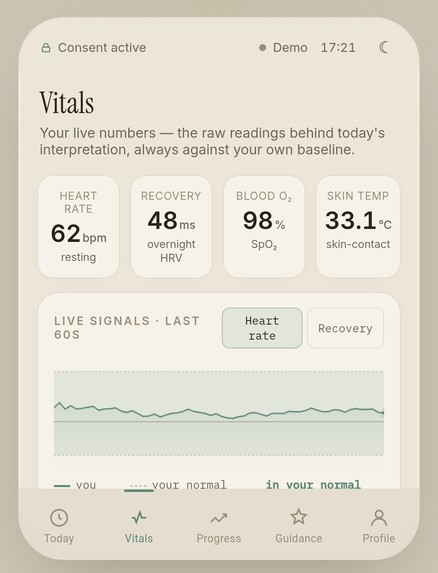
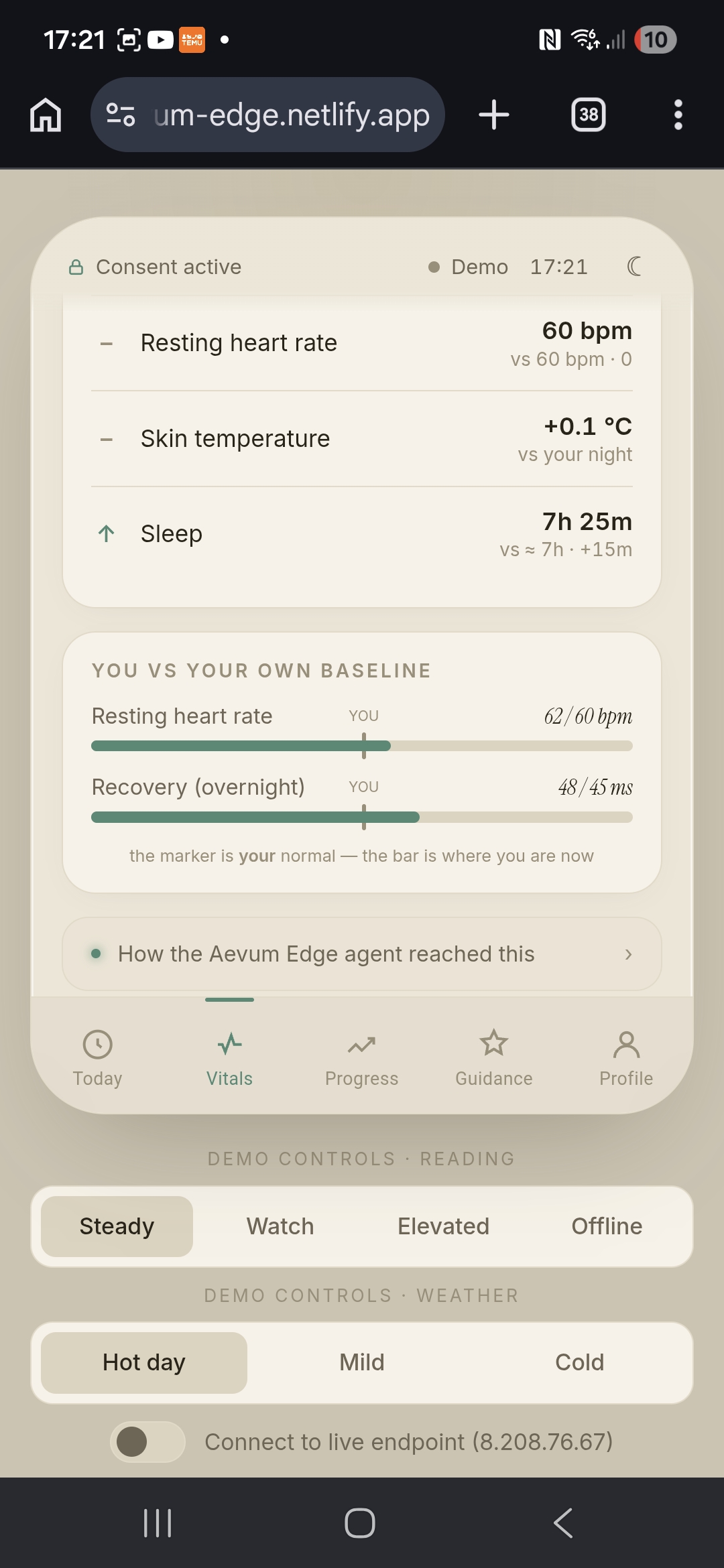
vitals
-
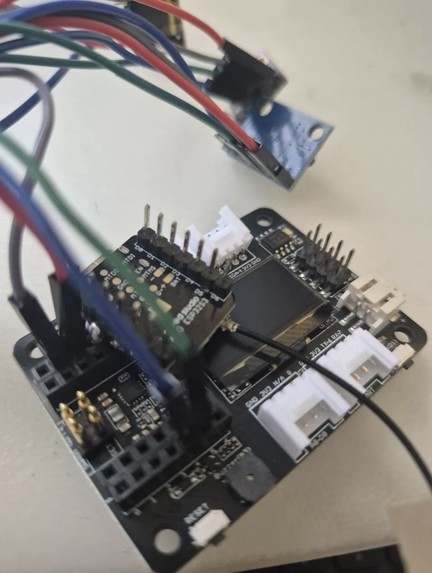
the set up
-
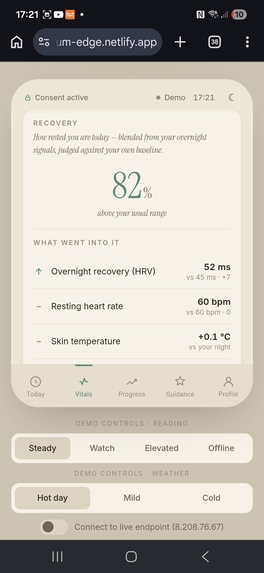
vitals
-
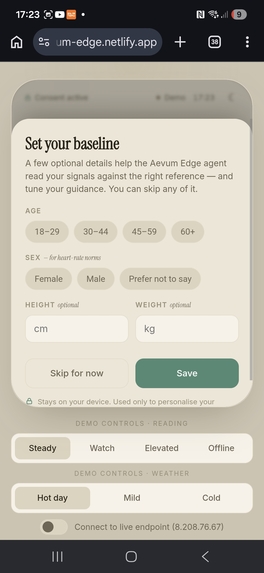
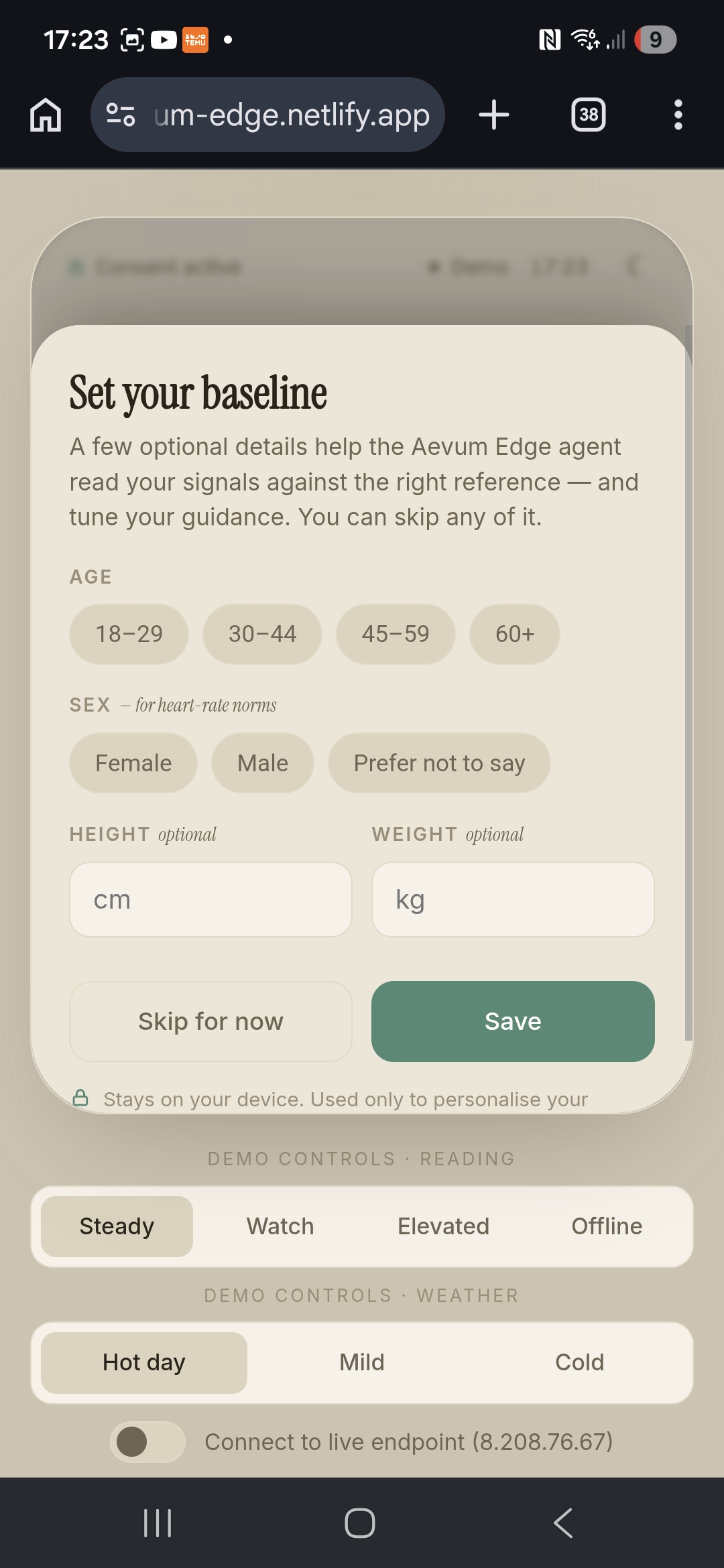
on boarding for baseline
-
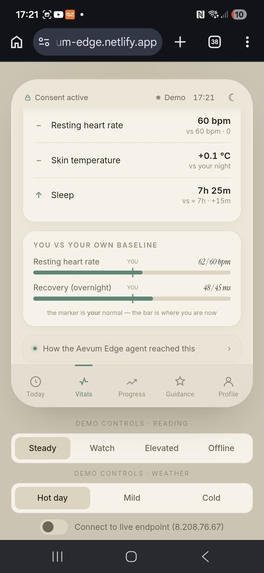
-
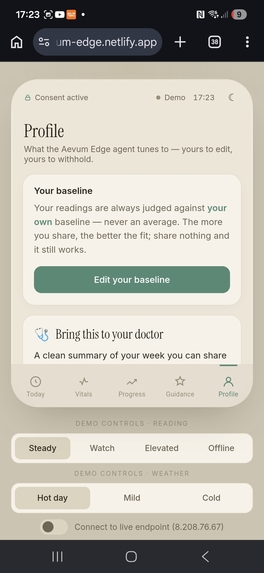
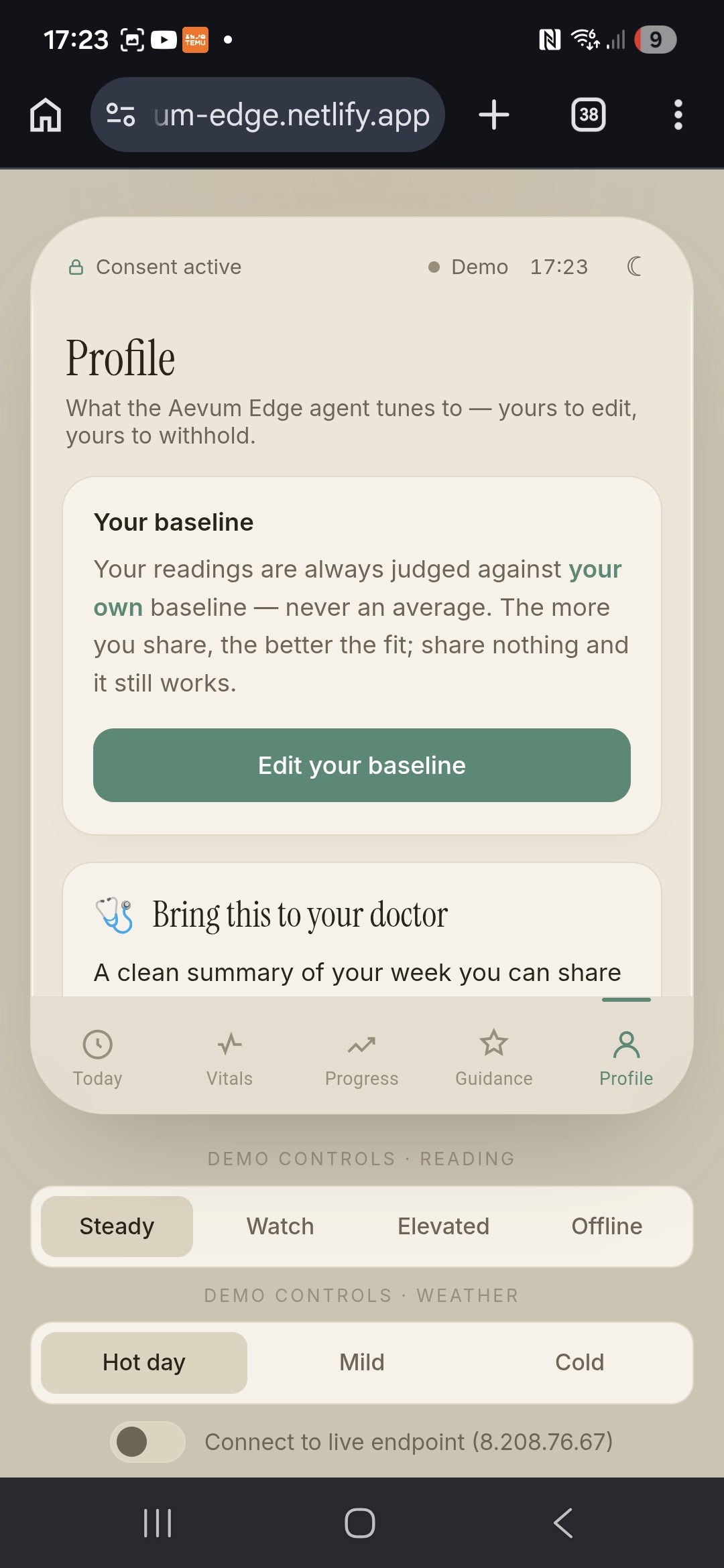
profile
-
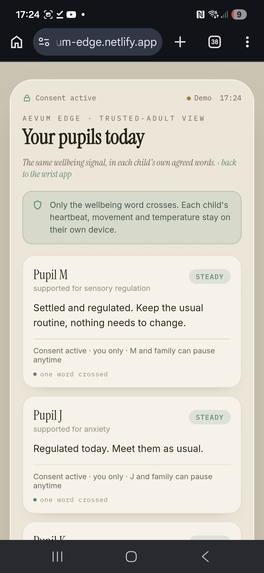
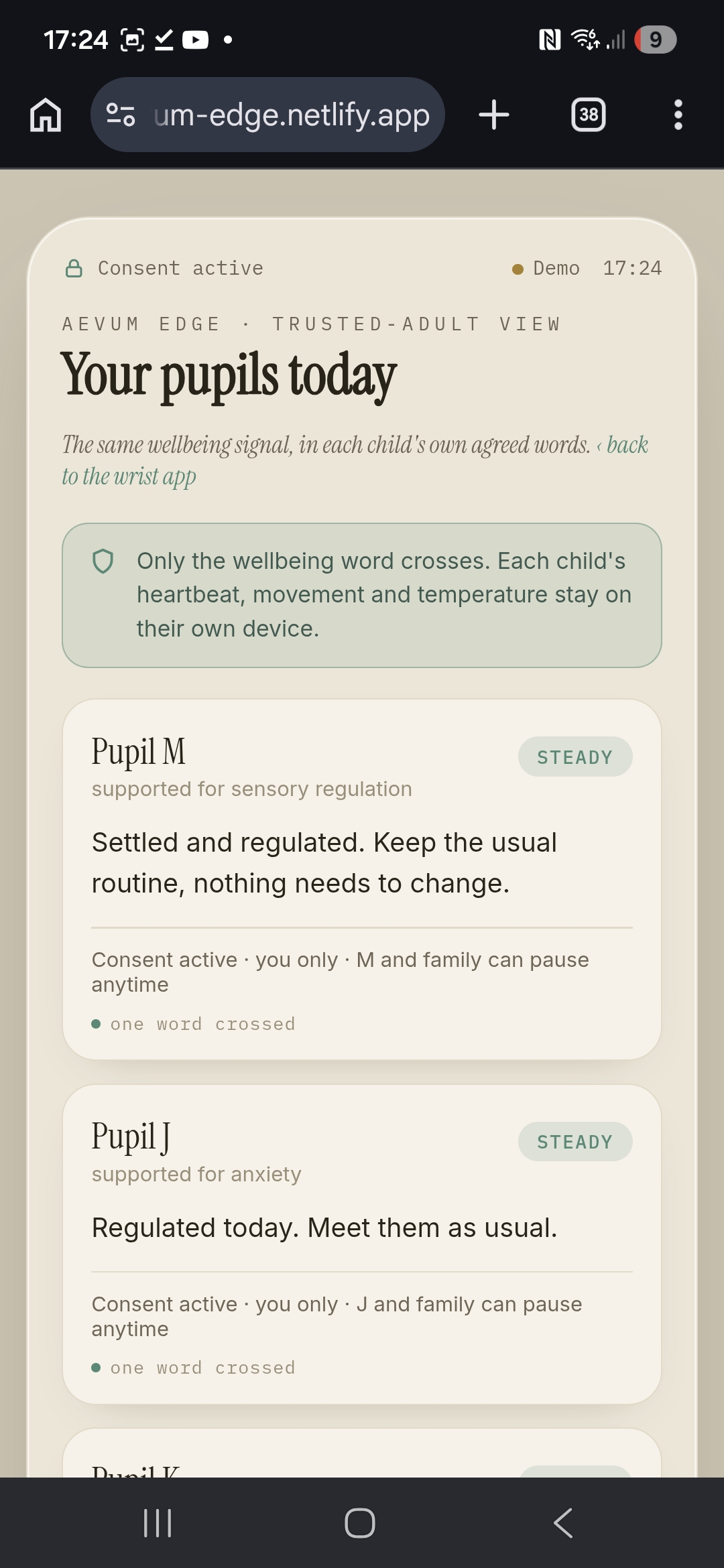
what teachers see in our teaching app
-
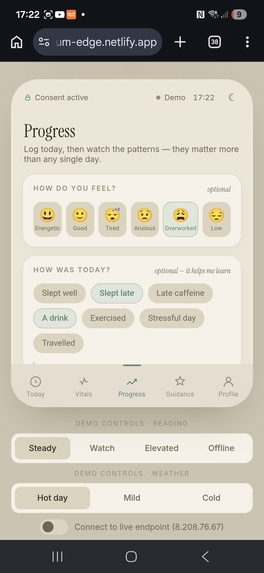
feedback to AI
-
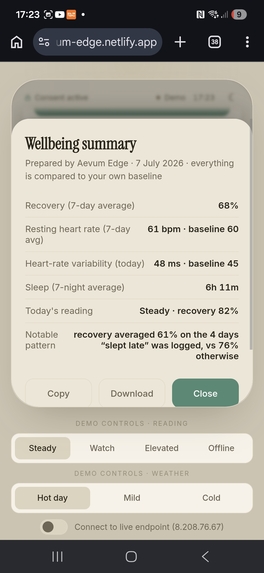
for gp to see signals
-
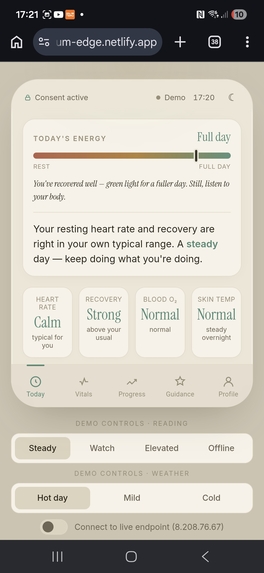
interpretation of numeric results
-
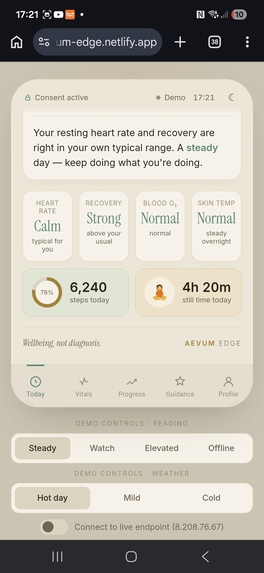
steps and time in rest or working siting down
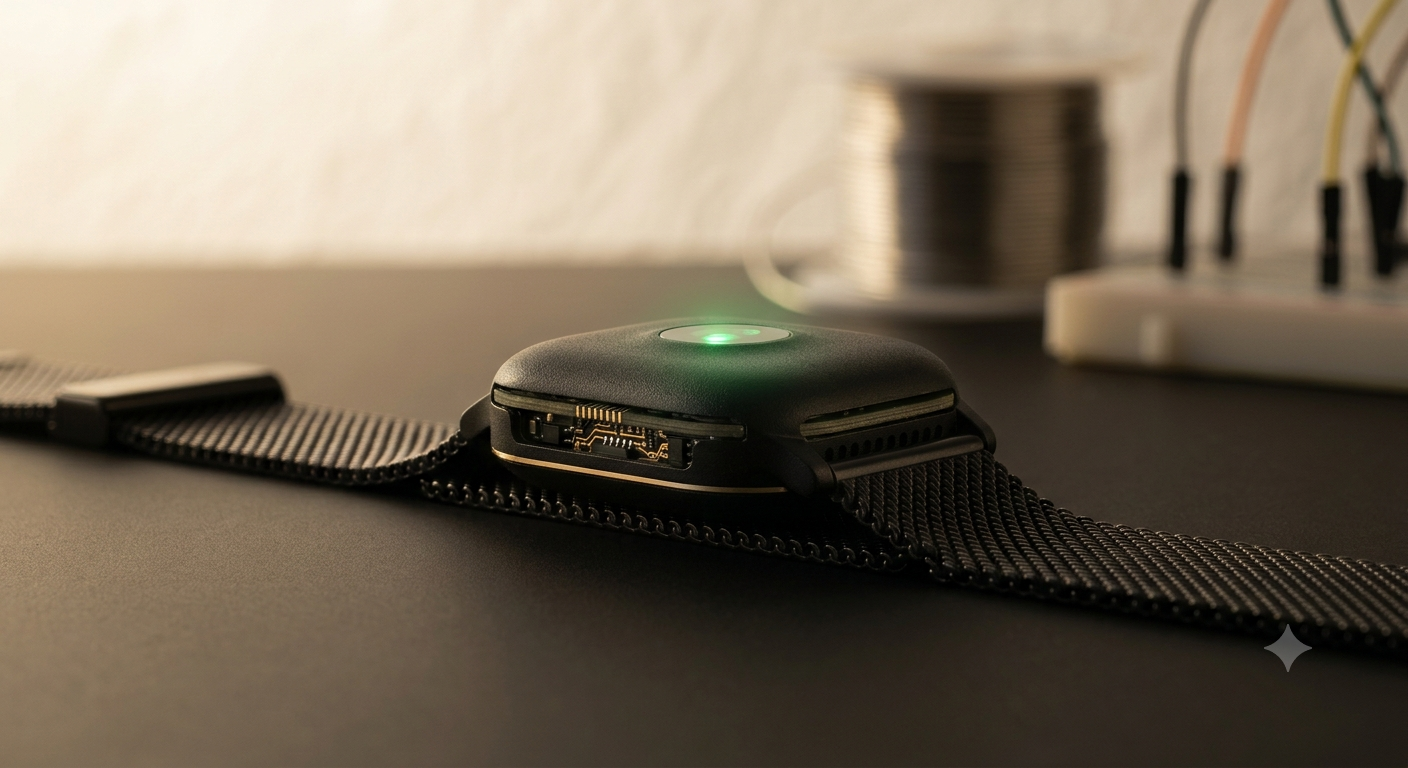
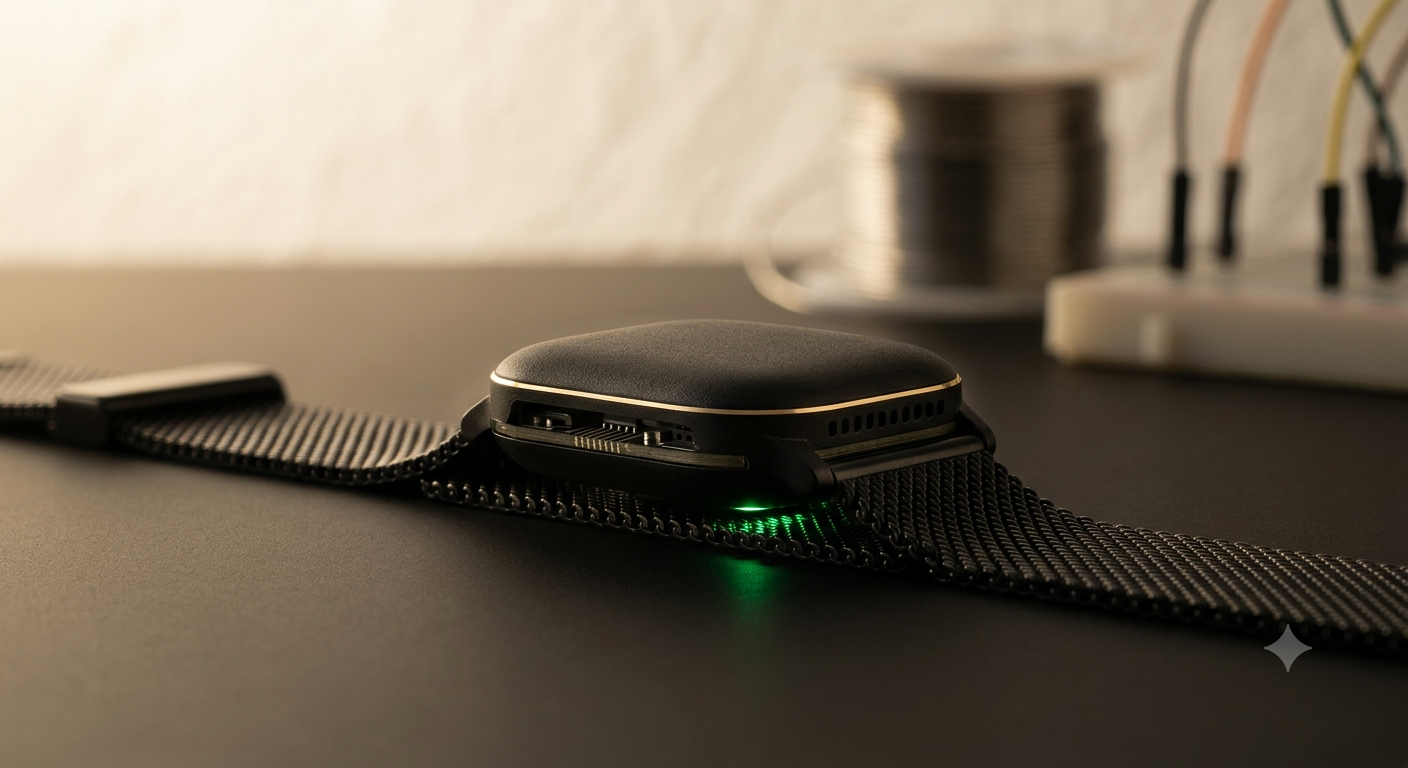
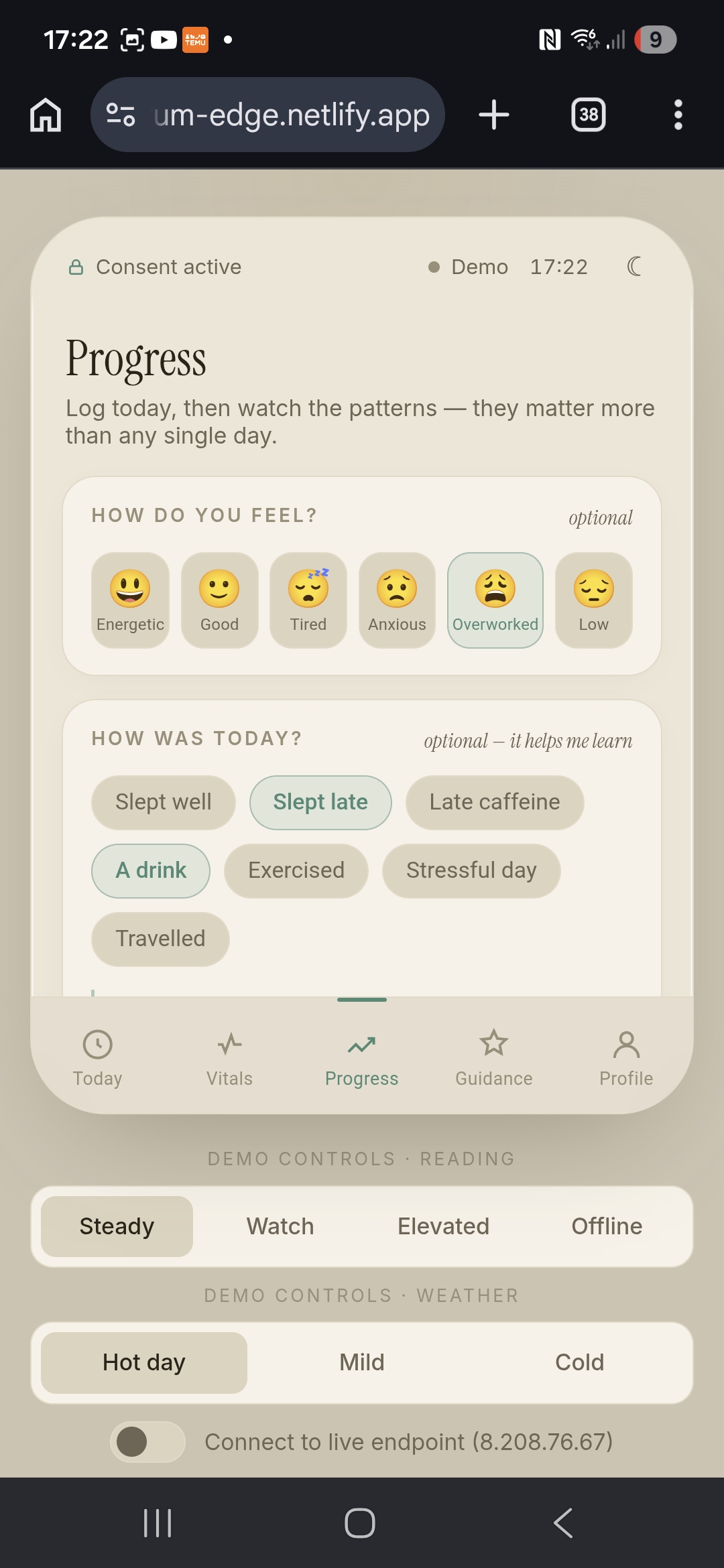
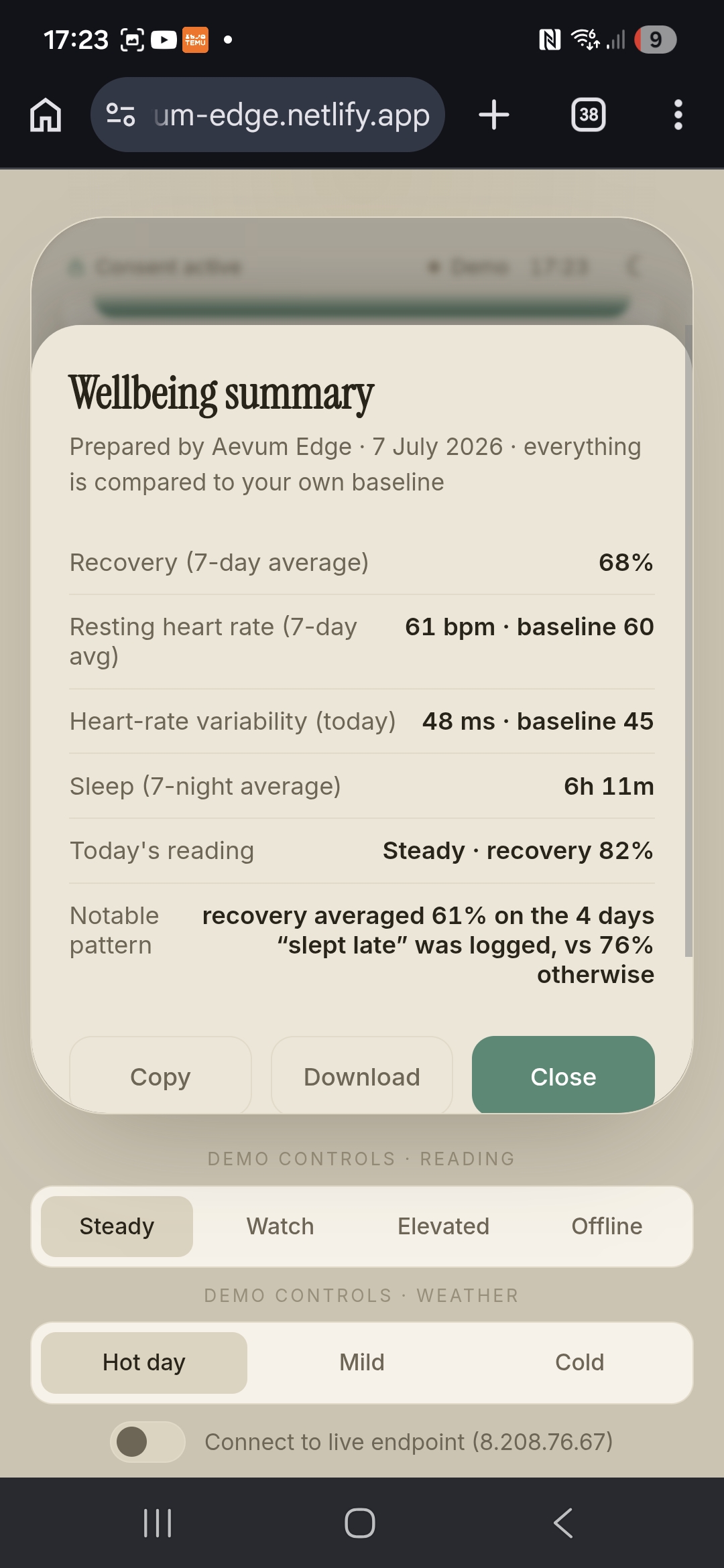
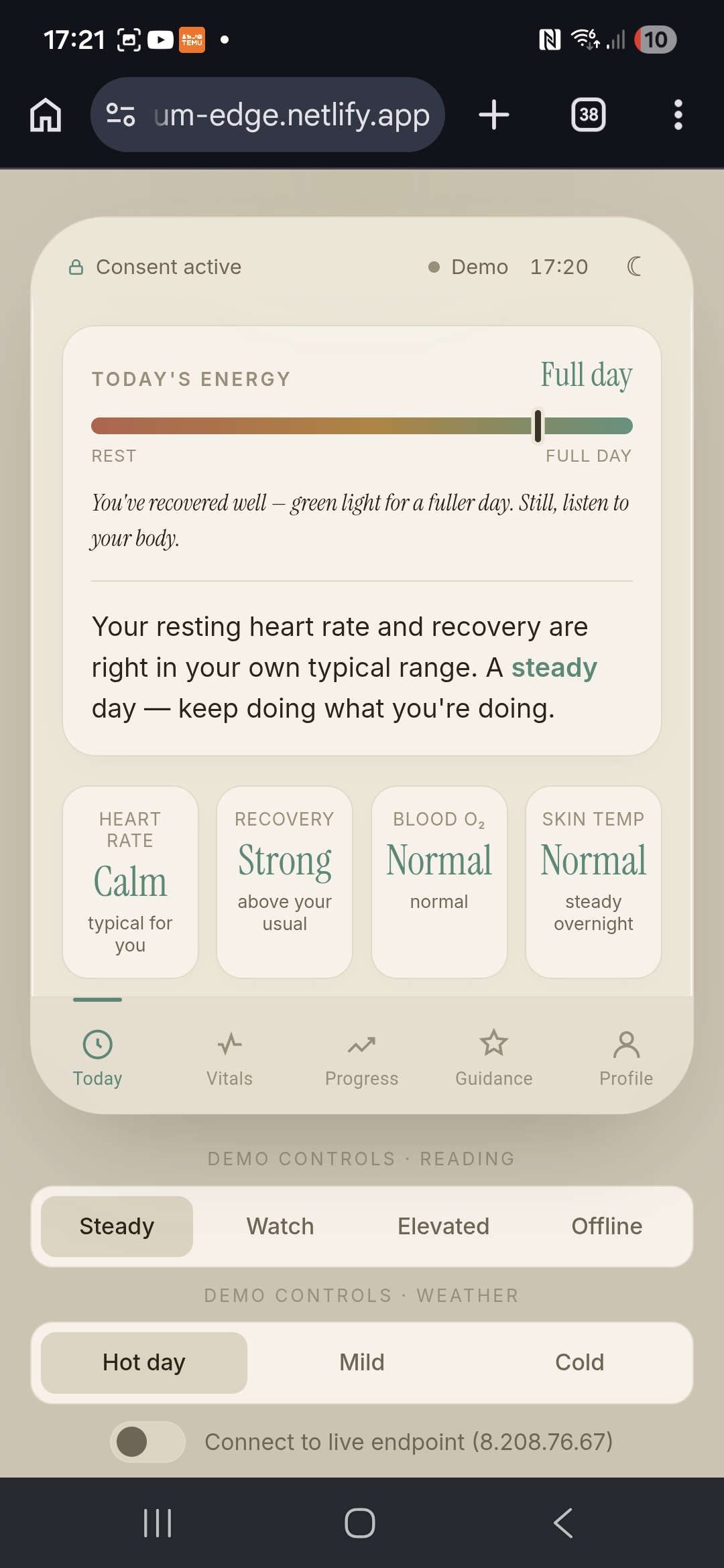
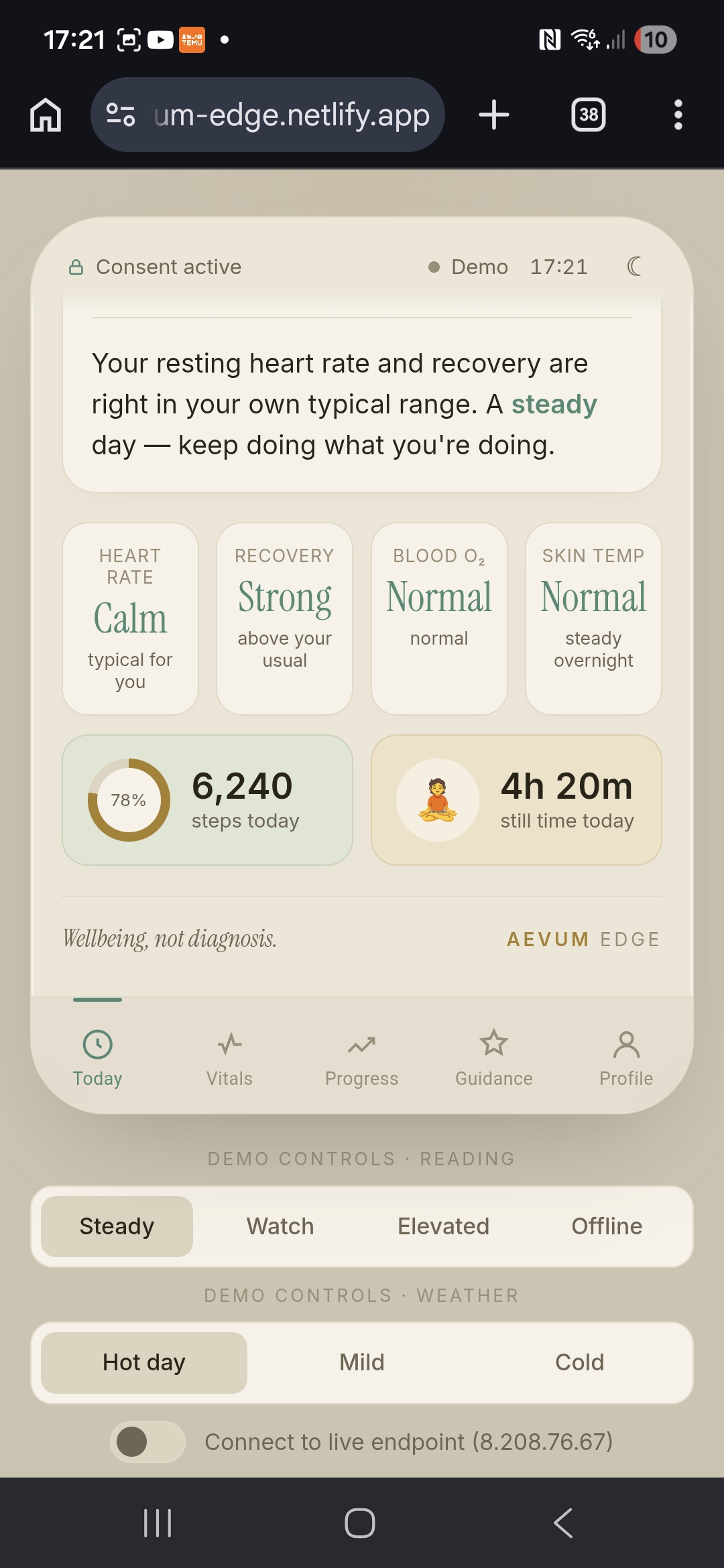
Aevum Edge
Qwen Cloud Global AI Hackathon · Track 5: EdgeAgent
Inspiration
The hardest part of a hard day is often not being able to say how you feel. Most of us find the words in the end. For a lot of children and teens with SEND, that is not a bad day, it is most days, and the cost of not being understood falls on them and on the adults trying to help.
Wearables ought to be good at this, and instead they make the same three trades. They lock you into one company's world. They send your most intimate data, your heartbeat, your movement, off your wrist to a cloud you do not control. And the moment the network drops, they stop being useful. The newest, most celebrated bands are no exception; they are built on exactly those trades.
So we built the opposite: a wellbeing wearable for anyone that senses at the edge, reasons with a cloud agent over only the few derived numbers you consent to share, keeps working when the network does not, and, by deliberate design, never makes a diagnosis. Its sharpest use is giving a voice to the people who most need one.
What it does
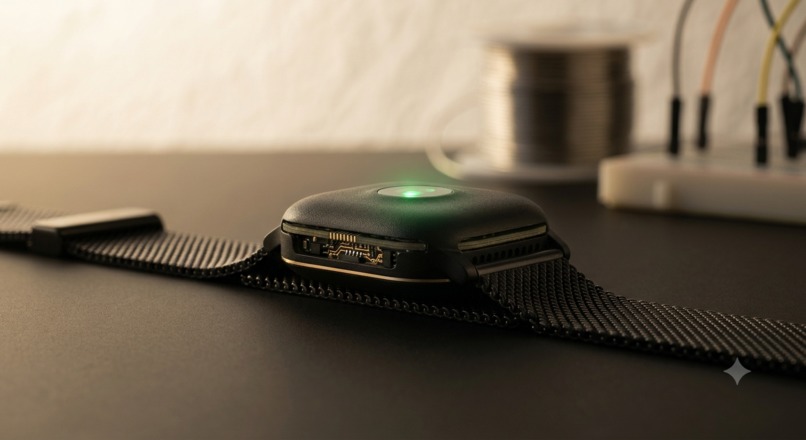
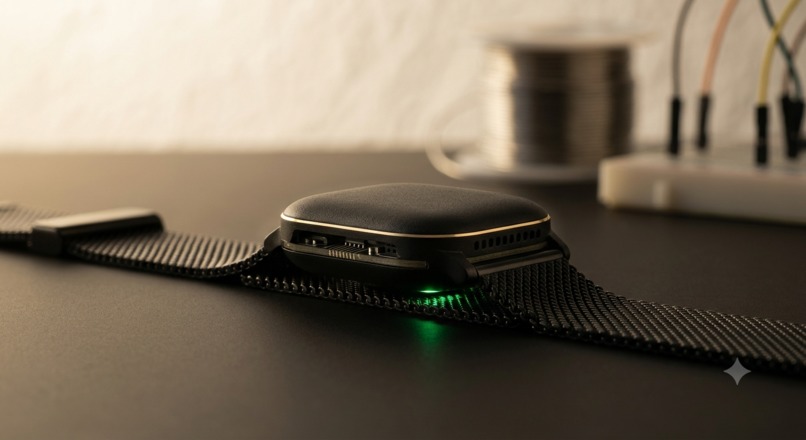
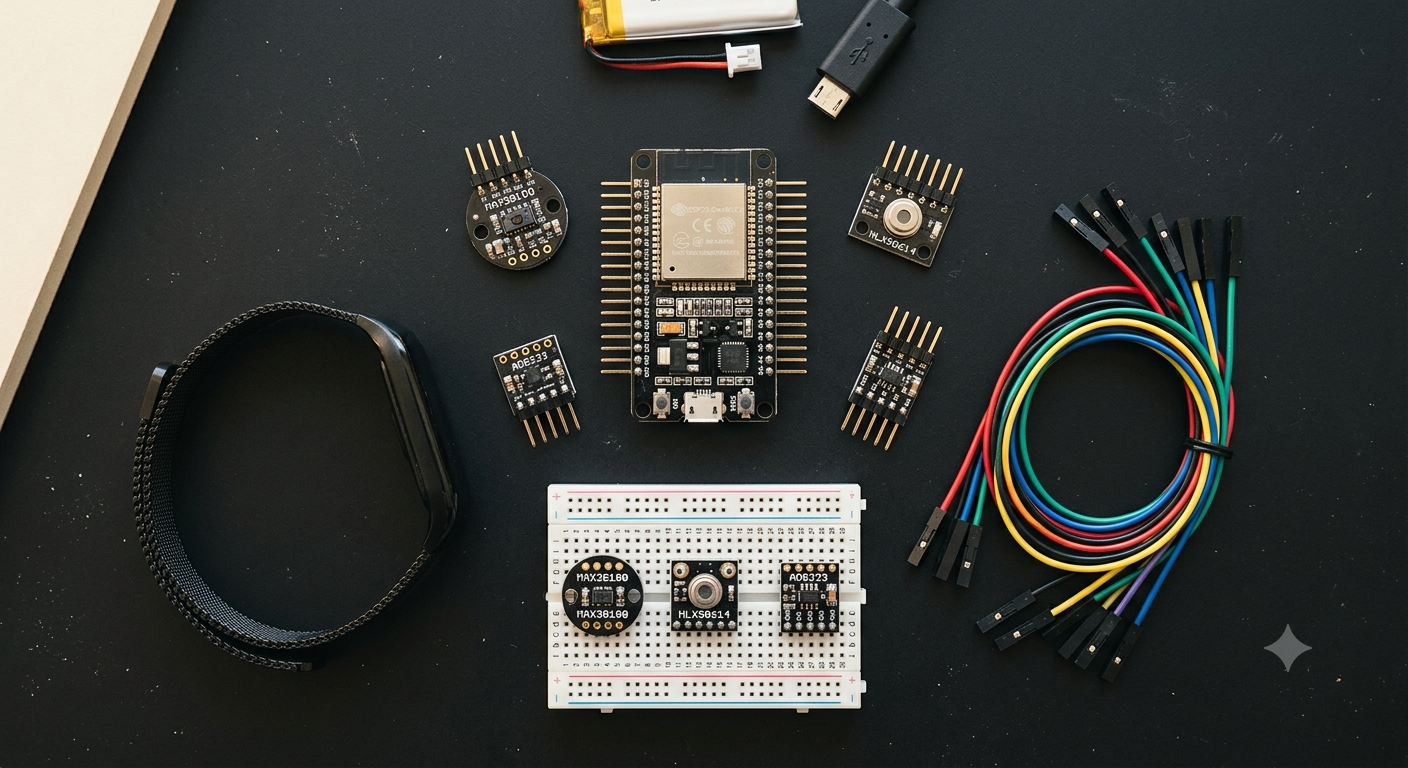
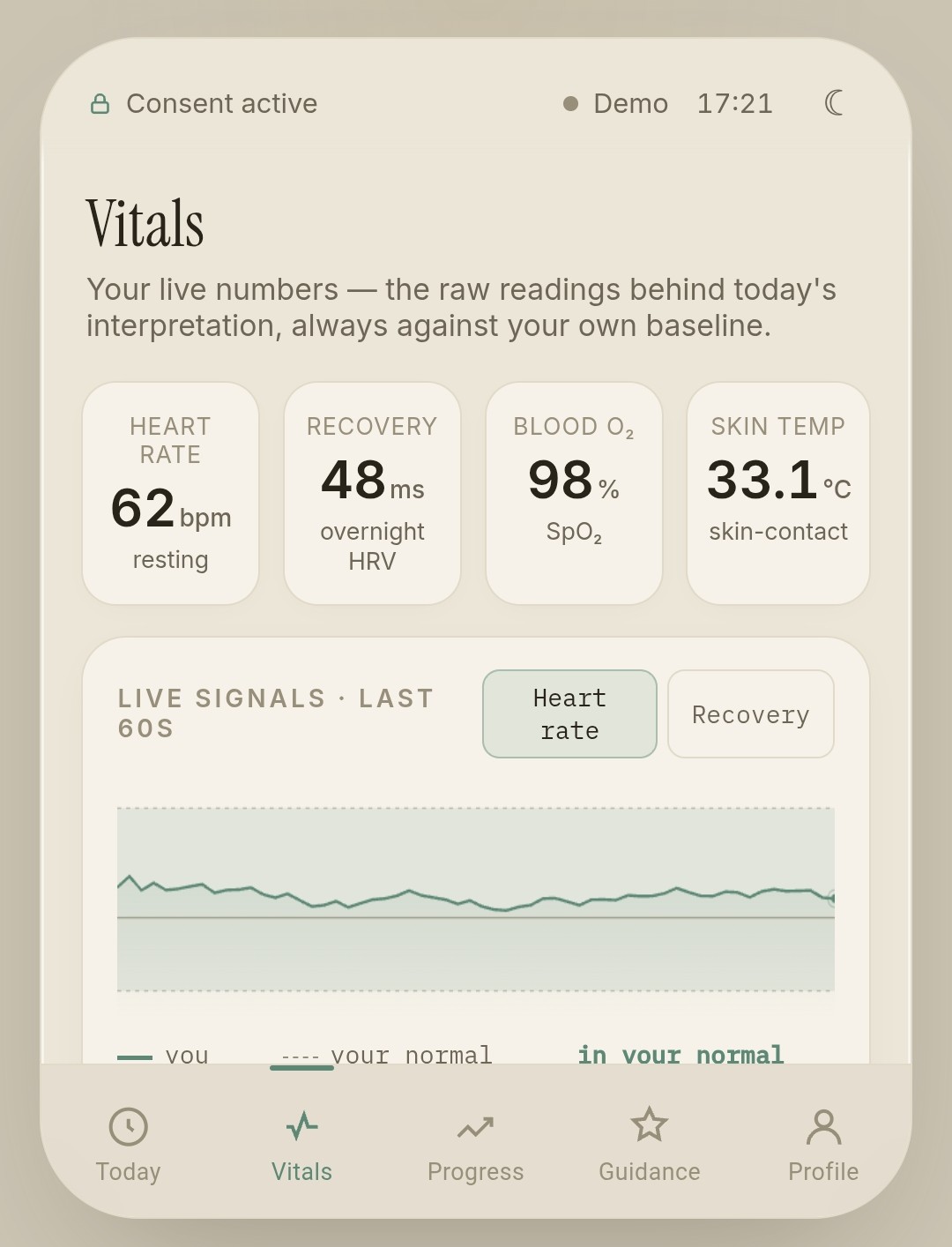
Aevum Edge is a screenless, wrist-worn wellbeing node built from low-cost sensors. It reads heart rate (PPG), motion (accelerometer and gyroscope), and skin-contact and ambient temperature, and it does the first heavy work on the device itself, turning raw waveforms into a handful of plain numbers.
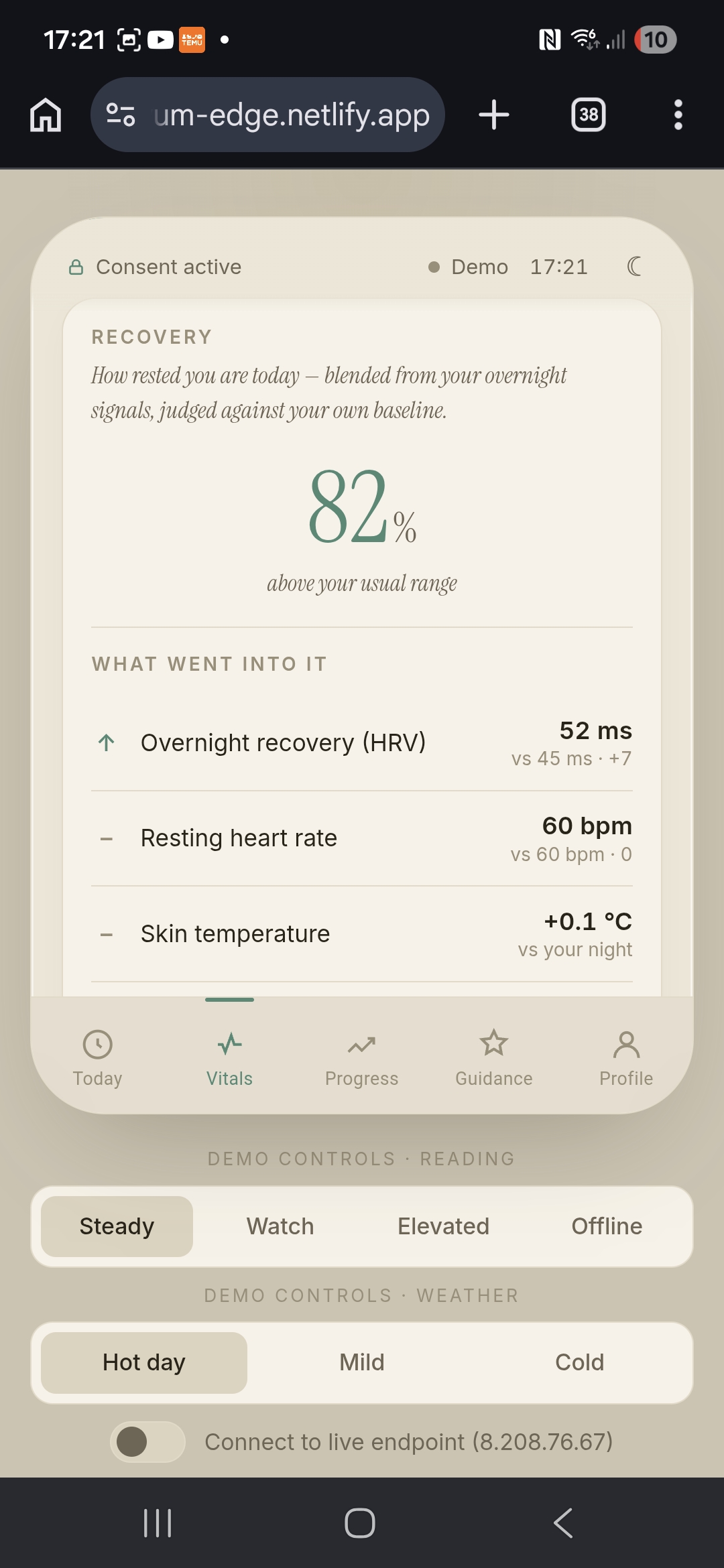
Only those numbers ever leave your wrist, and only with your consent. They travel to a Qwen-powered agent that interprets them against your own baseline and returns a structured, plain-language read: whether your signals are steady, worth a watch, or elevated, and why, in your own numbers. It never names or infers a condition, and never tries to treat one you have declared. If something is persistently off, it says so and points you to a real professional. That restraint is the product, not a limit on it.
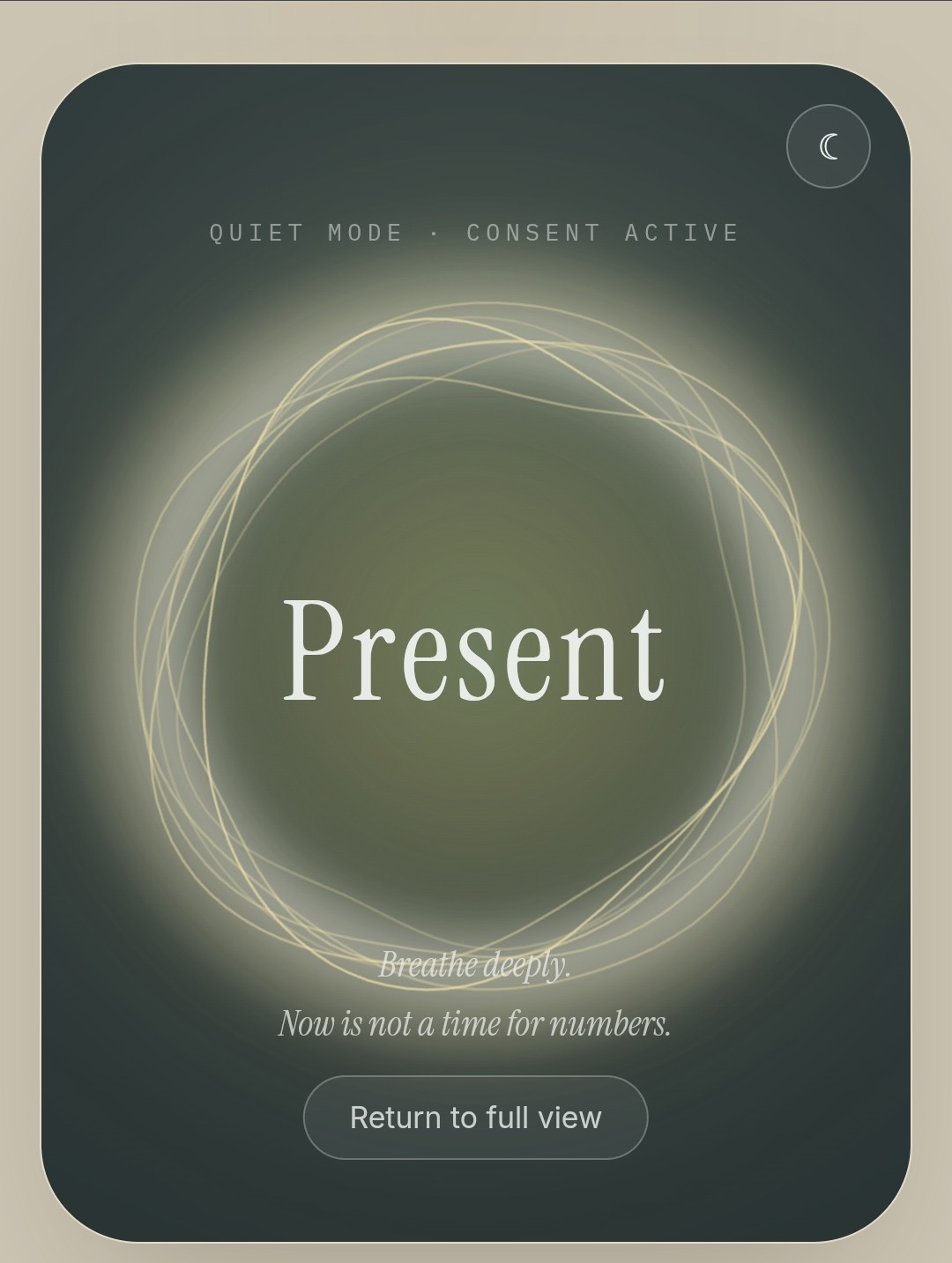
The same engine has a second face. In a school, with consent, the child's wrist becomes a live feelings card for a trusted adult. The same three states, translated per child into the response agreed in advance with them and their family, tell a teacher how that child is arriving today, so they can adapt the lesson, the demands, and their own approach before the day tips rather than after. The child never has to announce that they are struggling, and only the single translated word ever leaves the wrist. It is a signpost the child owns, read with an adult who is on their side, not a monitor pointed at them.
How we built it
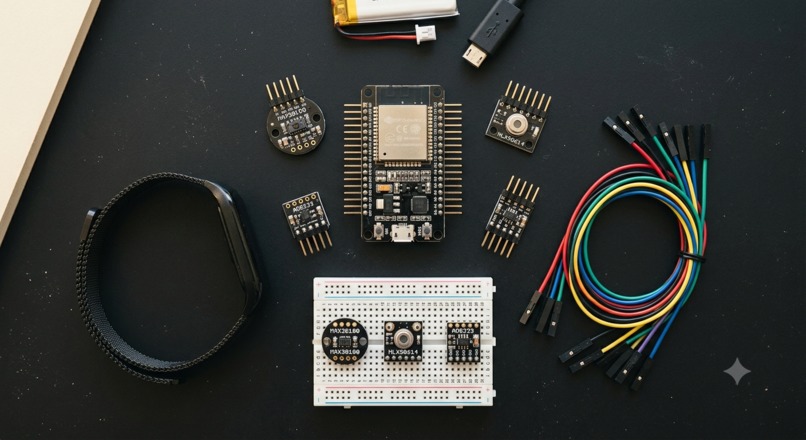
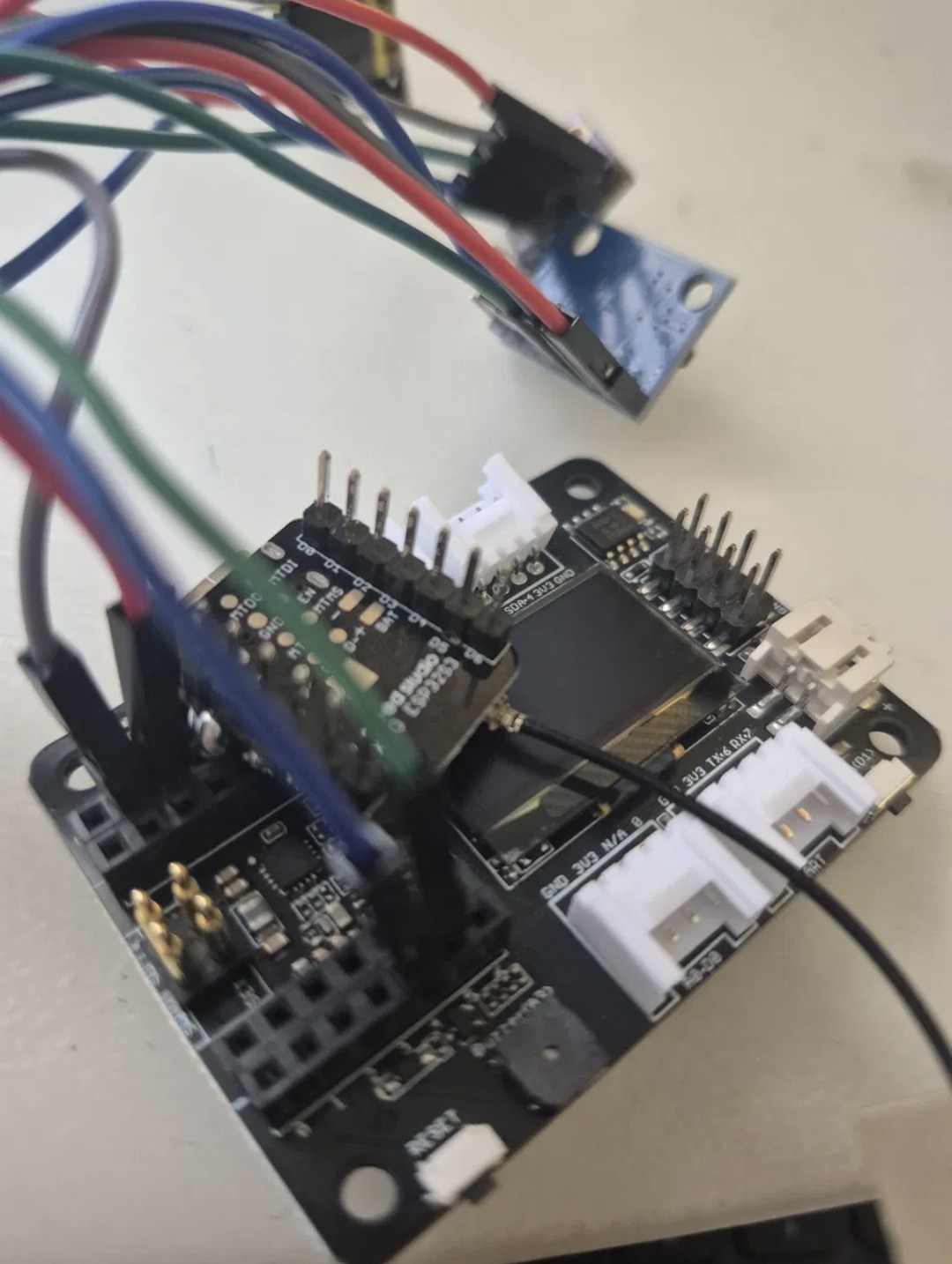
The device is a XIAO ESP32-S3 with a MAX30102 (PPG), an MPU-6050 (motion), and a BME280 (ambient) sharing one I²C bus. The build is solder-light: the sensors sit on a small breadboard with jumper wires, and the only soldering is the header strips onto the board, so it stays open to makers without a lab bench. The firmware samples each fifteen-second window, extracts features on-device (heart rate, pulse-rate variability gated on stillness, movement quality, thermal context), enforces a fail-closed consent check, and POSTs only the derived features.
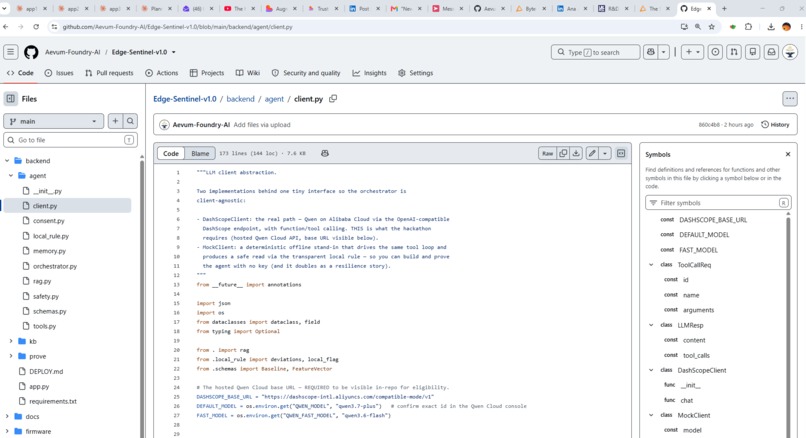
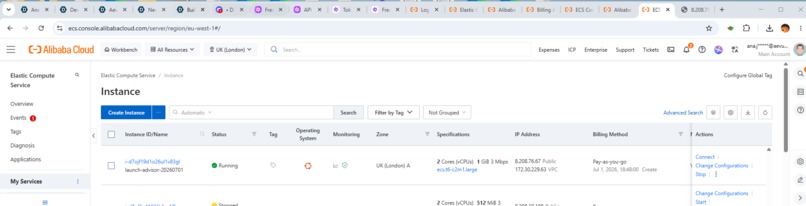
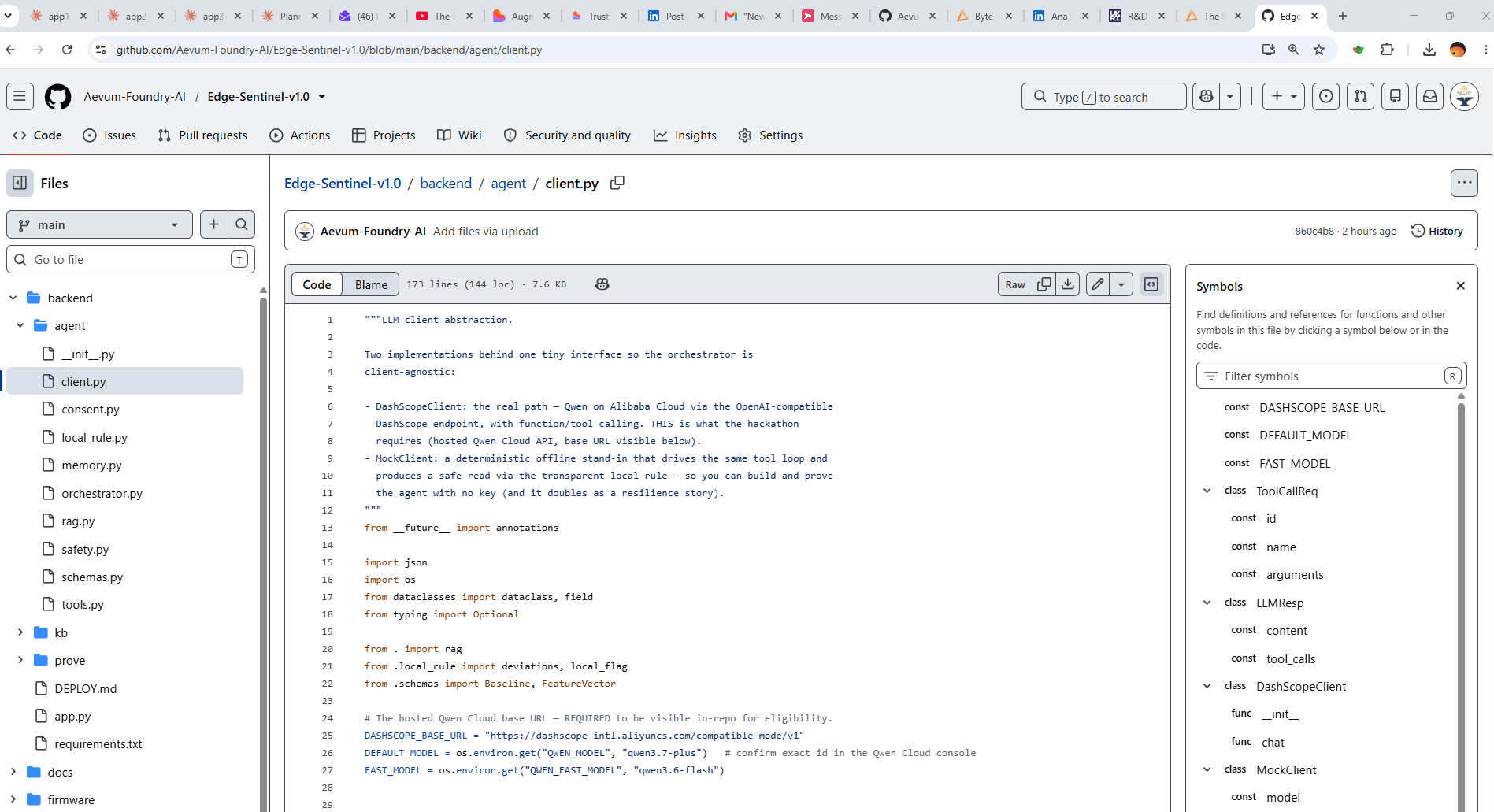
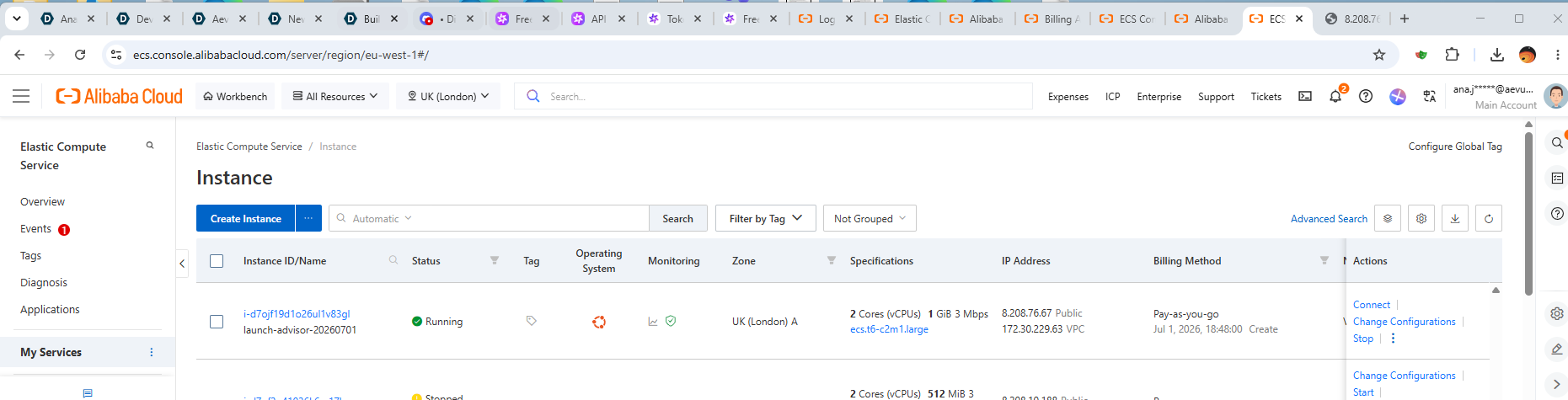
The cloud core is a real agent, and this is the part we are proudest of. It is not a single model call. A Qwen qwen3.7-plus agent runs a plan, act, synthesise loop: it decides which of six specialised tools to call (cardiac features, movement analysis, thermal context, baseline comparison, wellbeing retrieval, and safety signposting), chains them, grounds its advice in a licence-clean retrieval knowledge base, remembers your personal baseline, and is wrapped by two guards, a fail-closed consent gate and a diagnosis-free scrubber. Every tool call is logged, so the reasoning is inspectable, not a black box. We run qwen3.7-plus for the structured reasoning and qwen3.6-flash for the low-latency path, a deliberate split rather than one model for everything. It sits on Alibaba Cloud ECS, calling the hosted Qwen Cloud API; the OpenAI-compatible endpoint made wiring the model in the cleanest part of the whole build.
When the network drops, the device does not go dark: it falls back to a transparent on-device rule and keeps giving a reading. When the connection returns, the agent's richer reasoning comes back with it. That is what edge should mean: graceful, not brittle.
Challenges we ran into
Trustworthy physiology from a cheap optical sensor. Pulse-rate variability from a wrist PPG is only meaningful when you are still; movement swamps it. So we gate it on stillness rather than report a confident but wrong number. Honesty over bravado is the whole ethos.
Keeping the medical-device line bright. It is tempting to add blood pressure and biological age; the market rewards them. But those signals pull a wellbeing device toward regulated-medical-device territory. We drew the line deliberately and kept every output relative to your own baseline, never a clinical claim.
Making the SEND signal dignified, not surveillance. A child's state is the most sensitive thing in the whole system. So only one translated word ever crosses, always with consent, the child can switch it off, and the physiological detail never leaves the device. The rule was simple: nothing about the child without the child.
Proving personalisation is real. The same reading has to mean different things for different people, so we built a rolling per-user baseline. An identical heart rate reads steady against one person's pattern and elevated against another's, and we can show it live.
Accomplishments that we are proud of
- A real agent, not a wrapper: six tools, retrieval, memory, and a safety layer, with an inspectable tool-trace.
- ~33x data minimisation: a raw sensor window is about 8 KB; only about 240 bytes of derived features leave the wrist.
- Sub-millisecond offline fallback: the device stays useful with no network and no model.
- Diagnosis-free by construction: a constrained vocabulary plus a server-side scrubber, not just a disclaimer.
- A feelings card for a child who cannot find the words: dignified, consent-bound SEND support that gives a voice rather than watching.
- Accessible by design: solder-light hardware and open-core software that works fully, even unpaid. ## What we learned
That restraint is a feature. In a category racing to claim more, more vitals, more medical-grade language, more of your data in their cloud, the harder and more valuable engineering was deciding what not to do: what not to send, what not to claim, what not to diagnose. The edge-first, consent-first, diagnosis-free position is not a compromise we settled for; it is a moat a cloud-dependent incumbent cannot easily cross.
What's next
We are adding a research-grade temperature sensor, and cuffless blood-pressure estimation is on our research roadmap, calibrated against a reference cuff and held there deliberately until it can be validated, because we will not surface a vital sign we cannot stand behind. Next, the feelings card connects into the classroom learning app we are designing, so a child's state can shape the lesson in the moment. Further out, a pilot with Aevum Terra, a rural cooperative wellness community we are developing in the Alentejo and Algarve region of Portugal, privacy-first wellbeing in exactly the kind of place that needs it most.
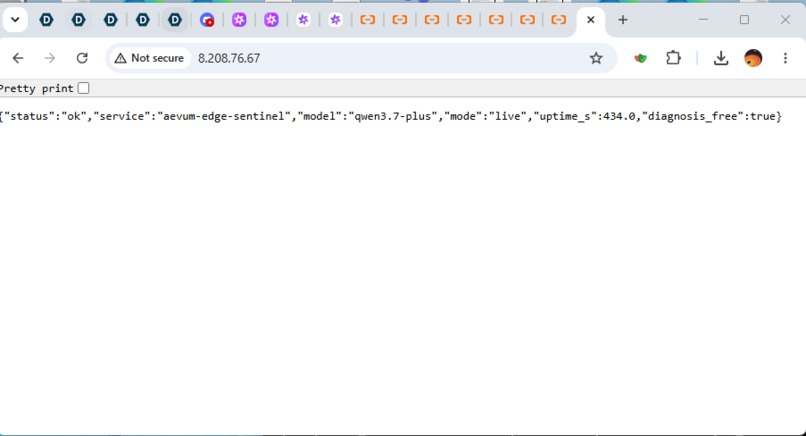
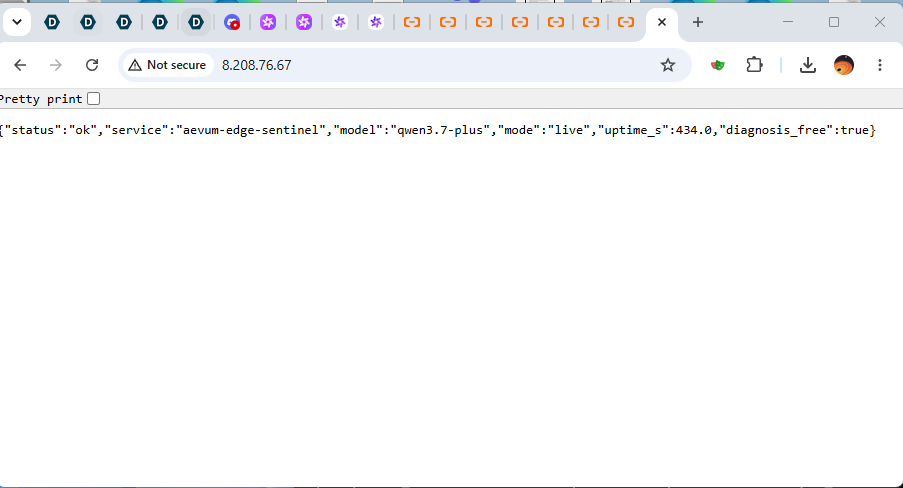
Aevum Edge is open-source (MIT). Built by Aevum Foundry AI Ltd. Live endpoint: http://8.208.76.67/ · Code: github.com/Aevum-Foundry-AI/Aevum-Edge-v1.0


