-
-
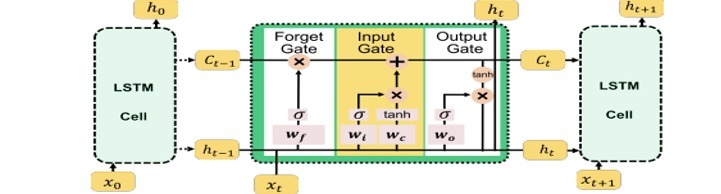
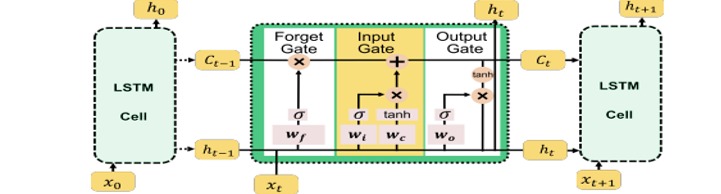
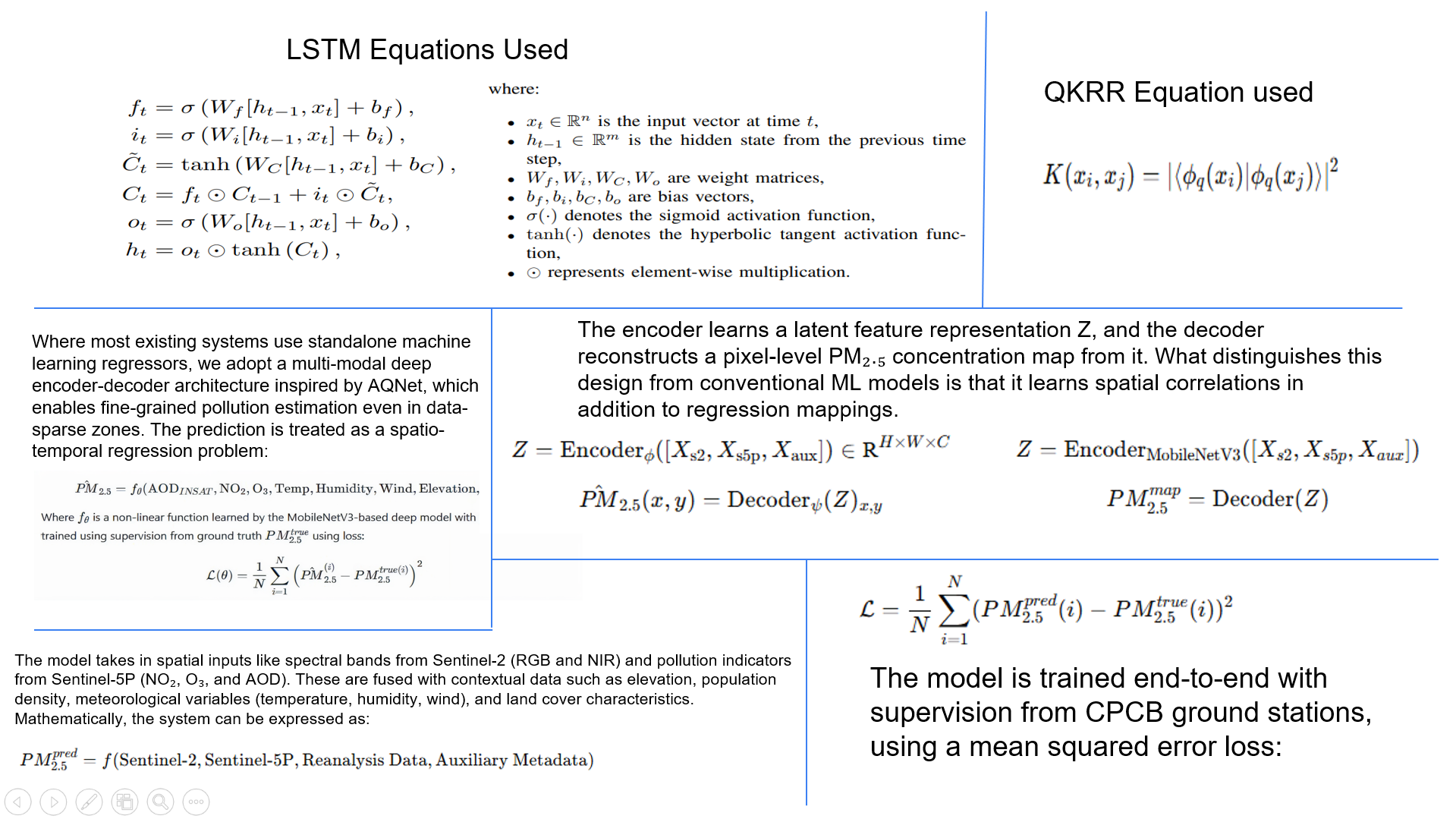
LSTM Network
-
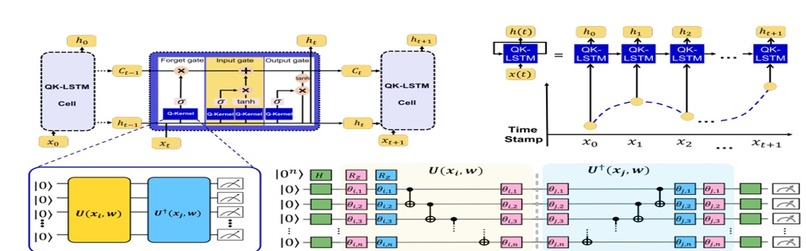
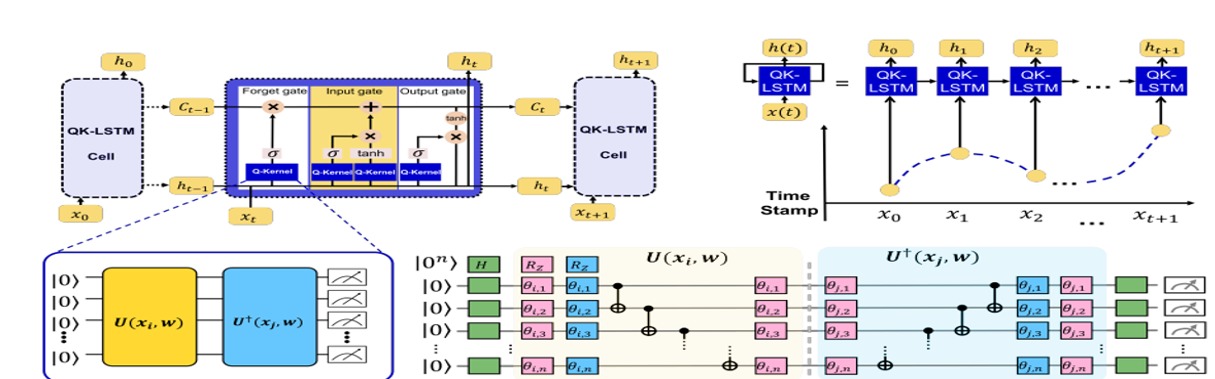
Integration of Quantum Kernel into LSTM
-
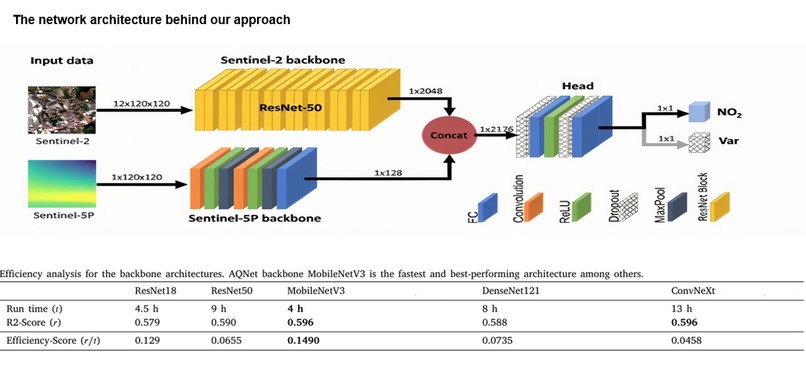
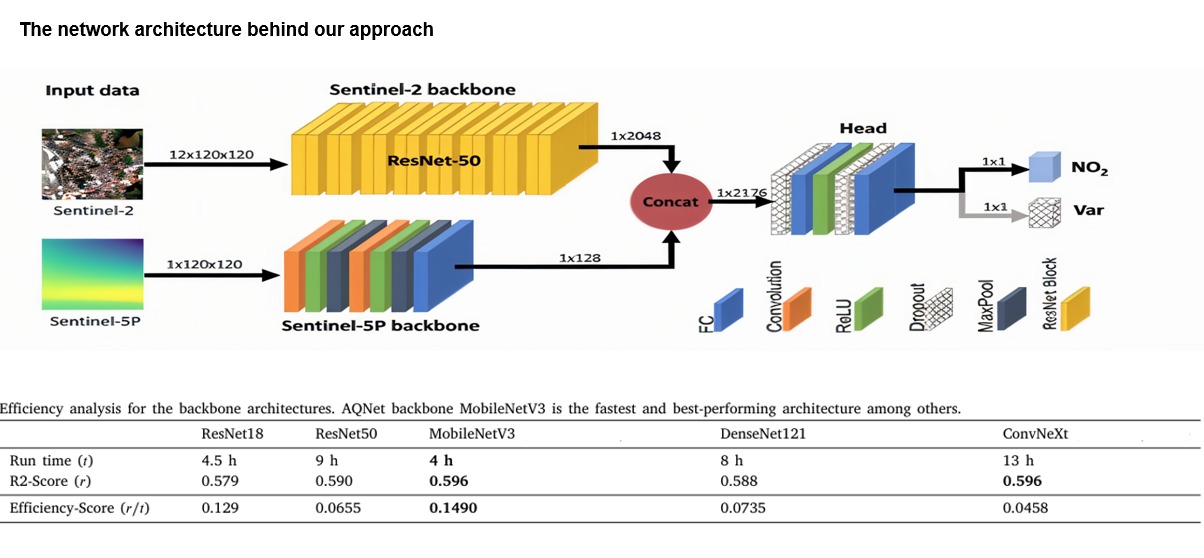
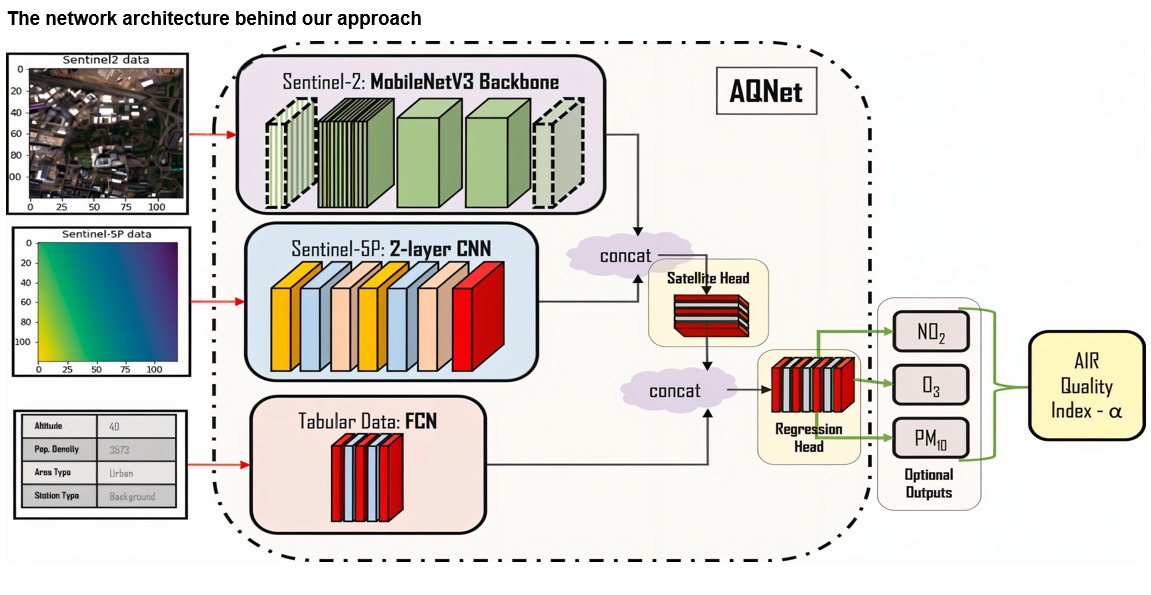
Sentiel 2 working architechture
-
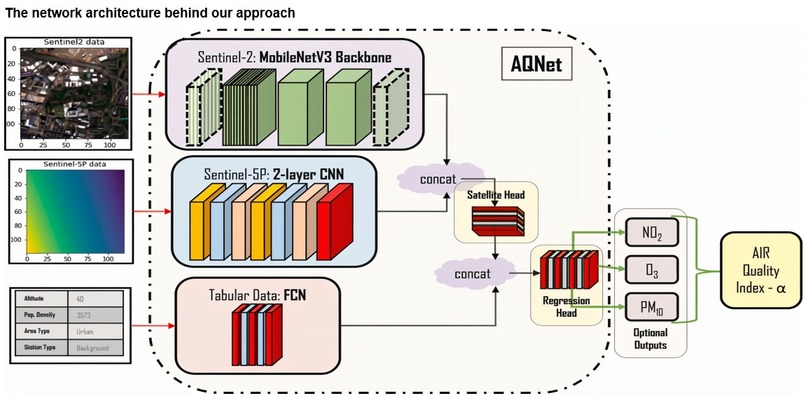
AQNet Flowchart
-
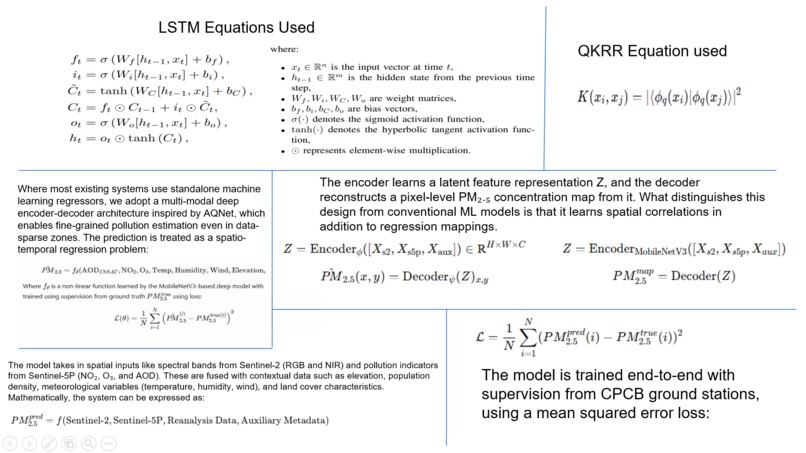
The Mathematical Framework for our Model
Inspiration We were inspired by the challenges of analyzing complex environmental data, which is often nonlinear, high-dimensional, and noisy, as traditional machine learning struggles to capture its intricate patterns.
What it does AetherQuant is a quantum-inspired AI framework that estimates surface-level PM2.5 concentrations by integrating satellite data, ground sensors, and weather reanalysis datasets. It uses Quantum Kernel Methods to capture subtle, nonlinear relationships in the data that classical models might miss.
How we built it We built a hybrid quantum-classical model using an encoder-decoder network and leveraged Qiskit to deploy Quantum Kernel Ridge Regression (QKRR) with the ZZFeatureMap to define a quantum feature space.
Challenges we ran into We faced challenges integrating heterogeneous data from multiple sources and grappling with the limitations of current quantum hardware, such as the Noisy Intermediate-Scale Quantum (NISQ) era's restricted qubit counts and high error rates.
Accomplishments that we're proud of We are proud of successfully creating a hybrid framework that integrates Quantum Kernel Methods into a classical deep learning pipeline, which allows us to model complex pollutant-weather interactions and gain a tangible experimental edge over conventional methods.
What we learned We learned that Quantum Kernel Methods offer a compelling approach to address complex environmental data, but their practical application is still contingent on significant advancements in quantum hardware and the development of noise-resilient algorithms.
What's next for AetherQuant Next, we plan to explore more advanced error mitigation techniques and, in the long term, integrate insights from quantum chemistry to model intricate chemical reactions among pollutants with greater accuracy.
Built With
- geopandas
- netcdf4
- optuna
- python
- qiskit
- qk-lstm
- scikit-learn
- shap
- tensorflow
- xarray
- xgboost

Log in or sign up for Devpost to join the conversation.