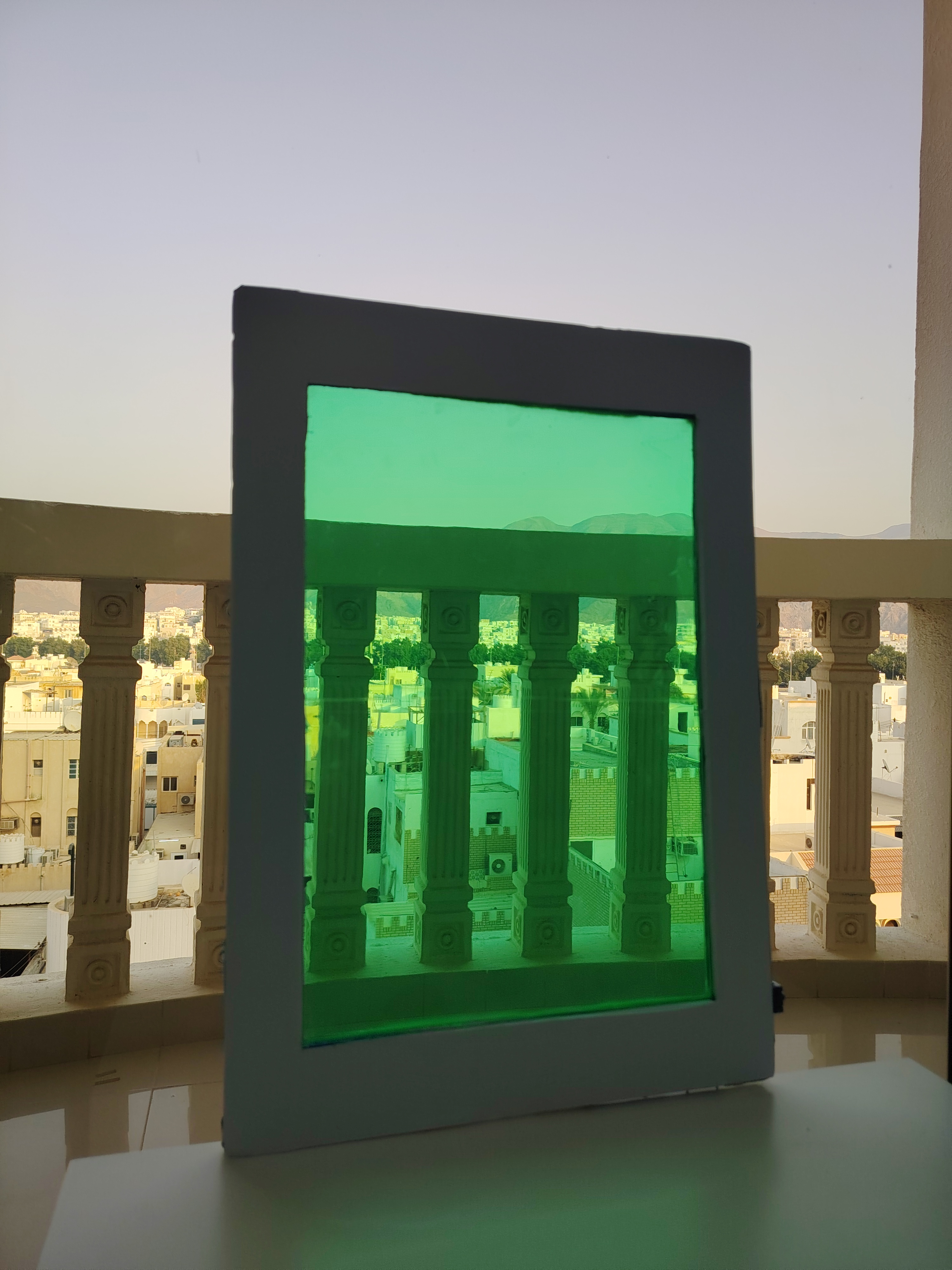
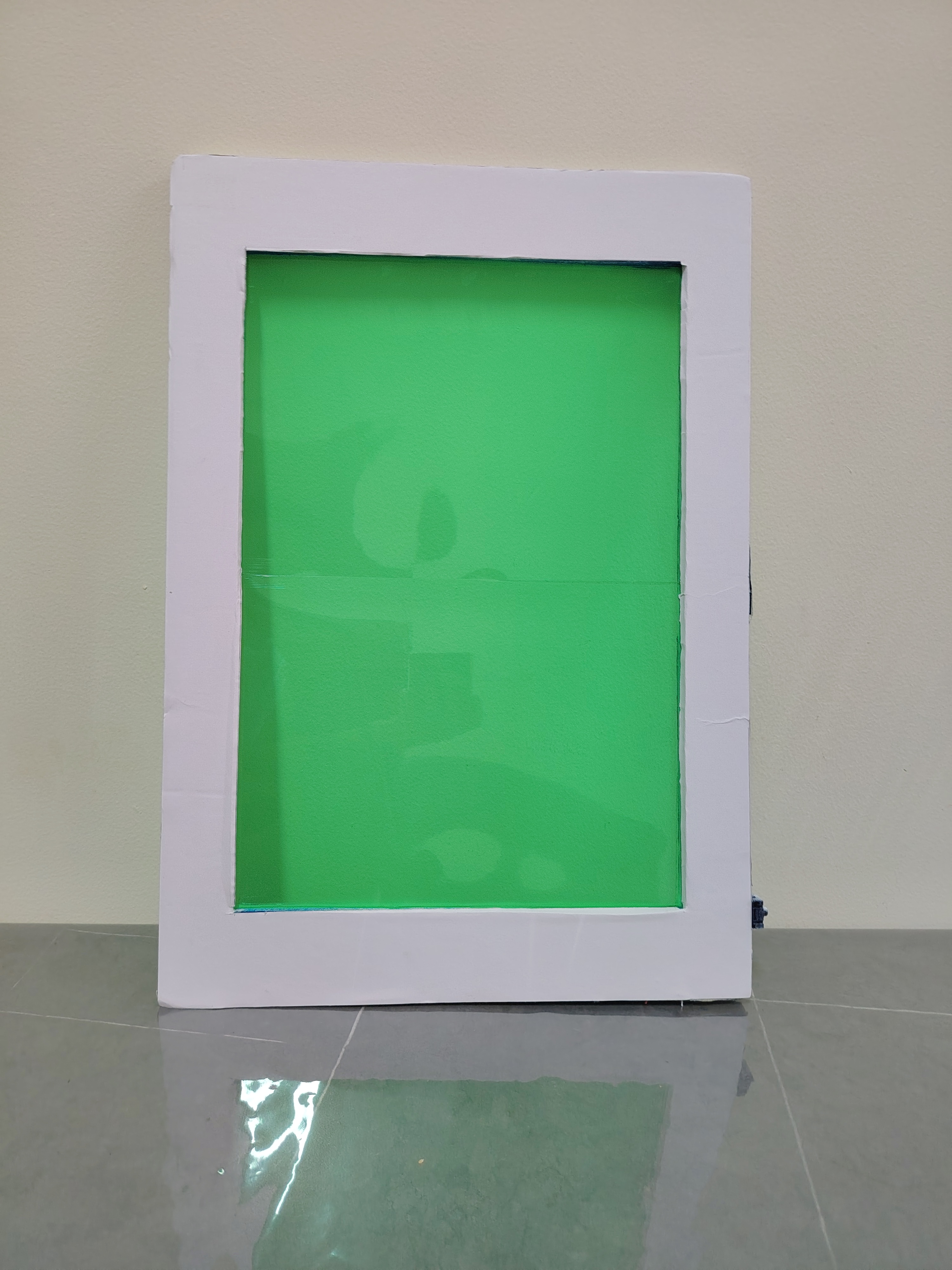
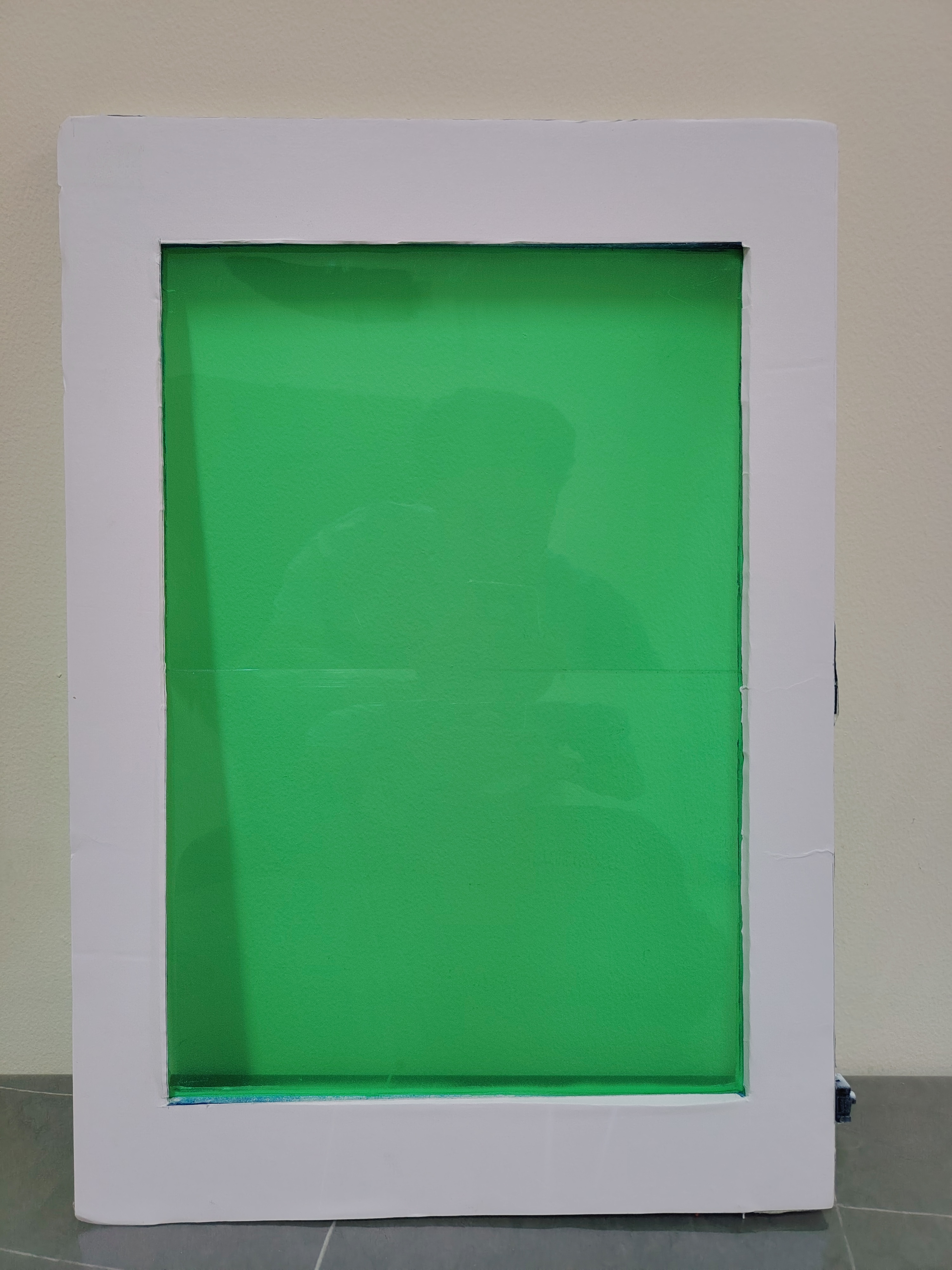
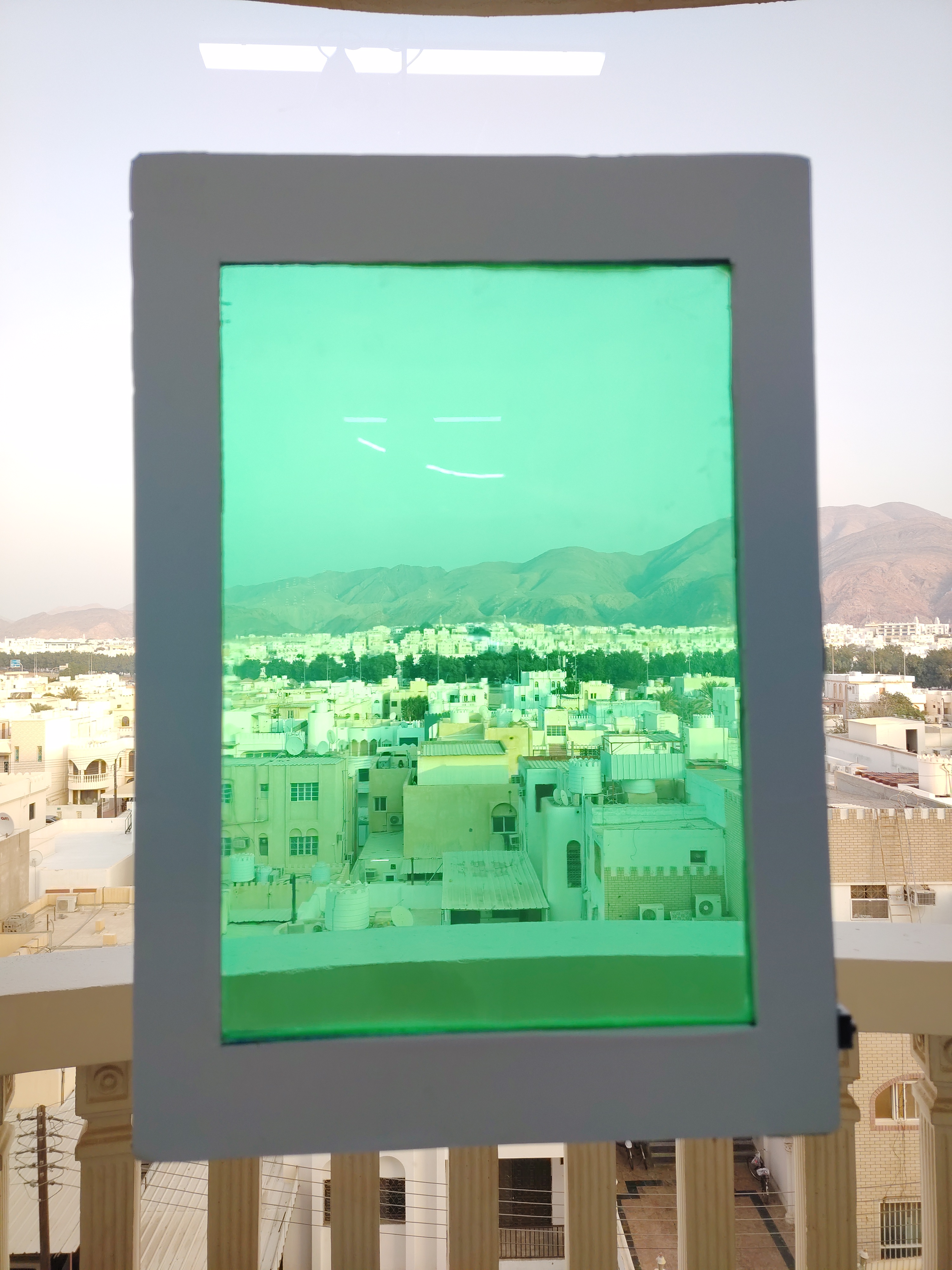
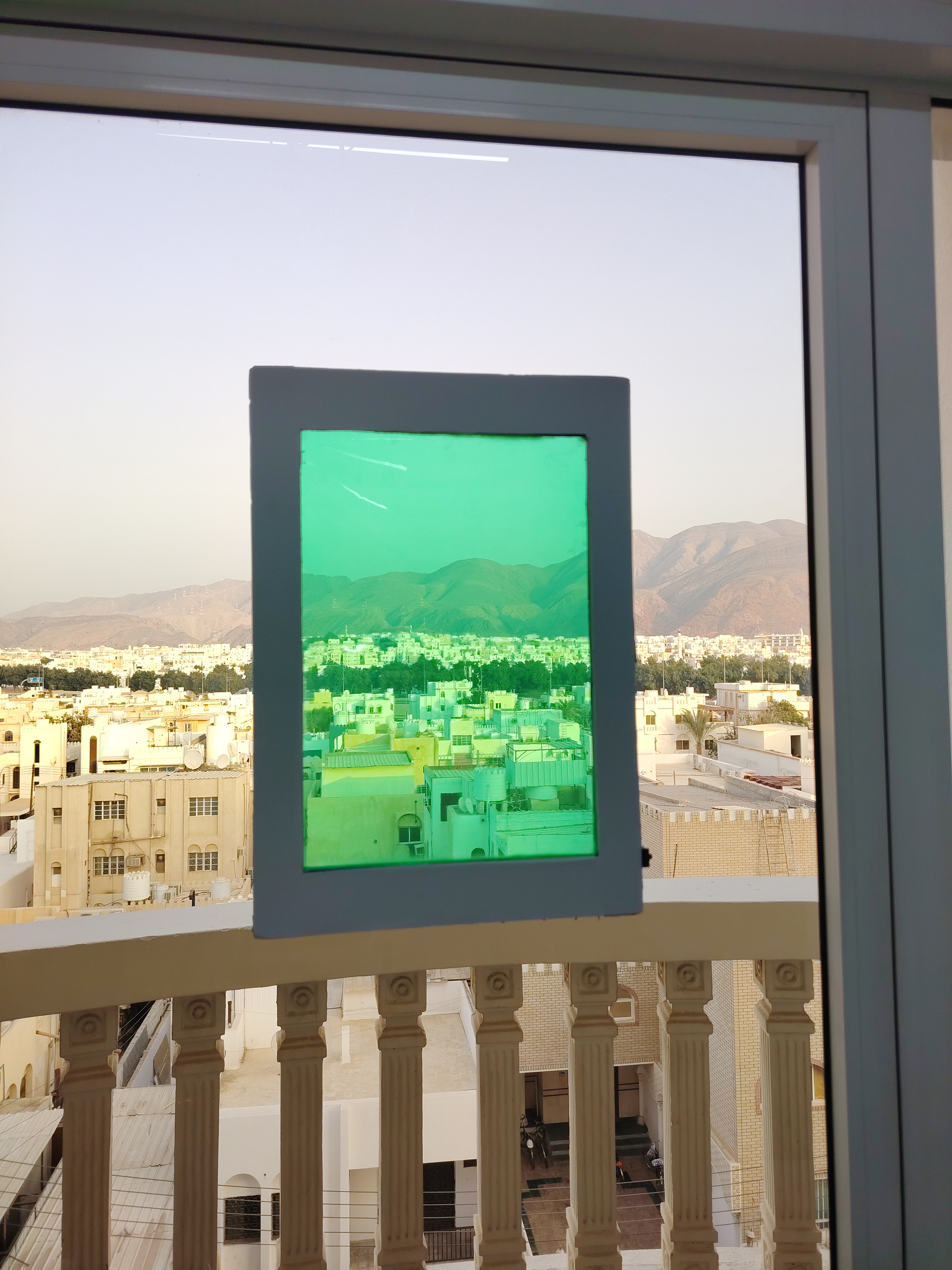

Idea Buildings are increasingly surrounded by glass. Windows provide daylight, visibility, and architectural value, but unlike their surrounding infrastructure, they generally remain passive surfaces. That led to a simple question: What if the window itself could generate electricity? That question became AETHER - a student-led exploration of how transparent architectural glass could become an active renewable-energy surface. From a window to an energy system AETHER is designed around a luminescent solar concentrator (LSC) concept. Instead of covering a window with conventional opaque solar cells, the proposed system selectively interacts with parts of sunlight outside the visible range. A luminescent material absorbs selected wavelengths and re-emits the energy at wavelengths more suitable for photovoltaic conversion. The emitted light is then guided through the transparent glass by total internal reflection (TIR) toward the edges, where photovoltaic cells can convert it into electricity. In simple terms: Sunlight → selective absorption → luminescent re-emission → optical concentration → edge PV → electrical output This creates a different approach to solar generation: rather than replacing a transparent surface with a solar panel, AETHER explores how the transparent surface itself could become part of the energy system. Why the material matters The first direction I explored involved producing organic luminescent pigments from food and agricultural waste. However, I identified a major problem: materials intended for architectural windows would need to withstand prolonged exposure to sunlight and environmental conditions. The initial approach raised concerns about photodegradation and long-term durability. That pushed the project toward carbon quantum dots (CQDs) derived from carbon-rich agricultural waste. CQDs became interesting because they could potentially combine the circular-economy aspect of waste-derived materials with tunable optical properties, while avoiding the heavy metals associated with some conventional quantum-dot approaches. The next challenge is encapsulating the material within a transparent host and experimentally determining its optical performance and durability. These are still research objectives rather than claims of a finished product. Designing the electrical system The proposed optical system leads to an electrical architecture at the perimeter of the window: Edge PV → current/voltage monitoring → charging stage → energy storage → regulated output → low-power load The goal is not simply to measure a voltage once, but to demonstrate the complete chain from incoming light to usable stored electrical energy. In the longer term, I am interested in using that energy locally for low-power functions such as environmental sensors, occupancy sensing, wireless communication, or smart-building controls. What I have built so far AETHER is currently at the research and engineering-development stage. I have developed the system architecture, researched the underlying optical and material concepts, explored the sustainability pathway, created technical visualisations, and presented earlier versions of the concept at the Middle East College Sustainability Hackathon and the Indian School Muscat Techathon. The project has evolved significantly through that process. The earlier concept used the name AURS, while continued research led to the current AETHER direction and the investigation of CQDs. The next major step is a physical proof-of-principle prototype. I want to measure what actually happens rather than assume that the concept works simply because the individual principles are established. Planned measurements include optical transmission, emission characteristics, light reaching the window edges, photovoltaic voltage/current, and behaviour under environmental ageing conditions. The challenges The biggest challenge has been that this is not simply a solar-panel project. It combines materials science, nanotechnology, optics, photovoltaics, glass engineering, architecture, and electronics. As a Class 10 student, I also do not have access to industrial glass-manufacturing or nanomaterials facilities. That means the project has to be approached progressively: understand the science, identify the weaknesses, build a small proof of concept, measure it, and use those results to determine what needs to change. There are also important unanswered questions around efficiency, material stability, encapsulation, manufacturing, environmental durability, and eventual architectural integration. I don't want to hide those uncertainties. They are exactly what the next stage of AETHER is intended to investigate. Where AETHER is going AETHER is not intended to replace conventional rooftop solar. Its purpose is to explore a different opportunity: turning large transparent surfaces that already exist in buildings into potential energy-generating surfaces. The long-term vision is a building where windows, façades, skylights, and other transparent structures do more than transmit light. They could become distributed energy surfaces that generate and locally use small amounts of electricity for the building around them. Invisible light → Visible impact.
Built With
- architecturalglass
- carbonquantumdots
- circulareconomy
- cleanenergy
- luminescentsolarconcentrator
- materialsscience
- nanotechnology
- optics
- photovoltaics
- renewableenergy
- smartbuildings
- solarenergy
- sustainablematerials

Log in or sign up for Devpost to join the conversation.