-
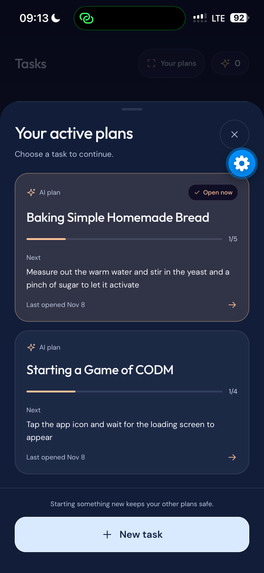
Progress
-
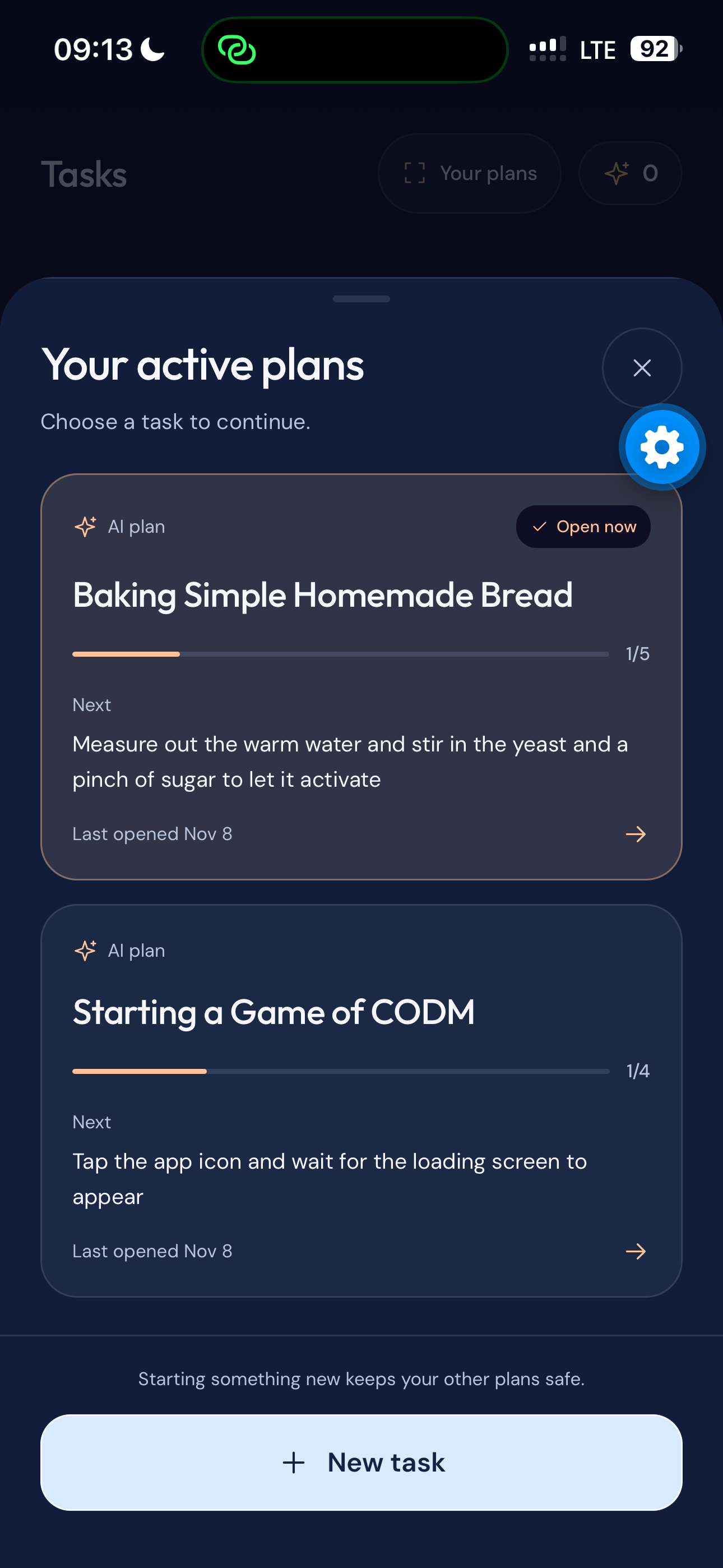
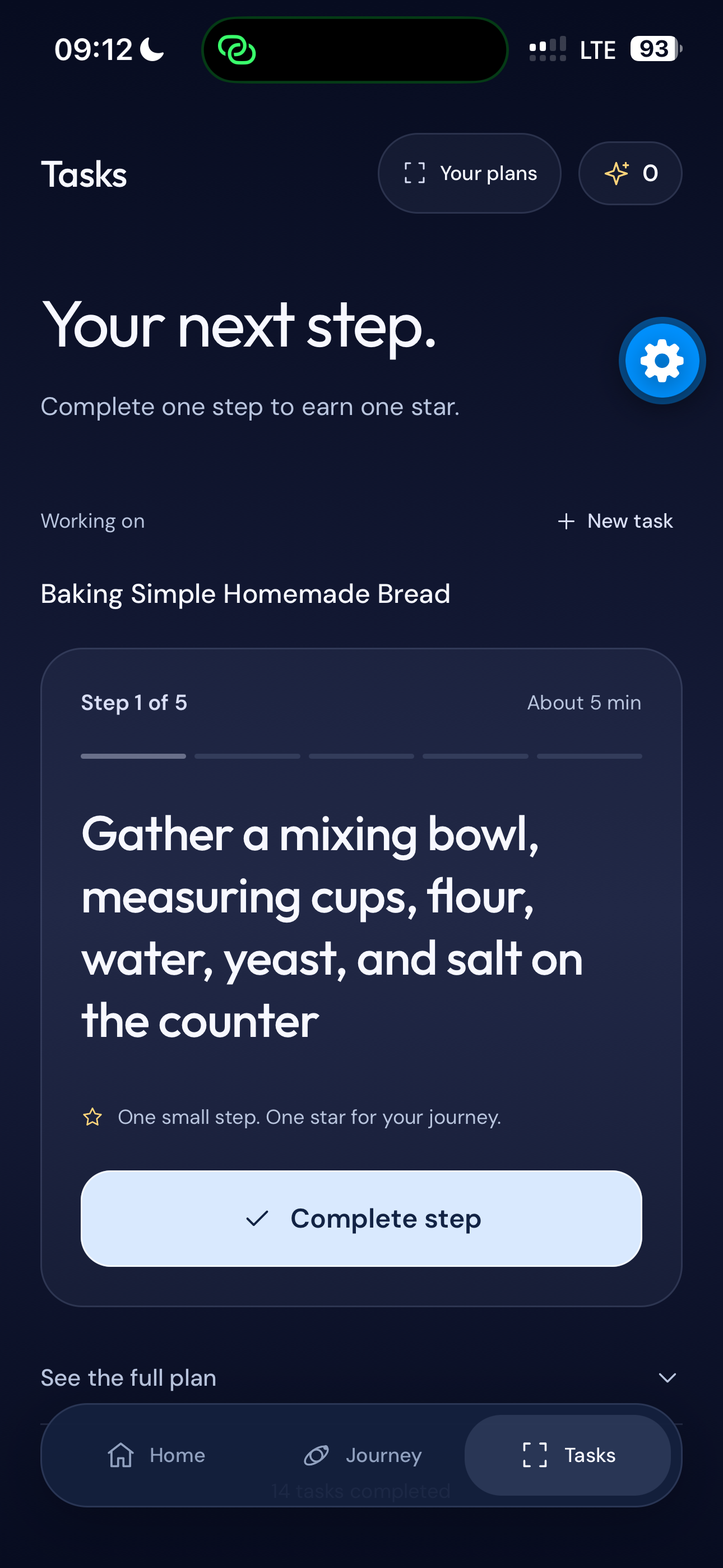
Tasks broken down from Gemini API
-
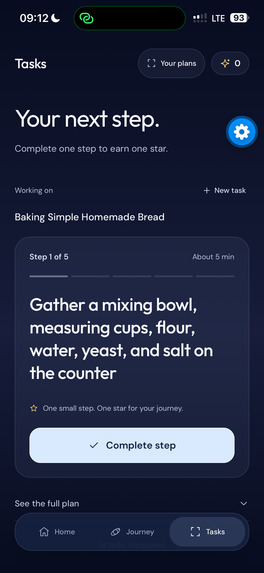
Tasks Page
-
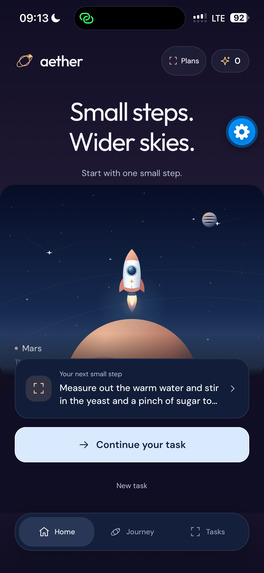
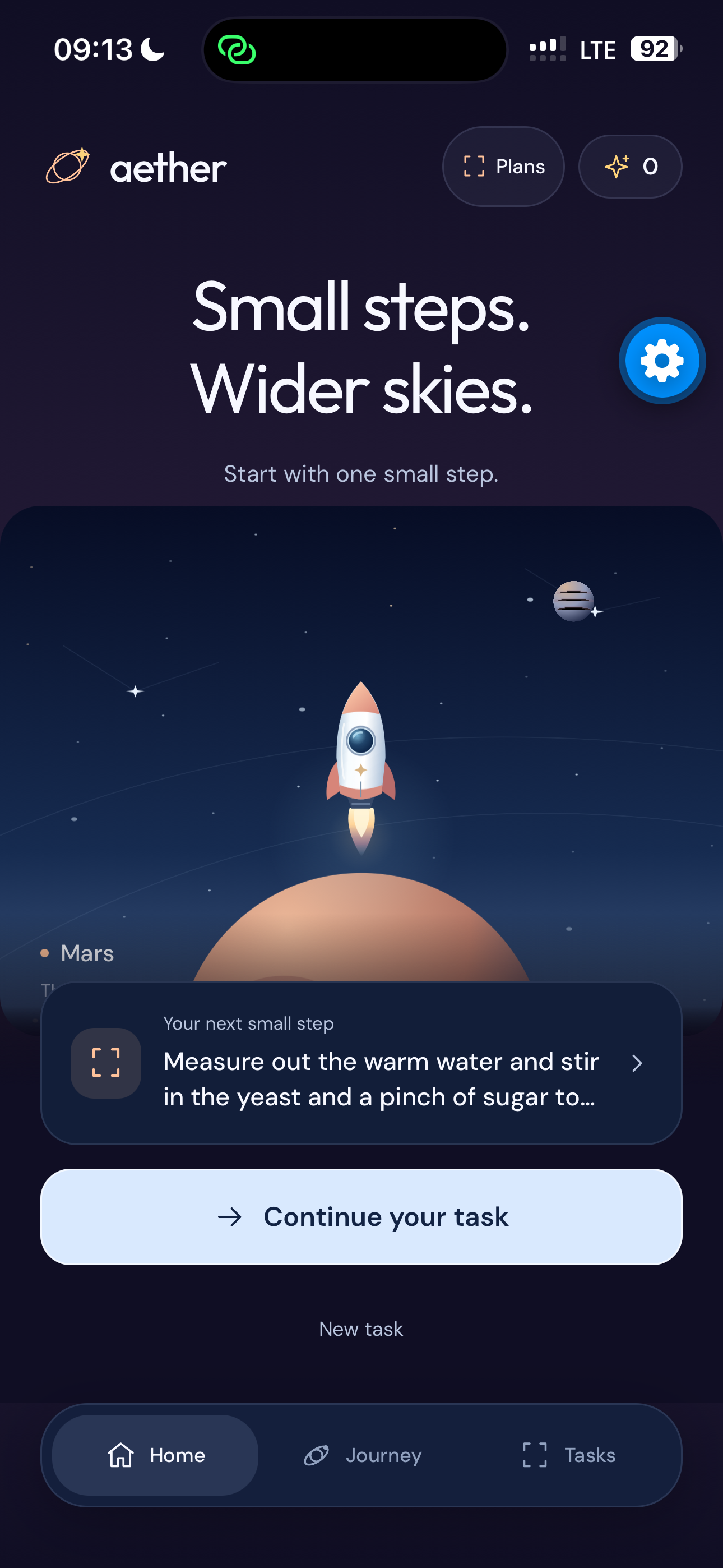
Home Page
-
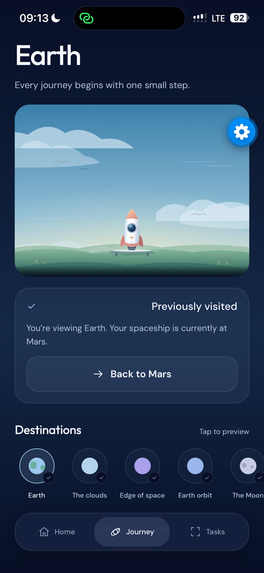
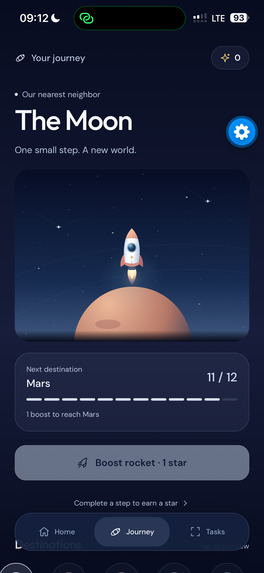
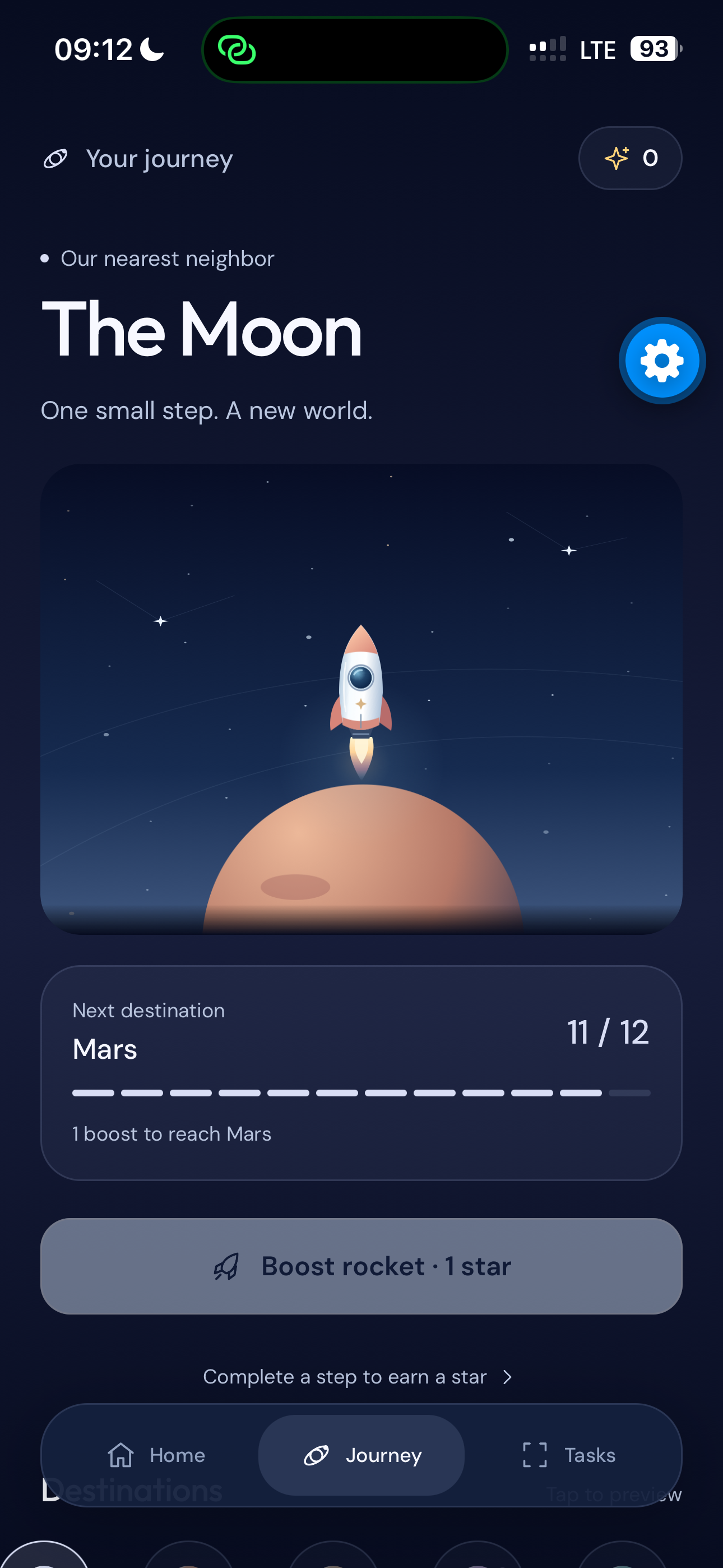
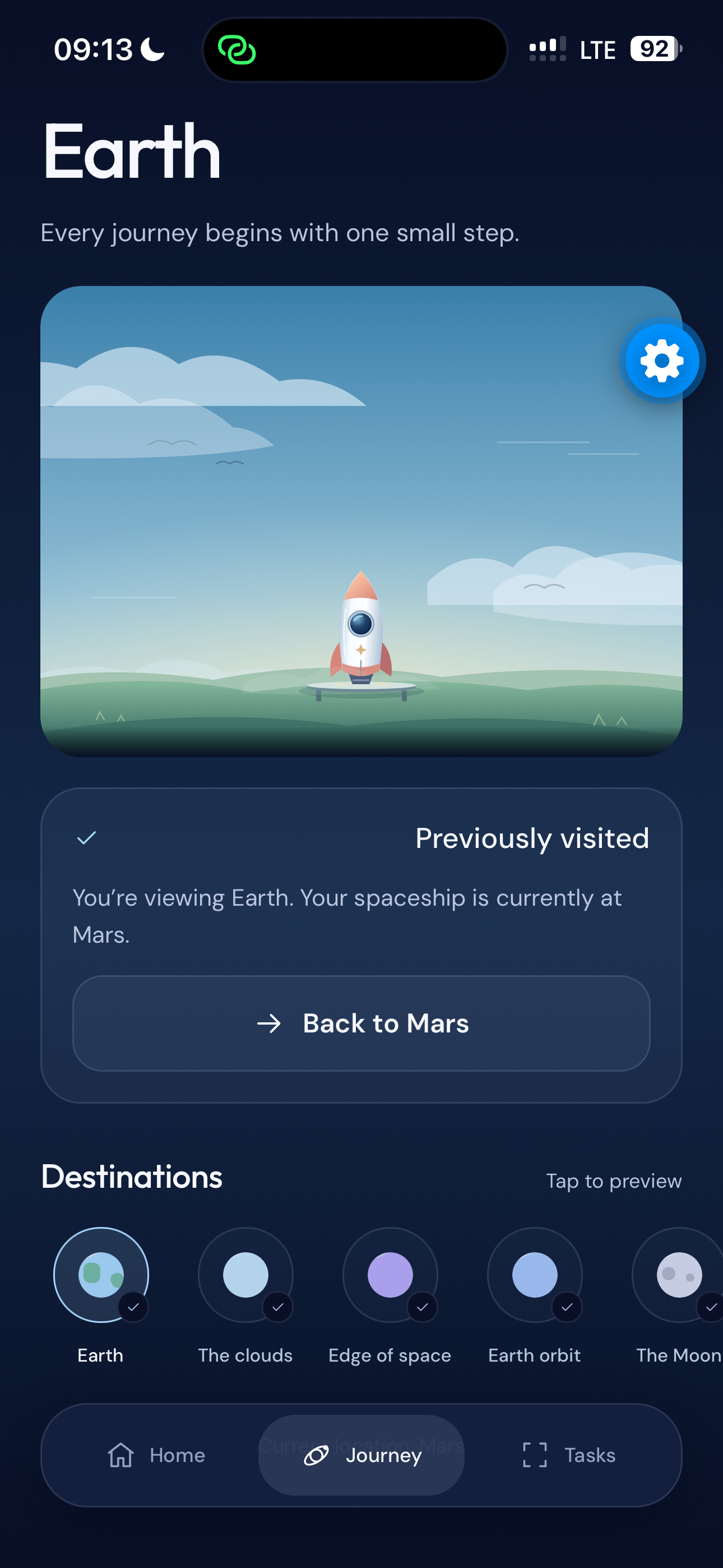
Journey Page
Inspiration
We wanted to create an app to help people organize the chaos within people's lives when they can't themselves, and reward them for consistent work through a rocket's journey through space.
What it does
The user types in their task or problem through a Gemini AI textbox, and it breaks the problem down into smaller portions and returns the user with an organized, short, and doable list of things they could do to make the task more manageable. If they finish the smaller task, they earn a star, and each star can be used in the journey portion of the app to push the rocket further into space.
How we built it
The mobile frontend uses React Native, Expo, Expo Router, and TypeScript, with React Native Reanimated and SVG supporting the visual experience. An Express API runs on Node.js, with MongoDB Atlas providing persistence. The backend handles guest sessions, manual task creation, and Gemini-generated plans. Google's API key stays on the server. The documented persistence design saves step completion and its star reward together in a transaction, prevents duplicate rewards on retries, and uses operation IDs to make rocket-fuel spending retry-safe. On phones, Expo SecureStore holds the guest session token.
Challenges we ran into
One of our biggest challenges was connecting all the parts of the app: the Expo frontend, our backend, MongoDB Atlas, and Gemini. The MongoDB connection and setup succeeded on a mobile hotspot. On hackathon Wi-Fi, the same configuration failed with MongoServerSelectionError / connection refused, even after the Atlas IP access list allowed all addresses (0.0.0.0/32). We also had to understand how phones could reach a backend running on a teammate’s laptop. Another challenge was balancing AI capability with response time. The more advanced Gemini model we initially tried was taking around 20 seconds to respond, making the chatbot feel unresponsive. We switched to Gemini 3.5 Flash-Lite, trading some depth and sophistication for faster answers. For an app designed to help users start tasks, keeping the interaction moving mattered more than generating the most detailed response.
Accomplishments that we're proud of
We built Aether, an ADHD-friendly app that breaks overwhelming tasks into manageable steps. Users can generate plans with AI, add their own steps, and switch between multiple saved plans. Completing steps earns stars that power an illustrated journey from Earth through the clouds and into space. We also added persistent progress, accessible motion options, and clearer task-completion feedback. Getting the app to work as we intended was crucial as well. More importantly, we worked as a team and never gave up on each other even through every hardship.
What we learned
We learned how a mobile frontend, API server, database, and AI service work together. Building as a team taught us the value of GitHub branches and clear API contracts. We also learned how much thoughtful wording, useful loading states, safe retries, and small visual details contribute to a usable experience, and how to prompt better using AI engines for better use.
What's next for Aether - ADHD Focusing App
We want to deploy a shared backend so the app can work without depending on our laptops. Next priorities include optional voice guidance, reminders, task refinement, and completed-task history. We also want to test with people with ADHD and use their feedback to improve accessibility, task initiation, and performance on real phones. Moreover, polish the app by removing a lot of AI assets and create a unique and aesthetically pleasing application for humans by humans.
