-
-
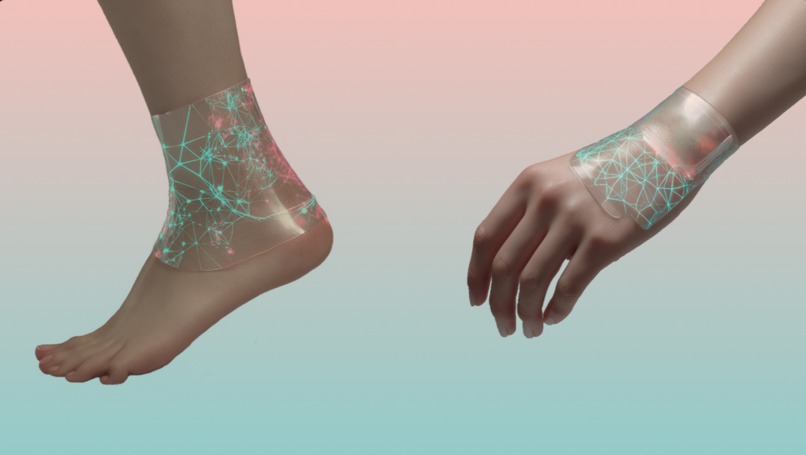
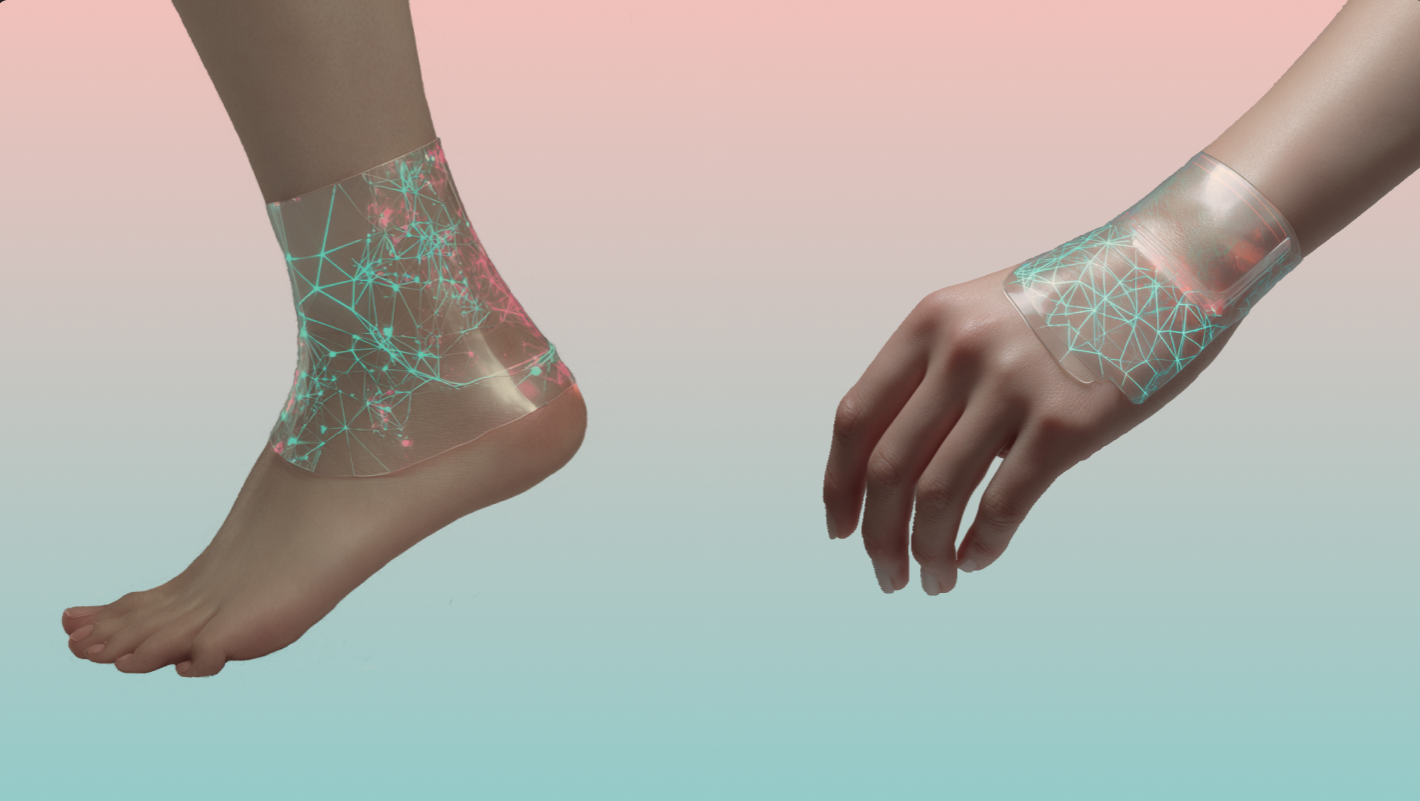
Thermal Haptic Patches
-
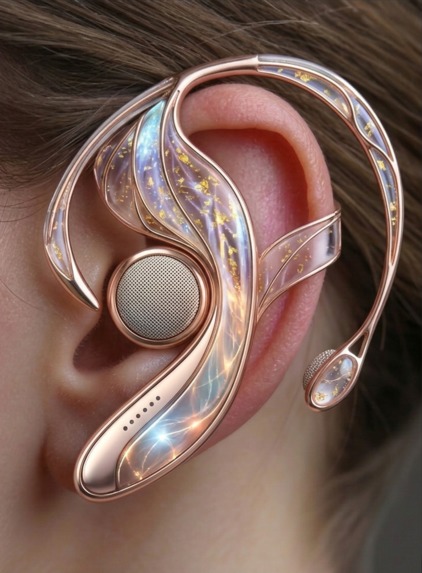
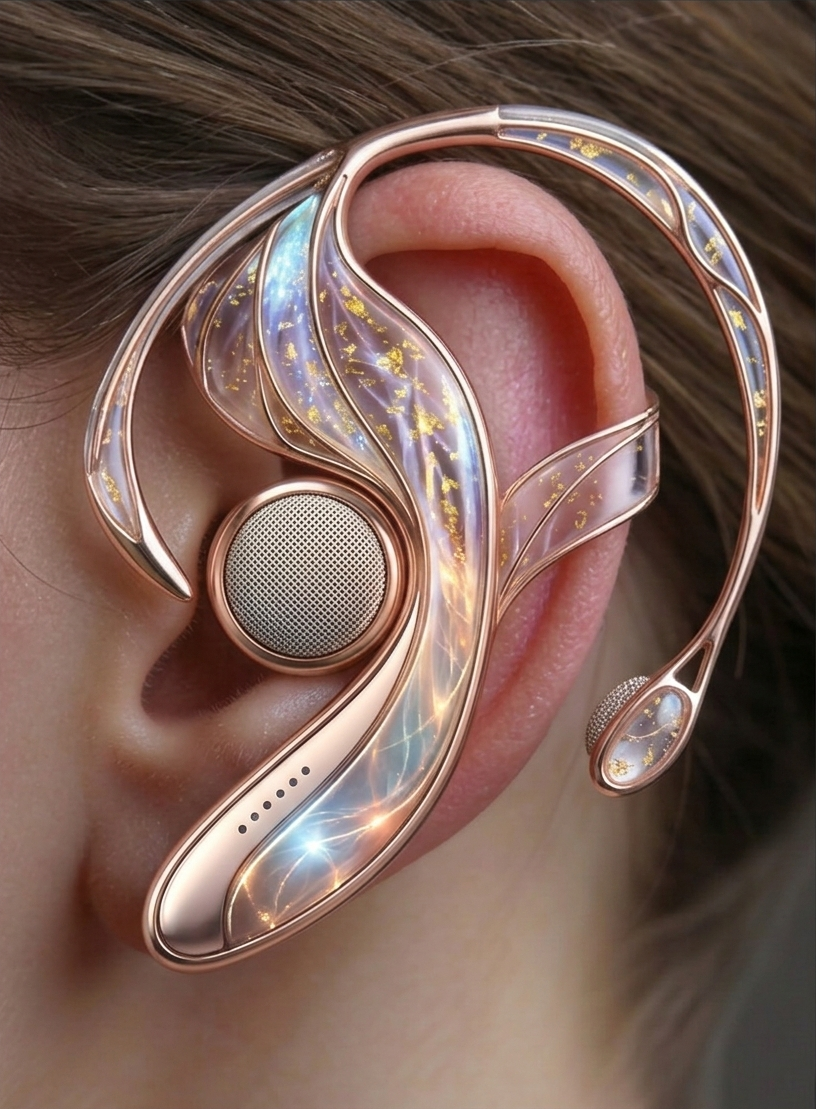
Vestibular Ear Cuff - Lumen
-
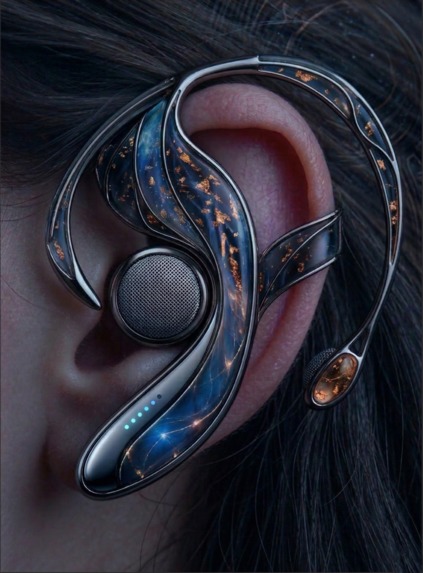
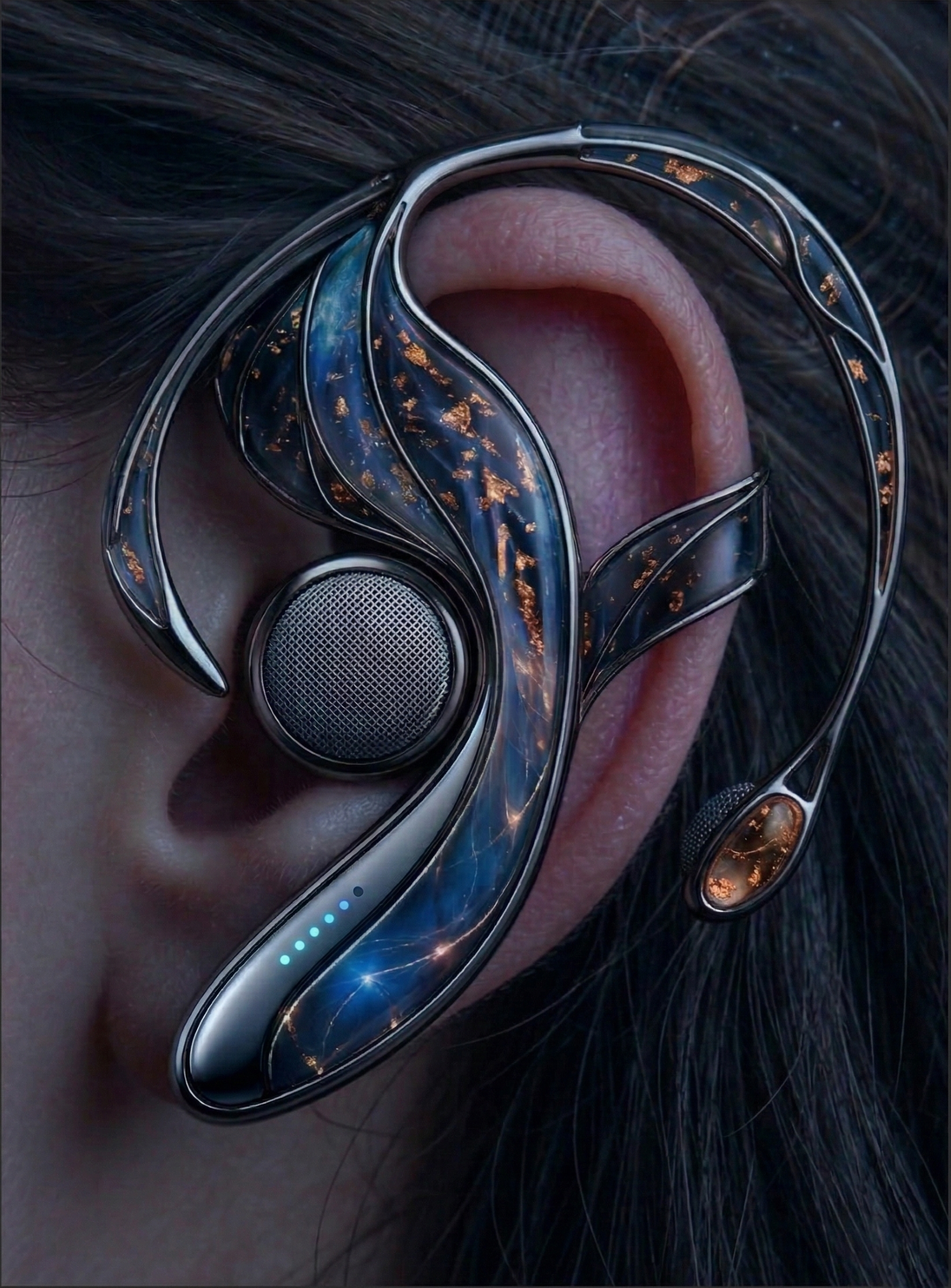
Vestibular Ear Cuff - Obsidian
🌙Inspiration
Aether was born from the lived experiences of those we love. Watching my mother navigate the silent, disorienting aftermath of a stroke inspired our persona Lee, while my time as a USAF Veteran—witnessing the resilience of combat-injured friends—informed the needs of Marcus. We saw that for them, recovery isn't just physical; it's a battle to regain a sense of self in a body that no longer "talks back." We built Aether to be the translator they deserve.
⭐What it does
Aether is a synthetic nervous system designed to bridge the gap between human intention and physical movement. By combining hardware (a Vestibular Ear Cuff and Thermal Haptic Patches) with a real-time digital interface, it restores proprioception and kinesthesia. It translates raw spatial data into a language the brain can intuitively understand through gentle auditory anchors and thermal boundaries, helping users rebuild their "internal map" and navigate the world with confidence.
✨How we built it
Using Figma, we engineered a speculative medical ecosystem that prioritizes sensory-appropriate design. We utilized advanced prototyping to showcase features like Lumen Mode for active therapy and Obsidian Mode—a protective, high-contrast theme for evening sensory grounding. Our design process focused on "The Neural Hub," a visual interface that provides the brain with the immediate "receipt" of movement it has been starving for, effectively closing the loop between the mind and muscle.
⛅Challenges we ran into
Our greatest hurdle was translating complex neurobiology into intuitive UX. We had to move beyond standard "alarms" and "trackers," which can trigger hyper-vigilance or fight-or-flight responses in TBI survivors. This led to our biggest breakthrough: Trauma-Informed Sensory Design. We replaced jarring alerts with subtle haptic pulses and harmonic resonances, ensuring the feedback feels like a natural extension of the body rather than an intrusive machine.
🌻Accomplishments that we're proud of
We are incredibly proud of creating a design that balances deep emotional empathy with technical rigor. Successfully integrating hardware renders with a high-fidelity app UI allowed us to demonstrate a holistic solution for a problem that is often ignored. Achieving a "showstopping" narrative flow that honors the struggles of veterans and stroke survivors—without compromising on the sleek, speculative-tech aesthetic—is our greatest win.
🌌What we learned
We learned that design is an act of empathy. By centering the project on the "silent gap" between intention and movement, we realized that the most impactful technology doesn't just provide data—it restores autonomy. We discovered that when the body’s internal map goes dark, thoughtful UX can be the light that helps a person find their way home.
🚀What's next for Aether
Our next step is to expand Aether’s "Sensory Vocabulary" by exploring how this technology could assist individuals with Parkinson’s or prosthetic integration. We hope to move Aether from a speculative design into a functional prototype, collaborating with neuro-rehab specialists to test our thermal haptic feedback loops in clinical settings.
Built With
- figma
- make
- midjourney


Log in or sign up for Devpost to join the conversation.