-
-
Thumbnail
-
Main menu
-
Main scene
Inspiration
We were inspired by a simple question: What if a game world didn’t wait for the player?
Most AI-powered games today still revolve around reactive dialogue or scripted events. With the launch of Gemini 3 and its focus on long-running reasoning, autonomy, and multimodal understanding, we saw an opportunity to build something fundamentally different, a living world that evolves on its own.
Aethelgard was born from the idea of an AI Dungeon Master that doesn’t just respond but also plans, remembers, and acts over time, creating emergent stories rather than pre-written ones.
What it does
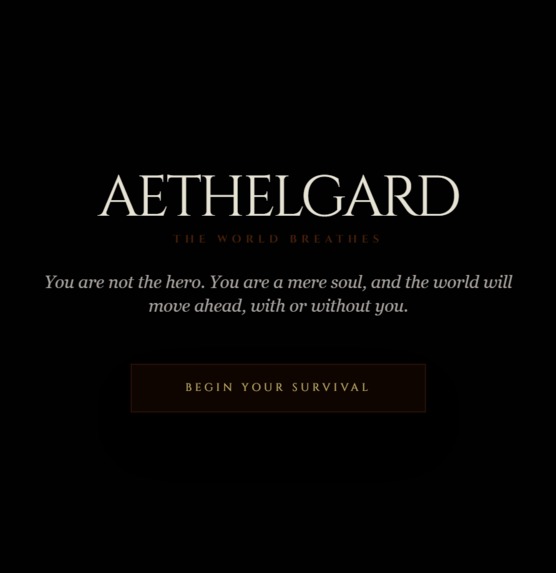
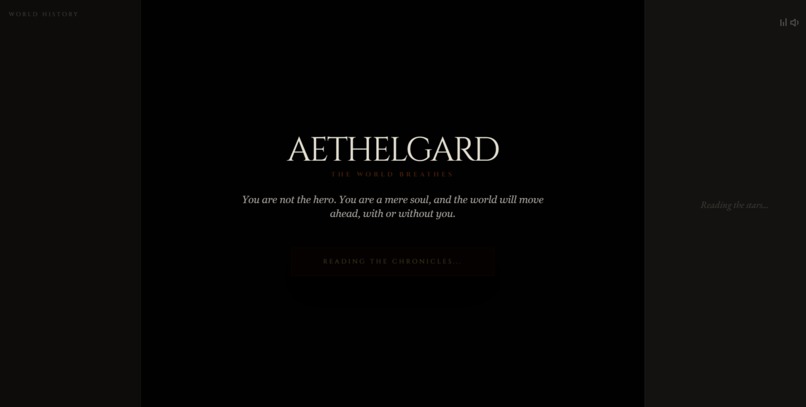
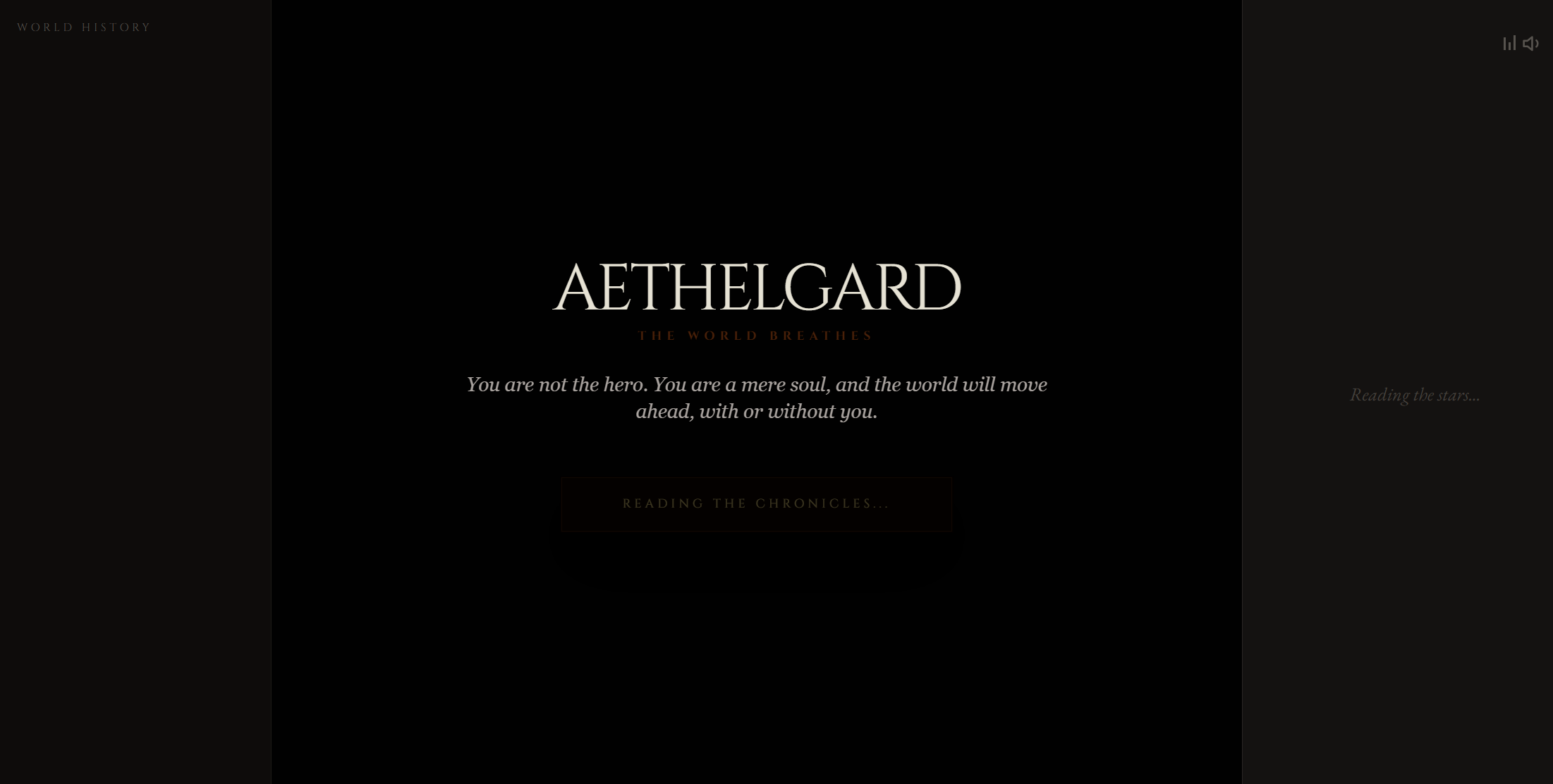
Aethelgard: The Living World is a persistent, AI-driven fantasy world run by an autonomous Dungeon Master powered by Gemini 3.
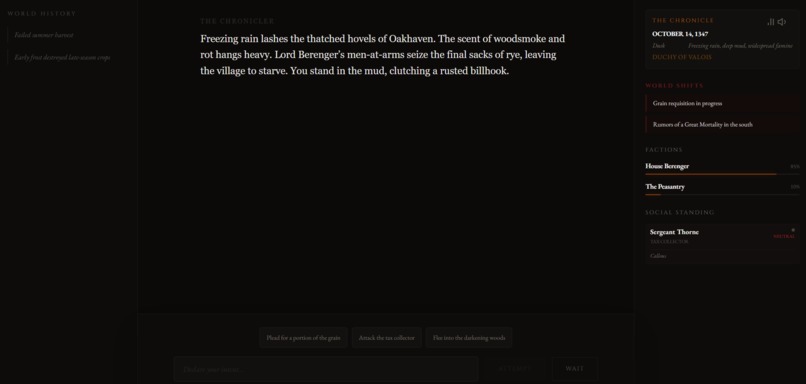
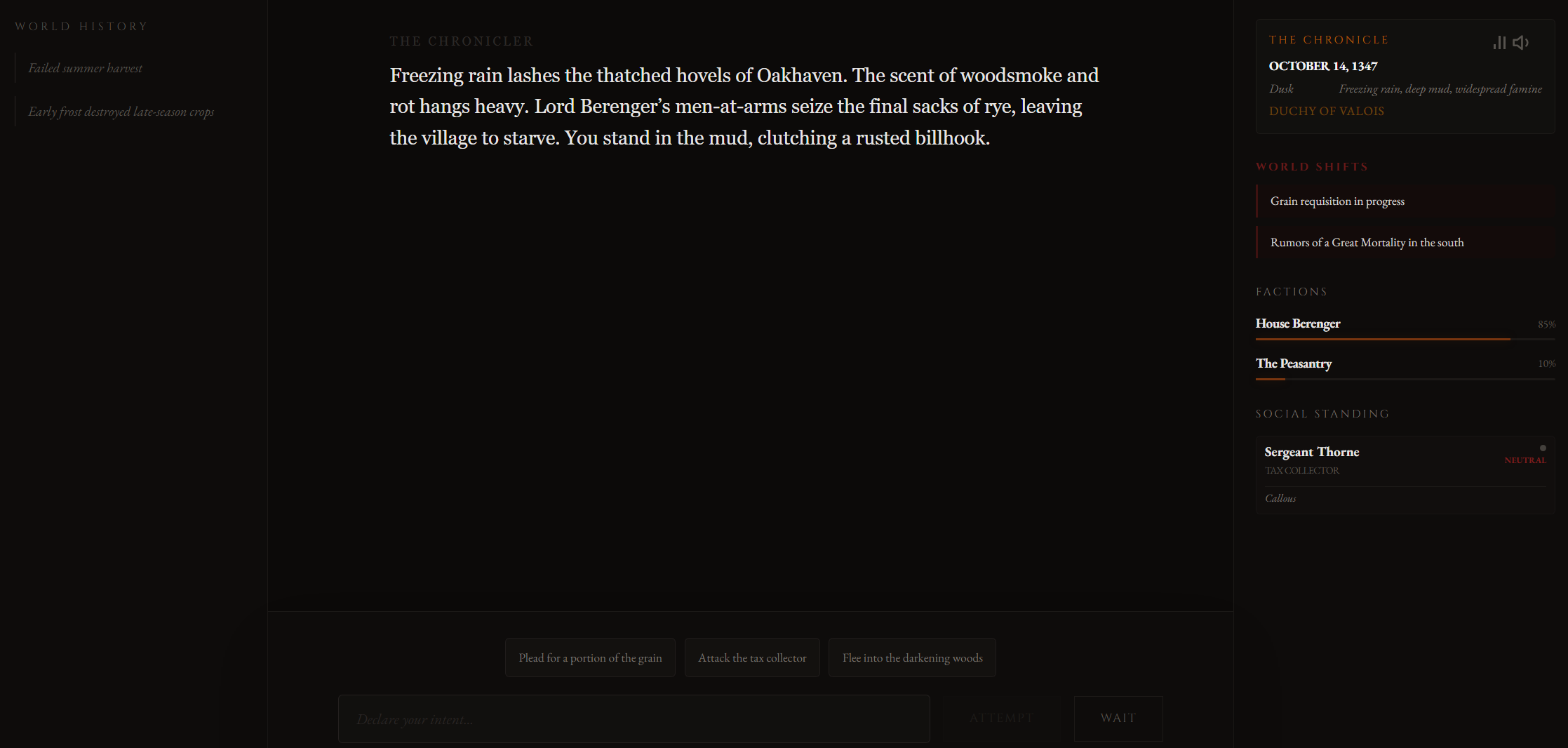
NPCs have their own goals, personalities, relationships, and memories. Factions rise and fall. Conflicts escalate, resolve, or spiral out of control, even when the player is offline. Player actions cause lasting consequences, and the world remembers them.
The player is not the centre of the universe. They exist inside a simulation that continues to evolve, creating unique, unscripted narratives shaped by cause and effect rather than dialogue trees.
How we built it
At the core of Aethelgard is a Gemini 3-powered autonomous world engine.
We use Gemini 3’s advanced reasoning and long-context capabilities to maintain a persistent world state, including timelines, NPC memories, faction dynamics, and ongoing events. Each interaction triggers a planning loop where the AI updates the world, advances time, simulates off-screen events, and generates the next scene.
Rather than a single prompt, the system acts as an orchestrator, enforcing continuity, causality, and long-term coherence across sessions. The result is a world that feels alive, reactive, and unpredictable.
Challenges we ran into
One of the biggest challenges was preventing the experience from feeling like a traditional chatbot. We had to carefully design the system to prioritise world simulation over conversational convenience.
Maintaining long-term consistency while allowing emergent behaviour was also difficult. We needed to ensure contradictions were resolved naturally within the fiction, rather than breaking immersion.
Finally, balancing autonomy with player agency required constant iteration. The world had to feel independent without making the player irrelevant.
Accomplishments that we're proud of
- Built a persistent AI-driven world that evolves without player input
- Created NPCs with believable memory, motivations, and long-term consequences
- Demonstrated autonomous planning and temporal reasoning using Gemini 3
- Delivered a playable experience that feels emergent rather than scripted
Most importantly, every playthrough creates a story that even we can’t predict.
What we learned
We learned that true AI-powered experiences aren’t about better prompts, they’re about systems. Autonomy, memory, and causality change how users interact with AI, transforming it from a tool into a collaborator.
Gemini 3’s ability to reason over long timelines enabled us to think beyond sessions and screens, and toward worlds that persist and evolve.
What's next for Aethelgard: The Living World
Next, we plan to expand Aethelgard with multi-agent NPC simulations, richer faction politics, and visual timelines that allow players to explore world history.
We also want to experiment with real-time audio and visual input, letting players speak and act inside the world instead of typing, pushing Aethelgard closer to a fully embodied AI-driven RPG experience.
And we also want to add a legacy system. Since death is permanent, we want to implement a system where you continue the story as a relative or associate of your previous character.


Log in or sign up for Devpost to join the conversation.