Inspiration
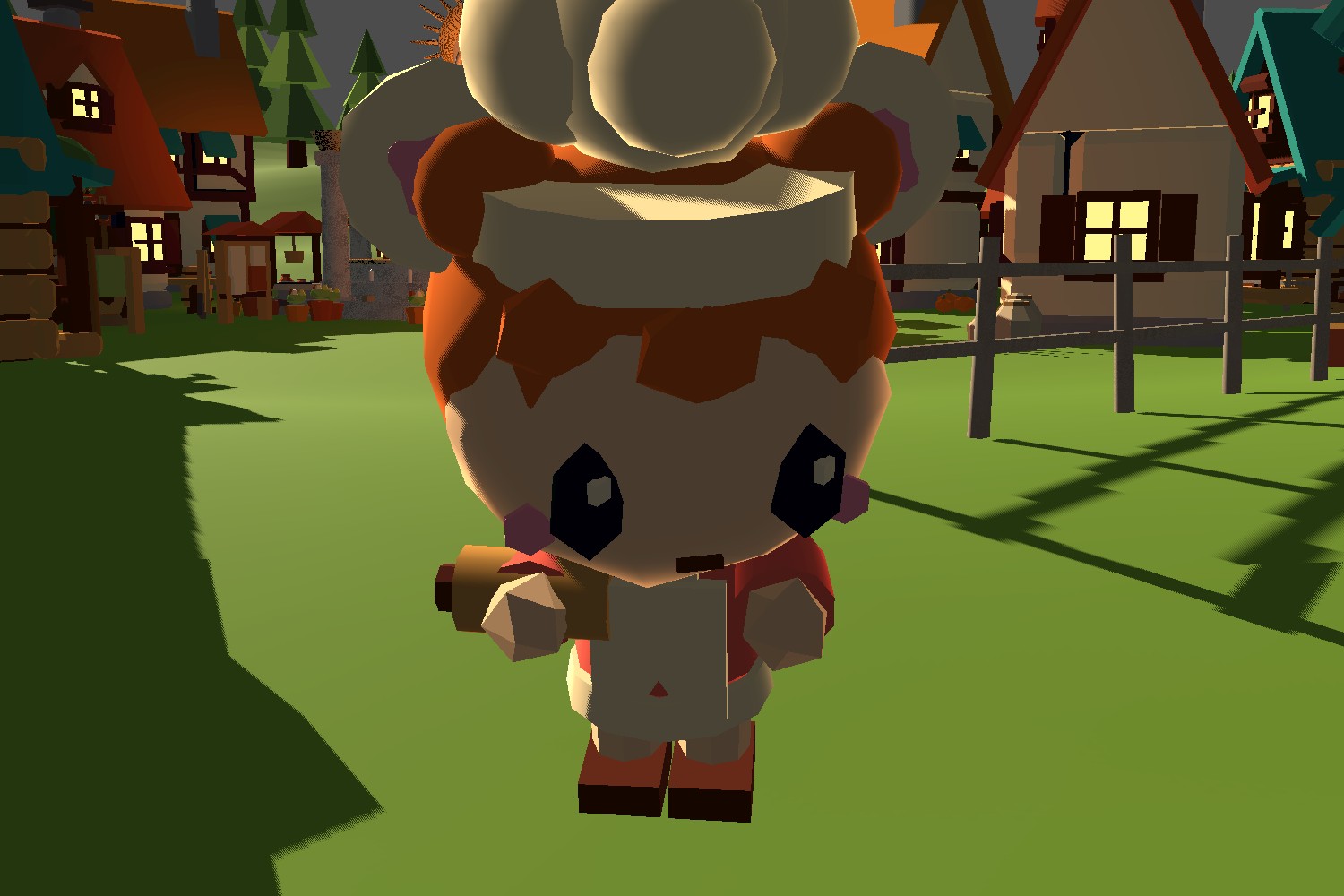
We wanted a game you play the way you play a board game: sitting at a table, leaning in, using your hands. Tower defence was the right shape for that, but we didn't want soldiers and a score. We wanted a village you get to know.
Our inspirations:
- Bloons TD 6 for tower defence that is easy to read and satisfying to build up.
- Clash Royale for placing units by hand, a card at a time, and the quick, tactile feel of each placement.
- Minecraft Dungeons for the lighting: warm, glowing light against deep dark.
- Lord of the Rings for the UI: old, hand-lettered, storybook-style interface elements.
- Omniscient Reader's Viewpoint for the pull of knowing how the story ends and still trying to change it, which became our rewind.
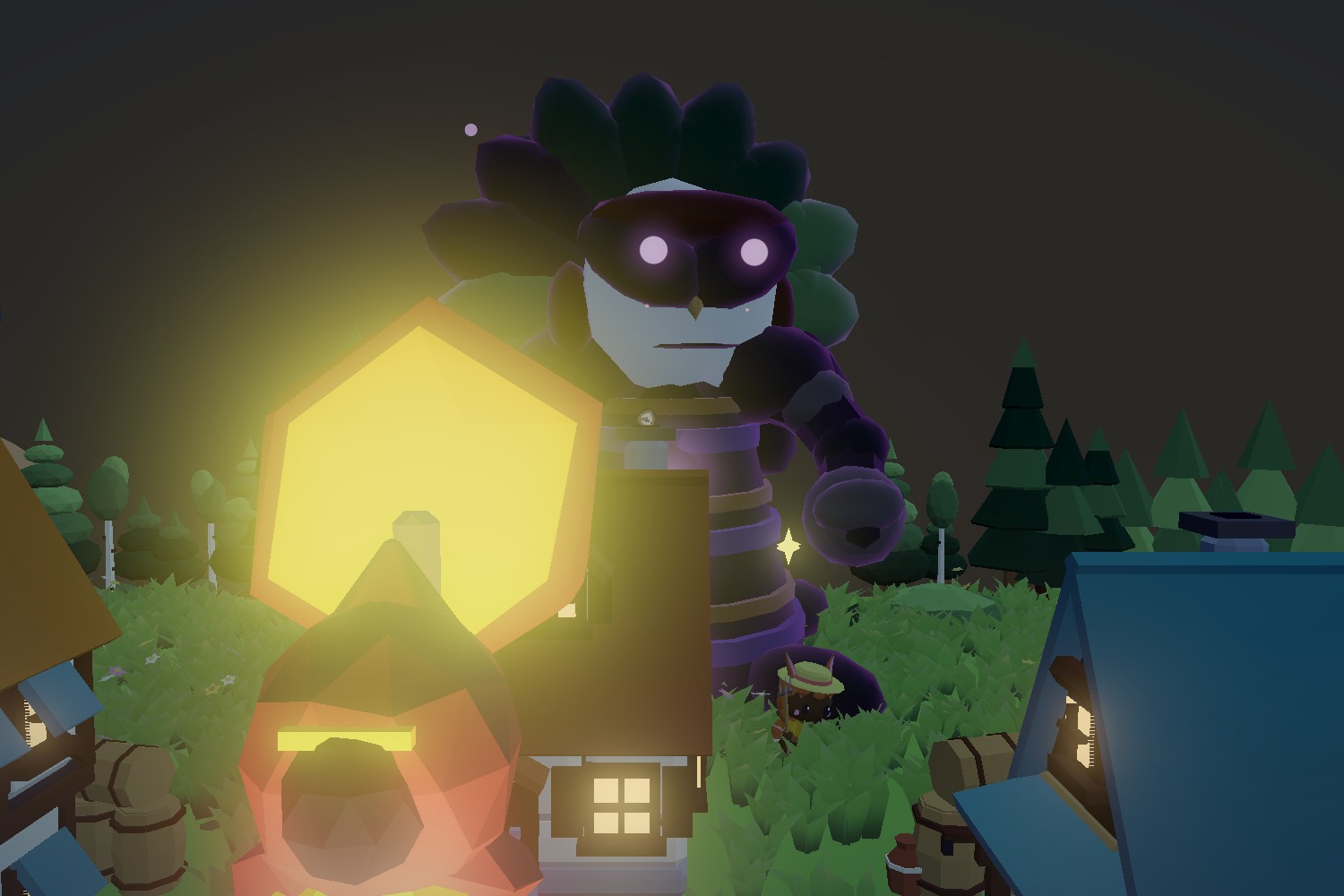
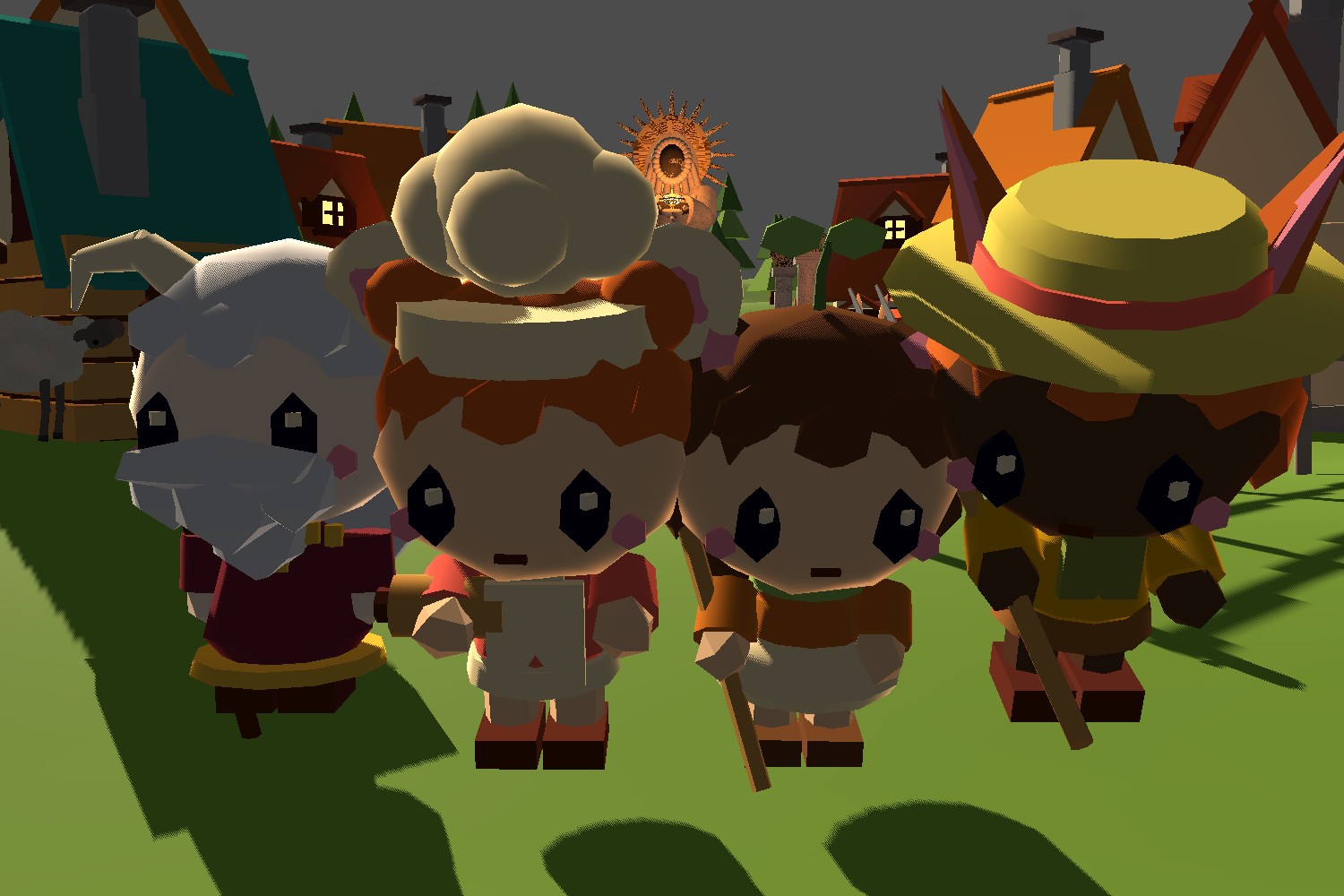
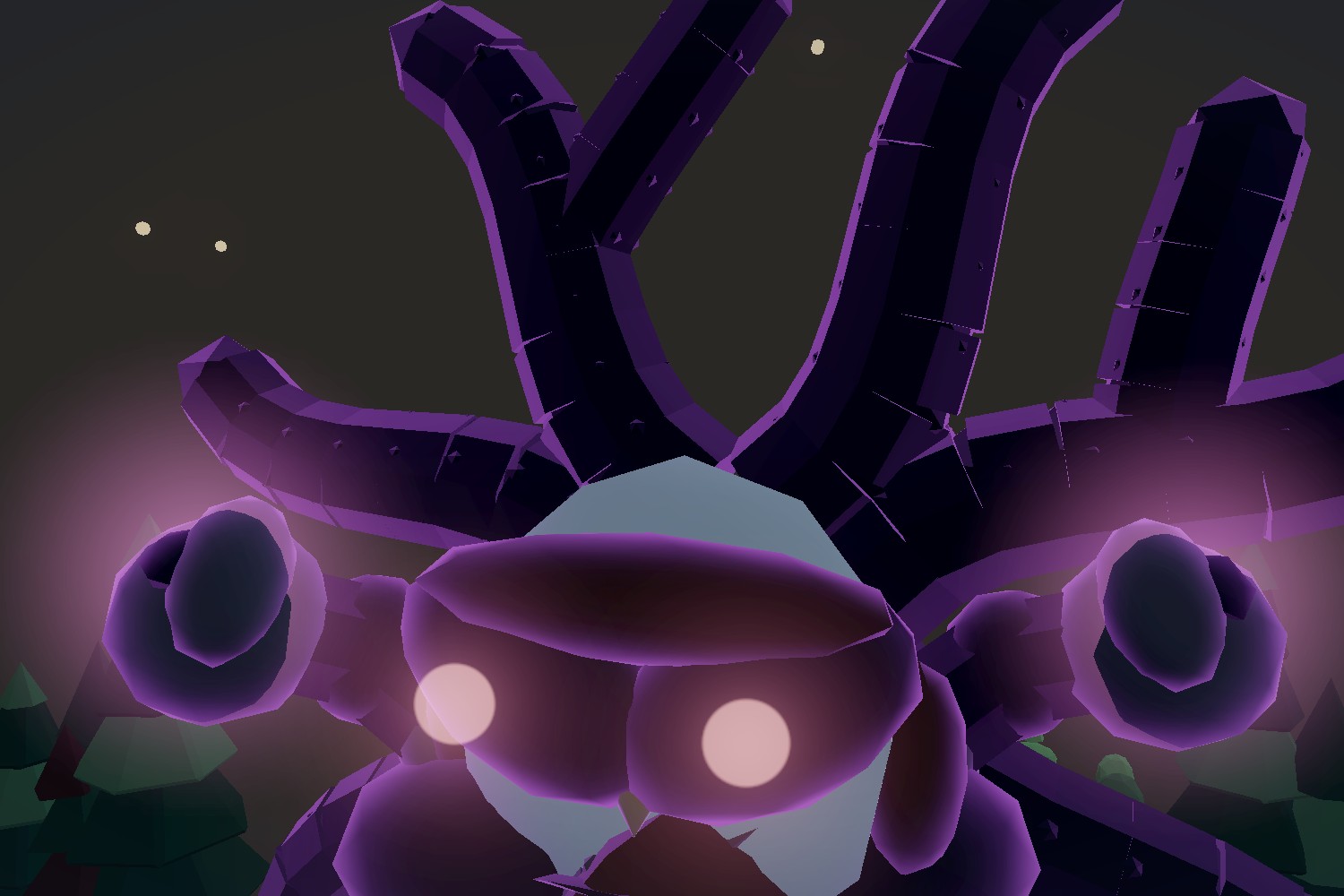
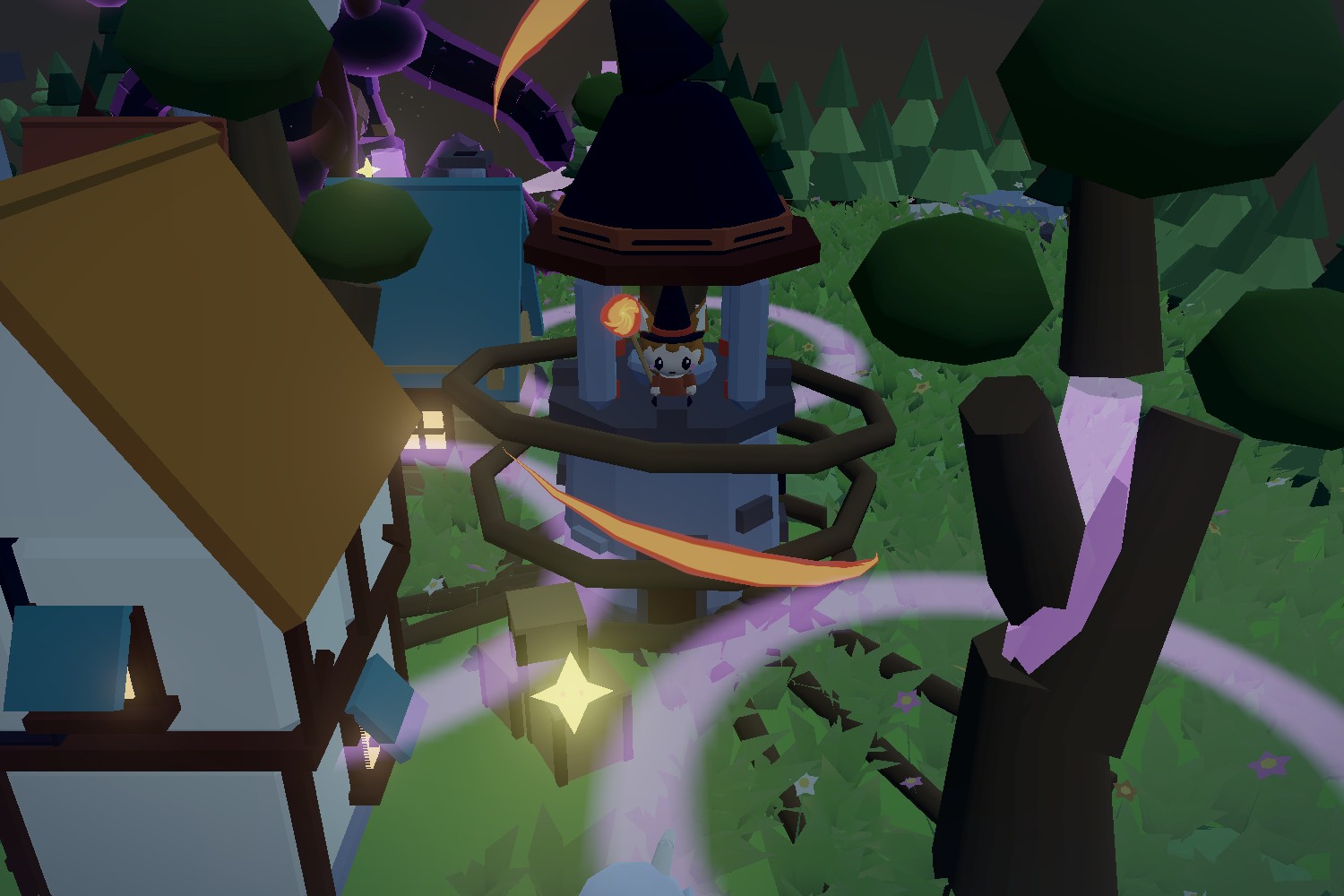
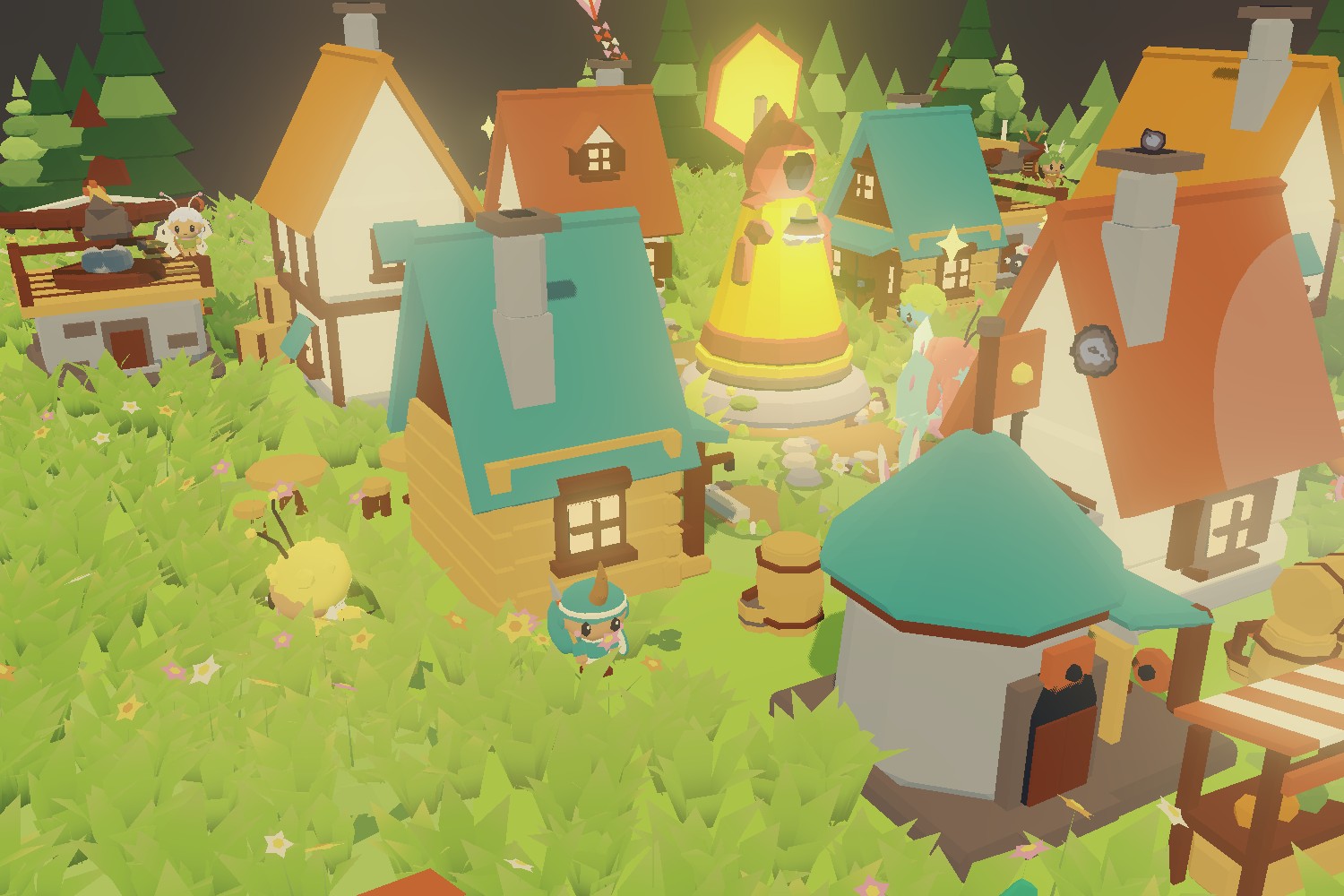
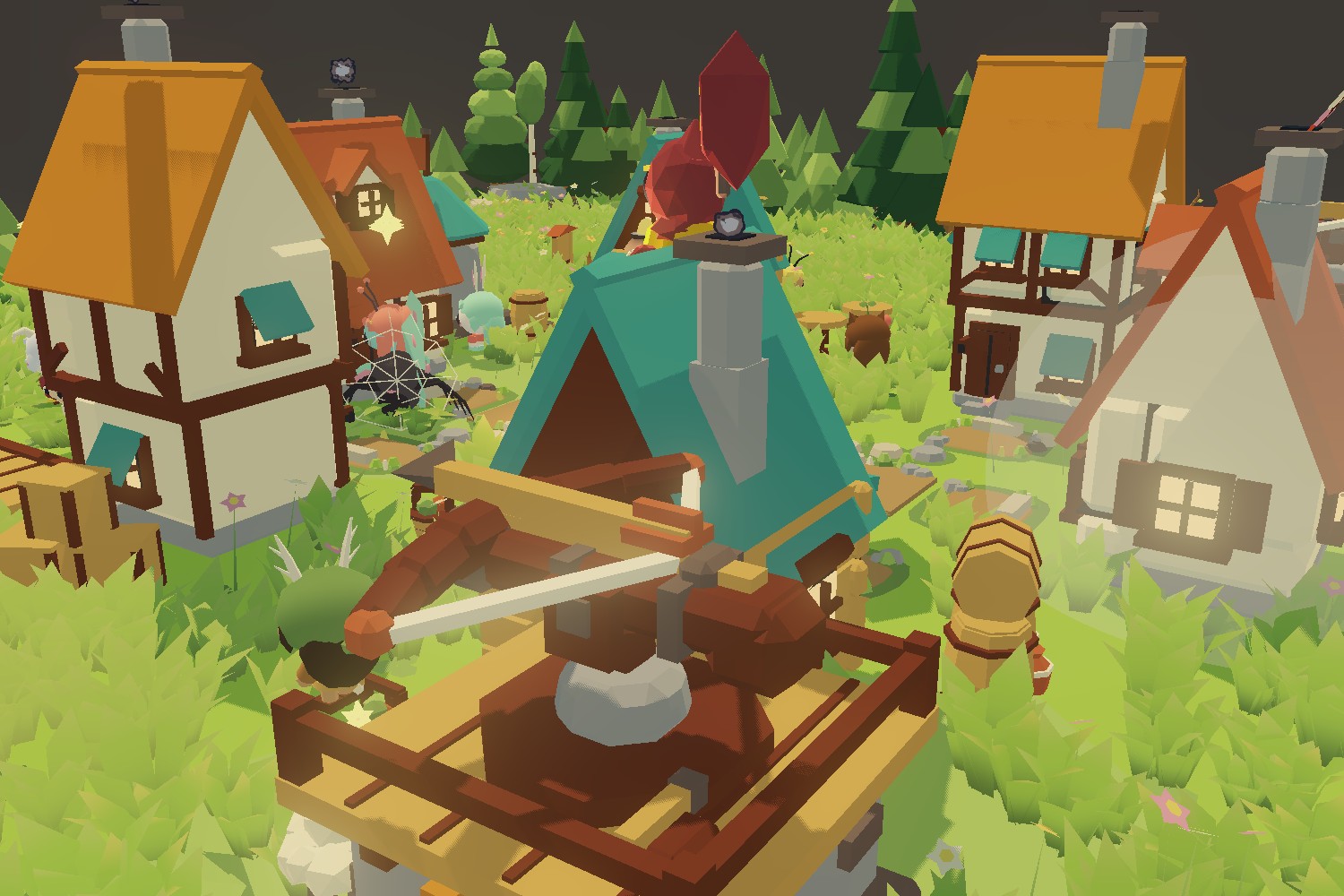
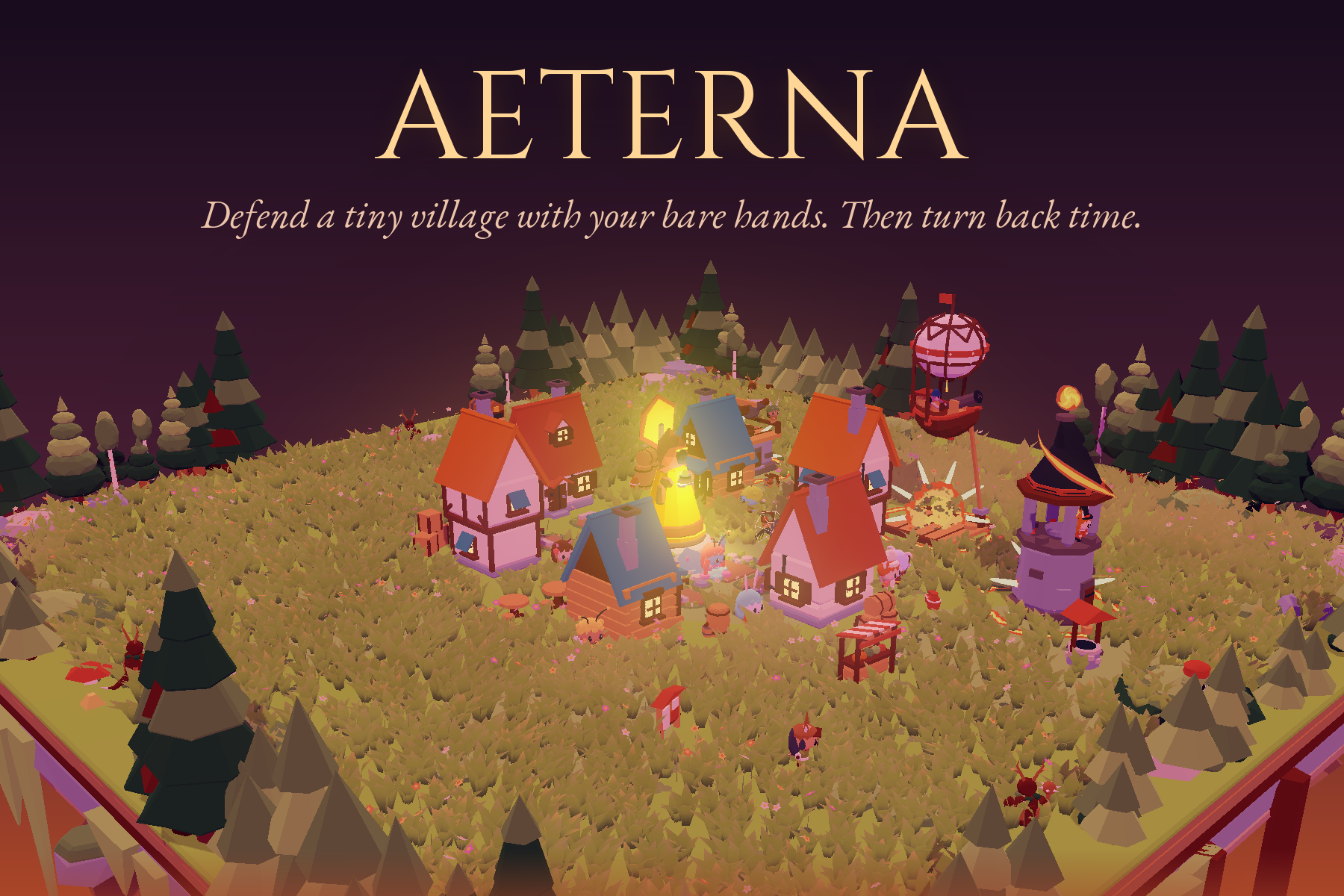
So in Aeterna you are a very small god. Your whole world is one floating island the size of a tabletop: twelve villagers, a well, a statue and a dome of warm light called the Veil, woven from their Faith. Skotos, a forgotten god of the Dark Wood whose own people stopped praying, has cursed the Veil so it fails at night.
What it does
Aeterna is a mixed-reality tower-defence game for Meta Quest 3, played with bare hands. The island sits on your real table, and your hands are the whole interface.
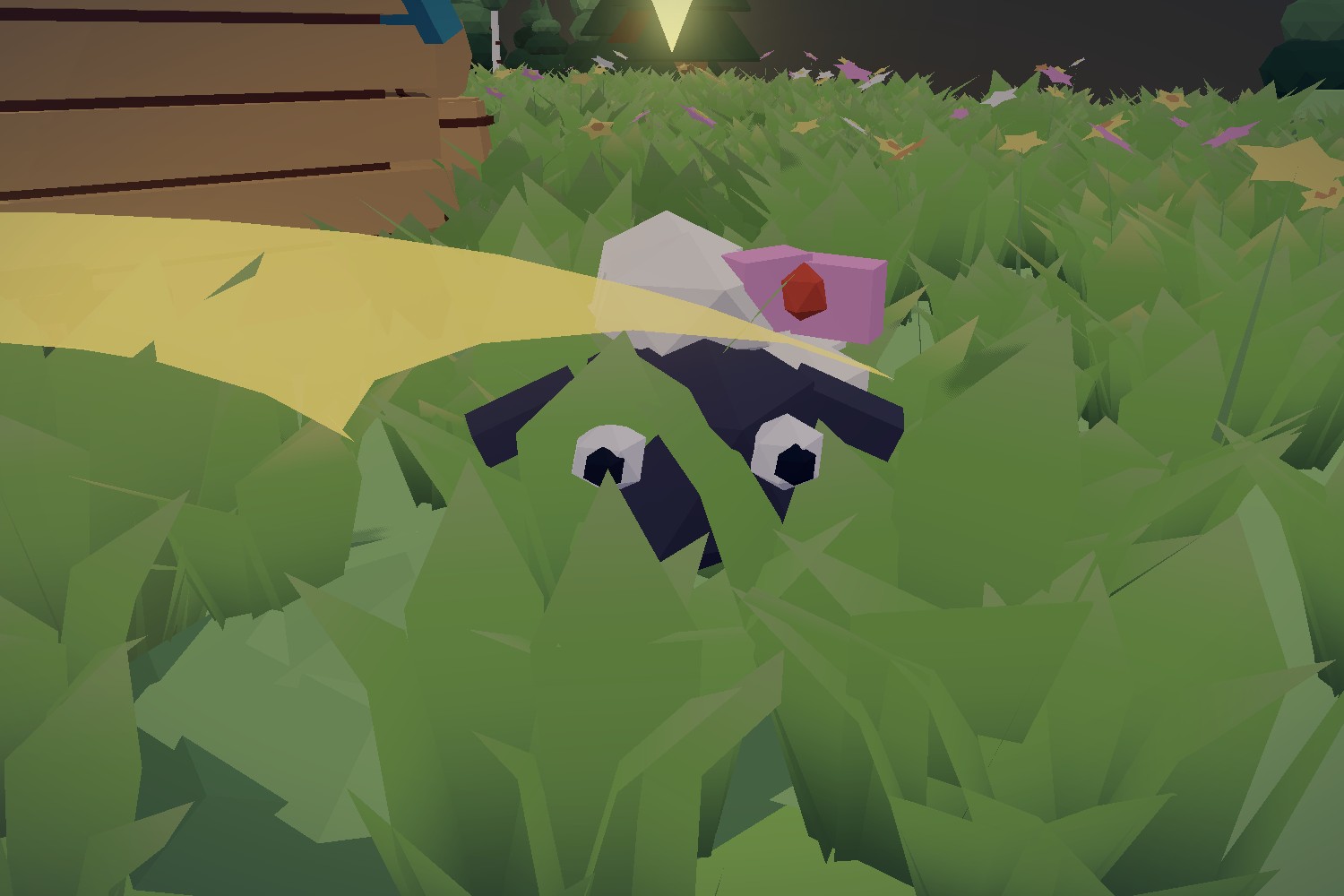
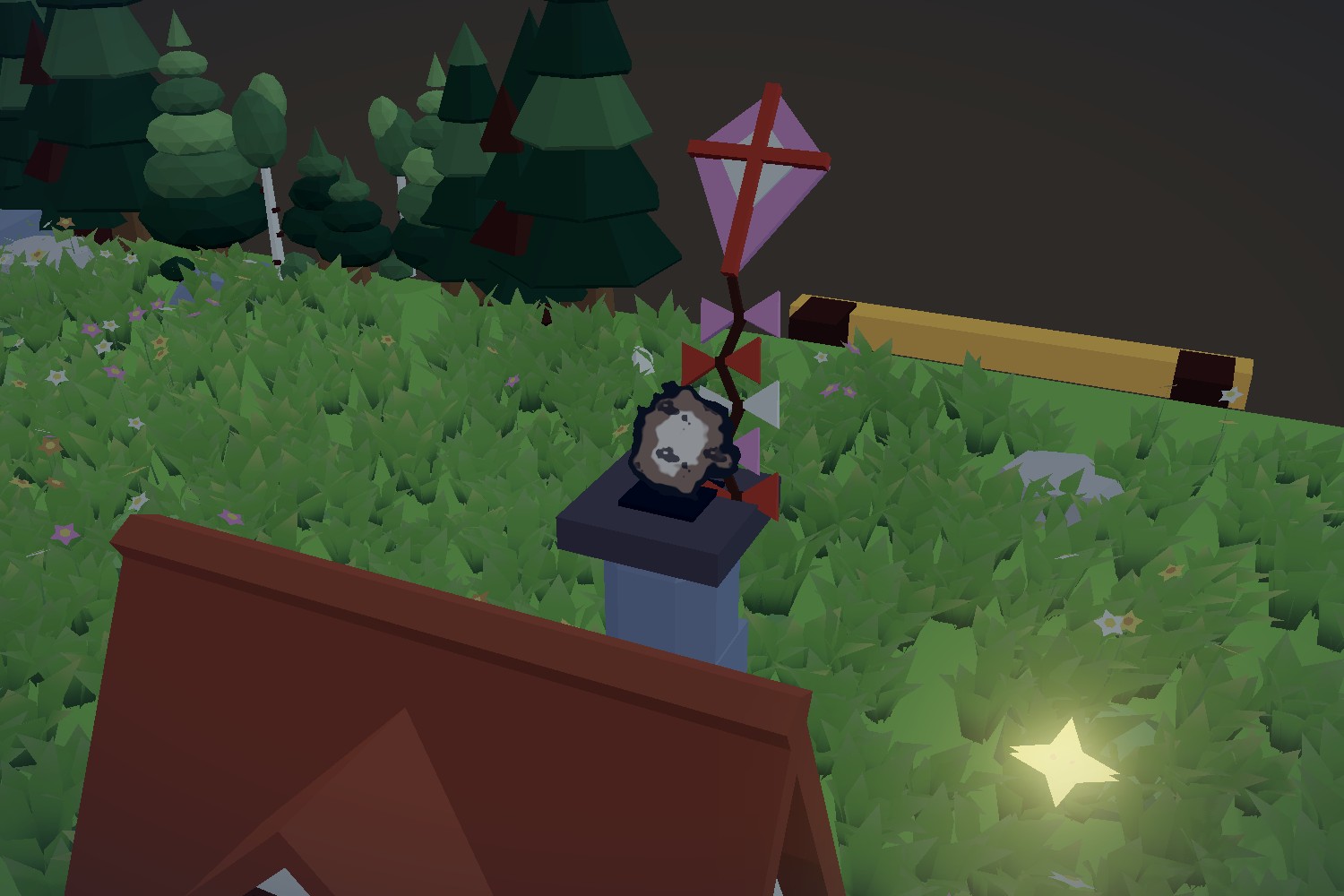
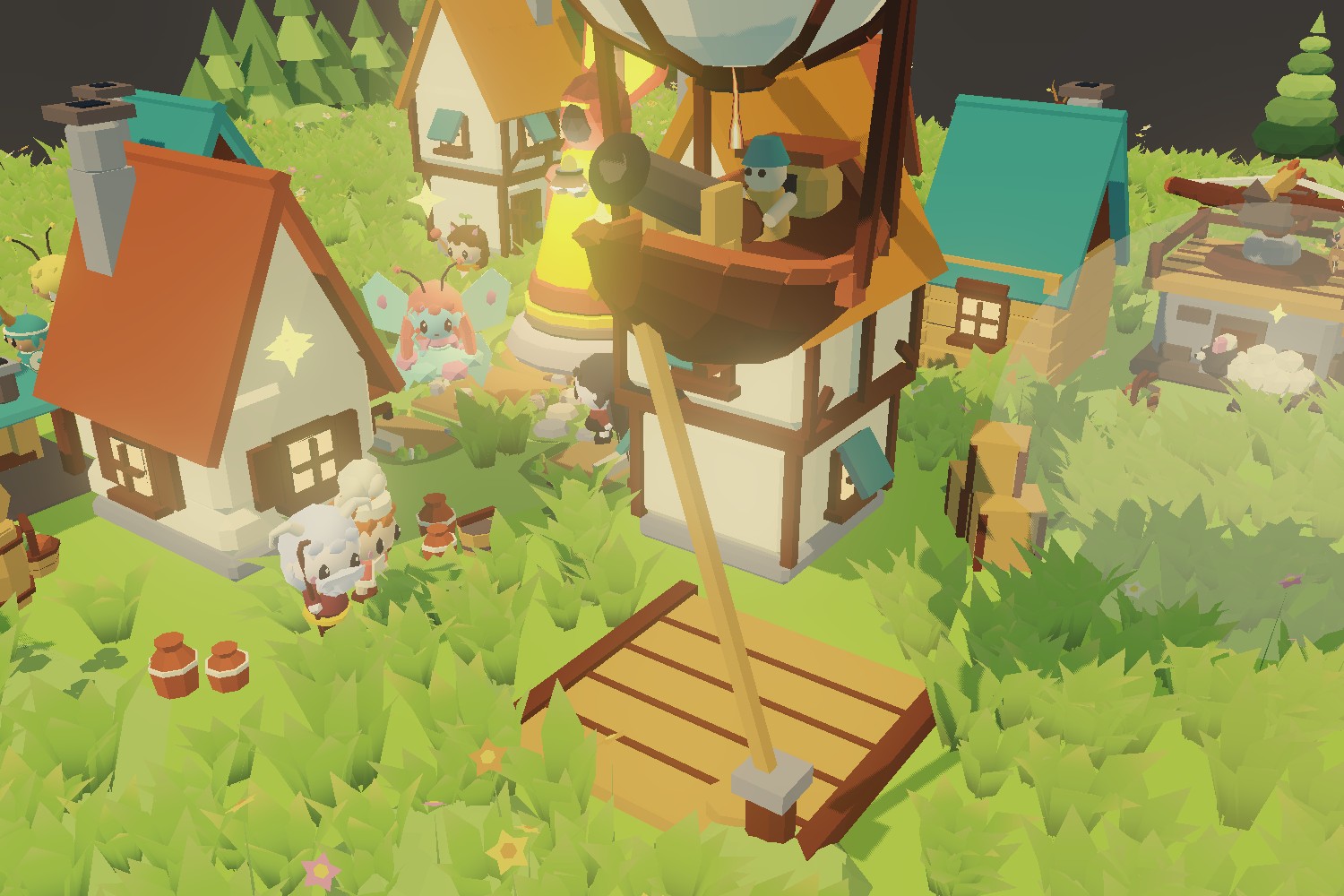
- By day you help the villagers with small kindnesses: a lost lamb, a kite in a tree, laundry blown off the line. Every kindness raises Faith, and Faith builds defences.
- By night creatures come out of the forest. Your towers fight on their own, and you throw fire, drop boulders and call storms with your own bare hands.
- The last night of every loop always falls. When it does, you turn an hourglass and time rewinds. The villagers don't remember, at first. Then, loop by loop, they start to.
- From the third loop on, the statue offers you an ending each dawn. You can take it, or keep looping.
How we built it
Aeterna is made in Godot 4.7.2 with OpenXR, using hand tracking and passthrough. Everything is played with pinches: pick up tower cards, drop boulders from above, spin the island by its rim, and pinch the hourglass to rewind.
- Every 3D model is ours, built from scratch as a Blender Python script: towers, villagers, enemies, Skotos, trees and props. No AI-generated or store-bought models.
- One hand-made palette texture is shared by everything, so the whole game uses two materials and stays cheap to draw on a standalone headset.
- Characters are separate parts animated in Godot rather than skinned rigs. Magic is drawn as effects in the engine, always in black, orange and red.
- Sound effects are real recordings under free licences, cut, layered and credited. The music was composed with the help of our friend Palak Jaipuriyar (see below).
- Testing: we recorded real play sessions on the Quest and built a replay driver and a scripted "VR player" bot, alongside a self-test of about 870 checks.
Challenges we ran into
- The music, at the last second. We had the game, the story and the sound effects, but no score, and a village that falls every few nights needs music to feel like anything. Our friend Palak Jaipuriyar stepped in at the last moment and helped us compose it, so the day and night themes and the story music all exist because of her. Without her we would be dead.
- Performance optimization. Keeping a full village, a lit dome and a night battle at headset frame rate was the hardest technical part. We built an adaptive quality governor that adjusts detail as the frame rate changes, merged static meshes to cut draw calls, used a cheap fake bloom for lit windows instead of real glow, and cut shadow casters. All models share one palette texture so the whole game draws with two materials.
- The time constraint. Everything, the models, story, audio, hand interactions, tutorial, auto-save and the Quest build, had to fit inside the competition window. We had to decide again and again what to cut so the core loop, defend, rewind, remember, felt finished.
- The VR simulator was really bad. It made hand input hard to test and often did not match what the headset does. To work around it we recorded real play sessions on the Quest and built a replay driver and a scripted "VR player" bot that plays the tutorial, the tray and the rewind with human-like hand movements, backed by a self-test of about 870 checks.
- Making bare-hand input feel good. Hand tracking jitters. A short hold (0.2 s) and a settle guard keep a pinch from misfiring, and the grab point is where your fingers actually meet, not a ray. Small details like this decided whether placing a tower felt natural or frustrating.
Accomplishments that we're proud of
- Every model, the whole village, the enemies and Skotos, built from scratch with scripts. No AI-generated or store-bought models.
- A full tower-defence game with a story, played with bare hands only: pinch tower cards off a tray, throw a Fire Orb, drop a Boulder from above, call a Storm Cloud, and pinch the hourglass to rewind.
- A village that remembers: villagers change loop by loop, so the rewind is part of the story and not just a restart.
- It runs on a standalone Quest 3.
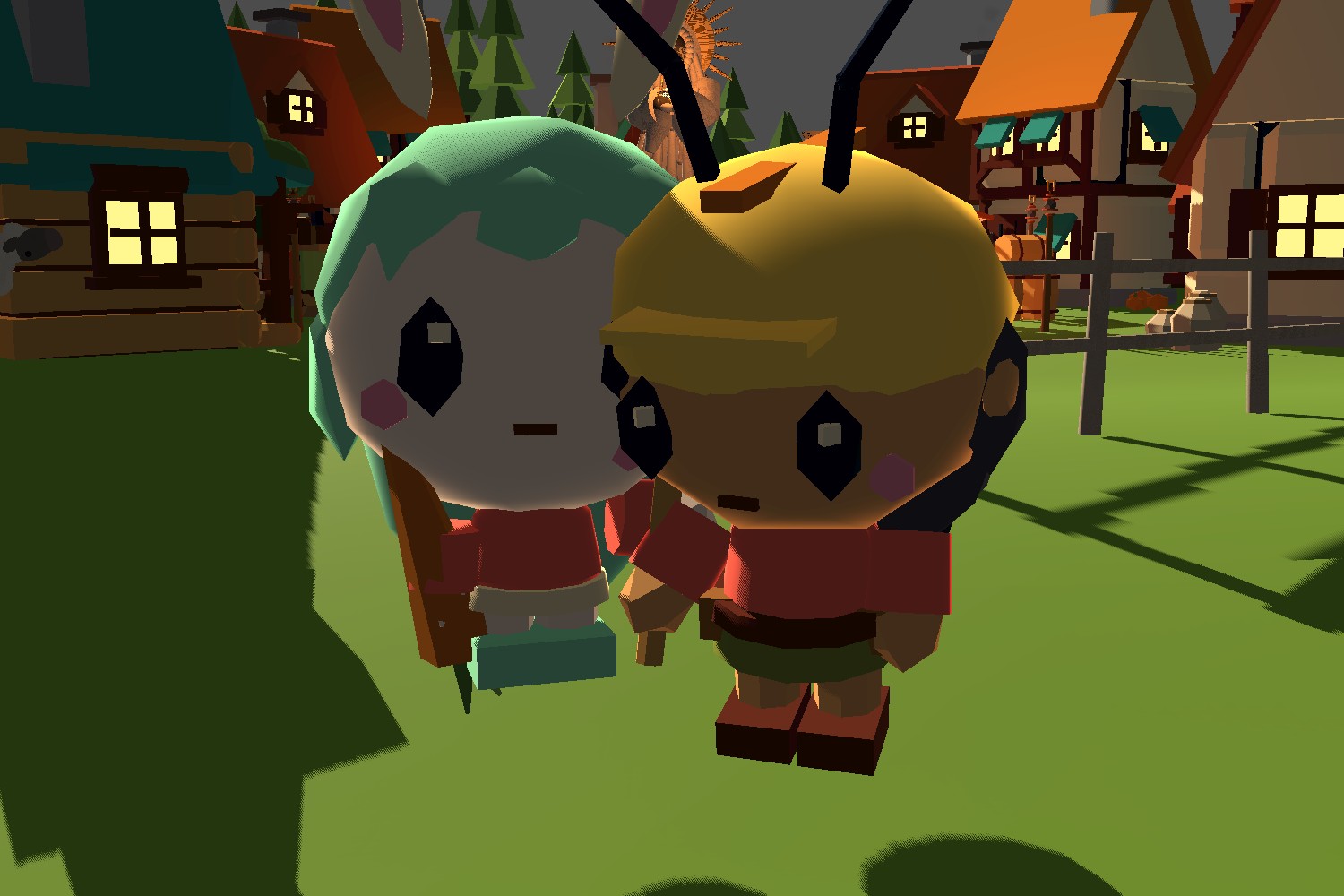
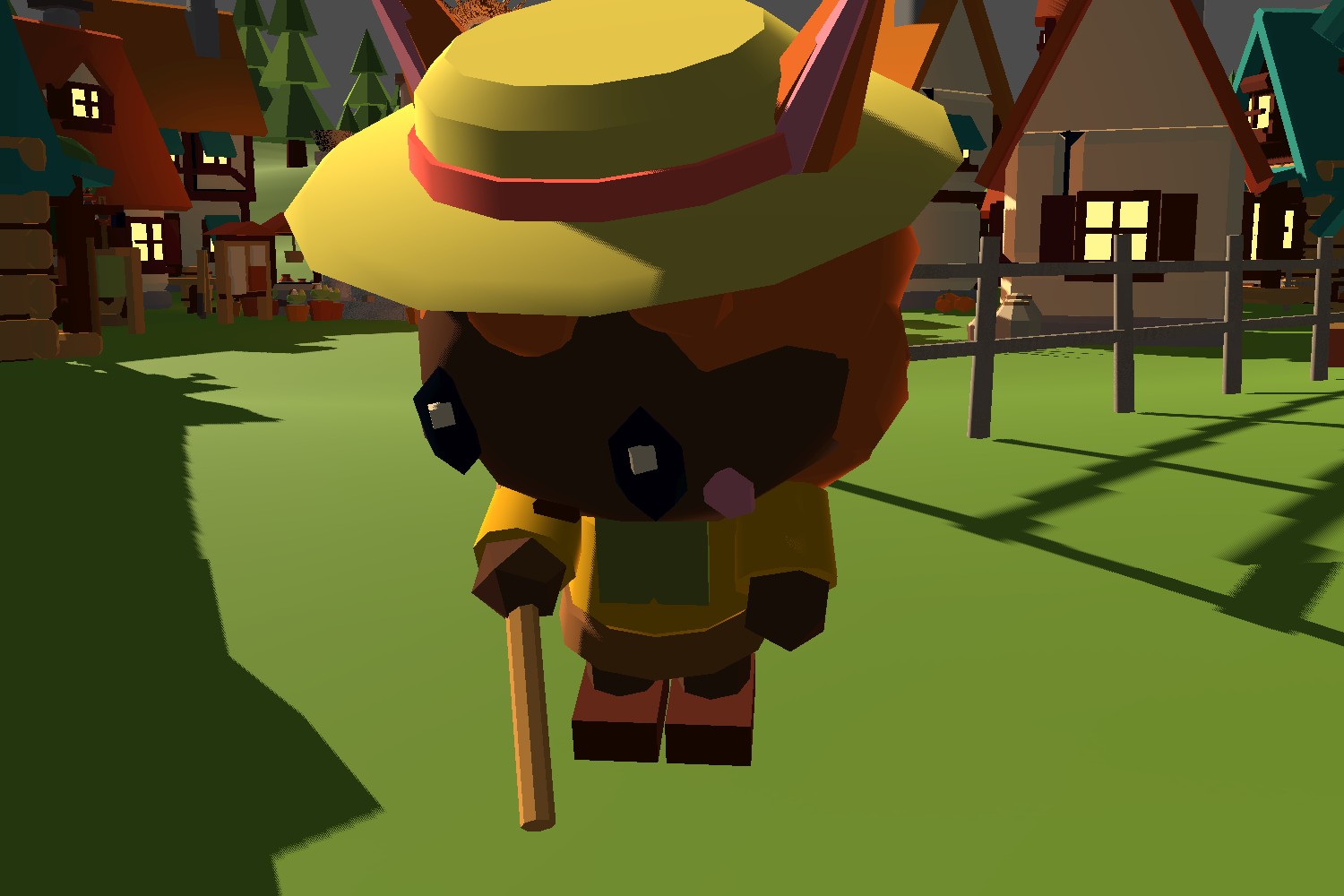
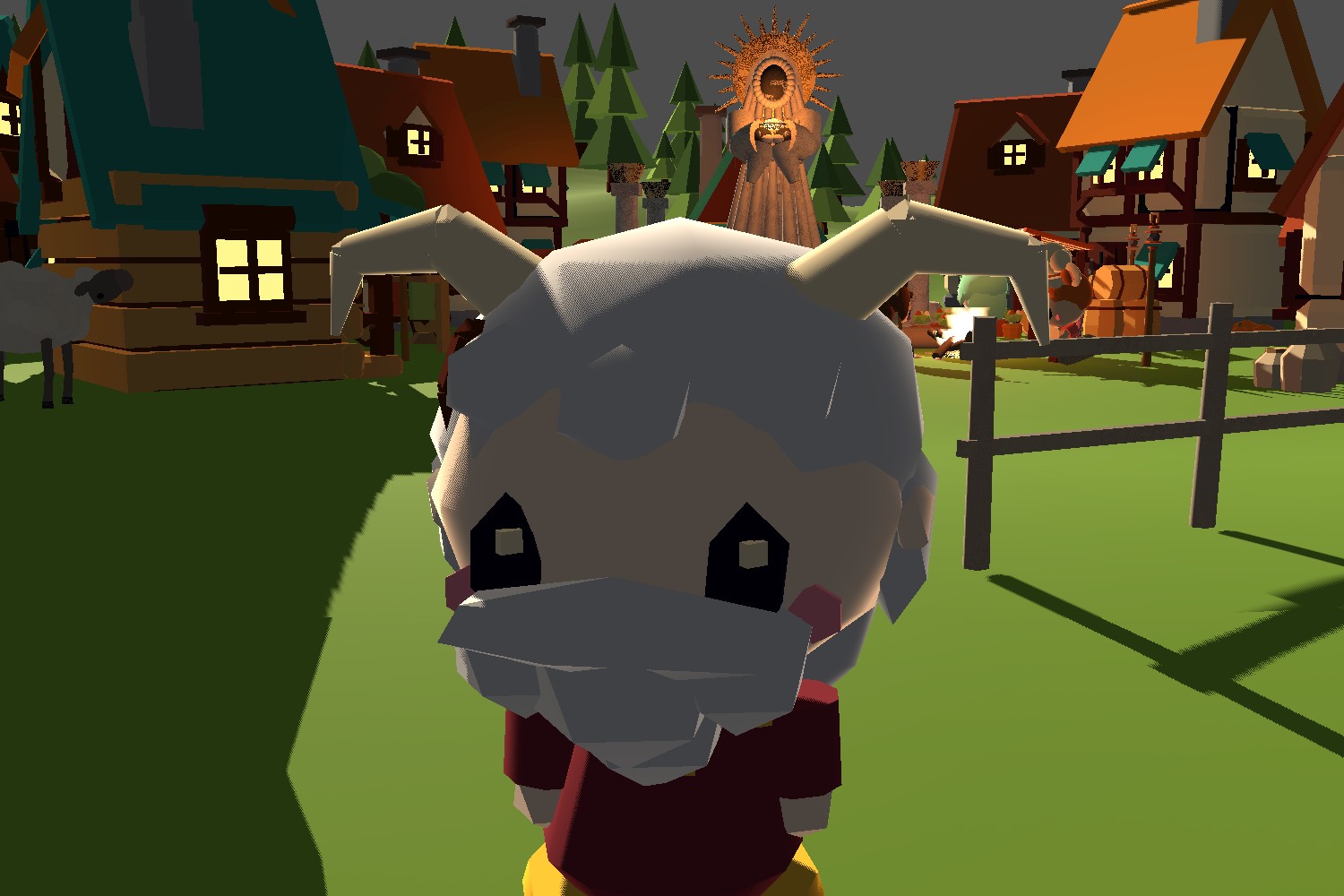
- The characters are so cute. Twelve villagers, the enemies and Skotos each have their own look and personality, and people fall for them.
- The music and sound effects make the little world feel alive: a score for day and night, and real recordings, cut and layered, for every tower, spell and creature.
- The art. One hand-made palette gives the island a warm, storybook look, and magic is always black, orange and red.
- The story. A tiny god, a forgotten dark god and a village that slowly starts to remember. Took a lot of time to think about it, but we love it now.
- The game feels smooth, even with a full village, a lit dome and a night battle on screen.
- Hand tracking that works. The pinch feels good, and a whole game is playable with nothing but your hands.
What we learned
- If it works in theory or on desktop, that doesn't always mean it will work in VR. Things that looked fine in the simulator or on a monitor felt wrong with real hands in a headset. Testing on the real headset is really important, and we would start it much earlier.
- How to use the Meta VR tools to build games: OpenXR with hand tracking and passthrough, Quest builds, and the Meta XR Simulator, including where each one falls short.
- How to build good experiences for the user, especially inside VR. Comfort, scale, reach and clear feedback matter more than in a flat game. Your hands are the interface, so every pinch has to be forgiving and every object has to look like something you can pick up.
- Not everything can be as detailed as we'd like. Sometimes reducing scope is needed for optimization, and a smaller game that runs smoothly beats a bigger one that stutters.
- Build your own testing tools. The replay driver and the VR player bot let us catch problems without wearing the headset every time.
What's next for Aeterna
- More lore: more of the world, Skotos's past and what each villager remembers as the loops go on, with more lines for every villager.
- More towers: new defences with their own strengths, so building up your village has more choices.
- More gameplay options: more kinds of quests and kindnesses by day, more spells at night, and the late phases of Skotos.
- More intuitive: better onboarding, clearer feedback and comfort options such as one-handed play and seated height presets, so anyone can pick it up.
- More intricate: deeper systems and richer detail in the village, tuned on real players.
