-
-
Aestria
-
Meteors Mapped
Inspiration
The pursuit of space exploration is no longer confined to the stars; it begins with the ancient fragments that have already fallen to Earth. As the NASA Artemis mission prepares to establish a long-term human presence on the Moon, our focus has shifted toward understanding the cosmic archive. These meteorites hold the chemical blueprints of our solar system.
What it does
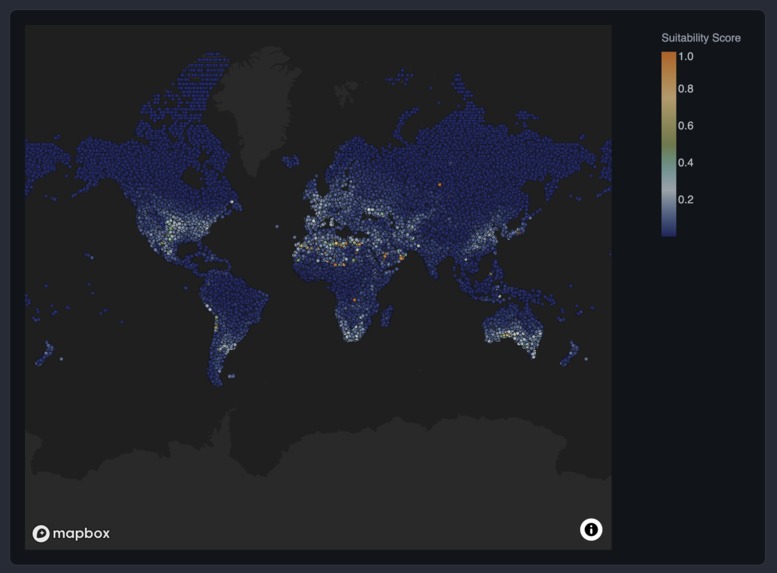
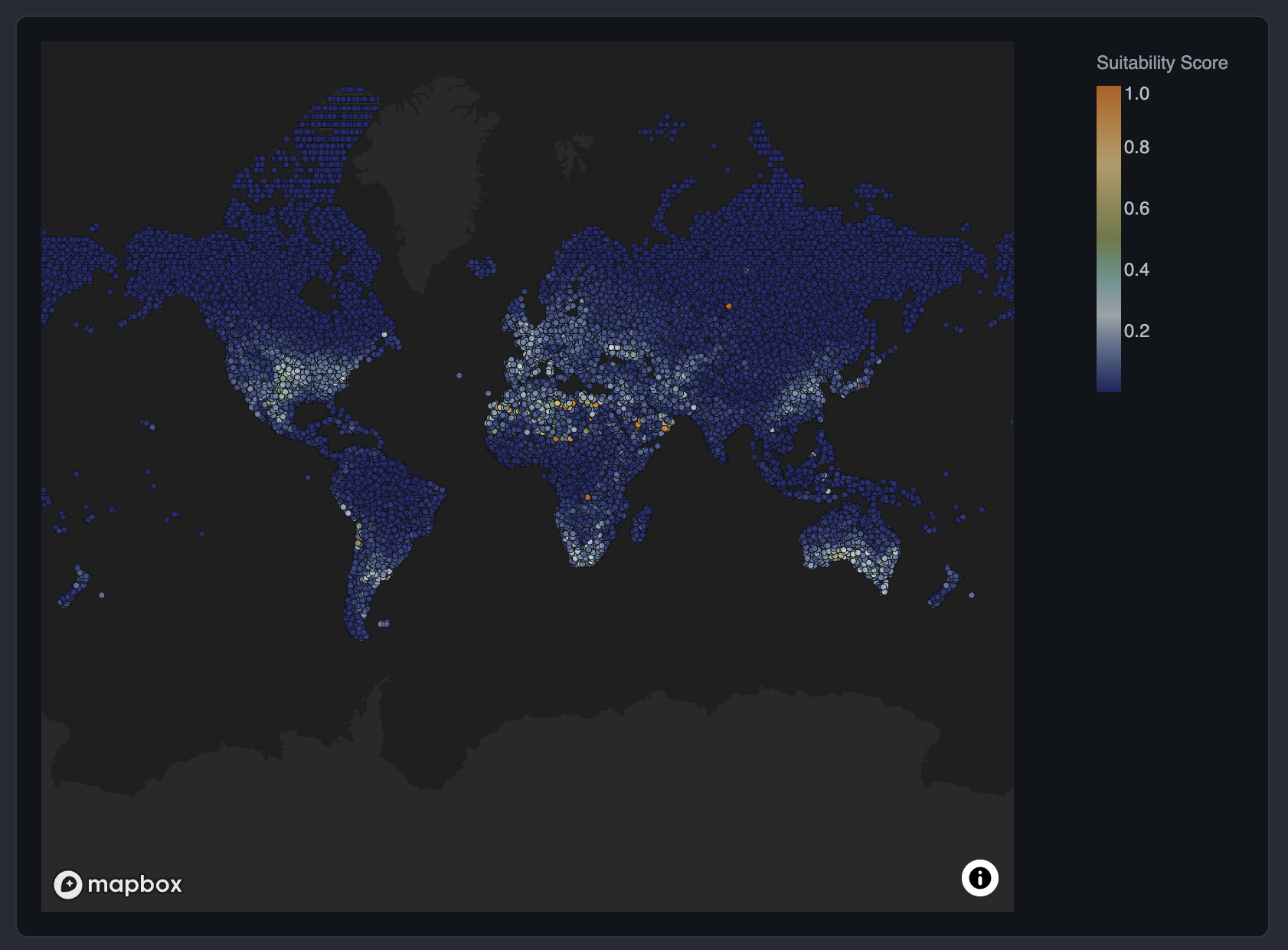
With Aesteria, we can assess the likelihood of finding a meteorite at a given geographic location. With this information, we can examine meteors closely to understand the history and rare metals of the universe.
How we built it
We created a Gradient Boosting model, which uses features such as precipitation, seismic activity, and temperature of the region.
Challenges we ran into
A challenge we ran into was joining our data sources together. To resolve this issue, we needed all of the data sources to have a shared key. In our case, it was geographical data (longitude and latitude). Another issue was finding the data with the same longitudes and latitudes that are going to be checked for weather and seismic data.
Accomplishments that we're proud of
Accomplishments that we are proud of are obtaining a 96% accuracy model and our research in finding the best model (Gradient Boosting) for our specific problem.
What we learned
We learned that our model has a 96% accuracy in predicting the likelihood of finding meteors, but this could be a result of overfitting. After all, there is no data on meteorites in oceans or sparsely populated places, which creates a inherit bias caused by population density.
What's next for Aesteria
We are going to refine our search to include more features, such as vegetation, to determine anomalies that could occur because of a meteorite.


Log in or sign up for Devpost to join the conversation.