Why I built it
I want to study aerospace engineering, so I chose a project that connects aircraft with Python. I wanted to explore how image processing could help someone notice changes in a photo.
What it does
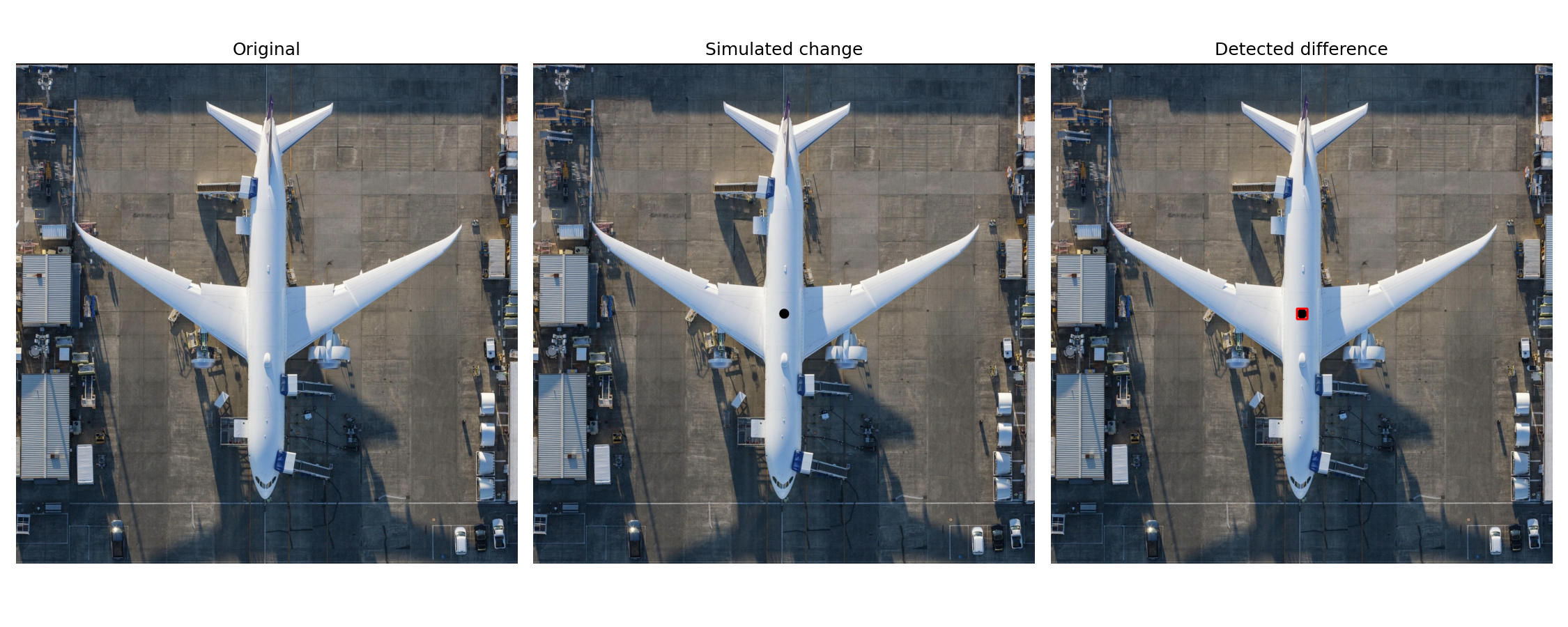
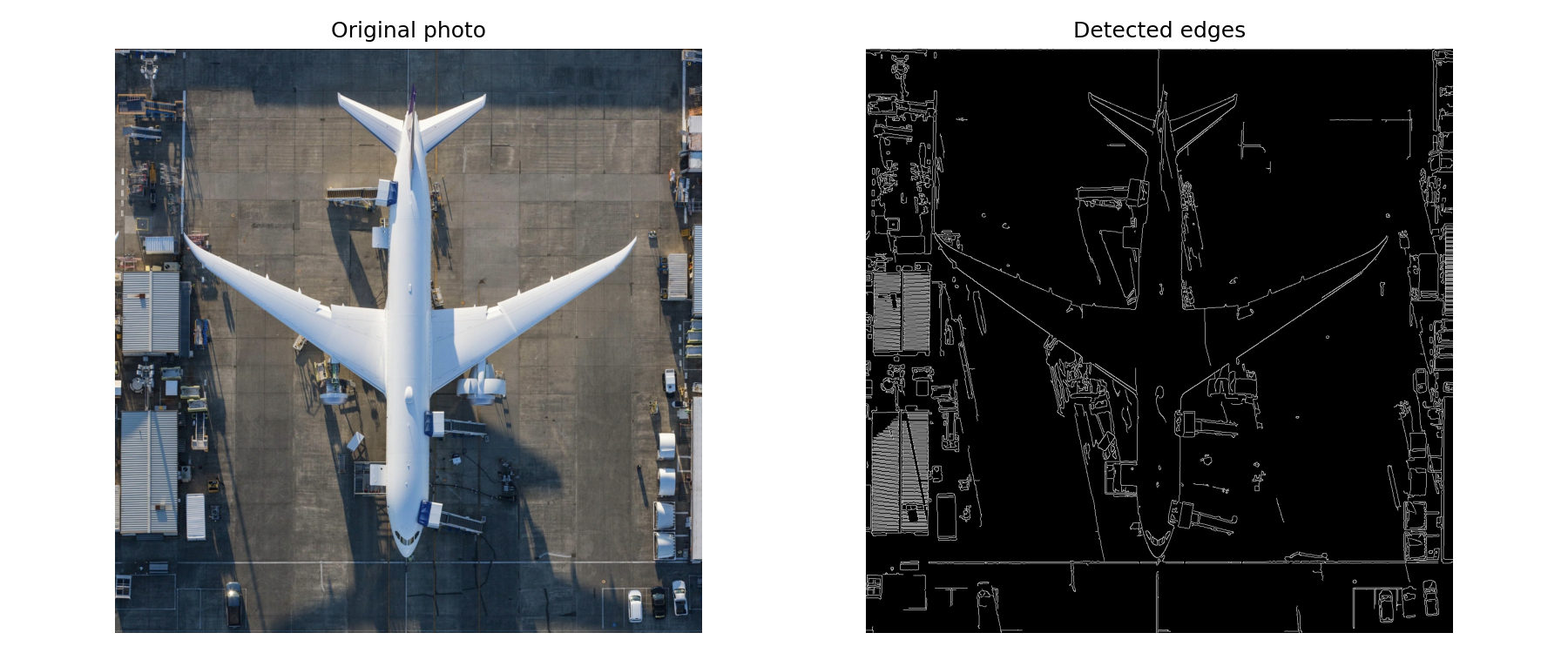
AeroVision shows the edges in an aircraft photo and compares the original with a copy containing an artificial mark. It draws a box around the detected change and saves the images and test results.
This is an early demonstration. It has not been tested on real aircraft damage.
How I built it
I used Python and OpenCV in a Kaggle notebook. OpenCV finds edges and compares pixels between images. NumPy handles the image data, and Matplotlib displays the results.
I exported the results as CSV and JSON files. I then manually copied the JSON results into an AWS Lambda test event. The Lambda function checks the supplied results and counts how many passed. The photo processing happens in the notebook.
Challenges I faced
I had problems with notebook connections and uploading the photo. I moved from Colab to Kaggle and changed the code to read the uploaded dataset. I also fixed a missing bracket in the Lambda code and learned to select the correct test event.
Results
The notebook passed 10 tests with artificial changes and one test using an identical photo: 11 out of 11 controlled tests.
AWS Lambda successfully summarised those results. These tests show that the basic demonstration works on this photo. They do not measure real aircraft damage detection accuracy.
What I learned and what comes next
I practised image processing, debugging, exporting results, and testing an AWS Lambda function.
Next, I want to compare real before-and-after photos and test how lighting and camera movement affect the results.
Built With
- amazon-web-services
- kaggle
- matplotlib
- numpy
- opencv
- python

Log in or sign up for Devpost to join the conversation.