-
-
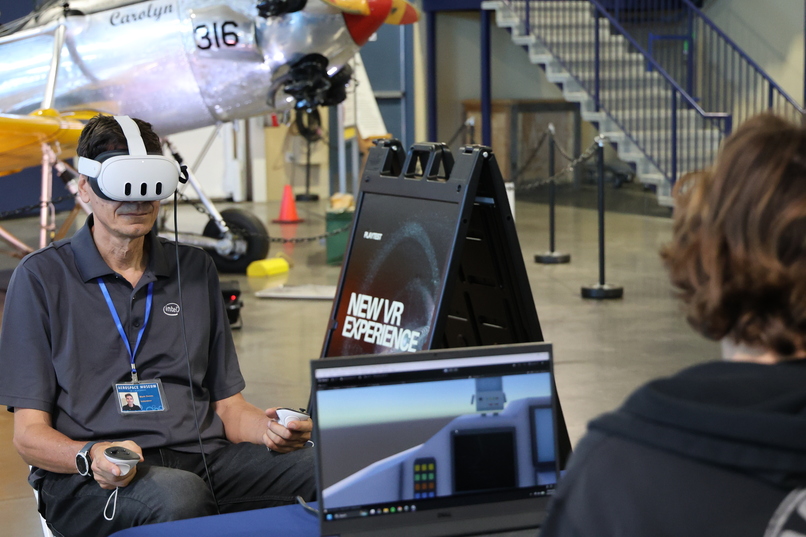
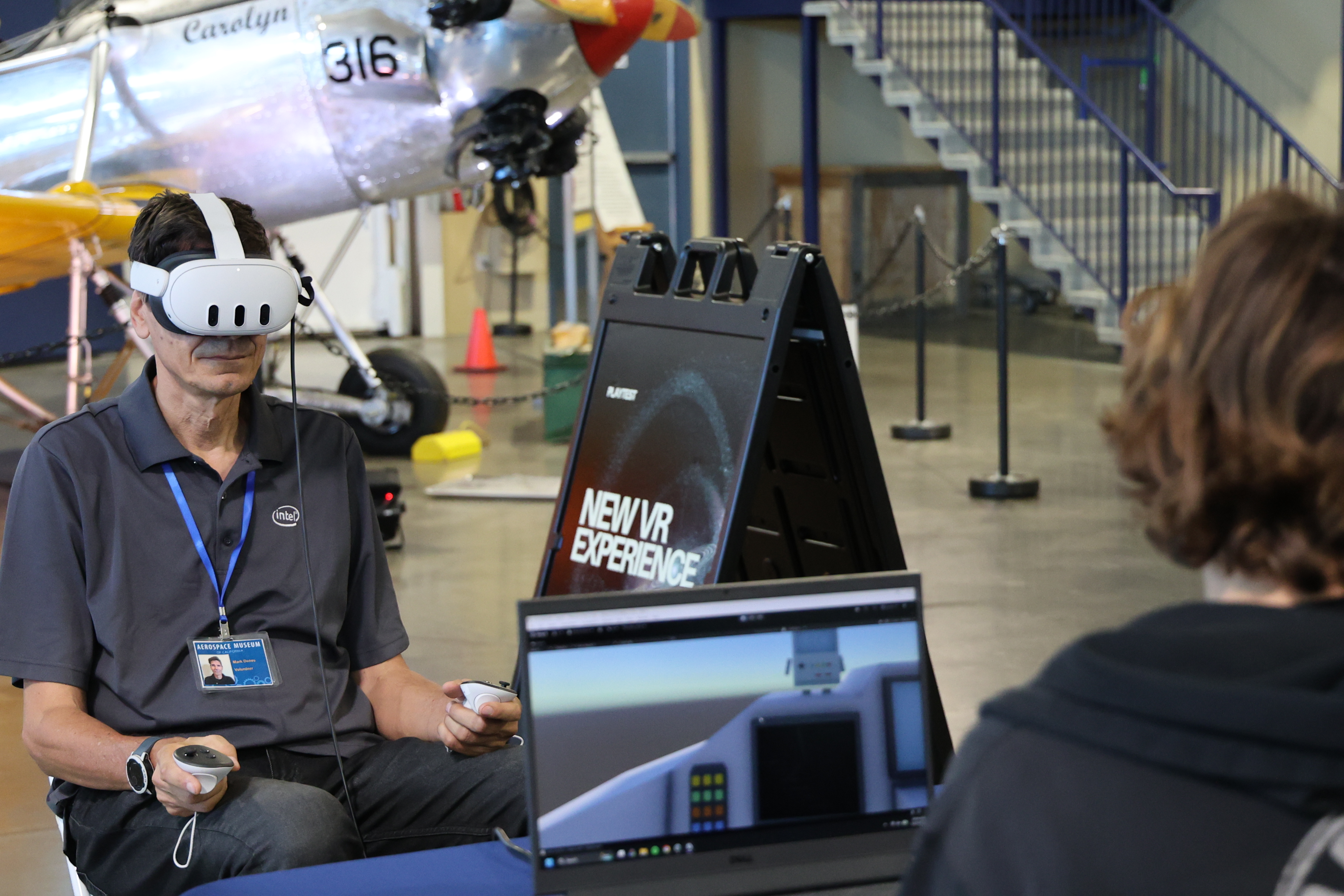
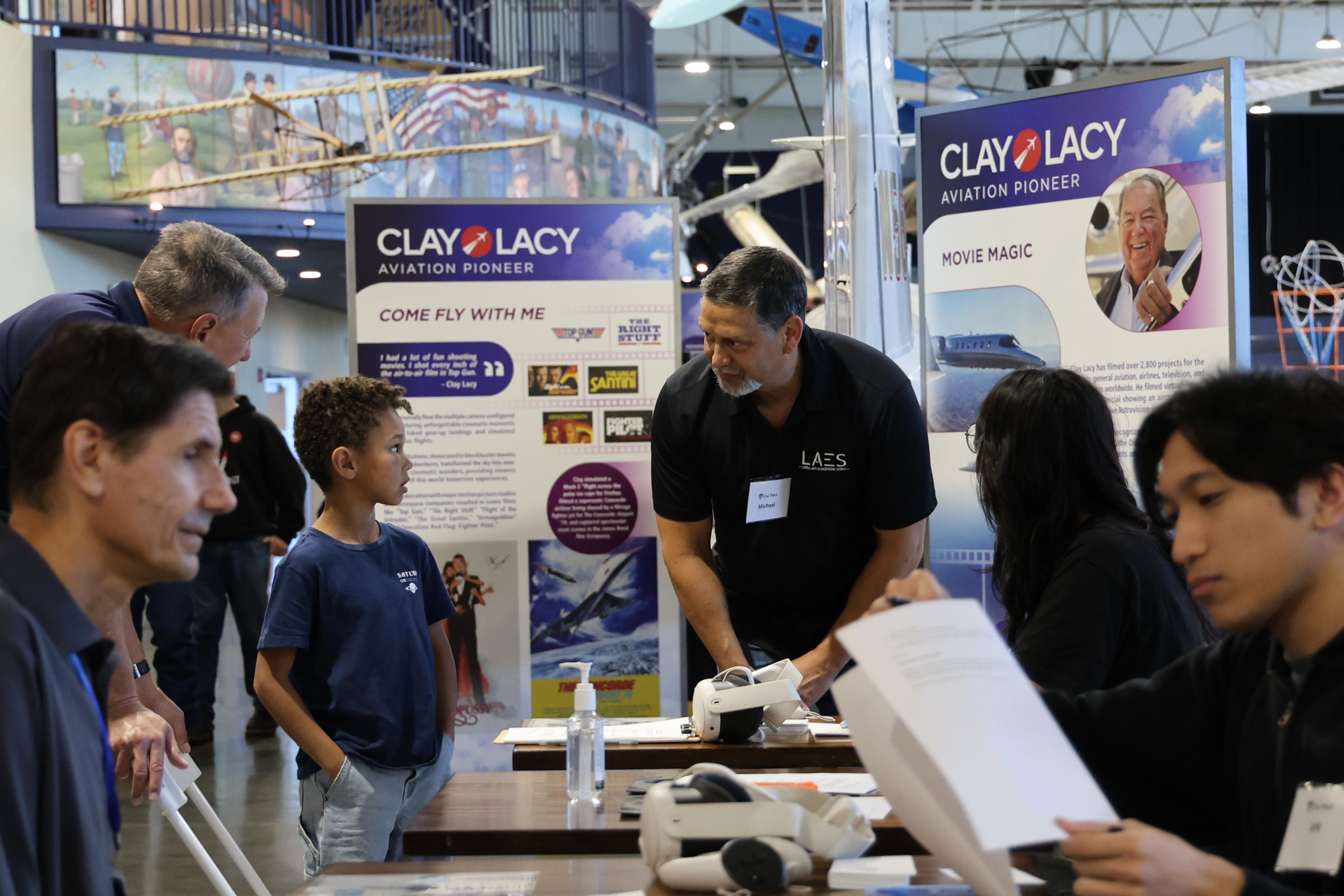
Aerospace Museum of California guest playtesting our VR application.
-
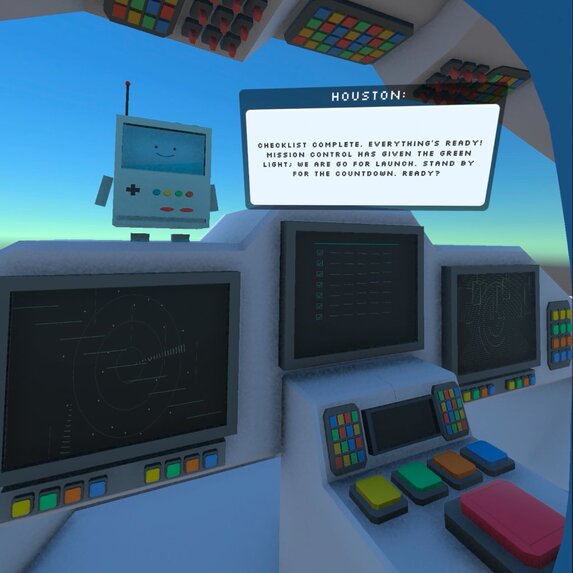
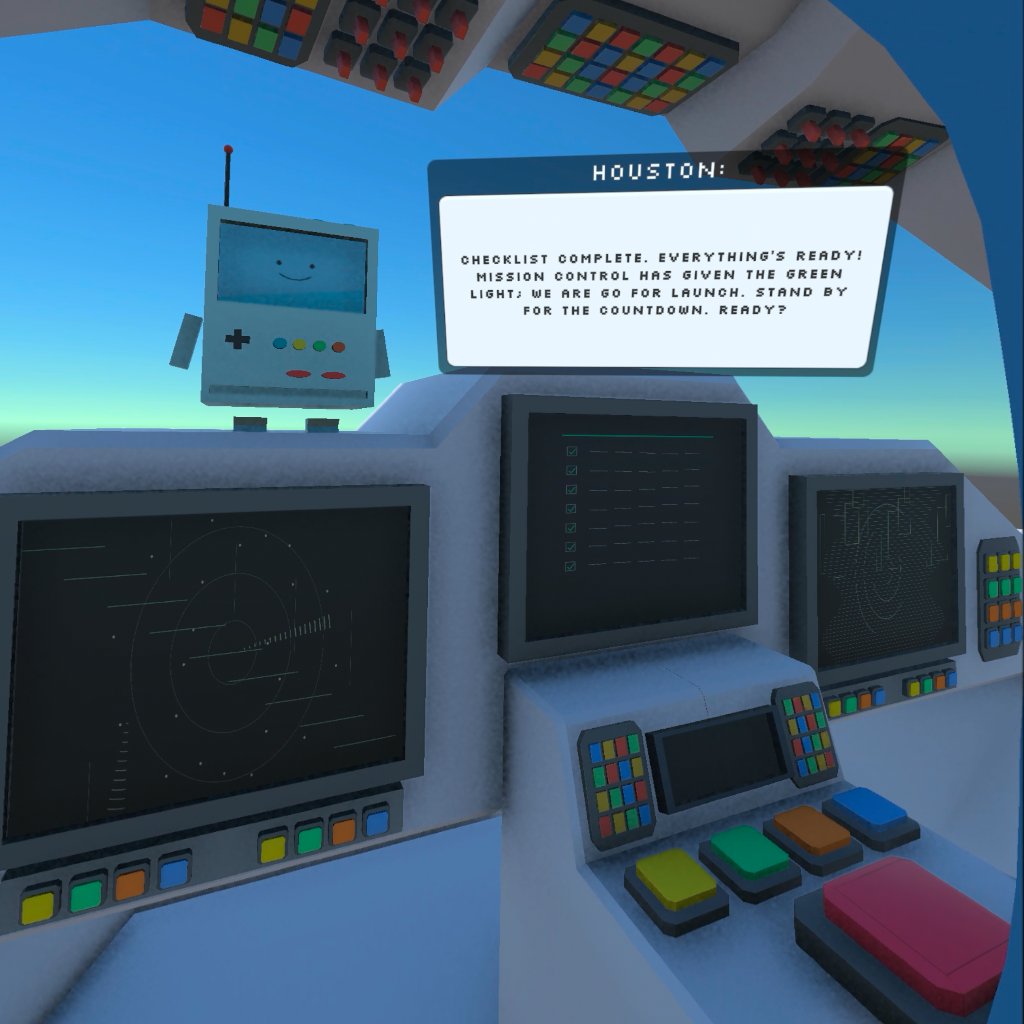
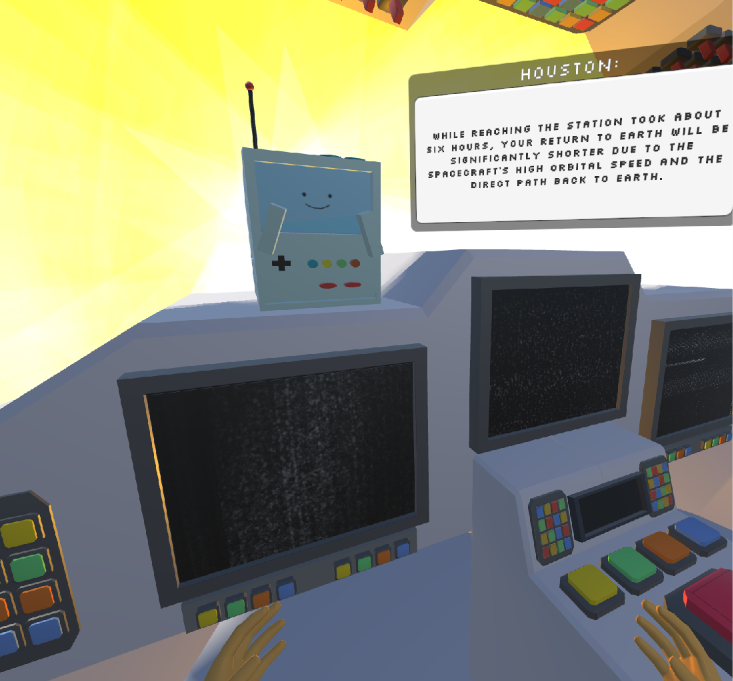
Participants are guided by our assistant named "Houston".
-
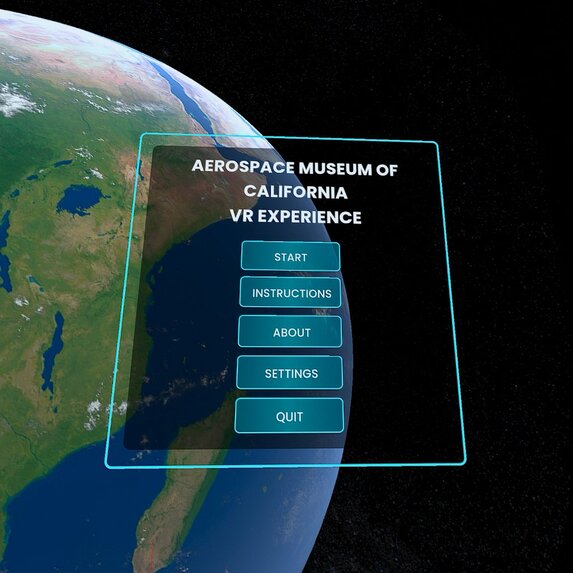
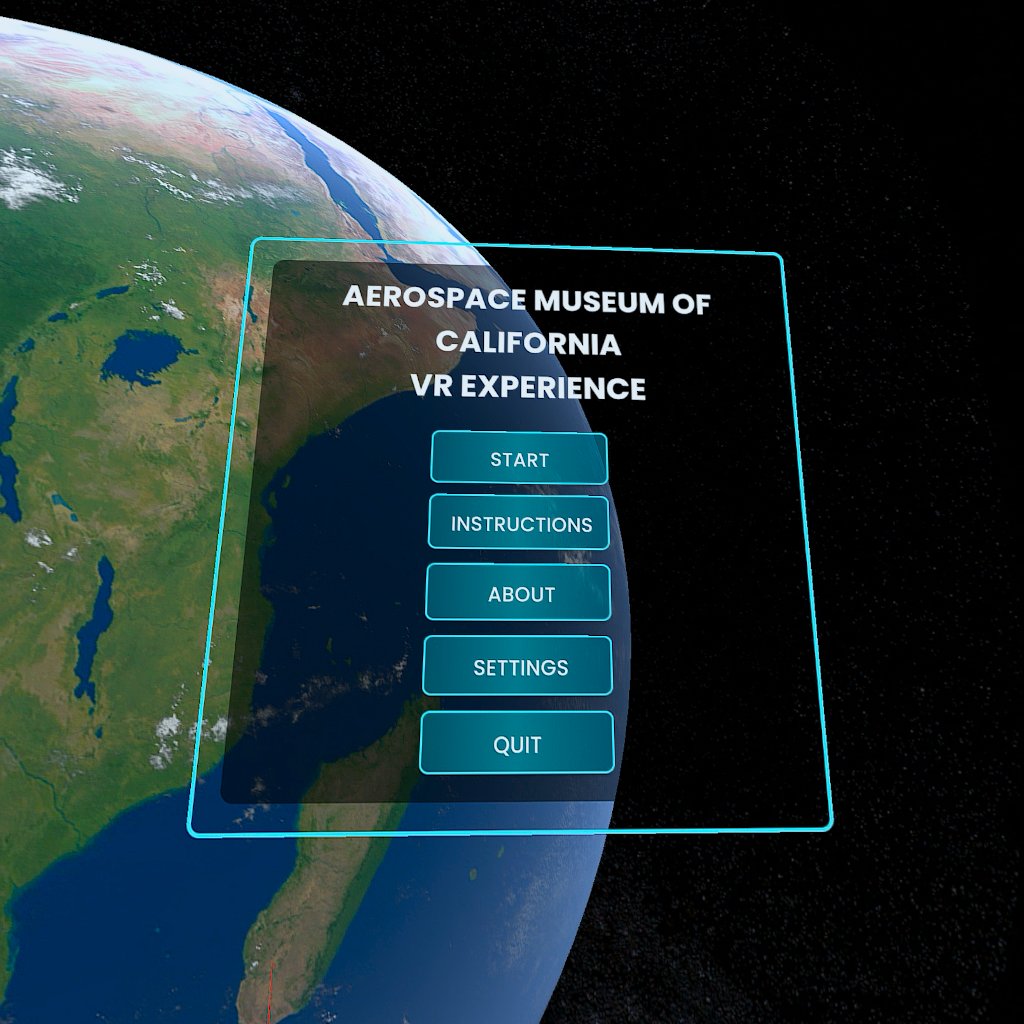
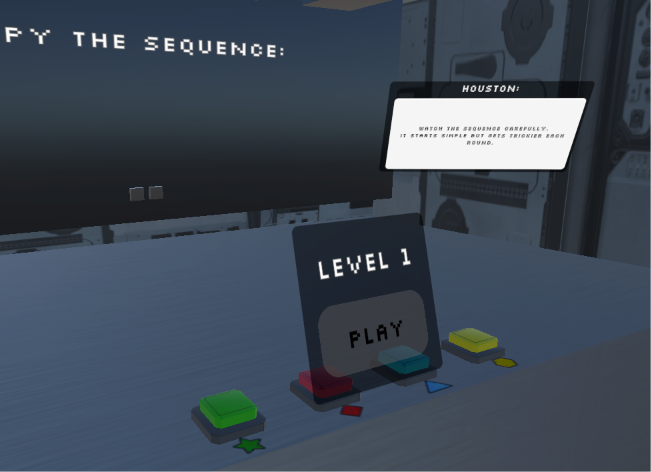
Interact with our starting main menu while orbiting Earth.
-
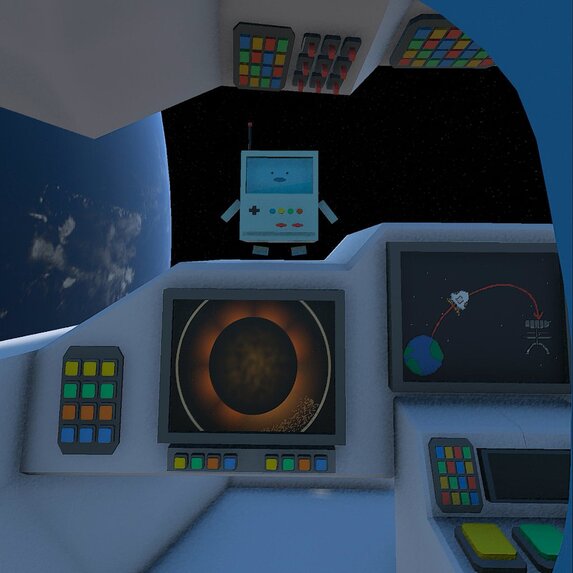
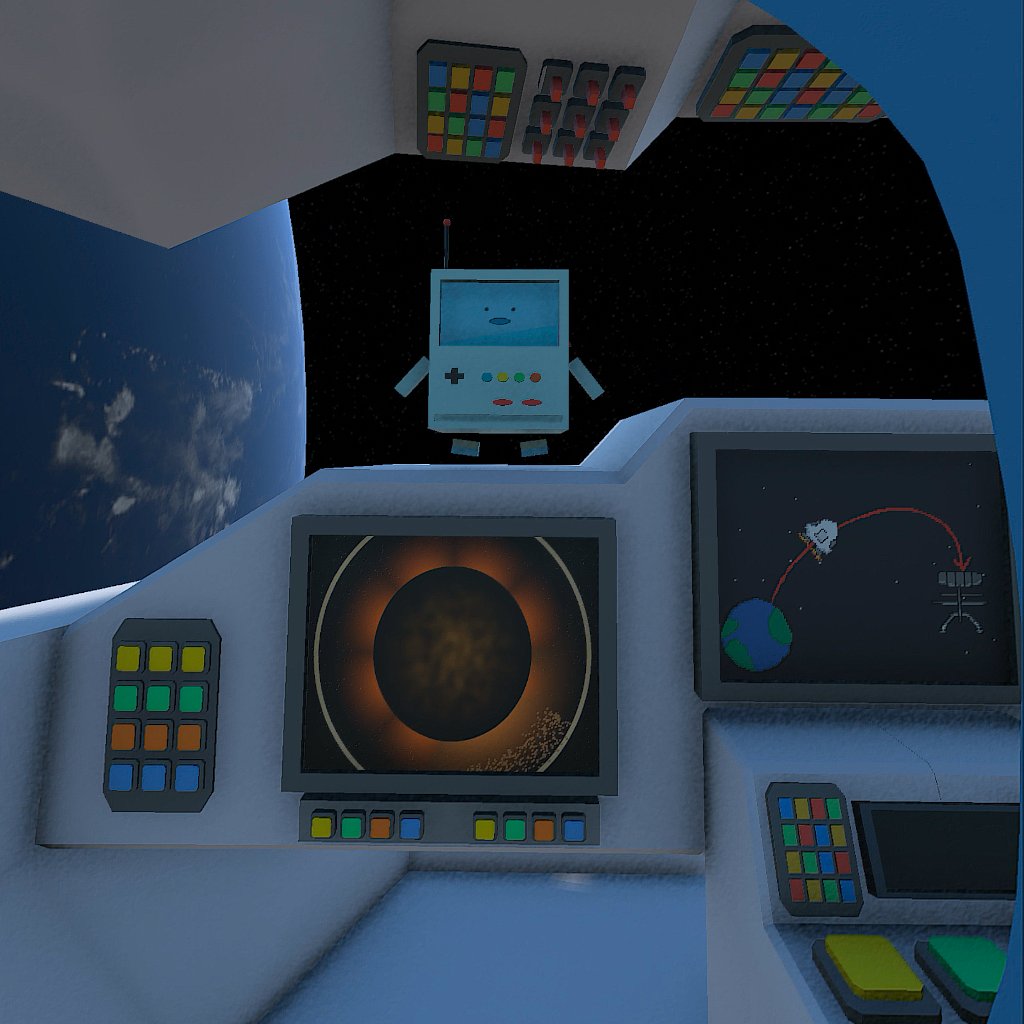
Houston explains that the space station was damaged during a recent solar flare.
-
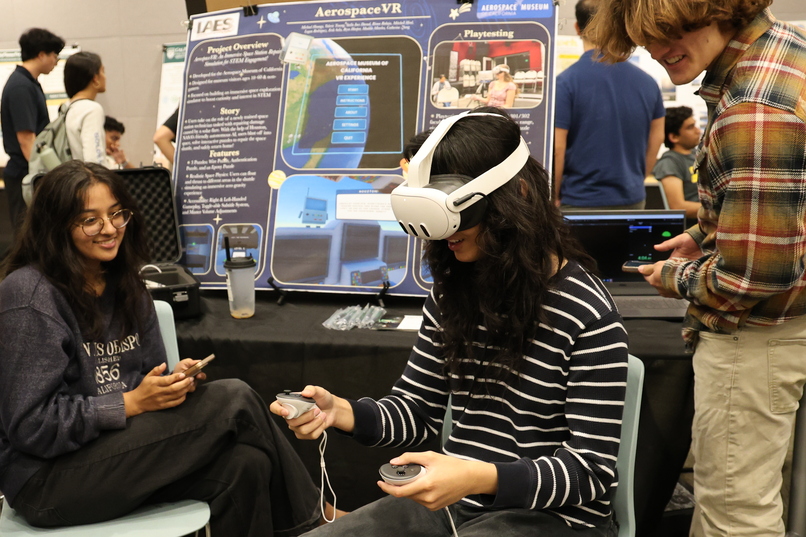
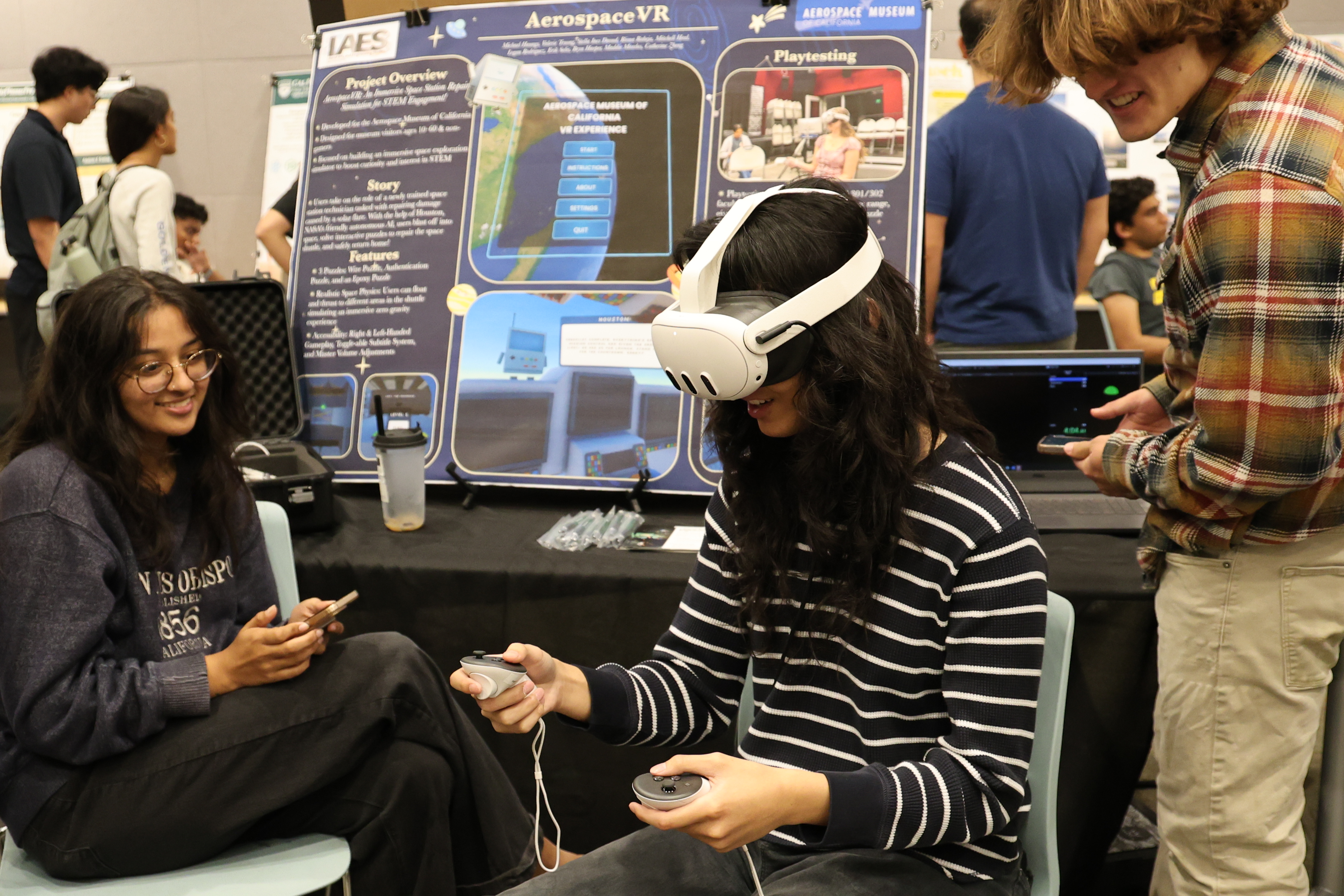
Early version of the experience presented at Cal Poly, San Luis Obispo, Engineering Project Expo.
-
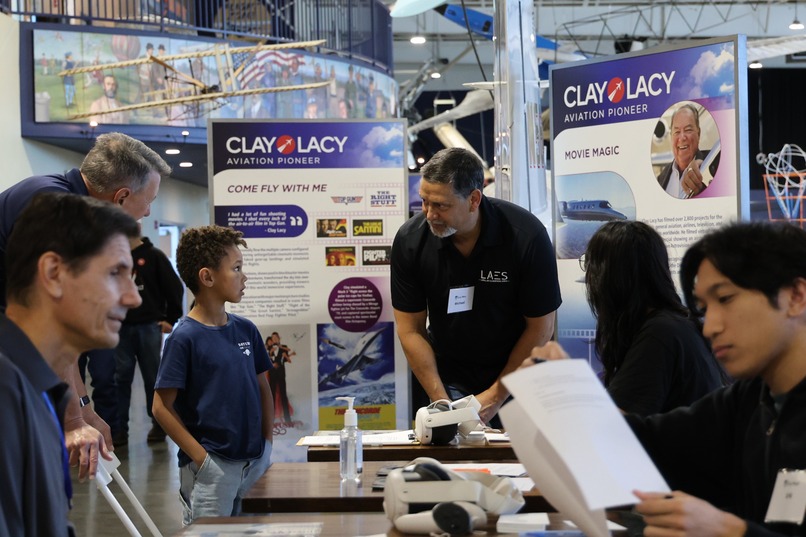
At the Aerospace Museum of California in Sacramento, our youngest playtester was 7 and our oldest was 70.
-
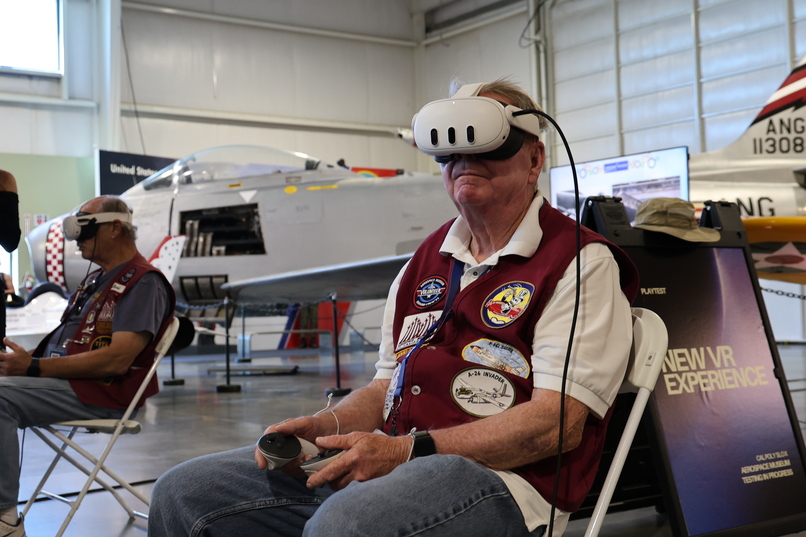
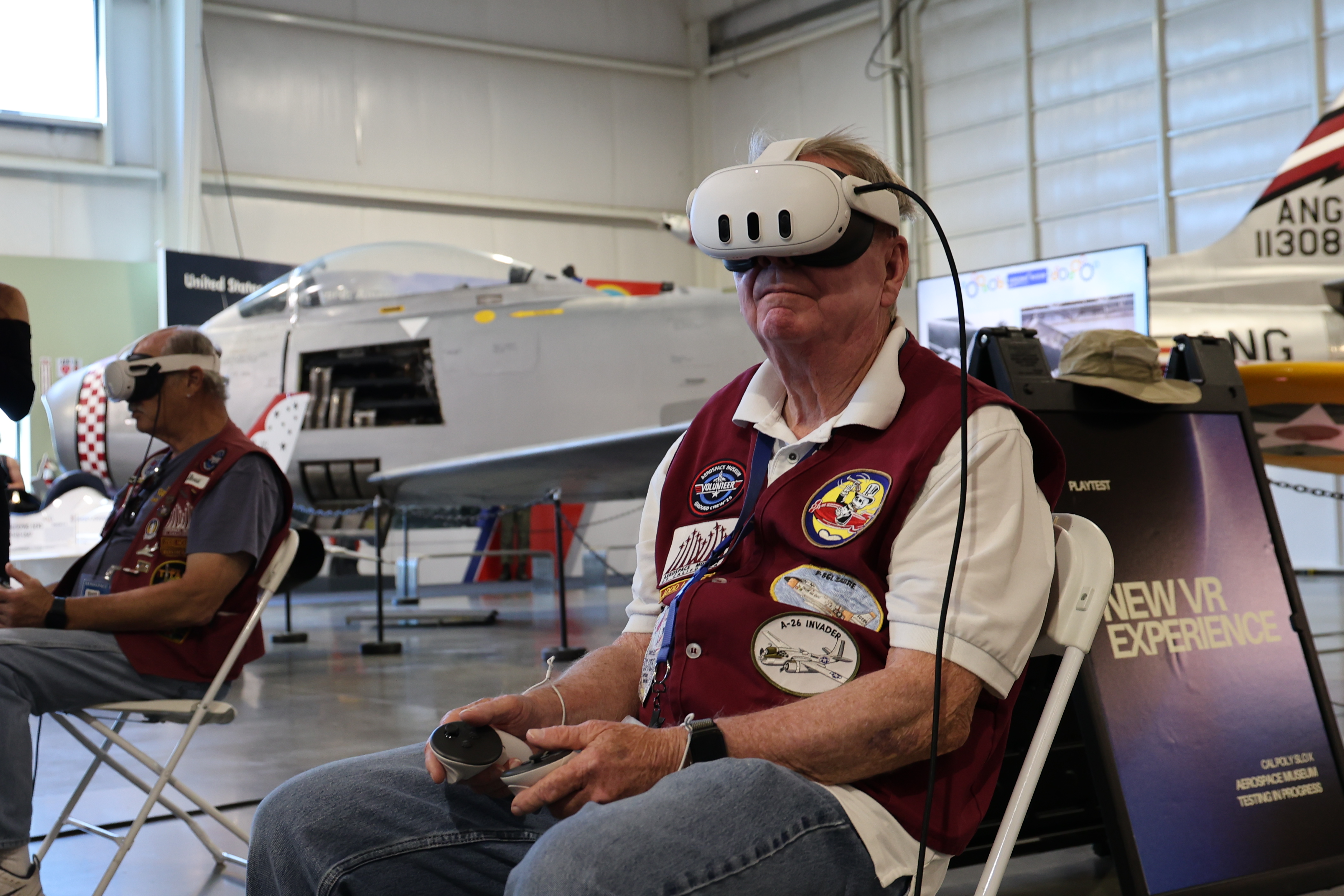
A museum volunteer experiences Aerospace VR.
-
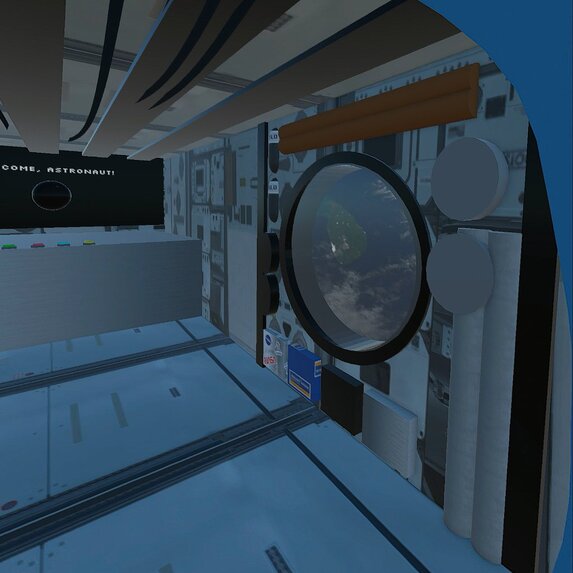
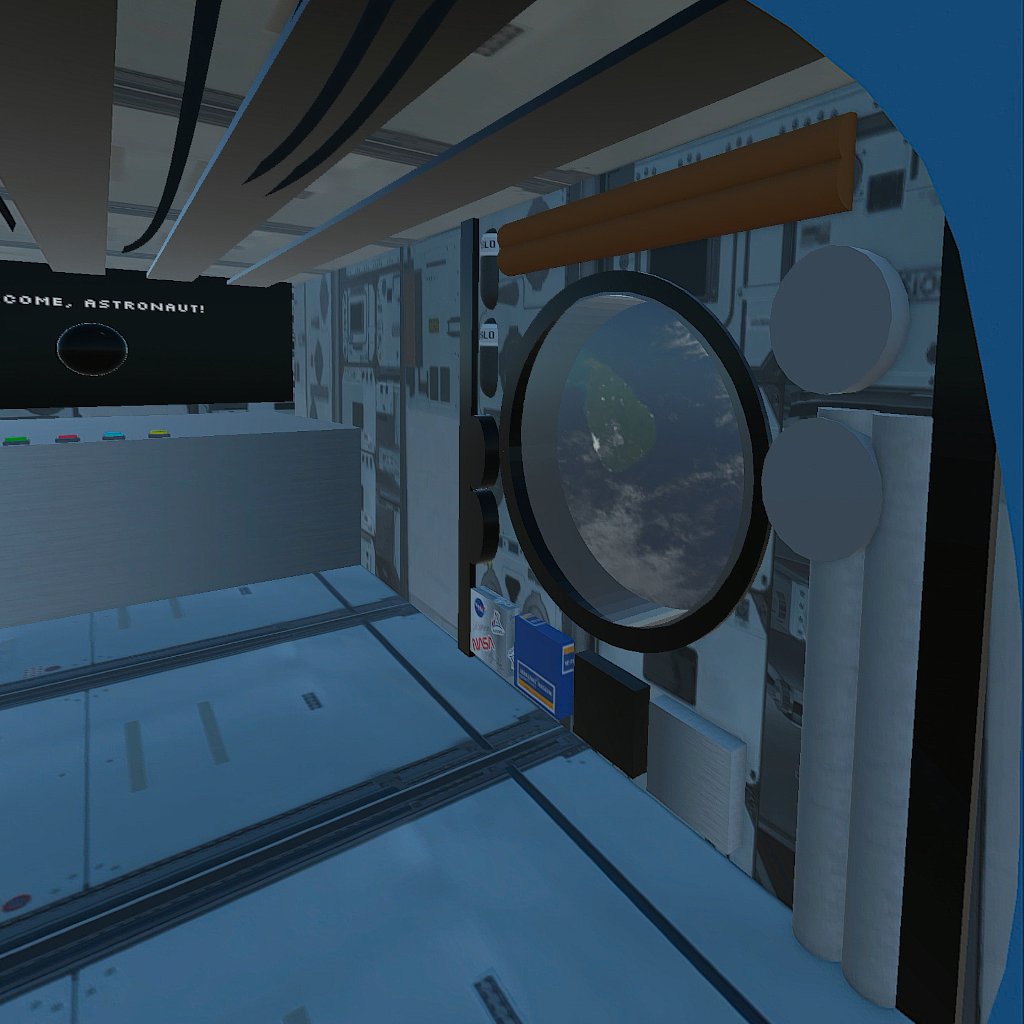
A view of Earth through the portal in the main area of the space station.
-
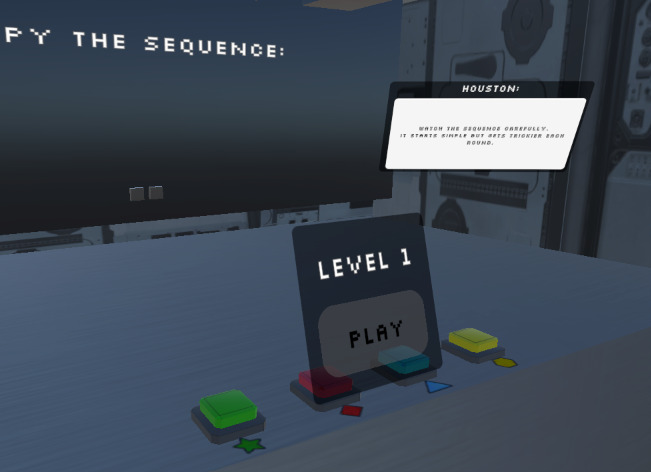
Our application has closed captioning and accommodations for participants who are color blind.
-
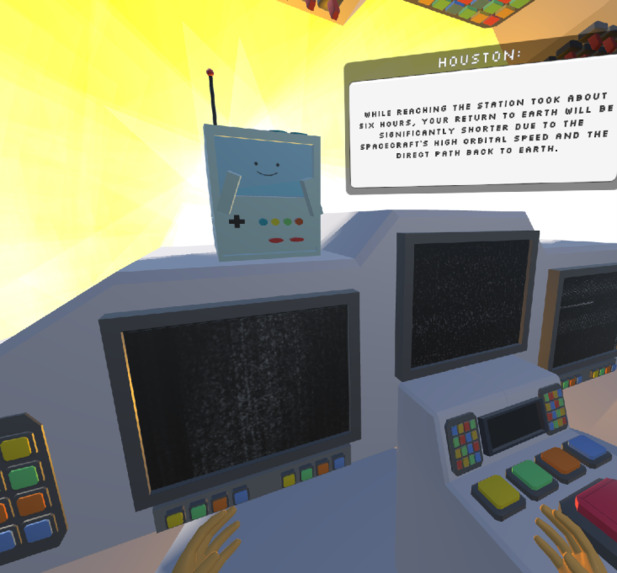
Experiencing friction on reentry into Earth's atmosphere.
-
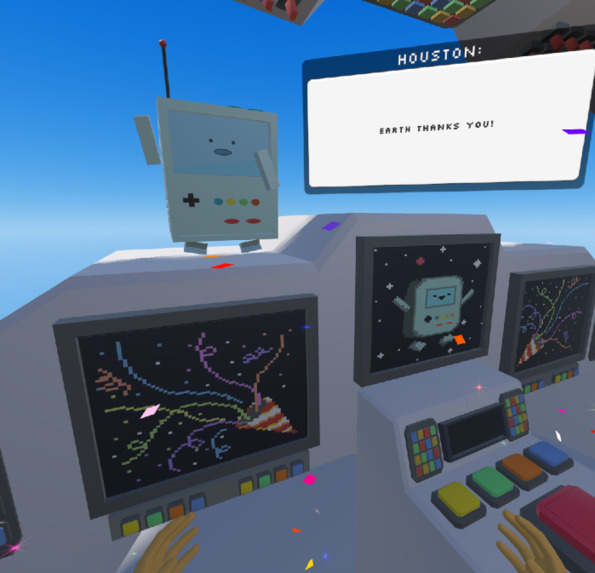
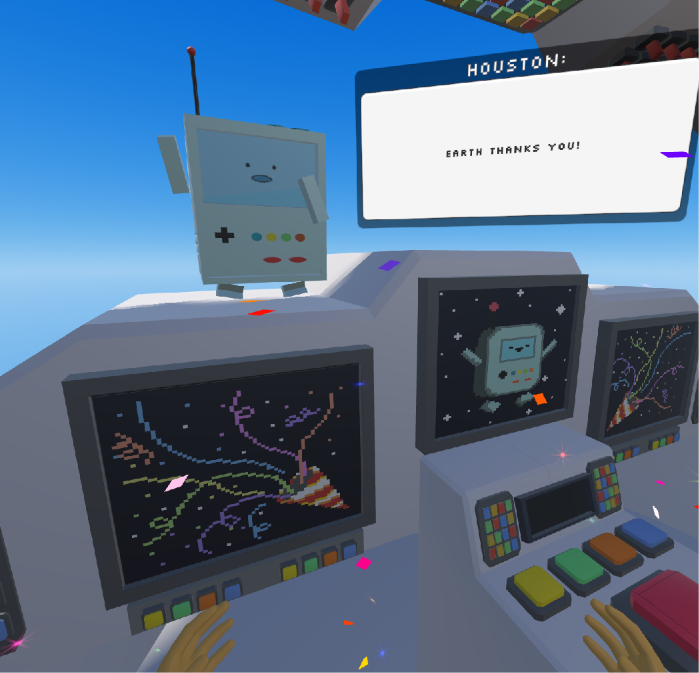
Celebrating the completion of a successful mission.
-
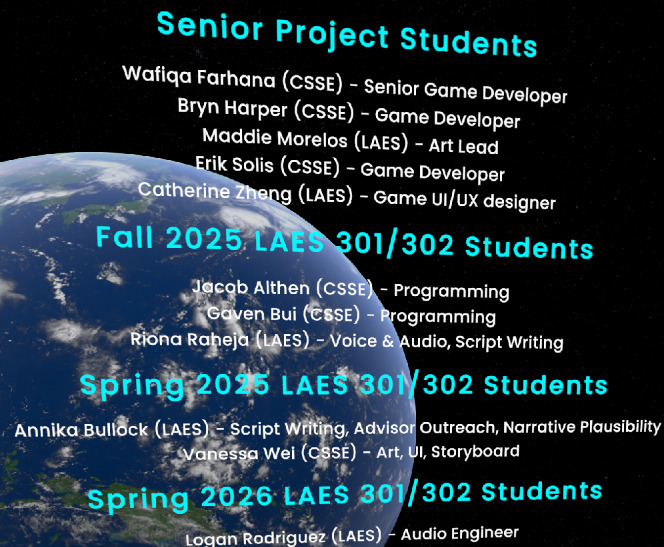
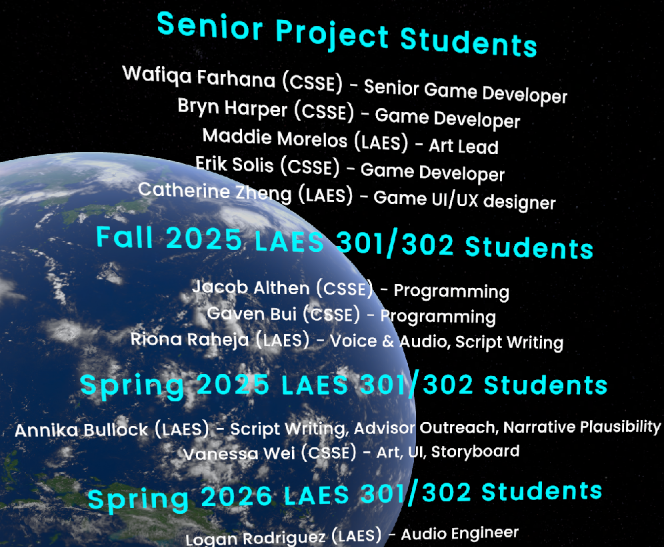
The ending credits scene.
Inspiration
Aerospace VR was inspired by our goal of making STEM education more engaging for K–12 students. In collaboration with the Aerospace Museum of California, we wanted to create an immersive experience that introduces visitors to space exploration through interactive, hands-on learning. Our hope is to spark curiosity and inspire younger audiences to explore careers in STEM.
What it does
Aerospace VR places players in the role of a newly trained space station technician embarking on their first mission. After a solar flare damages a space station, players must travel into space and complete a series of interactive repair challenges before returning to Earth, all while guided by NASA's AI assistant named Houston.
How we built it
We developed Aerospace VR using Unity for the Meta Quest 2 and 3. Our interdisciplinary team students collaborated through weekly sprints to create the game’s environments, interactions, and narrative. Throughout development, we conducted iterative playtesting to ensure the experience was intuitive for first-time VR users.
Challenges we ran into
One of our biggest challenges was designing an experience accessible to a wide age range, from children as young as seven to adults in their seventies. We had to balance puzzle difficulty to keep gameplay approachable without sacrificing engagement. Additionally, the whole game was previously controller based, so navigating hand-tracking and adjusting the entire experience accordingly was difficult. We struggled designing intuitive movement in a microgravity environment, particularly for players unfamiliar with VR.
Accomplishments that we're proud of
We’re especially proud of creating a visually cohesive and immersive environment that makes space exploration exciting and approachable. Accessibility was another major priority, particularly accommodating color-blind and left-handed players through inclusive interface and interaction design. Most importantly, we’re proud to contribute to an educational experience that builds interest in STEM careers.
What we learned
Our biggest takeaway was the importance of testing early and often with the intended audience. On-site playtesting at the museum revealed usability challenges we hadn’t anticipated, and that don't necessarily show up with only college students. We learned that effective VR design requires understanding how different users interpret instructions and interact with unfamiliar technology.
What's next for Aerospace VR
For Version 2, we plan to expand interactivity, introduce room-scale movement, and incorporate more specialized haptic feedback to enhance immersion. We’ll also continue gathering feedback from museum visitors to improve accessibility, usability, and the overall experience.


