-
-
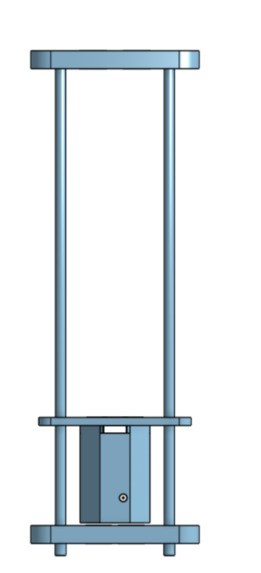
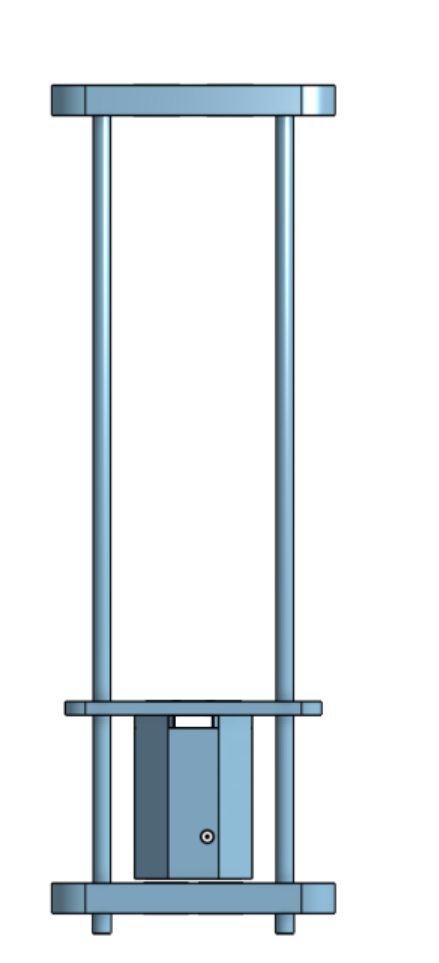
Side view of CAD for AeroSlice.
-
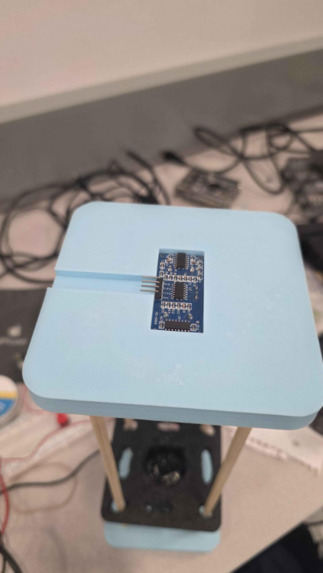
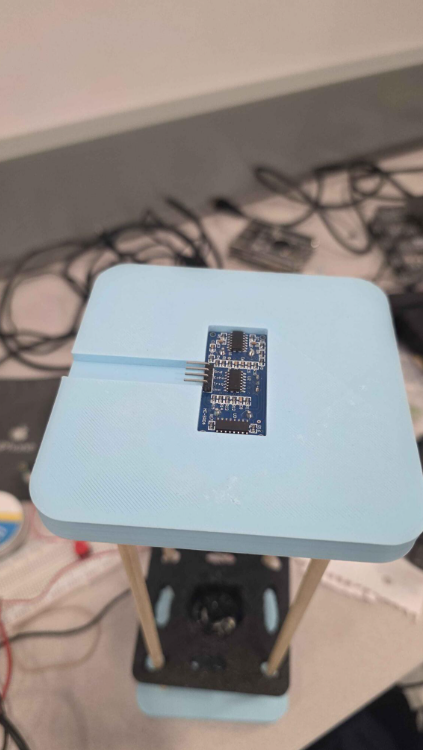
Top view of our physical model with the Ultrasonic Sensor Shown.
-
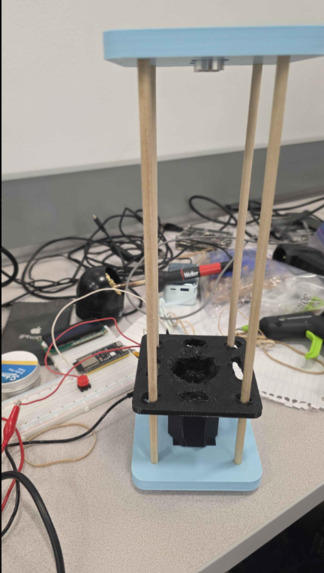
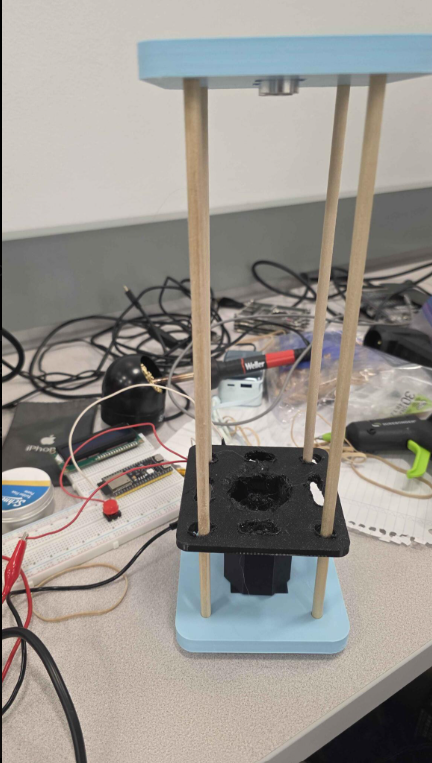
Side view of you physical model.
-
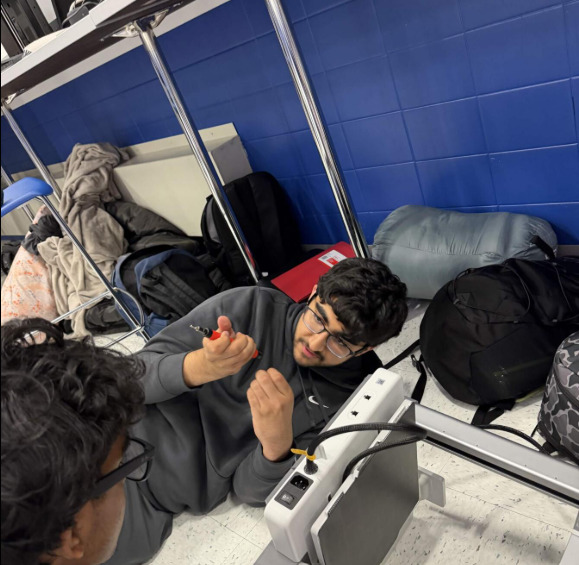
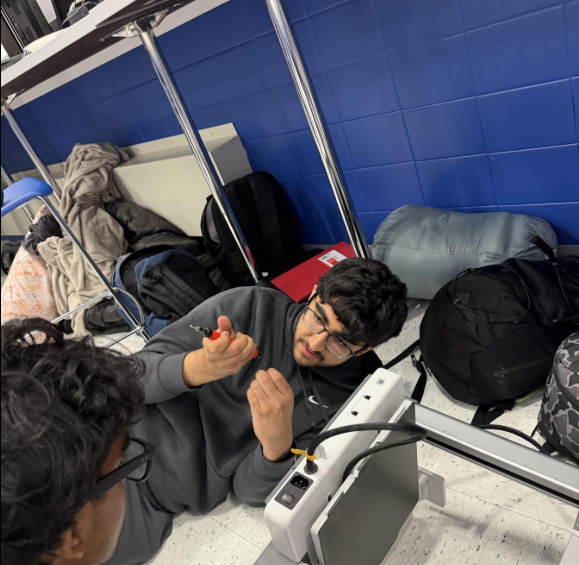
Fixing 3D printer after cables were damaged during transportation.
-
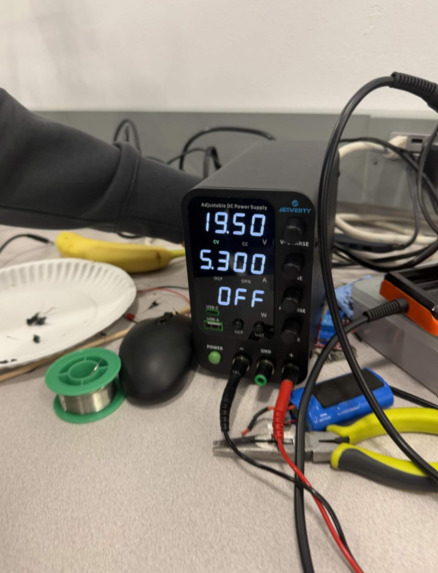
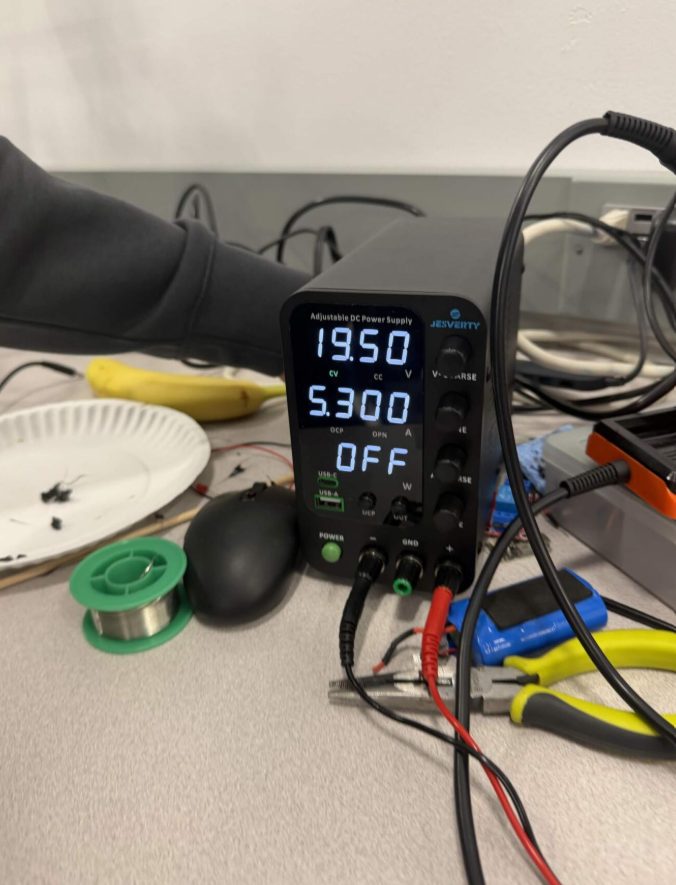
Testing motor and finding the perfect voltage for the motor.
-
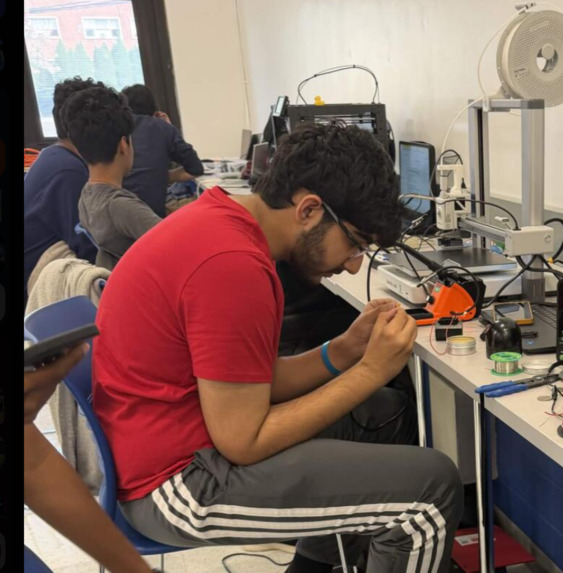
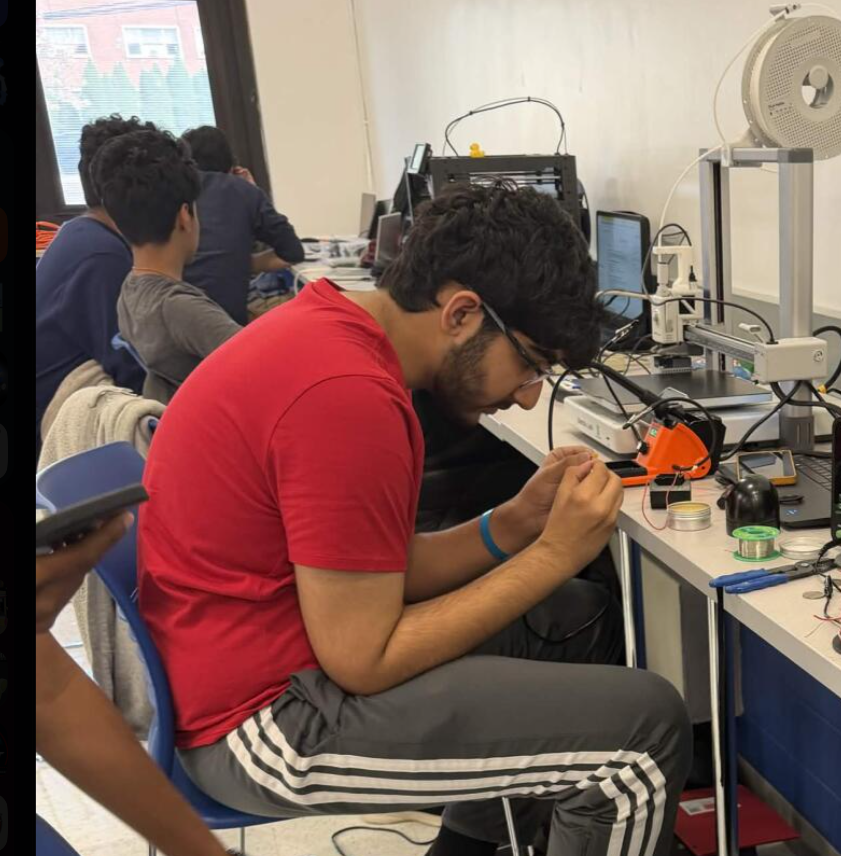
Soldering wires onto ESP32
-
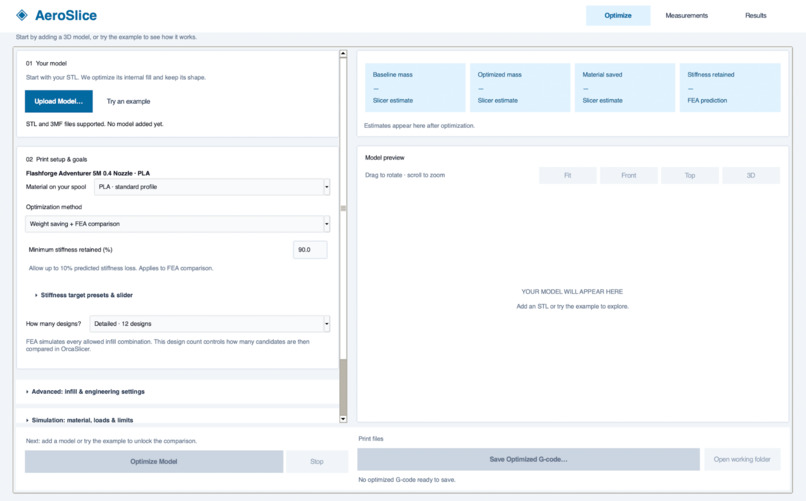
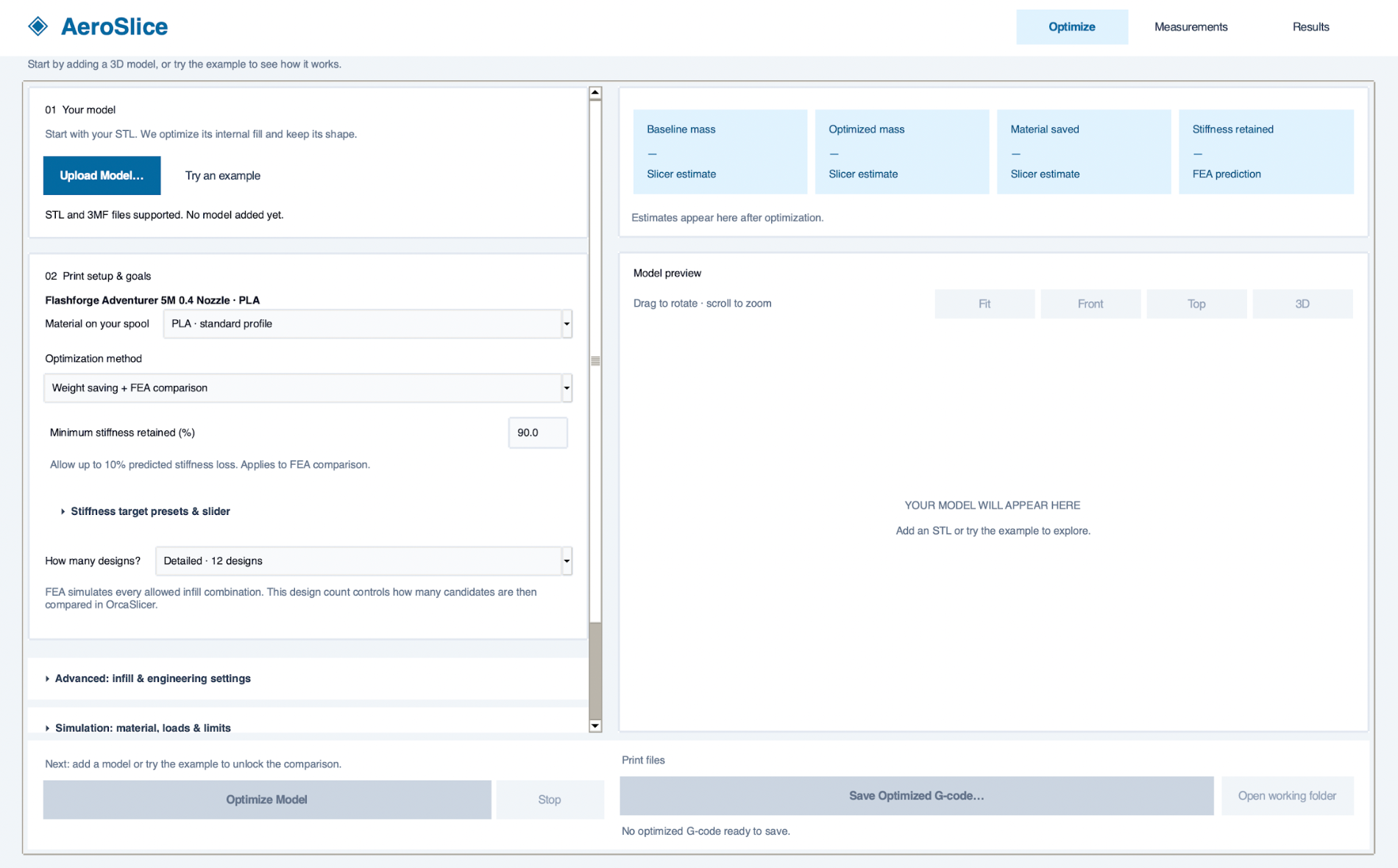
Picture of our apps User Interface.
-
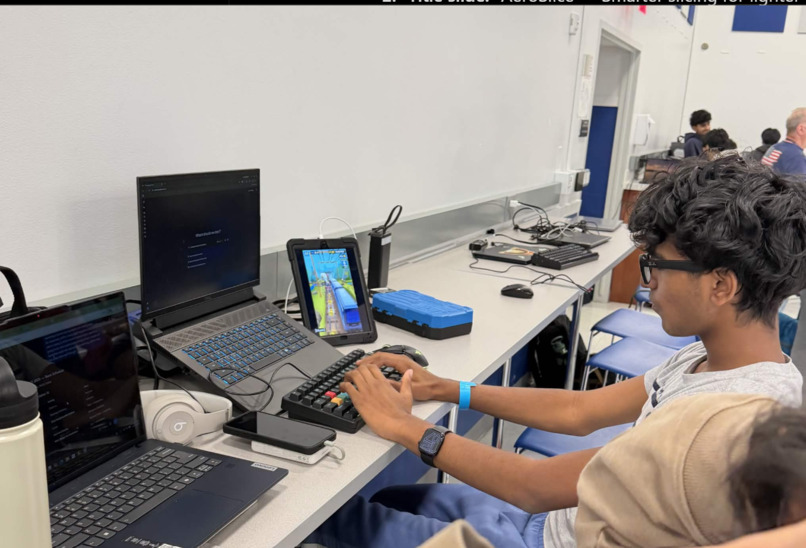
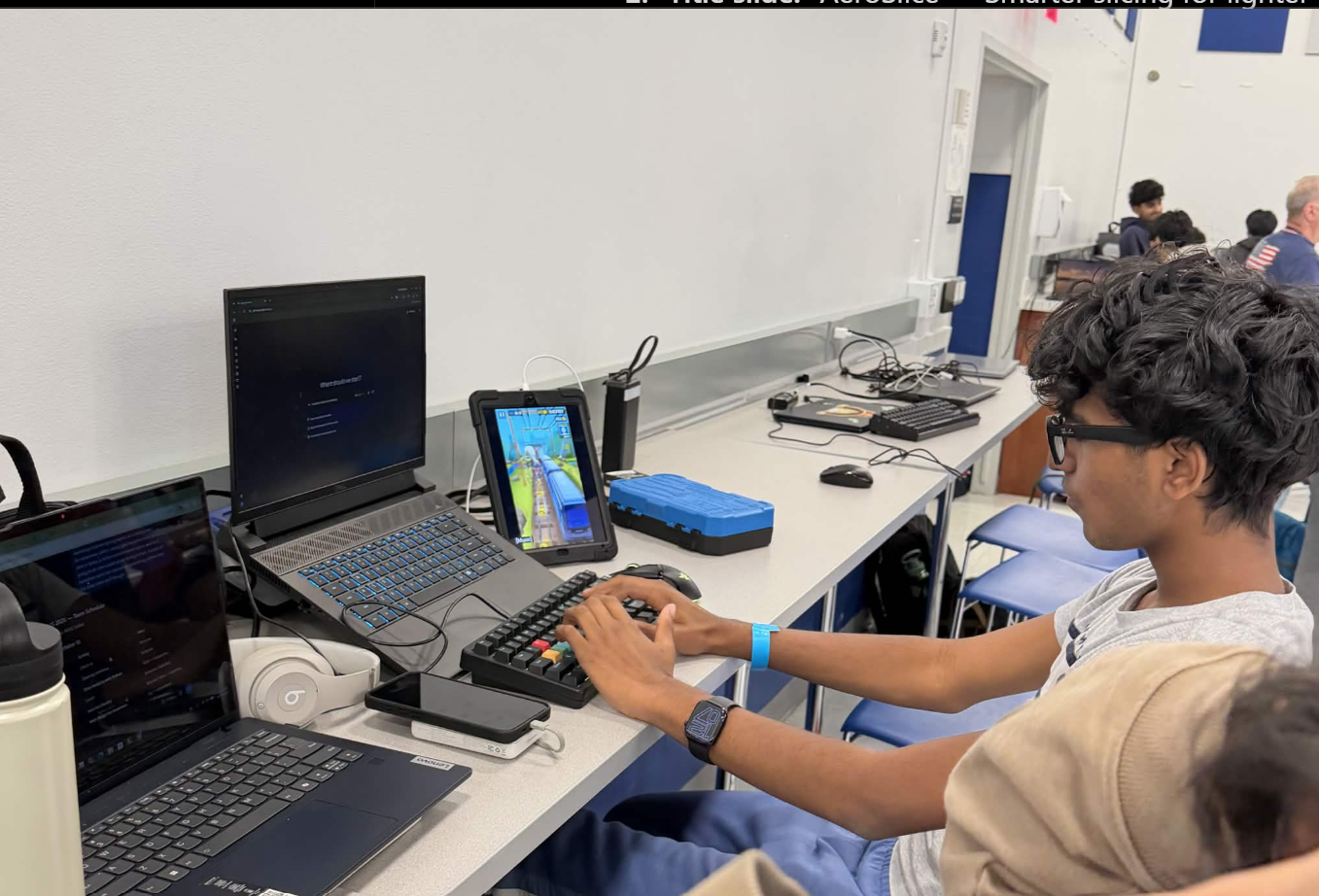
Brainstorming Ideas using Google Gemini
-
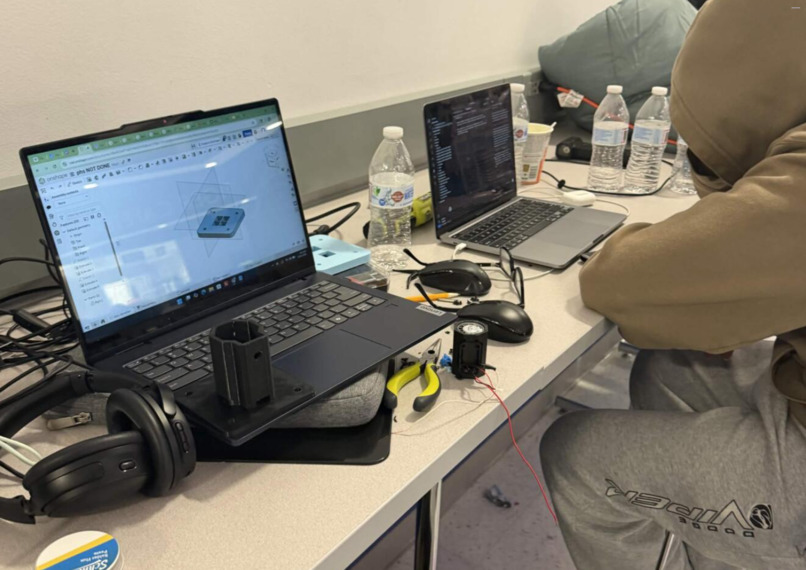
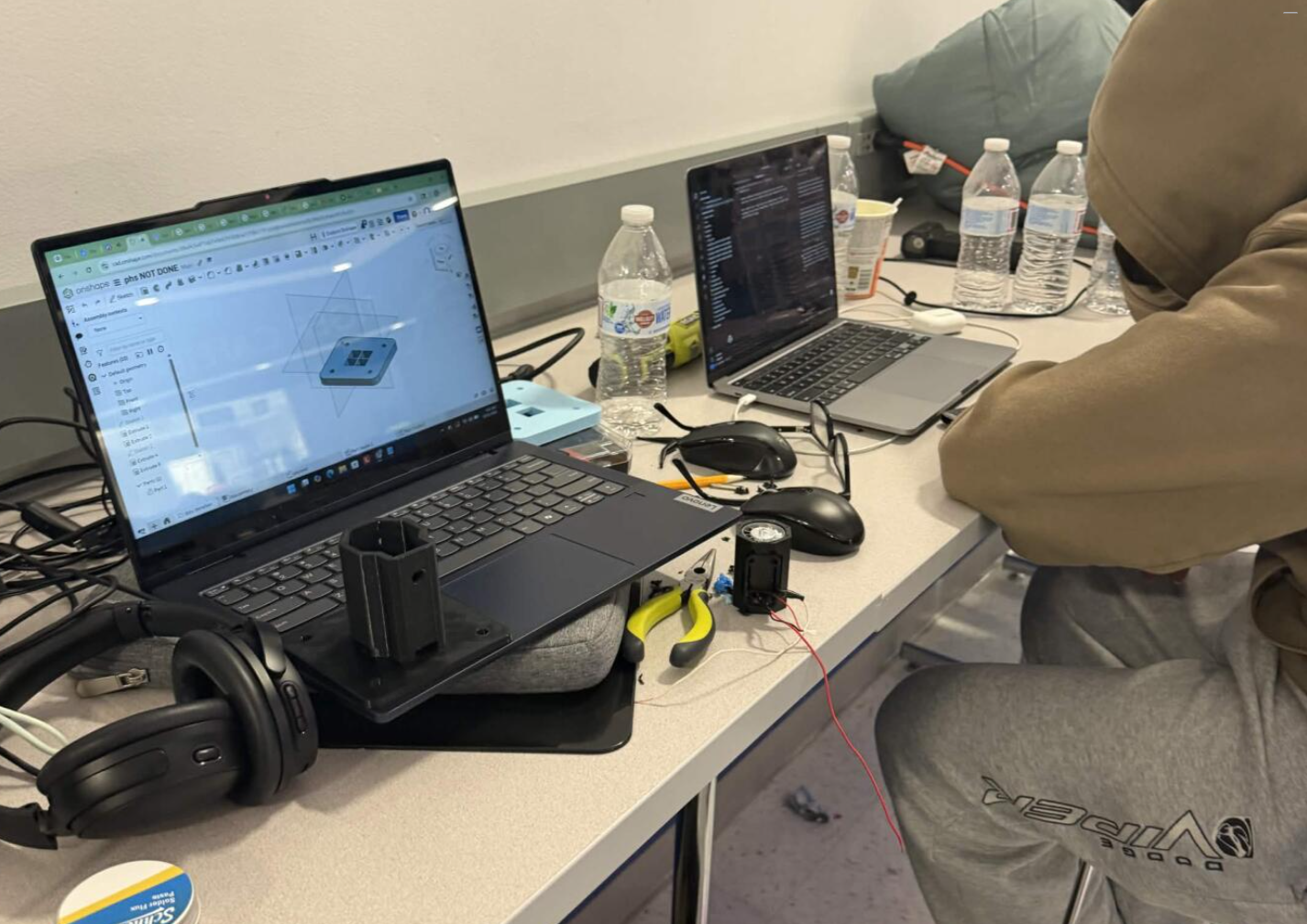
Making CAD model of the AeroSlice
Inspiration
Our inspiration for this project came from school projects using learning platforms such as WhiteBox. This platform provides many different engineering products and gives you a model that you can edit on the website. One of these models was a glider. On the platform, it would take your dimensions and calculate its level of optimization for multiple categories like drag, weight, and lift; however, it would not optimize it for you. Through this experience, we realized that creating a way to automate this process for aerospace professionals would be highly beneficial in saving time and increasing efficiency.
What it does
Our software takes a CAD file and creates a G-code script that automatically reduces its weight while maintaining most of its structural integrity. By doing this, it thins the outer shell of the aircraft or spacecraft, which ultimately reduces weight and increases lift. We also had a physical demonstration; however, we were unable to get it working safely.
How we built it
We built this through a combination of hardware and software skills. The AeroSlice software was created using a Python script alongside Tkinter and Matplotlib to incorporate graphs. The code was developed through vibe-coding with ChatGPT and Claude, while Gemini was primarily used to brainstorm potential ideas, including our final concept. To test AeroSlice, we utilized OrcaSlicer. We worked with STL and 3MF file formats for CAD, though any standard file format should be usable. Although we were unable to safely finalize the hardware, we repurposed a motor from a dust blower, disassembling and completely reassembling it with a new button and a voltage controller (PSU). We also used Onshape CAD software to design the motor mount and plates.
Challenges we ran into
We encountered multiple challenges throughout our hackathon. The first major challenge involved our motor. Initially, we planned to create a wind turbine that would efficiently transform wind currents into energy, but we pivoted when we came up with the idea for AeroSlice. Although our project functioned as software, we also wanted to include a firsthand demonstration of its impact. However, we realized our motors were not powerful enough to propel the model off the ground. We innovatively decided to take apart our air blowers (originally intended to test the turbine), detach the batteries, and solder the wires directly to our PSU. Even after all this, the motor was still slightly underperforming. We swiftly fixed this issue by determining safe overvoltage limits, allowing us to utilize the higher RPM needed for flight.
Our second major challenge was a broken 3D printer. Our entire demonstration relied on this printer, but we discovered its cable had been cut during transportation. We tried replacing the wire, but it ultimately didn't work. Luckily, other teams were kind enough to print some models for us.
This was not the end of our problems, though. Towards the end of the event, we realized our physical demonstration could not be conducted safely. Testing it horizontally failed due to incorrect weight distribution, and testing it vertically—as we originally hoped—would require a wattage range far beyond recommended limits (80 to 120+ watts) just to get the model moving.
Accomplishments that we're proud of
One of our biggest accomplishments (other than the hackathon project itself) was placing 2nd in Data Analytics with Python and 5th in AI/ML for Environmental Awareness. Our hackathon project, AeroSlice, remains our magnum opus for these 24 hours. We are incredibly proud of the work we accomplished, including the physical demonstration, even though we couldn't finalize it. Dismantling and repurposing our materials was an exciting process, and we felt it was a highly innovative approach on our part.
What we learned
One of the biggest things we learned was how difficult optimization can be, even with AI. We initially thought reducing weight would be incredibly straightforward. However, we quickly realized that cutting weight is highly complex when you need to simultaneously maintain structural integrity.
We also learned a lot about 3D printing and G-code scripts, alongside soldering and a multitude of engineering concepts such as Ohm's law, friction, and thrust.
What's next for AeroSlice
AeroSlice is one of our most ambitious projects. However, with this being our first hackathon, we definitely had to cut out some major features. One planned add-on was a way to modify the STL file itself to create a more aerodynamic model by rounding edges into teardrop or airfoil shapes and removing unnecessary exterior accessories. While we were unable to incorporate this during the 24-hour event, we hope to develop it in the future.
Built With
- 3dprinter
- bambuslicer
- breadboard
- cad
- claude
- codex
- gemini
- onshape
- orcaslicer
- soldering
- ultrasonic

Log in or sign up for Devpost to join the conversation.