-
-
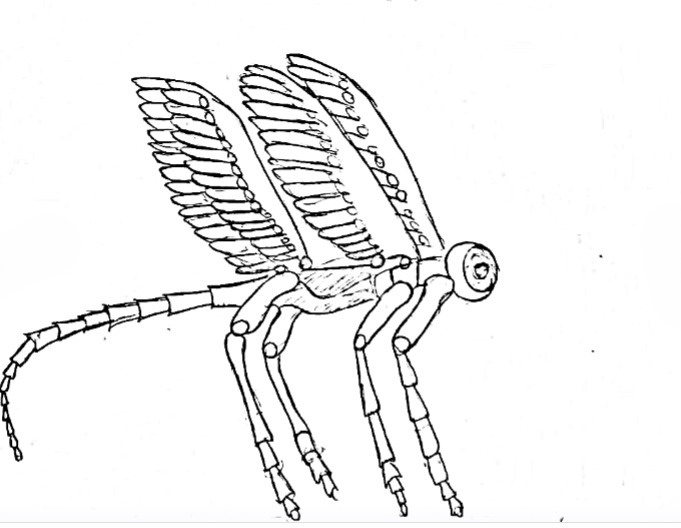
Drone design

InspirationInspiration
AeroMorph draws inspiration from the natural world—specifically the way birds and insects maneuver through the air with precision and agility. Unlike traditional drones with rigid flight patterns, we wanted to develop a drone capable of adaptive wing movements, similar to biological flyers.
What it does
AeroMorph is a bio-inspired drone that mimics the flight mechanisms of birds and insects. It features morphing wings that adjust in real-time for improved stability, efficiency, and maneuverability. This allows it to navigate complex environments, reduce energy consumption, and execute dynamic aerial maneuvers with greater control.
How we built it
Design Phase: We studied the biomechanics of birds and insects to understand how their wings function. Hardware: We used lightweight materials for the frame and incorporated flexible wing structures with servo-driven actuation. Software & Control: Custom algorithms allow real-time wing adjustments based on sensor inputs, ensuring efficient flight control. Testing & Iteration: Multiple prototypes were tested to refine wing morphing mechanics and improve stability.
Challenges we ran into
Achieving the right balance between flexibility and structural integrity in the morphing wings. Developing a control system that accurately replicates biological flight without compromising stability. Optimizing power consumption while maintaining effective wing movement.
Accomplishments that we're proud of
Successfully implementing dynamic wing morphing for enhanced maneuverability. Creating an efficient flight model that adapts to different air conditions. Achieving stable and controlled flight despite the complexity of the system.
What we learned
The importance of biomimicry in improving aerodynamics and efficiency. How adaptive wing structures can enhance drone performance. The challenges of integrating mechanical flexibility with precise control algorithms.
What's next for AeroMorph
Further refining wing morphing for more efficient energy use. Exploring applications in search & rescue, surveillance, and environmental monitoring. Enhancing AI-driven flight control for autonomous navigation. Miniaturizing components for improved portability and scalability.
Built With
- algorithm
- lgmd-based

Log in or sign up for Devpost to join the conversation.