
Inspiration
Traditional environmental alarms have a fatal flaw: they only sound a local siren. If a gas leak or fire hazard occurs when a home, workshop, or commercial kitchen is empty, the alarm rings to an empty room while the property remains completely vulnerable. We were inspired to build a system that bridges the gap between physical hardware and everyday communication, ensuring that property owners get actionable, instant alerts no matter where they are in the world.
What it does
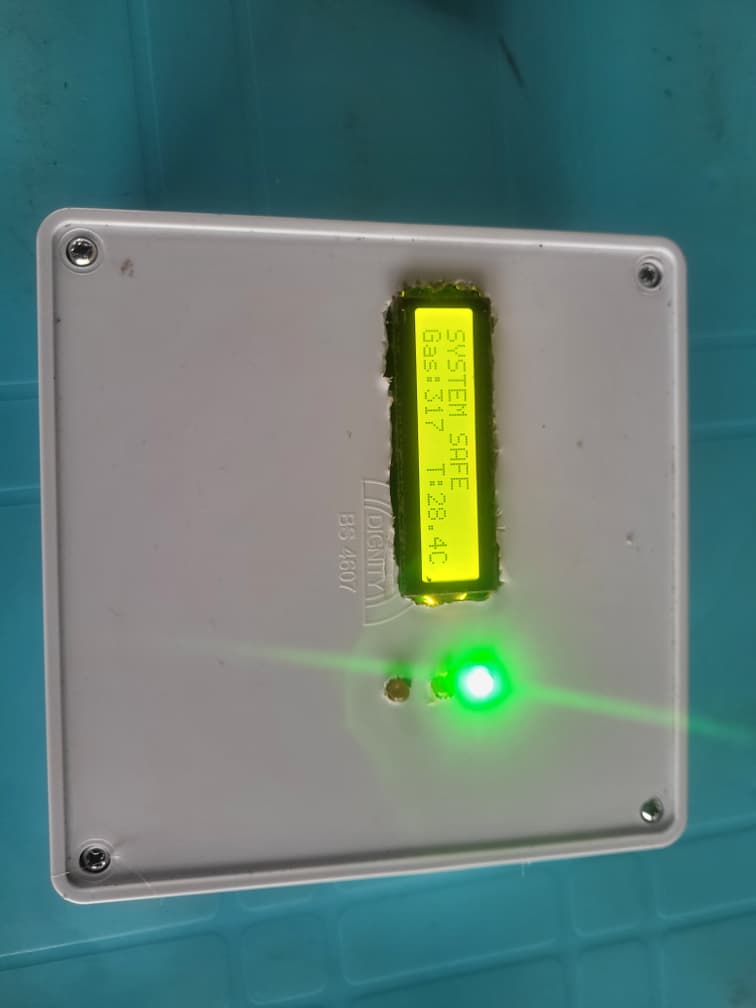
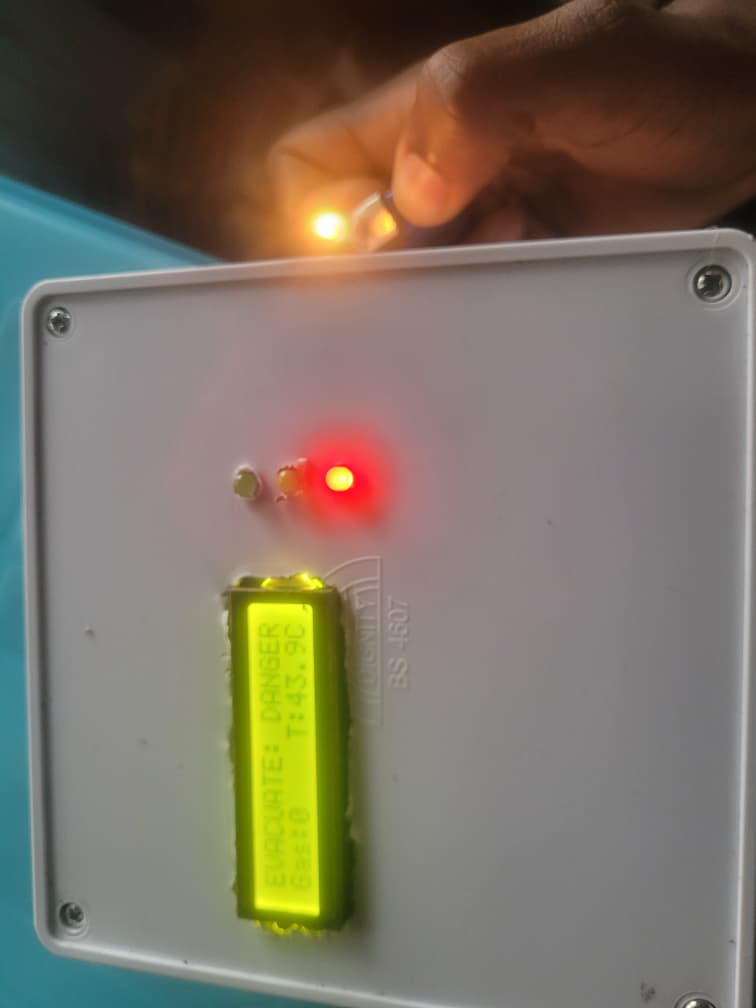
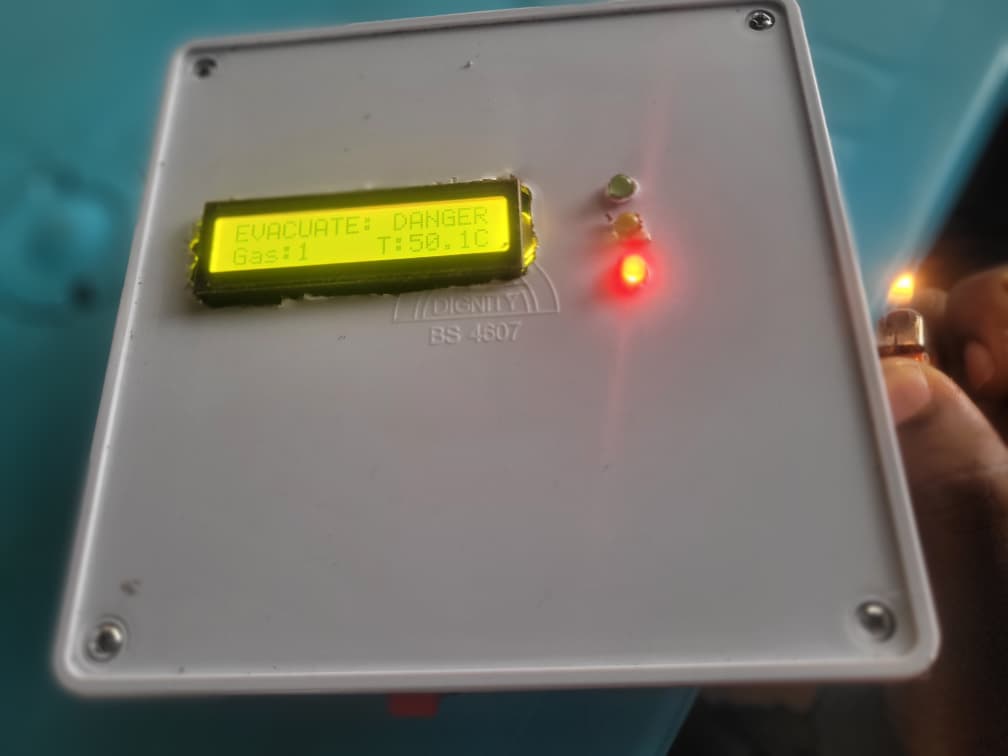
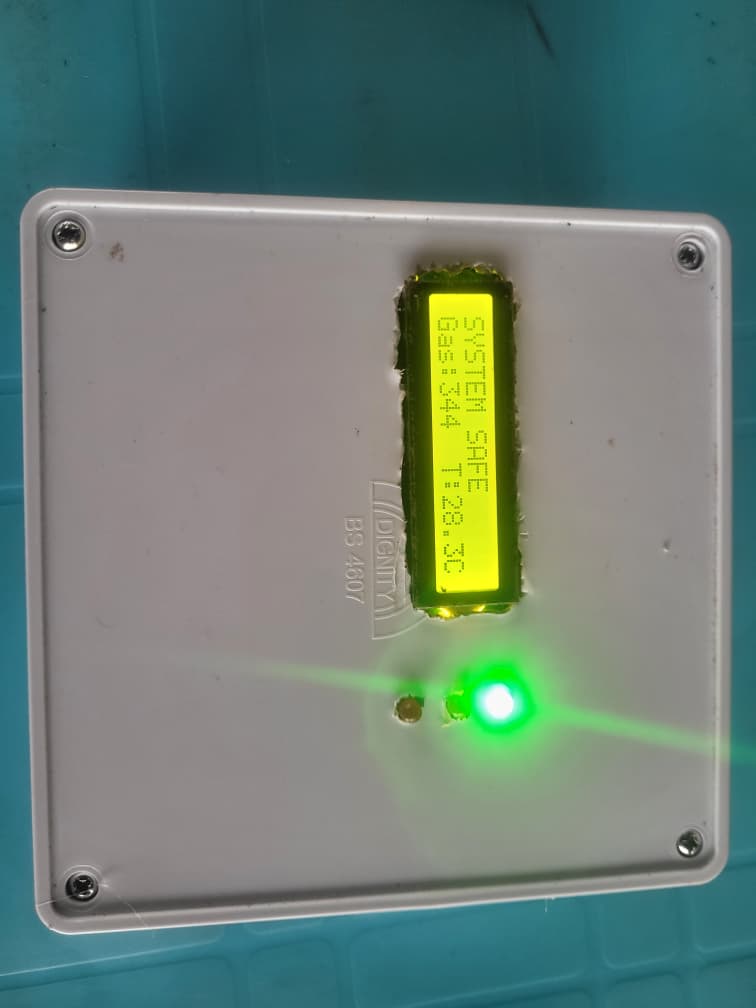
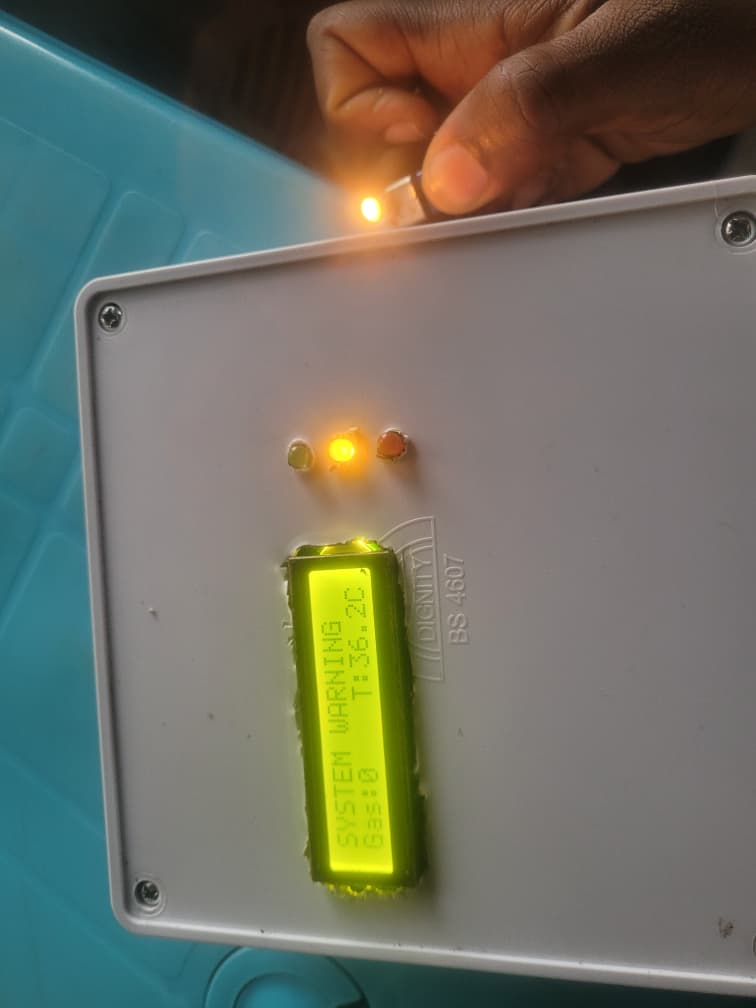
AeroMetric is an autonomous, full-stack IoT environmental safety device. It continuously monitors physical spaces for explosive gas leaks and dangerous temperature spikes. When a threshold is crossed, it does three things simultaneously:
- Triggers a local physical alarm and visual LED warning.
- Pushes live environmental data to a real-time web dashboard.
- Instantly sends an automated emergency alert directly to the user's phone via WhatsApp, completely bypassing the need for clunky proprietary apps.
How we built it
We engineered AeroMetric from the bare silicon up to the cloud:
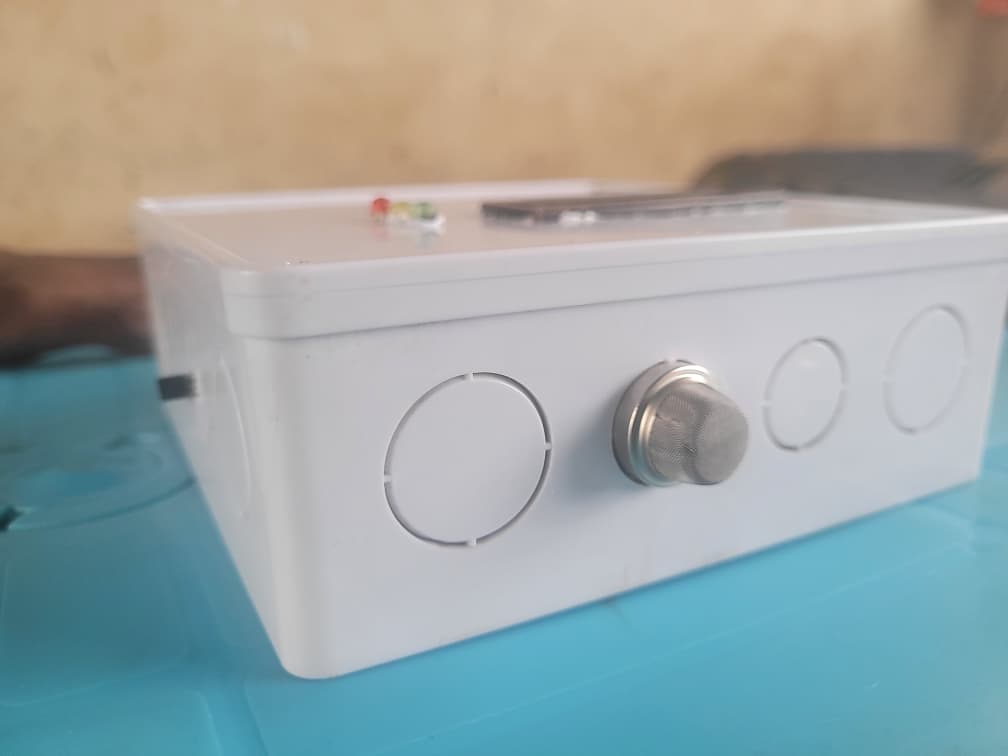
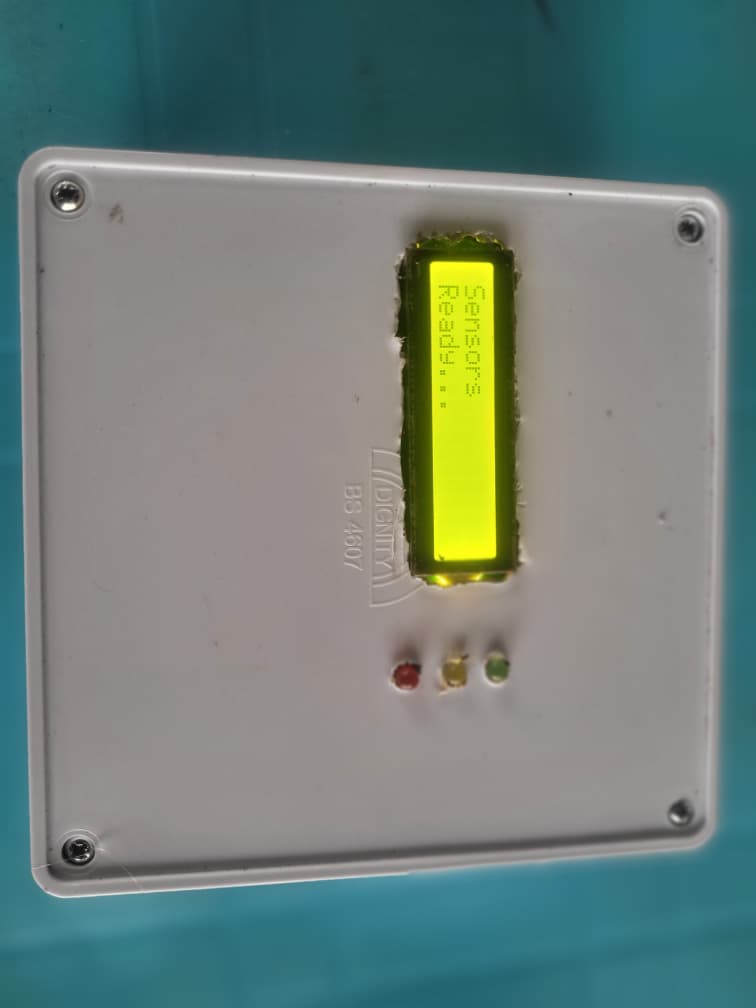
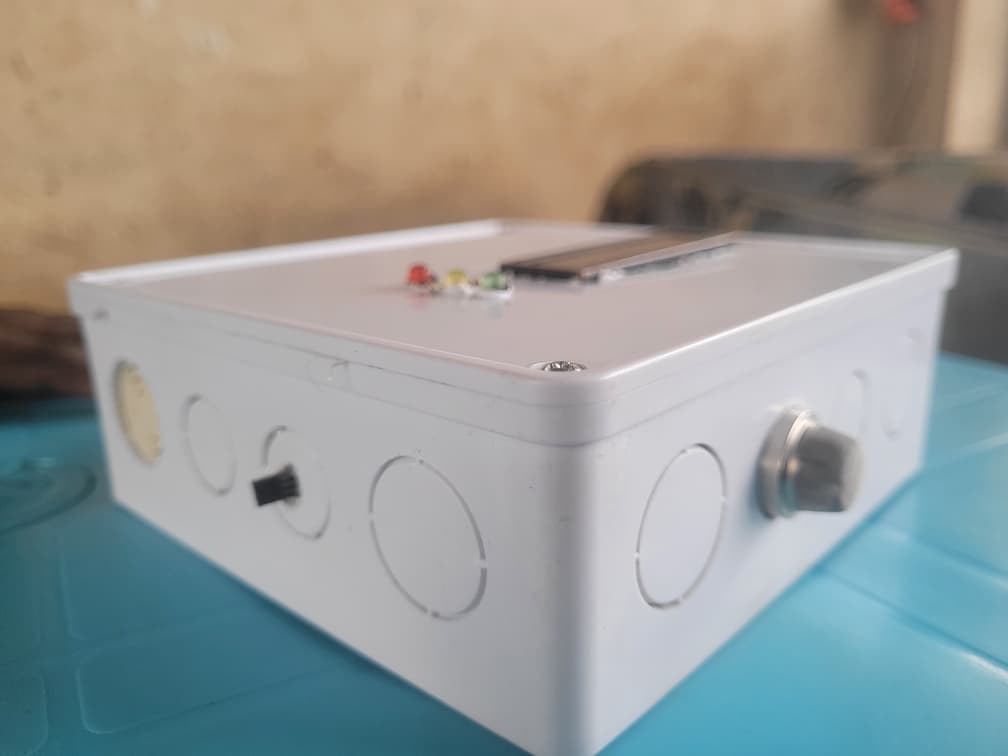
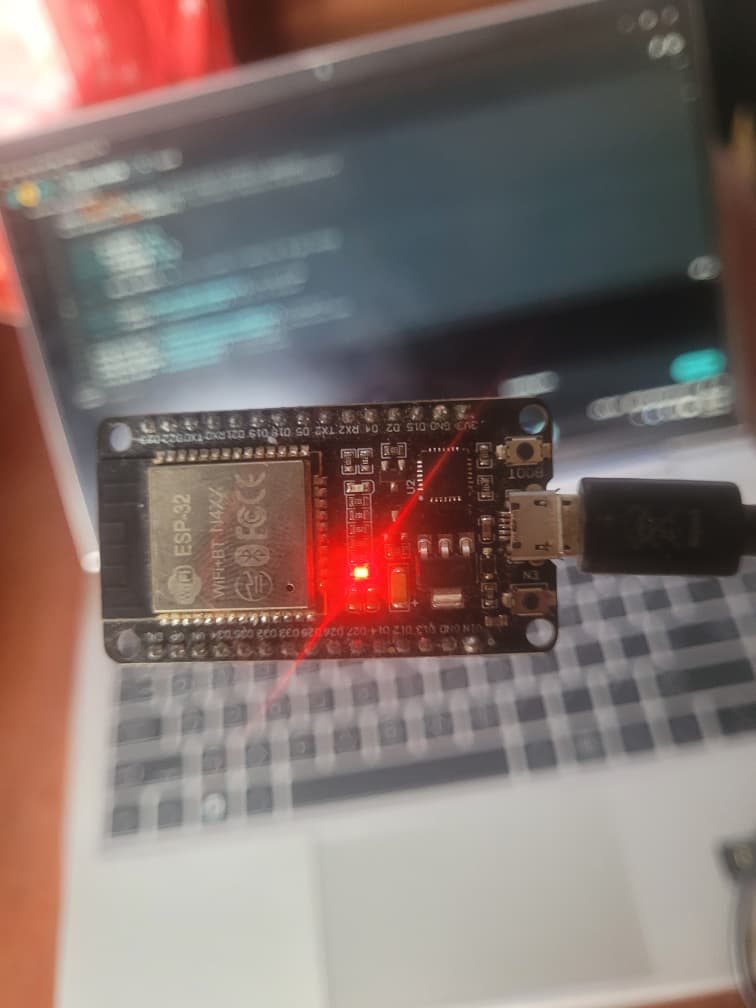
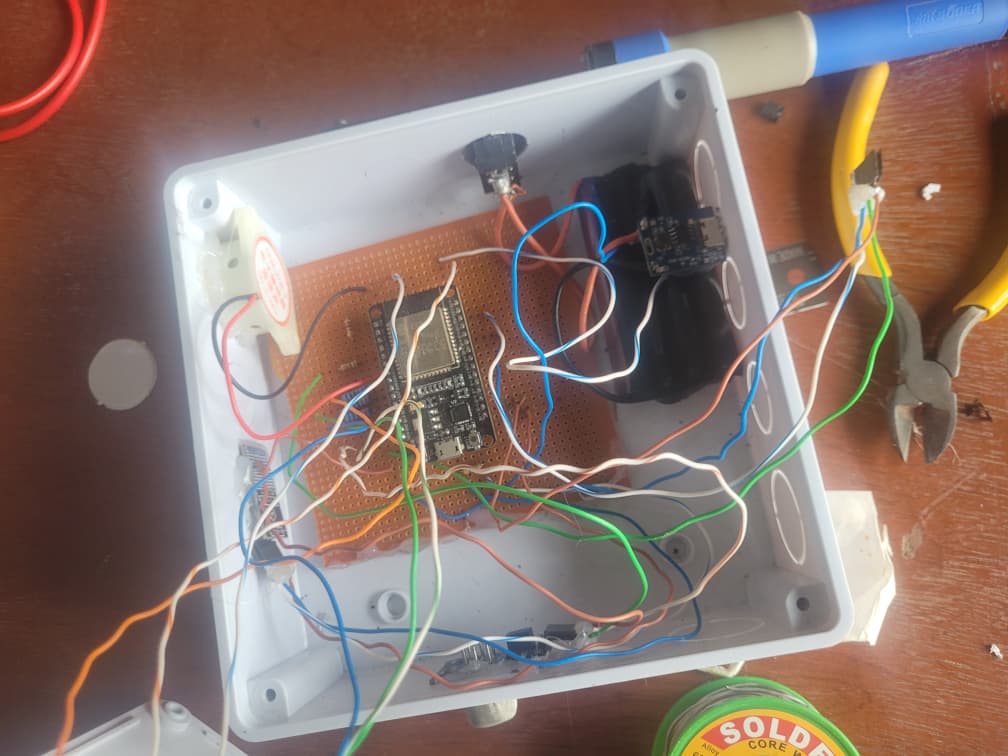
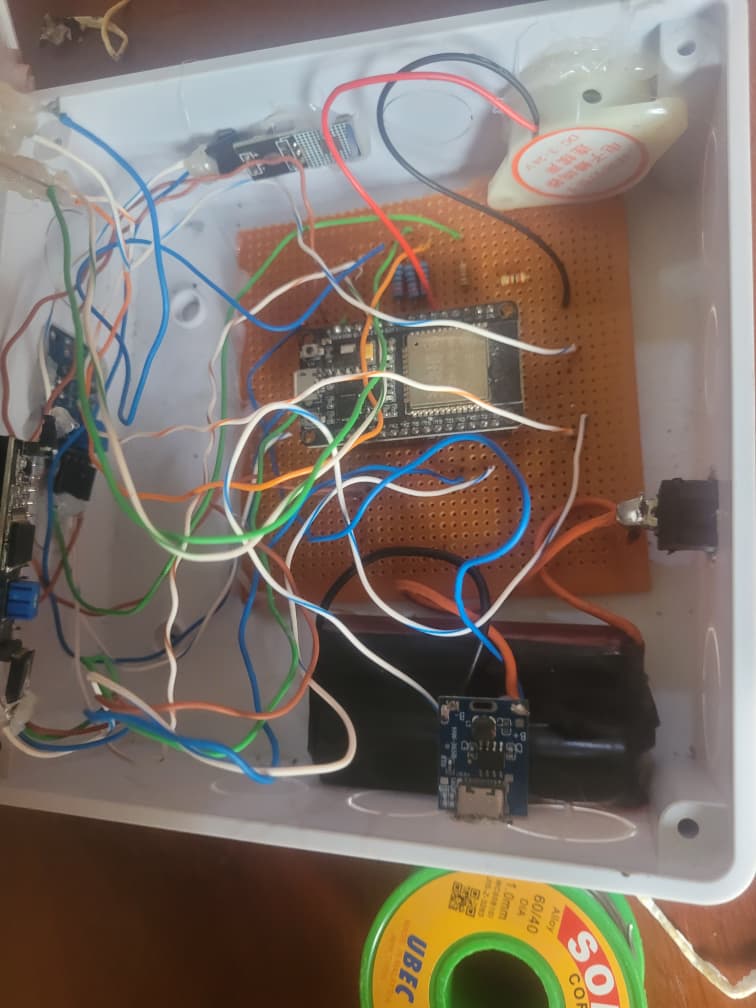
Hardware: Powered by an ESP32 (DOIT DevKit V1) microcontroller, utilising an MQ-2 Gas Sensor, local status LEDs, and a buzzer, all secured inside a custom-designed physical casing.
Firmware: Written in embedded C++, utilising a non-blocking state machine architecture to ensure the device never freezes while waiting for network responses.
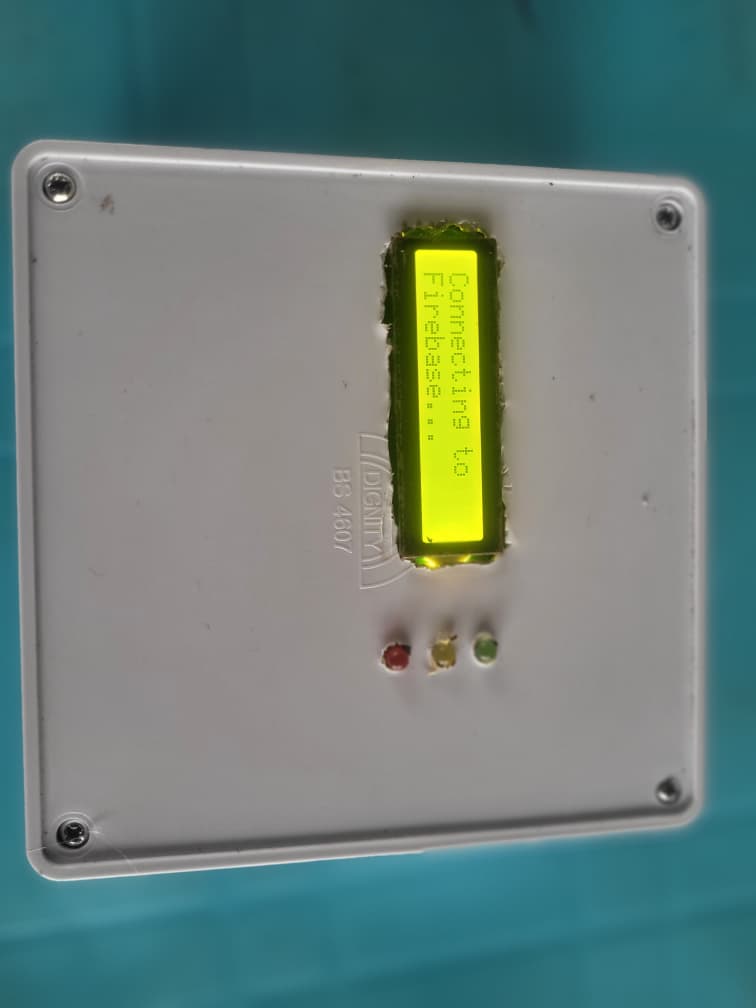
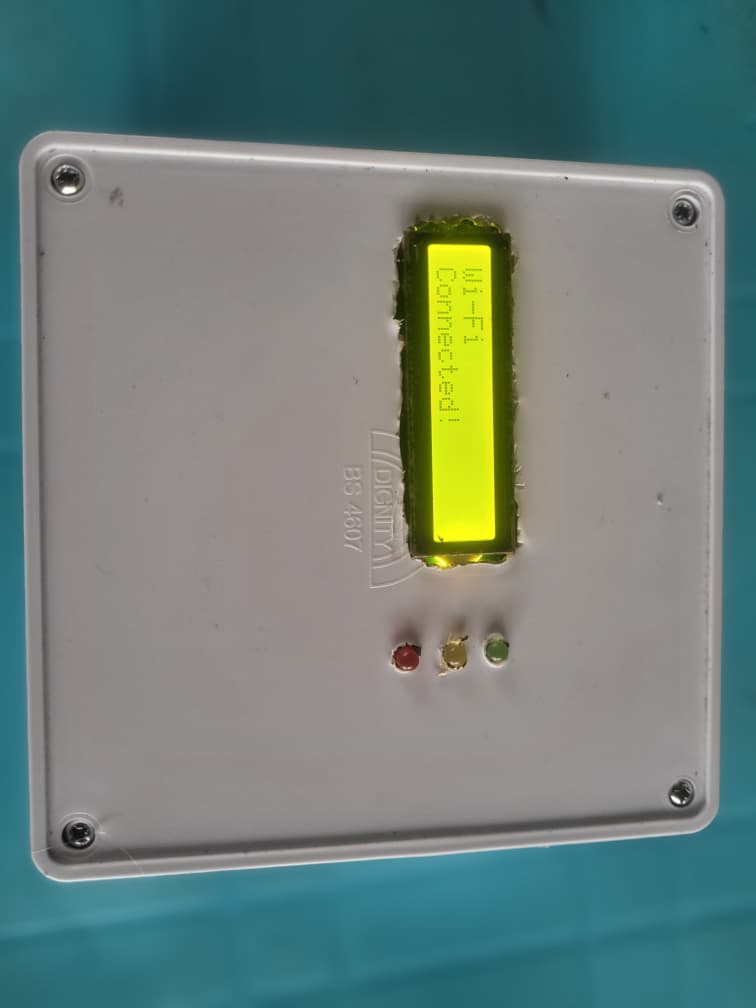
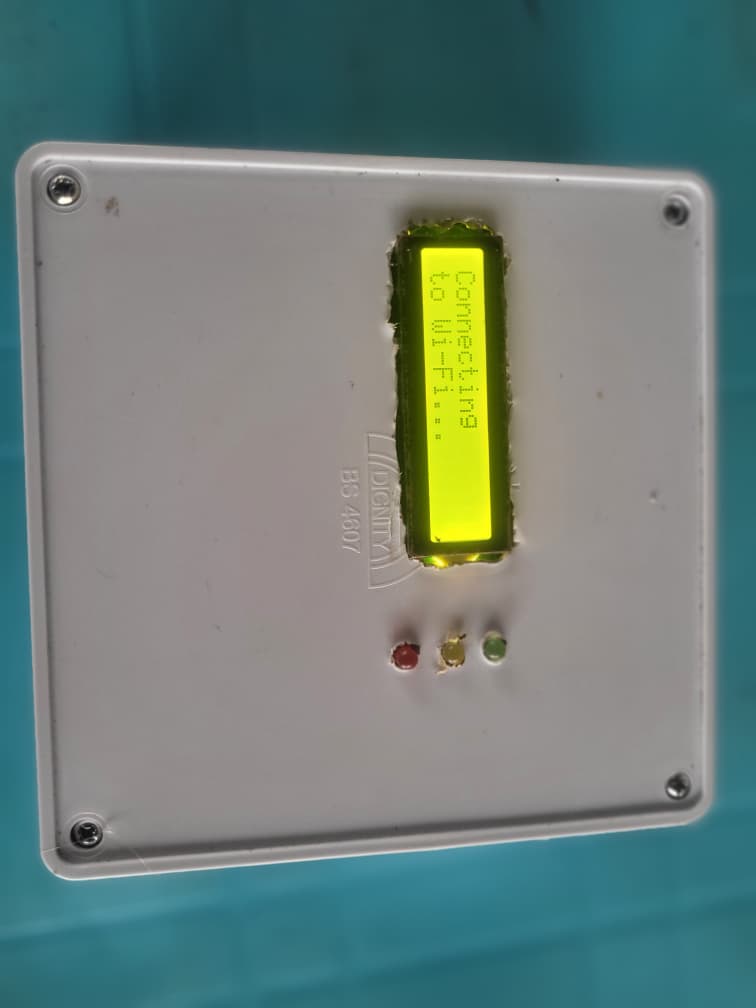
Cloud Architecture: We integrated the Twilio WhatsApp API (via HTTPS/REST) for instant messaging and linked the hardware to a live Firebase dashboard for real-time data logging.
Challenges we ran into
Building hardware is inherently messy, and we had to overcome significant hurdles on both the physical and software levels:
Physical Debugging: We faced mysterious power failures where LEDs wouldn't light up. Using a multimeter in continuity mode, we tracked the issue down to split power rails and ground faults on the breadboard. Memory Management: The heavy Wi-Fi and encryption libraries required for secure API calls overflowed the default memory. We had to reconfigure the ESP32 to use a "Huge APP" partition scheme to fit the firmware. API Rate-Limiting: When the gas sensor hovered right around the trigger threshold, it rapidly fired HTTP requests, resulting in Twilio hitting us with a 429 (Too Many Requests) error and dropping our messages. We solved this by programming a custom 30-second cooldown timer into the firmware's state machine to prevent spamming the servers.
Accomplishments that we're proud of
We are incredibly proud of taking this from a messy pile of jumper wires on a breadboard to a fully functional, encased product. Successfully navigating HTTPS/SSL security protocols on a tiny microcontroller to send secure WhatsApp messages was a massive technical win. We didn't just build a circuit; we built a complete, market-ready IoT ecosystem.
What we learned
We learned that hardware engineering requires scientific patience; a multimeter is just as important as the code. On the software side, we learned the critical importance of writing non-blocking code (state machines) and gracefully handling external API limits when bridging embedded systems with cloud servers.
What's next for AeroMetric
The next major step is miniaturisation. We plan to move away from development boards and design a custom PCB (Printed Circuit Board) using KiCad to shrink the form factor. We also plan to scale our Firebase backend to support multi-room monitoring, allowing users to track multiple AeroMetric devices from a single centralised dashboard.


Log in or sign up for Devpost to join the conversation.