-
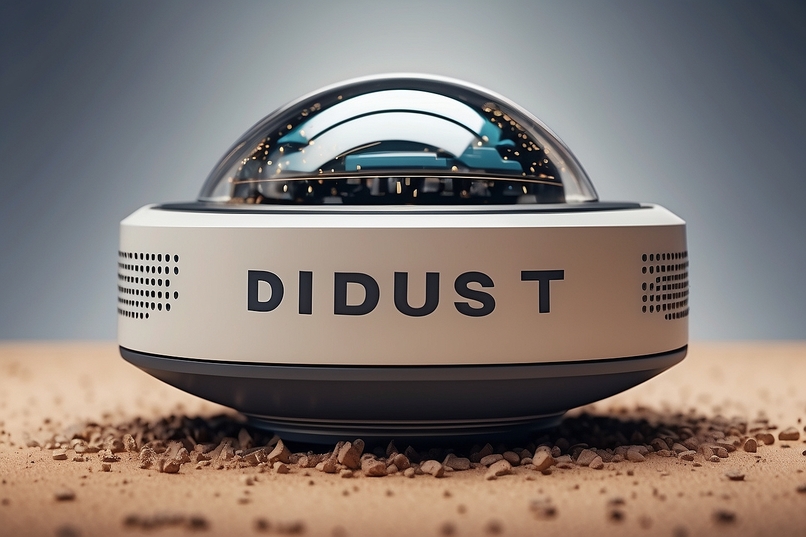
In the outside: it seems small.
-
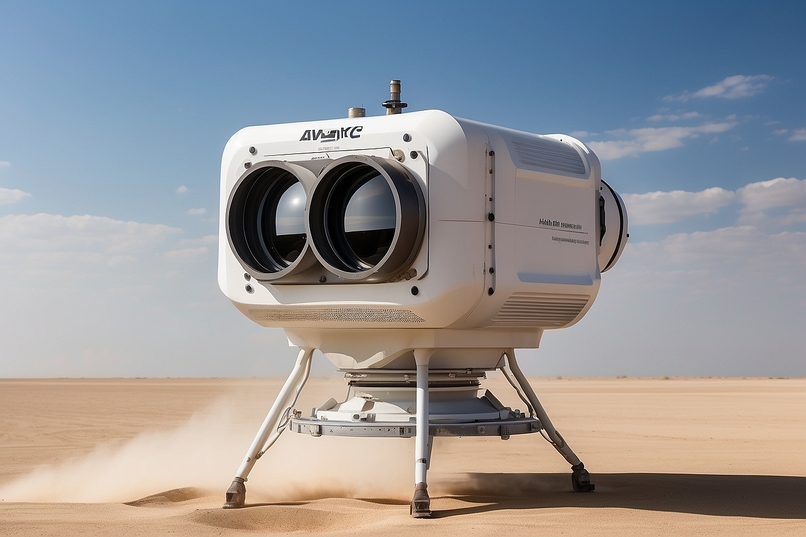
In the inside: it is powerful (and has big eyes).
Inspiration
Our project drew inspiration from the need within the aerospace industry for an efficient and reliable dust detection solution. Recognizing the challenges posed by manual inspections and the potential impact on component integrity (fuel filters in our case), we were inspired to leverage computer vision technology to develop a tool that could offer consistent and high-fidelity dust detection. We aim to meet and exceed industry standards, contributing to enhanced quality control in aerospace manufacturing. The inspiration stems from a commitment to innovation and a desire to address real-world challenges faced by the industry, while also freeing manpower from repetitive tasks to higher productivity occupations.
What it does
AeroInspect utilizes computer vision to detect and analyze dust particles on aerospace components. With an advanced AI model, it aims for consistent and precise dust detection, streamlining quality control in the industry. This innovative solution automates inspections, enhancing the cleanliness and integrity of aerospace parts while elevating quality assurance standards and avoiding the unnecessary spending of human ability on repetitive, low-productivity tasks.
How we built it
We developed AeroInspect using Python, in the collaborative coding space offered by Google Colab, leveraging Streamlit to create an interactive interface. Deployment was achieved through integration with GitHub.
Challenges we ran into
We encountered challenges in determining suitable pre-processing techniques for optimal dust detection in the treated images. Ensuring smooth deployment and device compatibility posed additional hurdles that required careful debugging and problem-solving during the development of our tool.
Accomplishments that we're proud of
Aurea mediocritas, we take pride in achieving a delicate equilibrium among various trade-offs. Our accomplishment lies in striking the right balance to create an effective, high-fidelity tool while maintaining the efficiency characteristics of large-scale processes.
What we learned
We learned to navigate and optimize the delicate trade-offs in developing an efficient tool at aerospace industry standards. The experience emphasized the importance of adaptability and continuous learning in the dynamic field of AI and computer vision.
What's next for AeroClean Vision
The next steps for Aero Clean Vision involve seeking opportunities for implementation in Jetaire installations. We aspire to expand our impact as FAA requirements for aviation safety standards evolve globally. Our focus is on providing a robust solution for the inspection of in-wing ignition prevention foams, contributing to enhanced safety and compliance in aerospace manufacturing worldwide.


Log in or sign up for Devpost to join the conversation.