-
-
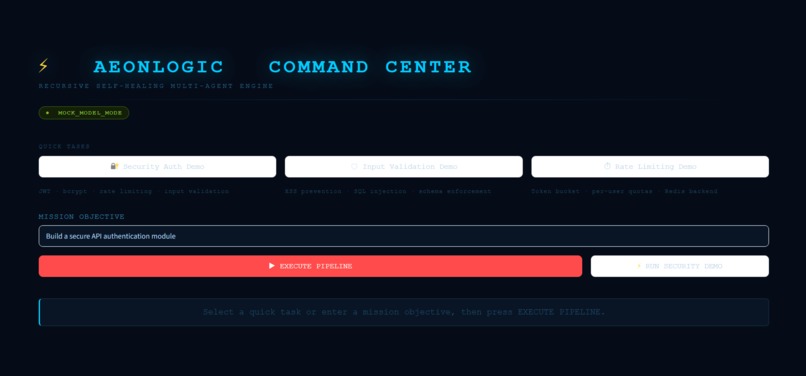
01-home-command-center.png
-

02-agent-pipeline.png
-
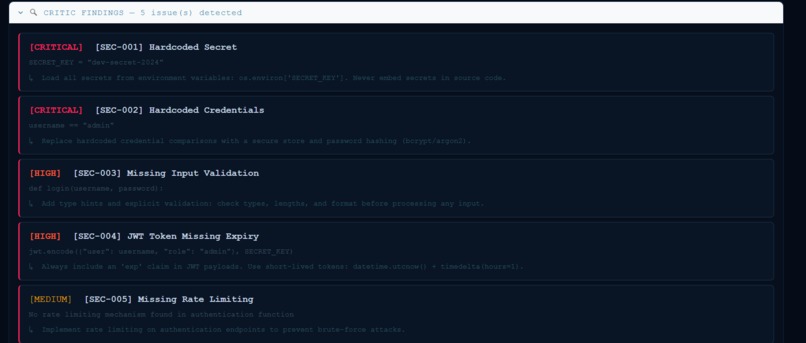
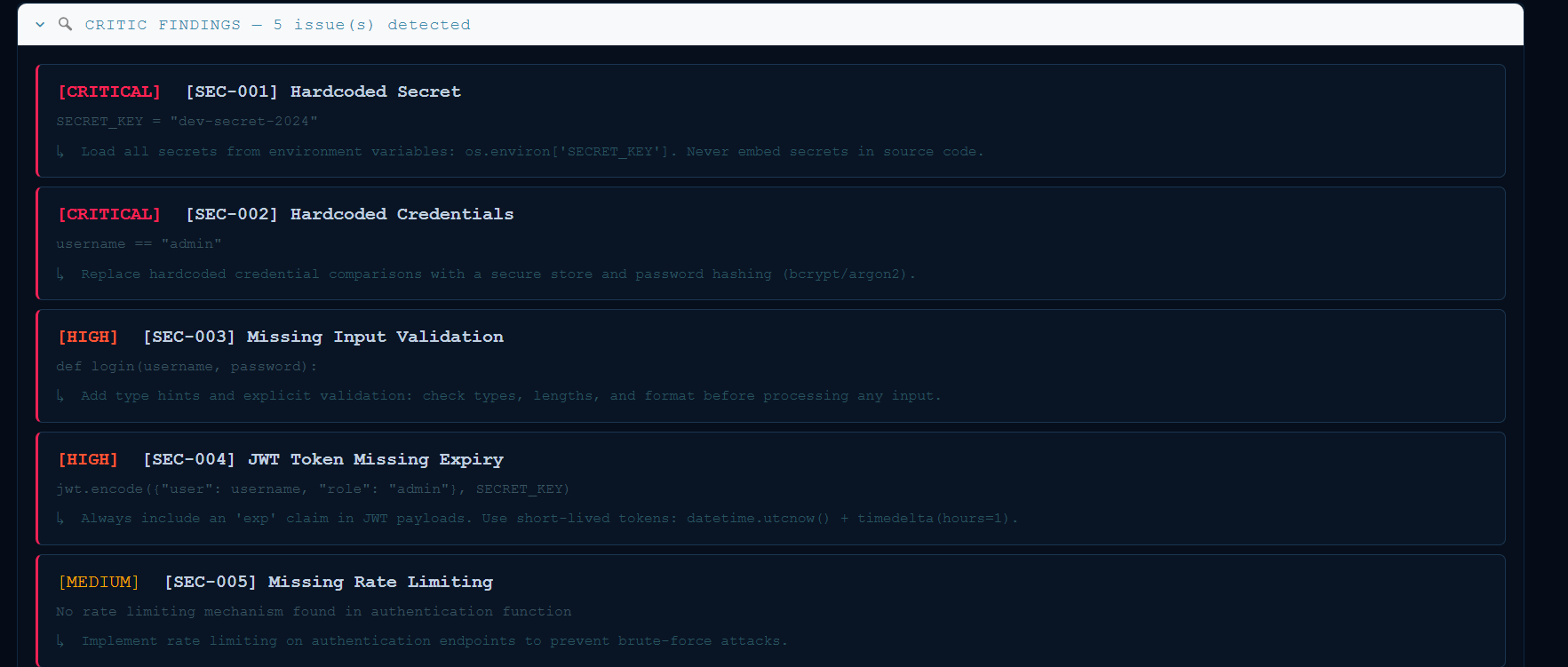
03-critic-findings.png
-
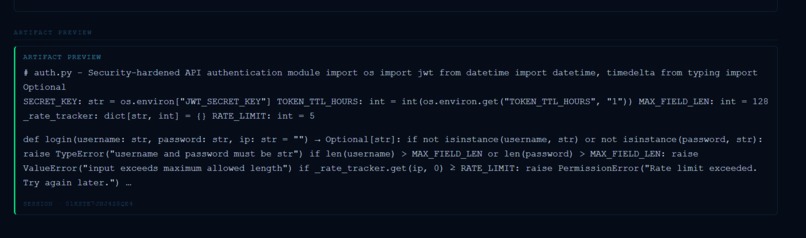
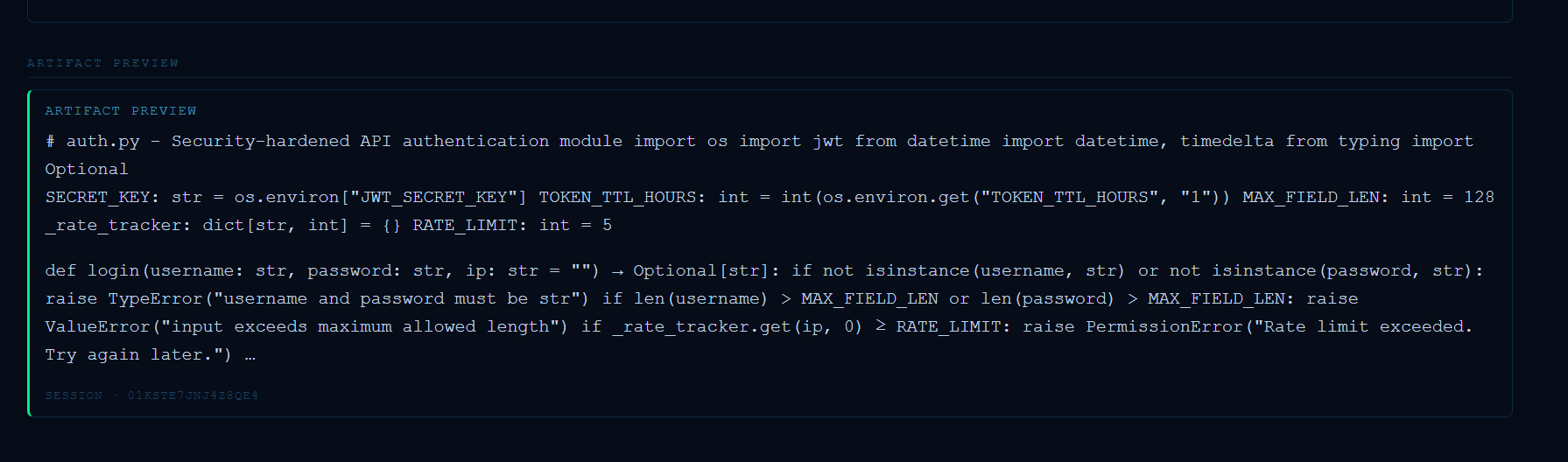
04-artifact-preview.png
-
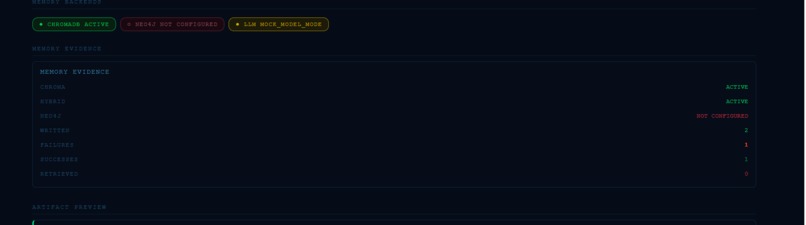
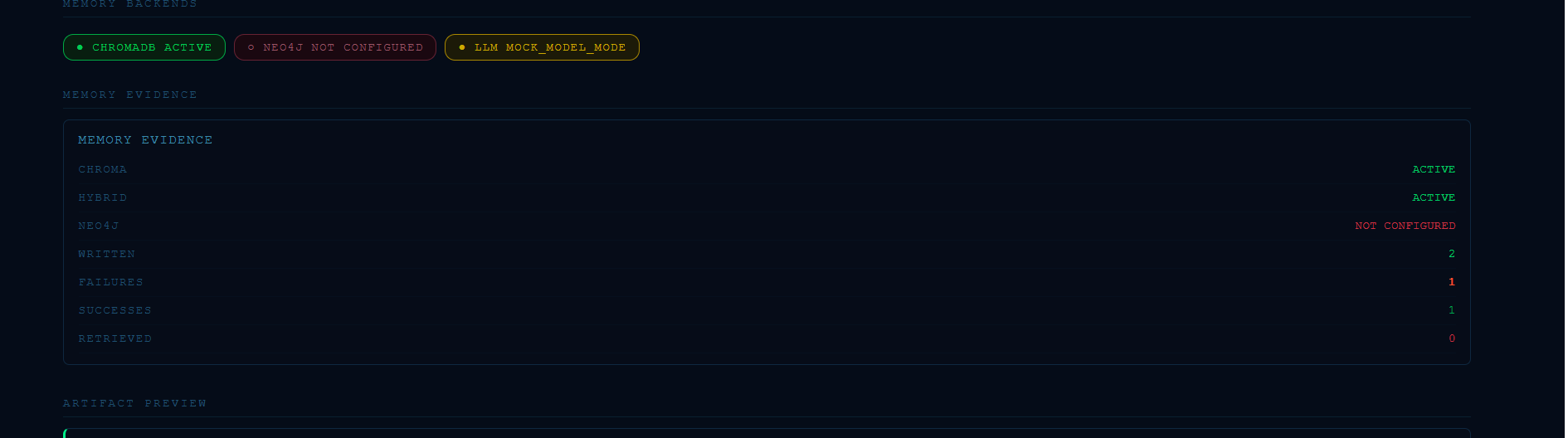
05-memory-evidence.png
-
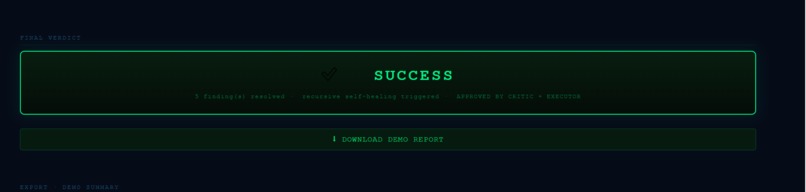
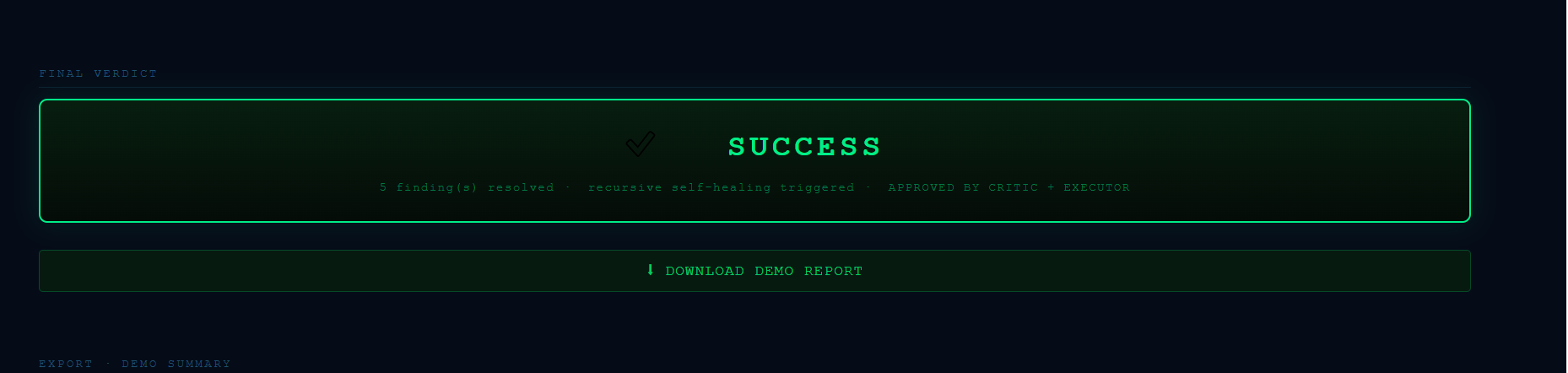
06-final-verdict-success.png
-
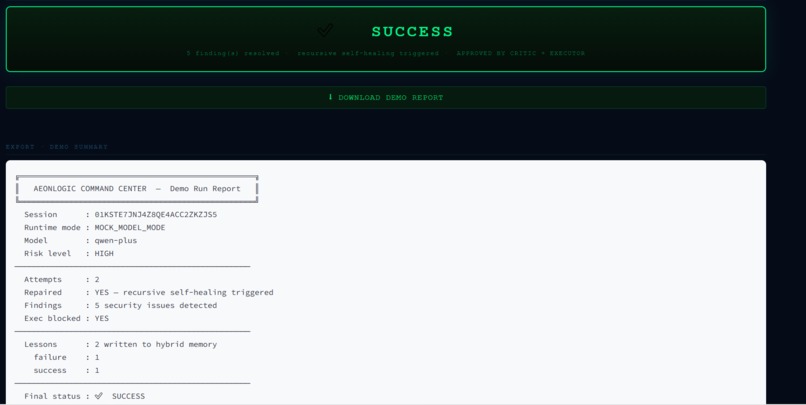
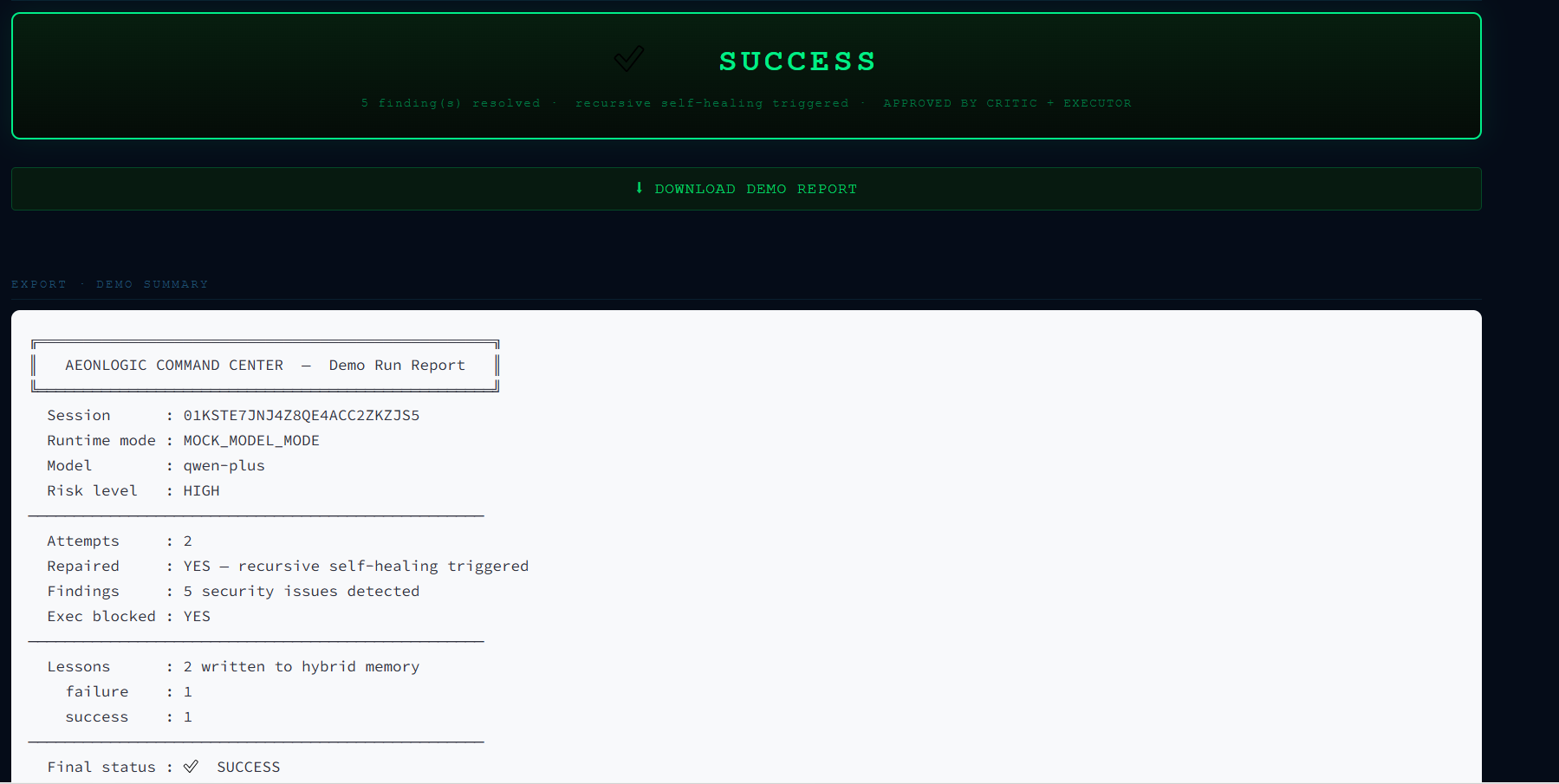
07-demo-report.png
-
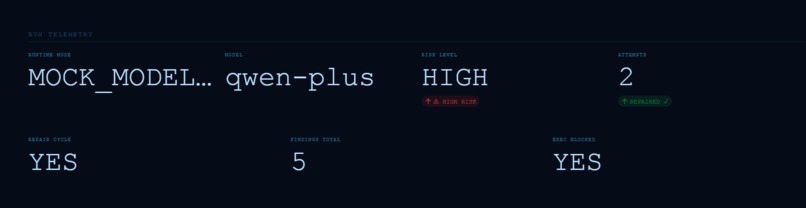
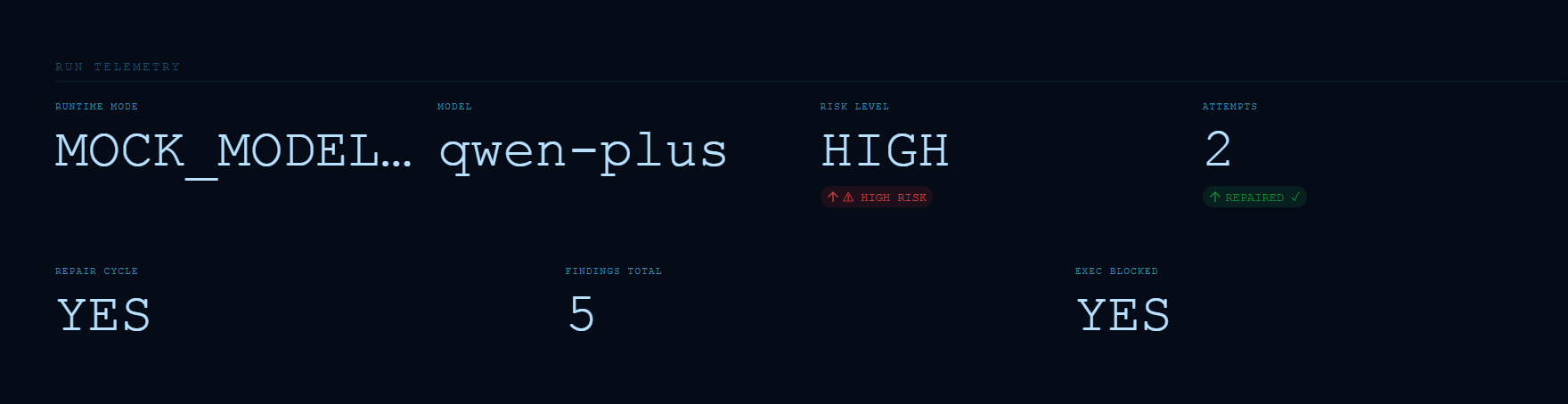
08-run-telemetry.png

Inspiration
What it does
How we built it
Inspiration
AeonLogic was inspired by a simple problem: AI tools often generate code once, but real software work needs review, repair, validation, memory, and proof. For the Qwen Cloud hackathon, I wanted to build an agent system that behaves more like a disciplined engineering team than a single chatbot.
What it does
AeonLogic is a recursive self-healing multi-agent engine powered by Qwen Cloud. It takes a software/security task, generates an artifact, critiques it for issues, repairs the detected problems, validates the result, writes lessons into hybrid memory, and produces a final downloadable report.
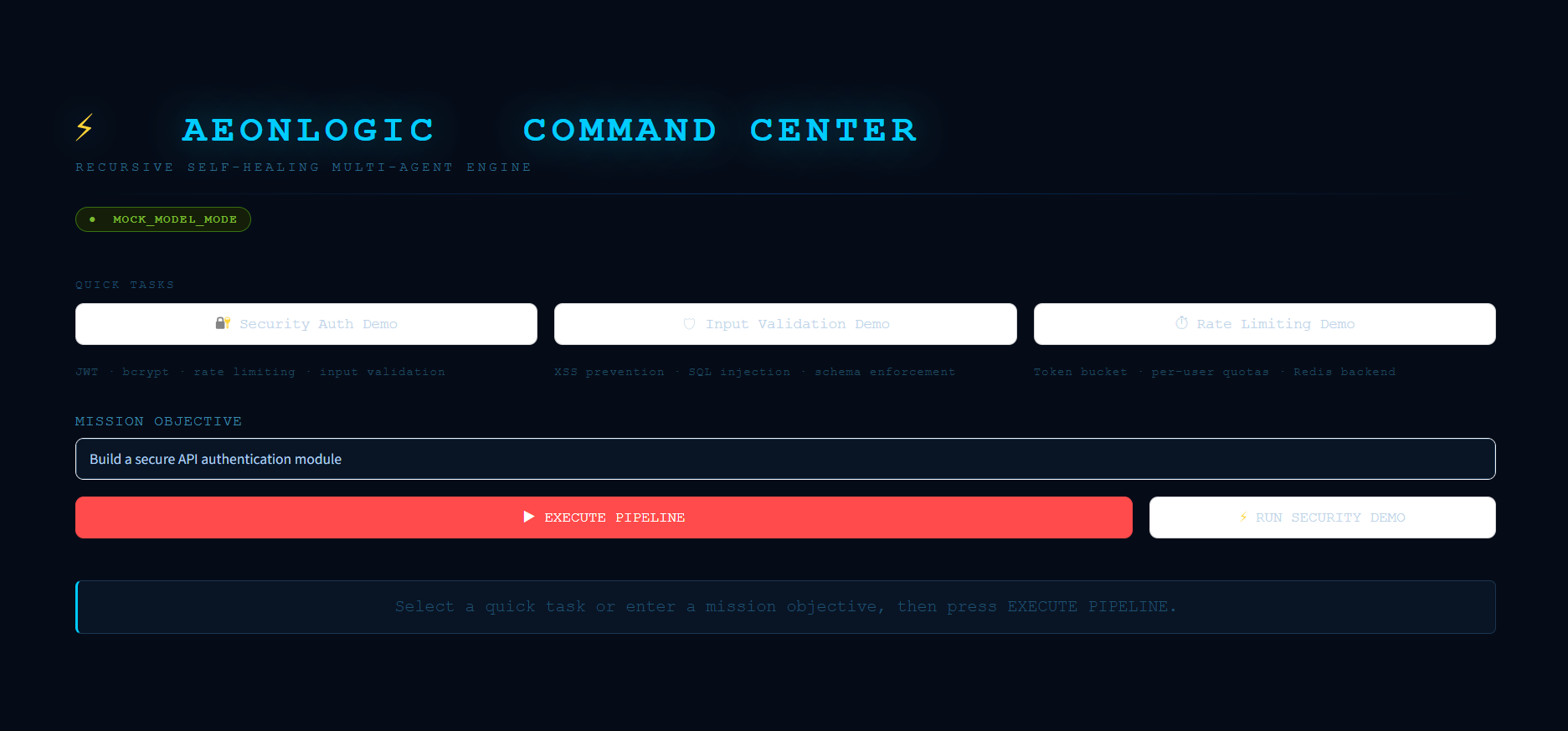
The Streamlit Command Center shows the complete workflow: Generate → Critique → Repair → Validate → Memory → Final Report.
How I built it
I built the app with Python and Streamlit, with a modular AeonLogic engine behind the dashboard. The system includes a Qwen Cloud-ready client, safe mock fallback mode, critic findings, artifact preview, memory evidence, final verdict reporting, and automated tests with Pytest.
The public demo runs in safe MOCK_MODEL_MODE for reproducible judging and to avoid exposing API keys. The repository includes real-mode Qwen Cloud support through secure environment variables: QWEN_API_KEY, QWEN_BASE_URL, and QWEN_MODEL.
Qwen Cloud / Alibaba Cloud usage
AeonLogic is designed to use Qwen Cloud through an OpenAI-compatible API client. The Qwen client is implemented in: src/aeonlogic/models/qwen_client.py
The app supports qwen-plus as the main model for high-risk/security tasks. API keys are never committed to GitHub. Proof documentation is included in: docs/ALIBABA_CLOUD_PROOF.md docs/ARCHITECTURE.md
Challenges
The biggest challenge was making the project stable for demos while still being real-mode ready for Qwen Cloud. I also had to make the UI clearly show proof of the agent pipeline, critic results, repair output, memory evidence, and final status in a way that judges can understand quickly.
Accomplishments
I am proud that AeonLogic demonstrates a full self-healing AI workflow instead of only showing a simple prompt-response demo. It includes a working Streamlit live demo, Devpost-ready screenshots, a demo video, Qwen Cloud integration code, architecture documentation, and automated tests.
What I learned
I learned how important it is to design AI systems with safety, reproducibility, and explainability. A strong AI agent should not only produce an answer; it should show what it found, how it repaired the issue, what it remembered, and why the final output is approved.
What's next
Next, I want to connect AeonLogic to a real Qwen Cloud API key in production mode, add more agent roles, expand the memory layer, support larger project repair workflows, and deploy an enterprise-ready version for secure software engineering automation.
Challenges we ran into
Accomplishments that we're proud of
What we learned
What's next for AeonLogic
Built With
- alibaba-cloud-model-studio
- chromadb
- neo4j-ready-memory
- pytest
- python
- qwen-cloud
- streamlit


Log in or sign up for Devpost to join the conversation.