-
-
-
-
-
-
-
-
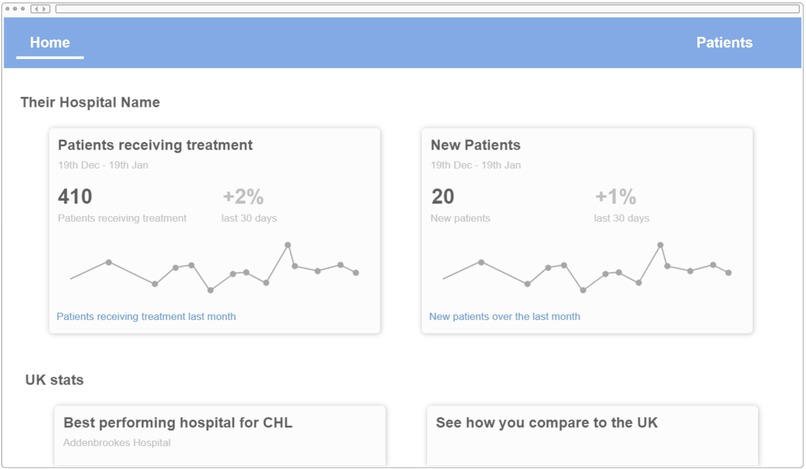
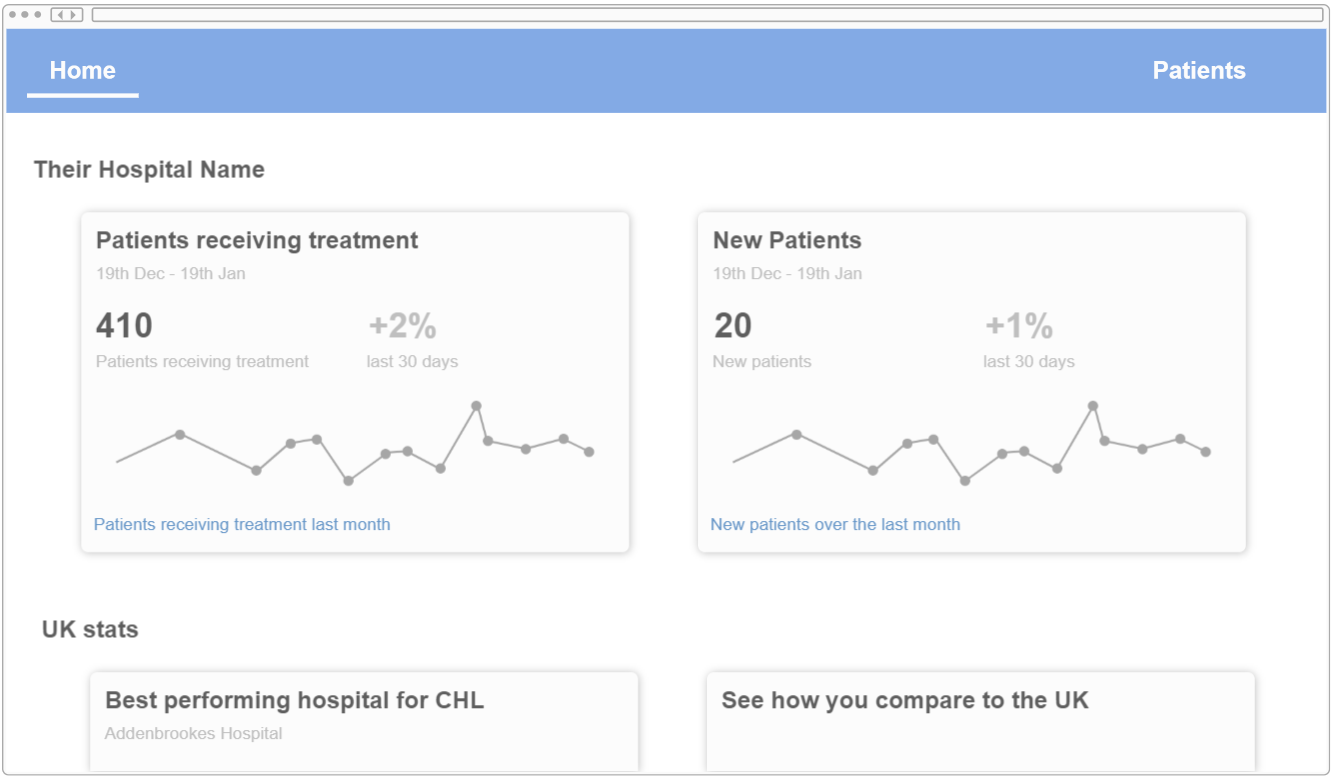
Home Screen
-
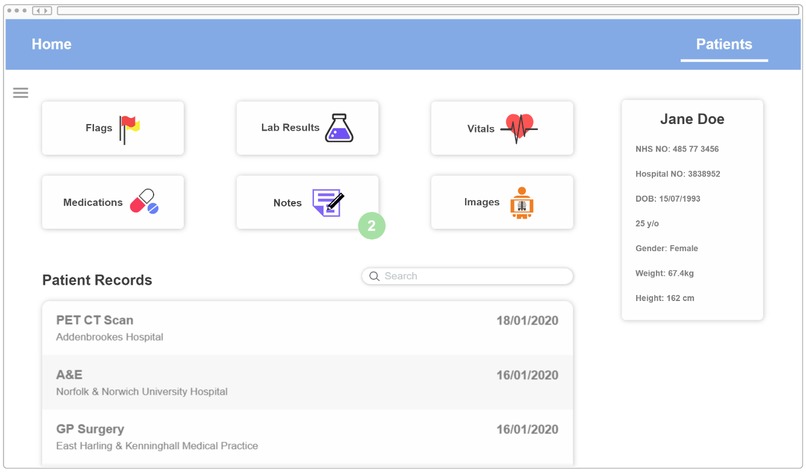
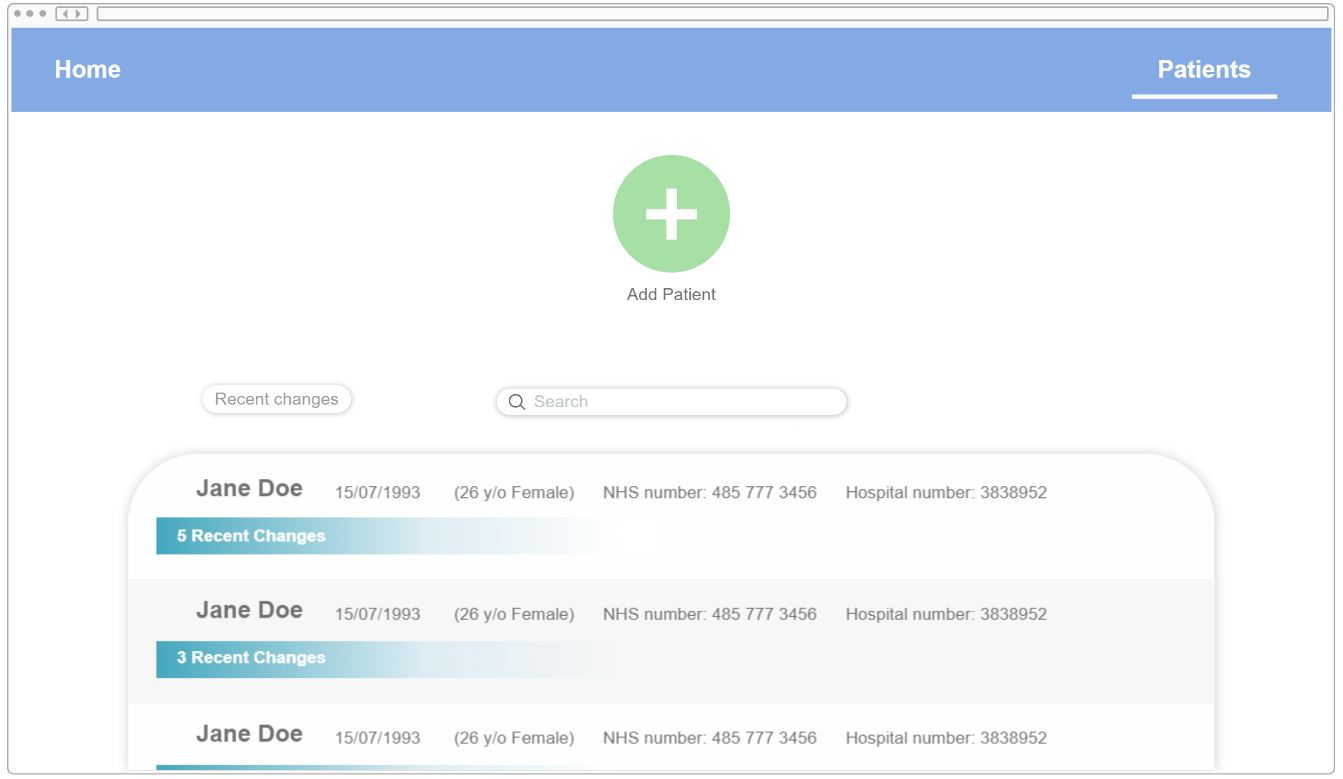
Patient access screen
-
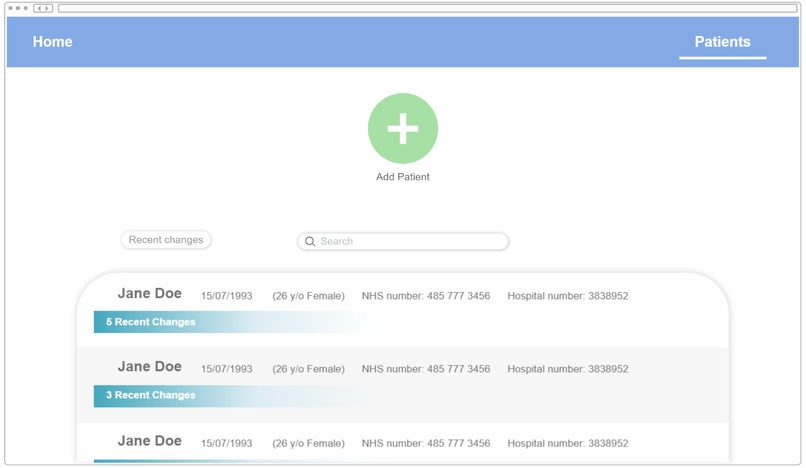
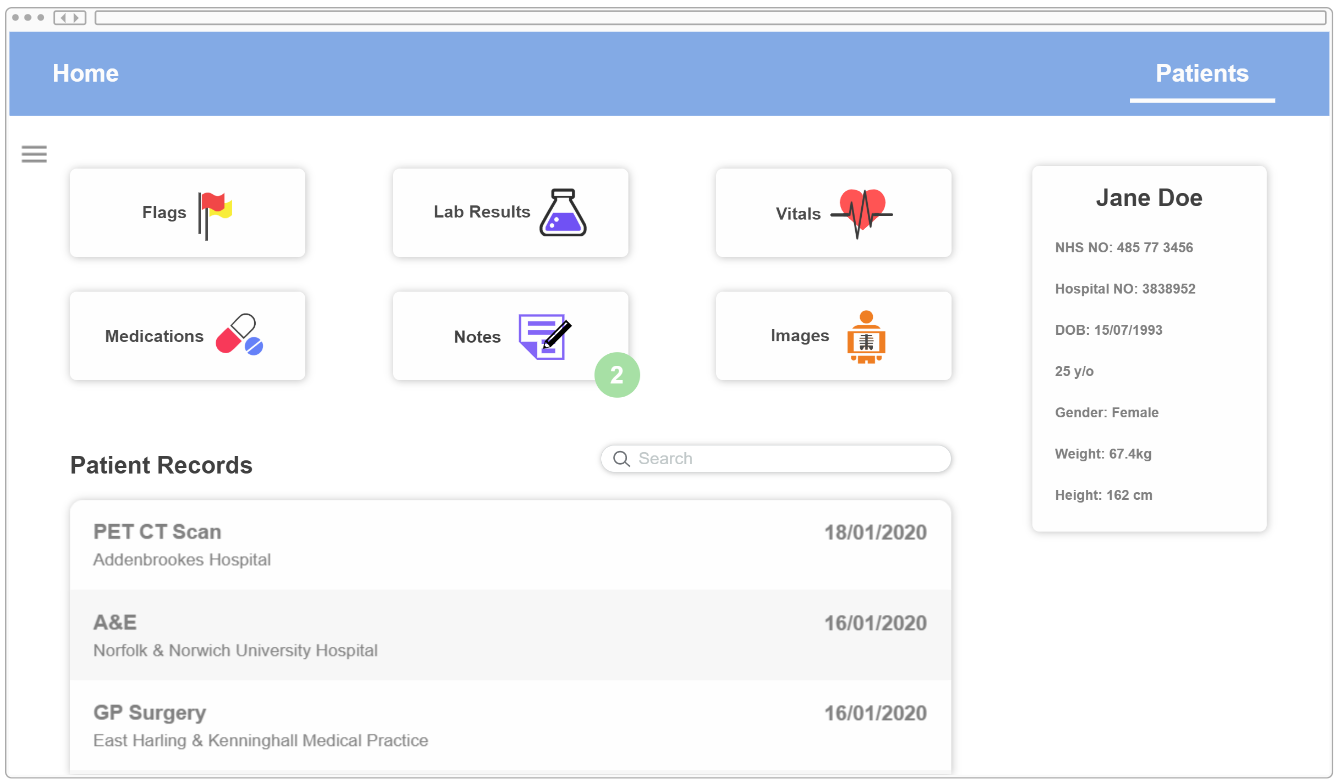
Patient record screen
Inspiration
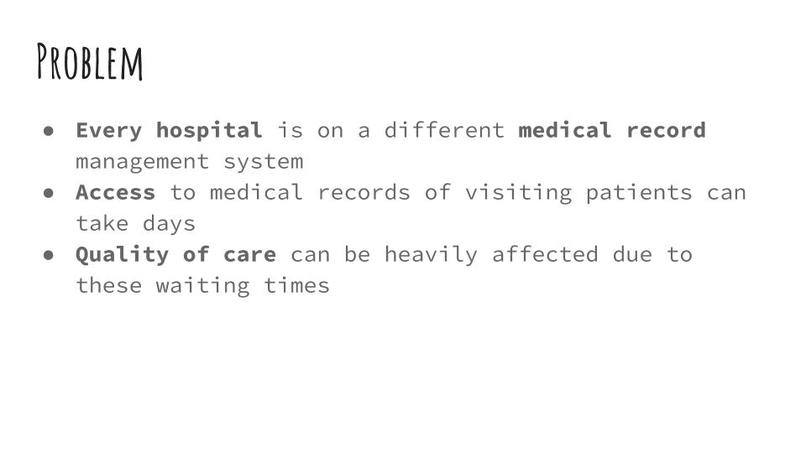
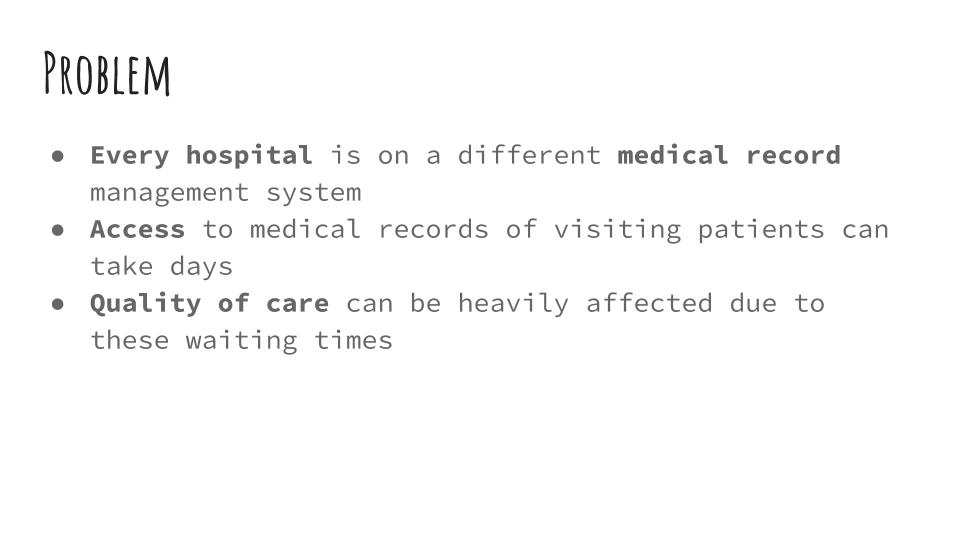
2 years ago I was diagnosed with stage 4 cancer. I received treatment in Addenbrookes hospital (Cambridge), however, in the event of an emergency, I would visit my local hospital in Norwich. I soon experienced first hand the sometimes life-threatening scenarios which can take place when my hospitals could not easily communicate my health records. Had I not been coherent enough to tell them I required Irradiated blood, I could have easily died from such a simple error. Moreover, I found that my treatment would differ depending on which hospital I would visit: This would sometimes translate into a survival rate of 65% compared to the 95% I received under the care of Addenbrookes. David Cherry; team member
The Solution
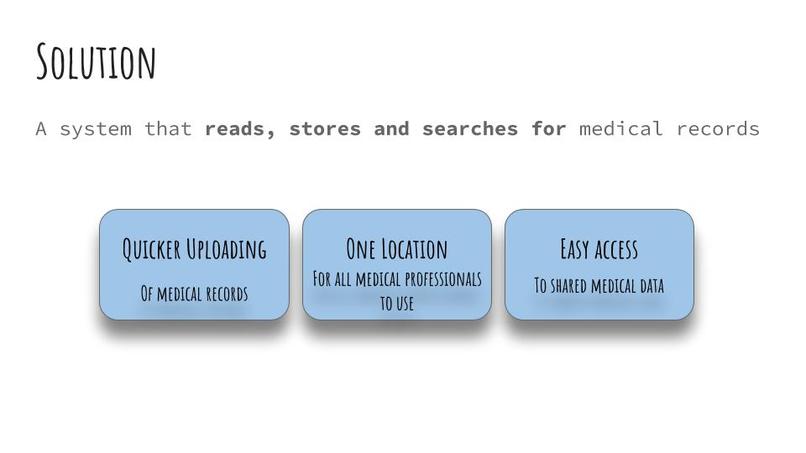
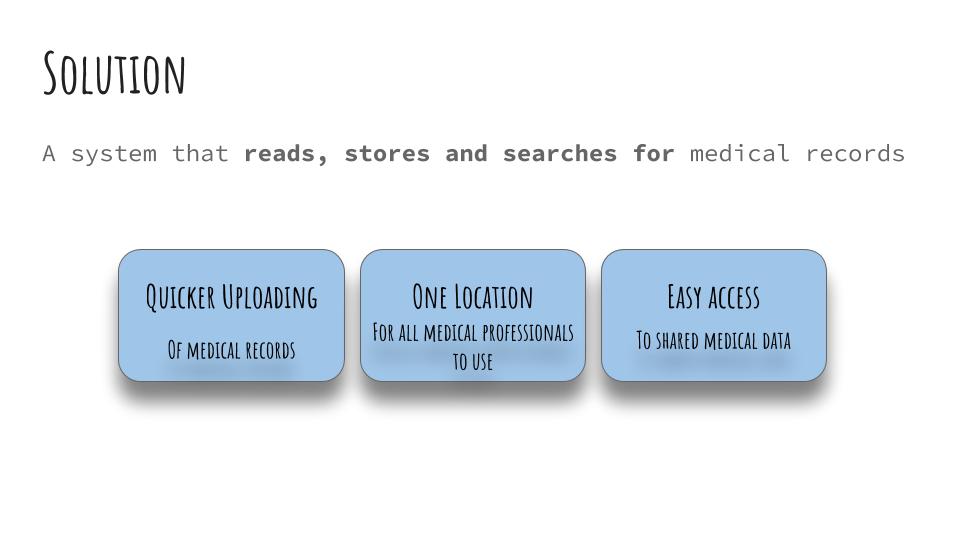
Aegle is a system which works on top of any current medical record system a hospital is using. It stores the data in a database which is easily accessible by any doctor on the secure system.
Aegle works in a way by reading the data from current medical records using Optical Character Recognition (OCR). After speaking to many medical professionals, we found that each hospital uses a different system to handle their records. Building a new system to collate all of these systems was too big of a task, as it would have to be done for each and every system. However, using Microsoft Azure's OCR, Aegle can read the medical record from a single image, collect the data from there and input it into its own database, without the need for each record to be submitted manually. This will work for every medical system in the country as it uses computer vision as a data extraction method.
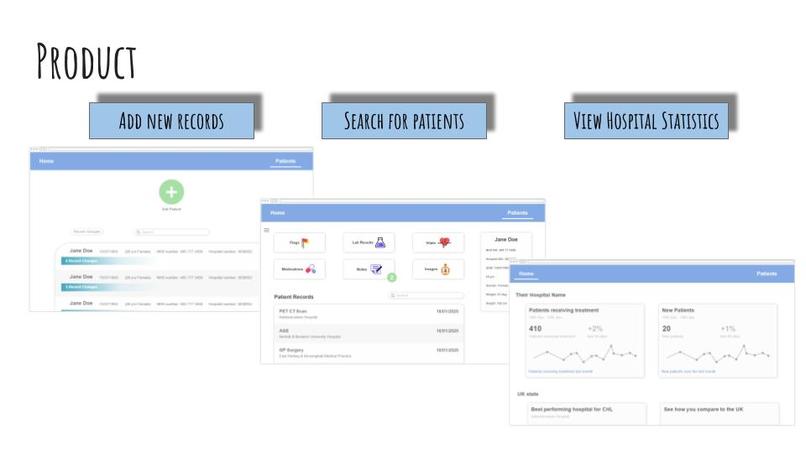
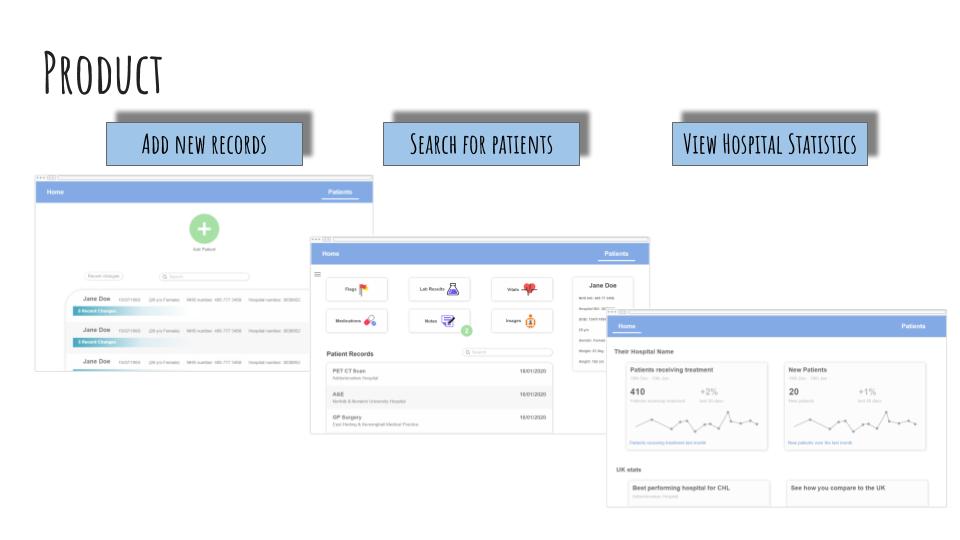
Once the records are added, it's all there for the doctors to access. They simply log into Aegle, search for the patient's records using their NHS number, and all the relevant information will be there. Security measures are in place so that each user is accountable for accessing their patient's data, and can only be found via a search rather than scrolling through the list. Any urgent information such as blood irradiation or chemotherapy is flagged up, and there is a Notes section for any additional medical notes.
How we built it
The app uses Python 3.7 and the Microsoft Azure Cognitive Services API and Cloud Storage API for the backend. An image is selected by the user (simulating the scraped screenshot of an actual electronic health record (EHR) portal). OCR is used to convert the image into text and the medical data is extracted and sorted by NHS patient number. Subsequently, the user can key in the NHS number to find all relevant records to that patient to create a comprehensive and easy to access medical database.
This system would be built on top of existing EHR systems to extract and synchronize data across different hospitals, without having access to proprietary EHR vendor APIs. In the long run, this would break the gridlock that has stopped EHR systems from being overhauled and standardised across the country.
Challenges we ran into
Communication with healthcare professionals was a big challenge we faced. Doctors are busy saving peoples lives, so finding time for us was quite difficult! Fortunately, a few of them were kind to share the issues that they face and we discussed the opportunities that a system like Aegle could bring. Also, data security of the medical records is a challenge that we face as Aegle deals with sensitive personal data.
What's next for Aegle
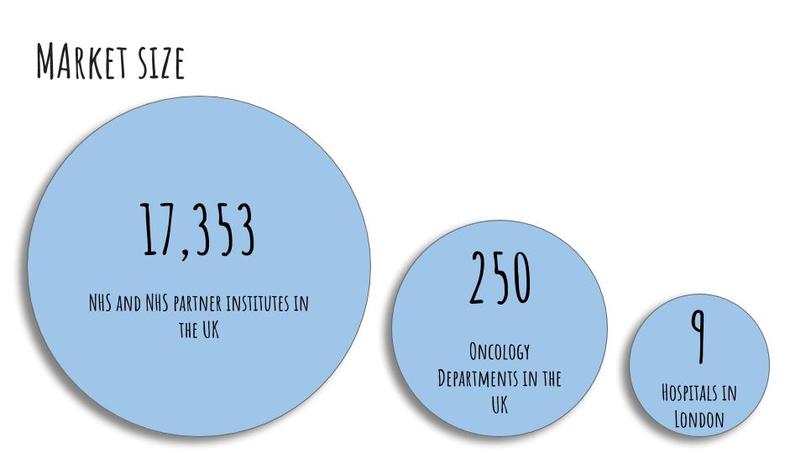
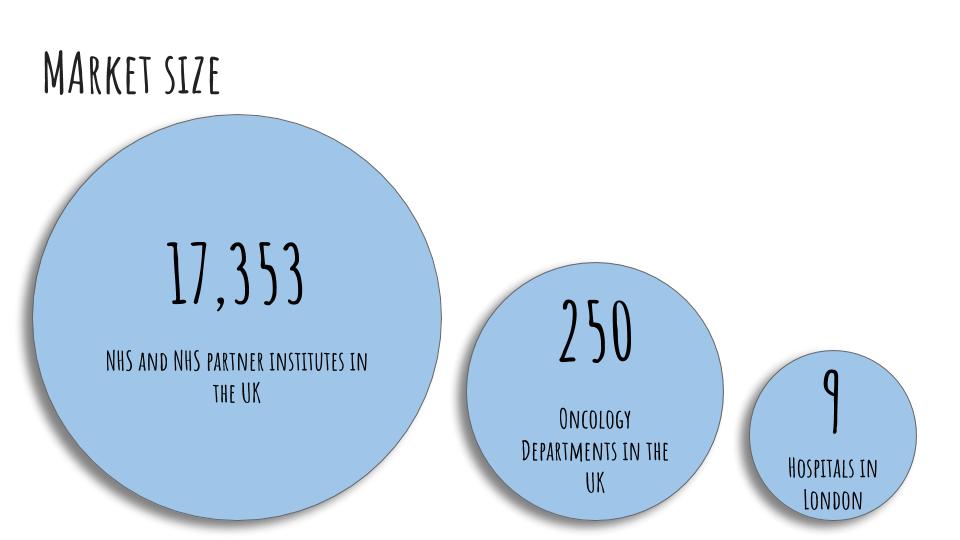
We plan to roll out Aegle to nine oncology departments in London. These hospitals have patients that transfer between different hospitals very frequently and the medical records have to be manually shared every time a patient moves. Once initial trials are successful, we will to expand to every oncology department in the country and eventually scale the system for the entire NHS.
Log in or sign up for Devpost to join the conversation.