Inspiration
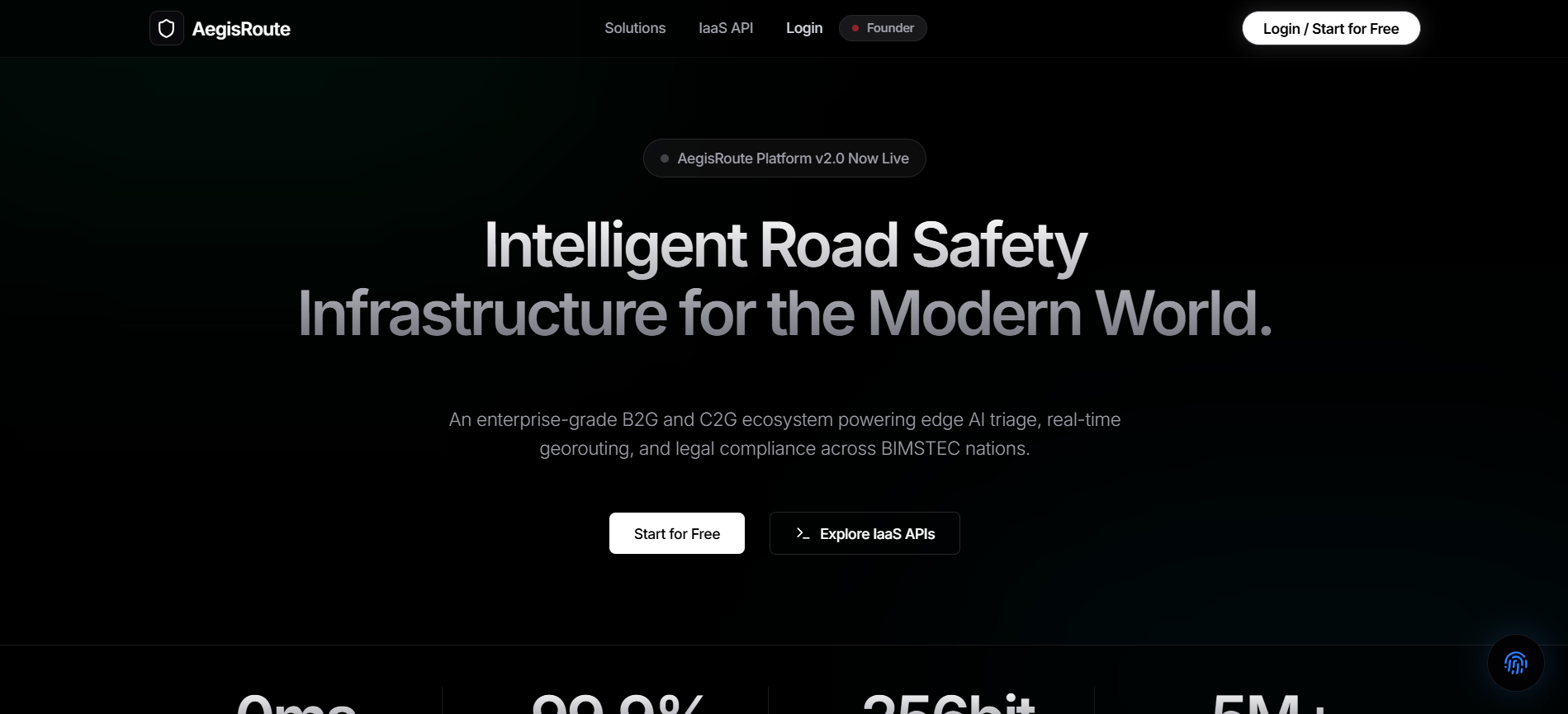
Every second counts during a civic emergency. Traditional dispatch and routing systems are static and often fail to account for real-time, unfolding hazards (like fires, floods, or structural collapses). We were inspired to build AegisRoute-OS to make a real difference in how cities handle crises. We wanted to move away from reactive systems and build an AI-first, proactive civic infrastructure that guarantees emergency responders take the safest, fastest routes while strictly adhering to complex civic compliance laws.
What it does
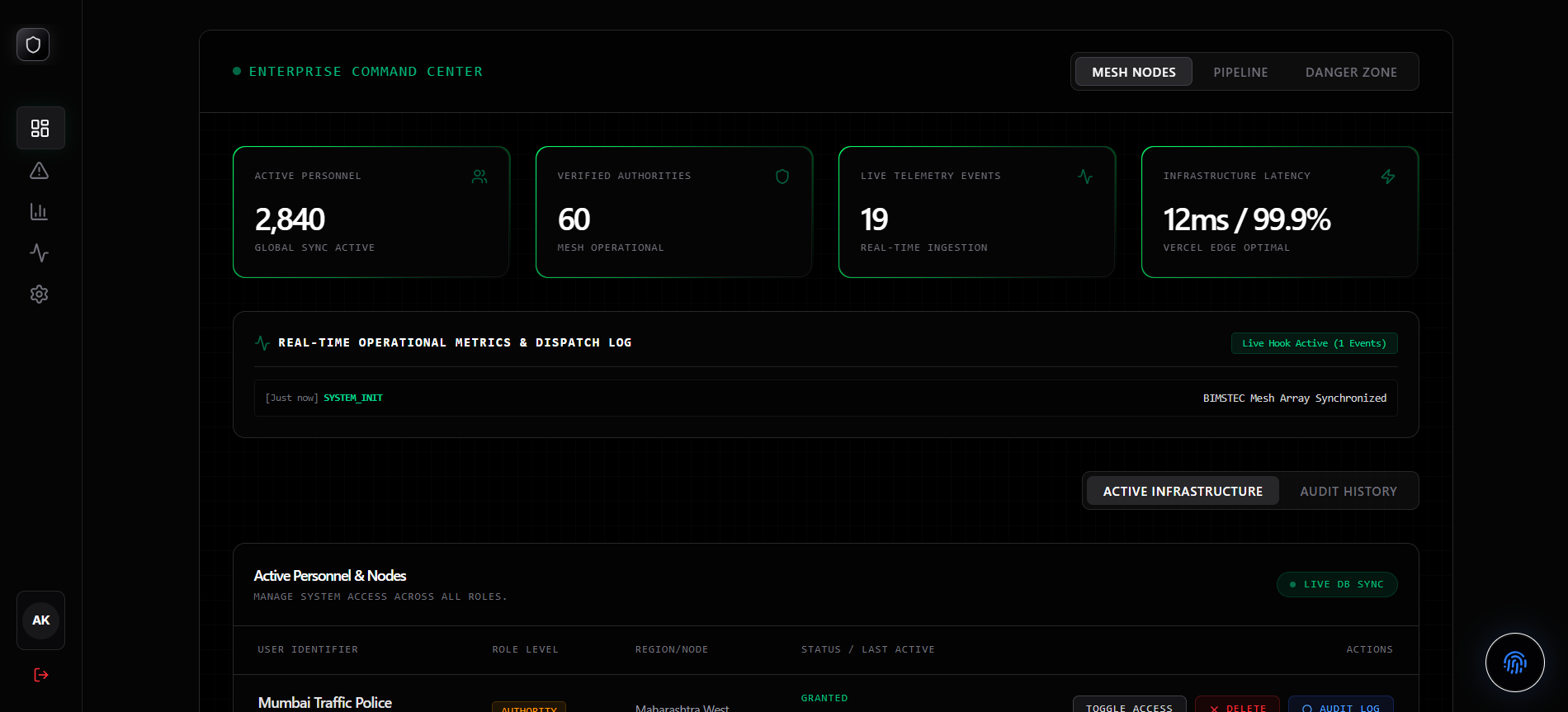
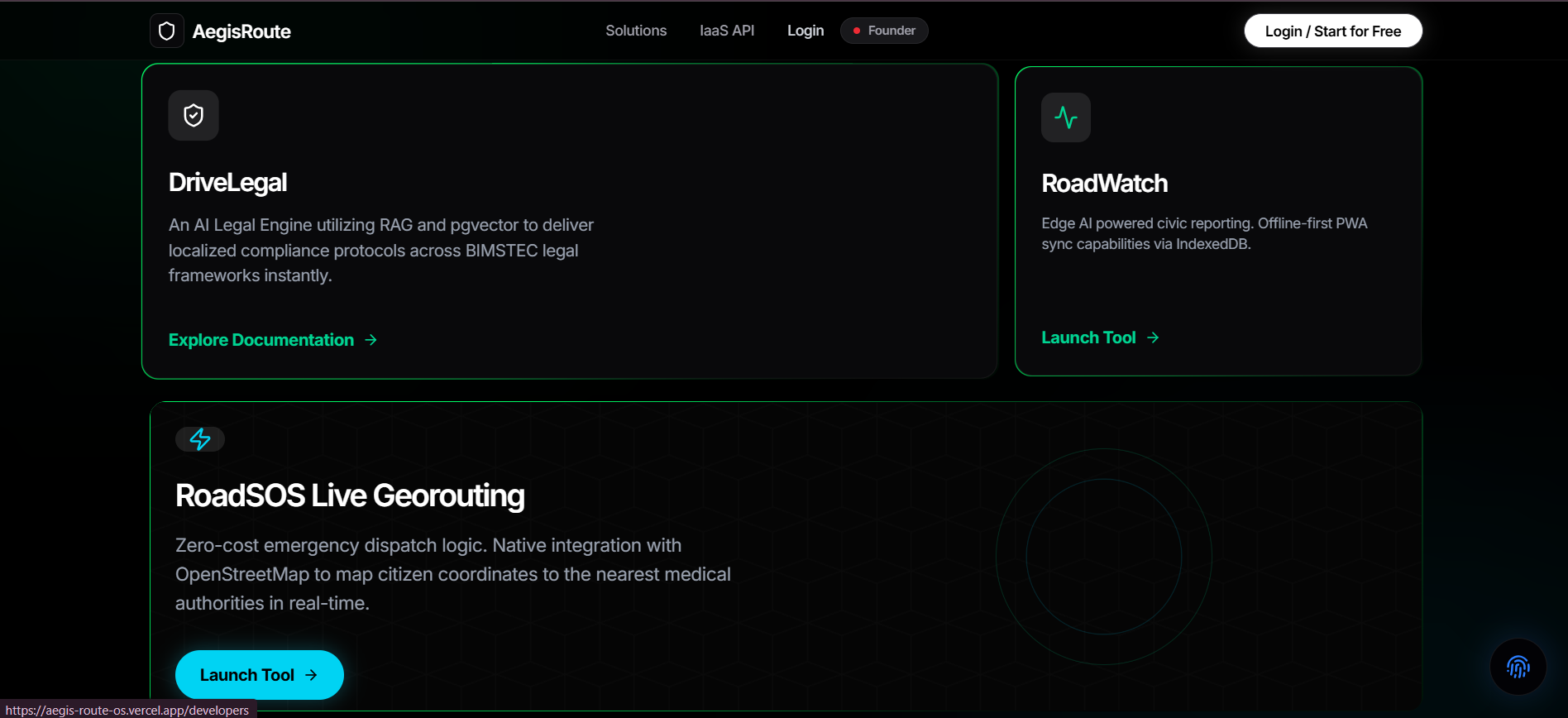
AegisRoute-OS is an enterprise-grade B2G/C2G (Business/Citizen-to-Government) platform. It operates on two core AI pillars:
- Edge-AI Hazard Telemetry: It ingests real-time environmental data to instantly map dynamic hazards, calculating the exact danger zones and zero-latency rerouting options for emergency vehicles.
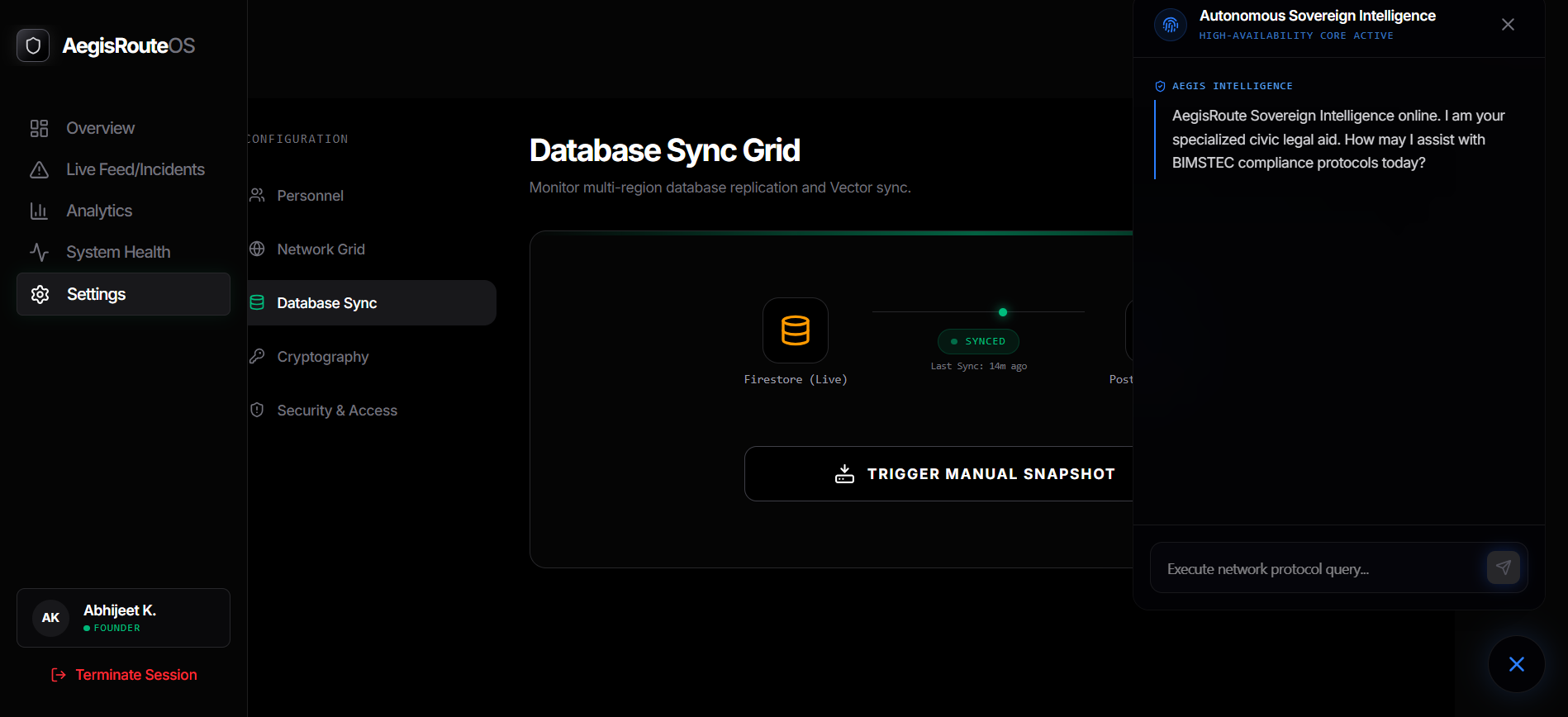
- High-Availability LLM Legal Compliance: Emergency routing often hits red tape (e.g., crossing private infrastructure, jurisdictional boundaries). Our LLM engine acts as an autonomous legal auditor, ensuring that AI-suggested emergency actions instantly comply with local protocols, removing human-in-the-loop bottlenecks during life-or-death scenarios.
How we built it
We architected AegisRoute-OS as a zero-latency spatial AI operating system.
- AI/LLM Engine: We leveraged advanced LLMs for the autonomous legal compliance auditing, fine-tuned to understand jurisdictional emergency mandates.
- Edge Computing: We simulated edge-AI nodes to process hazard telemetry without relying on slow central servers.
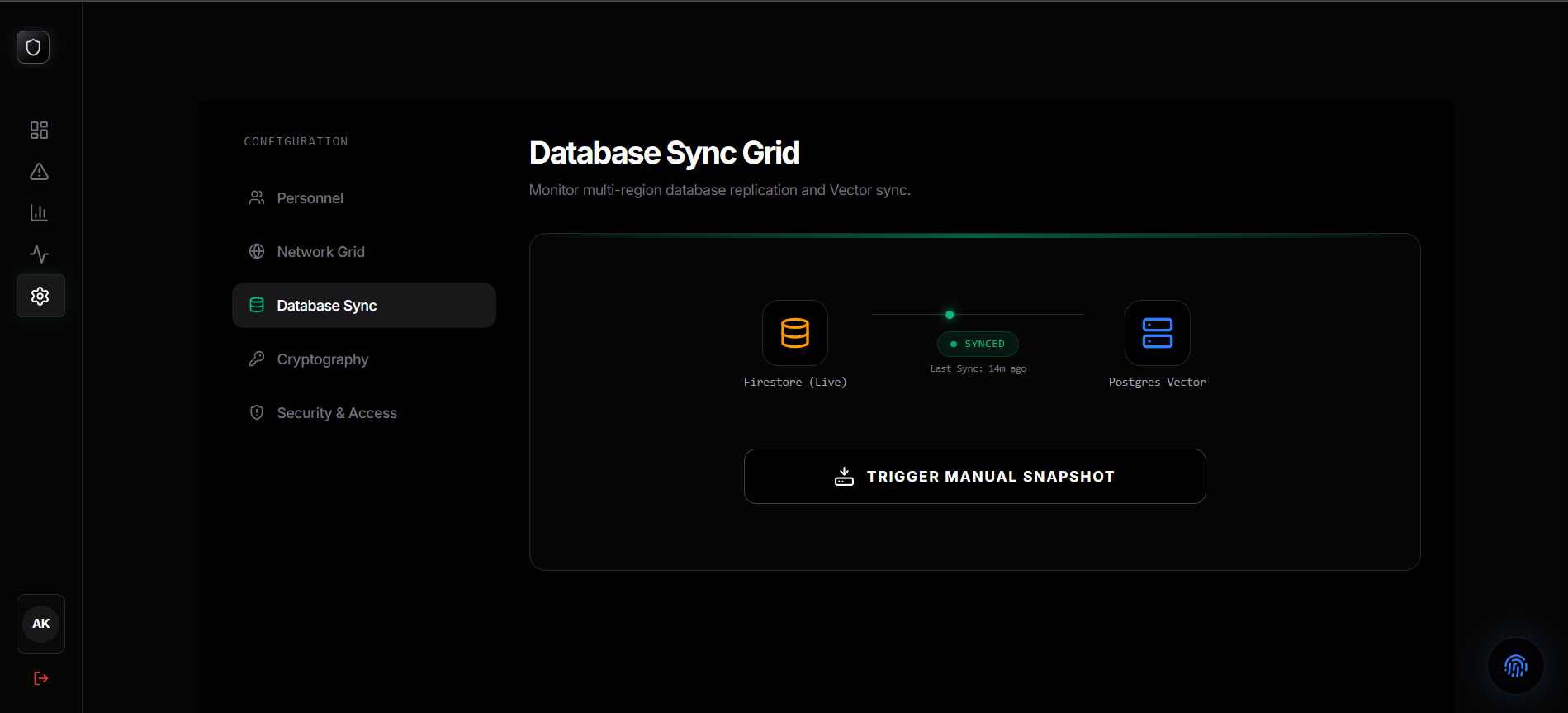
- Frontend/Backend: Built with a high-performance, modern tech stack designed for high availability and enterprise-grade security.
Challenges we ran into
The hardest part was solving the "Zero-Latency" requirement. In emergencies, a 5-second processing delay can be catastrophic. We had to heavily optimize our AI inference pipelines and ensure our LLM could validate legal/jurisdictional constraints concurrently with the spatial pathfinding algorithms without slowing down the routing output.
Accomplishments that we're proud of
We successfully merged spatial mapping with generative AI. Traditionally, LLMs are used for text generation, but using an LLM as an active, high-speed compliance auditor for physical, real-world emergency vehicle routing is a massive leap forward in originality and practical AI application.
What we learned
We learned that building an "AI-first" solution isn't just about slapping a chatbot onto a map. It requires rethinking the entire architecture. We learned how to manage AI context windows for legal documents and how to optimize edge-inference for telemetry data.
What's next for AegisRoute-OS
Our next step is integrating live city APIs (traffic cameras, weather sensors) directly into our neural cluster orchestration and piloting the software with local civic dispatch centers to run real-world stress tests.
Built With
- api
- edge-computing
- generative-ai
- llm
- machine-learning
- next.js
- postgresql
- python

Log in or sign up for Devpost to join the conversation.