Aegis Wallet
Inspiration
AI agents are getting smarter every day but have zero ability to transact with real money safely. Giving an AI your wallet keys is terrifying — it's either full access or nothing. There's no standard for giving an agent a spending budget it literally cannot exceed. Lightning macaroons and MCP gave us the primitives to solve this: cryptographic capability-based access control for AI agents, enforced at the protocol level.
What It Does
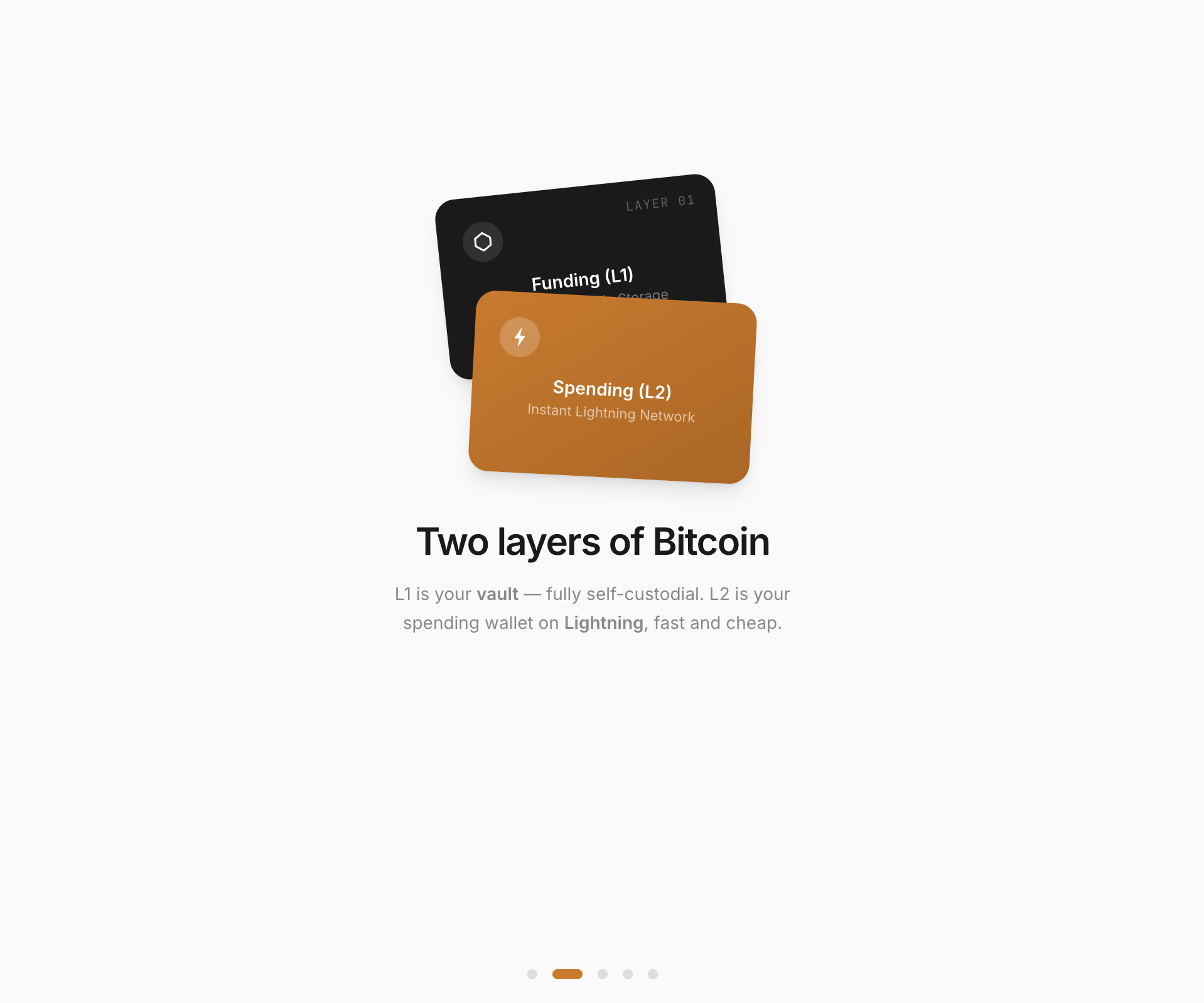
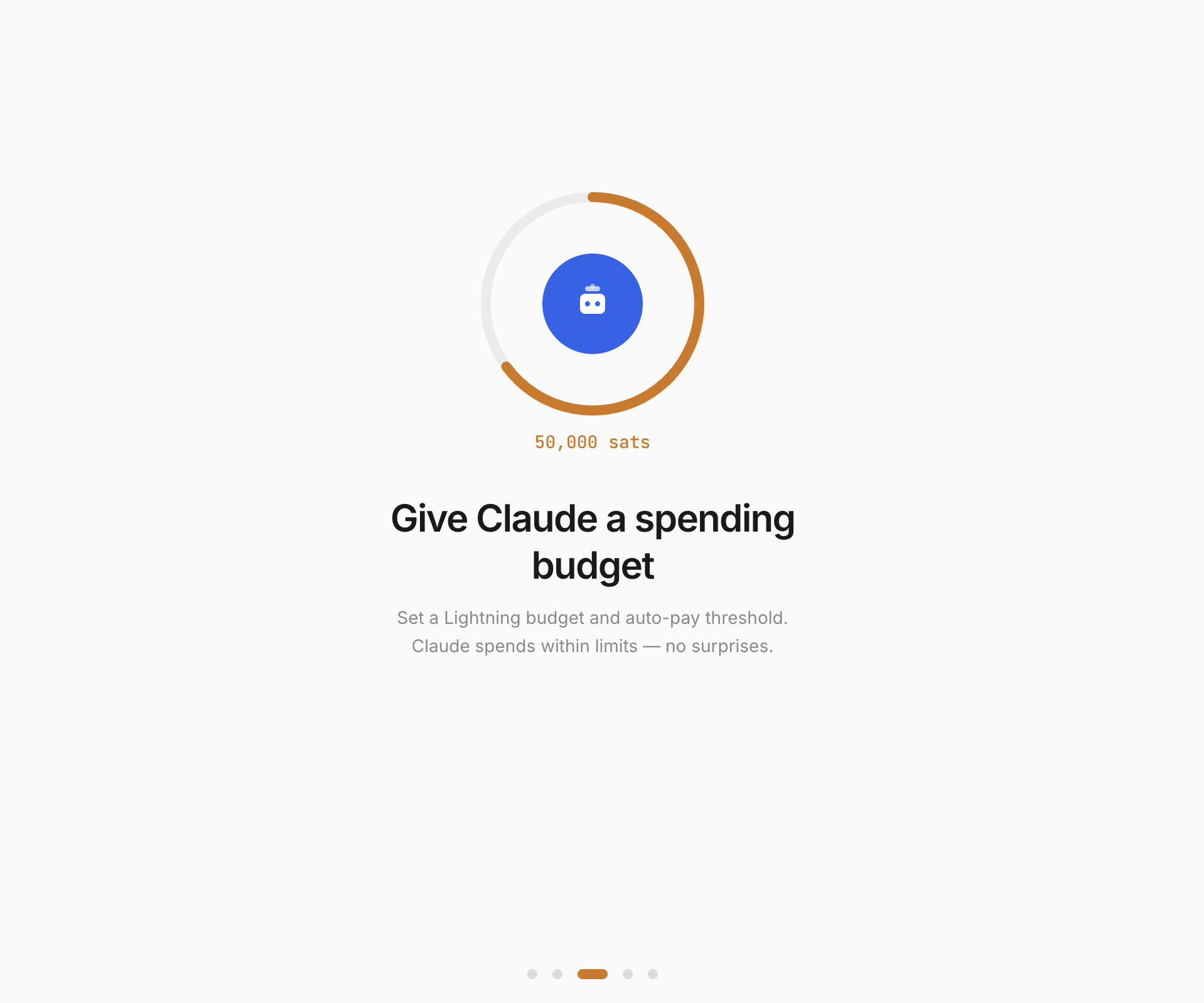
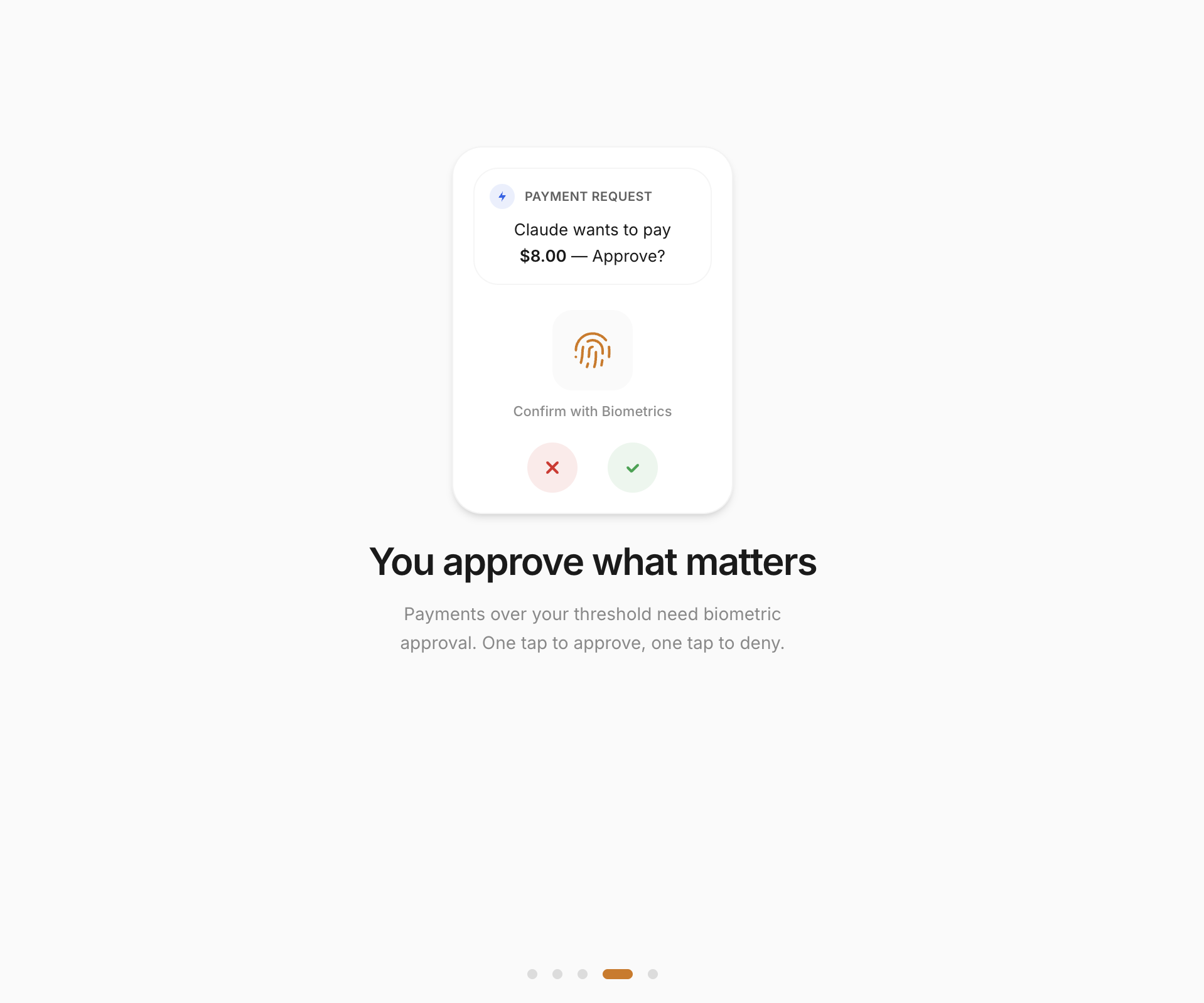
Aegis is a Bitcoin wallet where Claude is your AI financial agent. Claude connects to your Lightning wallet via MCP and gets real spending tools — but with a macaroon-enforced budget ceiling it cannot bypass. Within your set threshold, Claude autonomously pays Lightning invoices. Over threshold, it escalates to your biometric approval. Budget exhausted, it requests a top-up. The enforcement isn't software we wrote — it's LND's RPC middleware rejecting the call before it even attempts to route. The macaroon is the leash.
How We Built It
- Lightning: LND + litd in Docker — litd's account system creates virtual balance ledgers with scoped macaroons enforced at the RPC middleware layer.
- MCP Server: Node.js (
@modelcontextprotocol/sdk) exposing 7 wallet tools —pay_invoice,get_balance,get_budget_status,request_approval,request_topup,create_invoice,list_payments. The macaroon never leaves the server. Claude IS the agent — no custom runtime. - Backend: Node.js + Express — REST API + WebSocket for real-time approval flow between Claude and the user.
- Frontend: Next.js + Tailwind — agent dashboard, budget controls, live activity feed, biometric approval modals.
- Network: Bitcoin mainnet with real sats.
Challenges We Ran Into
- Budget enforcement at the protocol level — Making LND's RPC middleware reliably reject payments before they even attempt routing required deep understanding of litd's account system and macaroon scoping.
- No custom agent runtime — Wiring Claude directly via MCP instead of building a bot meant we had to design tools that give Claude enough context to make good decisions while keeping the attack surface minimal.
- Real-time approval flow — Connecting Claude's
request_approvaltool call to a WebSocket push to the user's browser for biometric confirmation, then piping the result back, all within a reasonable timeout. - Macaroon scoping — Getting the permissions right so Claude can pay and receive but cannot see node topology, bake new macaroons, or access on-chain funds.
Accomplishments We're Proud Of
- Cryptographic budget enforcement. Claude's spending limit isn't a software check — it's enforced by LND's RPC middleware via macaroons. Claude literally cannot overspend.
- Claude is the agent. No custom bot, no scripted flows. Claude reasons about payments, checks its budget, and escalates when needed — all through standard MCP tools.
- Real mainnet sats. This isn't a testnet demo. Real Bitcoin, real Lightning invoices, real L402 payments.
- Human-in-the-loop that doesn't suck. Over-threshold payments trigger a biometric prompt on your phone — not a form, not an email. One tap to approve.
What We Learned
- Lightning macaroons are an underappreciated primitive for AI agent authorization — they give you cryptographic capability-based access control out of the box.
- MCP is a powerful abstraction for agent tooling — by exposing wallet operations as MCP tools, we got Claude integration without writing a single line of agent orchestration code.
- The hardest part of agentic finance isn't the payments — it's the escalation UX. Making the human-in-the-loop feel seamless is what makes it trustworthy.
- L402 (HTTP 402 + Lightning) is the natural payment protocol for agents — Claude can handle the full pay-for-access flow autonomously.
What's Next for Aegis Wallet
- Agent delegation — Claude attenuates its own macaroon to create sub-agents with even tighter budgets.
- Multi-agent commerce — Buyer and seller agents transacting autonomously via L402.
- Recurring budgets — Auto-refilling daily/weekly spending caps without manual top-ups.
- Self-custodial L2 — Users run their own LND node, point MCP there, fully sovereign.
- Mobile app — React Native + Expo with native biometrics.


Log in or sign up for Devpost to join the conversation.