Inspiration
On average, a large percentage of bicycle riders choose not to wear helmets. Most of them are not reckless. They are experienced riders making a quick trip, assuming nothing will happen this time. But it only takes one unexpected fall or one distracted driver for that assumption to fail. In that moment, the difference between wearing protection and skipping it can mean the difference between walking away and a life altering injury.
That same mindset shows up every day on construction sites, in workshops, and in university labs. Workers and students skip safety gear because it feels inconvenient, uncomfortable, or unnecessary for a quick task. Safety glasses come off just for one weld. Gloves are removed for one cut. A helmet gets left behind because the job feels routine. And just like with cyclists, most of the time nothing happens. Until it does.
In physical work environments, the consequences are immediate and severe. A single spark can send metal shavings into an unprotected eye. One slip of a saw can permanently damage a hand. These injuries do not just affect the individual. They create massive liability for organizations, raise insurance costs, and place long-term burdens on teams, supervisors, and institutions.
The real problem is not that people do not care about safety. It is that safety relies too heavily on human memory, judgment, and enforcement. Supervisors, managers, and teaching assistants are expected to constantly monitor compliance, which is inefficient and inconsistent. When enforcement slips, risk increases.
AEGIS was inspired by the need to remove that human error from the equation. Instead of relying on reminders, checklists, or manual policing, AEGIS makes safety automatic. It ensures that anyone entering a hazardous space is properly equipped before work begins. By enforcing compliance at the point of entry, AEGIS protects lives, reduces liability, and creates safer environments without slowing people down.
What it does
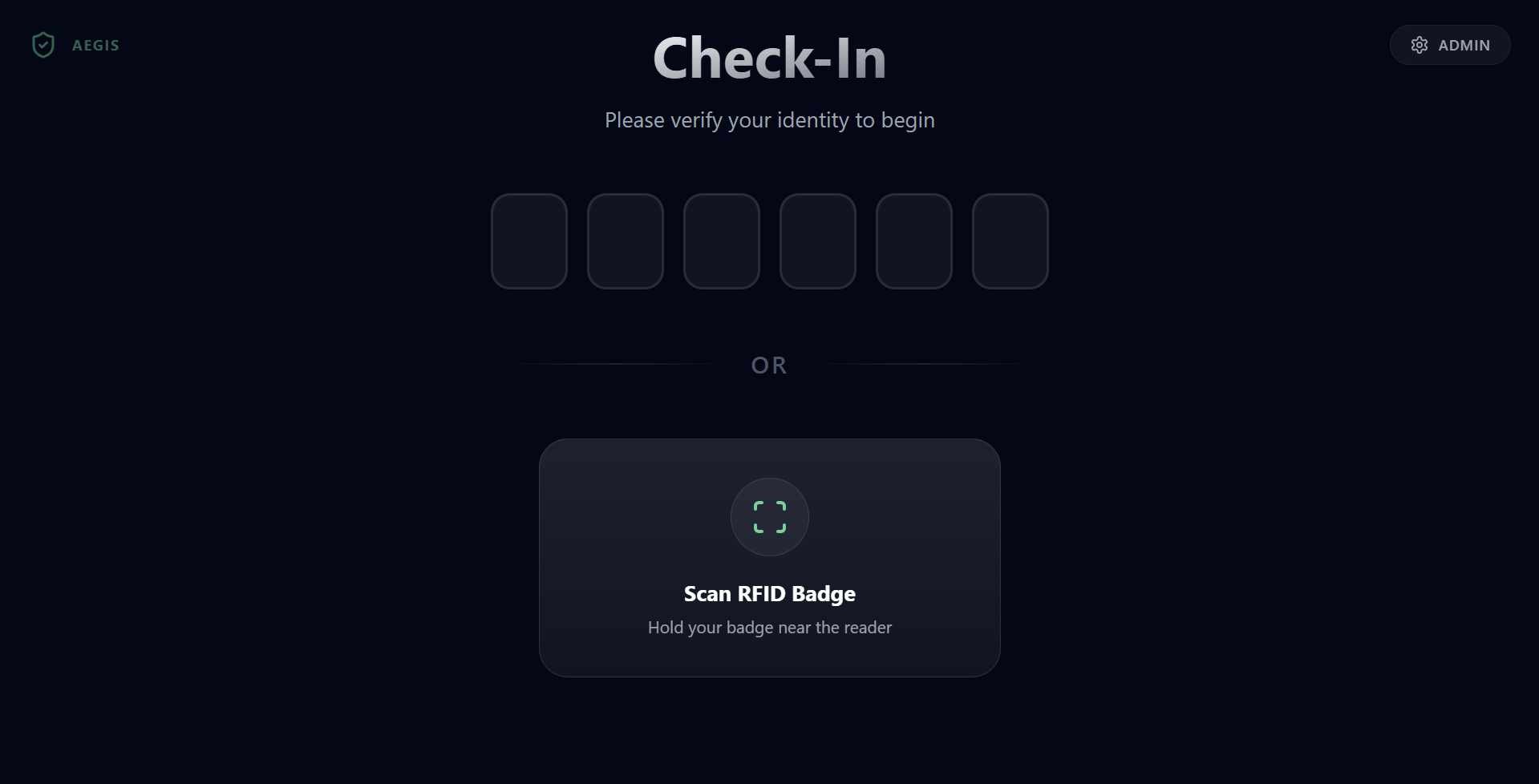
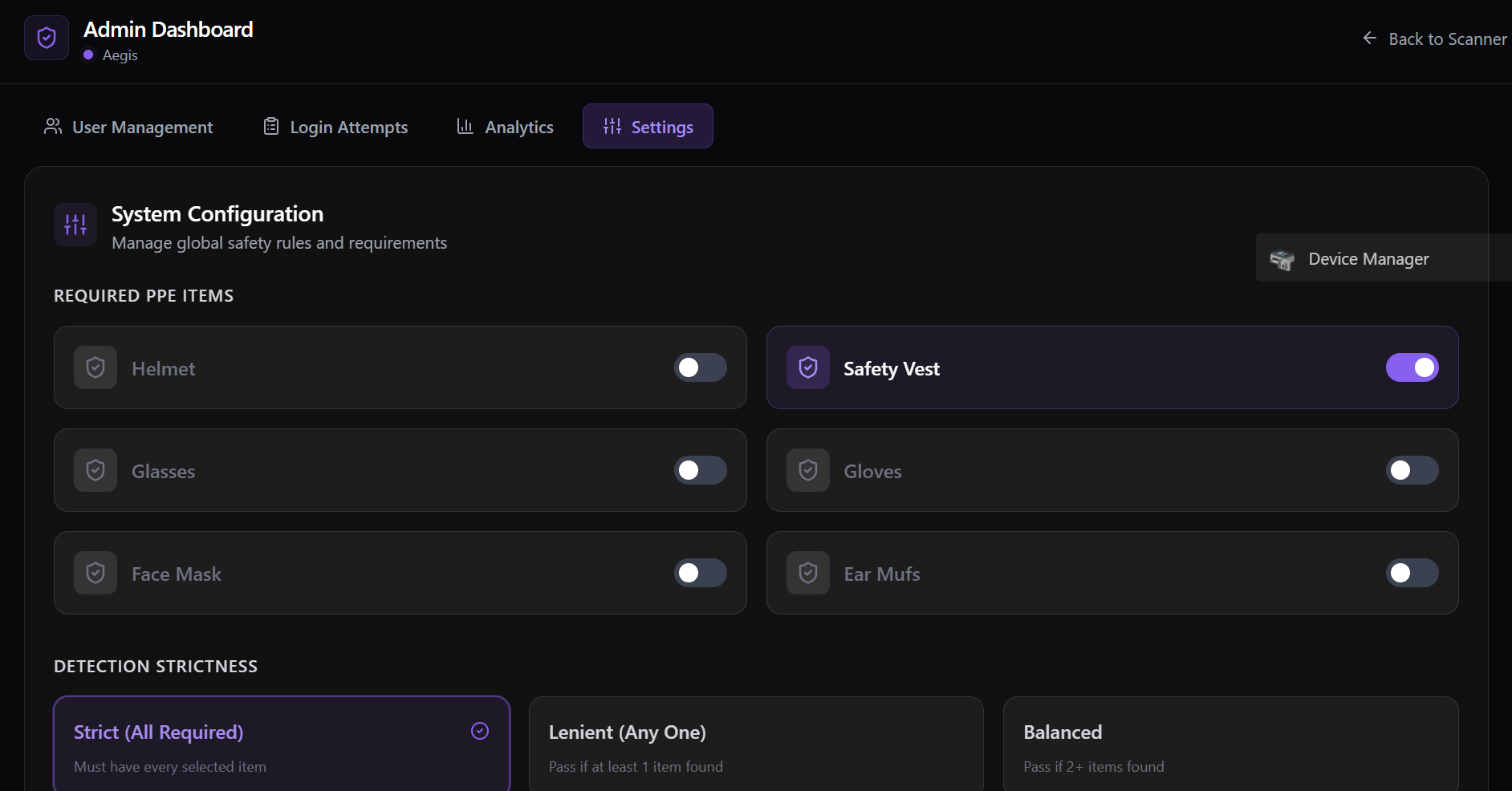
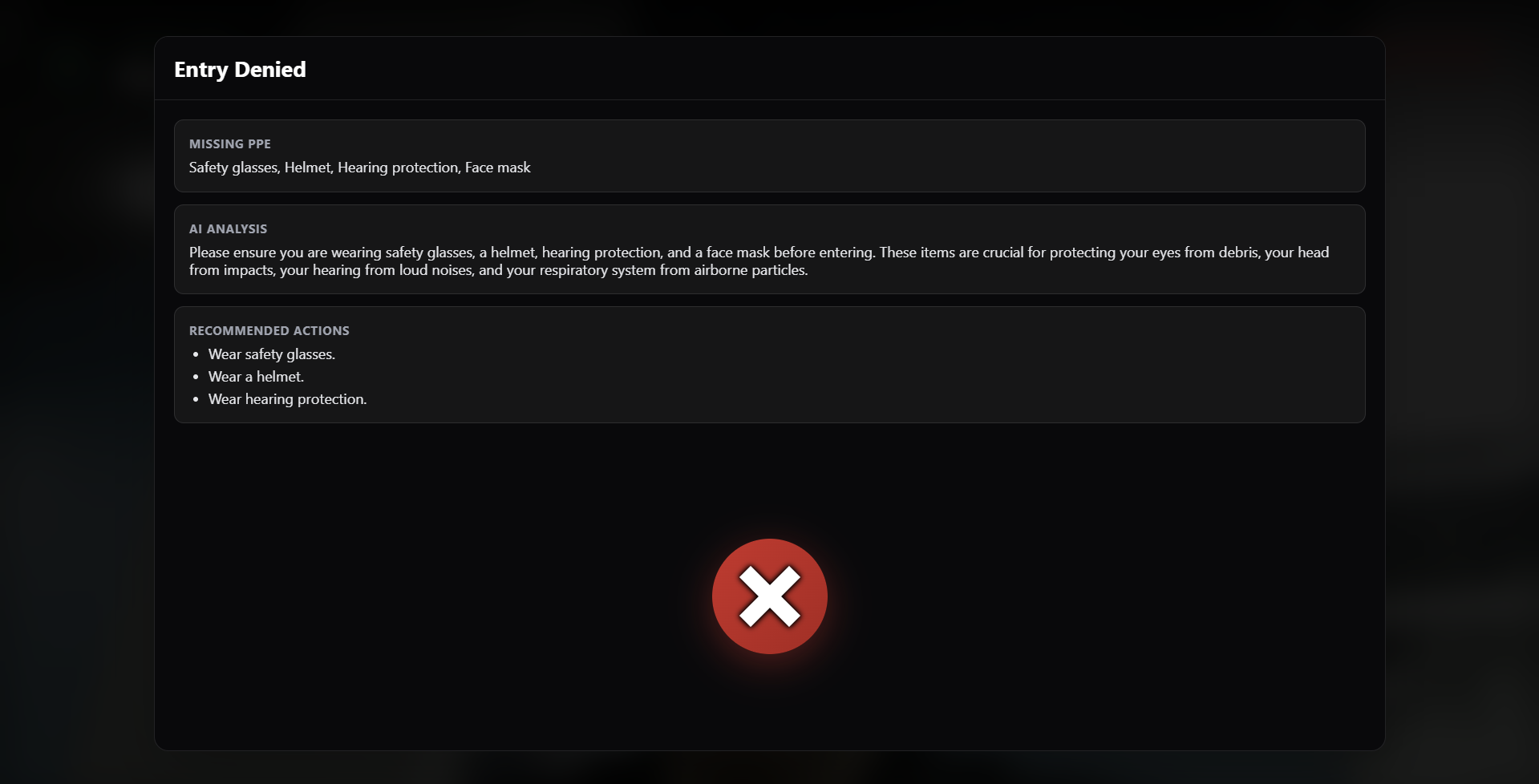
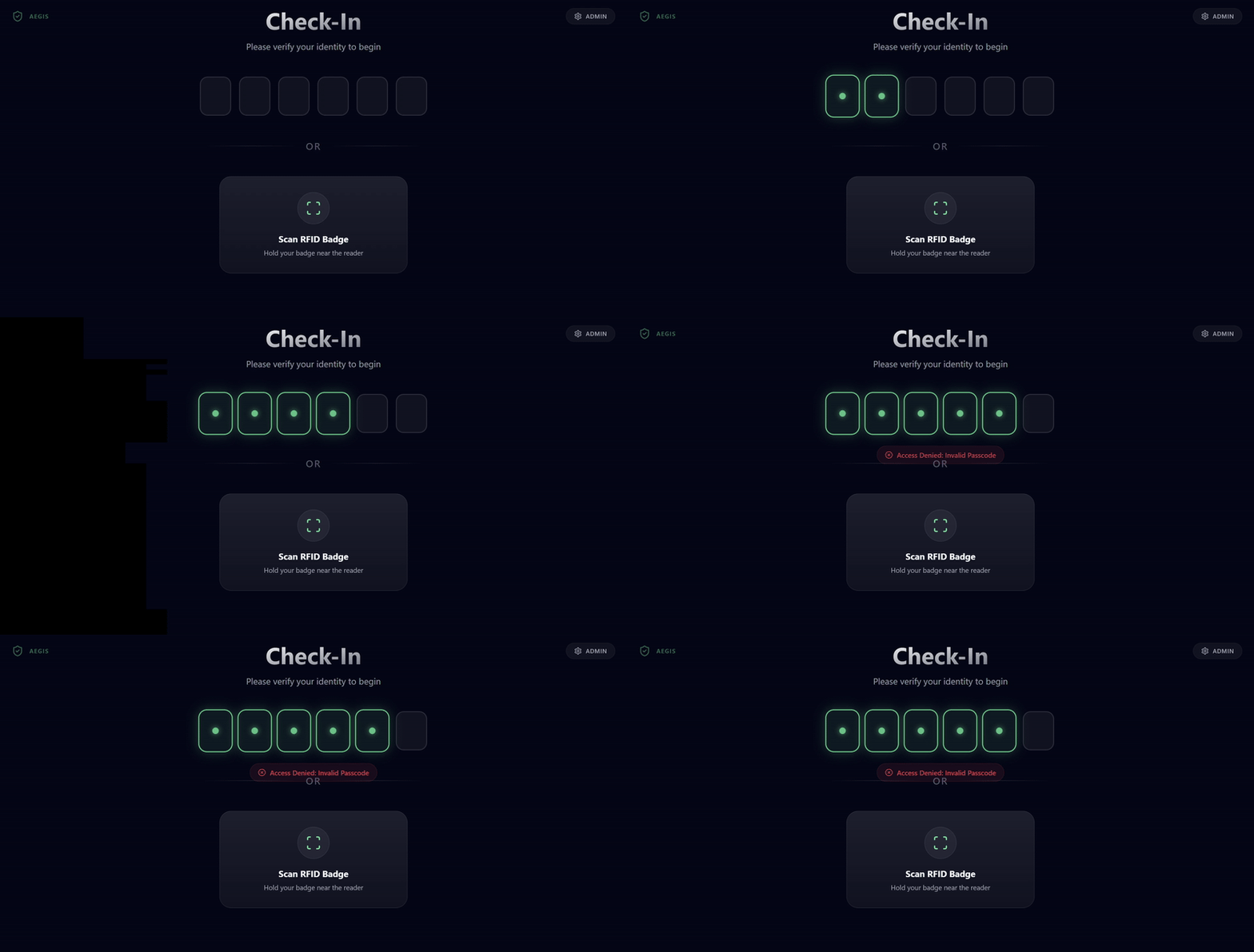
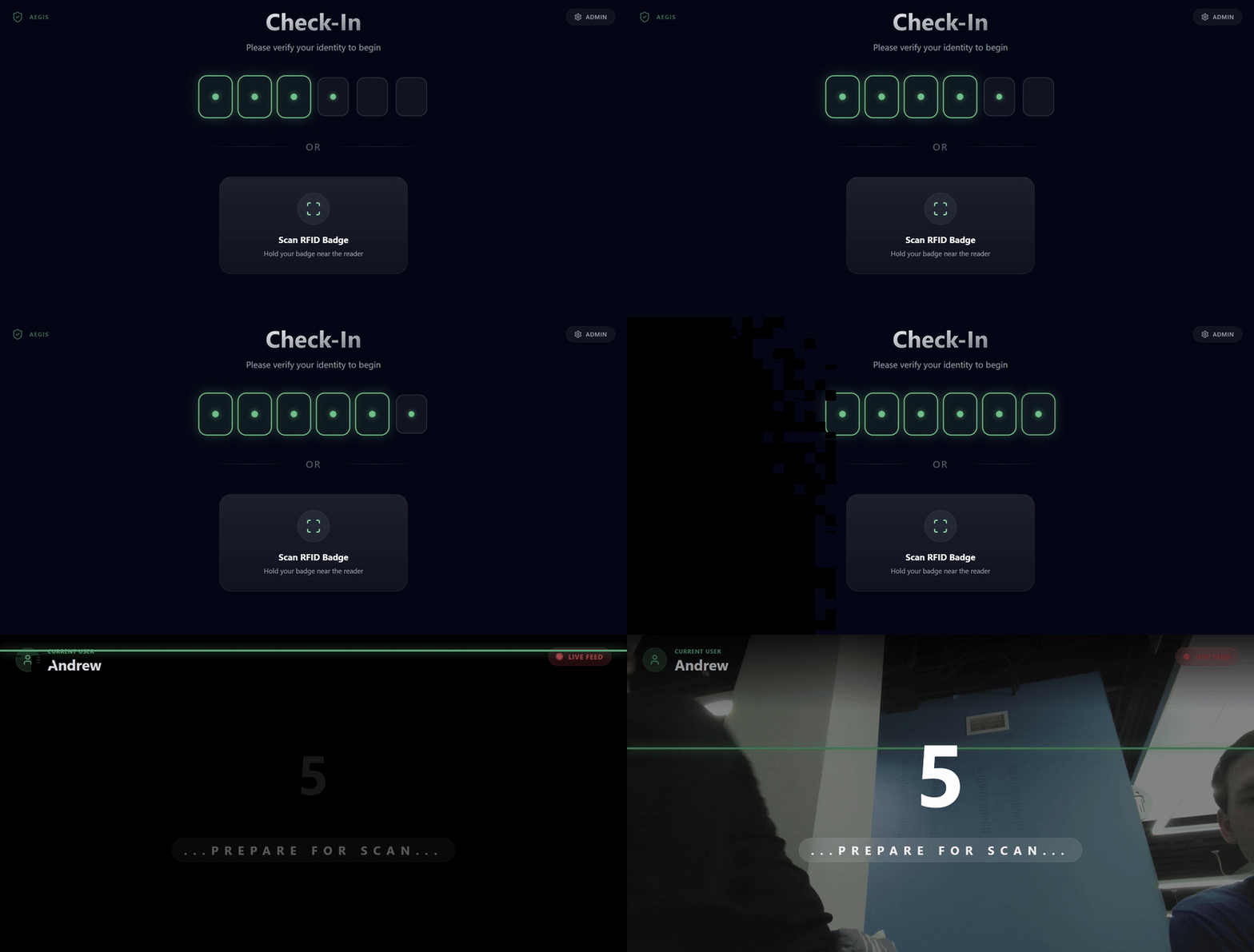
AEGIS is an automated safety gatekeeper that transforms any lab or workplace entrance into an intelligent checkpoint. Here's the flow: a worker scans their RFID badge or enters their PIN, steps in front of the camera, and our AI-powered system verifies they're wearing required PPE (glasses, gloves, helmets, etc.)
On the practical side, it’s a huge time-saver for managers and TAs. Instead of them having to manually hover over everyone to check for PPE, the system handles the "safety police" duties on autopilot. This makes the whole environment way more efficient and takes a massive load off the staff.
The ultimate purpose is to cut down on liability and keep insurance costs low by ensuring 100% compliance. It transforms a basic check-in process into a proactive safety ecosystem that protects the people behind the clock.
How we built it
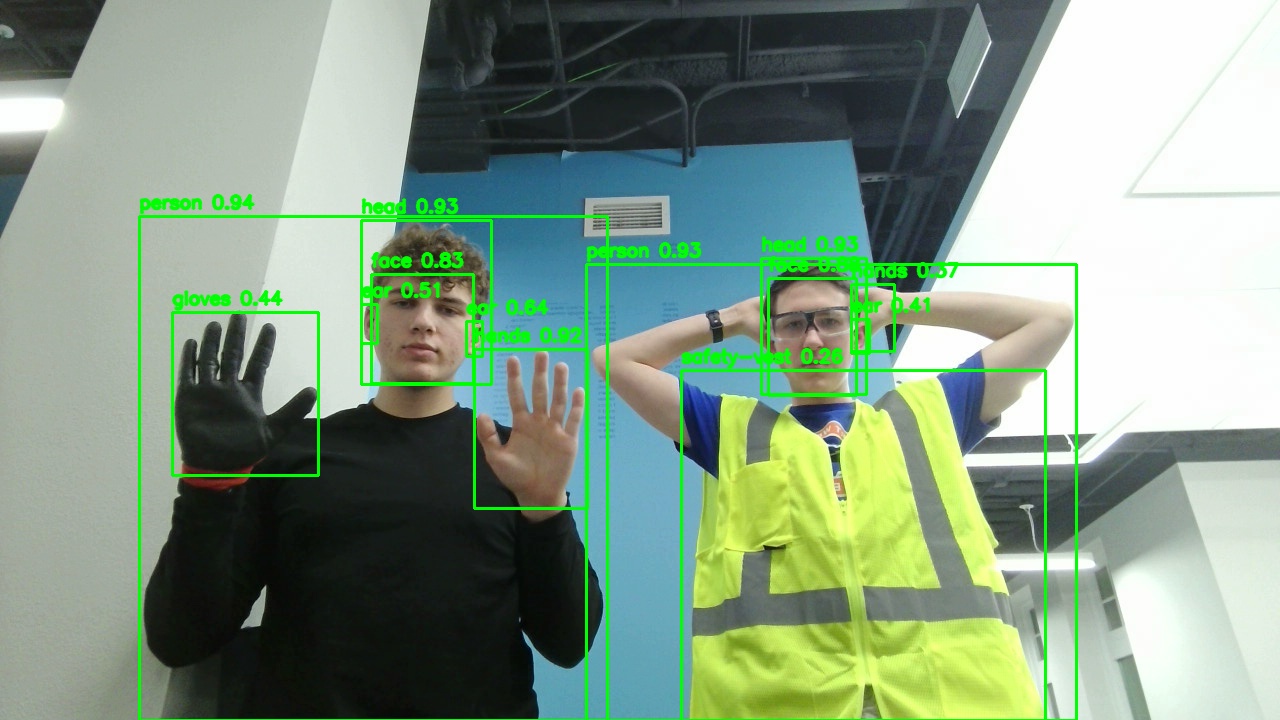
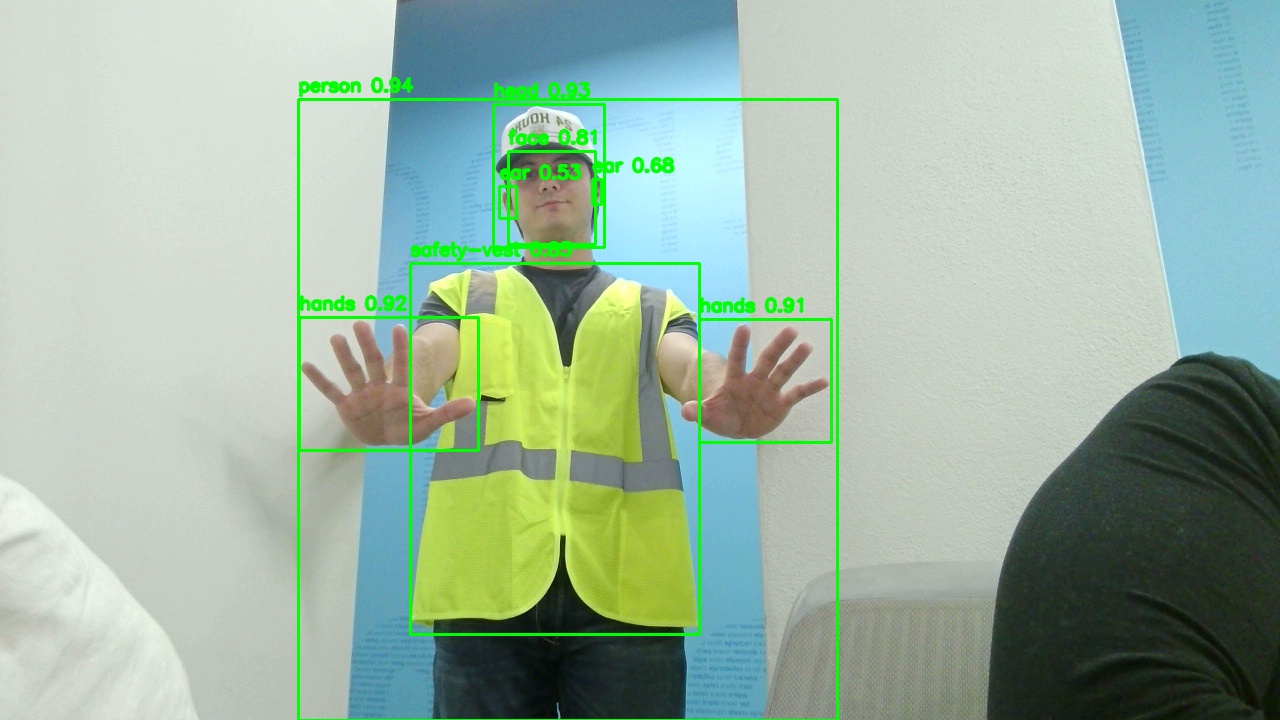
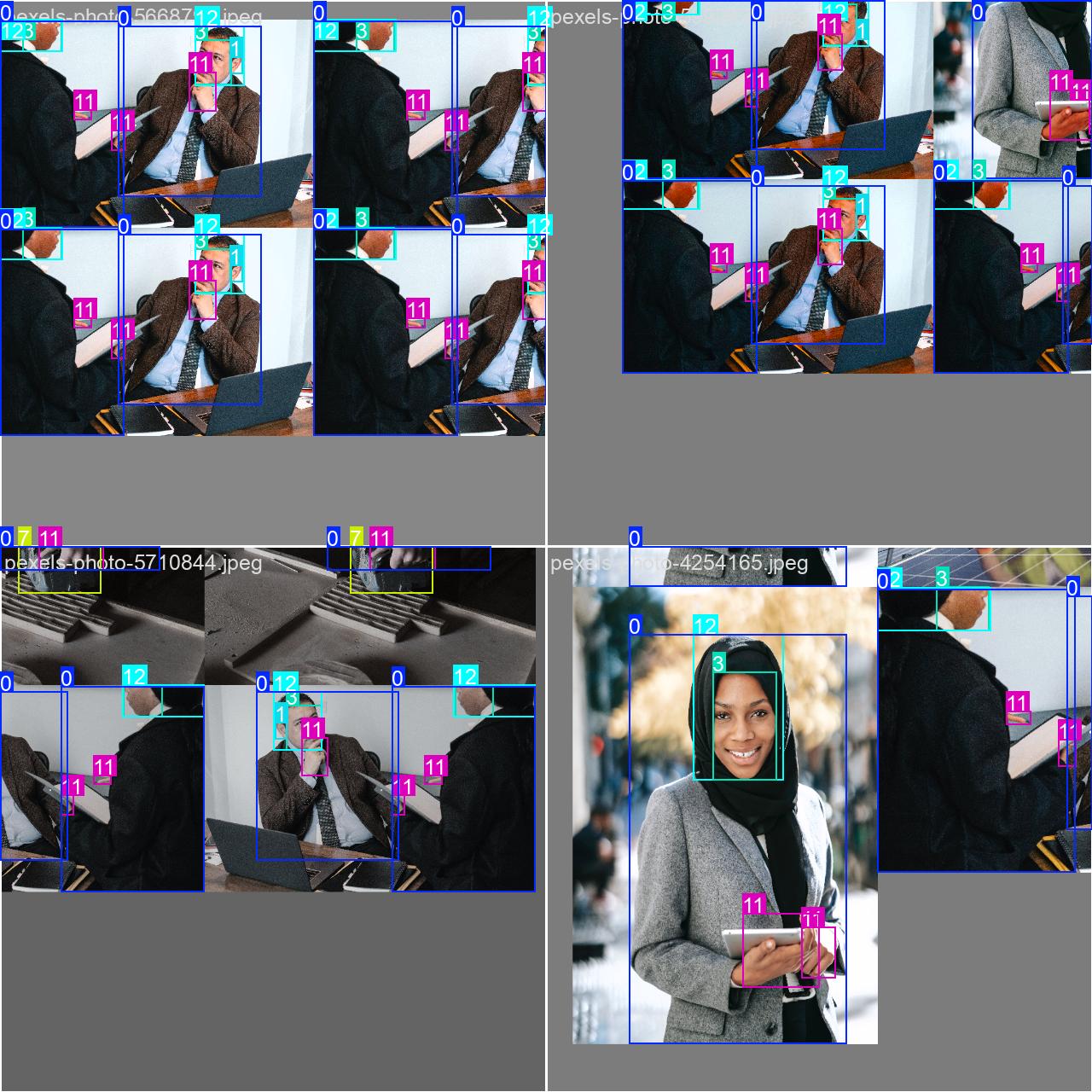
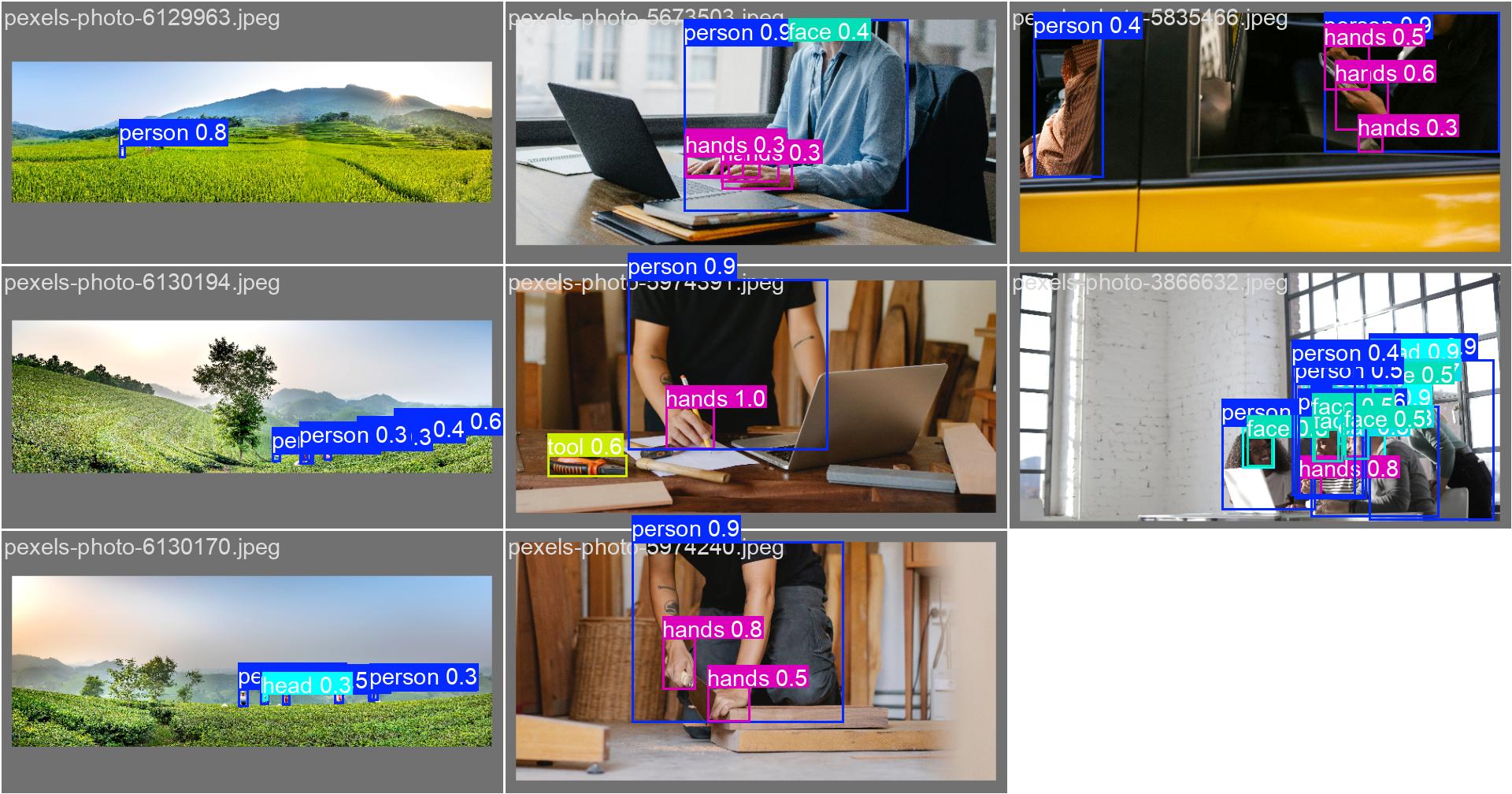
We used the YOLO (You Only Look Once) framework for the "eyes" of our project. It’s capable of scanning a live video feed and classifying helmets, glasses, or gloves in milliseconds when someone stands in front of the camera.
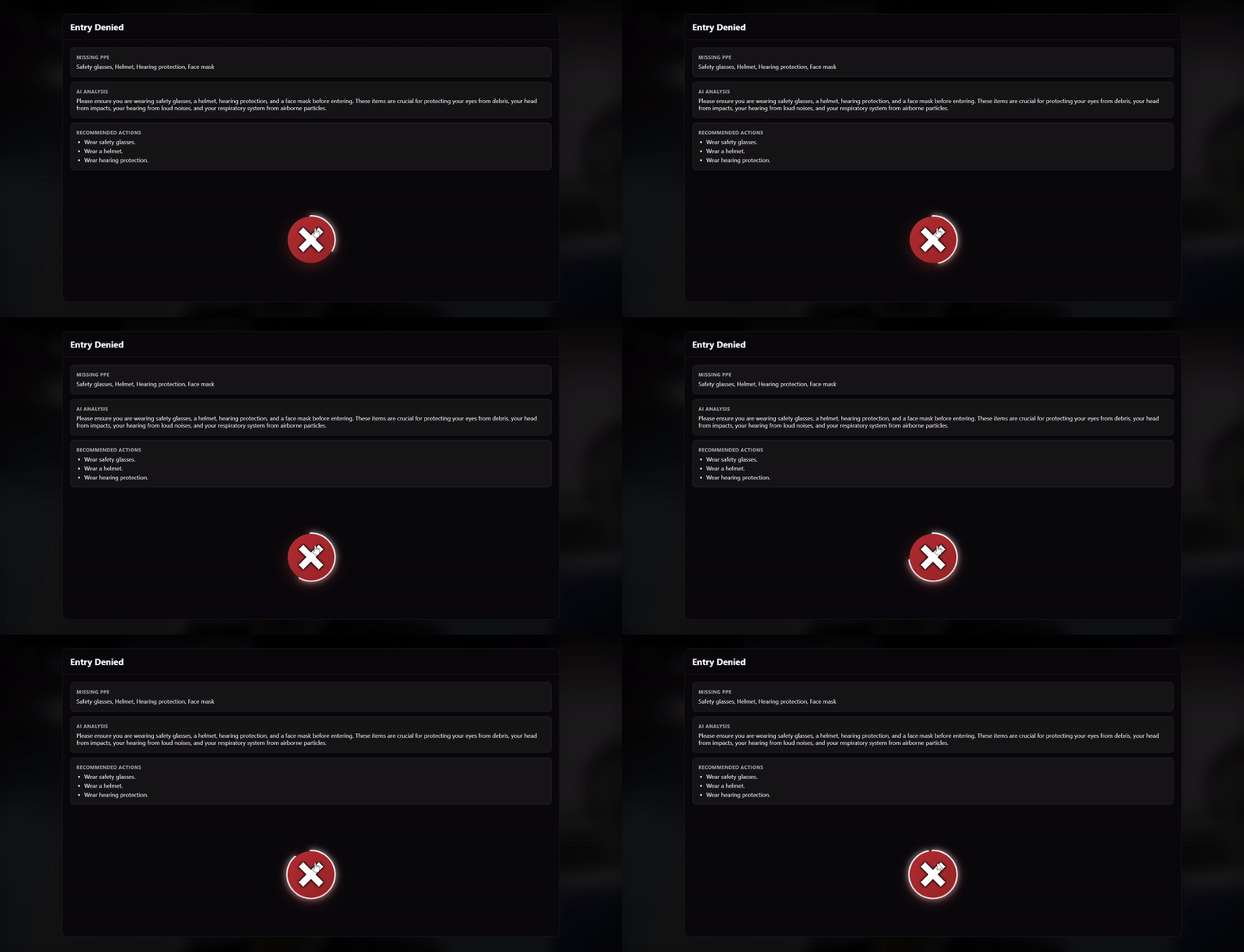
While YOLO is great at identifying objects, we used the Google Gemini API to handle the reasoning. Gemini is fed an annotated photo of what’s detected on the user. If a user is missing gear, Gemini analyzes the frame and generates a natural language explanation telling them exactly what's missing and why it’s important, rather than just throwing a generic error.
We built a reactive dashboard interface using React. We designed it to handle RFID scans and manual PIN entries without the user ever needing to click a text box.
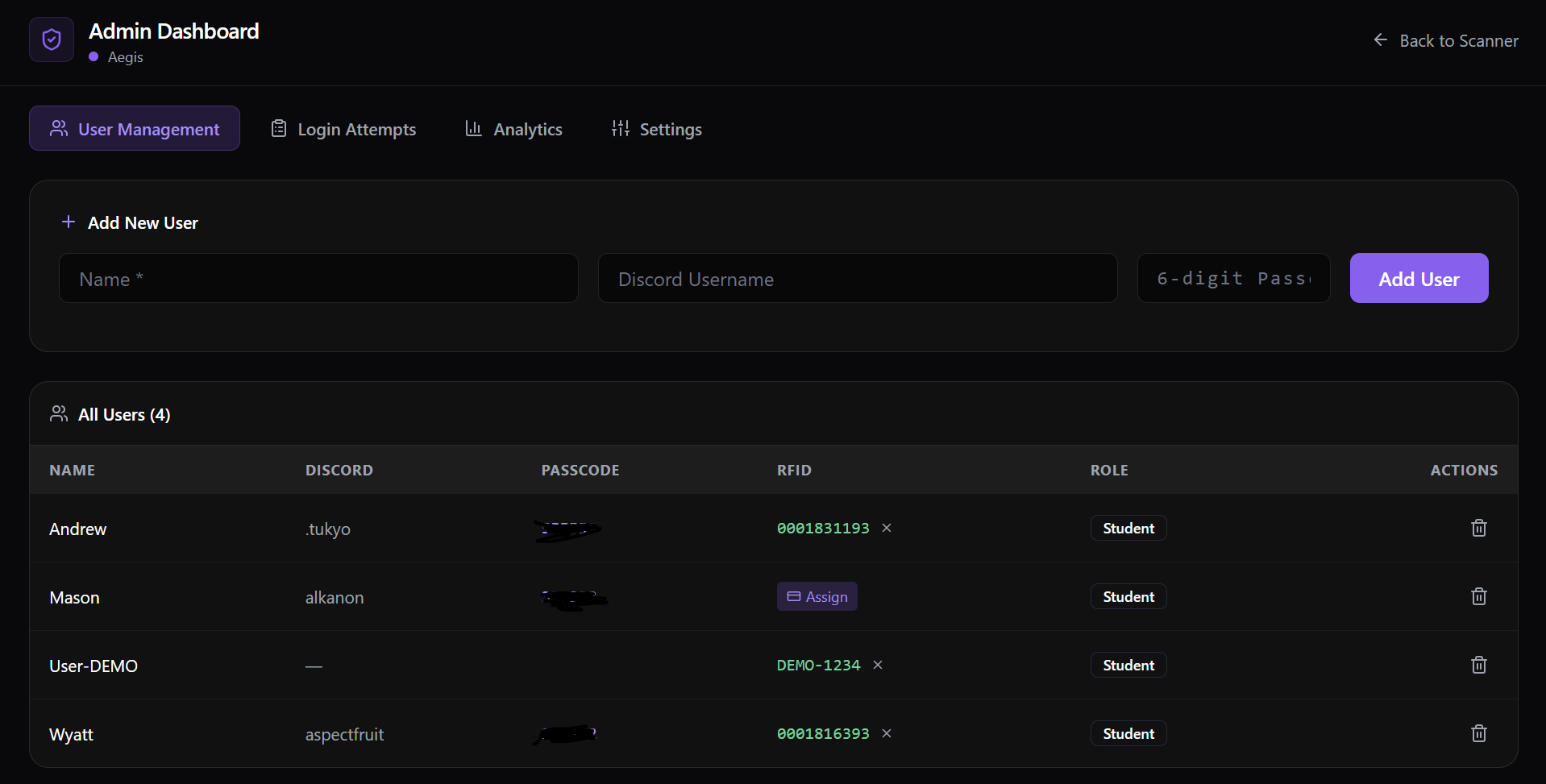
We used a Node.js server to manage user data and real-time socket updates for the admin panel. For the heavy lifting, a Flask microservice runs the YOLO model and processes the video feed locally to keep everything running smoothly.
All our user profiles, safety logs, and location-specific rules are stored in MongoDB and can be accessed from our password locked admin panel. This lets us track "Compliance Rates" and "Top Missing Items" over time so managers can see exactly where safety is slipping.
Challenges we ran into
Interfacing with Gemini API Training a detection model on crappy wi-fi Laptop compatibility issues Merge Conflicts
Accomplishments that we're proud of
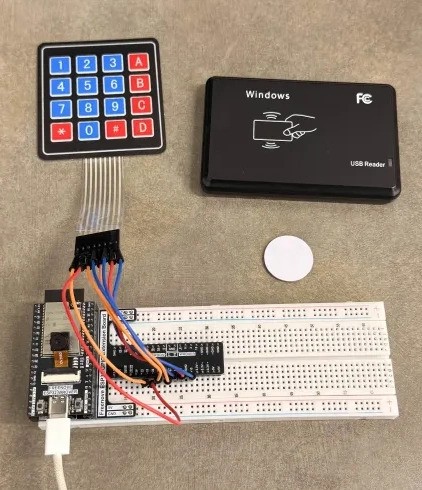
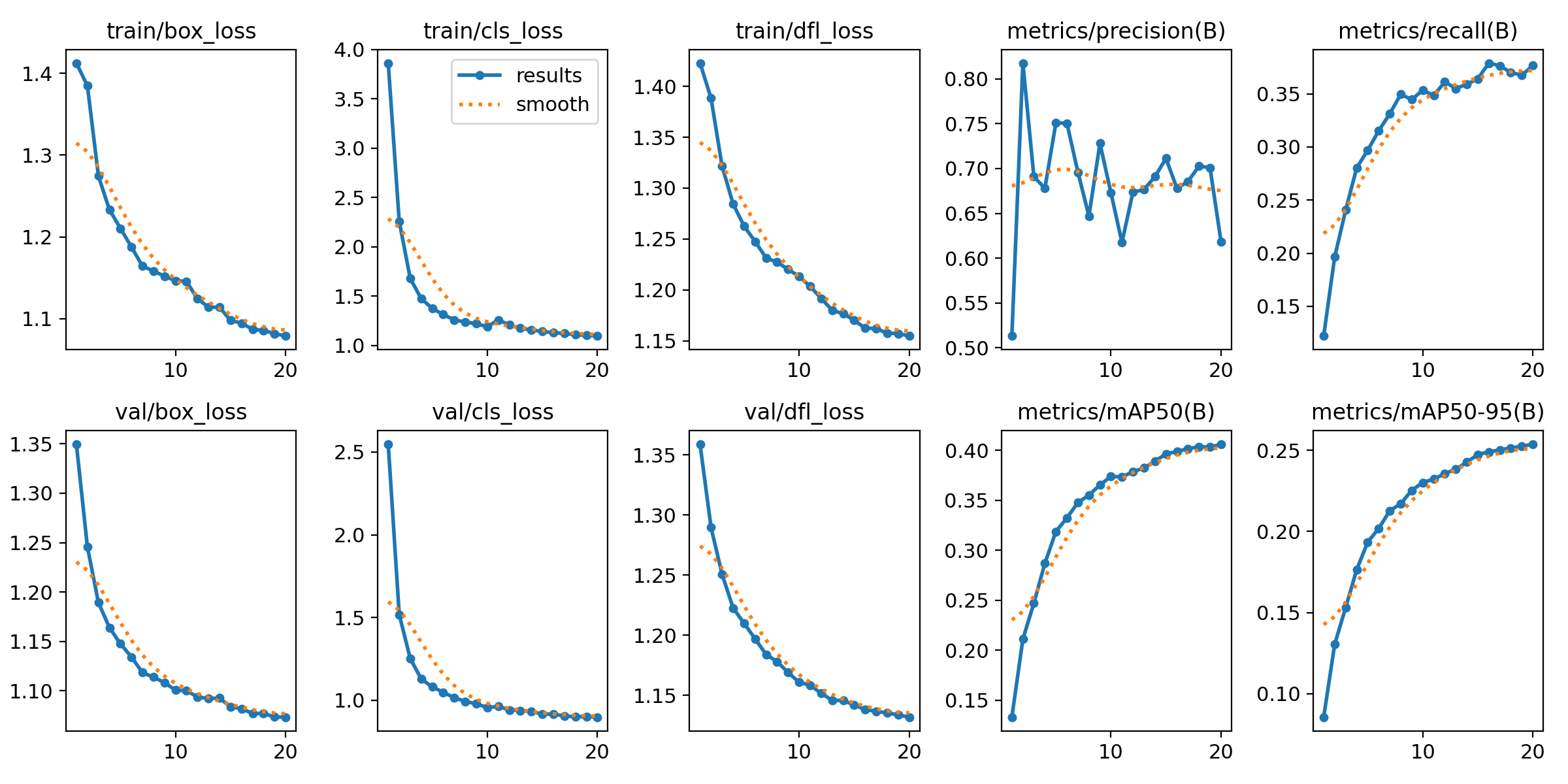
Hardware integration using both a Numpad and RFID reader Training our own PPE recognition model Gemini API Integration User control using MongoDB Atlas TTS using ElevenLabs
What we learned
We learned about getting different tech stacks to actually talk to each other, like syncing Flask for the Python vision logic with Node.js for the live database updates. We learned how to manage state persistence with MongoDB, so that changing a safety rule in the cloud updates the local camera's behavior immediately.
We also got some great experience with Serial Port communication while bridging physical RFID sensors to our software. On top of that, we figured out how to use Socket.io to make sure every badge tap or scan result pops up on the admin dashboard instantly, creating a real-time working loop..
What's next for Aegis
Moving forward, the goal is to evolve Aegis from a hackathon prototype into a fully realized, professional safety product. Our first priority is building a standalone device that houses the camera, screen, and processing power in a single 3D-printed enclosure, effectively turning it into a "plug-and-play" kiosk for any entrance. To make this scale, we are moving the entire infrastructure to the cloud. By hosting our backend and MongoDB Atlas database in a production environment, we’ll ensure that safety logs and analytics are accessible to managers worldwide, not just on a local network.
We also want to make the check-in process feel like magic by adding facial recognition into our vision pipeline. This would allow Aegis to identify a user and verify their PPE in one fluid motion, completely removing the need for RFID tags or manual PIN entry. To keep supervisors in the loop, we’re optimizing our Discord notifications with rich embeds and better formatting, making alerts more "human" and actionable directly from a phone. Finally, we’ll keep fine-tuning the YOLO and Gemini integration to shave off every possible millisecond of latency, making the safety check a seamless part of the workday.


Log in or sign up for Devpost to join the conversation.