Component 14: Clear and Compelling Description
Problem Statement: The Semantic Gap in Clinical Telemetry
Modern healthcare is data-rich but wisdom-poor. Busy clinicians are overwhelmed by "Alert Fatigue"—thousands of disconnected data points that require manual mental synthesis. This Leads to delayed care and poor patient outcomes.
Solution Overview: Aegis AI Executive Command
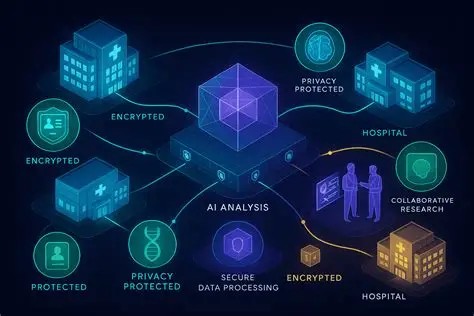
Aegis AI is an autonomous Clinical Interoperability Agent. It doesn't just display data; it reasons over it. By integrating real-time FHIR streams with advanced multimodal intelligence (Google Gemini), Aegis AI identifies hidden semantic links between vital signs and chronic conditions, delivering a synthesized diagnostic hypothesis in seconds.
Key Features
- Real-time FHIR Streaming: Simulates a live hospital environment with continuous telemetry updates.
- Autonomous Multi-Agent Collaboration: Triage and Specialist agents work together via a reasoning loop to validate findings.
- Strategic Alerting System: Combines deterministic threshold detection with auditory and visual emergency feedback.
- Semantic Insight Engine: Deep-dive modals that explain the "Why" behind clinical measurements using AI-driven context.
Technologies Used
- Google Gemini (3-Flash): Powers the semantic reasoning and agentic dialogue.
- FHIR Standard: Adheres to HL7/FHIR R4 for data interoperability.
- React 19 & Vite: Ensures a high-performance, low-latency tactical UI.
- Motion (framer-motion): Provides smooth, purposeful transitions and visual hierarchy.
Target Users
- Acute Care Nurses: Reducing cognitive load during triage.
- Specialist Physicians: Enhancing pattern recognition across multiple telemetry streams.
- Hospital Administrators: Monitoring ecosystem health and compliance in real-time.
Built With
- css
- geminiapi
- html
- python
- react
- typescript


Log in or sign up for Devpost to join the conversation.