-
-

AEGIRON detects the wrong colour, the buyer requested black but the merchant offered white. Checkout stays blocked.
-
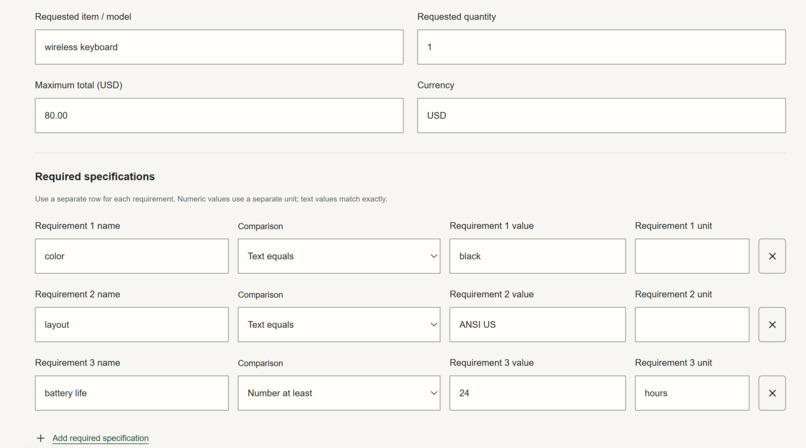
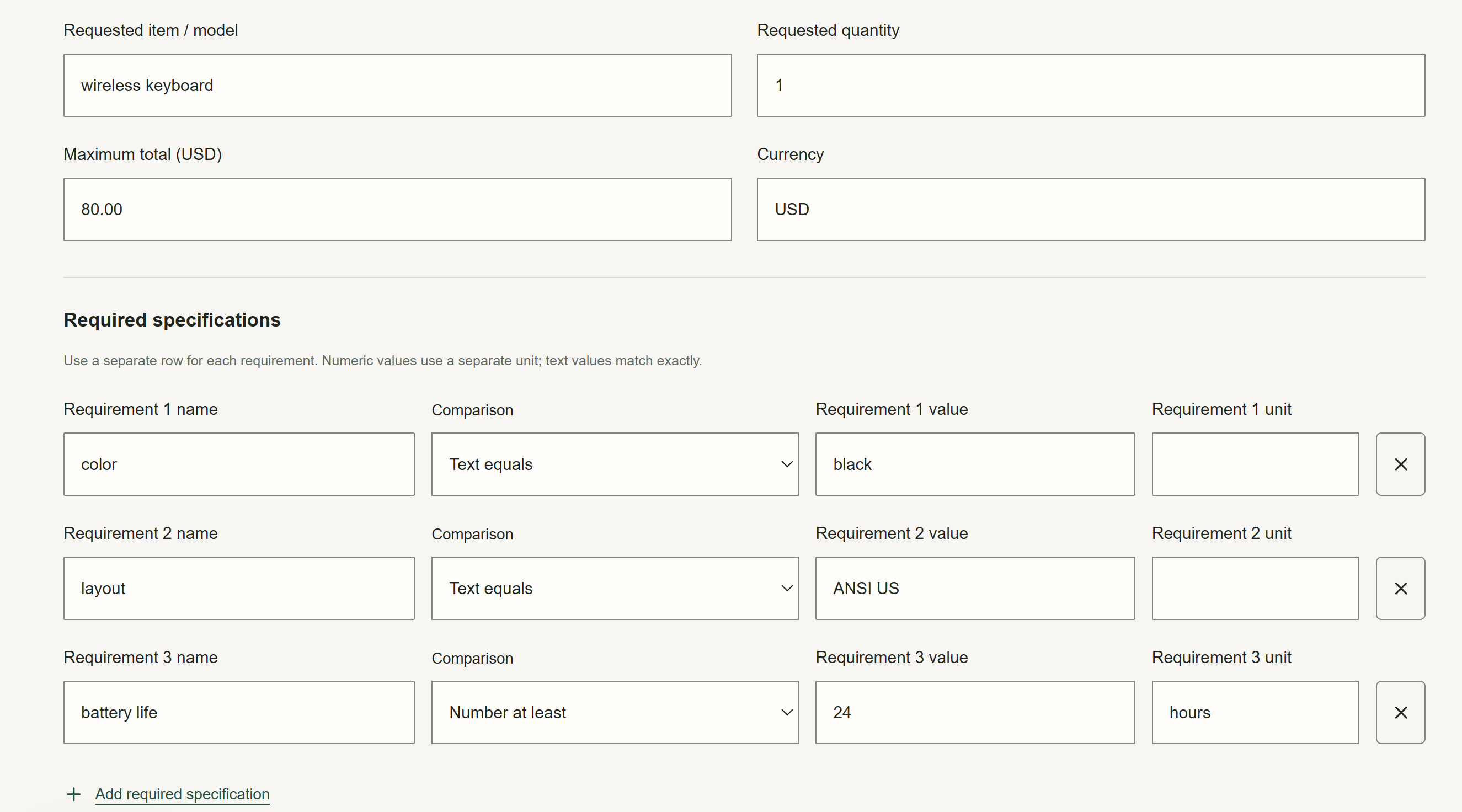
The buyer confirms the requested keyboard, budget, colour, layout and minimum battery life before comparison.
-
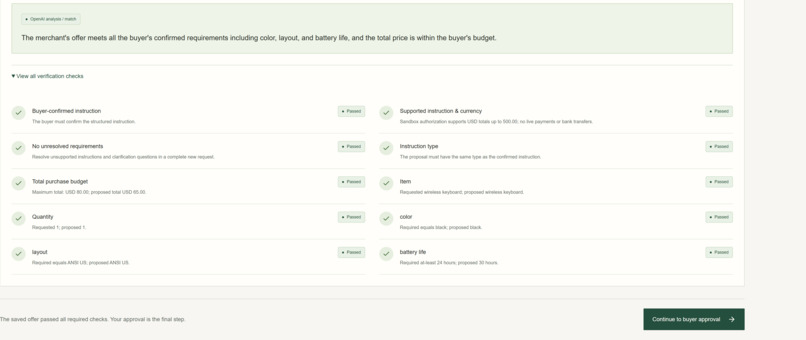
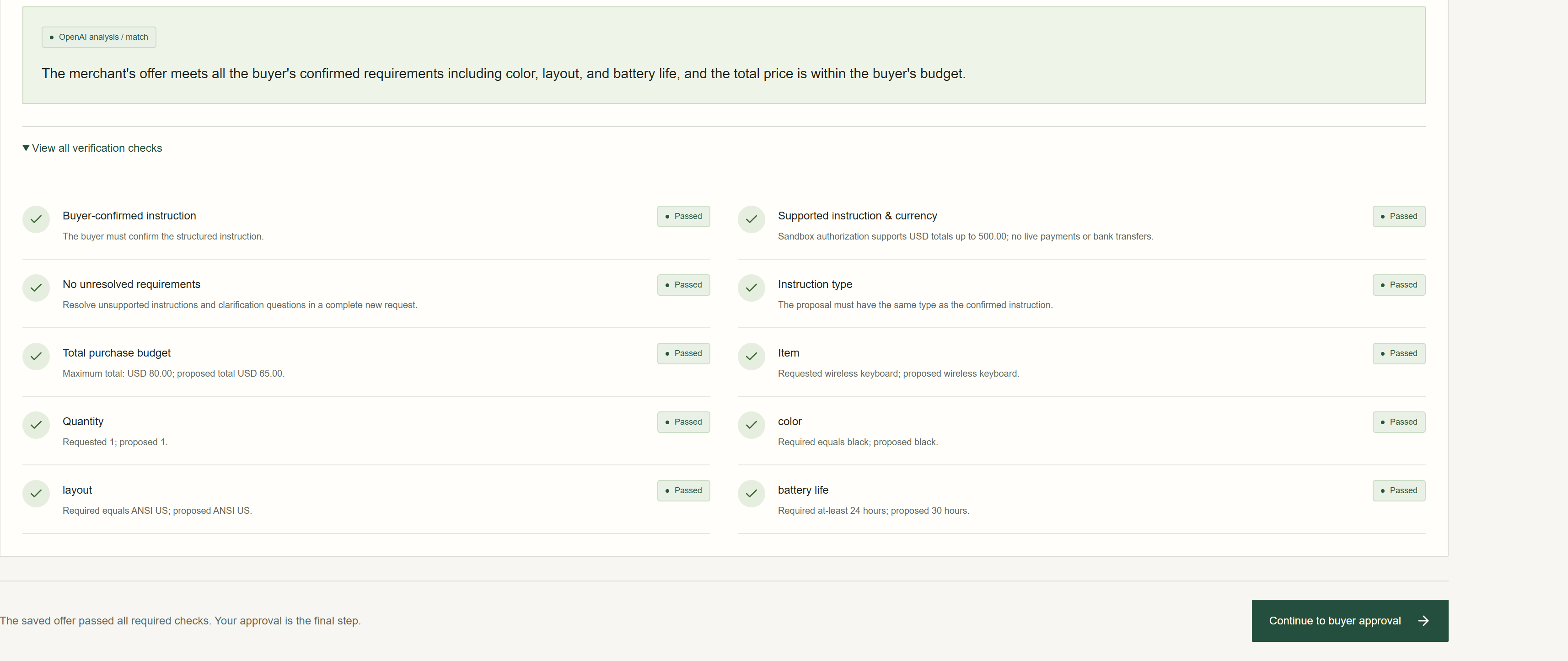
After correcting the offer, AI review and mandatory server checks pass. The buyer retains final approval.
-
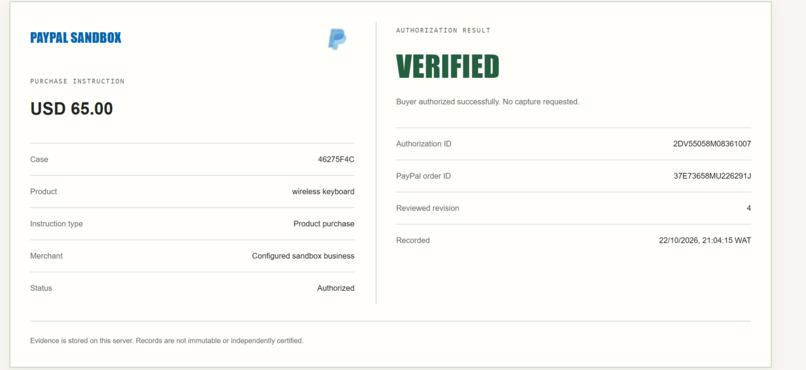
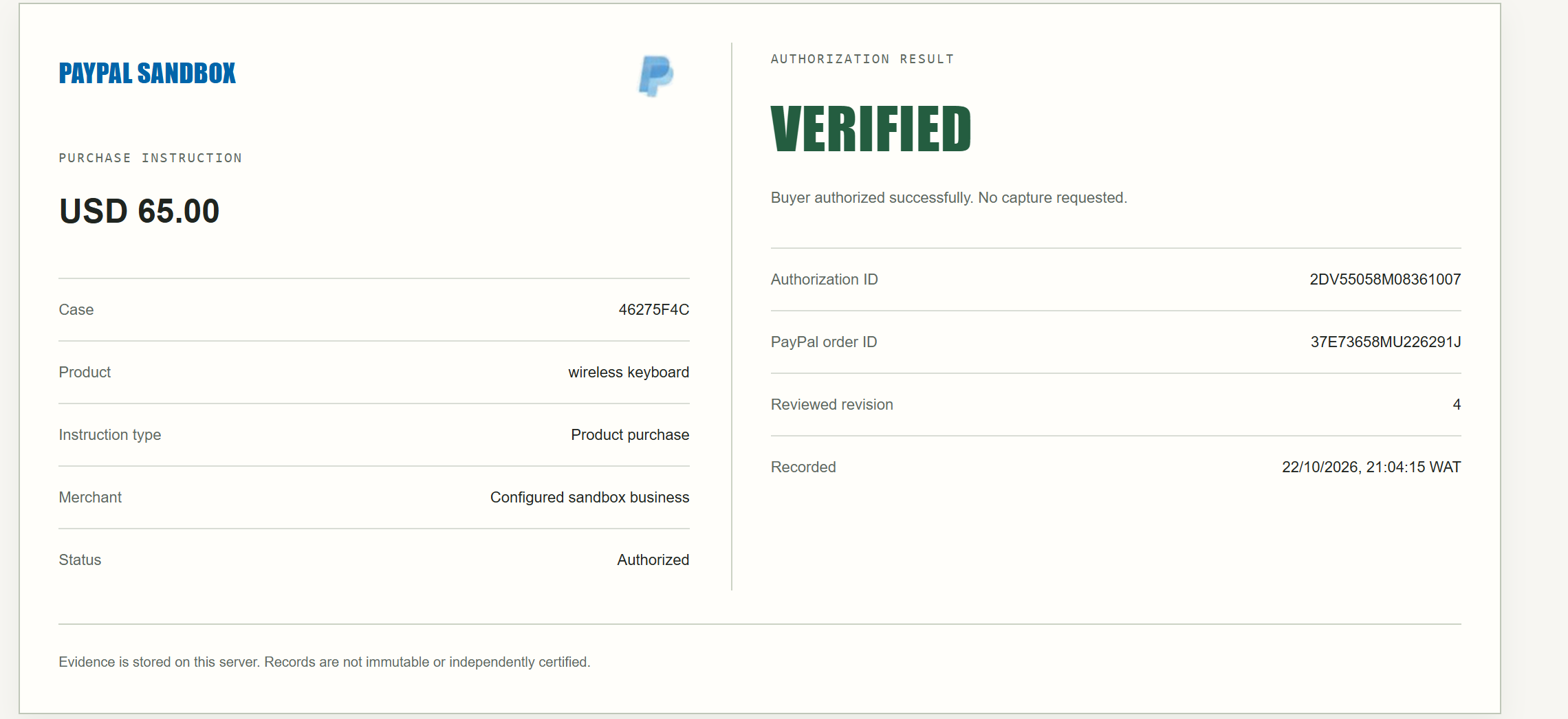
PayPal sandbox authorization verified for USD 65, with the order, authorization and reviewed revision recorded. No capture requested.
-

AEGIRON, the final check before an AI agent buys. Verify intent, protect every payment.


Inspiration
As AI agents take on more shopping and payment tasks, a correct transaction can still represent the wrong decision. A purchase might stay within budget while having the wrong specifications. A payment proposal might contain the wrong reference or recipient.
AEGIRON explores how to check those decisions before authorization, while keeping the buyer in control. Its guiding idea is simple: verify intent, protect every payment.
What it does
AEGIRON checks proposed purchases and payment instructions against requirements the buyer has explicitly confirmed.
The buyer describes what they want in plain language. AI converts that request into structured requirements, which the buyer reviews and confirms. AEGIRON then compares a proposal against those requirements and explains any discrepancies.
For products, checks include the item, quantity, budget and specifications such as colour, material or battery life. For payment instructions, checks include the exact amount, beneficiary label, purpose, reference and configured PayPal sandbox merchant.
Mandatory mismatches block checkout. Editing a proposal invalidates earlier reviews, so approval always depends on the current revision.
When the required checks and AI review pass, the buyer can approve a PayPal sandbox authorization. AEGIRON verifies the resulting order and authorization directly with PayPal before displaying success.
How it was built
AEGIRON uses Next.js, React and TypeScript for its interface and server routes. The visual design began in Canva and uses a cream background, deep green accents and a focused review workflow.
OpenAI Responses provides request interpretation and proposal analysis through validated structured output. Deterministic server rules enforce mandatory requirements, so an AI response cannot override a failed check.
PayPal sandbox REST APIs handle order creation and authorization. Neon PostgreSQL stores hosted cases, revisions and verification records. Vercel hosts the application.
Playwright, axe and automated server tests check the main flows, accessibility, storage behaviour and authorization controls.
Challenges
One challenge was translating natural language into requirements precise enough to enforce without silently losing the buyer’s intent. Explicit buyer confirmation became an essential part of the workflow.
Another was keeping reviews valid as proposals changed. Each review is tied to a revision, and edits require fresh verification.
Payment verification also required careful handling. Returning from PayPal does not prove authorization succeeded. The server checks the provider response against the expected case, revision, amount, currency and merchant.
Accomplishments
The prototype demonstrated both rejection and approval paths. It caught a white keyboard offered against a black keyboard requirement, then accepted the corrected proposal. The buyer subsequently completed a server verified PayPal sandbox authorization.
Verification also included 36 unit tests, four live PostgreSQL integration tests and nine browser scenarios.
What was learned
AI is useful for interpreting requests and explaining discrepancies, but payment decisions also need explicit rules, current evidence and human approval.
Reliable verification depends on preserving the relationship between the original request, confirmed requirements, reviewed proposal and authorized transaction.
What is next
Future work includes broader currency support, authenticated merchant information, buyer accounts and more integrations for agent assisted commerce.
The current prototype uses PayPal sandbox authorization only. It does not capture or settle payments, transfer money to bank accounts, or authenticate product and beneficiary claims.
Built With
- canva
- neon
- next.js
- node.js
- openai
- paypal
- playwright
- postgresql
- react
- sqlite
- tailwind-css
- typescript
- vercel


Log in or sign up for Devpost to join the conversation.