Inspiration
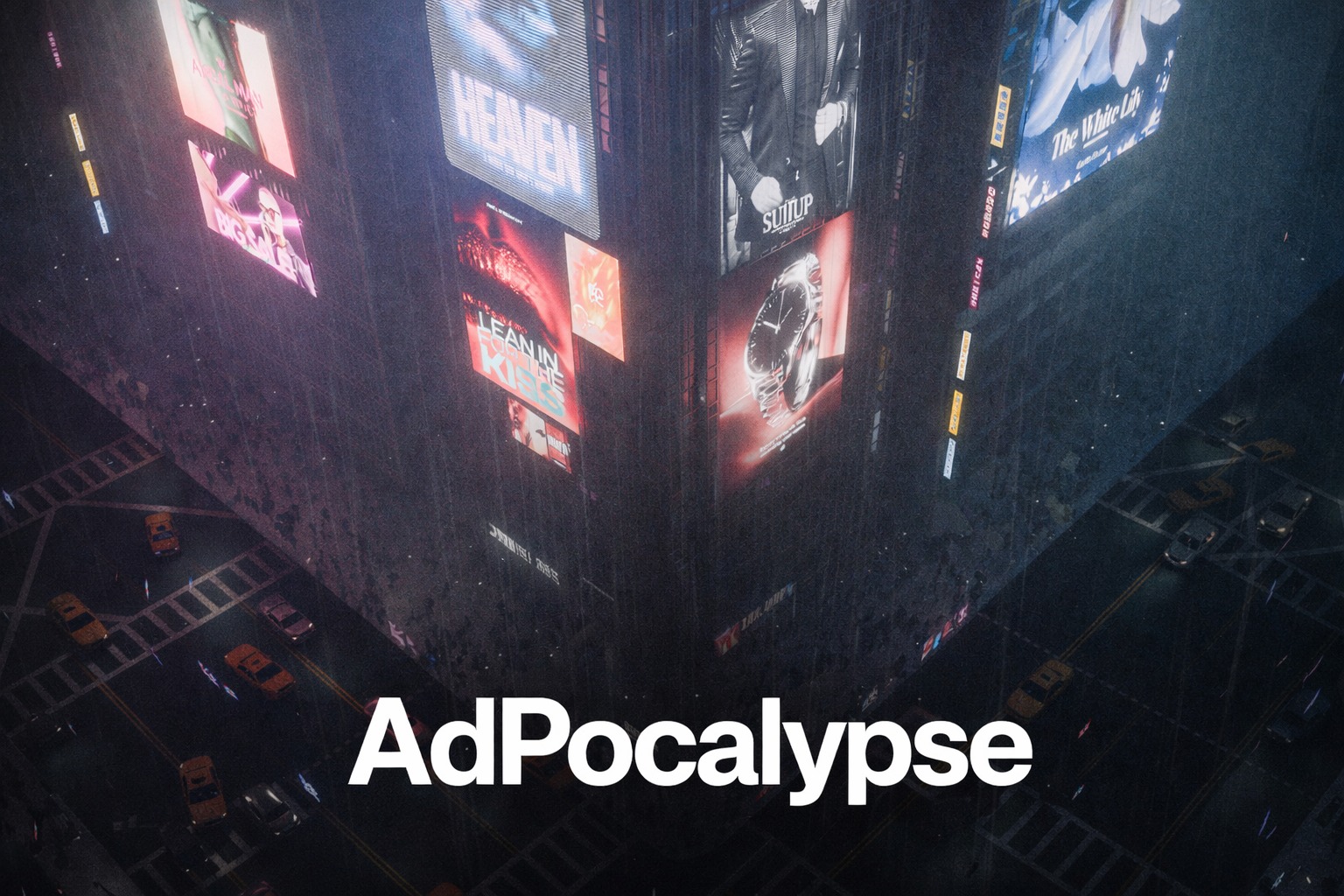
Digital billboards today consume massive amounts of electricity and physical infrastructure just to display advertisements 24/7. At the same time, technology is shifting toward wearables and spatial computing, with devices like smart glasses, XR headsets, and mixed-reality platforms becoming more common.
What if advertising didn't need physical screens at all?
What it does
AdPocalypse turns real-world objects into digital billboards using augmented reality.
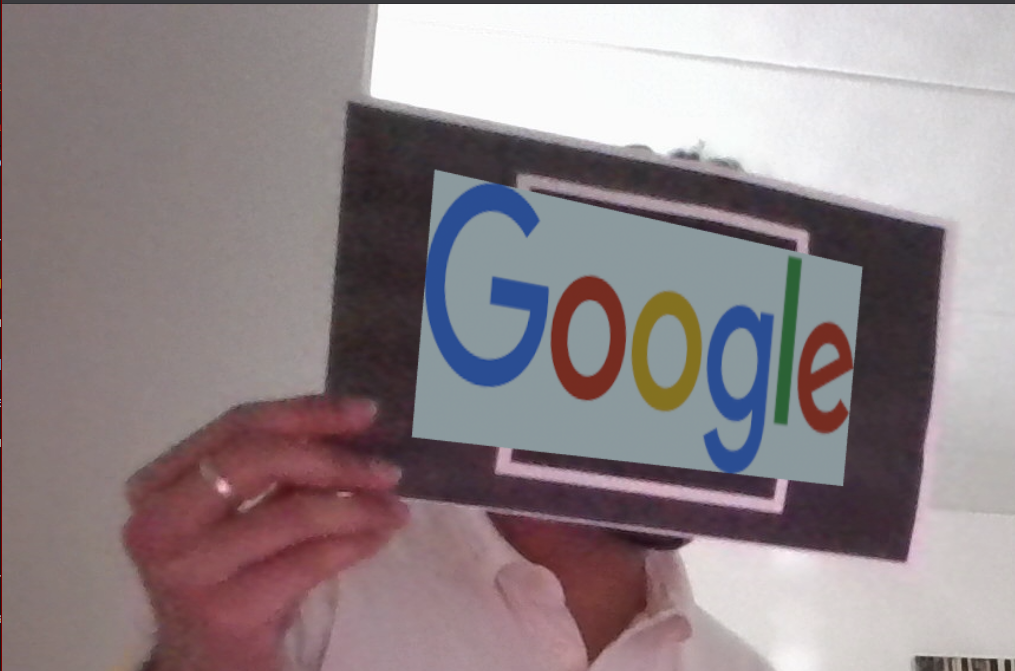
Using computer vision and marker detection, the system recognizes a physical marker in the environment and anchors a digital advertisement directly on top of it in AR. When a user looks at the marker through a spatial device (like a headset or smart glasses), a virtual billboard appears in the real world.
How we built it
We built AdPocalypse using Web-based Augmented Reality technologies so that the system can run directly in a browser.
Our stack included:
A-Frame for building 3D scenes in the browser AR.js for computer vision and marker tracking GitHub Pages to host the WebAR experience Meta Quest browser to test the experience in a spatial environment When the camera detects the Hiro marker, a digital billboard is rendered and anchored to that location in 3D space. This demonstrates the core concept of spatial advertising tied to real-world objects.
Challenges we ran into
One of the biggest challenges was getting marker detection to work reliably on XR devices. Web-based AR libraries behave differently depending on the browser and hardware, so we had to experiment with different marker sizes, lighting conditions, and camera permissions.
Another challenge was adapting our initial idea—which was built around Unity and the Meta XR SDK—into a simpler WebAR prototype that could run quickly during a hackathon.
Accomplishments that we're proud of
We’re proud that we were able to take a big conceptual idea—replacing traditional billboards with spatial advertising—and turn it into a working prototype in a short amount of time. Our prototype successfully demonstrates that: Real-world objects can become AR advertising anchors Ads can be deployed without physical screens The entire experience can run directly in a web browser
What we learned
Through this project we learned a lot about: Web-based augmented reality development Computer vision marker tracking Spatial computing design principles Rapid prototyping under hackathon time constraints
We also gained insight into how wearables and AR interfaces could reshape digital advertising in the future.
What's next for ADpocalypse
In the future we want to expand AdPocalypse into a full spatial advertising platform. Possible next steps include: Replacing markers with object and image recognition Integrating analytics to measure engagement and views Allowing brands to deploy ads dynamically through a dashboard Adding interactive AR ads and 3D experiences Optimizing for smart glasses and wearable AR devices Our long-term vision is to create an infrastructure layer for advertising in the age of spatial computing, where any real-world surface can become a digital advertising space.
Built With
- ar.js
- computervision
- css3
- githubpages
- html5
- javascript
- metaquestbrowser
- spatialcomputing
- unity
- wearablearinterfaces
- webxr

Log in or sign up for Devpost to join the conversation.