-
-
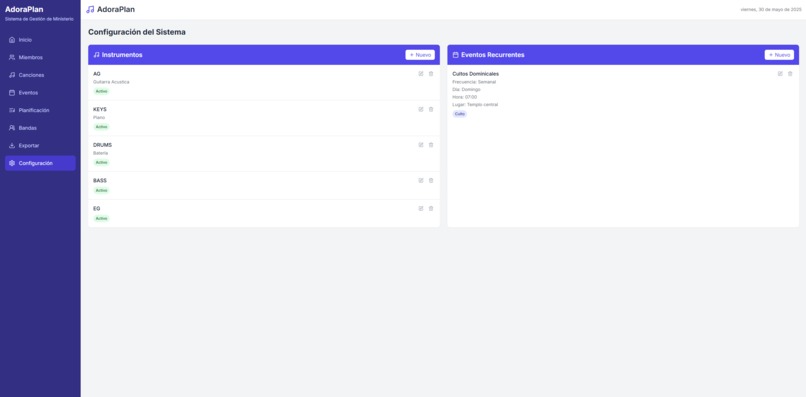
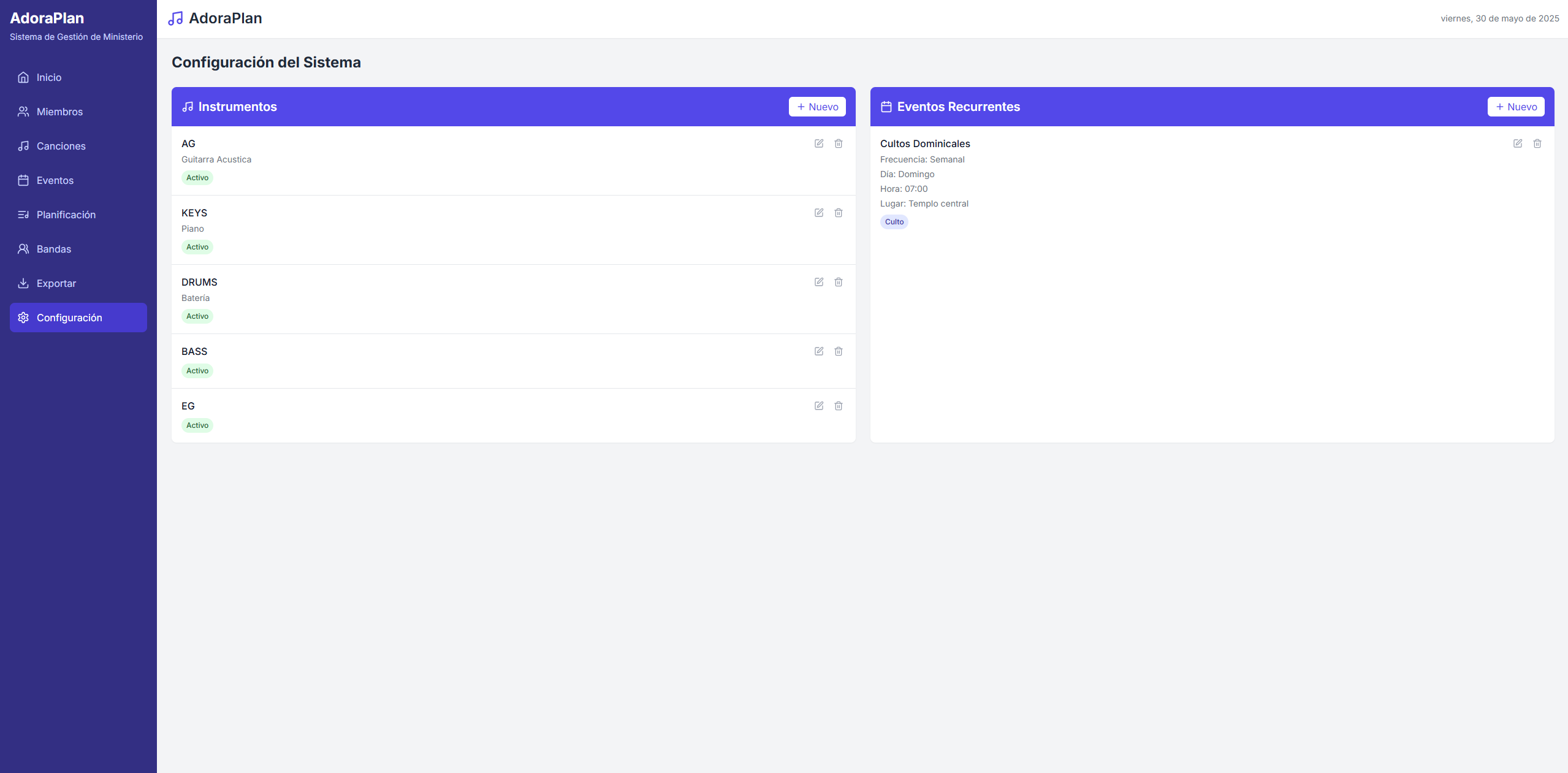
configuration
-
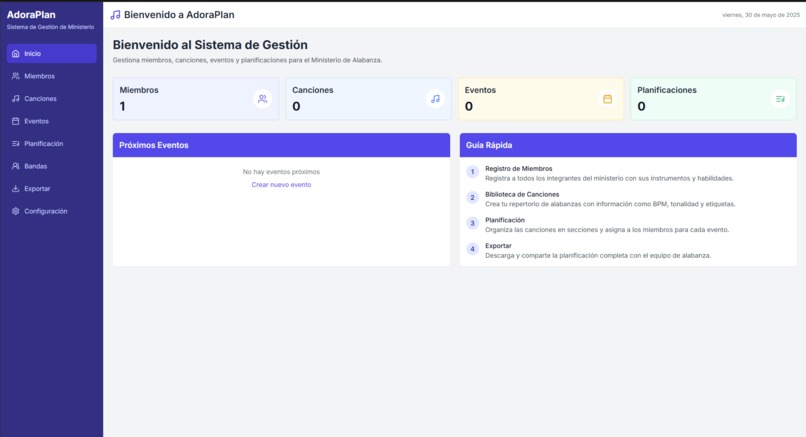
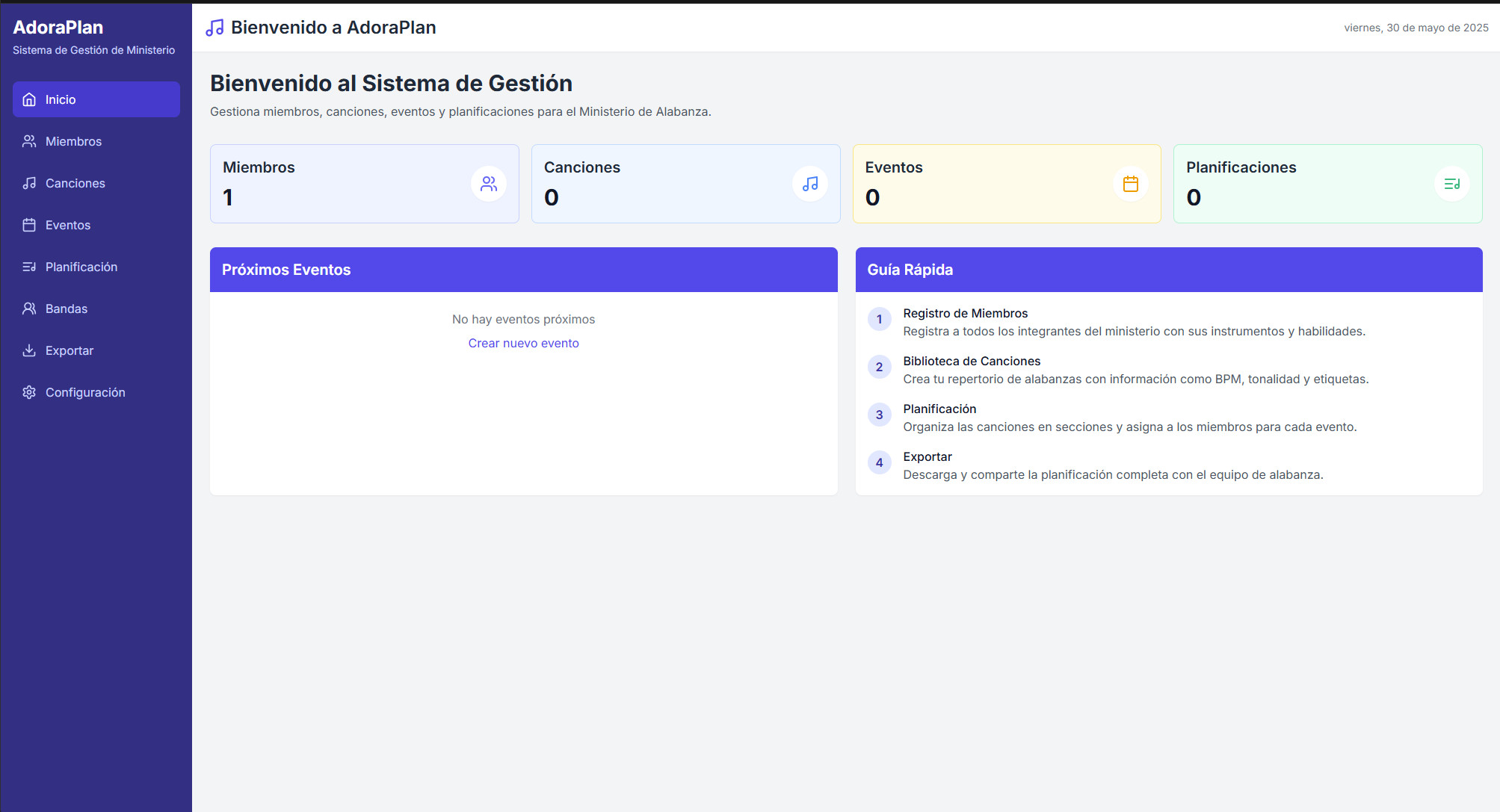
dashboard
-
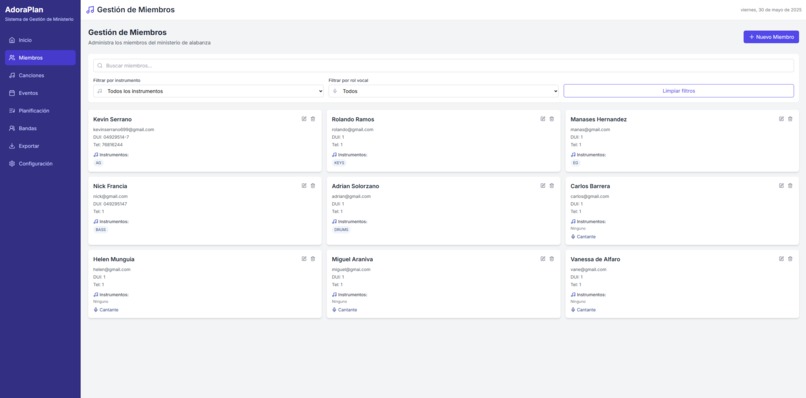
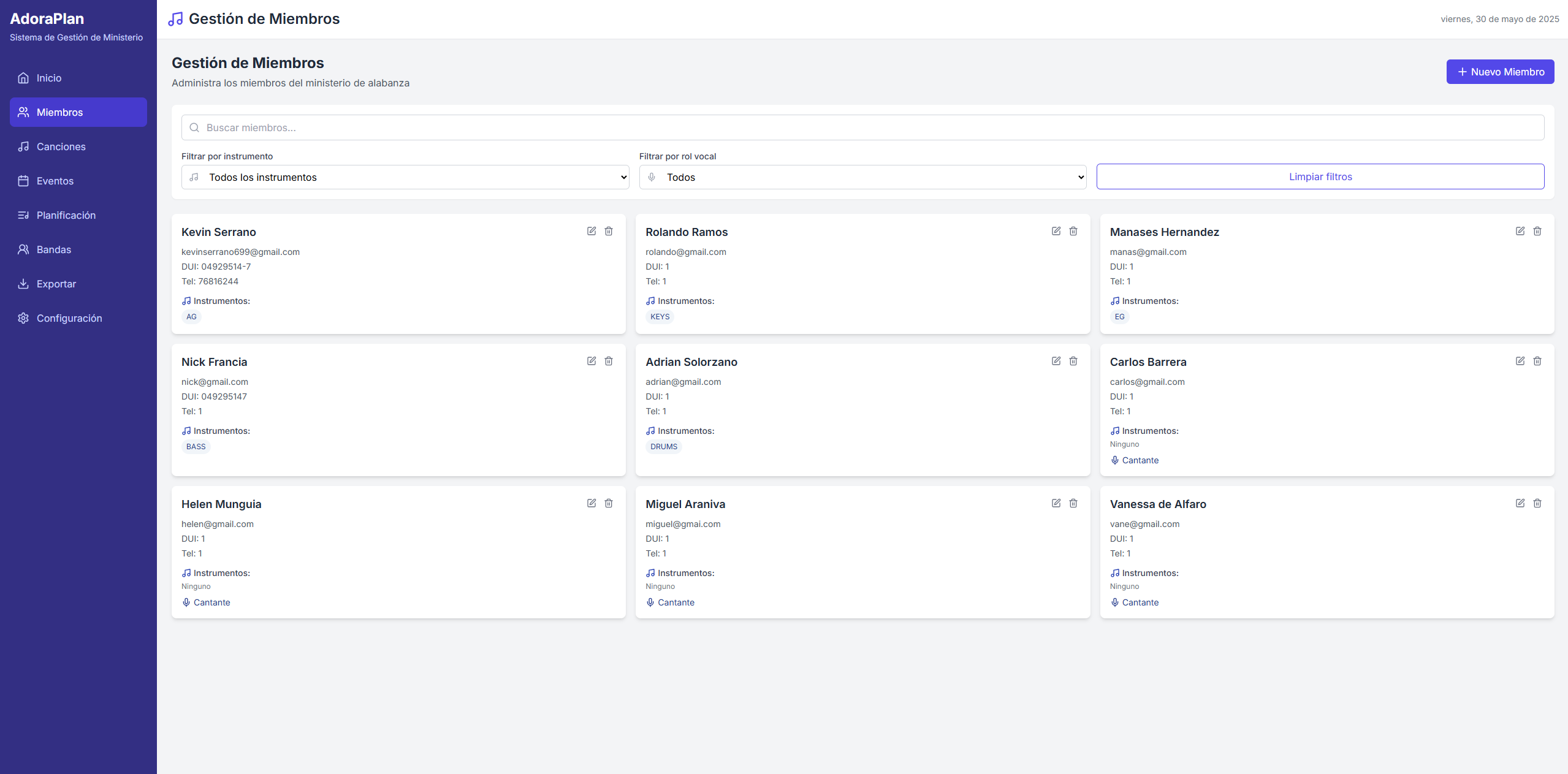
members
-
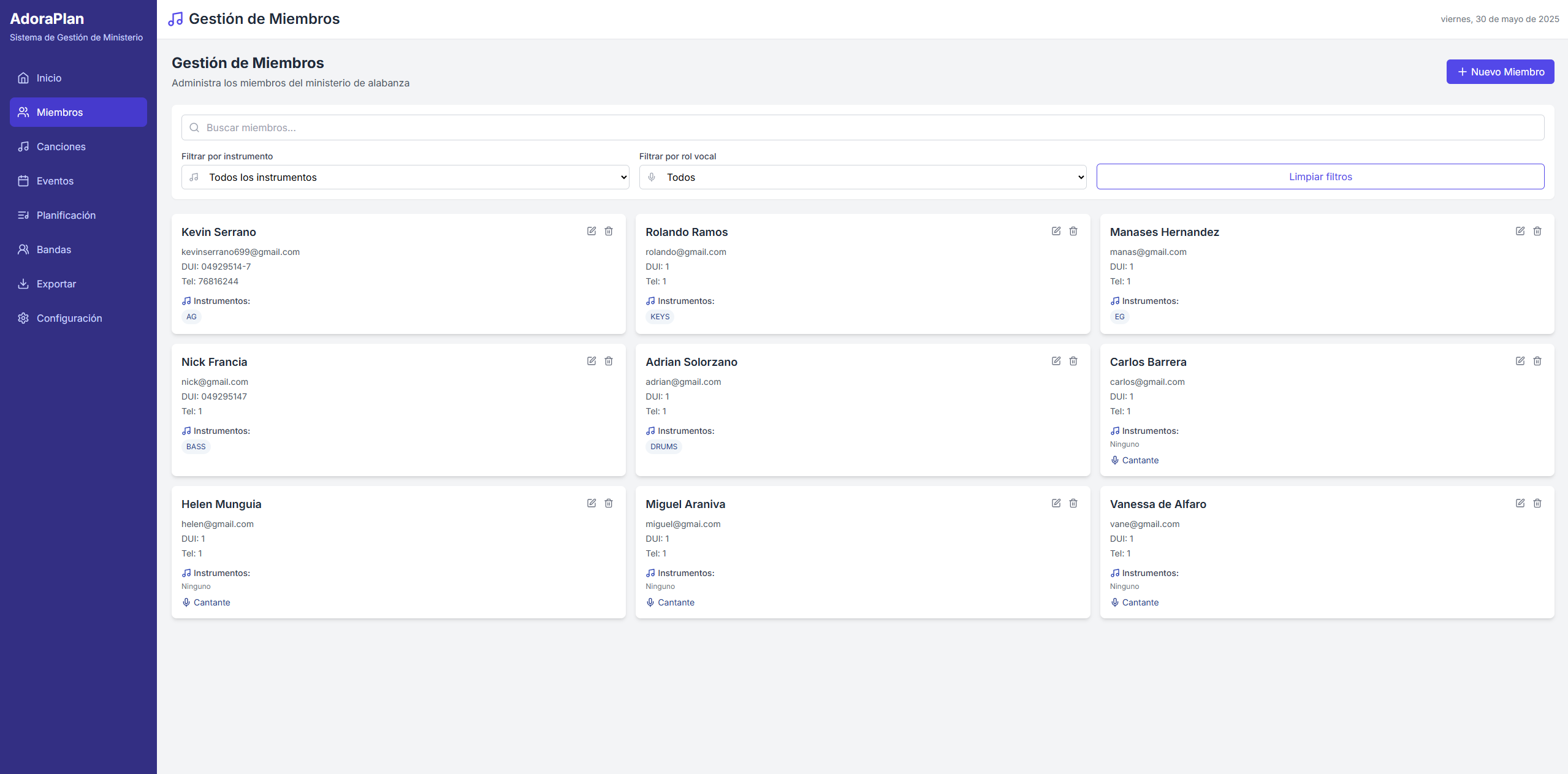
songs
Inspiration
The idea for Bolt was born out of a real need within worship ministries: a simple, effective way to organize events, manage team members, assign instruments, and ensure everyone is aligned in their spiritual service. Worship planning is often done through scattered tools, WhatsApp messages, or even memory — Bolt was created to bring structure and ease to a sacred responsibility.
What it does
AdoraPlan is a web application that helps worship ministries organize, plan, and coordinate their services efficiently. It allows church leaders to manage members, assign instruments, create and export worship plans, and generate structured PDFs for print or sharing. The platform aims to reduce manual coordination and improve clarity across all team members involved in worship services.
How we built it
We built AdoraPlan using:
React & TypeScript for the front-end interface.
Supabase as our back-end solution for database management and authentication.
PDFKit to export event plans in printable format.
TailwindCSS for clean and responsive design.
AppContext (React Context API) to manage application state for members, instruments, and events.
We structured our data into tables for members, instruments, events, bands, templates, and user roles. Each component communicates with Supabase to store and retrieve data dynamically, enabling real-time updates to the planning interface.
Challenges we ran into
Connecting the front-end forms with Supabase in a way that saved and retrieved data correctly.
Handling long URLs and text overflow in the PDF export without cutting off content.
Designing a clean and user-friendly UI that remained functional for mobile and desktop use.
Managing relational data like bands with members and instruments, especially when assigning them dynamically.
Ensuring authenticated users had appropriate access and that roles could be managed through the platform.
Accomplishments that we're proud of
Fully functional member and instrument management with dynamic forms.
Custom worship event planning with PDF export capability.
Seamless integration with Supabase to store data persistently.
Creating a modular and extendable design that can scale with additional features like user roles and event templates.
What we learned
How to use Supabase to handle real-time data and back-end operations with minimal setup.
The importance of UI/UX simplicity when building for users in a non-technical setting like church leaders.
How to structure relational data and bind it across multiple components.
Best practices in React for state management, form handling, and component reuse.
What's next for AdoraPlan
Implement user login and role-based access using Supabase Auth.
Add support for band templates that can be reused in future events.
Improve the PDF output: better spacing, text overflow handling, and font management.
Allow users to manage multiple churches or teams within one platform.
Add mobile-friendly features for quick planning on the go.
Built With
- and-clean-styling-supabase-?-as-the-backend-as-a-service-(database
- api
- auth
- centralized
- context
- management
- node.js
- pdfs
- react
- responsive
- scalable-front-end-development-react-?-to-build-a-modular-and-interactive-ui-tailwindcss-?-for-utility-first
- state
- storage)-postgresql-?-the-database-engine-managed-by-supabase-pdfkit-?-to-generate-downloadable
- typescript-?-for-type-safe

Log in or sign up for Devpost to join the conversation.