-
-
ADORA AI
-
-
-
-
-

-
-

-
-

-
-



Inspiration
Most AI assistants are designed to answer questions and complete isolated tasks. They are useful in the moment, but they rarely build a meaningful understanding of a person's experiences, decisions, goals, and progress over time.
We wanted to explore a different direction: What if an AI assistant could learn from your experiences, help you understand your own patterns, and turn that understanding into meaningful action?
That question inspired Adora AI.
We believe the next generation of AI should not simply remember conversations. It should understand context, connect relevant experiences, help people make better decisions, and follow through on actions while keeping users in control.
What it does
Adora AI — Reflective Intelligence. Adaptive Action.
Adora AI is a reflective intelligence and agentic execution platform that connects personal experiences with real-world actions.
Its central cycle is:
CAPTURE → UNDERSTAND → ACT → VERIFY → LEARN
The platform brings together eleven interconnected modules:
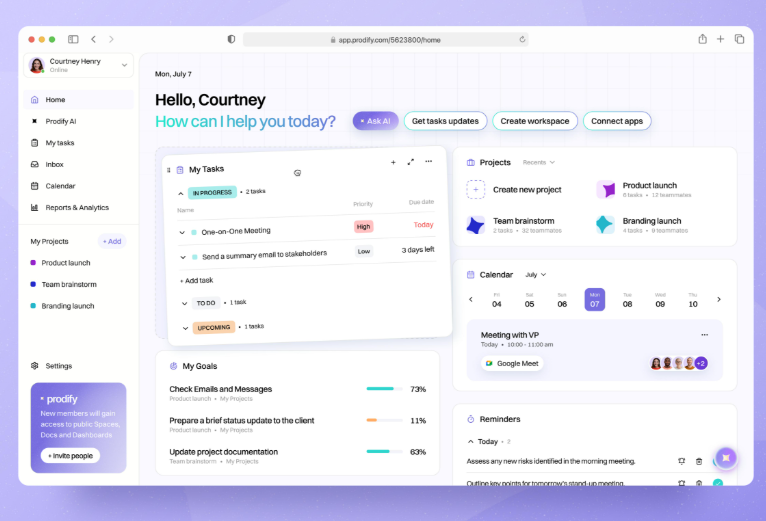
- Home: A contextual overview of goals, reflections, memories, tasks, and activity.
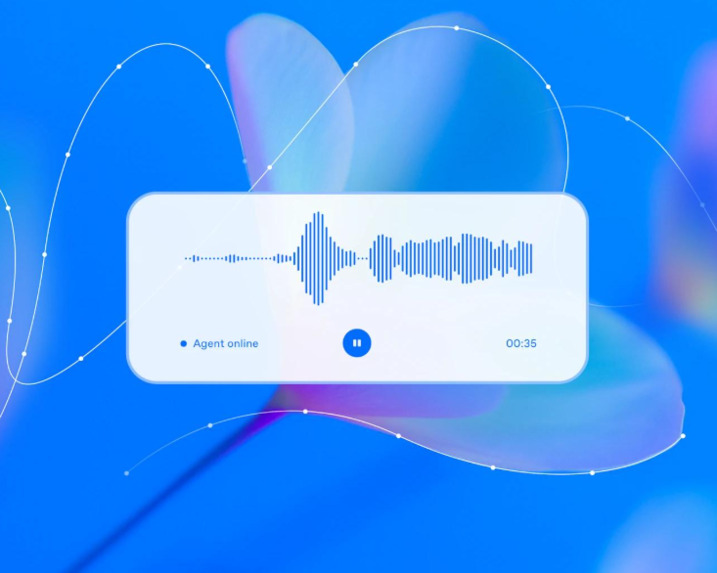
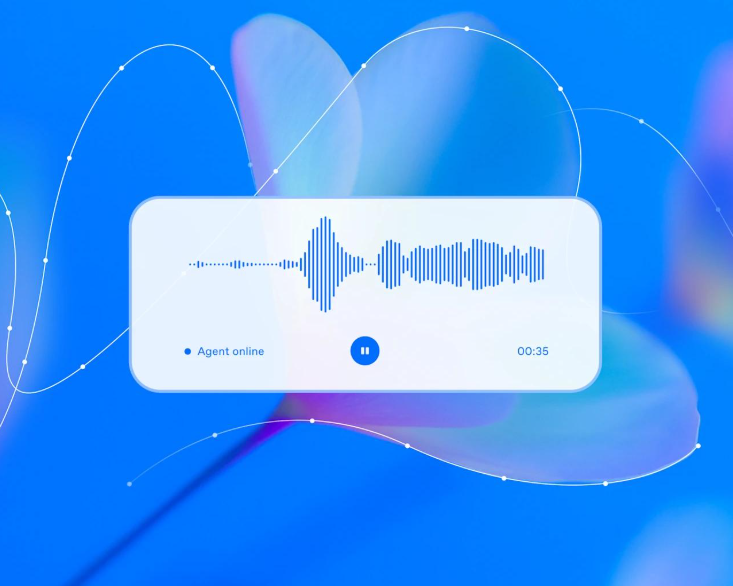
- Reflect: Capture personal experiences, decisions, challenges, lessons, and ideas through text or voice.
- Adora Chat: An AI conversation interface designed to answer questions using relevant personal context.
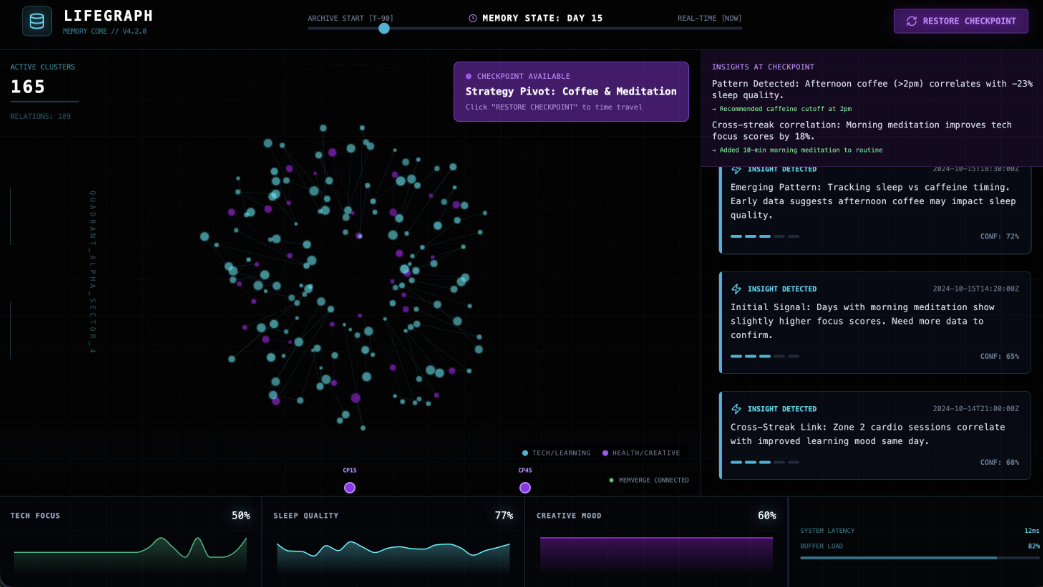
- Memory Vault: A structured memory system organized into episodic, semantic, relational, and procedural memory.
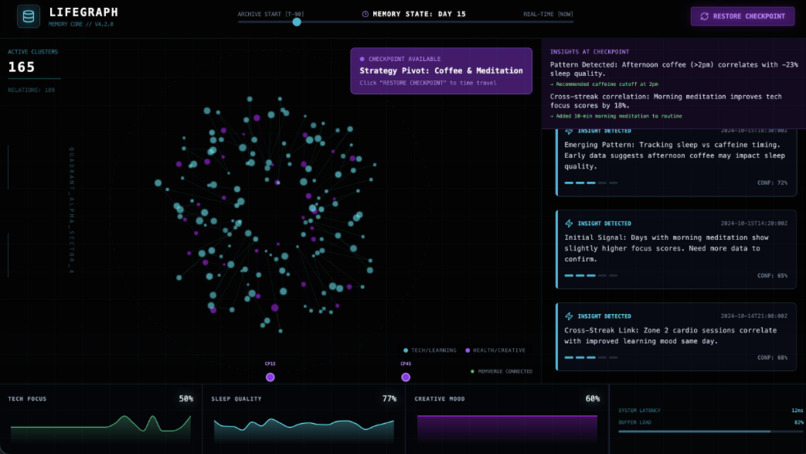
- Insights: Discover recurring themes and potential patterns, supported by evidence and counter-evidence.
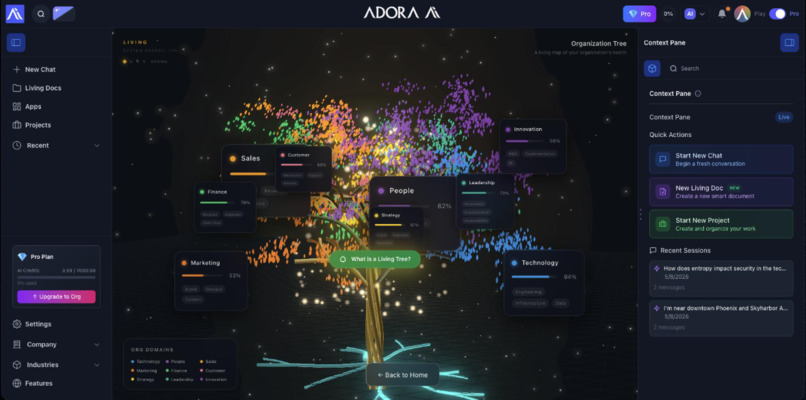
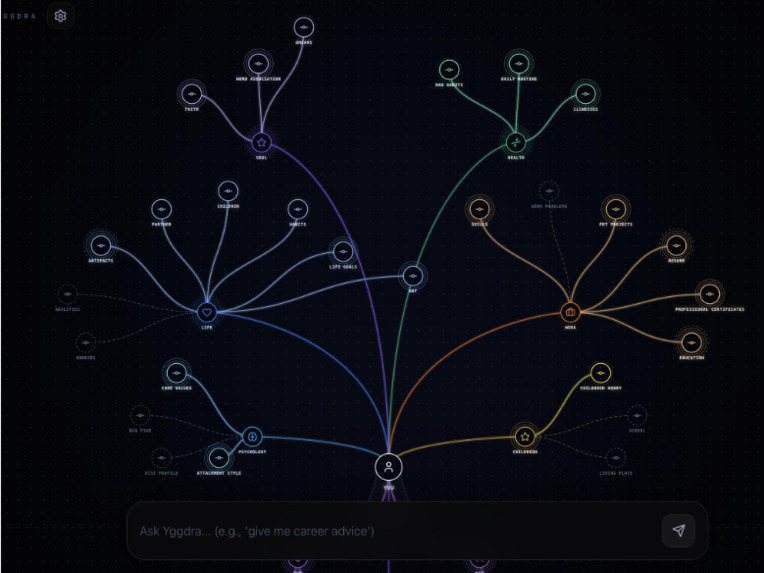
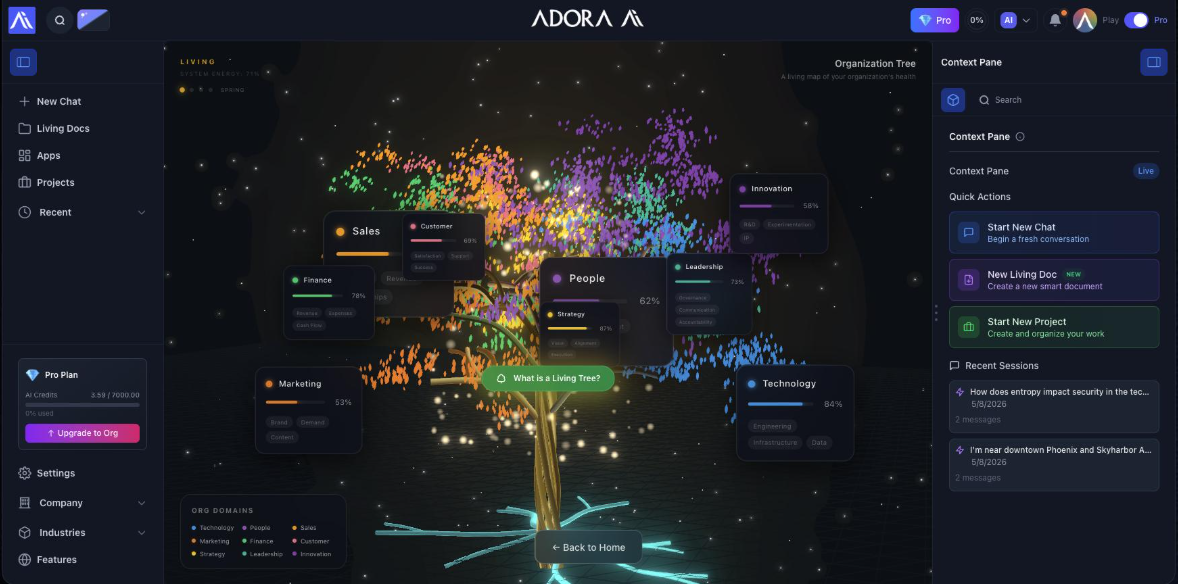
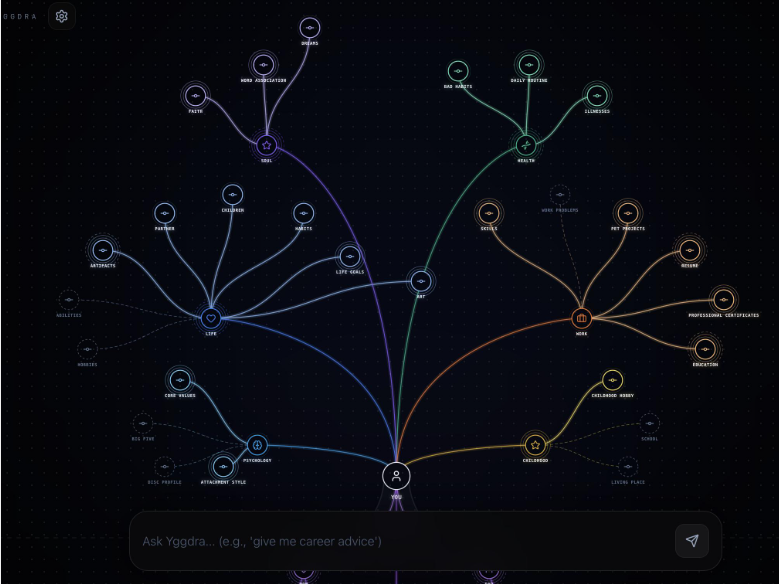
- Reflection Grove: A visual knowledge graph connecting experiences, decisions, goals, themes, tasks, and outcomes.
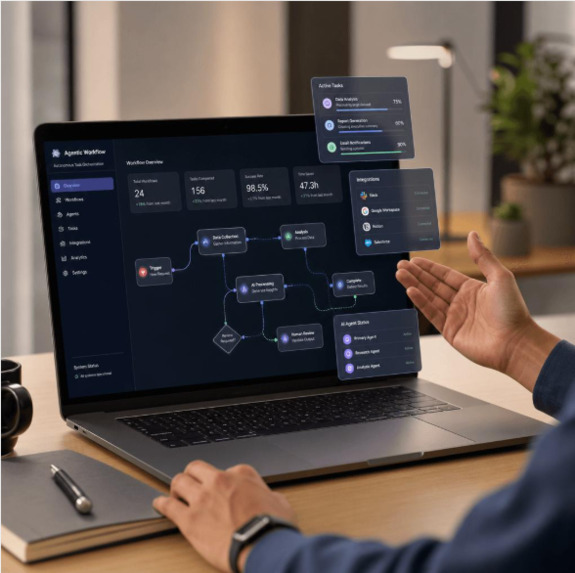
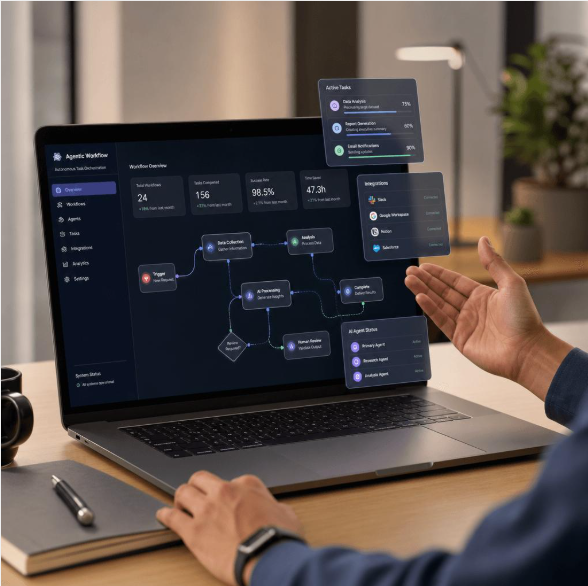
- Workflows: Transform intentions into structured plans, steps, dependencies, and approval-based execution.
- Tasks: Organize and manage tasks with priorities, deadlines, and workflow relationships.
- Execution History: Record actions, approvals, results, failures, and verification evidence.
- Integrations: A unified foundation for connecting external services and tools.
- Settings: Control privacy, permissions, memory, account preferences, and data management.
A core principle behind Adora is that AI-generated interpretations are not automatically treated as facts. Suggested memories and patterns remain reviewable by the user, who can confirm, edit, reject, or delete them.
Adora also distinguishes between an action being proposed, approved, executed, and independently verified. This helps prevent an AI agent from reporting success merely because it attempted an operation.
How we built it
We designed Adora as a modular, full-stack application rather than a standalone chatbot.
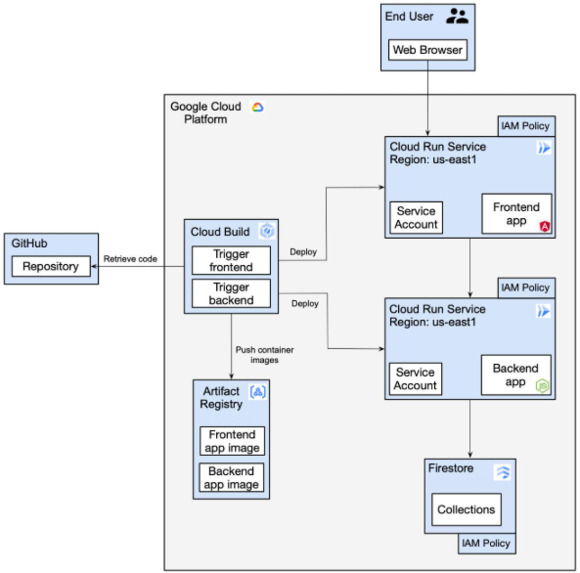
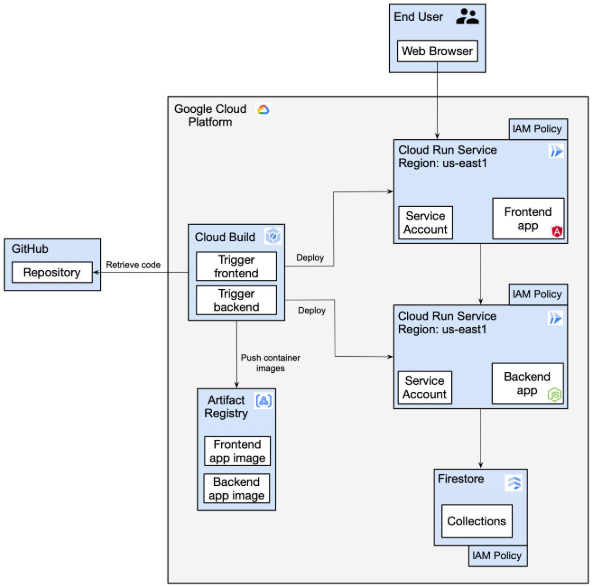
The application uses a React and TypeScript frontend, with a Node.js and Express application server providing the API layer and application runtime. The interface is organized around the eleven product modules, with reusable components and a consistent visual system.
We developed a modular API foundation for the core product capabilities, including reflections, memory, insights, conversations, workflows, tasks, integrations, and execution receipts.
The broader backend architecture separates application hosting from the intelligence and data layers. Our planned production architecture uses Python with FastAPI for backend services, Firebase Authentication for identity, and Cloud Firestore for persistent user data.
For AI reasoning, Adora is designed around Nebius Token Factory and NVIDIA Nemotron models. The intended intelligence pipeline connects reflection analysis, memory retrieval, evidence-grounded conversations, insight discovery, and workflow planning.
The agent architecture follows a controlled execution pipeline:
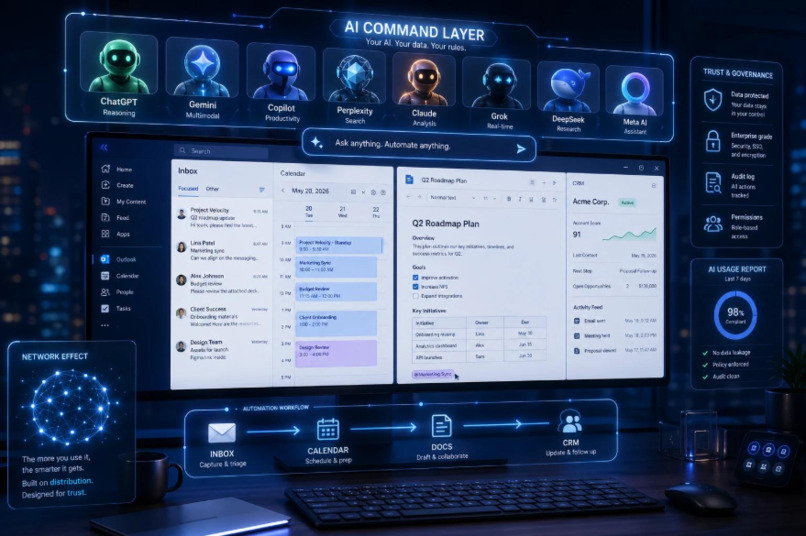
User Intent → Context Retrieval → AI Planning → Policy Validation → Approval → Tool Execution → Independent Verification → Outcome Learning
We also designed the system around structured data, source provenance, per-user data isolation, permission controls, and auditable execution records.
Challenges we ran into
One of our biggest challenges was connecting several complex AI concepts into a coherent product.
Reflective memory, retrieval-augmented generation, knowledge graphs, autonomous agents, and workflow execution are often developed as separate systems. Making them work together requires a consistent data model and a reliable flow of information between components.
Another challenge was designing memory responsibly. An AI system should not silently turn an assumption into a permanent fact about someone. We therefore designed separate layers for original experiences, AI-generated interpretations, and user-approved memories.
Agentic execution introduced another challenge: How do we make an AI agent useful without giving it uncontrolled authority?
Our approach is to separate planning from execution, enforce permission and approval policies, and verify outcomes independently.
We also had to balance the ambitious scope of the product with the need to build a modular application that can be tested and expanded incrementally.
Accomplishments that we're proud of
We are proud of turning a broad idea about reflective intelligence into a structured product architecture and an application prototype.
Some of our key accomplishments include:
- Bringing eleven interconnected product modules into one application experience.
- Designing a four-layer memory model for episodic, semantic, relational, and procedural information.
- Creating the Reflection Grove concept to visually connect experiences, goals, decisions, and outcomes.
- Designing evidence-aware insights that account for supporting evidence and counter-evidence.
- Establishing an agent execution architecture with approval, verification, and execution history.
- Building a modular React and TypeScript application foundation with a Node.js and Express server.
- Establishing a feature registry and testing workflow to track implementation rather than treating every interface element as a completed feature.
Most importantly, we established a product direction where personal understanding and autonomous action belong to the same system.
What we learned
We learned that building a genuinely useful AI agent involves much more than connecting an LLM to a collection of tools.
The difficult parts are context, memory quality, data provenance, permissions, reliable orchestration, and verification.
We also learned that persistent memory should be designed around user control. The system must distinguish what a person actually said from what an AI inferred.
Another important lesson was that successful agentic systems need clear boundaries. An AI can propose a plan, but the application must enforce authorization and approval rules independently.
Ultimately, we learned to think of AI not only as a conversational interface, but as an intelligent system that can connect information, decisions, and outcomes over time.
What's next for Adora AI
Our next step is to complete and validate the production intelligence and backend layers.
We plan to:
- Complete the Python FastAPI backend and persistent Firebase integration.
- Connect Nebius Token Factory and NVIDIA Nemotron for real inference.
- Implement reliable hybrid retrieval and source-grounded RAG.
- Make reflection analysis and user-approved memory workflows fully persistent.
- Develop the Reflection Grove using real memory and relationship data.
- Expand the MCP-compatible agent tool system.
- Connect external services through secure, permission-based integrations.
- Strengthen independent verification, auditability, and failure recovery.
- Add richer voice interactions and multimodal capture.
- Evaluate the system with real users and improve its memory quality and usefulness.
Our long-term vision is to make Adora a personal intelligence layer that grows with its users: an AI that understands where they have been, helps them decide where to go, and supports them in taking meaningful action.
Adora AI is built around one belief: intelligence becomes more valuable when understanding leads to action.
Built With
- ai
- api
- cloud
- embeddings
- express.js
- fastapi
- firebase
- firestore
- gemini
- mcp
- nebius
- nemotron
- node.js
- nvidia
- pydantic
- pytest
- python
- rag
- react
- retrieval-augmented
- sdk
- typescript
- vector


Log in or sign up for Devpost to join the conversation.