-
-
logo
-
intro
-
show_pets


Inspiration
We noticed that most adoption sites make people fight through rigid forms and jargon, which can hide great pets behind the wrong filters. We wanted the experience to feel like talking to a friend: say what you want and see real matches. We focused on Petfinder first because it’s the most widely used adoption aggregator, giving broad coverage across thousands of shelters in one place. At its core, Adoptly is about empathy and accessibility—lowering barriers for first-time adopters and helping shelters place animals faster.
What it does
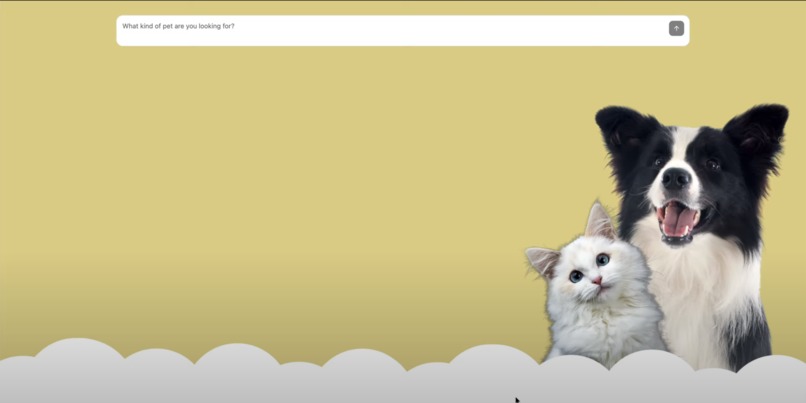
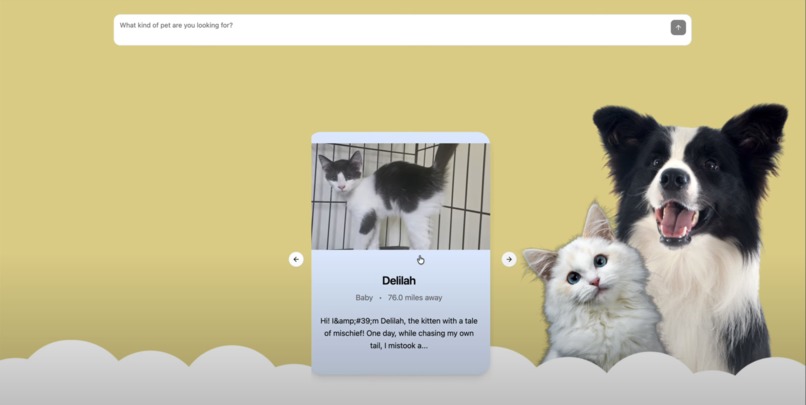
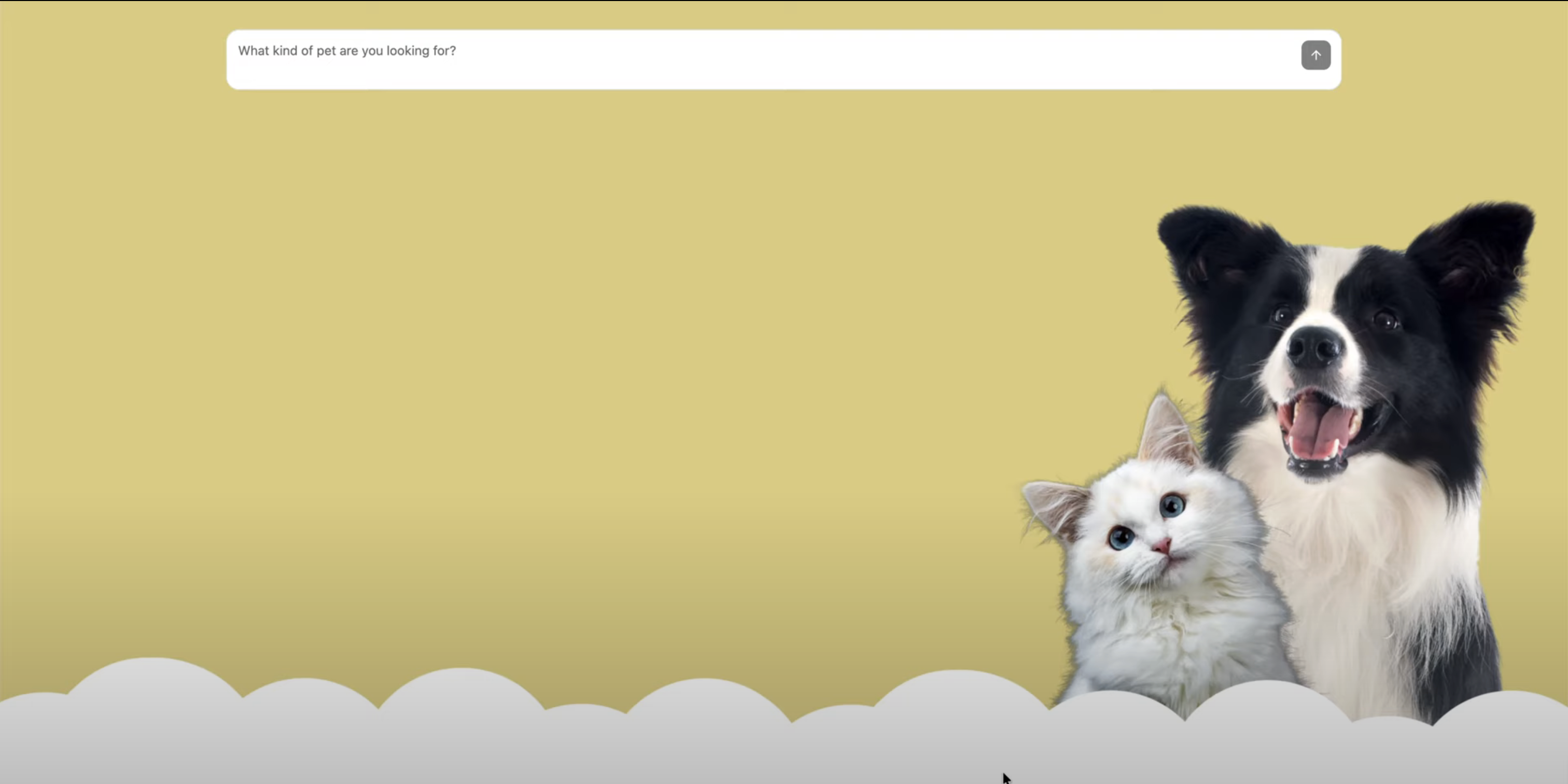
Adoptly lets people type or speak everyday requests like “playful kitten near Baltimore” and turns them into structured searches that surface real, adoptable pets from Petfinder’s listings. It understands intent (species, age, temperament, distance). Results appear as a fast, accessible card carousel with photos, distance, bios, and links user to the exact posting.
How we built it
We built the UI with React, TypeScript,and Shadcn . Gemini API turns plain-English requests into typed search params, and a small server layer sends those to the Petfinder API while handling auth, caching, and pagination. We started with Petfinder because it’s the main adoption hub in the U.S., which gave us broad coverage fast without a messy integration.
Challenges we ran into
React state management
Accomplishments that we're proud of
Learning about the potential of LLM function calling
What we learned
We learned more about Gemini API and frontend web development looks cool but isn't fun to develop.
What's next for Adoptly
Improve on the UI and error handling, let user specify location.
Built With
- gemini
- react
- shadcn
- typescript


Log in or sign up for Devpost to join the conversation.