-
-
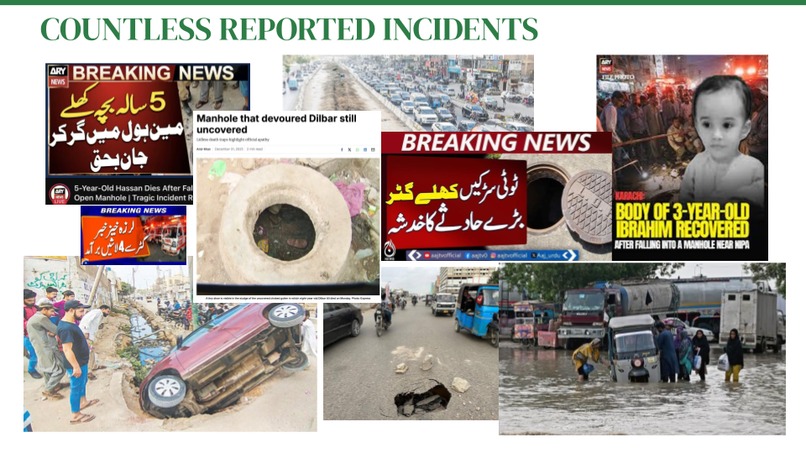
Countless reported + unreported incidents
-
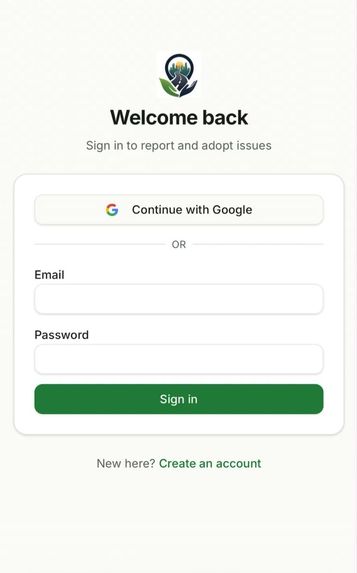
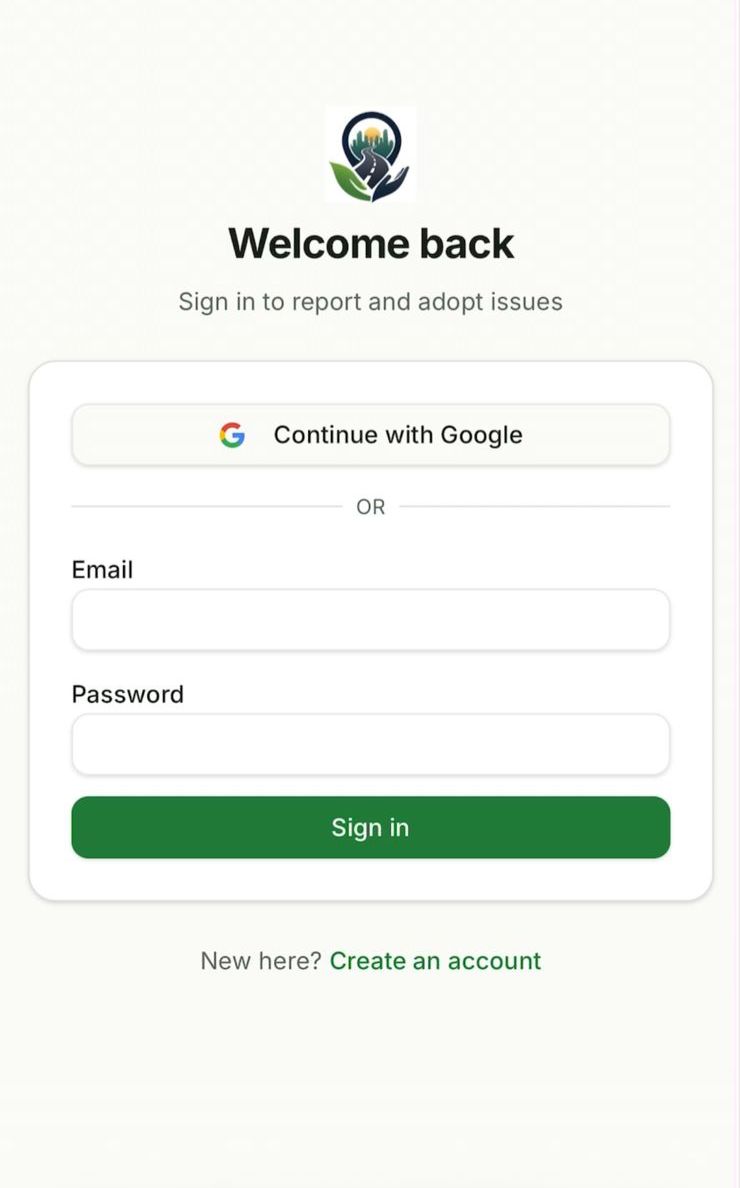
Sign in
-
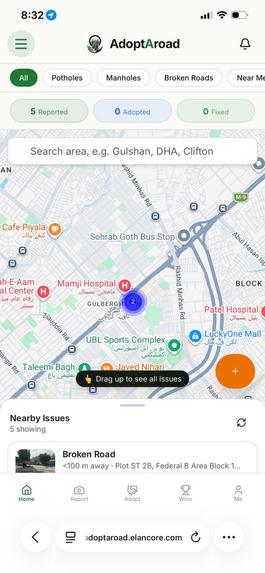
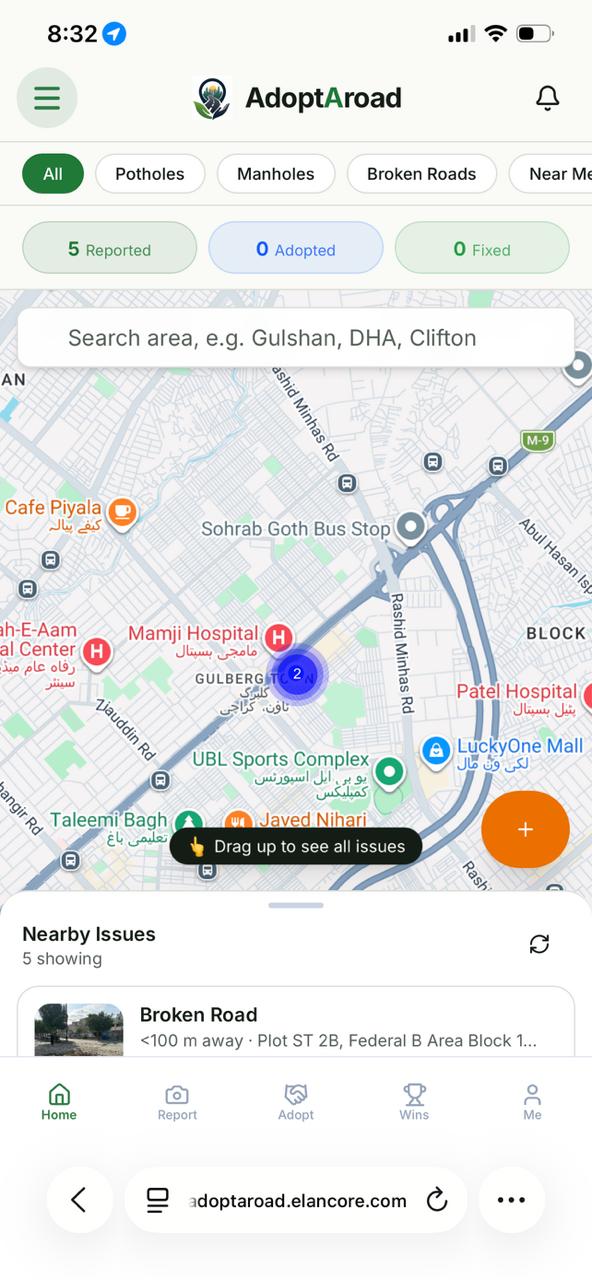
Home page
-
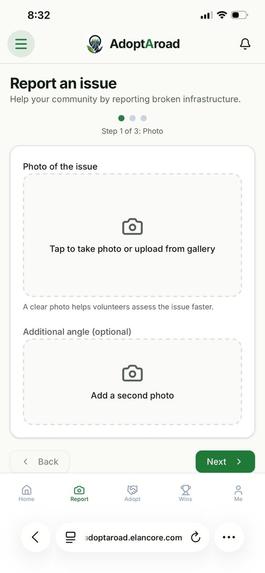
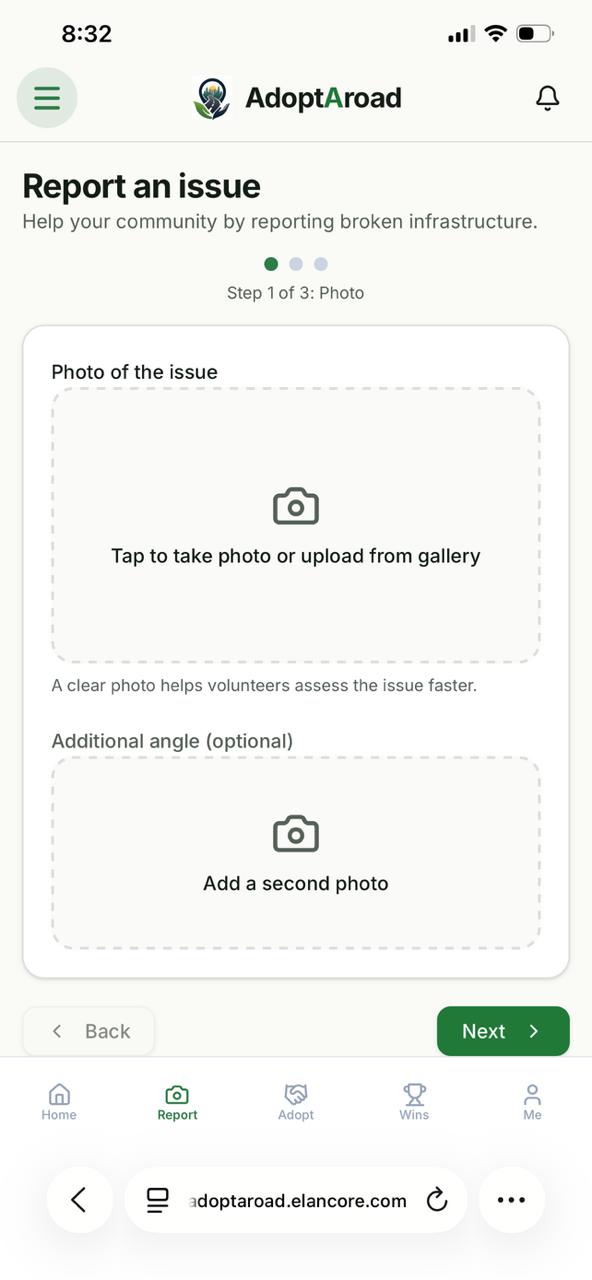
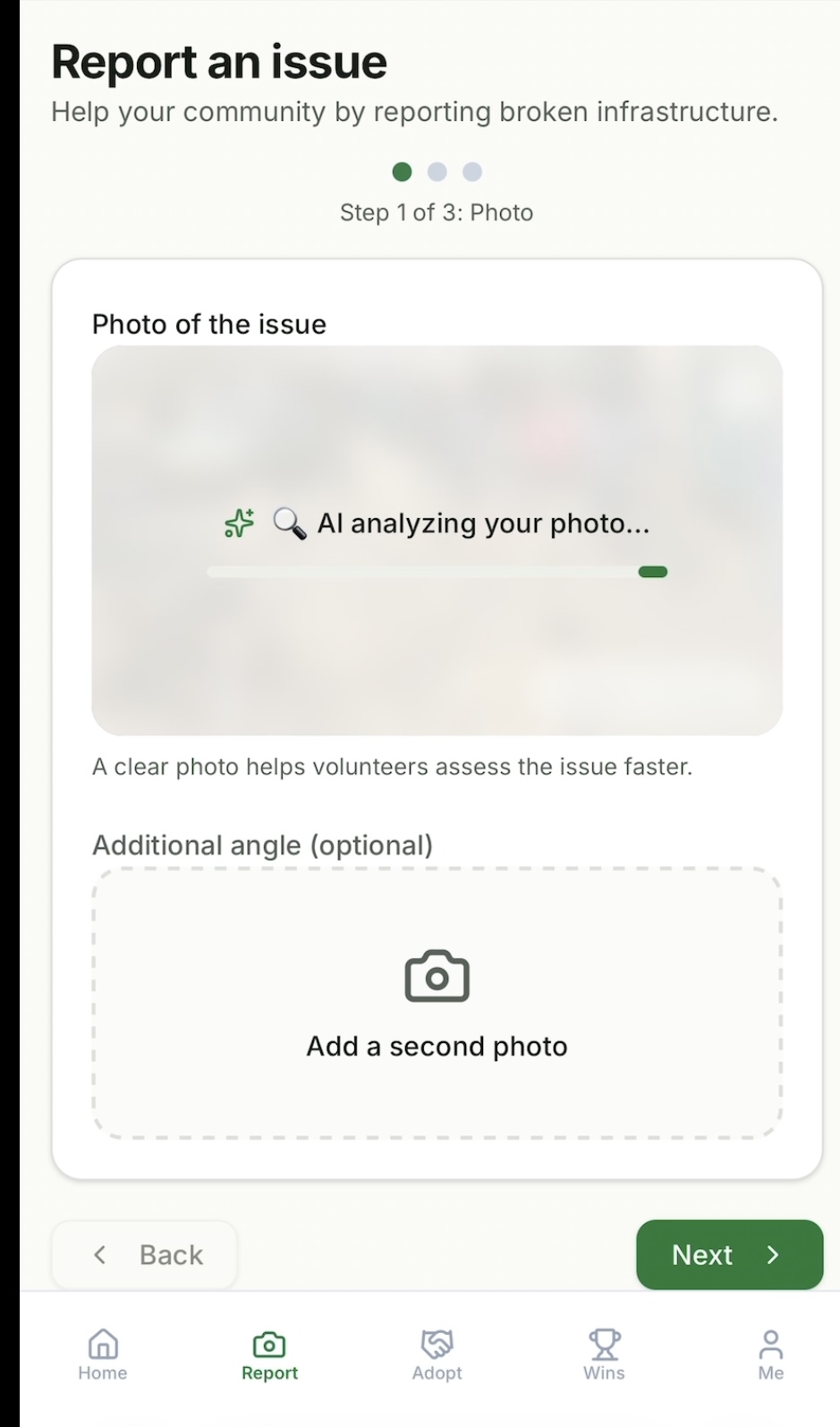
Report
-
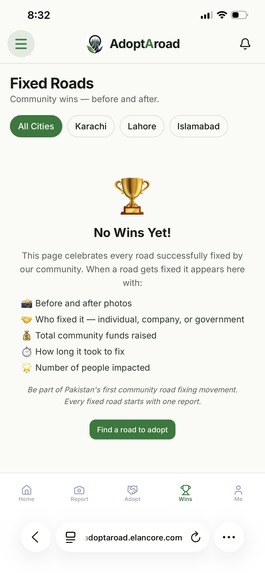
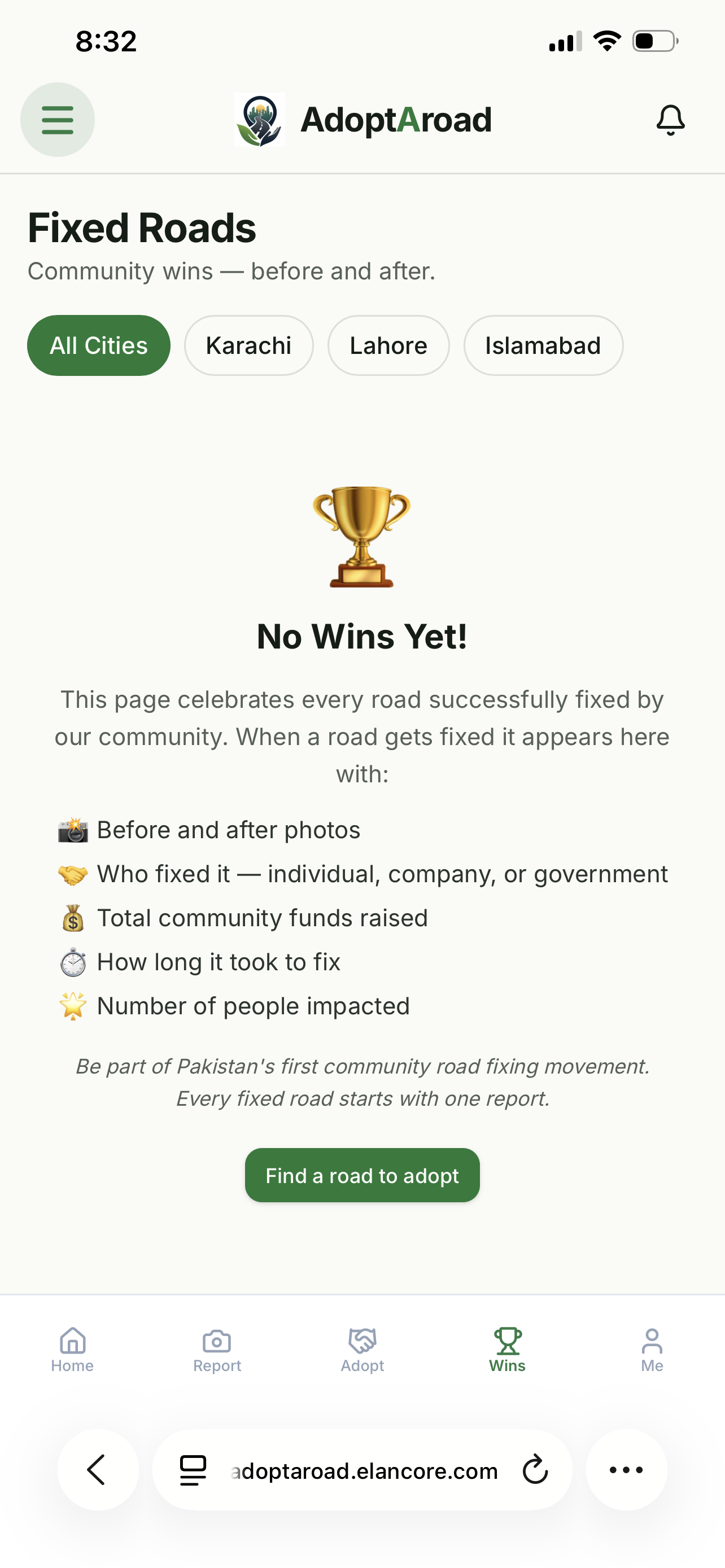
Win tab
-
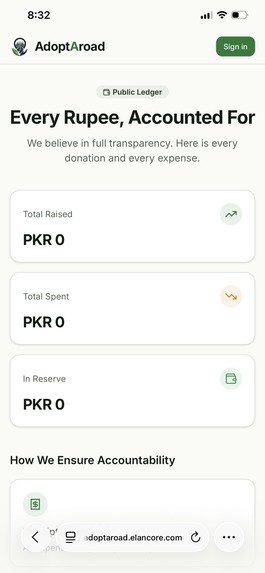
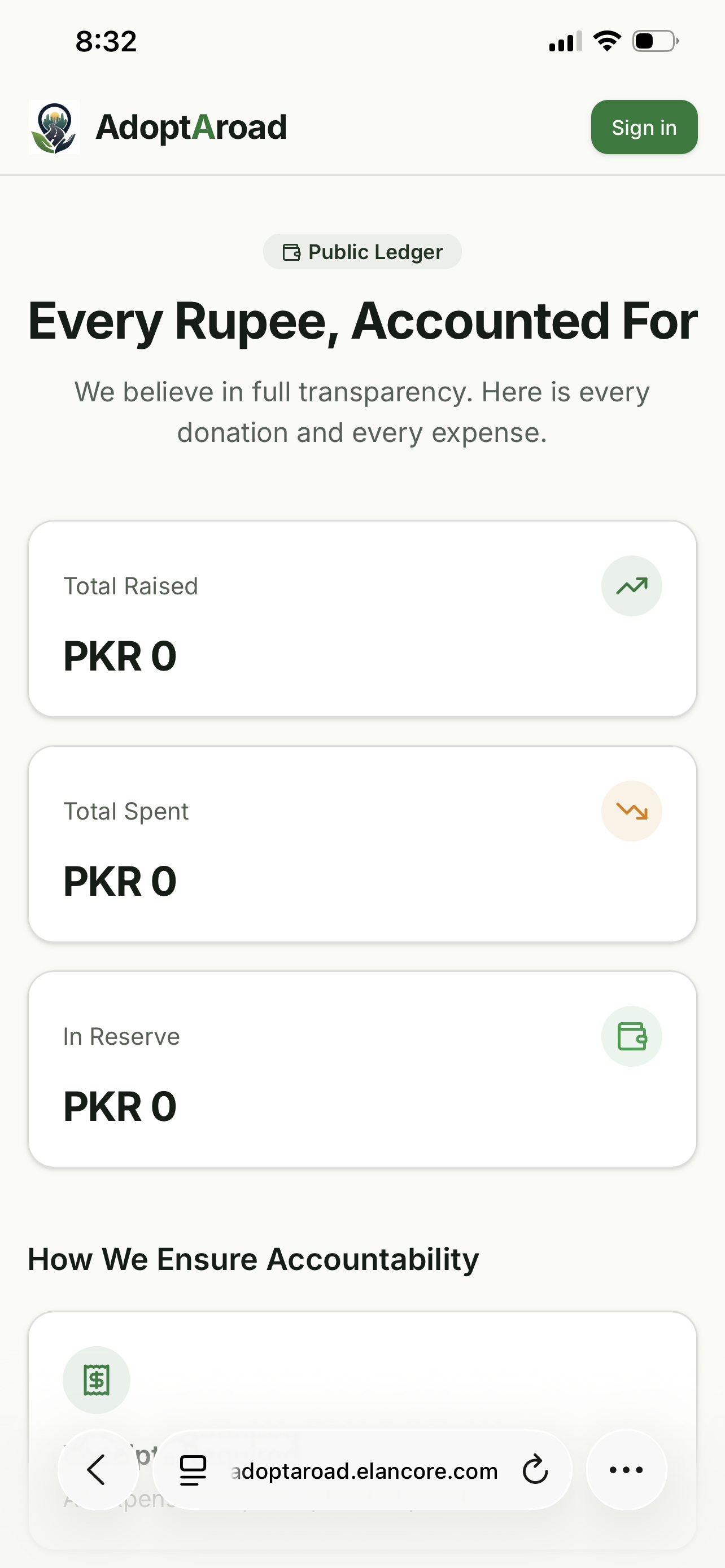
Fund tracker
-
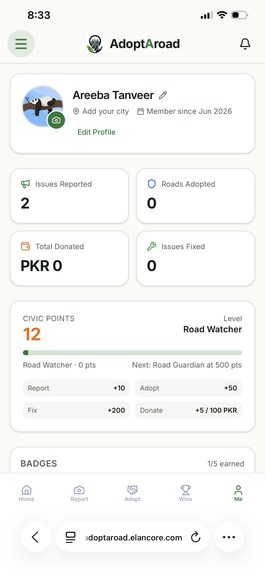
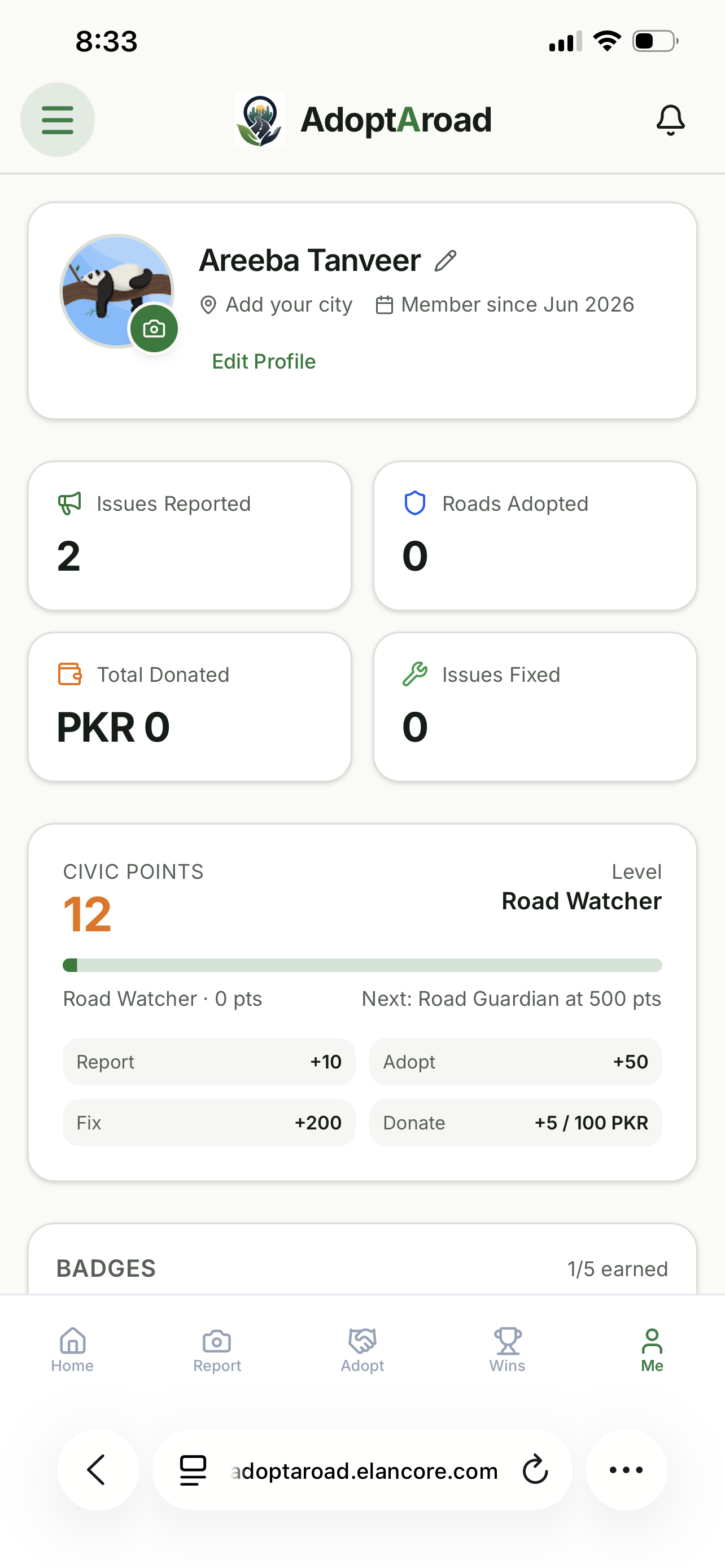
My activity
-
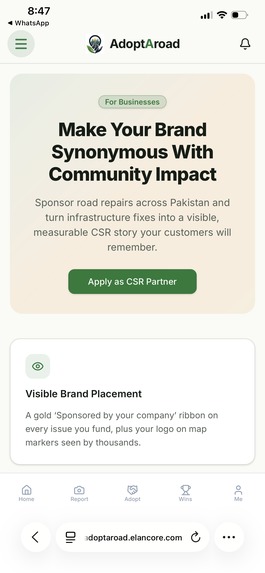
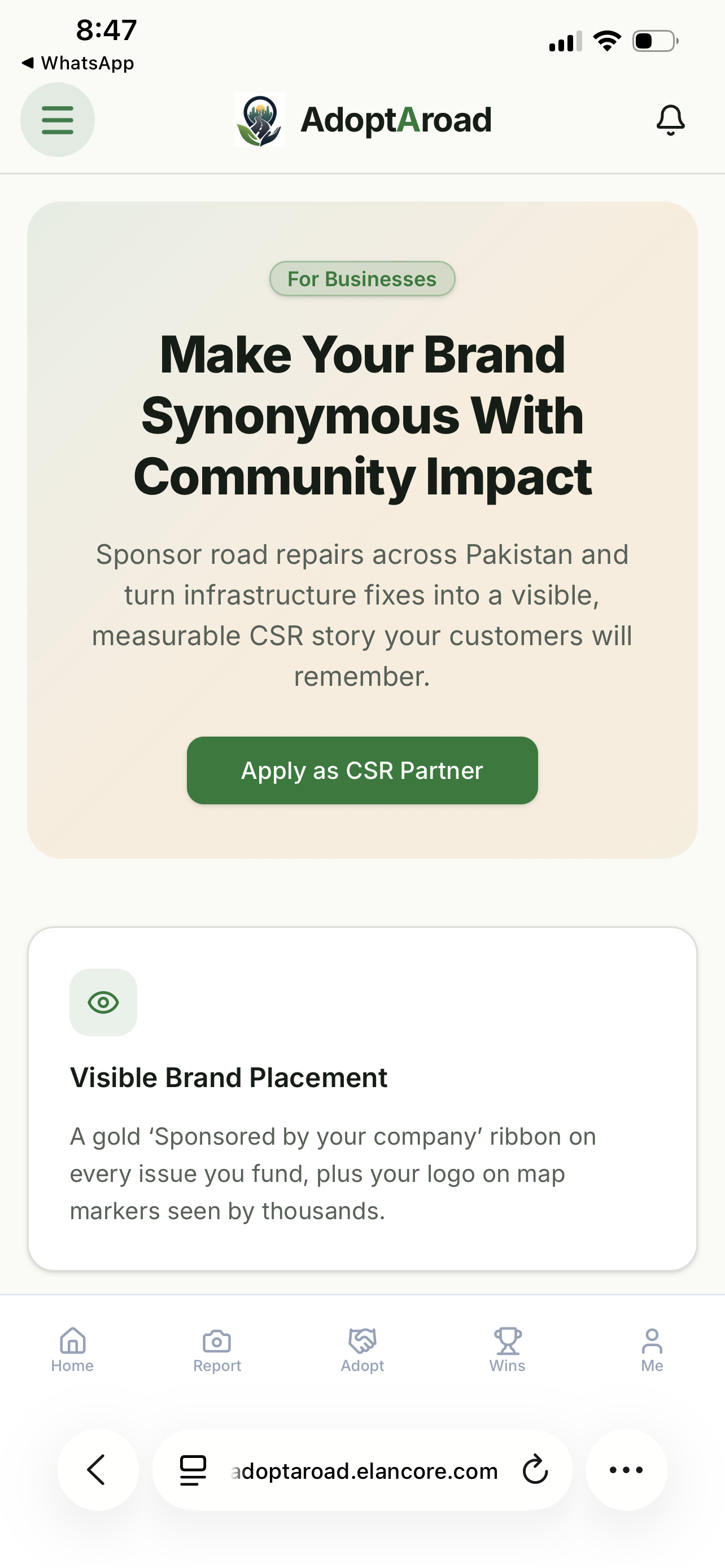
CSR portal
-
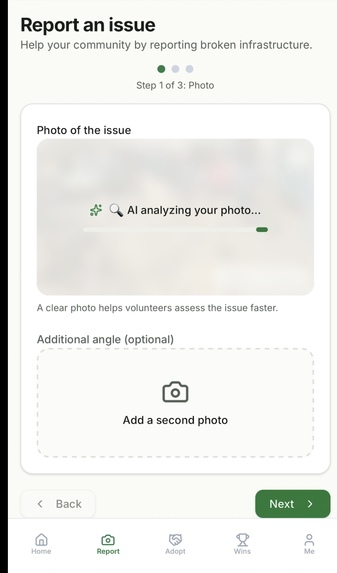
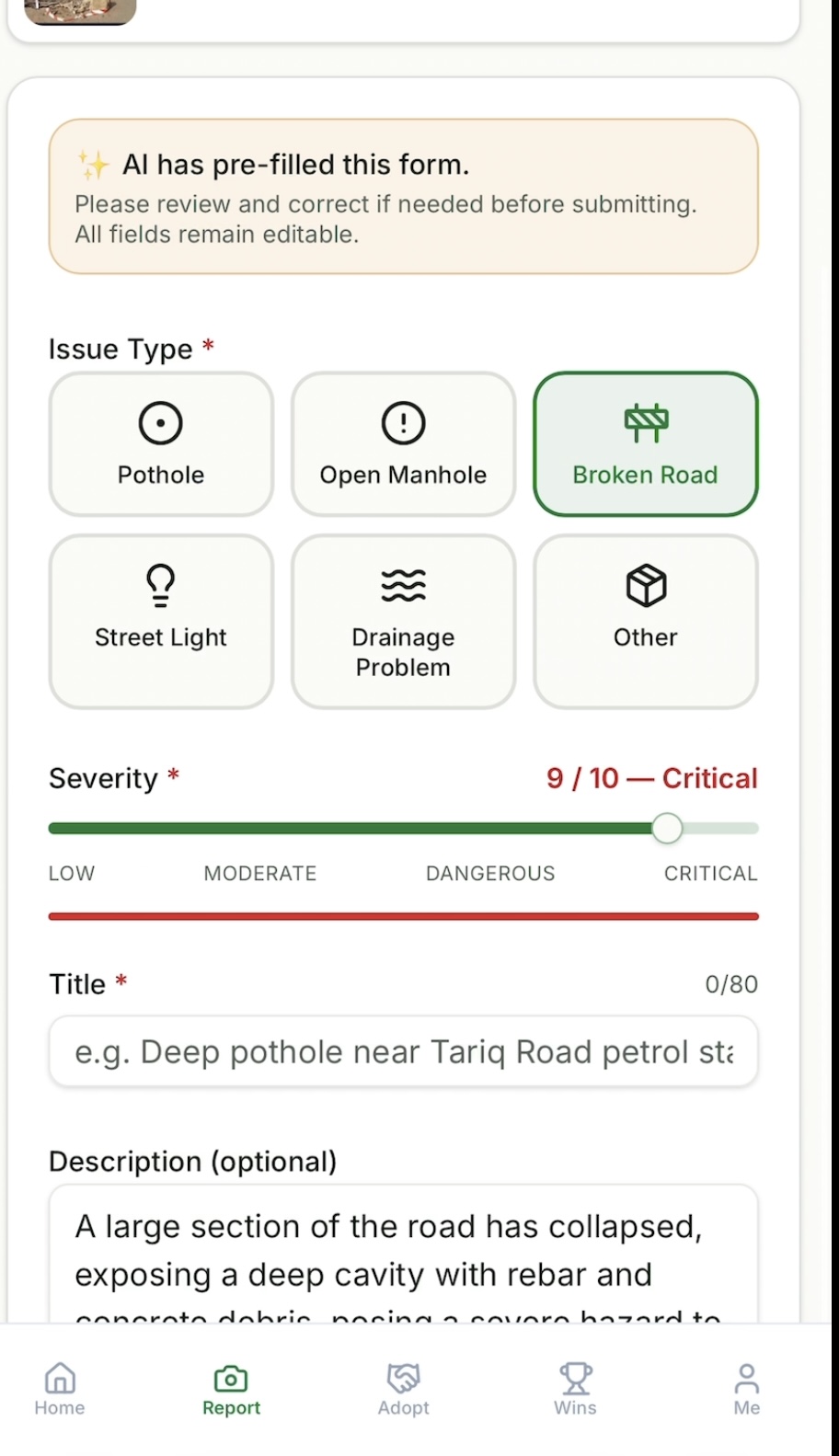
Gemini AI analysis
-
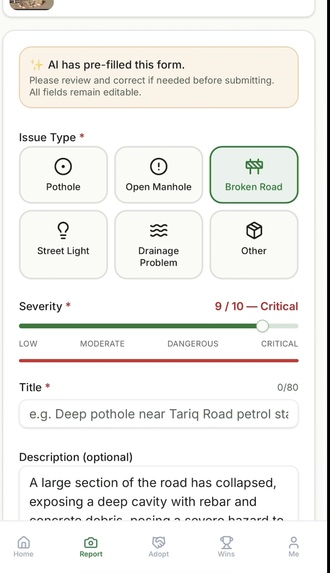
Gemini AI analysis of report
-
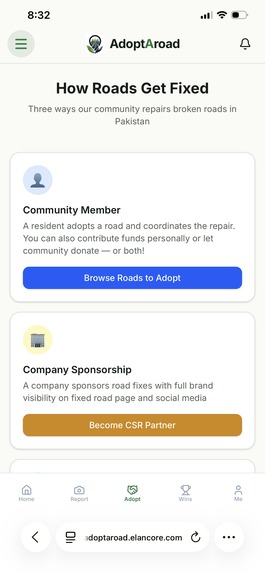
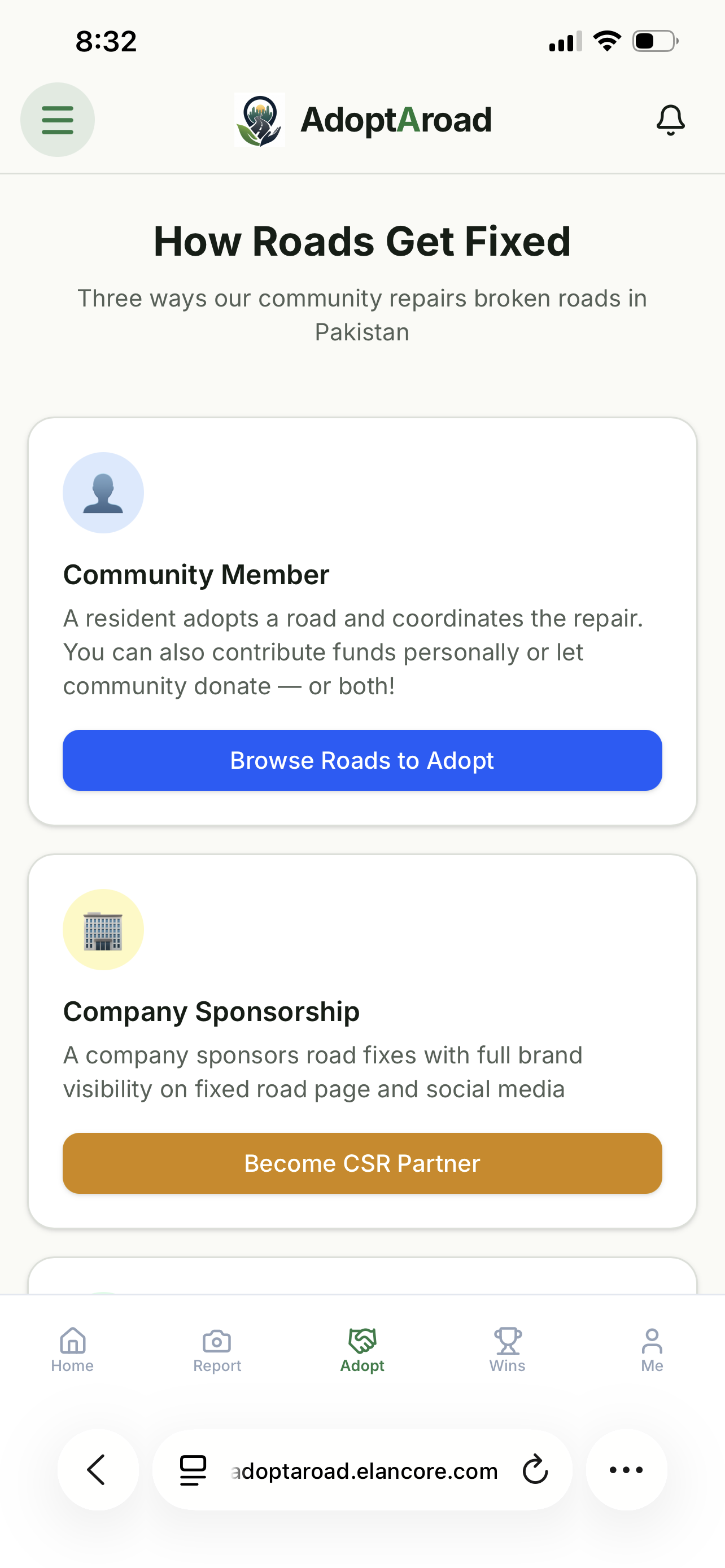
How the road get fixed
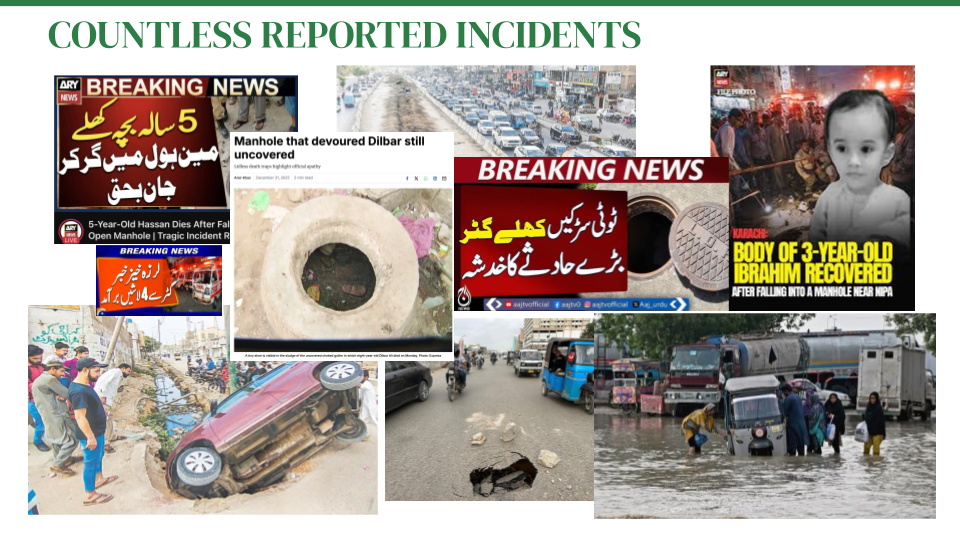
Inspiration
As we all remember, a few months ago, the story of Ibrahim, who was 3 years old. He fell into an open manhole near Chase Up at Nipa Chowrangi and didn't survive. He's not the only one. So many people in Karachi have died because of open manholes and broken roads and honestly, most of us just scroll past these stories and move on with our day. But this one stuck with me. I kept thinking — what if someone had reported that manhole? What if it was visible on a map, and people in the area knew about it? Maybe it gets fixed before Ibrahim ever walks past it. Maybe he's still here.
I drive in Karachi every day. Potholes just appear out of nowhere. You're driving normally and suddenly there's a massive bump or a hole you didn't see coming. It's scary, and it's exactly how accidents happen. The government isn't going to fix this fast enough. So I thought why not us? Why not build something that lets people report these things, help priorotize issues, take ownership of them, and actually get them fixed together from the relevant bodies? That's where AdoptAroad came from.
While Countless Issues remain unreported, Karachi’s Sufferings Continue!
- A large working-class population localities are plagued by deteriorated streets and a widespread absence of manhole covers.
- Repeated promises of corrective measures, there is still no visible action.
- Lack of transparency, gaslighting citizen with wrong stats & on-ground situation continues!
- No way to report such issues.
- No platform, and no bridge between local Karachiites and Government bodies.
- Mostly repaired after an incident takes place, or sometimes not even after incident.
What it does
AdoptAroad is a community platform that utilizes AI to identify road and infrastructure issues from a single photo. It maps these issues publicly in real time and connects citizens, companies, and government bodies to take responsibility for resolving them. Even if they are not able to fix the problems themselves, users can still track the progress of repair work at various locations with great transparency and can also report any updates, what makes it unique is the smooth user experience and a way to confirm reported issues through local citizens so that no lies are reported.
Report → Adopt (Report or Coordinate a fix) → Fund → Fix
→ AI-powered photo analysis detects issue type, severity, and repair cost → Public adoption creates named, visible accountability for every road (this could potentially become a movement of citizens if the reporting is done right) → Hold stakeholders accountable based on real facts backed by photos. → Transparent community funding tracks every rupee → Gamification turns civic responsibility into something citizens want to do
KMC Portal: citizens can complain 1334 Helpline: citizens can call
But neither tells the government: → WHERE exactly the problem is → HOW severe it is → HOW MANY people are affected → WHAT it will cost to fix → WHICH to prioritize first
AdoptAroad answers all five.
How we built it (Tech Stack)
The project was primarily developed in Typescript, Python, Github, Supabase, while initial prototyping was done on lovable where initial features were created through natural language prompts, testing, debugging, and continuous refinement. Over time, the platform grew into a complete system combining AI-powered image analysis, real-time mapping, user authentication, community reporting, road adoption, and transparent funding. Google Gemini powers the photo analysis system, helping identify infrastructure issues and estimate their severity. Supabase manages authentication and real-time data, while Google Maps provides location-based reporting and tracking. The project was deployed through GitHub-based continuous deployment, ensuring smooth updates.
Challenges we ran into
The biggest challenge faced by Areeba, who has a medical background and had never written a single line of code just a few days ago, was the journey of building an app. It felt like stepping into a completely different universe. She began learning through AI-assisted "vibe coding." Along the way, she encountered numerous obstacles, including fixing bugs, setting up APIs, improving mobile layouts, and making AI-powered road analysis functional.
Another significant challenge was designing a business model that would make "Adopt A Road" sustainable while creating a real impact. It required as much effort to figure out how reporting, road adoption, funding, communities, businesses, and government could work together in a practical way as it did to build the technology itself. Initially, we considered collecting funds and then distributing them to organizations for road repairs. However, we realized our platform could serve a greater purpose. We could act as a mediating organization where the public can report road issues, and we can pass those reports to stakeholders who have the resources to address them effectively.
Starting with Karachi as our pilot location, we needed to ensure that our platform remained neutral and free of conflicts of interest with local political authorities, as this could become a major bottleneck for solutions like "Adopt A Road."
Accomplishments that we're proud of
We are integrating Google Gemini Vision AI for real-time photo analysis to create a comprehensive report-adopt-fund civic accountability loop on a live map of Karachi.
This platform aims to tackle one of Karachi's most significant issues. More broadly, we can see potential for scaling this solution across South Asia.
The platform is ready to go to market, and we have already launched a live web interface where people can report issues!
What we learned
Beyond technical skills, the process became a practical lesson in market research, product thinking, and meaningfully integrating AI into real-world workflows.
What’s Next
🚀 Immediate:
- 📋 Document our first real report-to-fix cycle with before/after photos
- 🏛️ Begin KMC outreach now using our live, AI-verified reports
- 💳 Launch JazzCash and Easypaisa for real community funding
🤝 Partnerships:
- 🌍 Collaborate with FixIt, Alkhidmat, and JDC — pairing their volunteer networks with our reporting and accountability layer
- 🏛️ Position AdoptAroad as KMC's official citizen-reporting front-end
💰 Revenue:
- 🏢 CSR sponsorships (HBL, Jazz, Unilever), with social media visibility so other brands can discover and sponsor too
- 🏛️ Government licensing
- 🌐 International funding — citizens never pay, in line with how civic tech works in Pakistan
📈 Growth:
- 📲 Expand coverage across Karachi through organic WhatsApp sharing
- 🇧🇩 Bangladesh as our next country — similar infrastructure challenges, less civic- tech competition
🛠️ Platform:
- 📡 SMS-based reporting for areas hit by internet shutdowns
- 🔍 Full public transparency dashboard tracking every donation, adoption, and fix
- More like a movement than a platform!
Built With
- github
- javascript
- lovable
- python
- supabase
- typescript


Log in or sign up for Devpost to join the conversation.