-
-
-

-

-
This image is currently processing. Please be patient...

-

-






Inspiration
Students often struggle to understand university admissions, scholarships, and career opportunities because information is scattered across many websites and databases. Many students also don't know the right search terms or where to start, causing them to miss opportunities that match their interests and financial situation.
We wanted to create an AI system that behaves more like a mentor than a search engine — one that understands a student's goals through natural conversation and turns that information into practical guidance.
Admission Intelligence AI was built to make educational opportunities easier to discover and more accessible for students everywhere.
What it does
Admission Intelligence AI is an intelligent educational assistant that helps students discover personalized academic opportunities.
Students provide information such as:
Academic interests
Grades or performance level
Budget constraints
Preferred study location
Career aspirations
The AI analyzes context and generates:
Personalized university recommendations
Scholarship suggestions
Admission roadmaps
STEM learning pathways
Career guidance
Actionable next-step recommendations
Example:
Student Input:
"I love robotics, my grades are average, and I need financial aid."
AI Understanding:
Interest → Robotics
Academic profile → Average performance
Financial requirement → Needs funding support
Generated Output:
Suggested universities with robotics programs
Scholarship opportunities
Preparation roadmap
Recommended learning resources
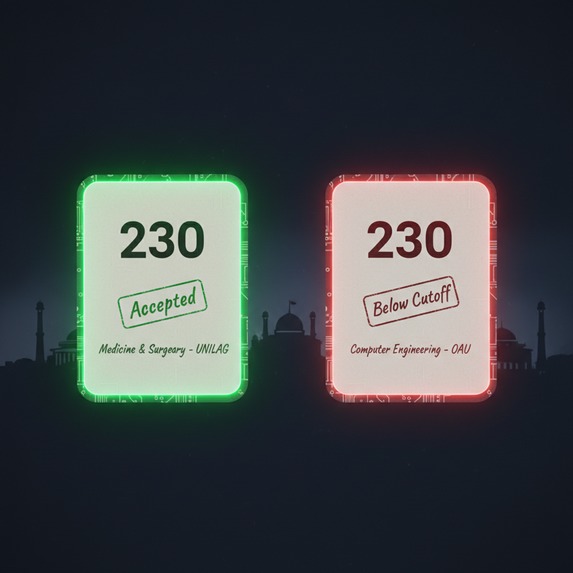
Instead of matching keywords, the system understands intent and context.
How we built it
Admission Intelligence AI was designed as a mobile-first responsive web application focused on accessibility and ease of use.
Core components include:
Landing page for onboarding
Conversational AI assistant
Student dashboard
Personalized recommendation engine
Dynamic roadmap generation system
Technologies used:
HTML
CSS
JavaScript
React
Base44
AI-assisted workflows
Responsive design architecture
The application was optimized for phones, tablets, and desktop devices to ensure accessibility across different environments.
Challenges we ran into
One major challenge was making the AI feel more useful than a standard search engine.
We needed recommendations to feel personalized rather than generic, which meant creating logic that understands user context instead of simple keyword matching.
Another challenge was organizing multiple features while maintaining a clean and responsive interface.
Balancing usability, performance, and scalability required several design iterations.
What we learned
This project showed us that AI becomes significantly more valuable when it understands context rather than simply retrieving information.
We also learned the importance of:
User-centered design
Responsible AI principles
Building systems that explain recommendations
Creating experiences that remain simple despite complex functionality
What's next for Admission Intelligence AI
Future improvements include:
Live scholarship database integration
University application tracking
AI interview preparation
Personalized career prediction models
Multi-language support
Mentor and STEM community features
Analytics for student progress tracking
Built With
- ai-assistant
- base44
- css
- html
- javascript
- react
- responsive
- web


Log in or sign up for Devpost to join the conversation.