-
Mock up of loading page
-
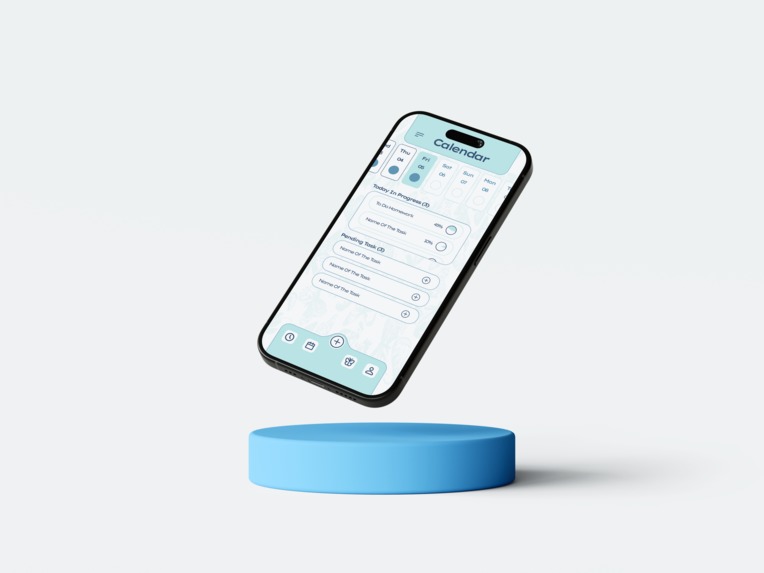
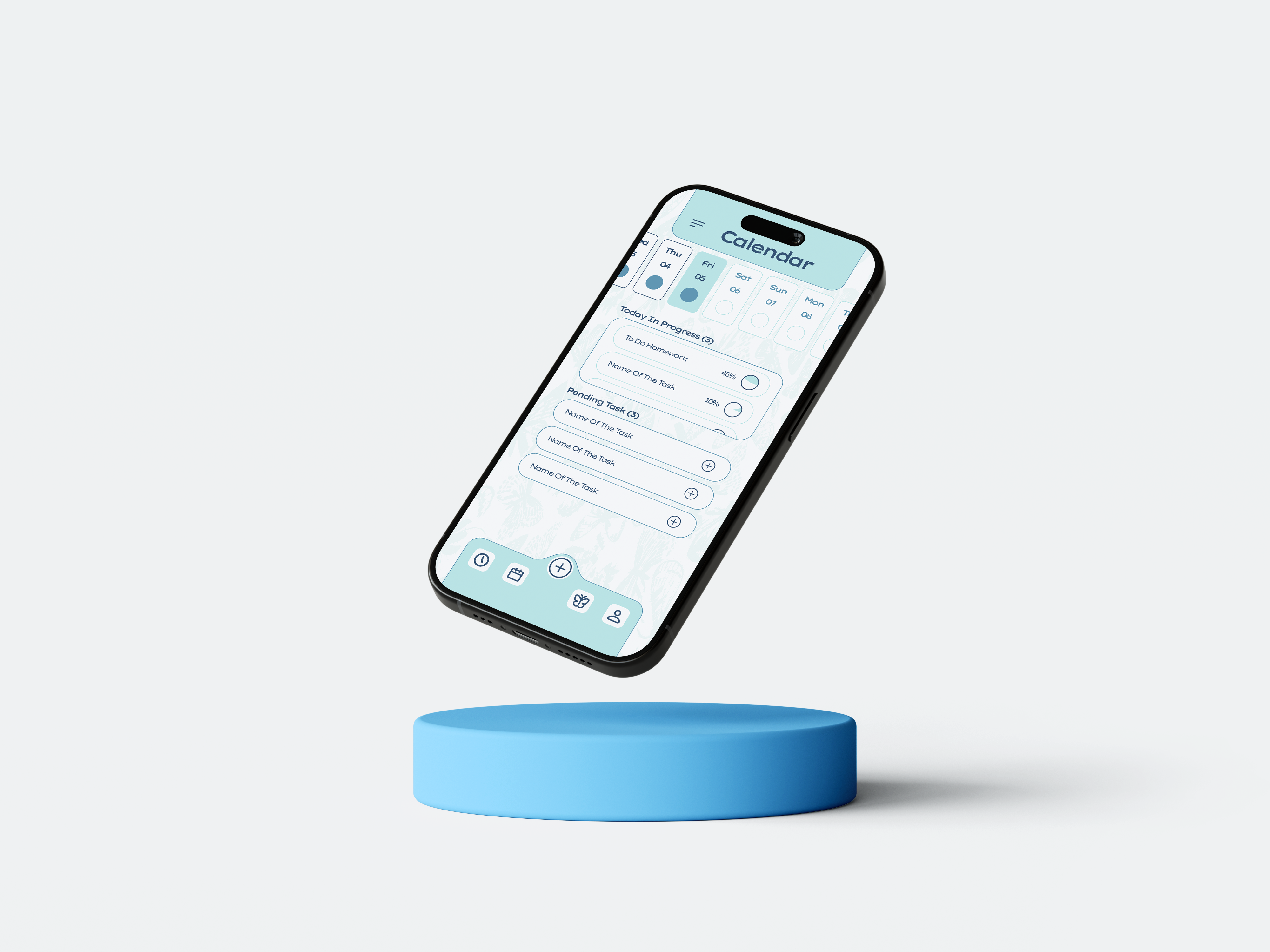
Mock up of calendar page
-
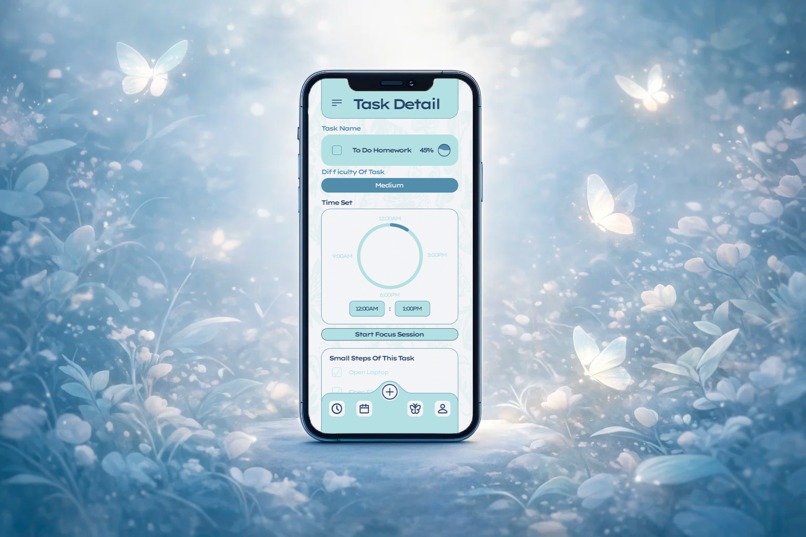
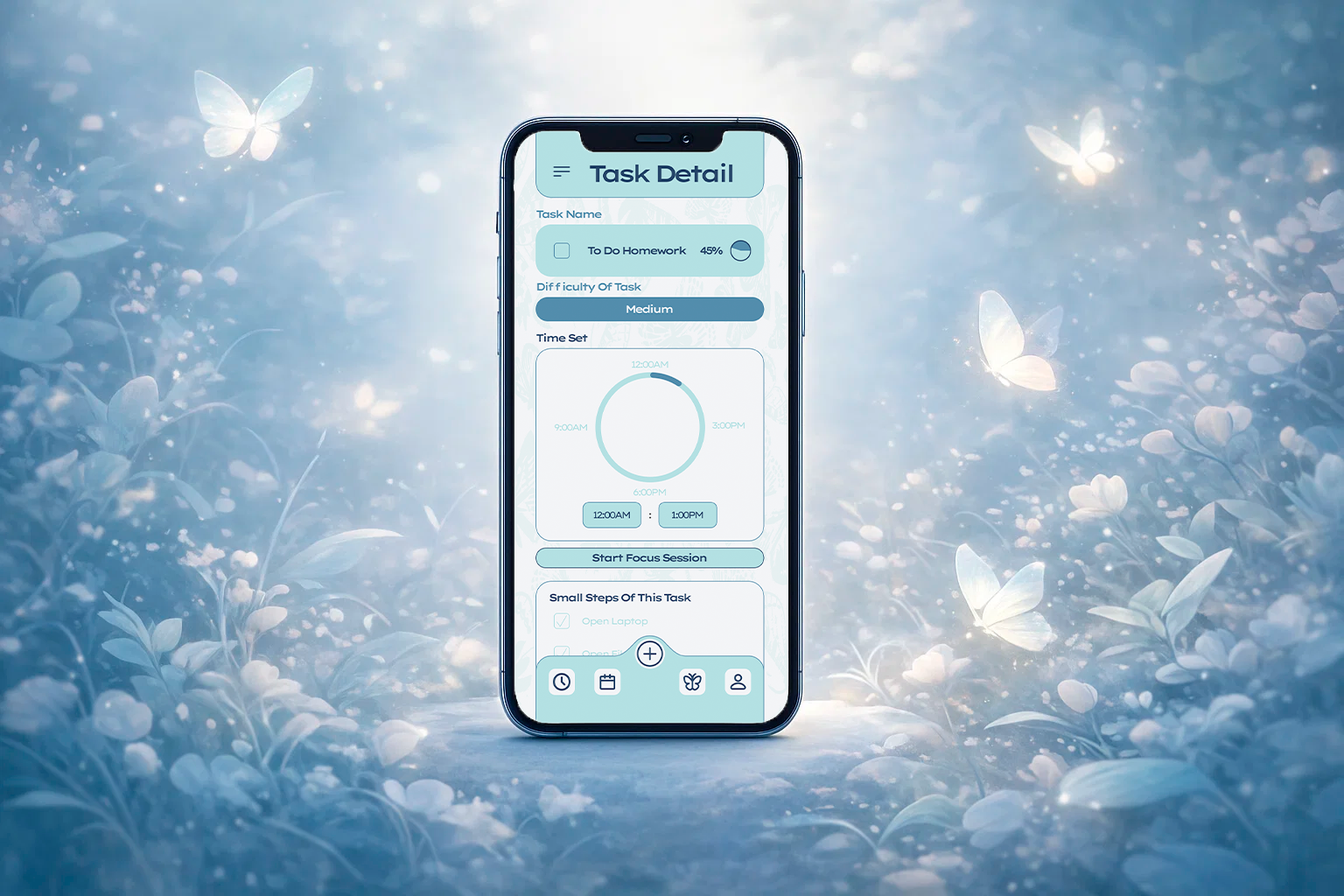
Mock up of tasks details page
ADHD Navigator
Inspiration
The idea behind ADHD Navigator came from conversations with friends living with ADHD. Through these discussions, we realized that many existing productivity tools are not adapted to their needs. Instead of helping, they often create pressure, visual overload, and a feeling of guilt when tasks are not completed.
We wanted to create an application designed with empathy, kindness, and understanding. Participating in this pitchathon gave us the opportunity to take the first concrete steps toward building a tool that truly supports people with ADHD in their daily lives.
What it does
ADHD Navigator helps people with ADHD organize and prioritize their daily tasks in a calm and structured way.
Rather than presenting overwhelming to-do lists, the app focuses on:
- Splitting large tasks into small, manageable steps
- Helping users prioritize without stress
- Reducing anxiety related to workload and time perception
The goal is to help users move through their day feeling supported, focused, and less overwhelmed.
How we built it
We started the project by designing the application in Figma, as we believe that interface design is essential for ADHD users. A calm, comfortable, and kind interface helps reduce cognitive load and improves focus.
Our design choices were centered around:
- Soft colors and gentle contrasts
- Clear structure without visual clutter
- A reassuring and non-judgmental user experience
We also began experimenting with Flutter to explore the technical foundation of the mobile application. However, development was intentionally limited at this stage, as we wanted to validate and refine the interface before fully building the app.
Challenges we ran into
Designing for ADHD required us to rethink traditional productivity tools.
Some of the main challenges included:
Balancing simplicity and functionality
Too many features can be overwhelming, while too few can feel restrictive. Finding the right balance required careful iteration.Avoiding visual and cognitive overload
Every visual element (colors, icons, animations) had to be evaluated to ensure it supported focus rather than becoming a distraction.Designing motivation without pressure
Reward systems can be motivating but may also create stress or guilt. We had to design encouragement mechanisms that feel supportive rather than demanding.Adopting an ADHD-first perspective
Many productivity tools are designed for neurotypical users. Every decision had to be made by asking: Does this reduce mental load for someone with ADHD?
Accomplishments that we're proud of
We are most proud that ADHD Navigator started as a project to help our friends and evolved into a solution that could support anyone feeling overwhelmed by daily tasks.
We are also grateful for this event, which gave us the opportunity to initiate a project with the potential to positively impact many people’s lives.
What we learned
Throughout this project, we learned a lot about ADHD by listening to people, researching ADHD cognitive patterns, and understanding the psychological challenges related to organization and motivation.
We also discovered that the butterfly is often used as a symbol of ADHD, representing transformation, sensitivity, and complexity. This is why we chose it as an important symbol within our application.
What's next for ADHD Navigator
Our next goal is to fully develop and publish the application.
Planned next steps include:
- Integrating AI to automatically split tasks into smaller steps
- Helping users choose task priorities in a gentle and guided way
- Collecting feedback from people with ADHD and non-ADHD users to improve usability
In the short term, we want to share our designs with a wider audience to evaluate whether ADHD Navigator can be useful for everyone, not only people with ADHD.
Built With
- figma

Log in or sign up for Devpost to join the conversation.