-
-
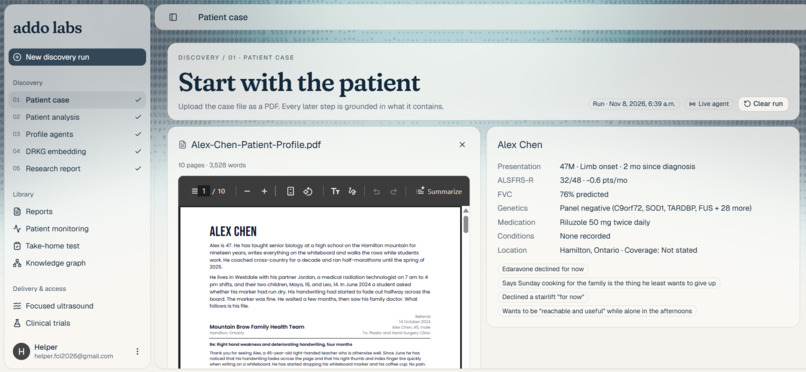
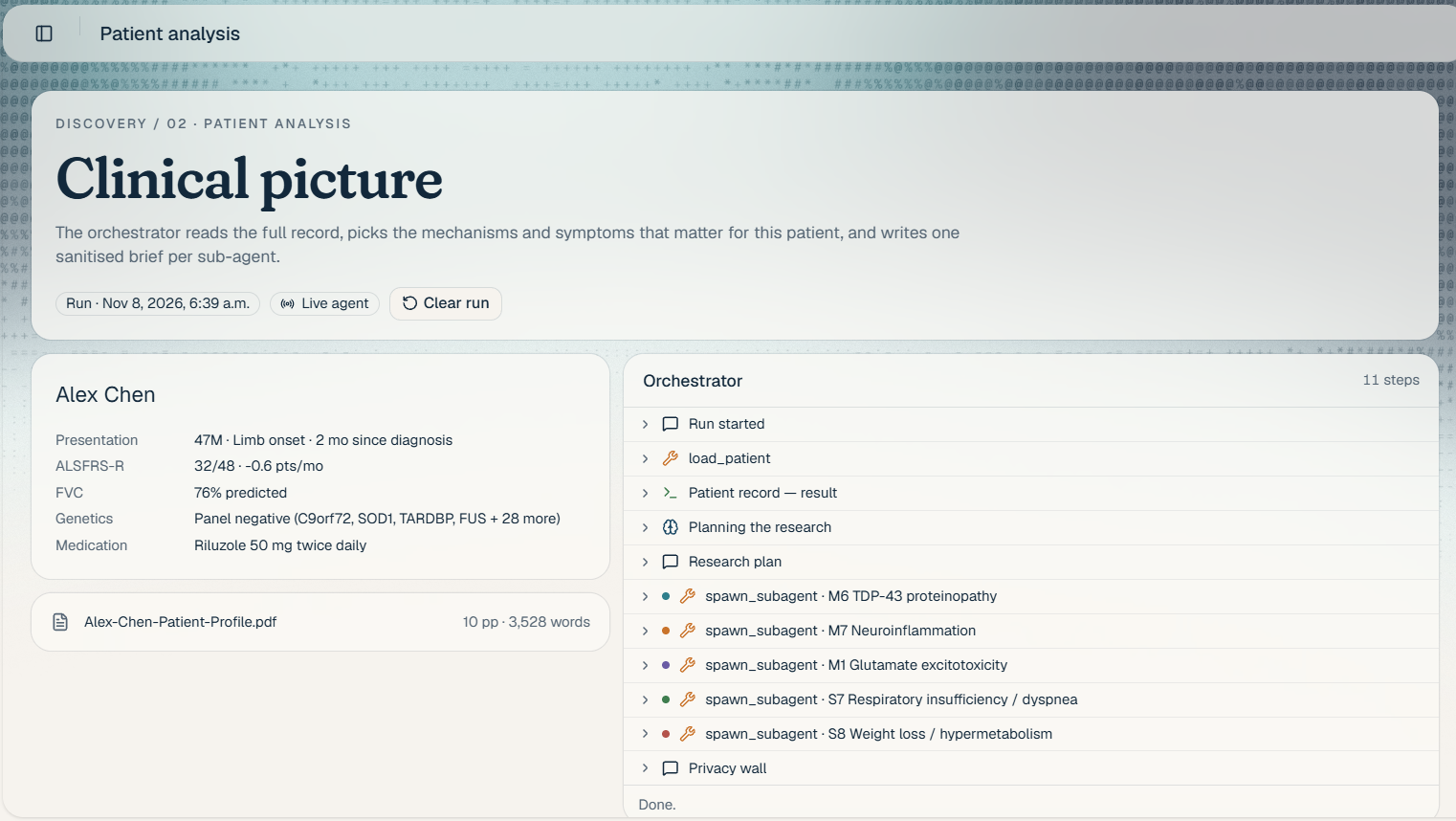
Step 1: Upload Patient Case File
-
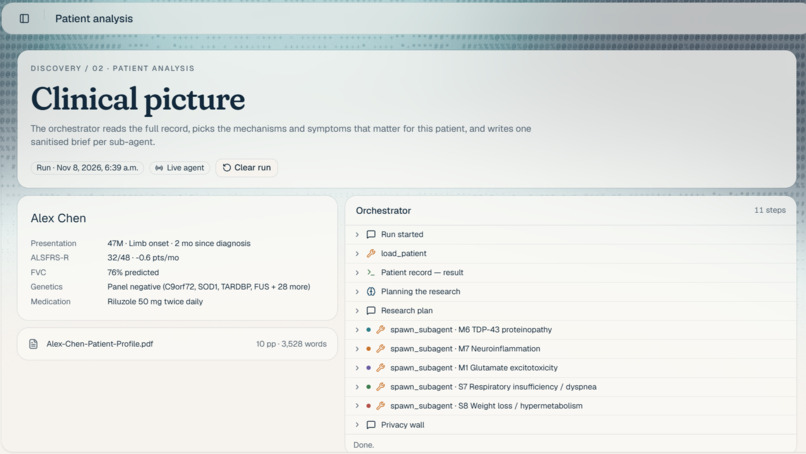
Step 2: Orchastrator Agent
-
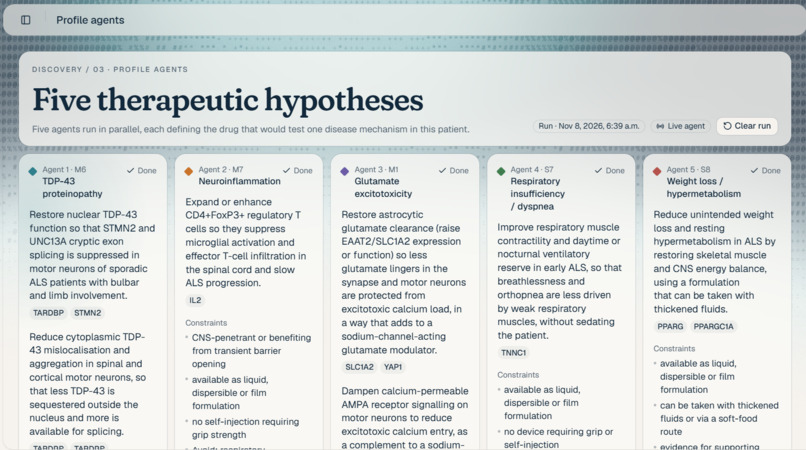
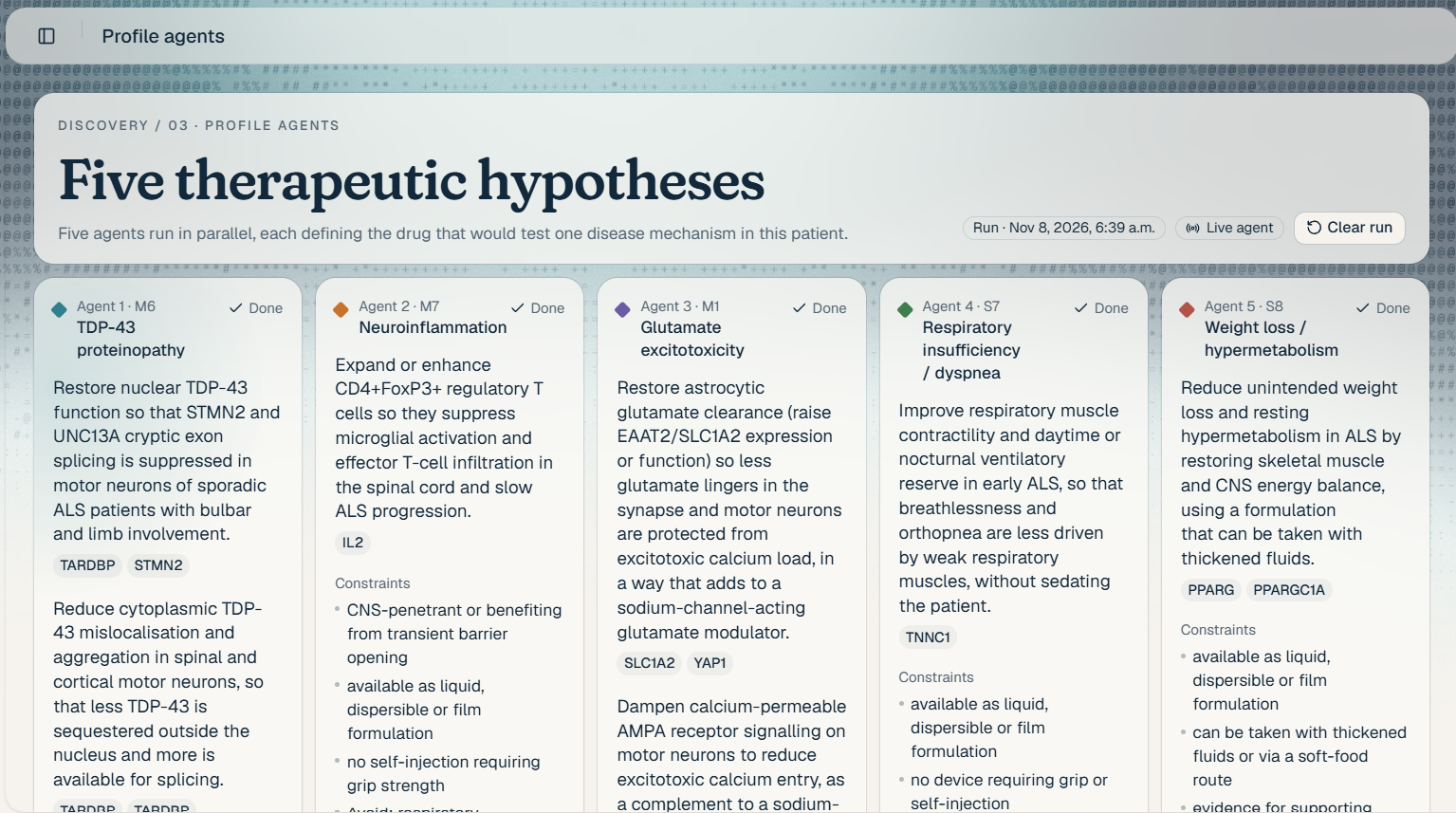
Step 3: Parallel Research Agents
-
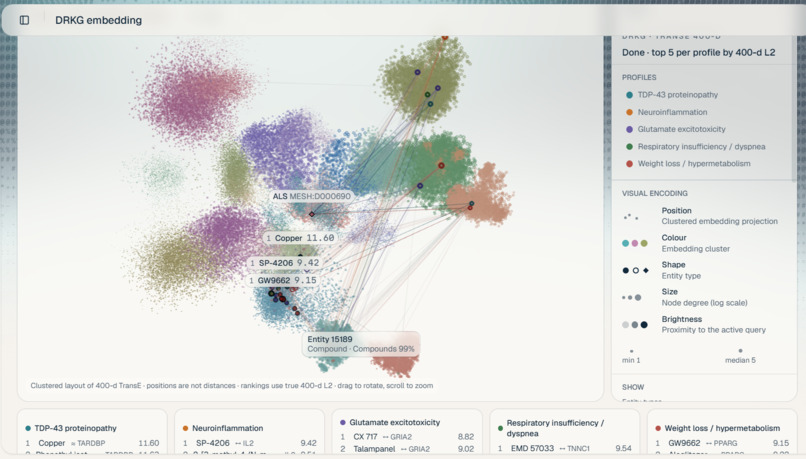
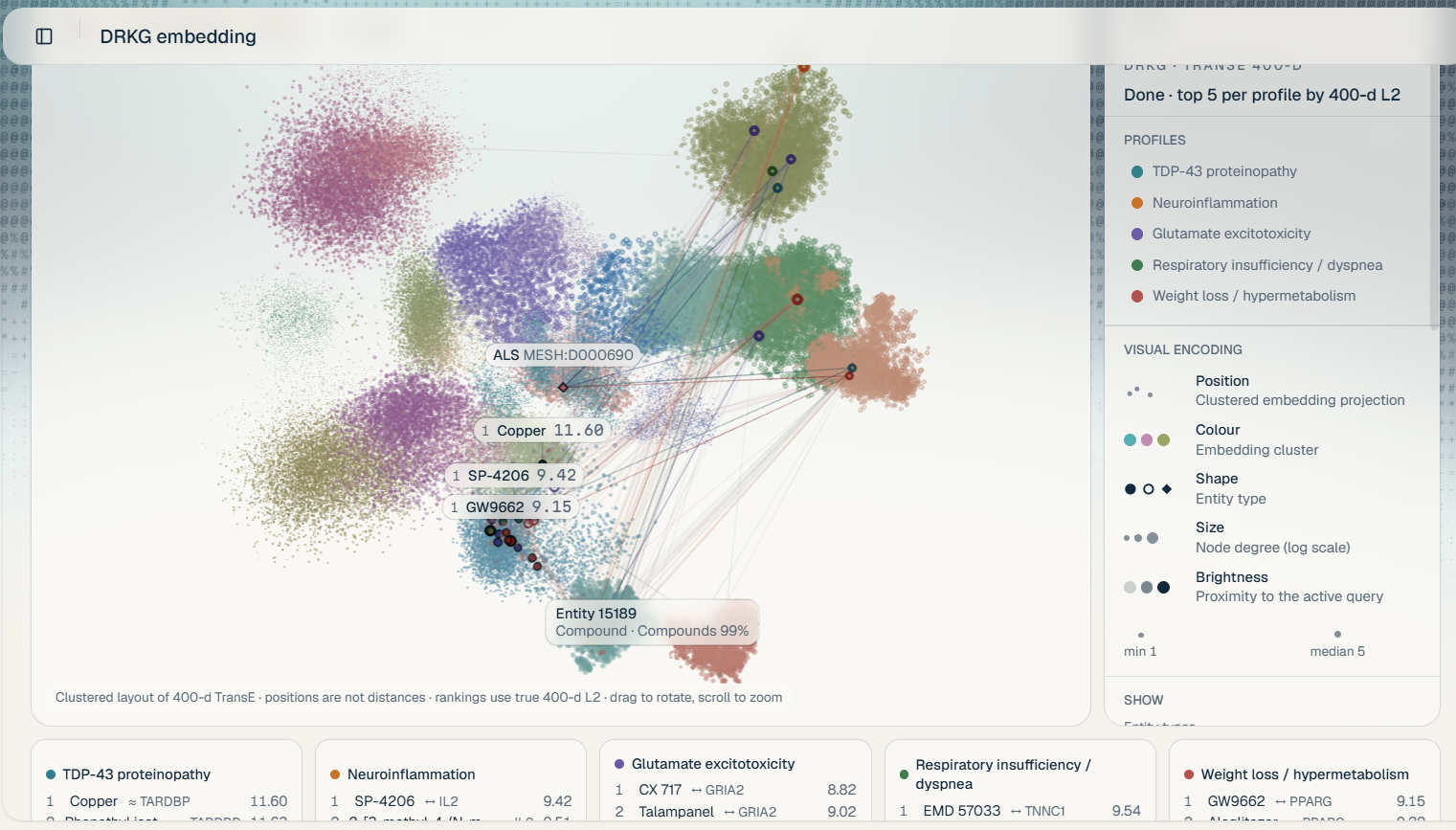
Step 4: DRKG Embedding
-
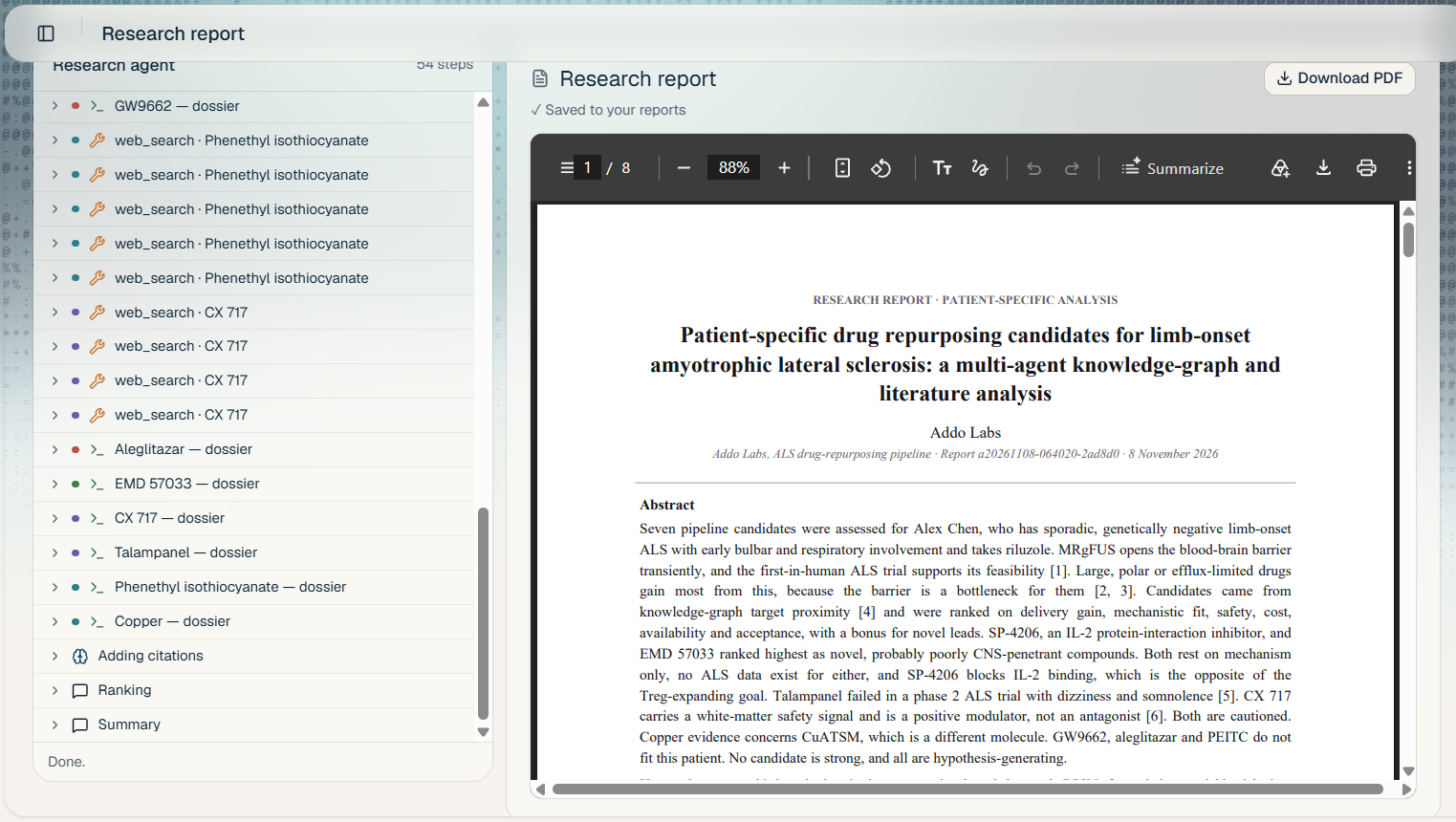
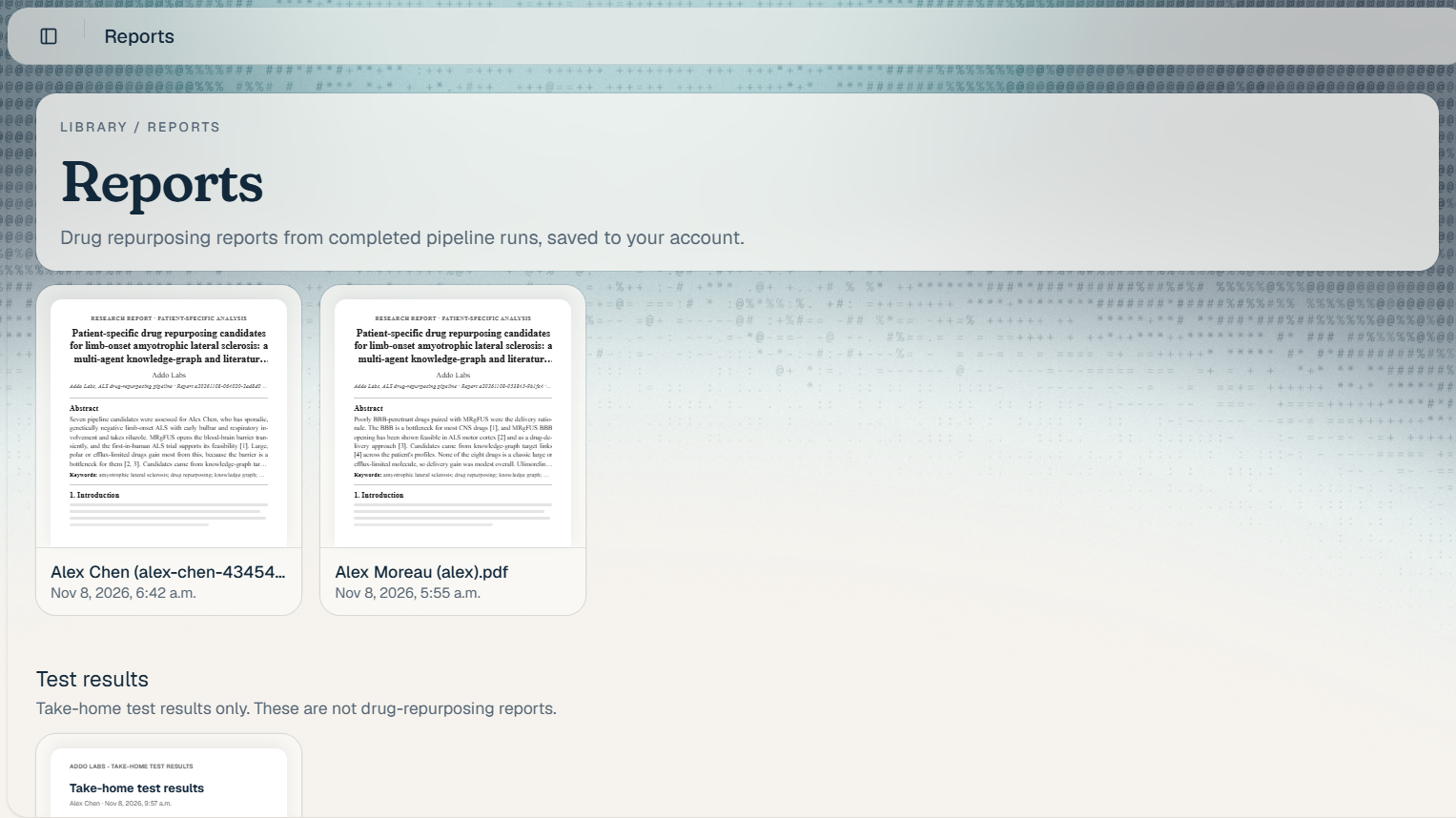
Step 5: Research Report
-
Stored Reports and User Take Home Tests
-
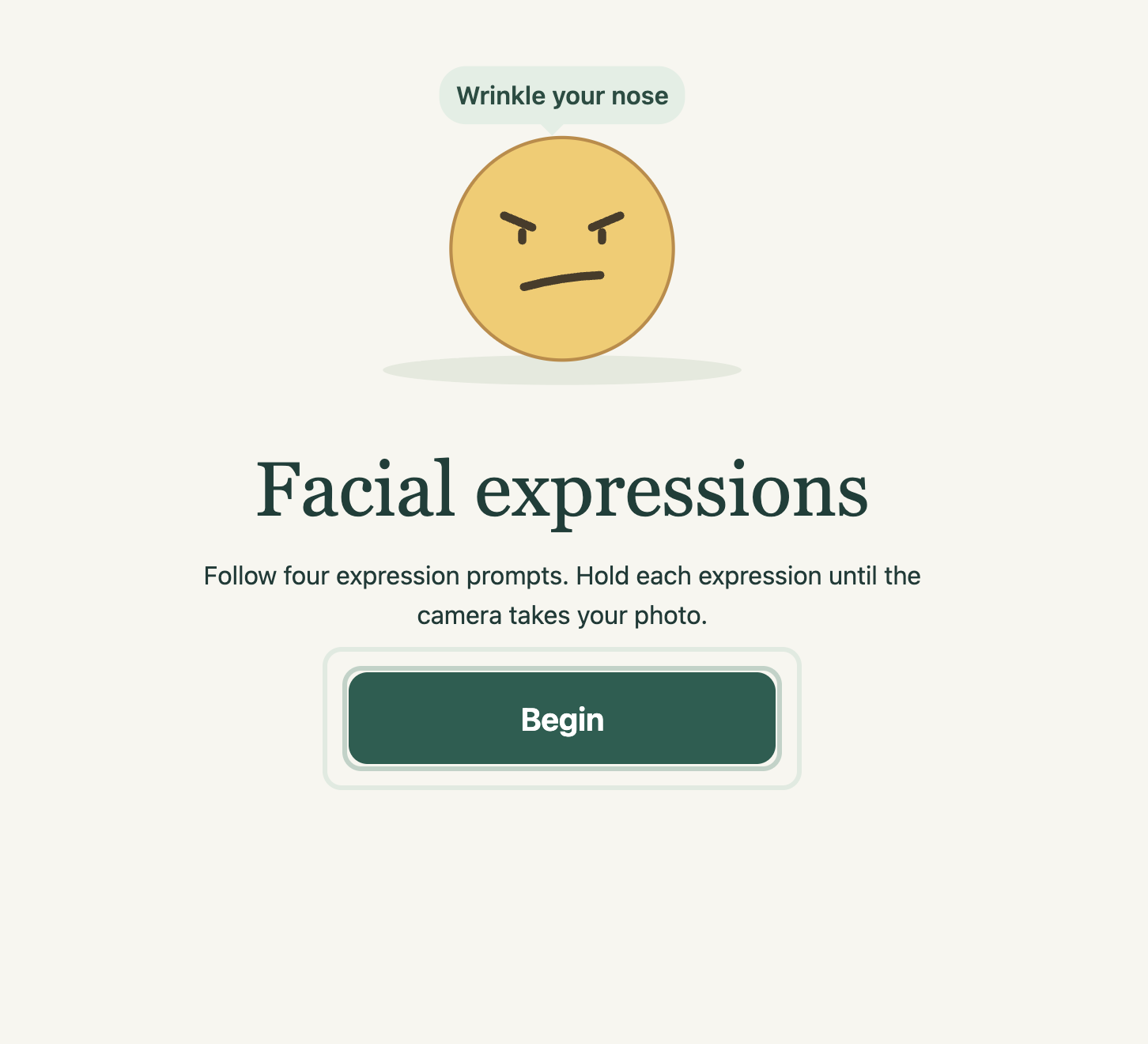
Take Home Test Module
Inspiration
The Blood Brain Barrier (BBB) has been known as a huge barrier to drug delivery and therapeutics. Nanoparticles and other drugs have been developed specifically targeting permeating the BBB to target neurodegenerative diseases and symptoms. After attending the workshop from Jason Rock and discussing with him, we learned that he has been involved with Sunnybrook's latest research, being the World's first to enhance drug access to brain areas affected by ALS. Specifically, this research leveraged MRI scans to temporarily deactivate specific sections of the BBB, allowing drugs targetted to certain areas of the brain to be effective when they may have previously been inhibited by the BBB. Our team decided to take this a step further and harness AI to develop Addo Labs: an agentic research pipeline designed to discover existing drugs that previously could not pass the BBB, and use them to prolong life expectancy, reduce symptoms, or even discover a cure to ALS with this new MRI technology.
What it does
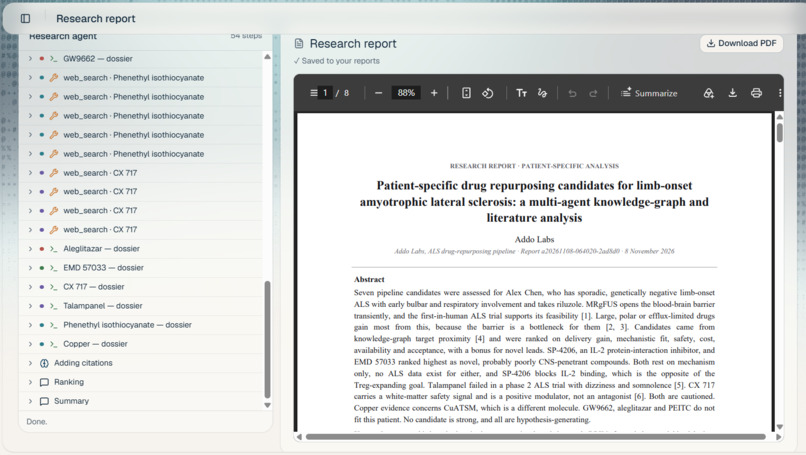
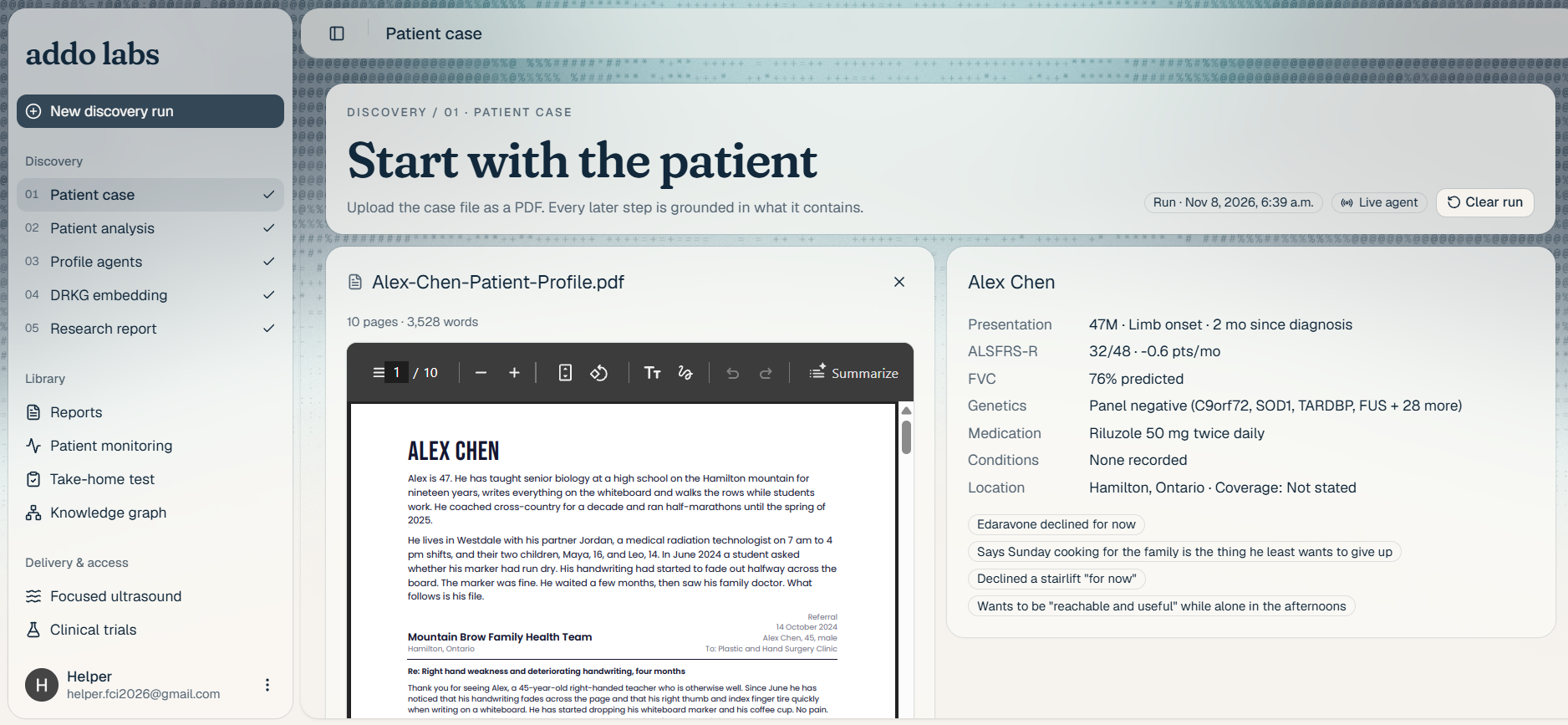
Addo Labs was built for clinicians and researchers. Users can upload a patient profile, which parses the information into digestible features that is provided to our Orchestrator Agent. This agent loads in the patient context and develops a research plan which calls on another 5 agents each aiming to discover a new drug targetted towards reducing a symptom, increasing life expectancy, or improving the patient's quality of life. Each goal is unique for every patient's case and medical history, and develops into briefs sent to 5 Research Agents in parallel. The Research Agents are equipped with the NCBI MCP and Pubmed tool calls that allow each agent to gather specific evidence and data to develop a drug profile designed to resolve its specific brief and goal provided by the Orchastrator Agent. These drug profiles are then matched to its most similar drug in the Drug Repurposing Knowledge Graph (DRKG) database: a repository containing over 97,000 entities matching drugs to its affected genes, function, and structure. The top drugs are provided back to the Orchastrator Agent which uses web search functionality and drug database tool calls to rank the top drugs which have the most potential for the particular patient use case. It considers factors such as mechanism, delivery fit with and without the BBB, and safety. A comprehensive report is produced with appropriate references, allowing researchers and clinicians to pursue Addo Labs' findings further. A testing tool has also been developed that allows clinicians and researchers to monitor their patient's symptoms over time, ensuring the success or failures of tests.
How we built it
The frontend is React 19 + TypeScript on Vite, styled with Tailwind v4 and shadcn/ui, with the 3D knowledge-graph scene in three.js. Supabase handles sign-in, saved reports and take-home test results. The agents are a LangGraph pipeline on Claude (Opus orchestrates, Sonnet runs the research sub-agents and the final assessment, Haiku researches each candidate drug), served from a FastAPI backend that streams every stage live to the UI. LangSmith traced every agent's tool calls, thinking, inputs and responses. For matching, each target gene in a drug profile becomes a TransE query in DRKG's 400-dimensional embedding space, and every DrugBank compound is ranked by L2 distance to it. We used k-means to cluster DRKG's 97,000 entities into 24 "islands" so the graph can be explored in 3D. A verification step checks that every PubMed ID and clinical-trial number actually exists before it reaches the report. The take-home test uses a PyTorch facial-expression model (POSTER++), offline speech recognition (Vosk), and a browser tracing test.
Entire
Four of us built Addo Labs in parallel, each driving our own AI coding agents. Entire gave those agents a shared memory of the project, so one person's agent knew what another's had already built and decided, which cut down on duplicate work and kept the codebase organised. Sessions tie our human-and-AI work to the code: hooks committed to the repo record each Claude Code session (prompts, tool calls, subagents), and every commit carries an Entire-Checkpoint trailer linking it to the conversation that produced it. Those checkpoints are pushed to GitHub as separate git refs, so teammates and parallel agents pick up past work with entire checkpoint explain, or trace any line back to its prompt with entire why, instead of re-deriving context: 36 linked commits, 29 shared checkpoints, and up to four agent sessions running at once. Graph indexes the whole codebase in 7 seconds (7,646 symbols, 15,460 relations) and maps how the frontend calls the backend over HTTP, so agents query a map instead of re-reading files. Brain turns those sessions into 3,280 searchable records, including 19 recorded decisions, 55 architecture notes and 17 lessons learned, so agents can look up why something was built before changing it. Entire's tokens profile showed us exactly where our AI spend went: across 24 checkpoints, 85% of the 682M tokens were served from cache, which is billed at about a tenth of the normal input rate, so most of the agents' context came back cheaply instead of being paid for in full. It also flagged the waste that remained, agents re-reading the same context in 92% of checkpoints, and that's what moved us to Graph and Brain, so agents could look things up instead of re-reading files.
Vultr
Our backend is highly compute heavy, running the multi-agent research pipeline, scoring compounds across all 97k entities in DRKG, and running a PyTorch face model and speech recognition for the take-home test. Vultr made hosting it painless. We spun up a CPU-optimized instance instantly, had it live within 10 minutes, and it still has plenty of compute headroom. Compared to running locally taking 10 minutes, a full DRKG scoring pass takes about 6 seconds with Vultr.
Challenges we ran into
Our biggest technical challenge was translating a patient’s case into five distinct questions that the Drug Repurposing Knowledge Graph (DRKG) could answer. Each category agent used relevant details from the chart and research literature to propose a hypothesis that matched a relationship in the graph. For example, if the hypothesis called for a drug that increases expression of a particular gene, we subtracted the “increases expression” relation vector from the gene vector. The result represented where an idealized drug would lie in DRKG’s embedding space, and we ranked compounds by their L2 distance from that point.
Accomplishments that we're proud of
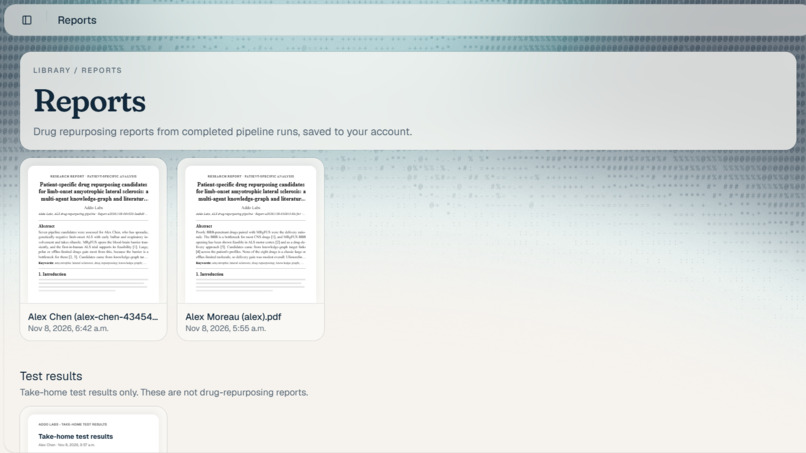
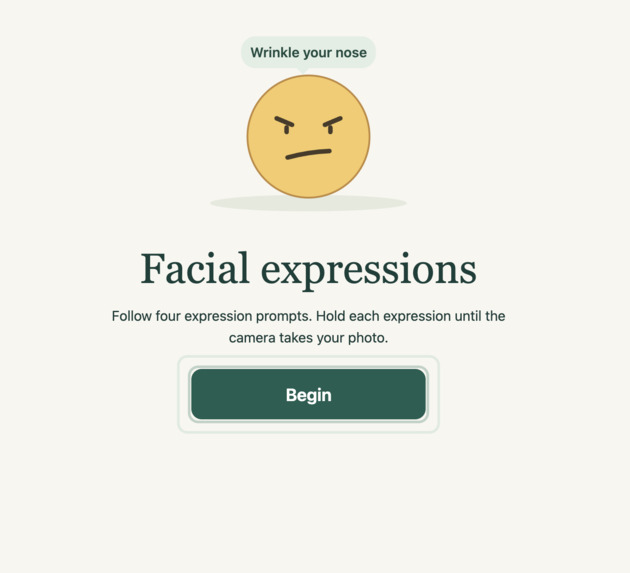
Our pipeline runs live from end to end through a single clinician-facing interface. A clinician uploads a patient case and, within minutes, can explore a ranked research report, open the cited studies, and ask follow-up questions in the same view. We’re particularly proud that ranking drugs by their distance from patient-specific queries surfaced compounds that researchers have independently investigated in ALS. The report shows what those studies found, including when a trial gave clinicians reason to rule a candidate out. We also built a take-home assessment that clinicians can send through a one-time link. Its facial movement, speech, and tracing results update the patient’s case file, so clinicians can quickly see what has changed since the last visit and reassess which potential therapies warrant closer review as the disease progresses.
What we learned
We learned to trust the research process enough to start building while our idea was still taking shape. Early in the hackathon, each question raised another, and choosing a direction felt paralyzing. We worried that a change in our proposal would make our early work less useful. Attending workshops and discussing our ideas with stakeholders helped us decide which questions mattered most. The workshops gave us a clearer sense of what we could build, while those conversations helped us refine what we wanted it to achieve.
Our speech and motor assessments showed us how an early prototype could shape the final project. We initially built them to explore early detection. As our focus shifted toward evaluating potential therapies, we realized those same assessments could help patients document changes between clinic visits. Having something concrete to test and discuss made that new use easier to recognize. We learned that building, gathering feedback, and revisiting our assumptions could help us work through the uncertainty that had made it so difficult to begin.
What's next for Addo Labs
Our next step is to validate the tool’s results with clinicians and researchers and assess how well it addresses the needs of people living with ALS, including patients like Alex. With further testing and refinement, we hope to extend the workflow to other diseases where advances in drug delivery or our understanding of disease biology open up new treatment possibilities. Our goal is to help researchers identify promising drug candidates that could meaningfully improve patients’ quality of life by helping them communicate, maintain their independence, and continue the activities that matter most to them.


