-
-
AdaptMuse
-
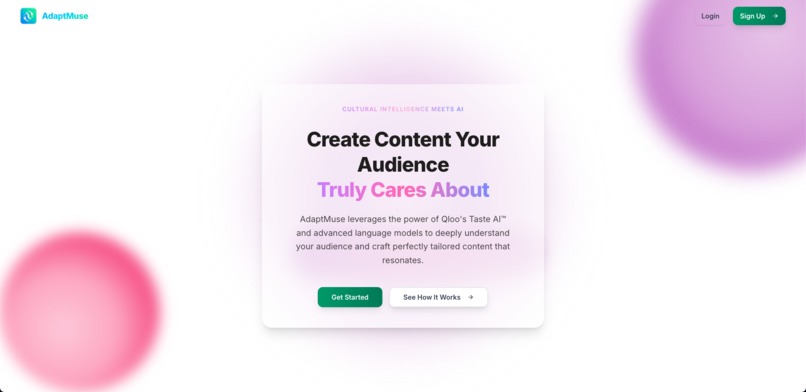
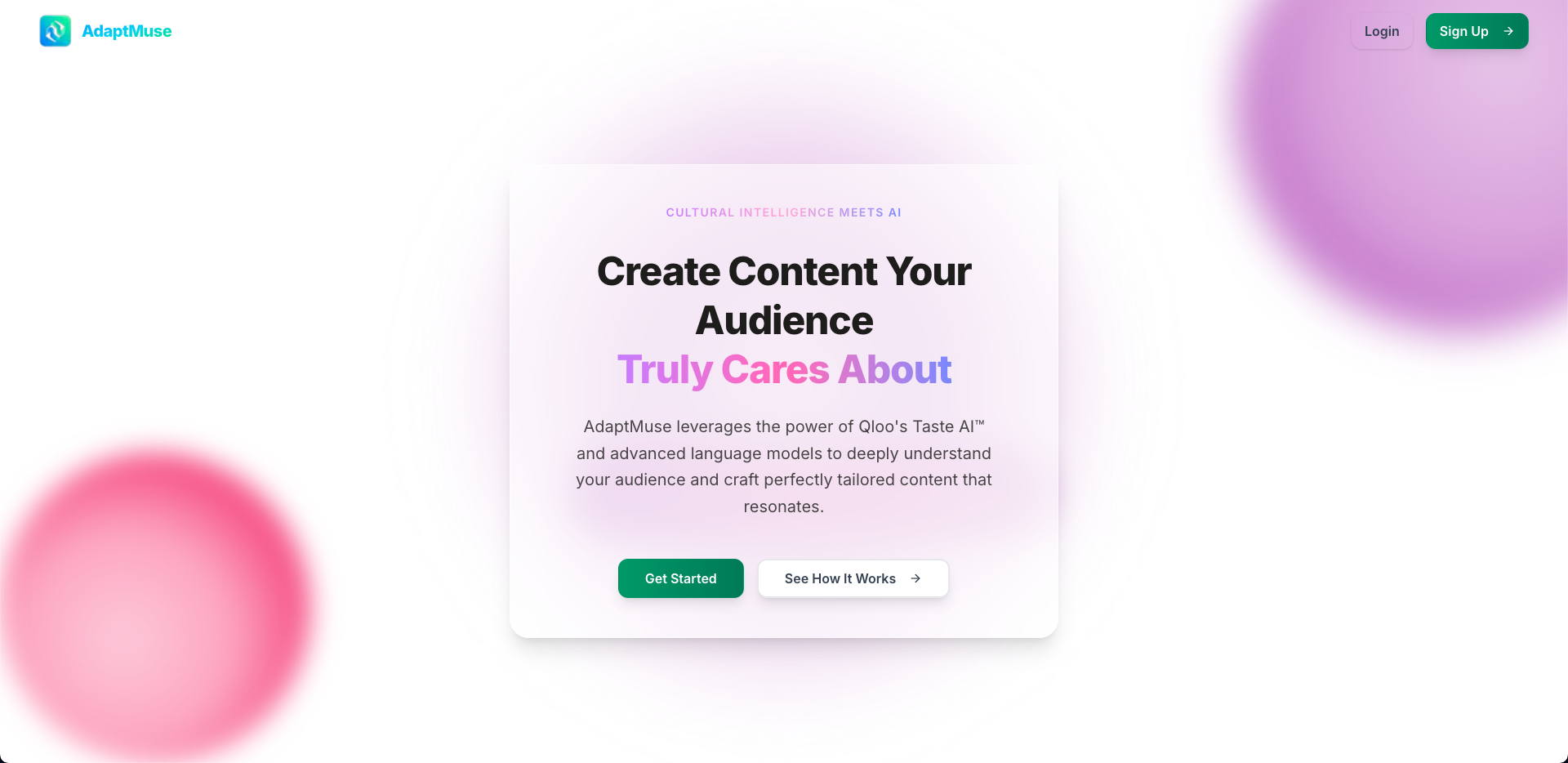
Welcome to AdaptMuse - Landing screen
-
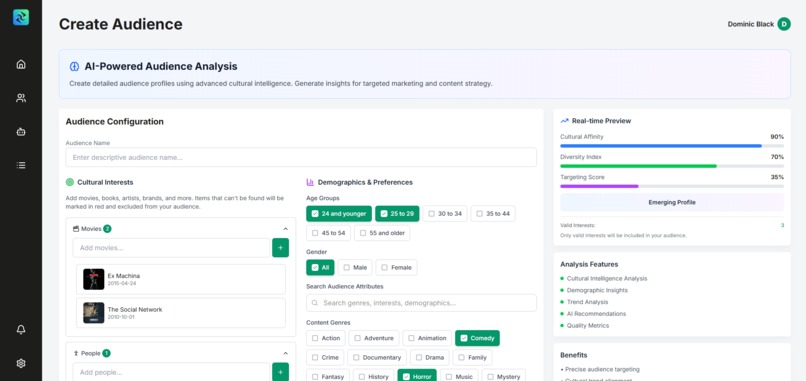
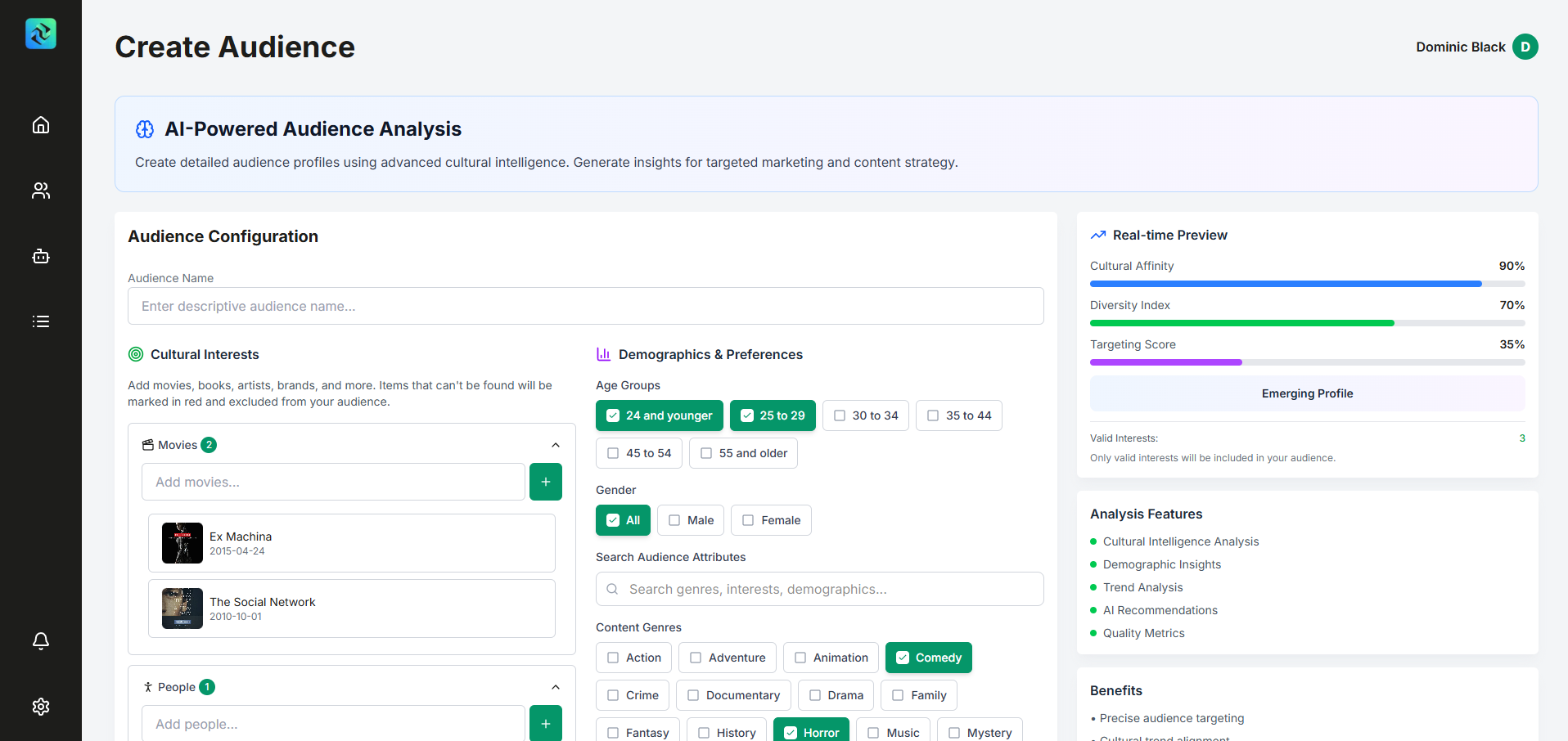
Create Target Audience - Generate highly tailored content that deeply resonates.
-
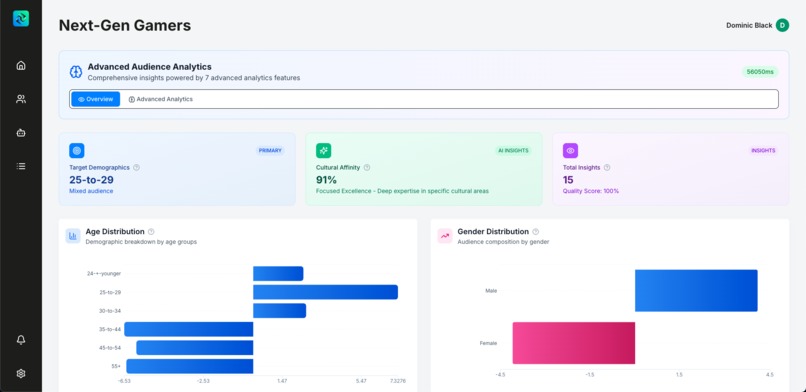
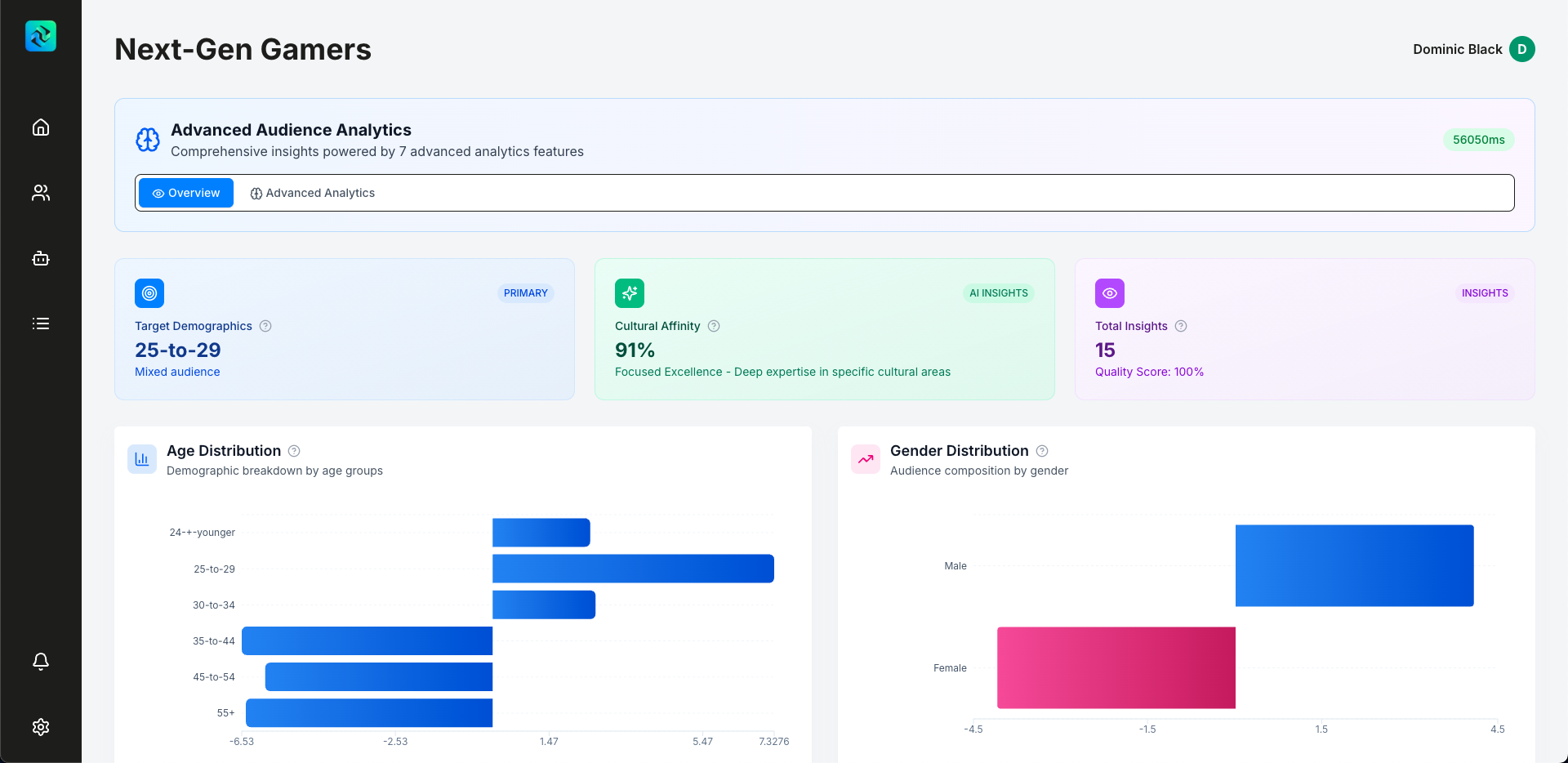
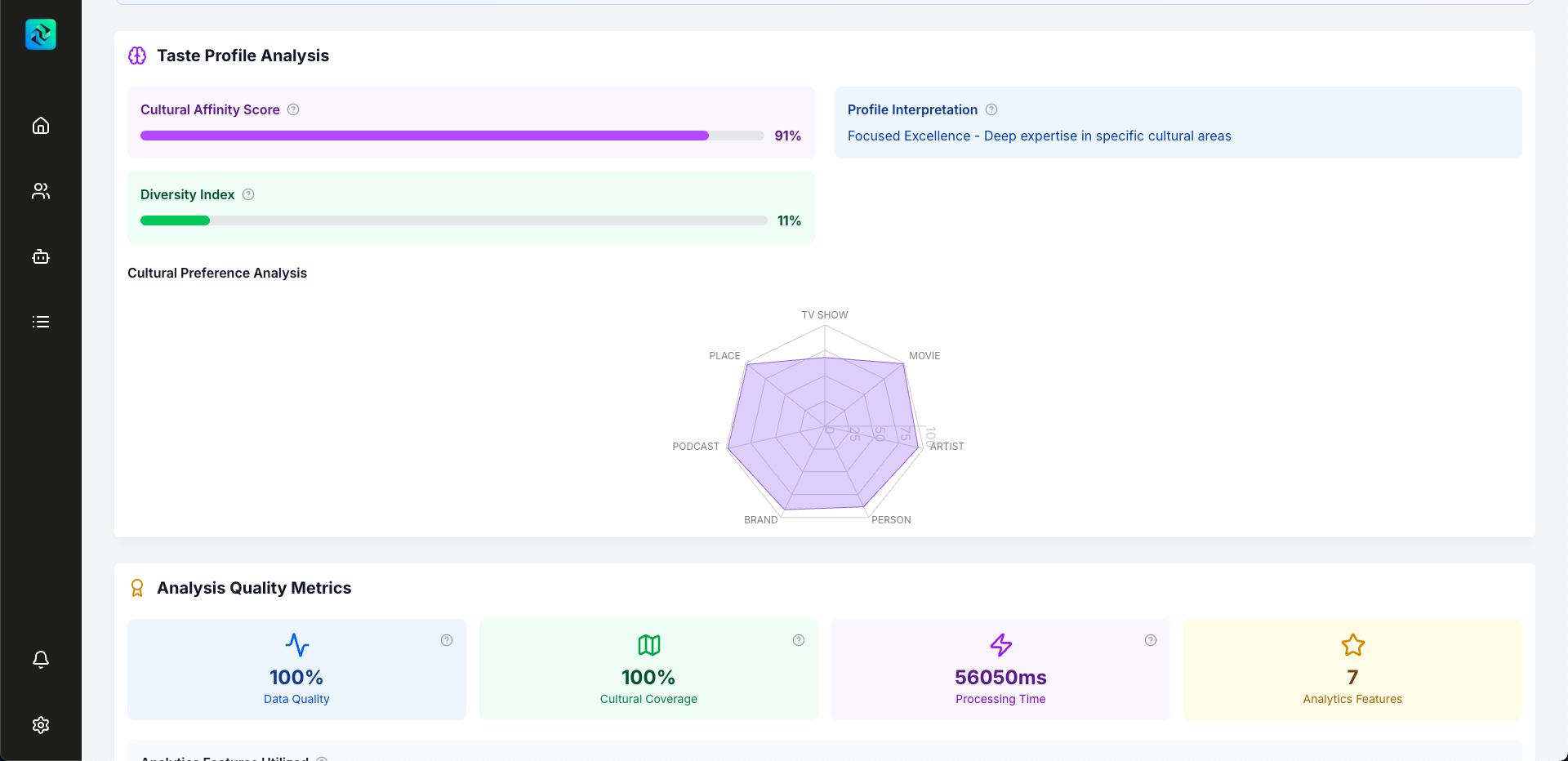
Target audience analytics
-
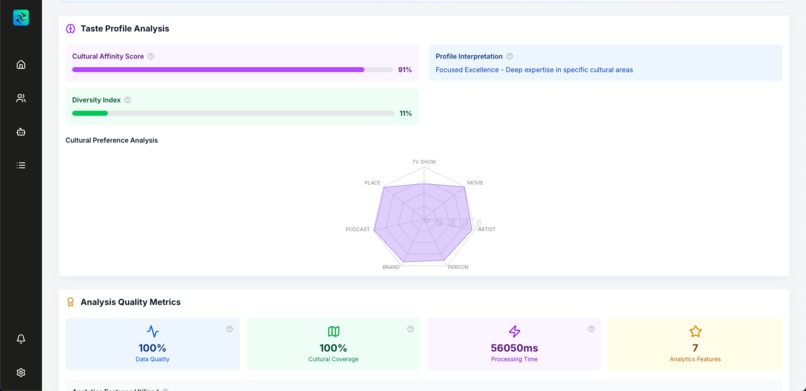
Target audience analytics
-
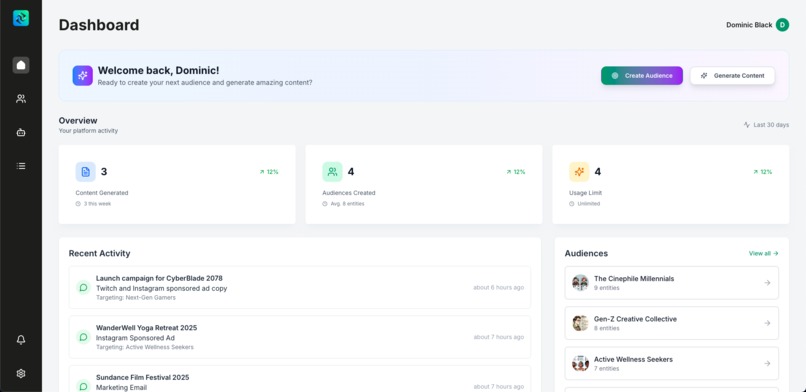
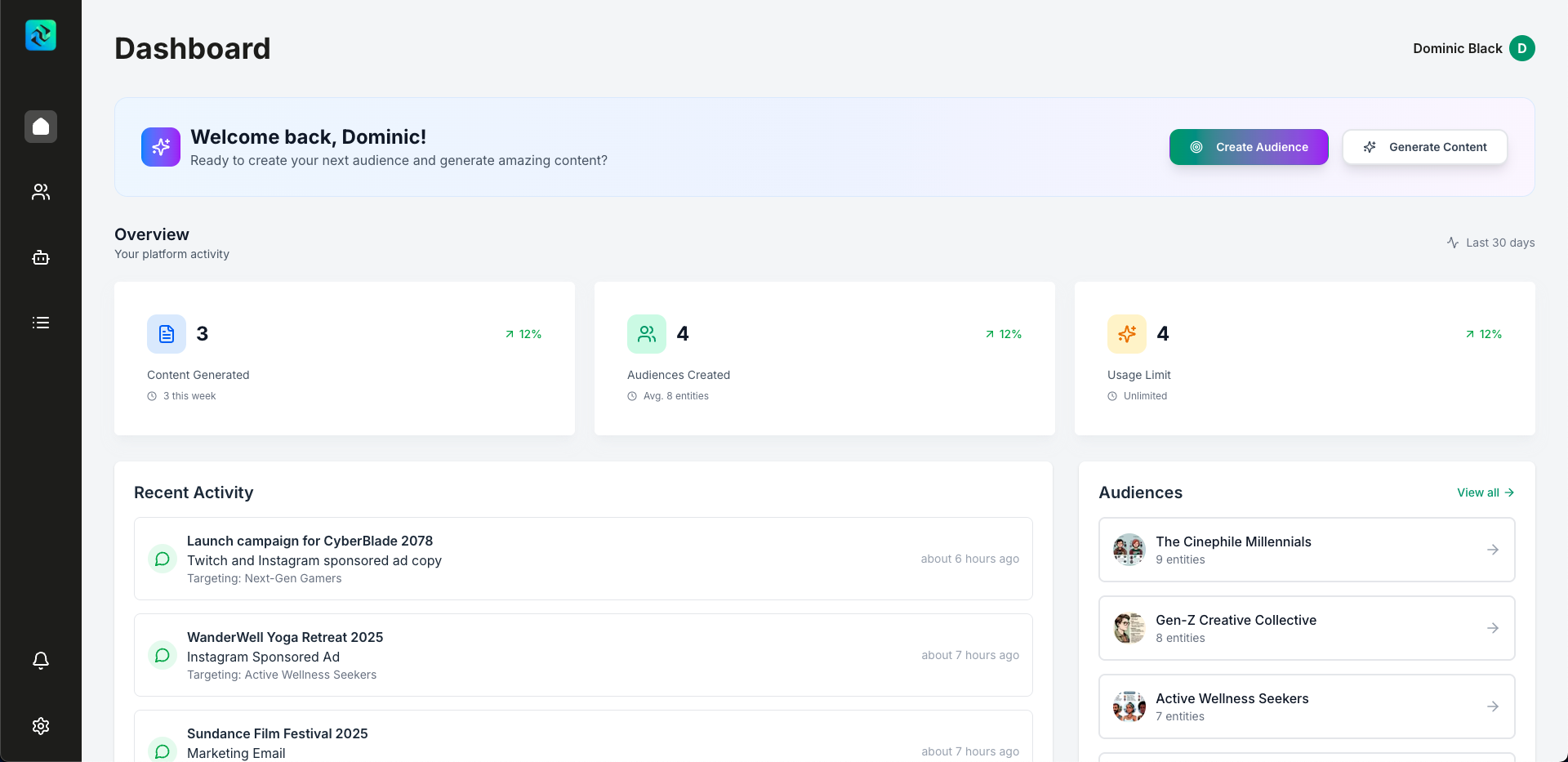
Dashboard
-
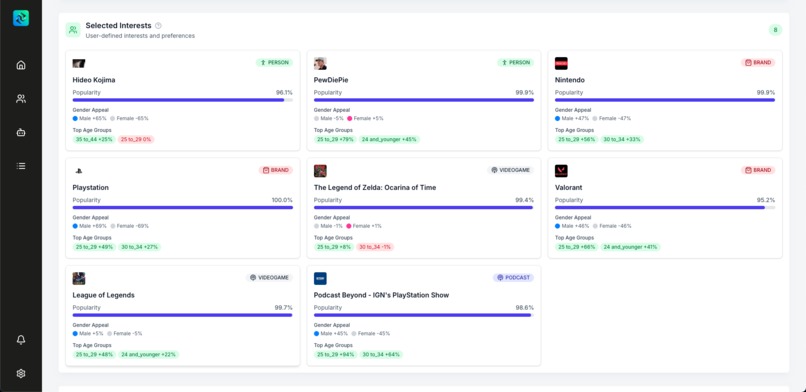
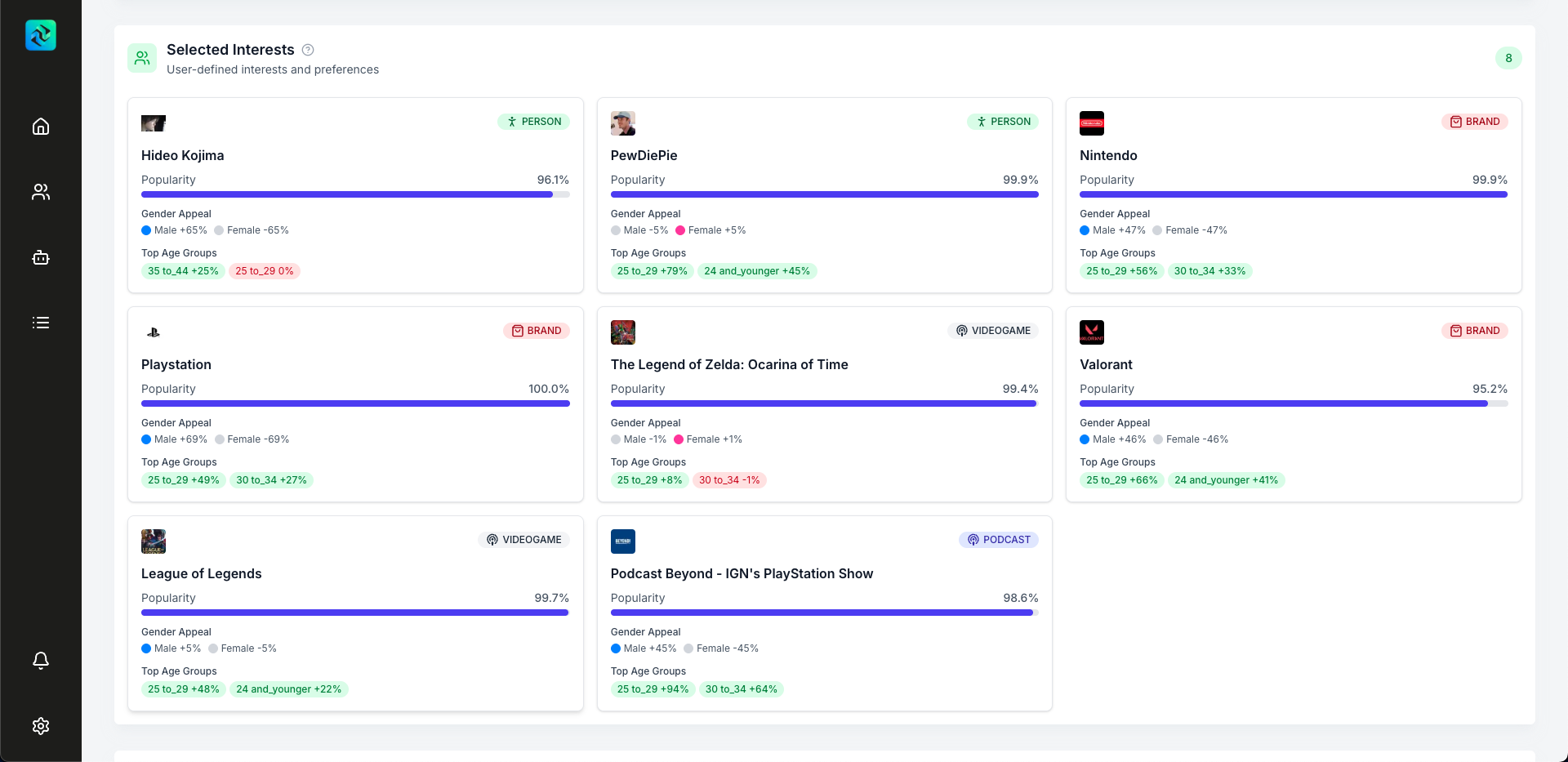
Entity insights
-
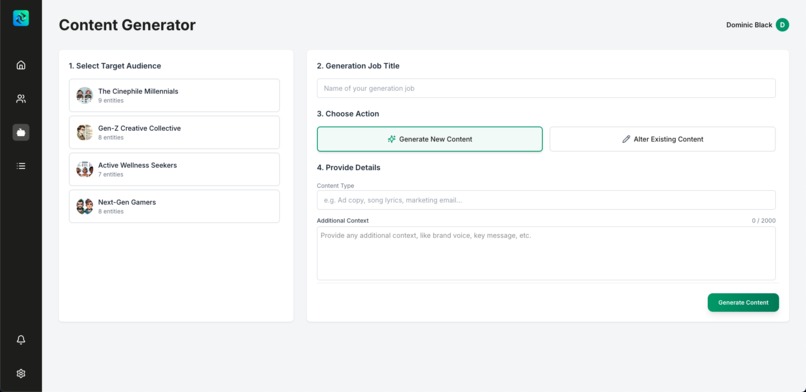
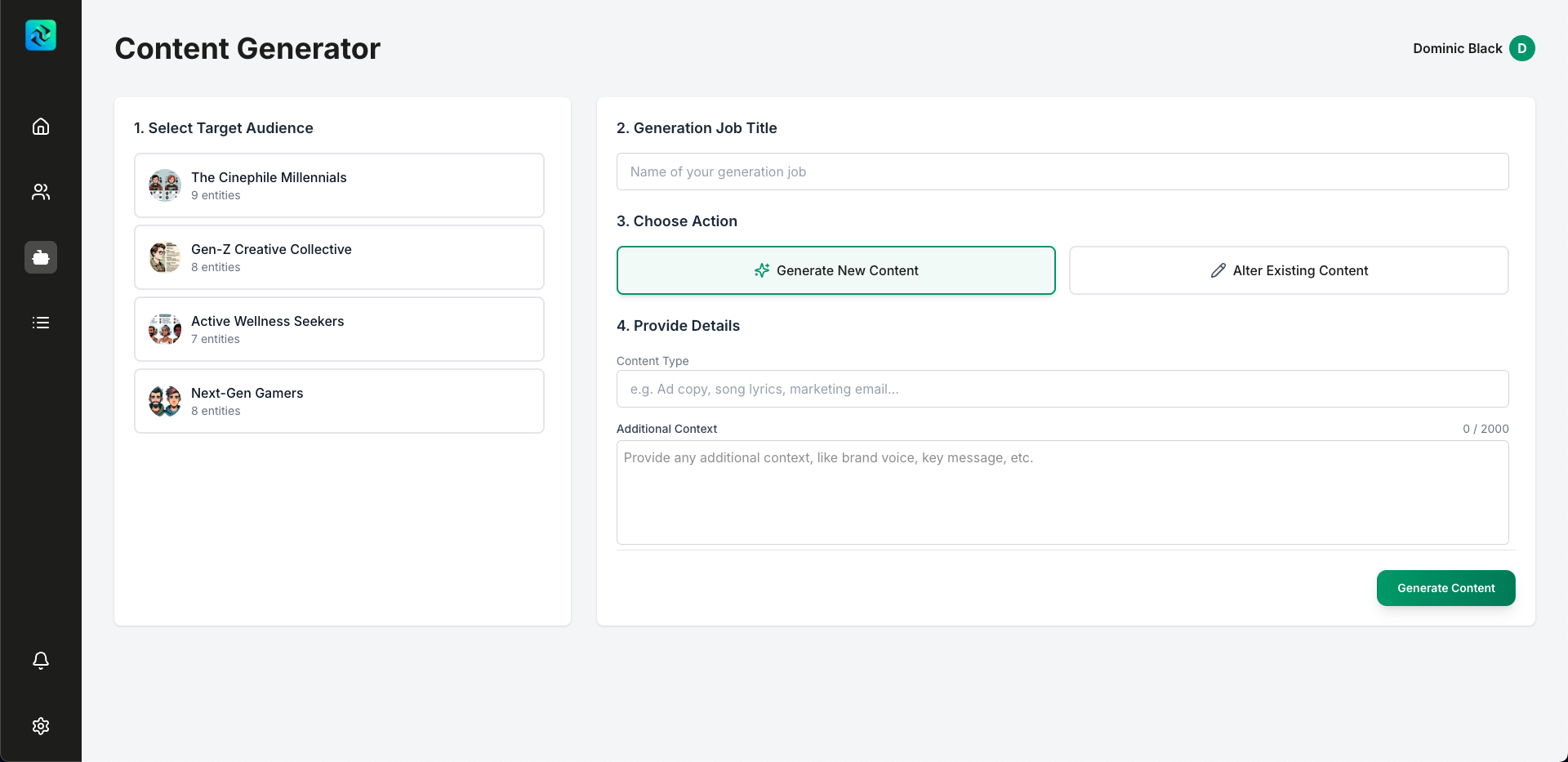
Generate tailored content that resonates with your target audience
AdaptMuse
Inspiration
As someone who has worked at early-stage startups, I’ve seen firsthand how challenging it can be to craft messaging that truly connects with the right audience. Sometimes, despite best intentions and research, teams start by targeting one group — like young professionals — only to later discover their strongest traction comes from an entirely different segment, such as parents in their 40s. These groups live in very different cultural worlds, and what resonates deeply with one may not land with the other.
Language models like GPT can help generate content quickly, but they often lack the cultural nuance that makes messaging truly resonate. After exploring Qloo’s Taste AI, I realized that structured cultural insight could be the key to bridging that gap. That’s when the idea for AdaptMuse was born.
What if anyone — not just marketers, but creators, educators, even public speakers — could craft content that actually resonates with their audience’s real-world passions and values?
What AdaptMuse Does
AdaptMuse is an AI-powered tool that helps you write content for anyone, anywhere. Here's how:
- Define your audience based on cultural signals: movies, artists, genres, public figures, communities, and demographics.
- Expand their interests using cross-domain cultural insights (e.g. music, books, podcasts, values, and brands).
- Generate tailored content — from ad copy and social posts to email intros — using LLMs guided by audience-specific insights.
This isn't just personalization. It's cultural alignment, powered by structured taste data and creative AI.
How I Built It





- Frontend: Next.js 15, TypeScript, Tailwind CSS, Framer Motion, Lottie
- Backend & APIs: Next.js API Routes, OpenAI GPT-4, Qloo Taste AI, Firebase Admin
- Data & Authentication: Firestore, Firebase Auth
Challenges I Faced
Audience Definition Complexity
- Users struggled with "what my audience likes" vs "who my audience is".
- Built logic to interpret flexible inputs while keeping the UI intuitive.
- Added fallback mechanisms to ensure even sparse input data could return meaningful insights.
Blending Structured Data with LLMs
- Prompt engineering took trial and error — balancing flexibility and specificity was key.
- Ensured LLMs referenced cultural affinities without hallucinating facts or names.
- Built tone-matching logic to maintain voice consistency based on target audience type.
UI Complexity
- Designed a dynamic form that supports many input types (entities, genres, demographics).
- Tuned it for responsiveness while preventing cognitive overload.
What I’m Proud Of
Seamless Qloo Integration
Integrated Qloo’s Taste AI API into a real-time content pipeline. Handled nested and edge-case data gracefully.Insight Expansion & Visualization
Built logic to enrich sparse audience inputs and display clear taste summaries + visual maps.AI-Driven Personalization
Developed adaptive prompts that fuse structured audience profiles with GPT, generating copy that speaks the audience’s language.Iterative Content Flow
Enabled users to tweak inputs and see instant changes in content output — making testing and ideation seamless.
What I Learned
- Prompt Engineering: Learned how to control tone, specificity, and structure with precision.
- Data Visualization: Improved my ability to communicate abstract insights through visuals and summaries.
- Cultural AI: I had a blast exploring my own tastes — and thanks to the Qloo API, I’m now a huge Mr. Robot fan 🎉.
What’s Next for AdaptMuse?
- Effectiveness Tracking: Measure content success and close the feedback loop.
- Multi-Channel Publishing: Push content directly to email, social, and ad platforms.
- Team Collaboration: Build approval workflows and shared editing features.
- Creative A/B Testing: Auto-generate copy variations to test across audiences.
Built With
- firebase
- next
- openai
- qloo
- tailwind

Log in or sign up for Devpost to join the conversation.